

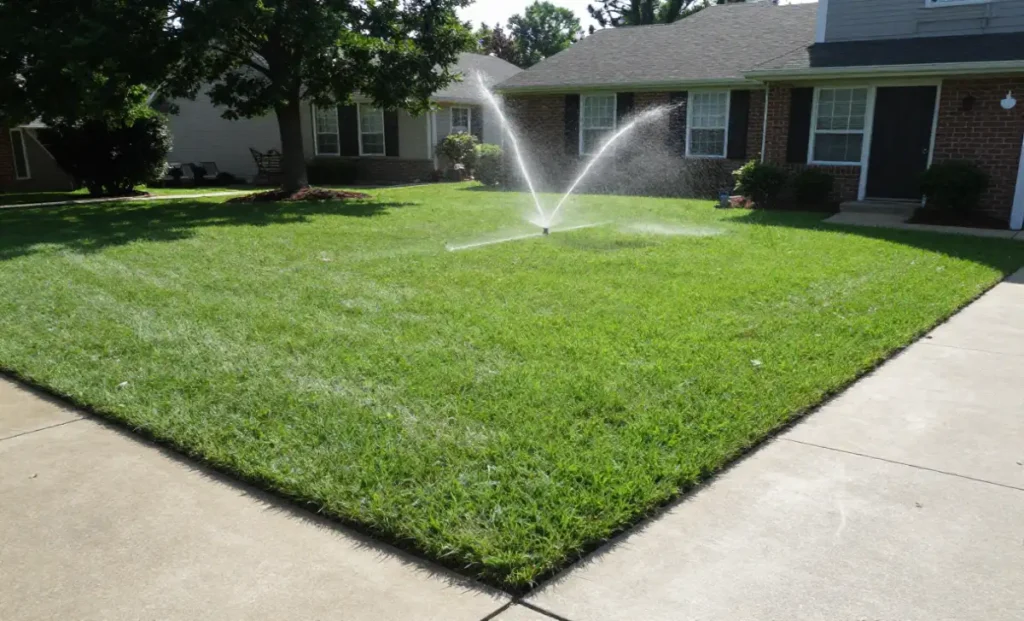
A healthy lawn quietly boosts your home’s value before a buyer even steps inside. Beyond appearances, it signals to buyers, neighbors, and guests that a property is cared for — and that perception translates directly into market value. For homeowners in the Charlotte area, where warm summers, clay-heavy soils, and humidity create specific challenges, getting lawn care right takes more than occasional mowing. Whether you’re managing your yard yourself or considering professional help, understanding what your lawn actually needs is the right place to start.
If you’re looking for reliable lawn care charlotte nc services, local expertise makes a measurable difference in results — particularly when dealing with the Piedmont region’s soil conditions and seasonal extremes.
Why Lawn Care Matters for Homeowners
First impressions are formed at the curb. A patchy, overgrown, or weed-choked lawn draws attention before anyone reaches the front door. Conversely, a thick, evenly cut lawn with clean edges immediately signals that the rest of the property is likely in good shape.
According to real estate studies, professional landscaping and lawn maintenance can increase a home’s perceived value by 10–15%. That’s a meaningful return for what is often a modest monthly expense. Beyond resale, a healthy lawn creates usable outdoor space — somewhere for kids to play, for gatherings, or simply for a clean view from the windows.
Common Lawn Problems in Charlotte, NC
Charlotte’s climate sits in USDA Hardiness Zone 7b-8a, which brings specific challenges that homeowners here deal with repeatedly.
Heat stress and drought are routine problems during July and August. Warm-season grasses like Bermuda and Zoysia handle heat reasonably well, but extended dry spells without adequate irrigation lead to browning and dormancy. Cool-season grasses like tall fescue struggle even more during summer heat.
Weed infestations — crabgrass, dollarweed, and nutsedge in particular — take hold quickly in thin or stressed turf. Once established, they’re difficult to remove without a targeted treatment plan.
Soil compaction is widespread in Charlotte neighborhoods, especially in yards with heavy clay content or high foot traffic. Compacted soil restricts root growth and water absorption, leaving grass thin and vulnerable.
Pest damage from grubs, chinch bugs, and armyworms can cause significant turf loss before homeowners even notice a problem. By the time brown patches appear, the damage is often already widespread.
Benefits of Hiring Professional Lawn Care Services
Local lawn care professionals bring a few things that are hard to replicate on your own.
Climate and soil knowledge. A company that works across Charlotte lawns daily understands which grass varieties perform well here, when to apply pre-emergent weed control, and how to treat the specific pests and fungi common to the Piedmont region. That local knowledge shortens the learning curve considerably.
Time savings. Between mowing, edging, fertilizing, aerating, and treating weeds, proper yard care can consume several hours per week during the growing season. For working homeowners, that time has real value.
Equipment and technique. Commercial mowers and calibrated spreaders cut cleaner and distribute nutrients evenly, which retail gear simply can’t replicate. Proper blade height, even fertilizer distribution, and precise edging all contribute to turf health over time.
Long-term consistency. A scheduled maintenance program keeps your lawn on a regular cycle, which matters more than any single treatment. Consistent mowing height, timely fertilization, and preventive weed control add up to noticeably better results than sporadic attention.
Essential Lawn Care Services to Consider
A complete residential lawn care program typically covers:
- Mowing and edging — Regular cuts at the correct height for your grass type, with clean edges along driveways, beds, and walkways
- Fertilization and weed control — Seasonal applications based on soil test results and grass type, with pre- and post-emergent herbicide treatments
- Aeration and overseeding — Pull 2–3 inch soil plugs to fracture clay layers and improve oxygen exchange, creating ideal seed-to-soil contact for fall overseeding.
- Pest and disease management — Apply Integrated Pest Management (IPM) protocols to identify threshold levels before treating, ensuring precise grub or chinch bug control without blanket chemical overuse.
- Seasonal cleanups — Leaf removal in fall, bed cleanup in spring, and debris clearing after storms
DIY Lawn Care vs. Professional Services
Both approaches have legitimate cases. Here’s an honest comparison:
Cost vs. value
DIY looks cheaper on paper, but commercial-grade fertilizers, calibrated spreaders, and equipment maintenance quickly eat into those savings. Professional programs run $100–$250/month and bundle labor, materials, and seasonal adjustments—delivering predictable turf density without weekend guesswork.
Time investment
Managing a Charlotte lawn properly through the growing season — April through October — takes real commitment. Skipping treatments or mowing less often than recommended leads to compounding problems that become more expensive to fix.
Results and consistency
Professionals produce more even results because they follow structured programs. DIY outcomes vary significantly based on the homeowner’s knowledge, schedule, and access to quality products. For homeowners who enjoy yard work and are willing to learn, DIY can work well. For those who want reliable results without the time commitment, professional services are the stronger choice.
Tips to Maintain a Healthy Lawn Year-Round
If you’re managing some or all of your lawn care yourself, these fundamentals apply regardless of season.
Water deeply, not frequently
Charlotte lawns generally need about one inch of water per week. Install an affordable soil moisture sensor to skip unnecessary watering during rainy weeks and trigger irrigation only when the top 3 inches dry out. Deep, infrequent watering encourages roots to grow downward rather than staying shallow. Early morning is the best time — it reduces evaporation and limits fungal growth.
Mow at the right height
Cutting grass too short stresses the turf and opens the door for weeds. Bermuda performs well at 1–1.5 inches; Zoysia at 1–2 inches; tall fescue at 3–4 inches. Never remove more than one-third of the blade length in a single mow.
Fertilize on a schedule
Feed warm-season grasses in late spring through early summer when soil temperatures stabilize above 65°F. For tall fescue, push nitrogen applications to September to strengthen root reserves before winter dormancy. Skip summer feeds for cool-season turf to avoid disease pressure and runoff.
Stay ahead of weeds
Pre-emergent herbicide applied in early spring (when soil temperatures reach 55°F) prevents crabgrass and other annual weeds from germinating. A second application in the fall addresses winter weeds like henbit and annual bluegrass.
Investing in Your Lawn Pays Off
A healthy lawn doesn’t happen by accident, particularly in Charlotte’s climate. Your lawn won’t thrive on guesswork. Stick to a steady mowing schedule, time your treatments to the season, and feed exactly what your grass type demands.
For homeowners who want the results without managing each step themselves, professional lawn care is a practical investment that protects your property value and keeps your outdoor space functional and attractive year-round. Reach out to a local Charlotte lawn care provider to get a service plan tailored to your yard’s specific conditions.
