

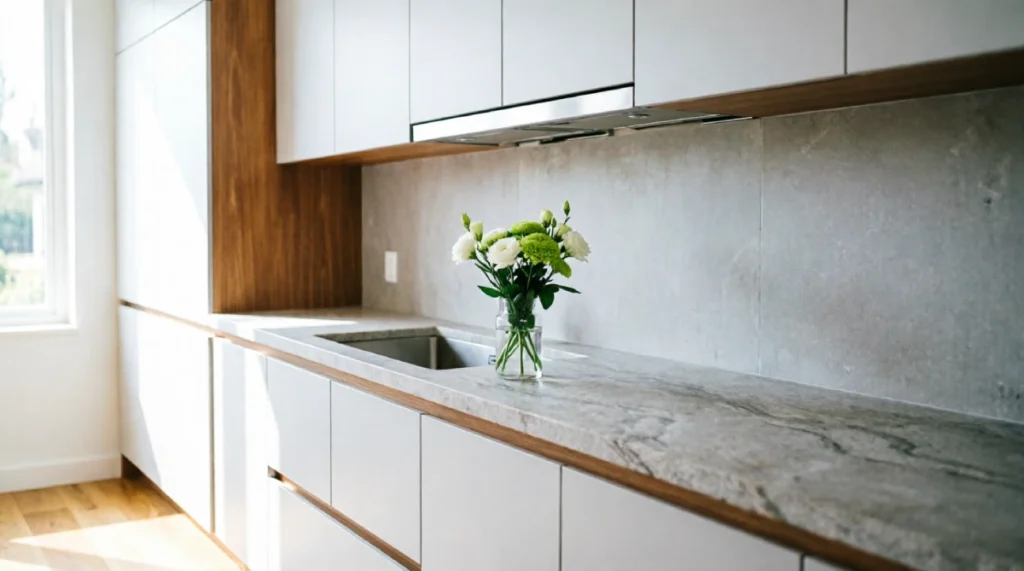
I know how frustrating it is when your kitchen feels heavy and cluttered right when summer arrives. The last thing you want is a space that traps heat and stresses you out during the warmer months.
I focus on modern kitchen design that prioritizes clean lines, practical storage, and breathable materials without turning your home into a sterile showroom. After years of working on renovations and seasonal refreshes, I found that small, targeted changes make the biggest difference.
This guide shares 14 modern summer kitchen ideas that actually work — drawn from real projects and honest experience.
1. Handleless Flat-Panel Cabinets
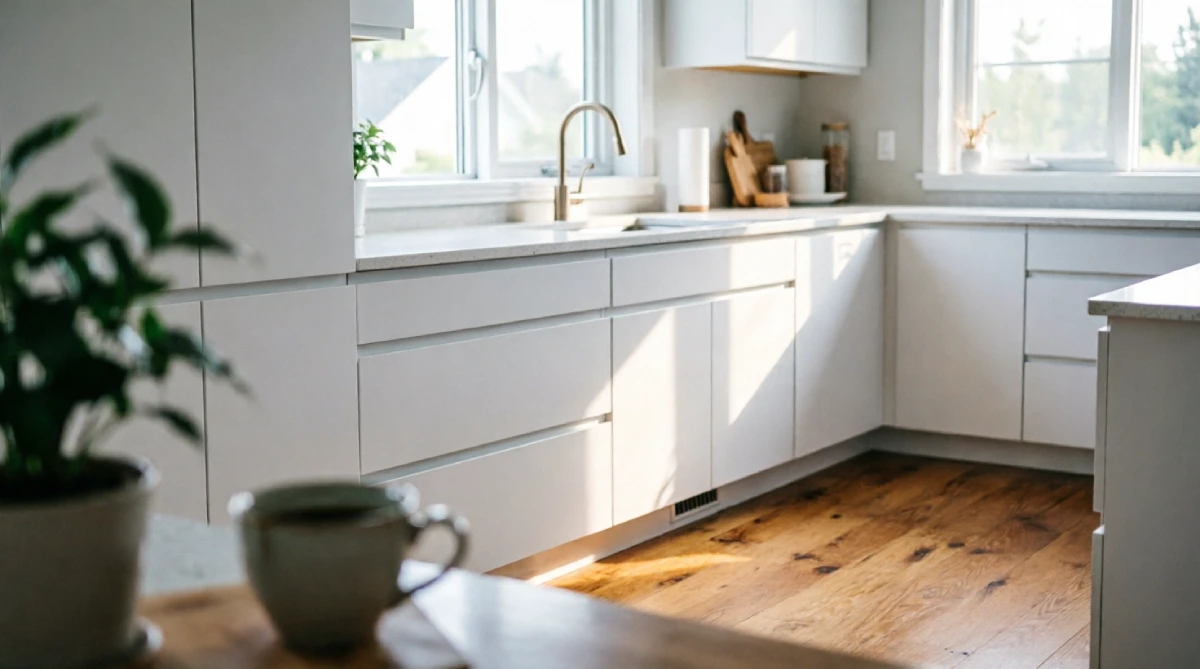
I always recommend flat-panel cabinets with push-to-open mechanisms for a true modern summer kitchen. The absence of protruding handles creates an uninterrupted visual flow that instantly calms the space. I use matte or satin finishes in light neutrals — cream, warm white, or pale gray — to bounce natural light around the room. This combination makes even a compact kitchen feel open and breathable, which matters when summer heat builds up.
I noticed that kitchens with ornate cabinet details collect dust and grease around hardware, especially in humid weather. Switching to handleless fronts eliminated that problem almost entirely for several of my clients.
I suggest starting with the upper cabinets if a full replacement is not in the budget. Even partially adopting flat panels transforms the room’s character.
2. Integrated Appliance Panels
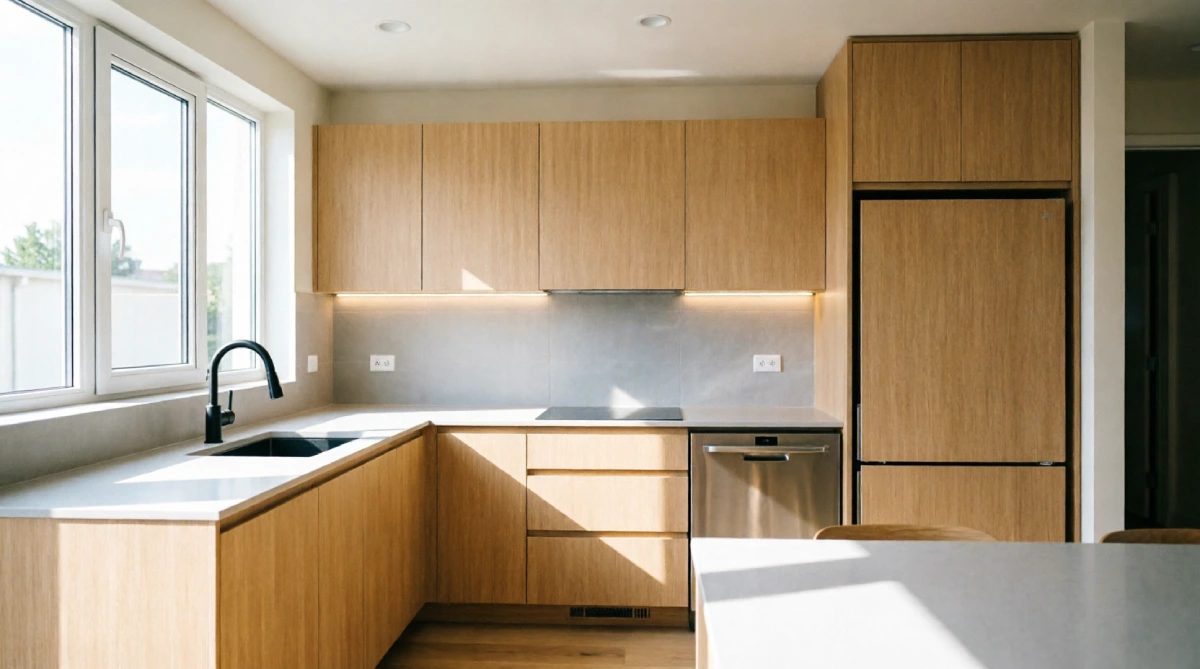
I always hide the refrigerator and dishwasher behind custom panels that match the cabinetry. Large stainless steel appliances break the visual rhythm of a clean kitchen, and summer calls for something lighter. I use panel-ready appliances from standard brands — there is no need for luxury imports. Matching the door fronts to the surrounding cabinets makes the kitchen feel more like a living space than a utility zone.
I once worked on a small galley kitchen where the exposed fridge dominated everything. After adding a cabinet panel, the room felt noticeably larger and more cohesive.
I suggest prioritizing the refrigerator panel first. It delivers the biggest visual impact for the investment.
3. Single-Slab Backsplash
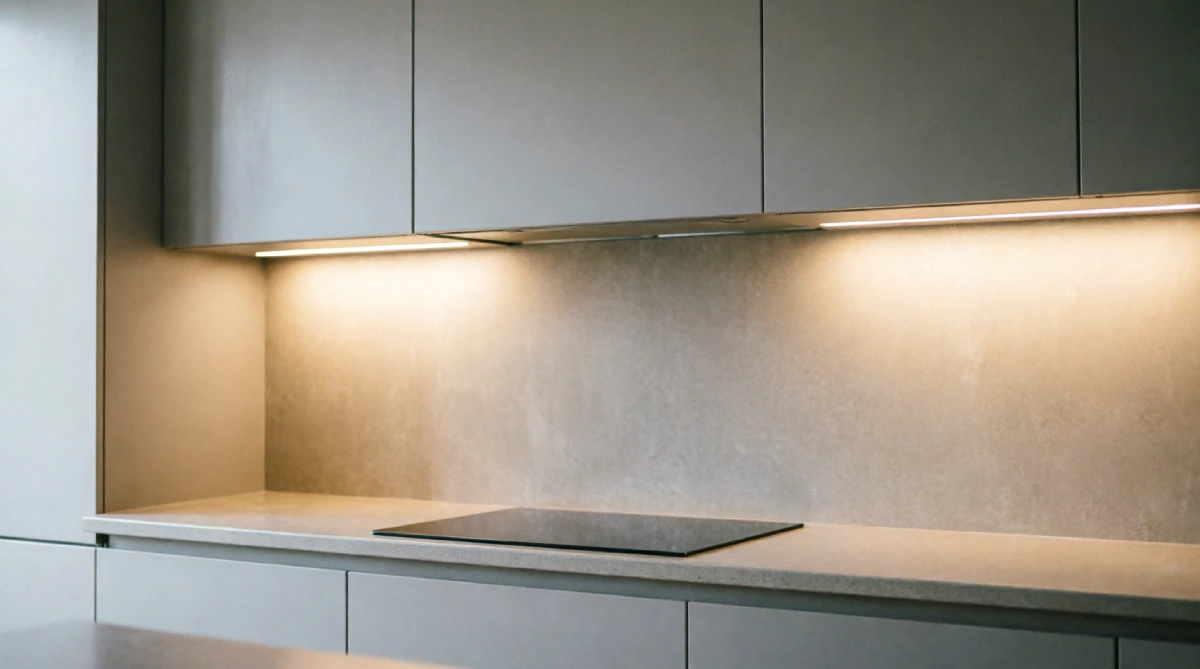
I always choose large-format porcelain slabs over mosaic tiles for a modern summer backsplash. Fewer grout lines means less scrubbing and a smoother visual plane that supports the clean aesthetic. I use matte-finished porcelain that mimics limestone or micro-cement. It handles cooking splatter well and does not compete with countertops for attention.
I once tore out a busy glass tile backsplash that a homeowner regretted within months. The replacement slab cost less than premium tile work and made daily cleaning noticeably faster.
I suggest running the slab material up to the ceiling behind the range for a dramatic but practical focal point.
4. Open Shelving Over Closed Uppers
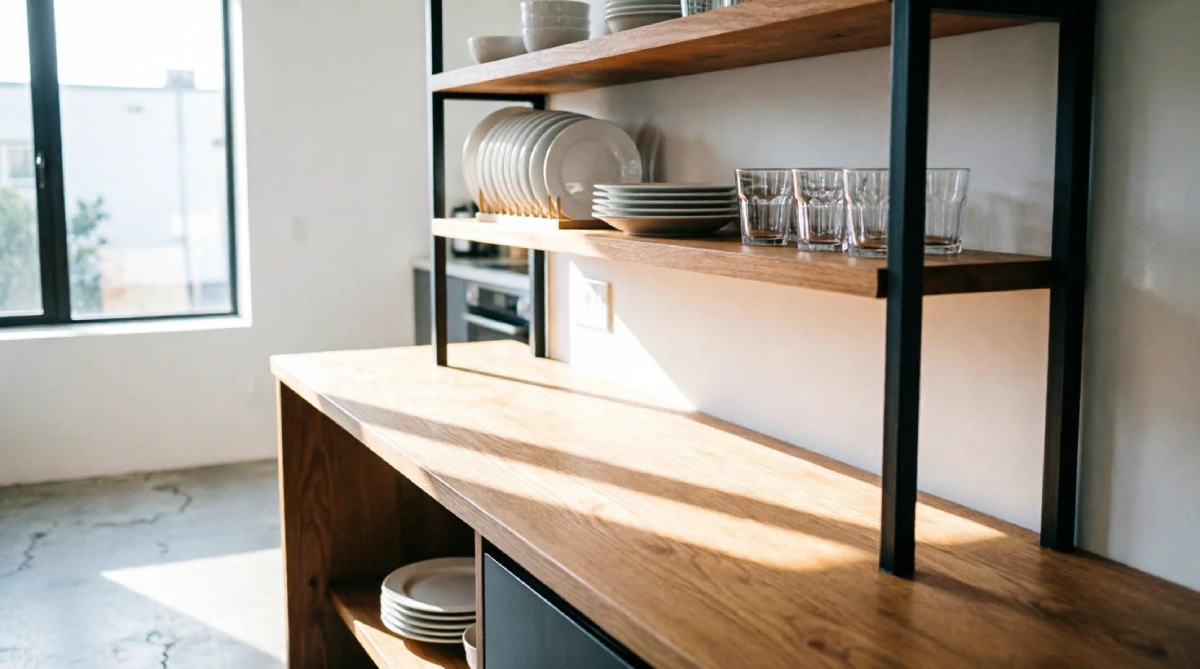
I always mix open shelving with closed lower cabinets in a modern summer kitchen. Removing select upper cabinets opens sightlines and forces you to keep only what you actually use. I use solid wood or matte metal brackets with shelves no deeper than 10 inches. Deeper shelves collect clutter fast. Displaying everyday plates and glassware keeps the look intentional rather than decorative. I noticed that households with open shelving tend to maintain better kitchen habits naturally. The visibility acts as a quiet accountability system.
I suggest limiting open shelving to one wall or a single section. A full wall of open storage becomes a dust trap and defeats the purpose.
5. Undermount Sink with Flush Drainboard
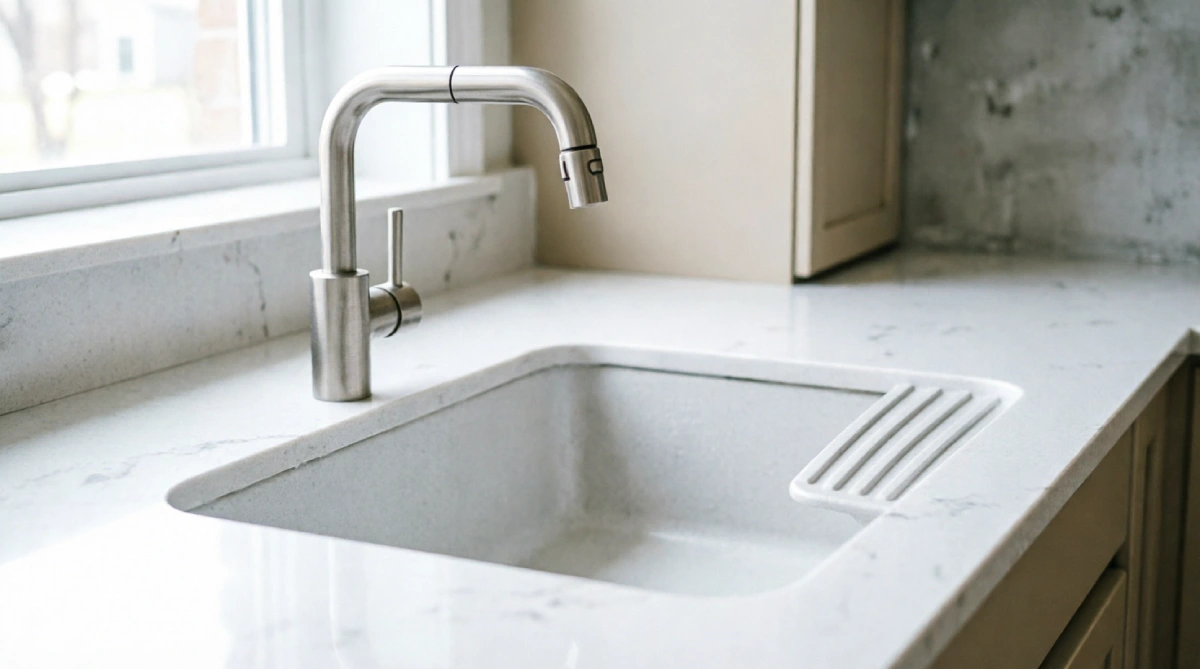
I always specify an undermount sink with a built-in drainboard groove when designing a clean, modern kitchen. The flush integration into the countertop means no raised lip trapping crumbs and water. I use stainless steel or composite granite sinks paired with quartz countertops. The drainboard grooves channel water directly into the sink while keeping the surface dry and usable.
I once swapped a top-mount sink for an undermount during a budget refresh. The homeowner told me cleanup time dropped noticeably because debris swept straight into the basin.
I suggest extending the counter material onto the drainboard area for a fully integrated look that takes seconds to wipe down.
6. Induction Cooktop Over Gas
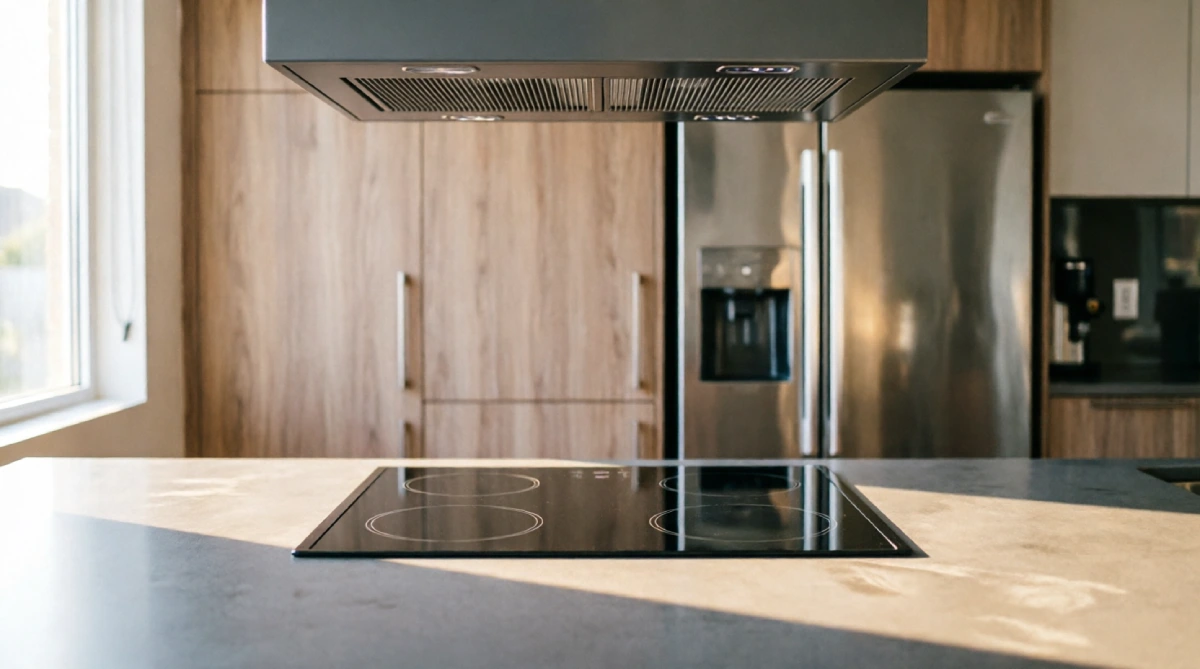
I always recommend induction cooktops for a modern summer kitchen. The smooth glass surface sits flush with the counter and wipes clean in seconds — no grates, no burners, no crevices for spills to burn into. I use 36-inch induction units with four to five zones for average households. They heat faster than gas and do not dump excess warmth into the room, which matters when summer temperatures rise.
I once cooked on induction during an August heatwave and realized the kitchen stayed comfortable while boiling pasta. That practical difference sold me on the technology permanently.
I suggest checking your existing cookware with a magnet before switching. Most modern pans work fine, but old aluminum sets will need replacement.
7. Hidden Range Hood Solutions
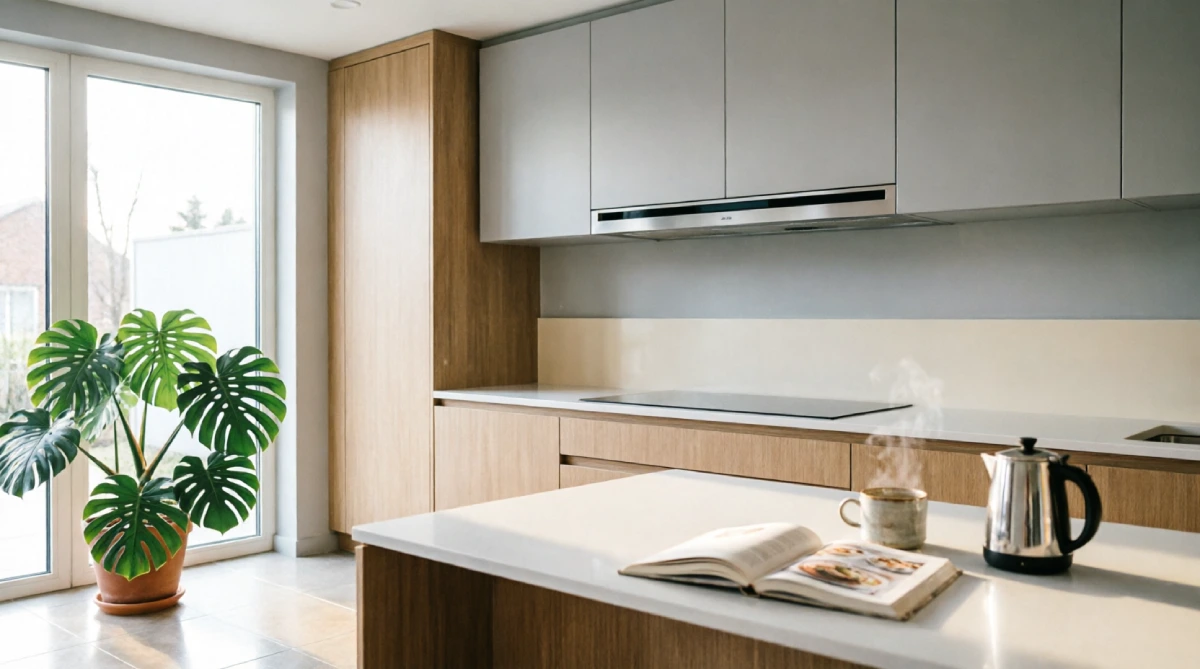
I always conceal the range hood inside upper cabinetry or use a slim ceiling-mounted unit. Bulky stainless hoods dominate the room visually and collect greasy dust on top. I use inline duct fans placed in the attic or ceiling void when possible. The visible portion can be a simple plaster box or paneled cabinet front that disappears into the ceiling plane.
I once installed a ceiling cassette extractor for a client who hated cleaning her stainless hood. She later mentioned the new setup was quieter, and the room felt taller without the overhead mass.
I suggest planning ventilation early in any renovation. Retrofitting hidden ductwork is possible, but it costs more.
8. Warm Minimalist Pendant Lighting
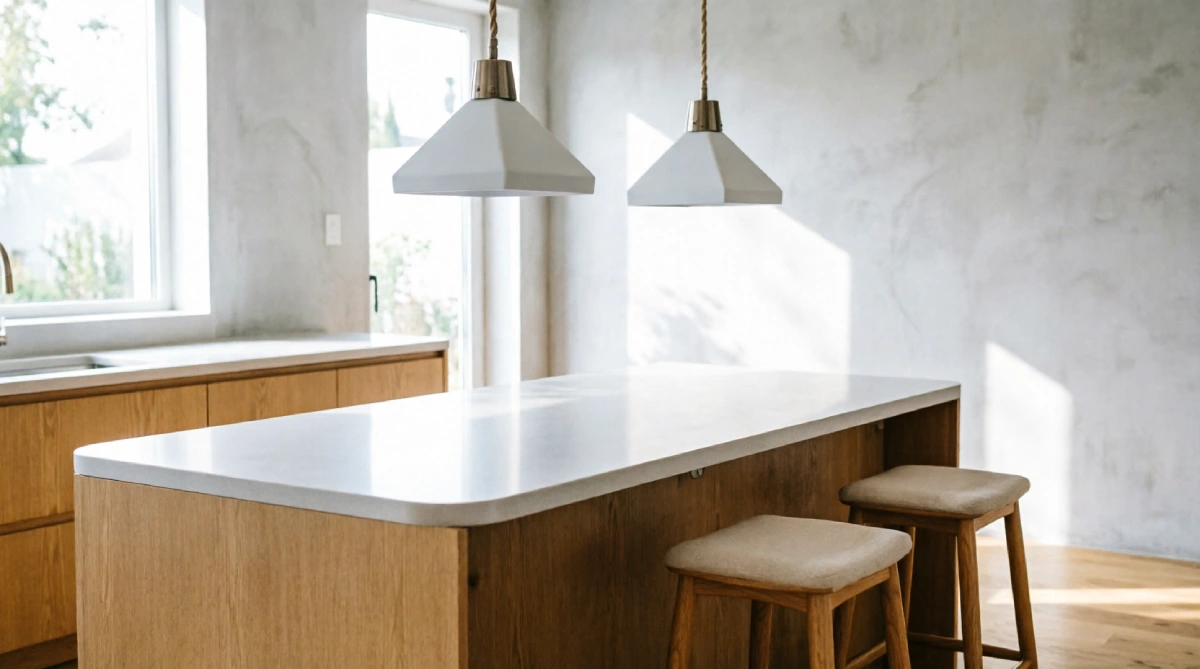
I always select one or two simple pendant lights over the island rather than a row of fixtures. Restraint feels more modern, and the kitchen reads as cleaner with fewer visual anchor points. I use frosted glass or thin metal shades in white, black, or brass. The light should disperse evenly without casting harsh shadows across prep areas.
I once replaced a three-pendant cluster with a single linear fixture over a modest island. The kitchen immediately felt less busy despite changing nothing else.
I suggest choosing pendants in a finish that matches your cabinet hardware for a cohesive, intentional look.
9. Light Wood or Bleached Flooring
I always lean toward light-toned wood or bleached oak flooring in summer-focused kitchens. Dark floors absorb light and show every crumb, dust mote, and water spot within hours. I use engineered oak with a matte UV-oiled finish rather than glossy polyurethane. The non-reflective surface hides minor wear and feels cooler underfoot during hot months.
I once visited a kitchen with espresso-stained floors the morning after a dinner party. The space looked messy despite being perfectly clean, simply because every speck of dust was visible.
I suggest running the same flooring through adjacent living areas for an uninterrupted, expansive feel.
10. Decluttered Countertops
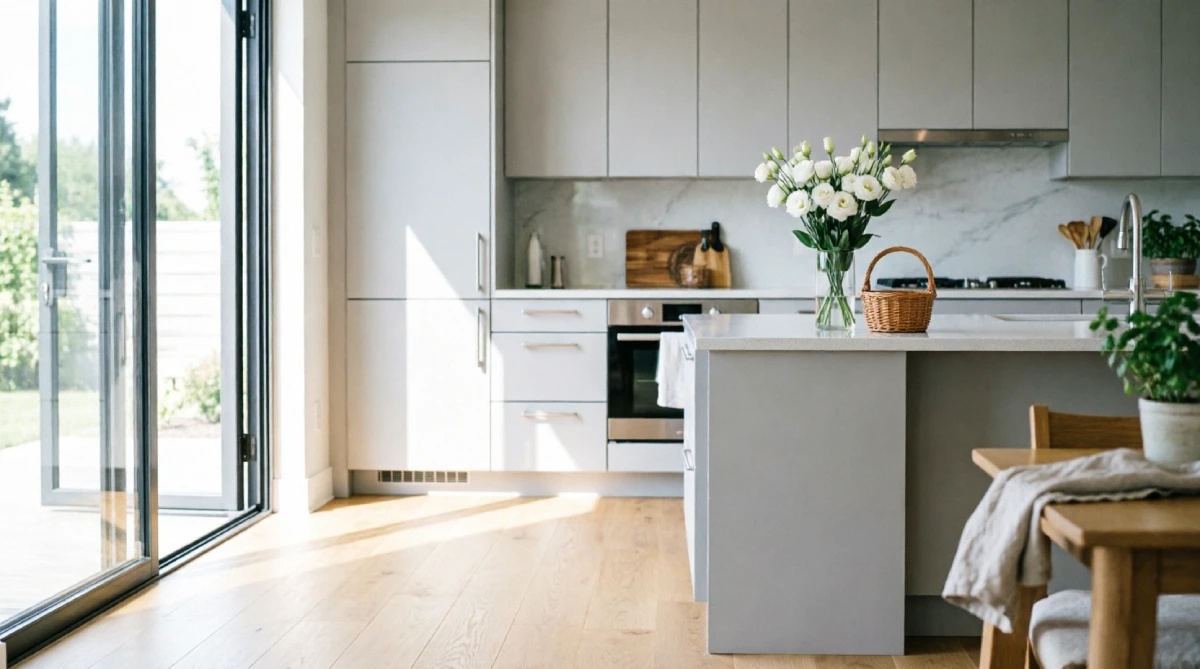
I always enforce a strict countertop policy — nothing stays out except what is used daily. Small appliances, utensil crocks, and mail piles destroy the clean look faster than anything else. I use appliance garages or dedicated pantry cabinets with internal outlets. The coffee maker and toaster sit behind closed doors but remain fully functional.
I once helped a family reorganize a kitchen where the counters were buried under mail, snacks, and gadgets. After assigning everything a home inside cabinets, they said cooking felt easier, and the room stayed cleaner naturally.
I suggest starting with one clear section of counter and protecting it fiercely. Success there builds momentum for the rest.
11. Full-Height Cabinet Wall
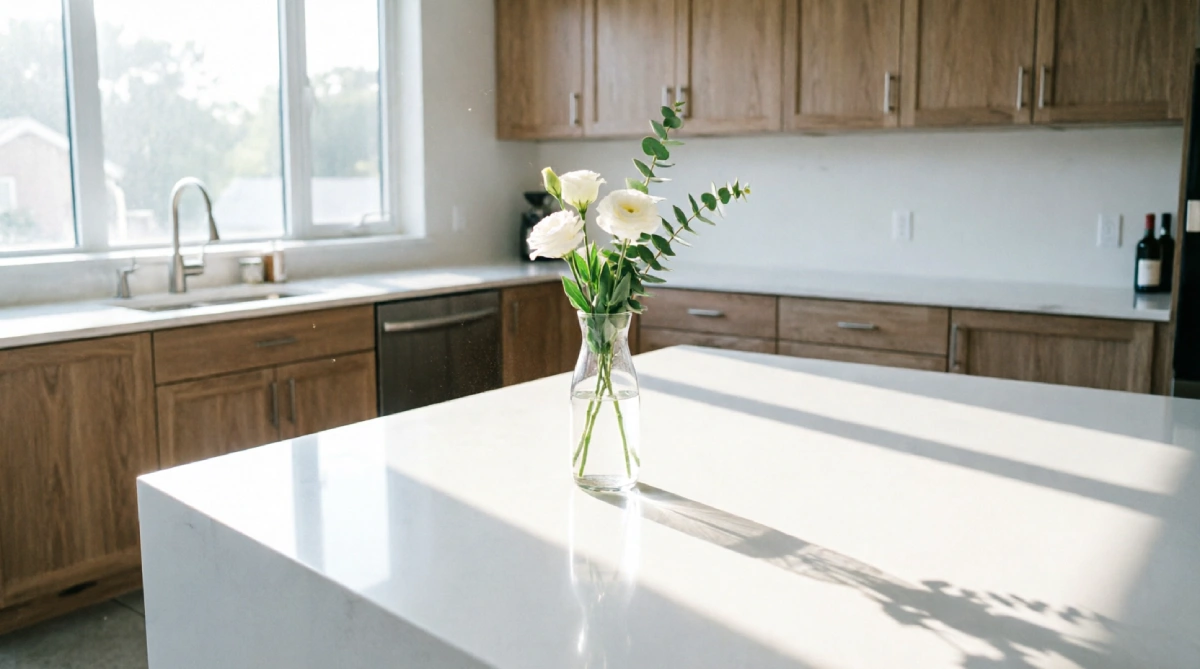
I always recommend running at least one wall of cabinetry floor to ceiling. Standard cabinets stop short and create a dust-collecting gap that wastes storage potential. I use the upper sections for seasonal items — summer serving platters, ice cream makers, and party supplies. The tall cabinet banks the room and draws the eye upward.
I once designed a full-height pantry wall for a kitchen that previously had a single broom closet. The owner gained enough storage to clear her garage shelving.
I suggest using a mix of open sections and solid doors on the tall wall to avoid a monolithic, heavy appearance.
12. Concealed Waste and Recycling
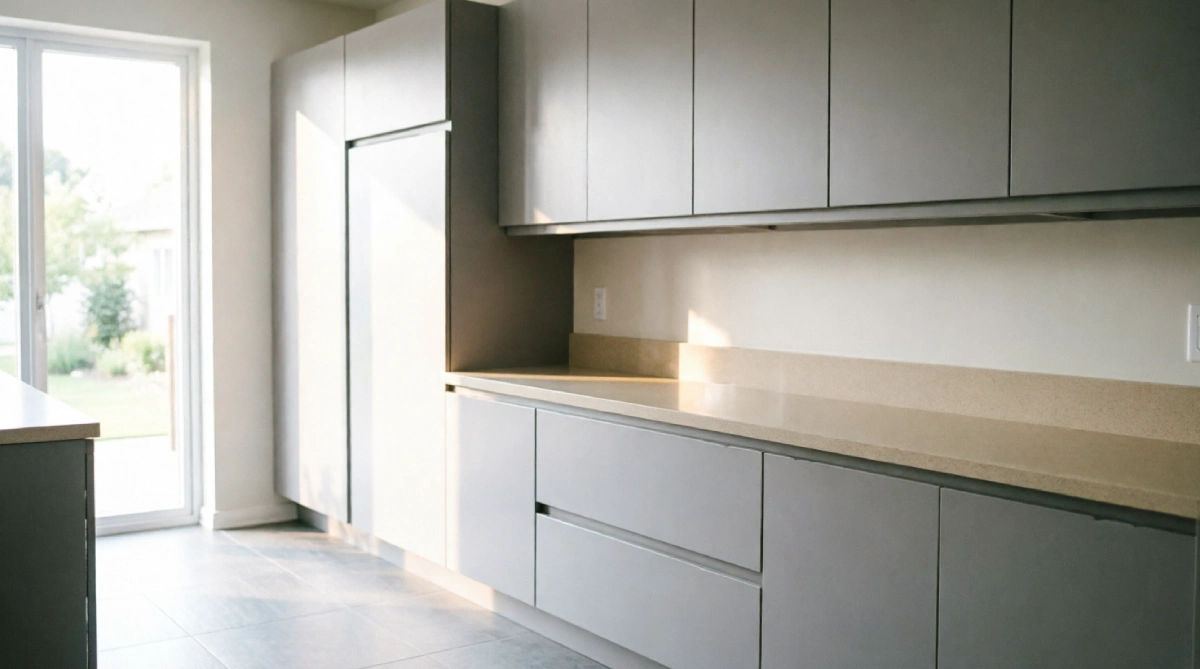
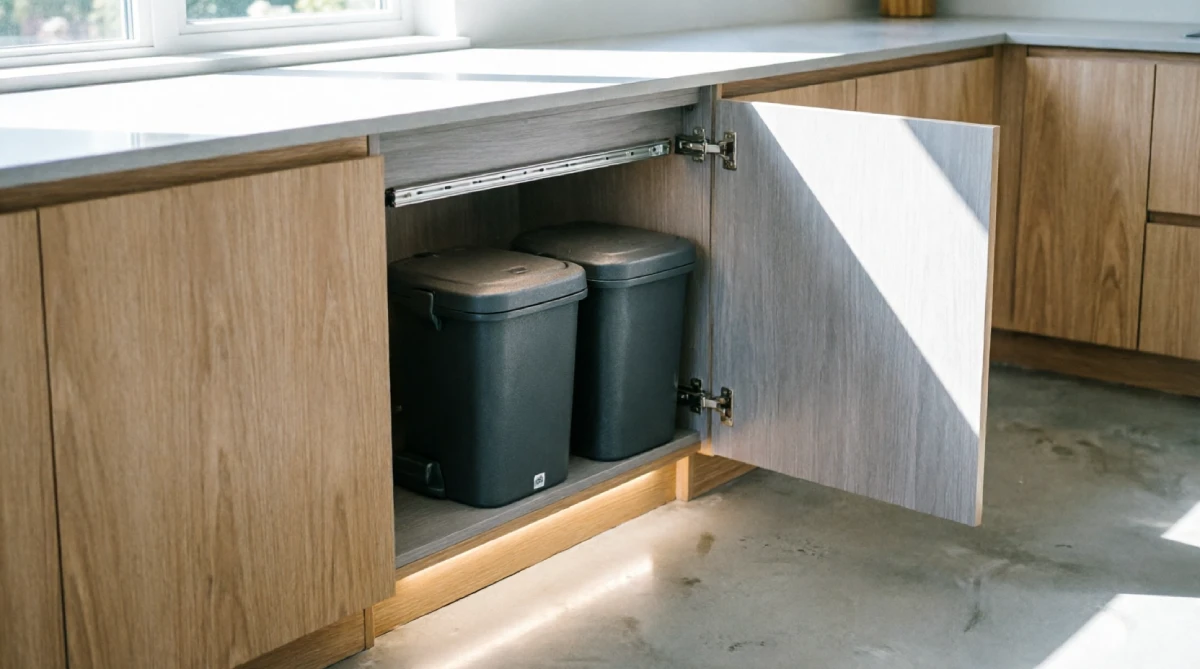
I always hide trash and recycling bins inside pull-out cabinet drawers. Freestanding bins eat floor space and introduce color noise that works against a clean, modern kitchen. I use dual-bin pull-outs sized for standard waste containers. The cabinet front matches the surrounding doors, so the function disappears completely behind a clean facade.
I once retrofitted a 24-inch cabinet base with a pull-out system in under two hours. It cost less than a premium freestanding bin and looked a hundred times better.
I suggest locating the waste pull-out near the sink and prep zone for natural workflow.
13. Sliding or Pocket Doors
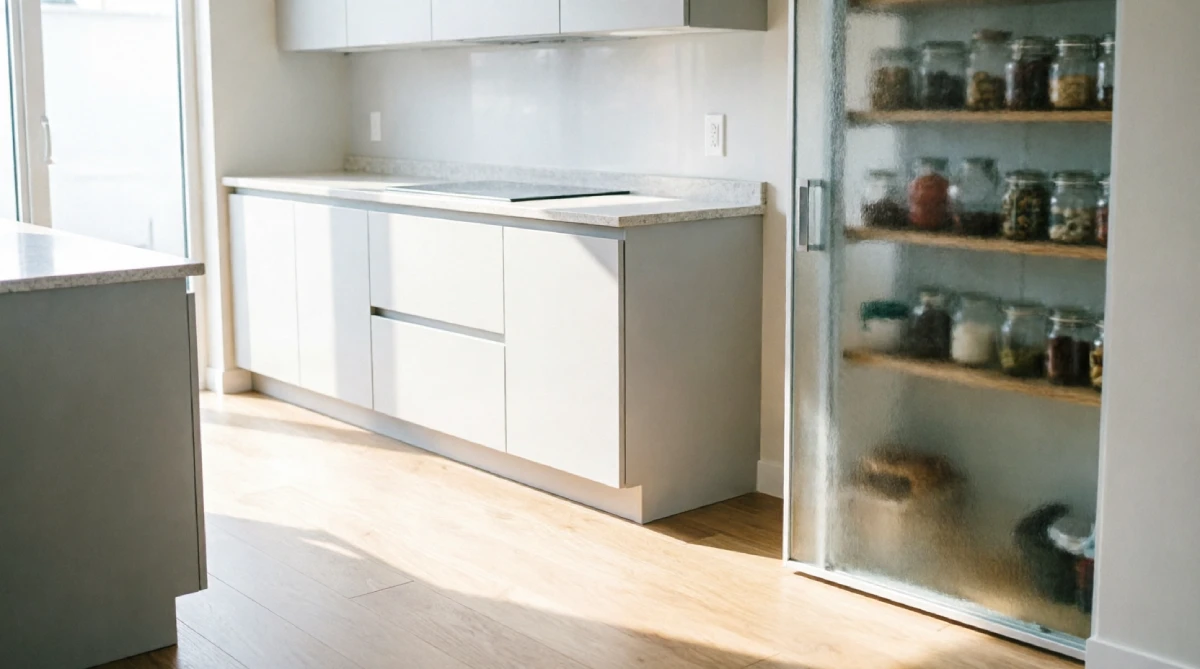
I always consider replacing swinging doors with pocket or sliding options when the kitchen connects to pantries or utility spaces. A standard door arc steals floor space and interrupts flow. I use frosted glass pocket doors for pantries and solid-core sliders for laundry transitions. The glass offers privacy while letting light through in both directions.
I once swapped a swing door between a kitchen and mudroom for a pocket version. The difference in usable floor space surprised even me, and the room felt immediately more open.
I suggest checking wall cavities for hidden plumbing or electrical before committing to a pocket door installation.
14. Monochrome Color Palette
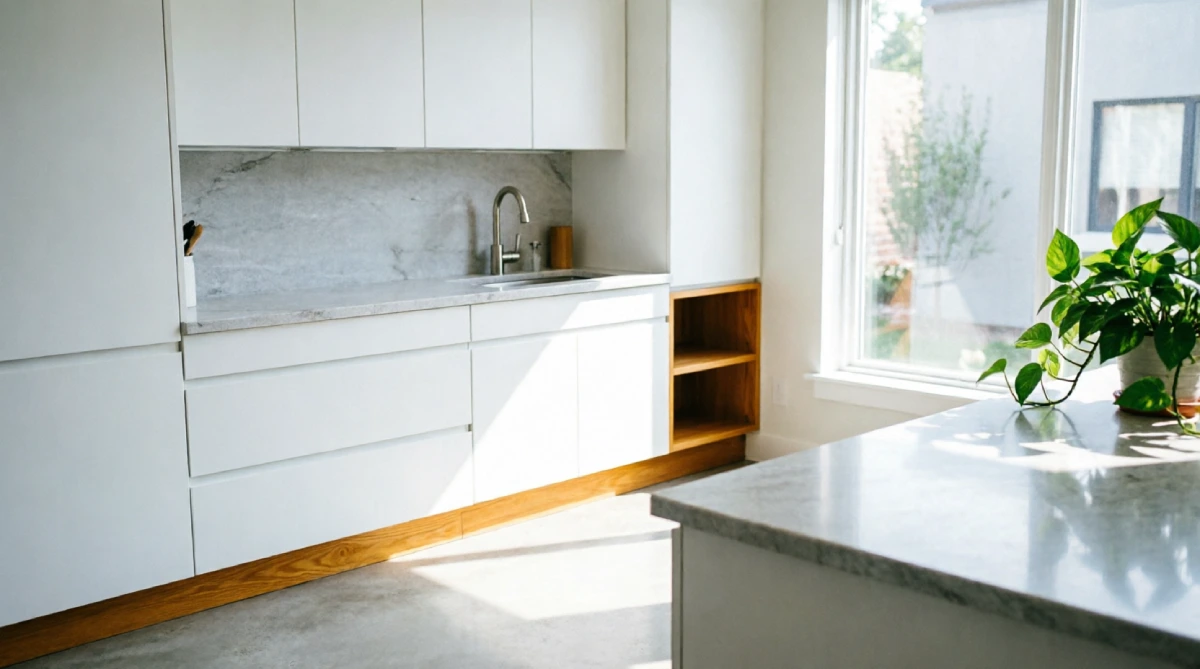
I always build modern summer kitchens around a limited color palette — white, warm gray, natural wood, and one accent tone at most. Too many colors create visual static that works against a clean look. I use variations in texture rather than hue to add depth. A ribbed cabinet front, honed stone counter, and linen window treatment read as layered without introducing competing colors.
I noticed that kitchens with restrained palettes photograph better and feel more restful to spend time in. The simplicity lets natural summer light be the focal point.
I suggest pulling your palette from fixed elements like flooring or countertops to ensure everything relates to a common base.
Practical Tips for a Clean Modern Summer Kitchen
- Edit before you style. Remove items you have not used in six months before making design changes. Storage solutions work better when there is less to store.
- Group by function. Keep cooking tools near the stove, prep tools near the sink, and serving items near the dining zone. Logical zones reduce countertop drift.
- Maintain weekly. Spend 15 minutes every Sunday resetting countertops and wiping cabinet fronts. Clean kitchens stay clean with small, regular effort.
- Choose matte finishes. Glossy surfaces show fingerprints and water spots immediately. Matte paint, honed stone, and brushed metal hide daily wear better.
- Light in layers. Use under-cabinet task lighting, pendants for islands, and dimmable ambient fixtures. Layered light makes even a small kitchen feel spacious.
Common Mistakes to Avoid
- Overfilling open shelving. Three items per shelf maximum. Stacks of plates and crowded glassware turn open shelves into clutter displays.
- Ignoring the ventilation layout. Plan vent paths before finalizing kitchen placement. Long duct runs reduce efficiency and increase noise.
- Choosing style over durability. Matte white cabinets look great, but cheap finishes yellow fast near heat sources. Invest in quality paint or laminate.
- Skipping drawer organizers. Deep drawers without dividers become junk drawers fast. Add simple bamboo trays immediately.
- Forgetting about summer humidity. Solid wood doors expand in humid months. Leave slight gaps for seasonal movement if using natural timber.
Comparison Table:
| Feature | Best Option | Why It Works |
|---|---|---|
| Cabinet finish | Satin or matte lacquer | Resists fingerprints, reflects light softly, easy to wipe |
| Countertop surface | Quartz or compact laminate | Non-porous, stain-resistant, no sealing required |
| Backsplash | Large-format porcelain slab | Minimal grout, seamless look, heat and moisture resistant |
| Flooring | Engineered oak, matte finish | Warm underfoot, hides dust, stable in humidity shifts |
| Hardware | Integrated or push-to-open | Eliminates visual clutter, smooth cabinet fronts, easy to clean |
FAQs
What is the best way to keep a white kitchen clean in summer?
Wipe surfaces daily with a microfiber cloth and mild cleaner. Focus on cabinet fronts near the stove and sink where splatter builds up. Good ventilation reduces grease settling on white surfaces.
Can I get a modern summer kitchen look on a small budget?
Yes. Start with decluttering counters, swapping cabinet hardware for minimal pulls, and painting walls in a fresh neutral. These changes cost little but shift the feel immediately.
Is it expensive to install hidden appliances?
Panel-ready appliances cost about the same as standard versions. The additional expense comes from custom cabinet panels, which a skilled carpenter can produce affordably. Expect a modest premium over exposed appliances.
Do induction cooktops work with all cookware?
They require magnetic-bottom pans. Most stainless steel and cast iron work fine. Test your pans with a magnet — if it sticks, you are good. Pure aluminum and copper need replacement.
How do I prevent open shelving from looking messy?
Limit items to what you use weekly. Stick to a single color family for displayed dishes. Leave breathing room between items rather than crowding shelves.
Conclusion
A clean, modern summer kitchen is not about stripping away personality — it is about removing what does not serve you. I have seen how handleless cabinets, clear counters, and thoughtful storage transform both the look of a kitchen and the experience of using it.
Start with one or two ideas that fit your budget and build from there. Even small changes like swapping to a single-slab backsplash or concealing trash bins make a real difference. The goal is a space that feels light, calm, and easy to maintain through the hottest months and beyond.
Your kitchen should work for you this summer — not the other way around.
