

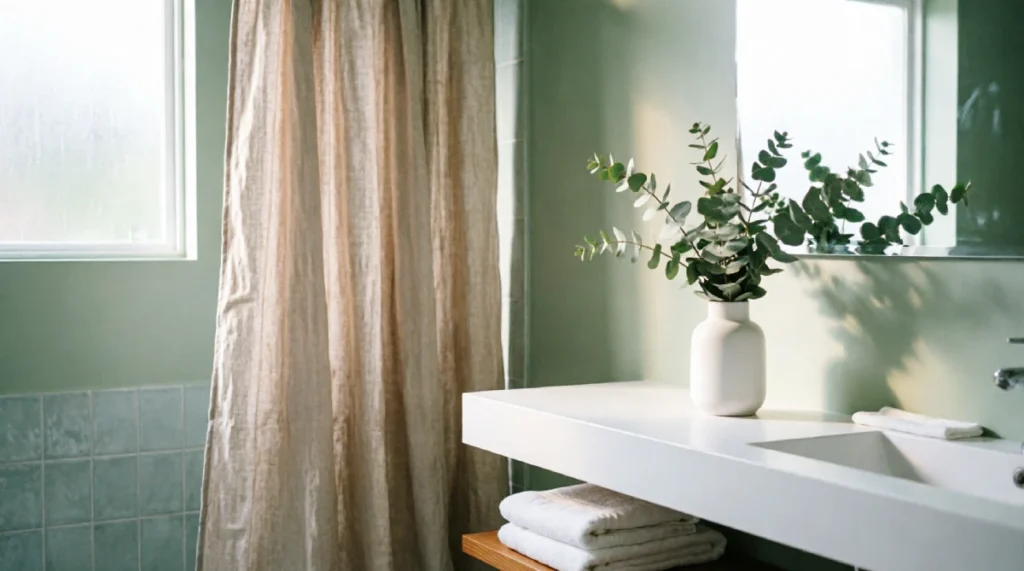
I know how a bathroom can feel sticky and suffocating once summer humidity hits. You want a space that feels cool, airy, and uncluttered, not a room you rush to escape. I focus on practical design choices that actively lower the sensory temperature and increase comfort without a full gut renovation.
This guide shares 15 modern summer bathroom design ideas I have tested or researched extensively. You will learn how to swap textures, adjust lighting, and choose materials that make a tangible difference during the hottest months.
1. Switch to Linen Shower Curtains
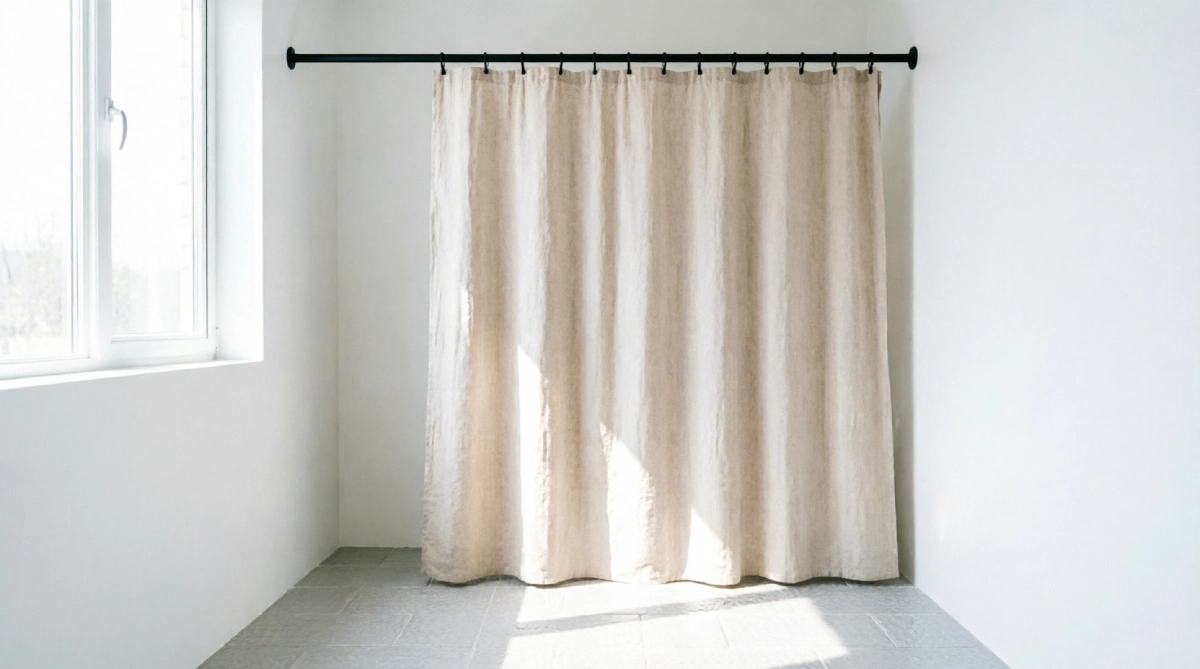
I always recommend swapping plastic or heavy polyester curtains for pure linen during summer. Linen is a natural fiber that breathes incredibly well, allowing air to circulate rather than trapping steam in the shower area. It dries fast and never feels clammy.
I use crisp white or light beige linen panels because they filter light beautifully while maintaining privacy. Unlike synthetic alternatives, linen naturally resists mildew when given proper airflow, which is a major win in damp summer conditions.
I once replaced a dark, weighted curtain with a simple linen blend for a client’s guest bath. They noticed immediately that the room stopped smelling musty after hot showers, simply because the fabric could exhale properly. It also softened the echo in the tiled space.
I suggest washing the linen curtain once a month and leaving the window cracked open. The fabric’s visual lightness instantly tricks the brain into perceiving a cooler temperature, making it a low-cost, high-impact swap.
2. Install a Smart Exhaust Fan with Humidity Sensor
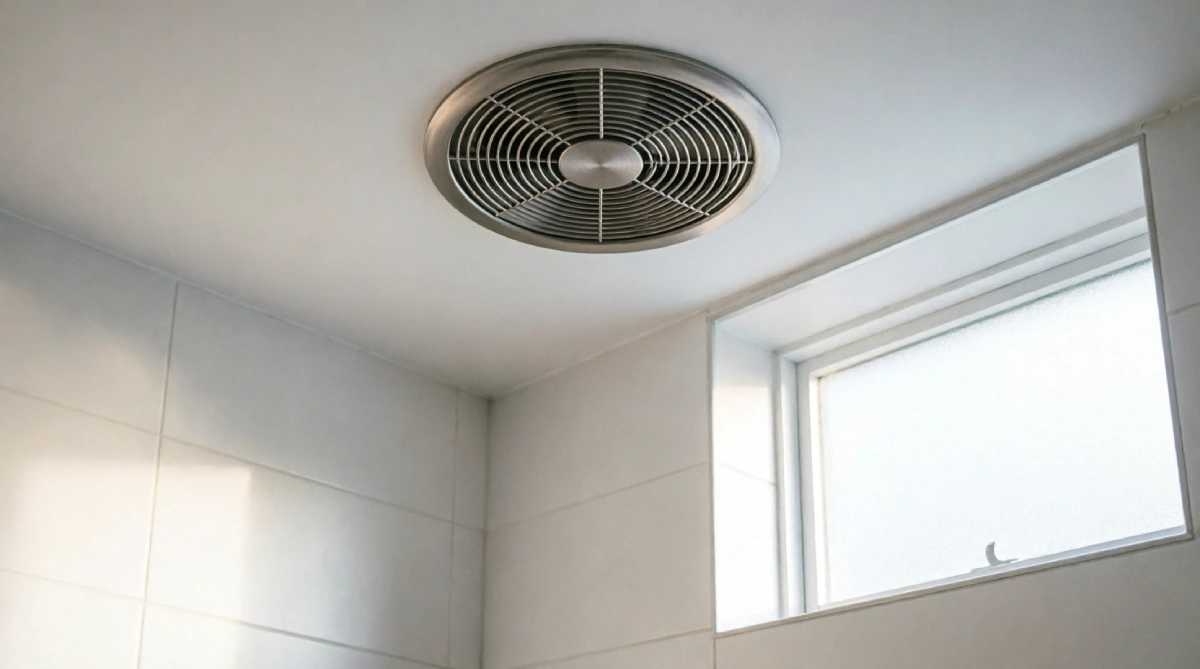
I always prioritize ventilation before styling because stagnant humid air ruins every design choice. A modern smart exhaust fan automatically detects moisture spikes and runs until the humidity drops, preventing mildew without you needing to flip a switch.
I use models with built-in automatic sensors rather than manual timers. People inevitably forget to run the fan long enough, but a sensor-based unit solves this problem entirely. It quietly manages the climate while you sleep or leave the house.
I noticed that in bathrooms where I installed these, towels dried significantly faster, and chrome fixtures stopped developing water spots. The consistent air exchange kept the paint on the ceiling intact years longer compared to bathrooms relying on operator memory.
I suggest wiring the sensor module to a dedicated circuit and positioning it near the shower enclosure. The immediate extraction of heat-saturated air reduces the room’s temperature by several degrees within minutes after a shower.
3. Use Cool-Spectrum LED Bulbs
I always say lighting color temperature defines how your skin perceives a room. In summer, warm 2700K bulbs can subconsciously add mental heat. Switching to 3500K or even 4000K bulbs neutralizes orange tones and makes the room feel crisp and refreshing.
I use dimmable cool-white LEDs specifically for vanity areas to replicate natural daylight. Beyond comfort, this spectrum helps you see true colors when applying sunscreen or checking for sunburn, which is practical during summer months.
I once changed only the bulbs over a mirror from warm yellow to clean white, and the homeowner asked if I had repainted the room a cooler color. The visual shift from heavy amber to airy clarity transformed the perception of the space without a drop of paint.
I suggest avoiding bulbs labeled simply “daylight” over 5000K in a small bathroom as they can feel sterile. Stick to the neutral cool zone for a balanced, breezy vibe that supports wakefulness in the morning.
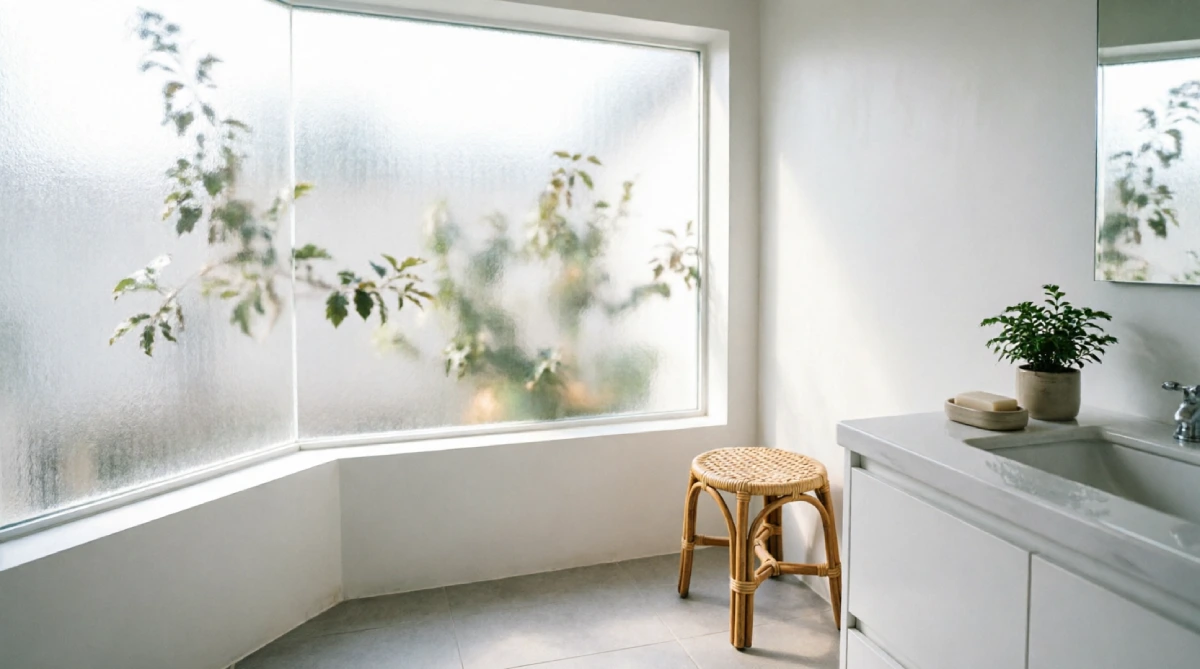
4. Opt for Frosted Glass Privacy Screens
I always look for ways to maximize daylight without exposing the interior. Frosted glass partition walls or window films allow abundant natural light in while obscuring clear sightlines, which is essential for small summer bathrooms that feel cramped.
I use acid-etched glass panels for shower enclosures because they hide water spots vastly better than clear glass. Clear glass demands constant squeegeeing to look clean in hard summer water; frosted is significantly more forgiving.
I once specified ribbed glass for a street-facing window renovation. The textural distortion created beautiful light patterns on the wall at sunset, turning a privacy necessity into a design feature. The room stayed bright but completely shielded from the sidewalk.
I suggest applying a static-cling frosted film if you cannot replace the glass. It costs very little, adheres to water, and can be removed without residue. It reduces solar heat gain slightly and completely upgrades the sense of seclusion.
5. Swap Dark Mats for Flat-Woven Cotton Dhurries
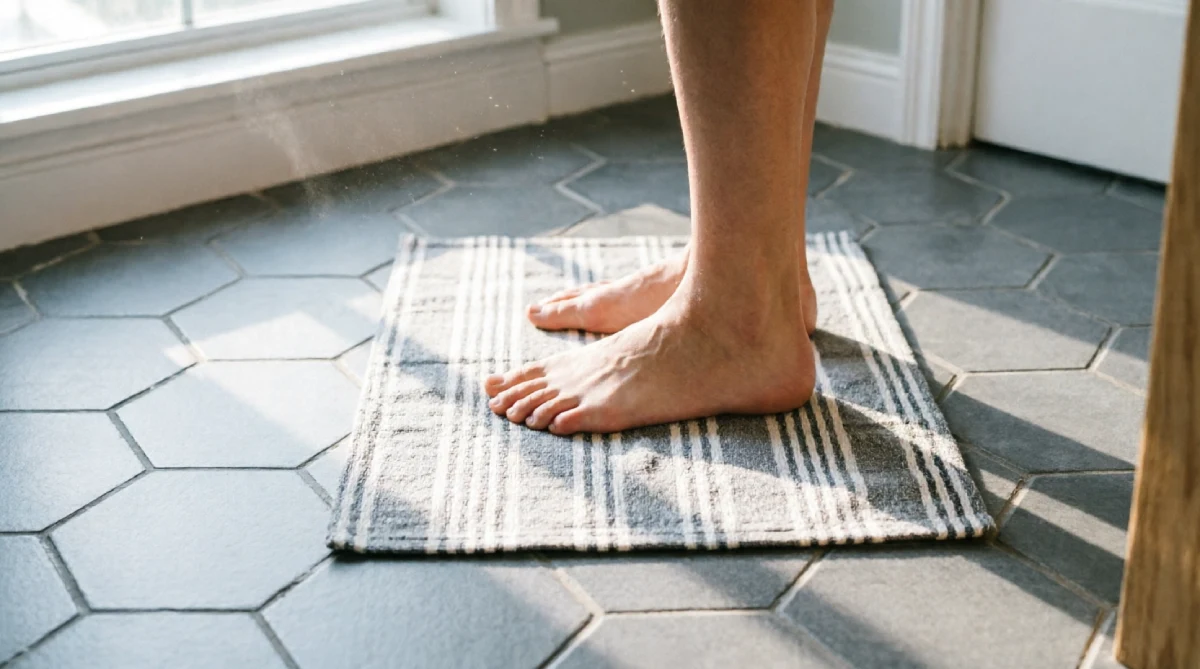
I always notice how dark, fluffy memory-foam mats trap heat and moisture against the floor. In summer, you need a barrier that insulates your feet from cold tile without becoming a sponge. Flat-woven cotton dhurries solve both issues perfectly.
I use washable cotton rugs with geometric or striped patterns to anchor the space visually. Because they lack a deep pile, sand from beach days shakes out easily, and they dry within an hour after washing.
I once switched my own bathroom from a deep-pile polyester rug to a vintage Turkish cotton peshtemal mat. The immediate difference in how cool the floor felt underfoot was surprising. The thinner material stopped retaining the room’s ambient humidity entirely.
I suggest buying two identical flat-weaves so you can rotate them weekly during peak summer. A dry, sun-baked mat on the floor changes the tactile experience from sticky to crisp the moment you step out of the shower.
6. Bring in Eucalyptus Bundles in the Shower
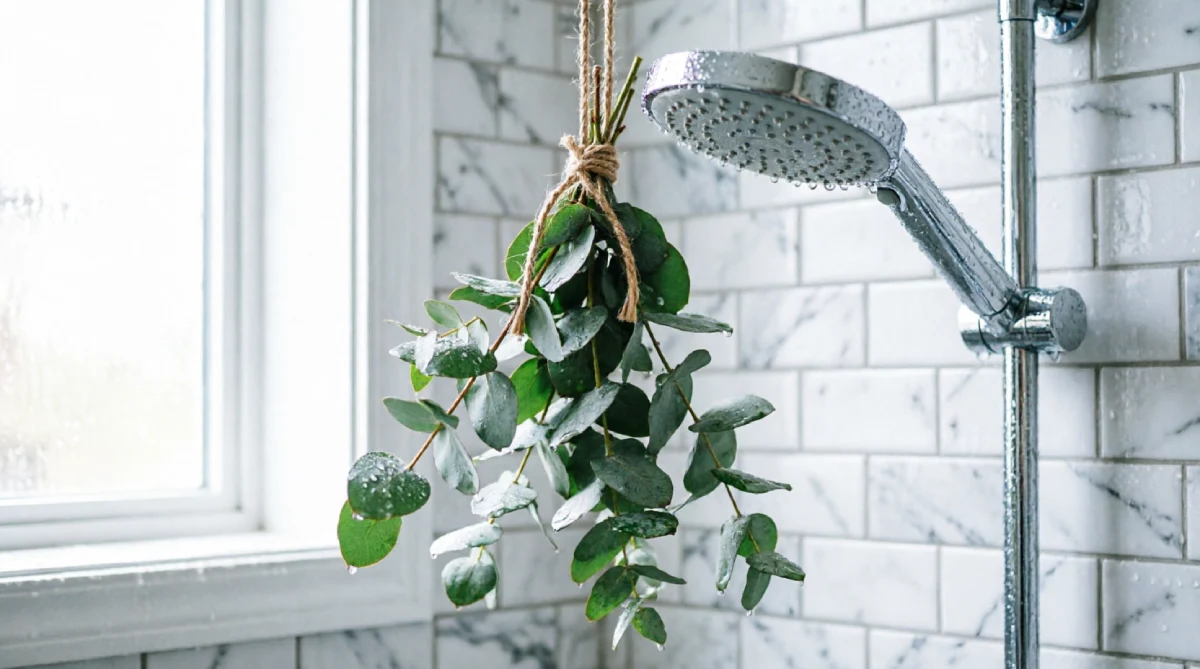
I always hang fresh eucalyptus branches from the shower head during summer. The steam releases essential oils that clear sinuses in allergy season and fill the bathroom with a scent far more natural than artificial aerosols.
I use silver dollar or baby blue eucalyptus because their round leaves hold oil well, even as they dry out. The greenery against plain white subway tile adds an instant spa-like aesthetic with zero renovation cost.
I once strung a bundle using a simple piece of twine before guests arrived, and multiple people commented that the bathroom felt like a high-end hotel. The crisp, medicinal scent naturally cuts through humidity and makes the air feel lighter on very muggy afternoons.
I suggest replacing the bundle every three weeks. After it dries completely, you can leave it hanging as a textural decoration that still retains a faint, pleasant aroma
7. Remove Upper Cabinet Doors for Open Shelving
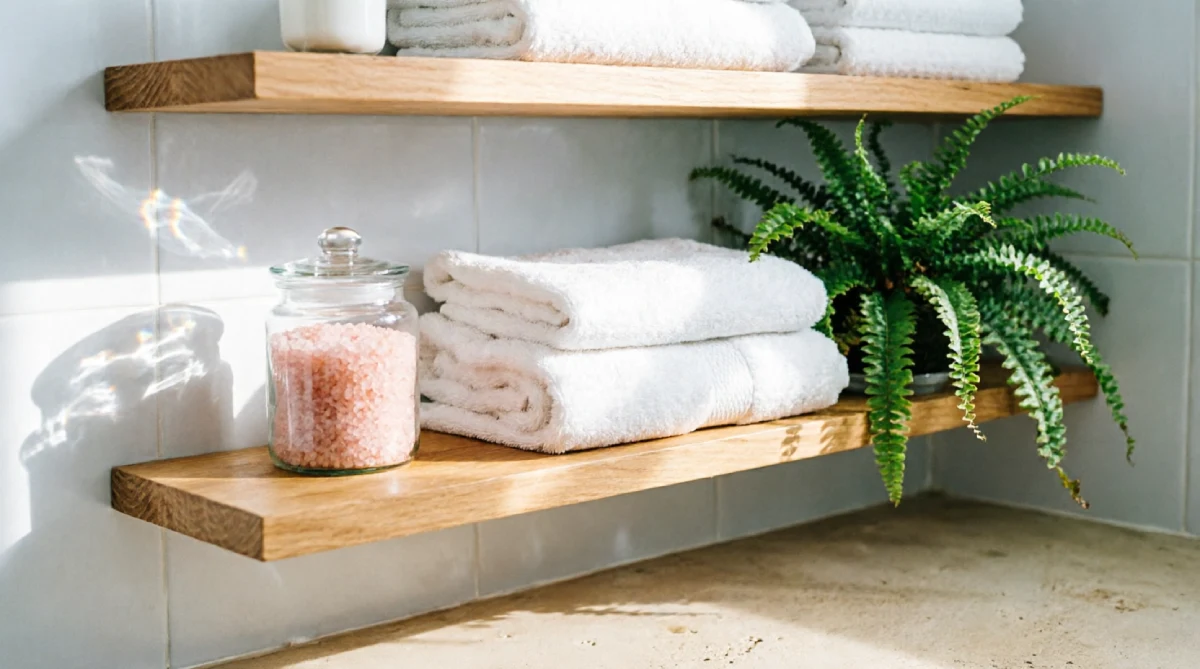
I always tell renovators to consider removing one upper cabinet door if they feel the room closing in. Enclosed cabinets trap warm air pockets and visually shrink the space. Open shelves force you to curate fewer items and increase air circulation.
I use light oak or white floating shelves to replace bulky medicine cabinets in humid spaces. Exposed shelving lets air move freely around towels and containers, preventing the stale smell that builds up in confined wall cavities during summer.
I once removed a pair of mirrored doors on a sticky summer project day, intending a temporary fix until new doors arrived. The client found the room so much cooler instantly that she cancelled the door order and kept the open shelving permanently.
I suggest decanting everyday products into uniform glass or ceramic containers to keep the open look intentional, not messy. The reflective surfaces of glass bounce light deeper into the room, further opening up the space.
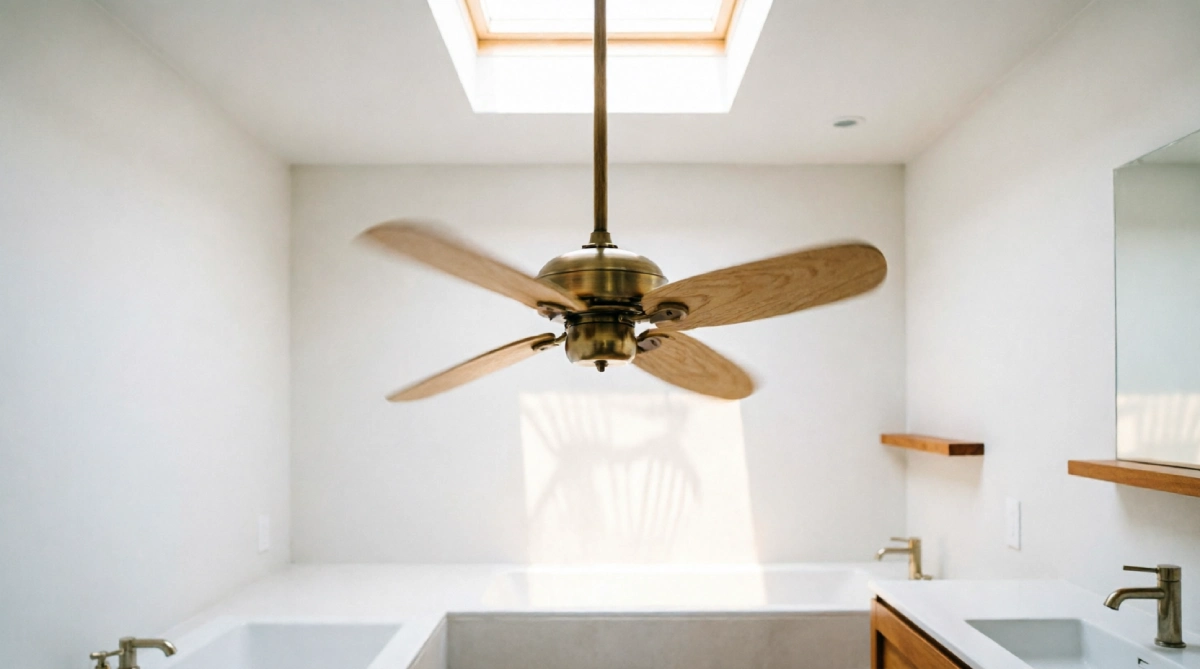
8. Upgrade to a Ceiling Fan with Reverse Mode
I always look beyond the obvious exhaust fan to actual air movement. A small, damp-rated ceiling fan running counterclockwise pushes a cooling column of air straight down, creating a wind-chill effect on wet skin after a shower.
I use compact 36-inch models designed for porches or bathrooms with adequate ceiling height. It seems unusual, but the continuous gentle airflow does more to combat mugginess than any open window can achieve alone.
I once installed a tiny brass-blade fan in a master bath that had zero cross-ventilation. The immediate drop in apparent temperature saved the homeowner from running a portable floor unit that hogged outlet space and made noise against hard surfaces.
I suggest setting the fan speed to low and pairing it with the smart humidity sensor exhaust. Together, they create a steady circulation system that manages both heat saturation and moisture with minimal electricity draw.
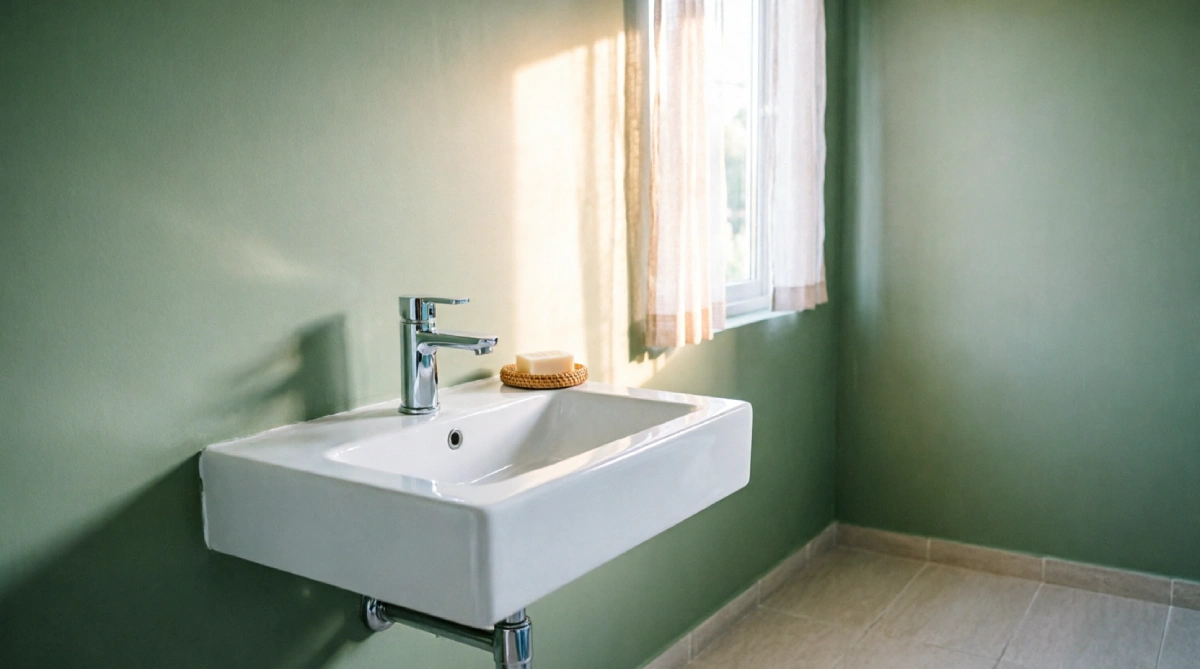
9. Apply Cool-Toned Wall Paint (Slip to Level 5)
I always recommend a light blue, sage green, or pale greige with cool undertones for summer bathrooms. The psychological cooling provided by these colors is well documented, but the practical key is the sheen level. A crisp, washable finish reflects light.
I use eggshell or a scrubbable matte formula to create a flat, chalky surface that doesn’t shimmer under harsh overhead lights. High-gloss paint can feel sticky and wet in summer humidity, exacerbating the tropical feel.
I once repainted a southwest-facing powder room from peachy beige to a soft celadon green. The homeowner reported that the room felt “10 degrees cooler,” even though the thermostat didn’t technically move. The absence of warm pigment stopped absorbing heat visually.
I suggest sampling paint on two walls and observing them at dawn and noon. The direction of your light changes the undertone completely. You want the color to look crisp when the sun is highest.
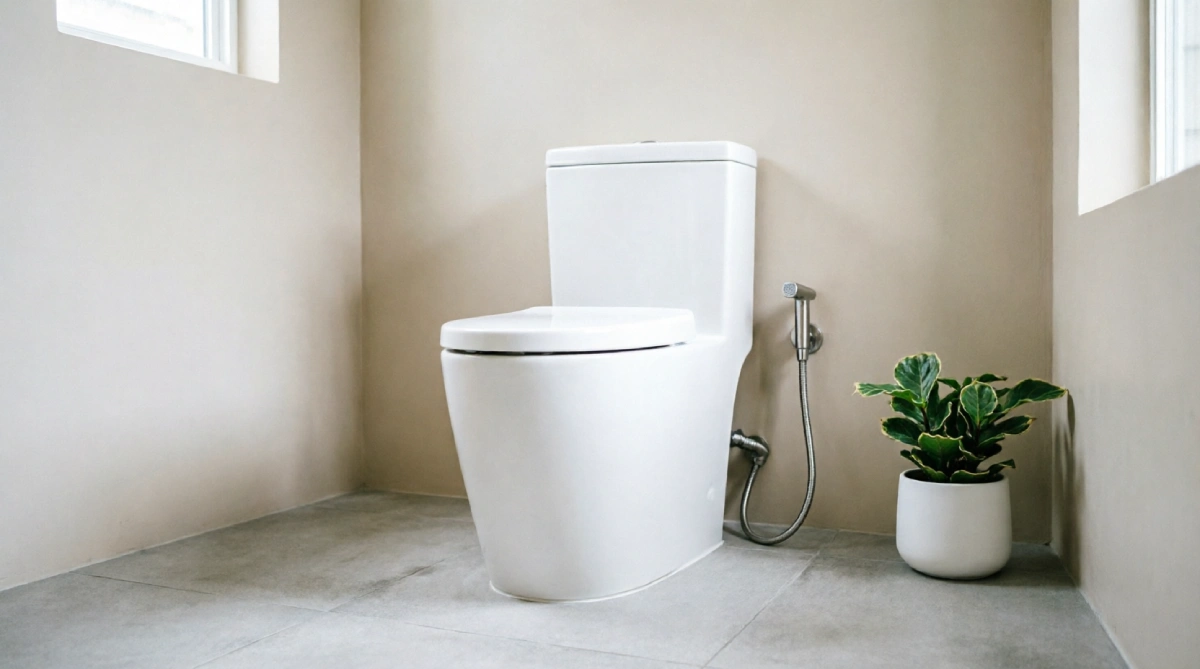
10. Install a Bidet Attachment for Refreshing Cleanliness
I always consider personal comfort a part of interior design. A cool-water bidet attachment is a total game-changer during high heat. It reduces friction, irritation, and the general feeling of sticky discomfort immediately.
I use mechanical non-electric snap-on bidets that connect to the existing toilet supply line. The unheated water naturally matches the cool ground temperature of the pipes, providing an instant refreshing clean that feels specifically tailored for summer.
I noticed that households I’ve recommended these to have significantly reduced their toilet paper consumption during warmer months. Less wiping means less chafing and a cleaner feeling that persists hours after leaving the bathroom.
I suggest models with a self-cleaning nozzle and adjustable pressure. The cooling sensation upon direct contact helps lower your core comfort perception instantly, which is really the most direct way to integrate “cooling” into the bathroom routine.
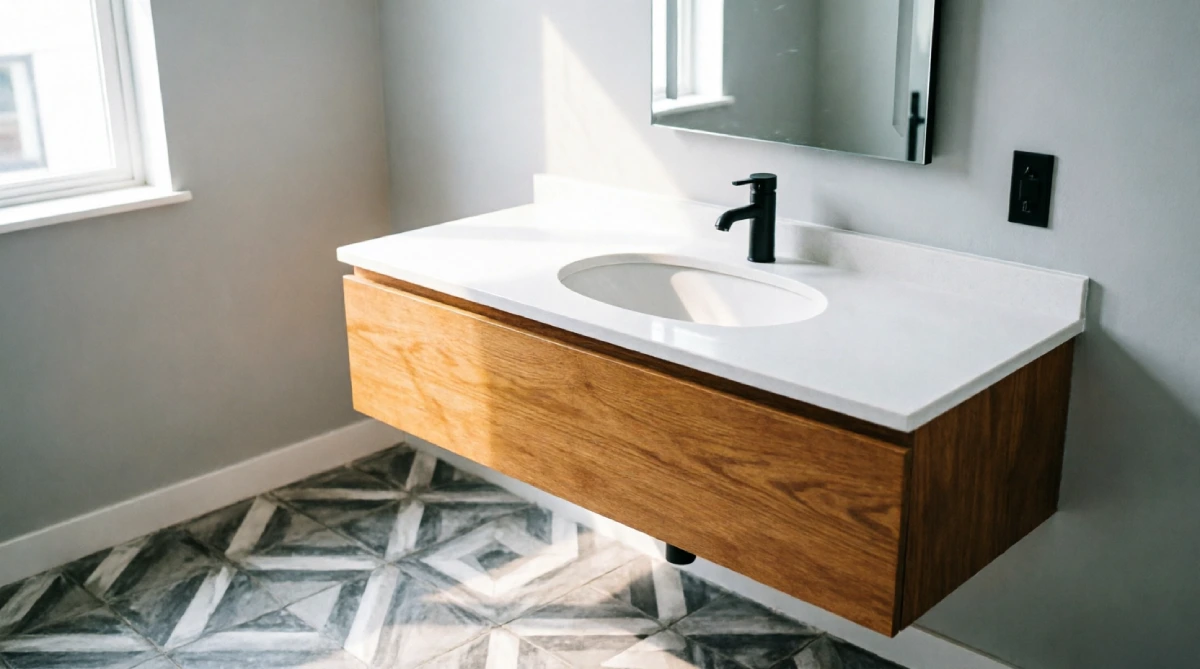
11. Replace the Heavy Vanity Cabinet with a Floating Design
I always insist on floating vanities when moisture or heat is an issue. Toe-kick space allows air to circulate under the cabinet, preventing the damp, dark pocket that attracts insects and mold during humid summer weeks.
I use slab-front laminate or teak vanities mounted securely to the wall. The visible floor space extending under the cabinet makes a tiny bathroom look significantly larger, which counters the claustrophobic feeling of hot, still air.
I once replaced a boxy pedestal sink setup with a wall-hung 48-inch unit in a coastal cottage. The increased air gap underneath dried out a chronically musty corner within days, and the room instantly felt lighter without the heavy visual block sitting on the floor.
I suggest ensuring the mounting wall is properly reinforced. The floating effect creates a crisp, modern shadow line that subtly communicates “cool and dry” to anyone scanning the room.
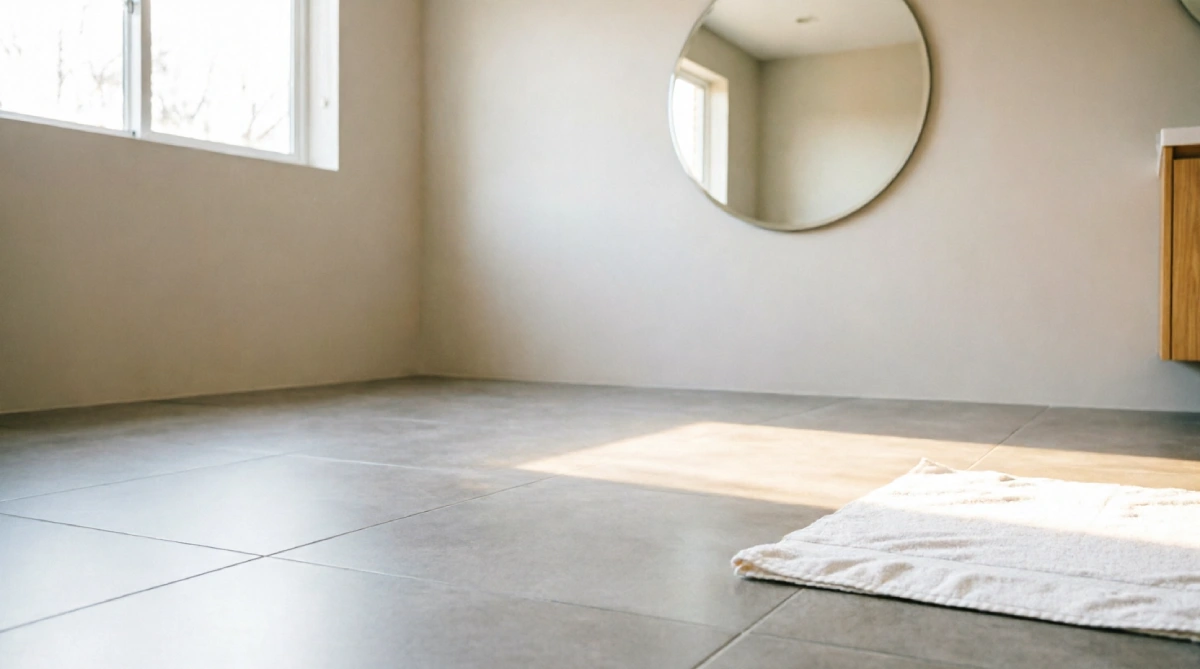
12. Use Reflective Porcelain Large-Format Tiles
I always avoid heavily textured stone on floors and walls for summer projects if cooling is the goal. Large-format polished or semi-polished porcelain tiles reflect light internally and remain distinctly cold to the touch.
I use rectified tiles with minimal grout lines to create a seamless sheet effect. Grout breaks the reflective continuity and provides a rough surface for dust and moisture to cling to; reducing grout makes the room feel cooler and the cleaning process quicker.
I once walked barefoot into a bathroom finished with dark matte slate before swapping it for a light polished porcelain. The thermal difference was immediately striking. The porcelain actively cooled my soles, whereas the textured stone retained ambient heat.
I suggest choosing a light terrazzo-look or white marble-look porcelain for the floor. Dragging a tower fan across that surface amplifies the chill effect because porcelain conducts temperature away from your body faster than vinyl or wood.
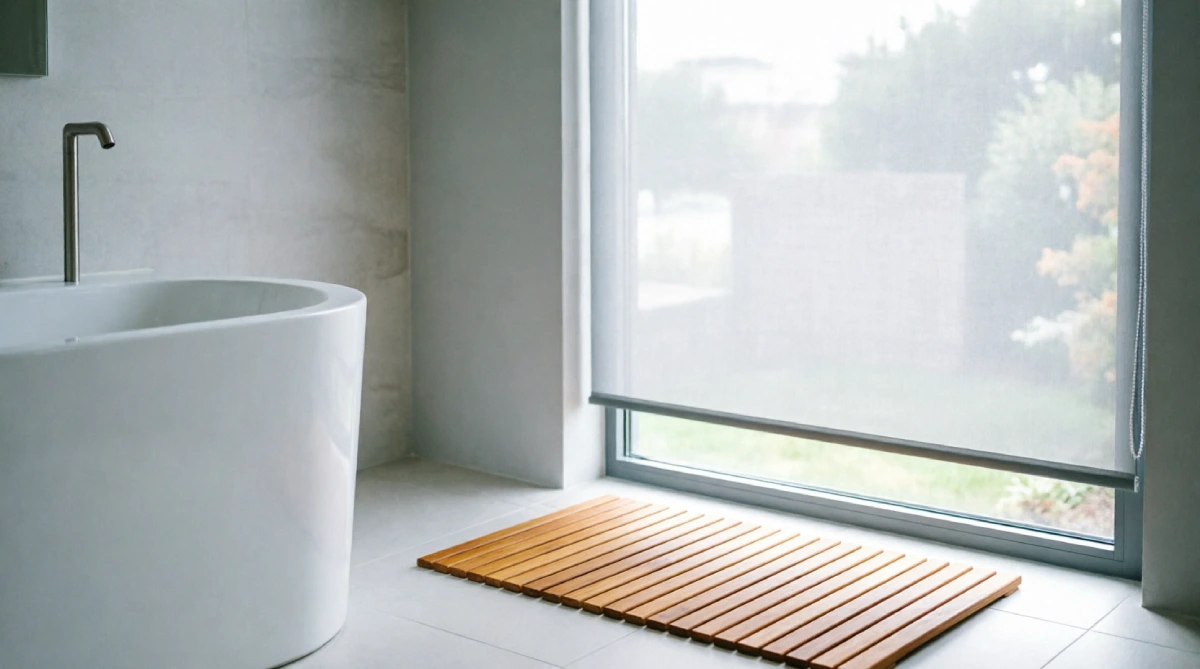
13. Hang Light Filtering Solar Shades
I always treat windows as thermal entry points, not just light sources. Solar roller shades block a significant percentage of UV and infrared heat without blacking out the room completely, preserving the view while cutting the greenhouse effect.
I use light-colored, 5% openness fabrics because darker screens absorb and re-radiate heat into the room, defeating the purpose. A clean white shade reflects solar energy outside while still allowing you to see the sky and trees.
I once measured the temperature difference between two identical bathrooms, one with a solar shade and one with bare glass. The shielded room was noticeably cooler to walk into, and the sunscreen bottles stored near the window lasted longer without degrading.
I suggest a top-down, bottom-up mechanism so you can block the high sun at its peak while keeping the lower portion open for ventilation. The combination of airflow and shade addresses the root cause of heat buildup.
14. Adopt a Chunky Terrazzo Accessory Set
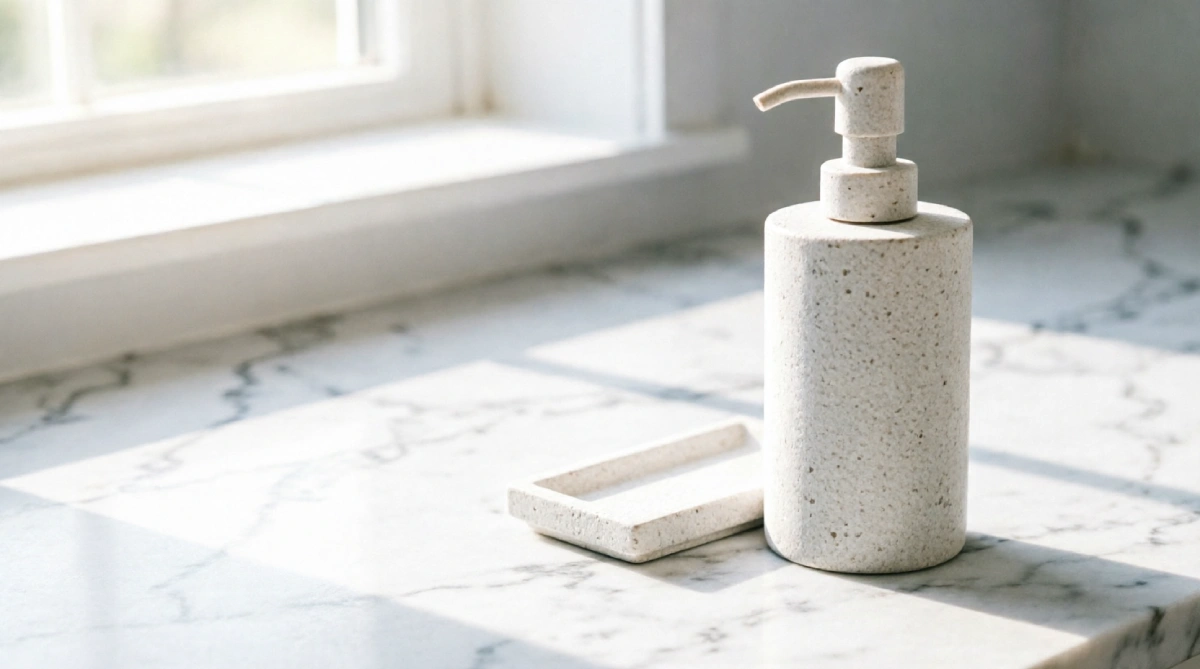
I always recommend using accessories to inject cooling speckles without re-tiling. Terrazzo soap dispensers, toothbrush holders, and waste bins incorporate chips of marble embedded in white or light grey bases, which work like small-scale cooling visual agents.
I use resin-based terrazzo accessories because they stay cooler than purely metal canisters. Metal heats up and stays hot; composite stone materials stay neutral. The speckled texture also cleverly masks dried water splashes and toothpaste smudges.
I once styled an all-white bathroom counter with an inexpensive terrazzo tray set. The scattered marble chips broke up the glare of the white quartz and subtly reinforced a “gelato shop” cool-and-clean aesthetic without any structural changes.
I suggest mixing these with clear glass jars. The visual density of stone fragments next to pure transparency creates a palette that feels deliberate and seasonally appropriate, replacing dark winter wools and woods.
15. Create a Built-In Alcove for Plants
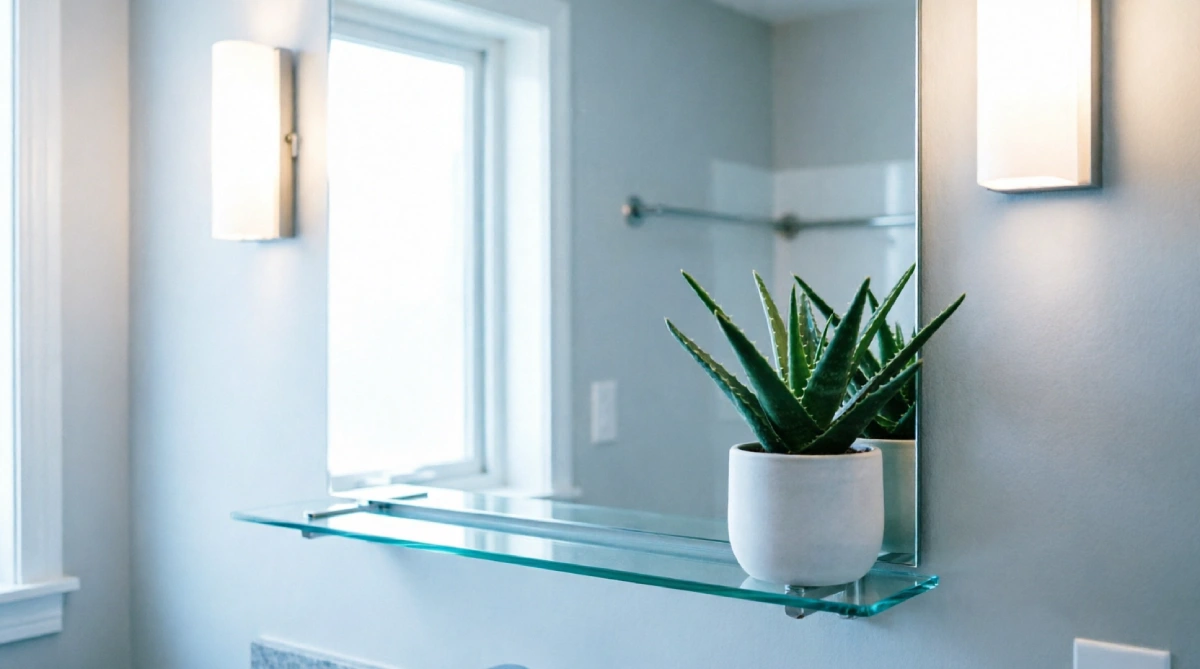
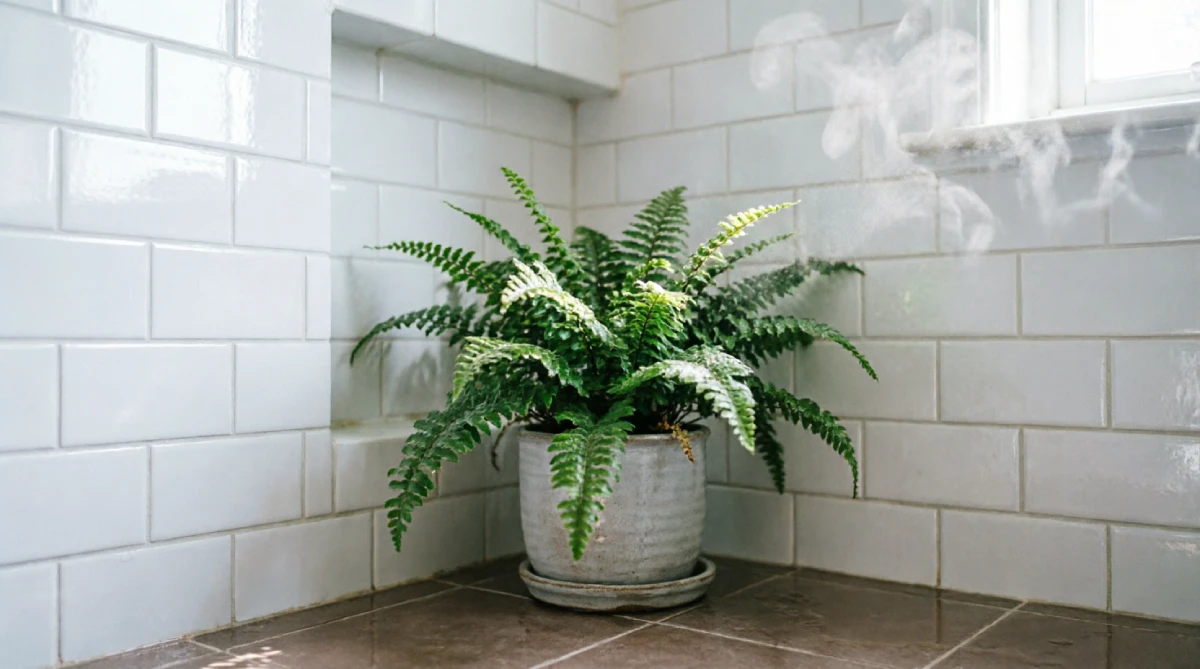
I always try to recess a small niche in the wall if tile work is already happening. A deep alcove dedicated to thriving green plants, specifically snake plants or aloe, naturally humidifies and cleans the air while visually cooling the wall plane.
I use plastered niches with concealed drainage trays. Trailing plants like pothos placed on high open shelves draw the eye upward and emphasize vertical space, which is a psychological trick to escape the feeling of dense, saturated ground-level heat.
I once built a slim 12-inch-tall recess in a shower wall protected by a glass panel. The plant, shielded from direct spray but receiving abundant steam and light, thrived so vigorously it eliminated the need for any artificial diffuser.
I suggest using moisture-loving ferns if your bathroom lacks a window, provided you install a full-spectrum grow light in the recessed ceiling fixture. Living green in a wet room immediately changes the air quality perceptibly.
Practical Tips
- Strip it down every morning: I always squeegee flat surfaces and leave a fan running for fifteen minutes. Dry air heats up more slowly than saturated air.
- Rotate towels frequently: Use thinner Turkish or linen towels in summer rotation; they dry on the hook within an hour versus thick cotton that stays damp all day.
- Diffuse peppermint oil: Place a cold-mist diffuser with peppermint or tea tree on the counter; the aroma triggers a physiological cooling response.
- Seal the grout annually: Sealed grout repels water instead of absorbing it, keeping the room smelling fresher and preventing humidity from hiding in microscopic wall pores.
- Switch to a cool-mist humidifier: If your AC dries the air uncomfortably, a cool-mist unit breaks the sticky feeling without adding steam heat.
Common Mistakes to Avoid
- Warm metallic accents overload: Don’t combine heavy gold, bronze, and copper fixtures; they visually “heat” the space. Stick to chrome, brushed nickel, or matte black.
- Ignoring window film: Never leave west-facing glass untreated. Applying UV-blocking film is the cheapest way to stop a 4 PM heat spike from turning the bathroom into a sauna.
- Using non-mildew-resistant caulk: Standard painter’s caulk breaks down fast in summer moisture. Use 100% silicone specifically rated for wet area high-humidity defense.
- Cork or bamboo clutter boxes: Avoid these organic materials touching wet tiles directly; they wick up moisture from the floor mold without you noticing until it’s too late.
Comparison Table
| Feature | Best Option | Why It Works |
|---|---|---|
| Shower Curtain | Pure Linen | Breathable structure prevents steam trapping and musty odors. |
| Floor Mat | Flat-Woven Cotton | Zero pile height for rapid air-drying and no wet sponge effect. |
| Lighting | 3500K LED | Neutral cool perception without sterile hospital-like blue tones. |
| Vanity Style | Wall-Hung Floating | Air gap underneath stops moisture stagnation and bug habitation. |
| Window Treatment | White Solar Shade | Reflects UV rays outward while preserving the outside view. |
| Wall Material | Large-Format Terrazzo | Reflective thermal mass stays physically cool to the touch. |
FAQs
What is the best way to keep a bathroom cool without a window?
Install a ducted humidity-sensing exhaust fan and pair it with a quiet plug-in floor fan left on low. The movement of dry air across tile surfaces creates a perpetual wind-chill that mimics natural ventilation.
Is it expensive to modernize a bathroom for summer comfort?
Not at all. Start with linen textiles, eucalyptus, and a change of lightbulbs for well under a hundred dollars. The heat load reduction from solar window film alone can save energy costs and is a budget-friendly fix.
Can I use these ideas in a kid’s bathroom safely?
Absolutely. I suggest wall-hung vanities and cotton flat-weaves because kids splash heavily. The increased floor airflow dries spills quickly, preventing slip hazards and moldy grout lines that worsen in heat.
Does cool paint really change the temperature?
It changes the perceived temperature. Light reflective values bounce light, reducing heat absorption into the drywall slightly. The main benefit is the strong psychological coolness of green-blue spectra, which genuinely lessens thermal discomfort.
Will plants rot in a windowless summer bathroom?
Only if you overwater them in stagnant air. Use fast-draining soil, and if there is zero light, provide a low-watt full-spectrum lamp in the ceiling. Snake plants are almost impossible to kill in steam-rich environments as long as the roots stay dry.
Conclusion
Creating a modern summer bathroom is about controlling sensory inputs: touch, sight, and scent. I find that simply swapping textiles to natural weaves, deleting dark color blocks, and maintaining aggressive airflow solves ninety percent of sticky bathroom problems. The goal is a room that feels transient and light, not heavy and enclosed. Start with the linen and the lightbulbs, then move on to the fan and the floating vanity as budget allows. You will walk in barefoot on a hot day and feel a genuine, relieving difference.
