


I know how harsh summer light can turn a bedroom into a glaring, overheated box. You want airy brightness but end up squinting or baking. I focus on soft, layered lighting that feels calming, not clinical.
This guide shares the real methods I’ve used in my own home and clients’ spaces, practical, doable, and gentle on the eyes. Each idea avoids that cold, hard glow and brings quiet warmth that actually makes a room feel cooler. Let’s bring in the light without the sting.
1. Sheer Linen Curtains as Light Diffusers
I always start with the window itself because raw sunlight is the biggest summer offender. Instead of blackout drapes, I let in filtered light through airy, unlined linen. It instantly turns harsh beams into a soft, room-wide glow.
I use off-white or natural flax-colored linen panels that move slightly with the breeze. The weave breaks up direct sun, spreading it sideways and eliminating sharp shadows, which makes the whole space feel airier and larger.
I once swapped heavy velvet curtains in a west-facing bedroom for double-layered sheers. The afternoon “hot spot” vanished, replaced by an even, milky brightness that didn’t heat the room nearly as much.
I suggest mounting the rod wider than the window frame so you can pull the sheers fully aside when you want maximum morning light, then draw them as the sun climbs. Look for 100% linen or a linen-cotton blend — cheap polyesters can cast a cold, unnatural hue.

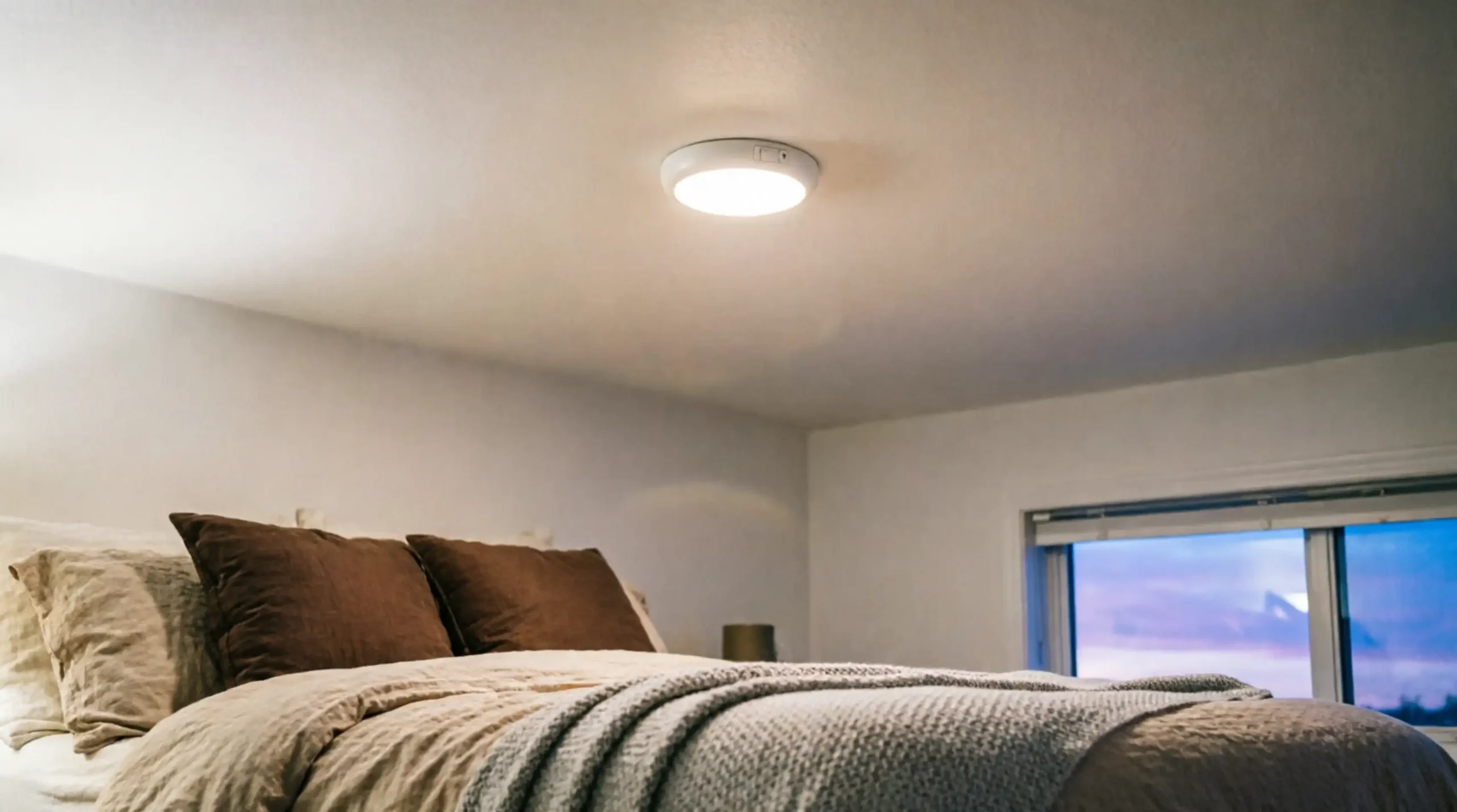
2. Dimmable Warm LED Ceiling Fixture
I always recommend putting your main overhead light on a dimmer — it’s the single most underrated change. Most bedrooms still have a single glaring bulb that ruins any relaxed mood. Soft brightness starts with control.
I use a flush-mount or semi-flush ceiling light fitted with a 2700K warm-white LED and a rotary dimmer switch. Even turning it down to 60% makes the light feel like a gentle wash instead of an interrogation lamp.
I noticed in my own room that I kept the light off entirely because it felt too harsh. After I installed a £15 dimmer module, I suddenly used the overhead light every evening, set low, and it changed the whole vibe without needing lamps.
I suggest hiring an electrician if you’re unsure, but replacing a standard switch with a dimmer is often straightforward. Always check your LED bulbs are dimmable — non-dimmable ones will flicker or die early.
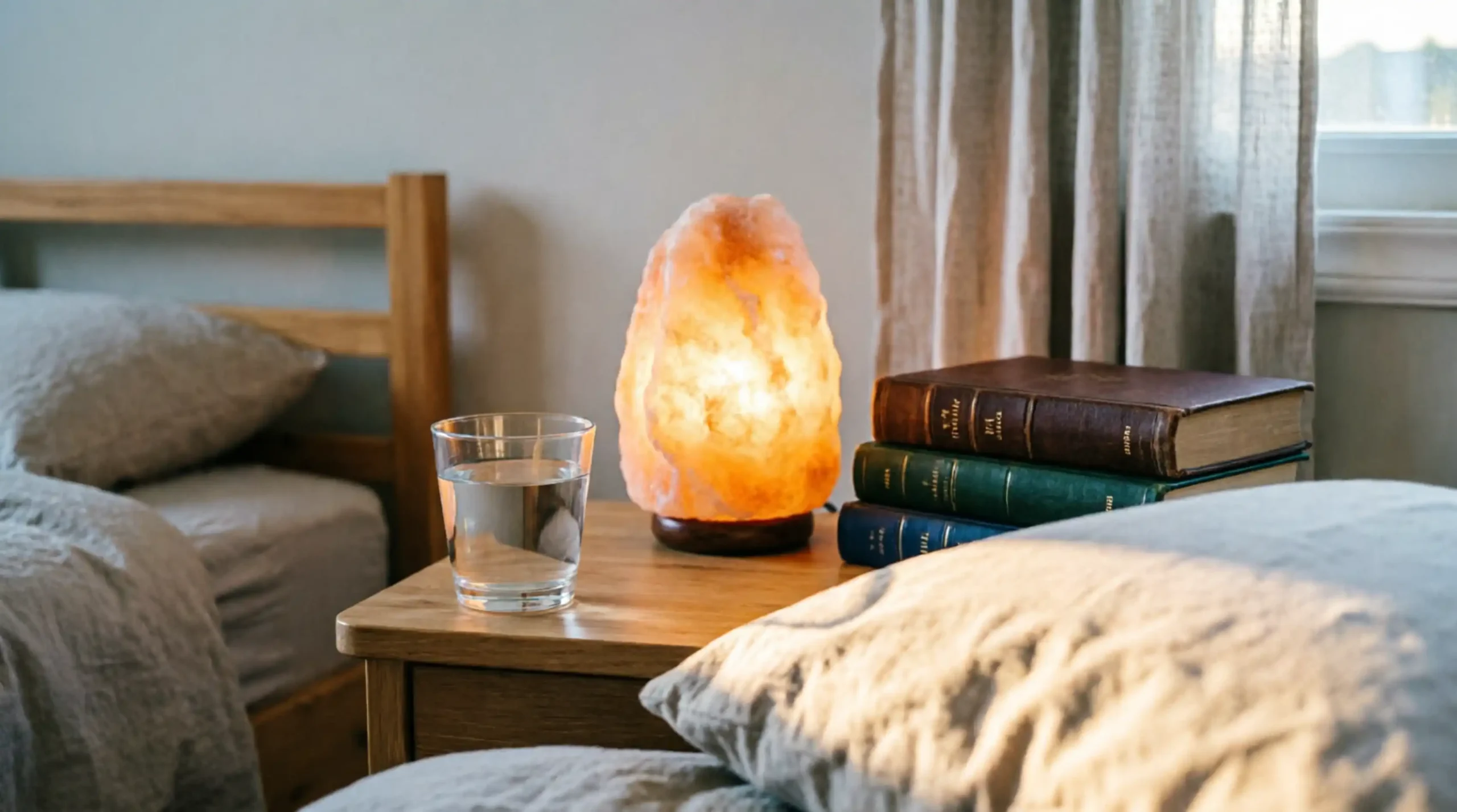
3. Himalayan Salt Lamp Glow
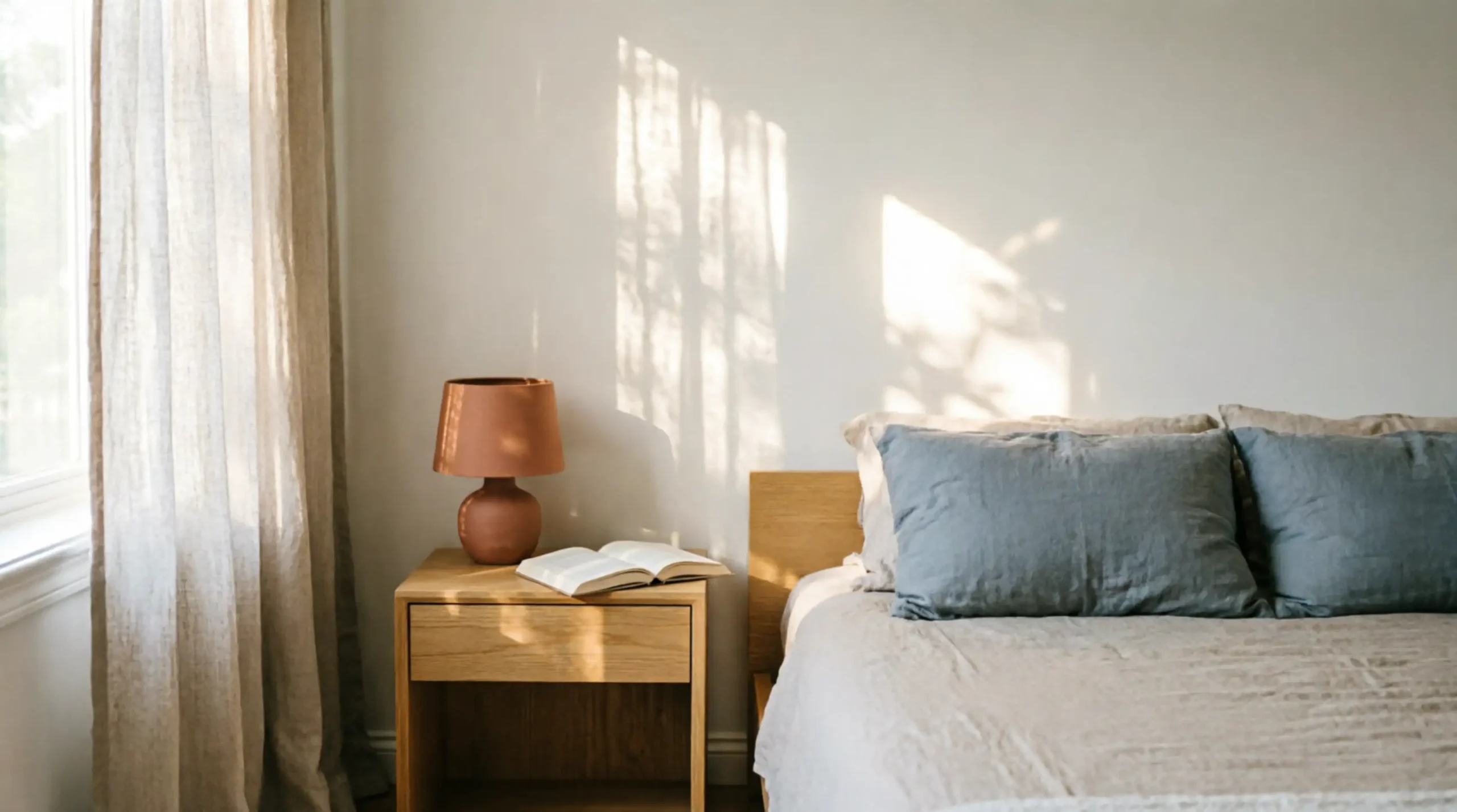
I always keep a salt lamp on my bedside table during summer because it throws the softest, most forgiving light. It’s a warm amber-pink that never feels hot or clinical — perfect for winding down.
I use a 7 to 10-inch natural crystal salt lamp with a dimmable cord. Its rough, chunky surface scatters the light unevenly, creating a micro-texture of brightness that mimics candlelight but without the fire risk.
I once gave one to a friend who hated bedside lamps because even low bulbs felt too sharp. She now swears by it, saying she can read a few pages by its glow and fall asleep without the jarring switch to darkness.
I suggest putting it on a small wooden tray to catch any moisture it might sweat in humid climates, and always use the dimmer — on high, it can still be too bright for a truly restful feel.
4. Micro LED String Lights
I always find string lights with tiny copper wires add instant softness without any clutter. They’re almost invisible during the day, and at night they look like a floating constellation of warm dots.
I use warm-white micro LED strings powered by a USB or battery pack with a built-in timer. Draped along a headboard, around a mirror, or simply bundled in a glass cloche, they scatter light in a way no single bulb can.
I once lined the top of a bookcase with them in a teenage bedroom that had no room for a lamp. It gave enough glow to navigate at night without a phone torch, and the kid loved the “ceiling sky” effect.
I suggest choosing ones with a true warm tone (below 3000K). Many cheap strings lean cold blue, which kills the soft feel. Hide the battery box in a small fabric pouch or behind a frame.

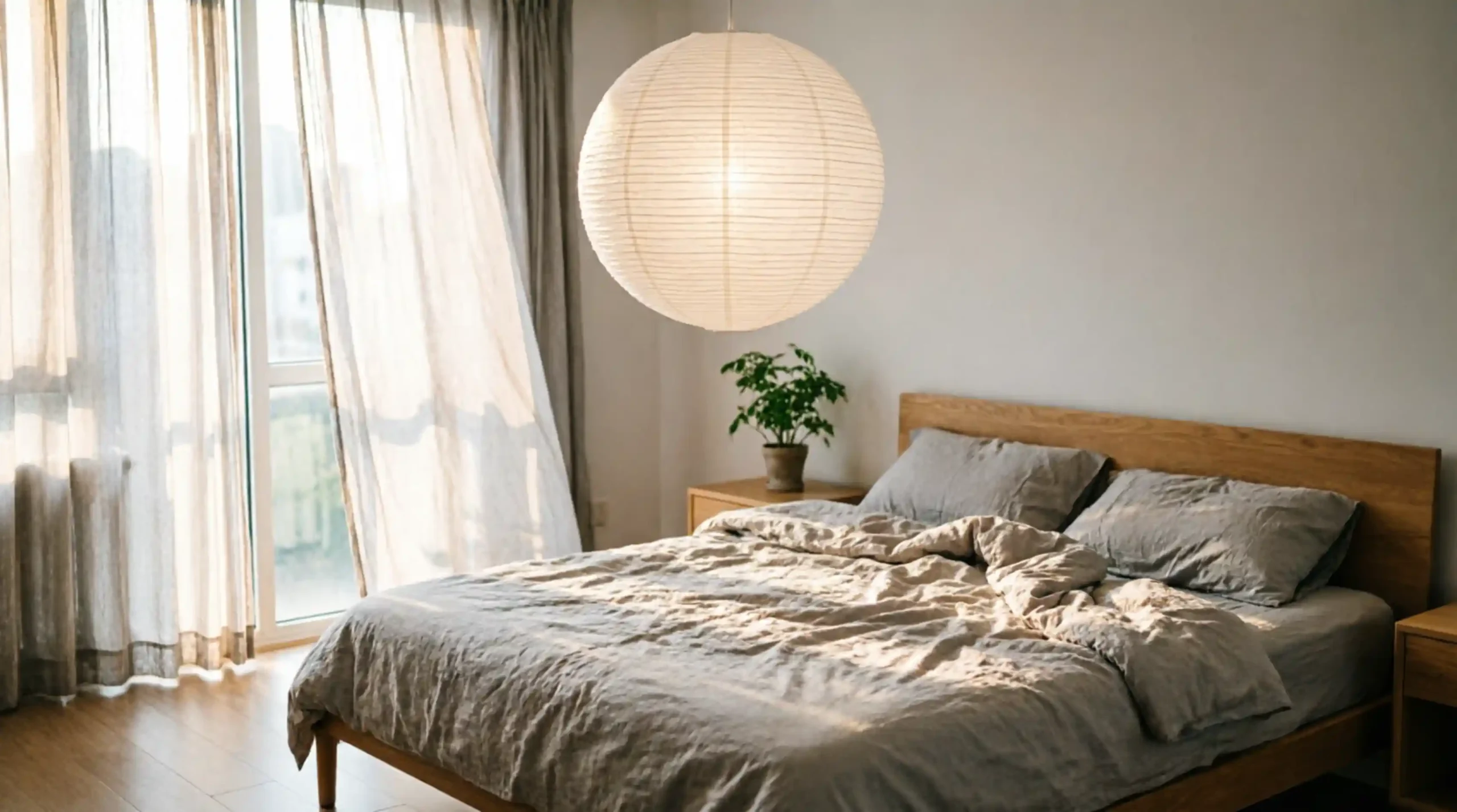
5. Paper Lantern Pendant Light
I always love the way a large paper lantern hangs like a soft moon. It’s an inexpensive, lightweight pendant that turns a bare bulb into a cloud of diffused brightness — ideal for summer minimalism.
I use a round or oval rice paper shade, 20 inches or more, hung from a simple cord kit. The paper itself acts as a natural diffuser, spreading light 360 degrees without a single hot spot.
I once hung one in a rental apartment where I couldn’t change the hardwired fixture. I simply suspended it from a ceiling hook with the cord running neatly down the wall to a plug — no drilling, no sparky needed, and the room instantly felt softer.
I suggest using a low-wattage LED bulb with a warm tone, and avoid bare incandescents — they can heat the paper. If the shade catches dust, a hairdryer on cold gently blows it clean.
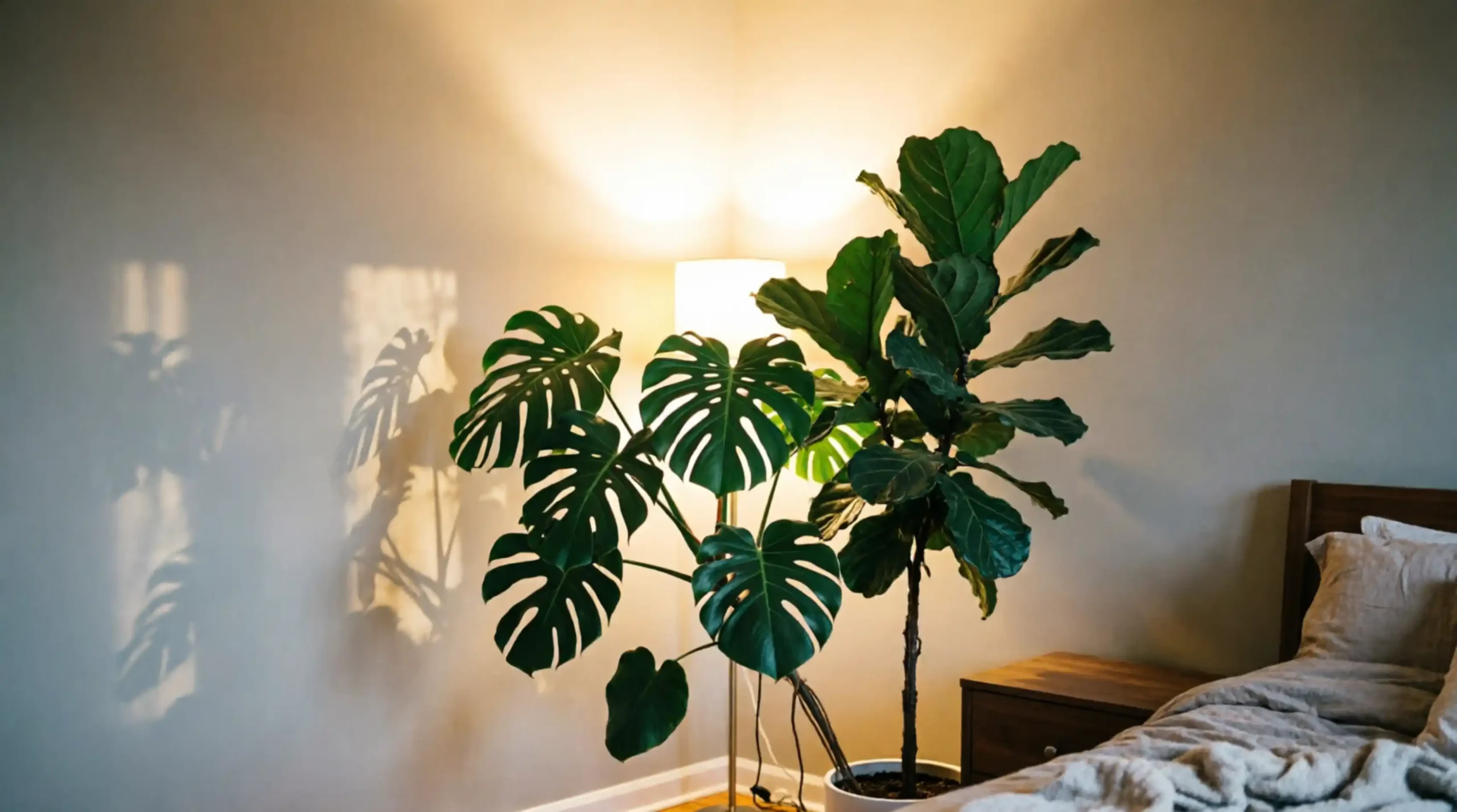
6. Floor Uplighter Behind a Plant
I always create ambient light by bouncing a beam off the ceiling or wall. A simple can-style floor uplighter hidden behind a tall plant throws light upward, where it softly rains back down into the space.
I use a minimal metal uplighter with a warm LED bulb. Placed on the floor behind a monstera or fiddle-leaf fig, the light filters through the leaves, casting gentle, moving shadows that make the room feel alive, not sterile.
I once used this trick in a dark corner of a master bedroom that had no surface for a lamp. The greenery gave dimension to the light, and the owner told me she started reading on the floor nearby just to enjoy the glow.
I suggest using an LED bulb rated 4W–7W warm white; anything stronger turns the ceiling into a spotlight. Make sure the fixture stays cool, and leaves don’t touch it directly.
7. Under-Bed Soft LED Strip
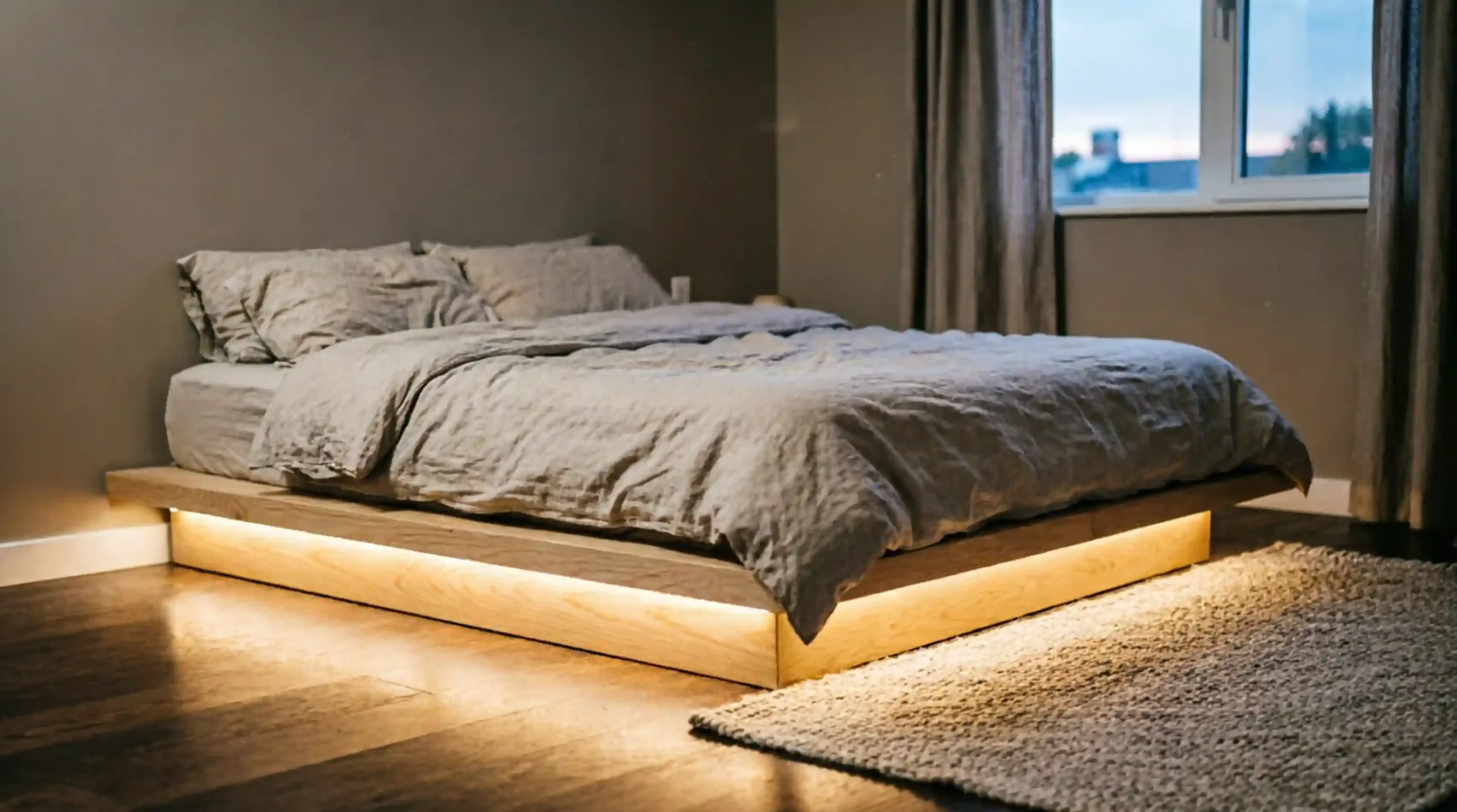
I always find that under-bed lighting gives the most magical floating effect while providing just enough soft ground-level brightness for midnight trips. It’s a hidden, calm glow that never gets in your eyes.
I use peel-and-stick warm-white LED strip lights with a motion sensor or remote. Attached to the bed frame about 15cm from the floor, the light washes across the floorboards and prevents stubbed toes without waking anyone fully.
I once installed these for a family with a young child who was afraid of the dark. The soft halo from beneath the bed became her “night friend,” and she stopped calling for lights to be left on.
I suggest choosing a warm colour temperature (2400K–2700K) and routing the wire discreetly behind a bed leg. Avoid colour-changing RGB for this — it can look overly playful and not restful.
8. Skylight with Diffusing Blind
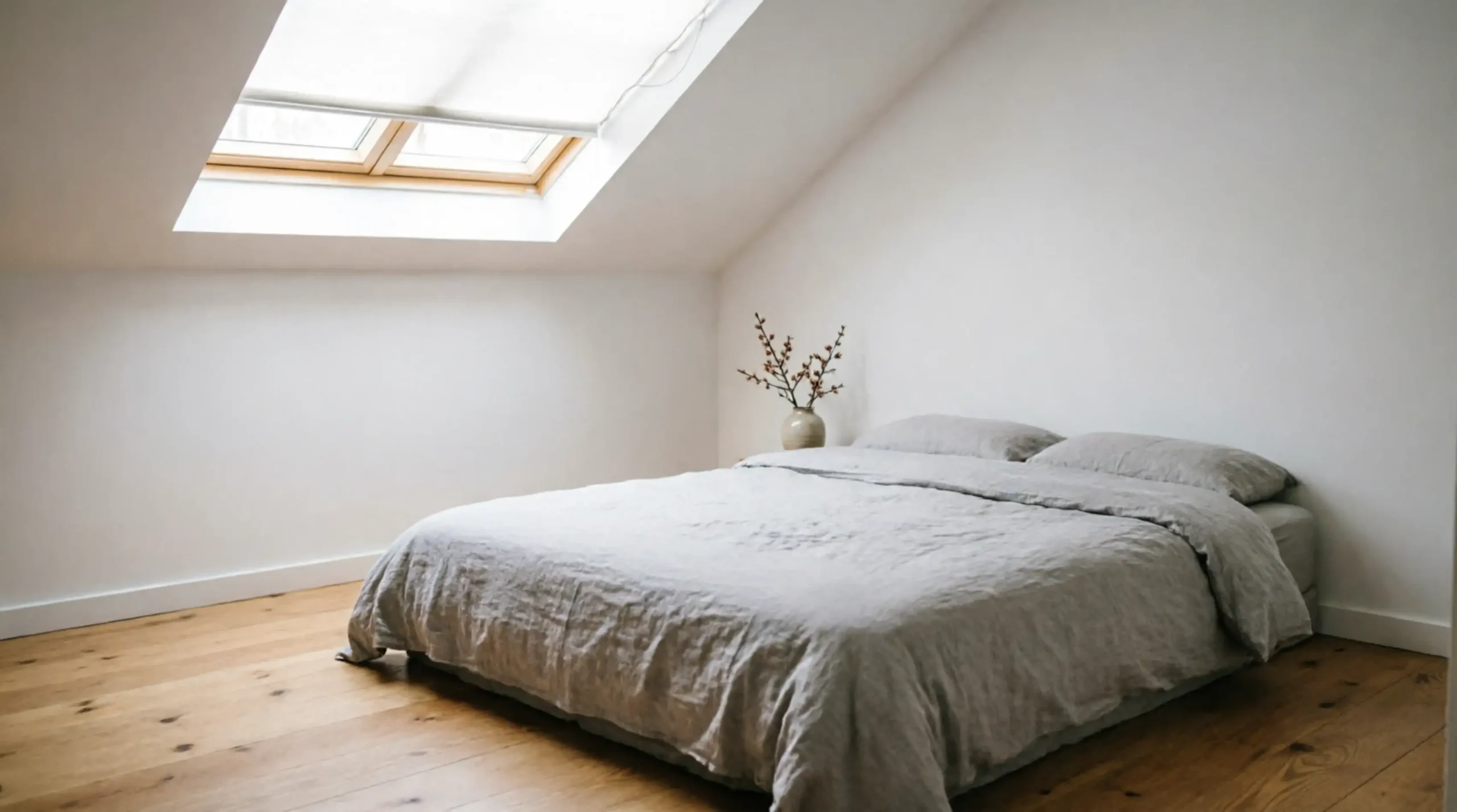
I always recommend controlling natural light from above because skylights can act like a magnifying glass in summer. A simple honeycomb or pleated blind traps insulation and mutes direct rays.
I use skylight-specific diffusing blinds with a white fabric that lets light through but scatters it. The honeycomb structure also reduces heat transfer, keeping the room cooler while still bright.
I once helped a friend who dreaded her loft bedroom in July — it felt like a greenhouse. We installed a light-diffusing solar blind from the inside, and instantly the glare was gone, replaced by a soft, papery light she could actually enjoy.
I suggest opting for a manually operated blind if the skylight is within reach; it’s cheaper and doesn’t require wiring. For out-of-reach units, cordless pole systems exist.
9. Candle-Style LED Wall Sconces
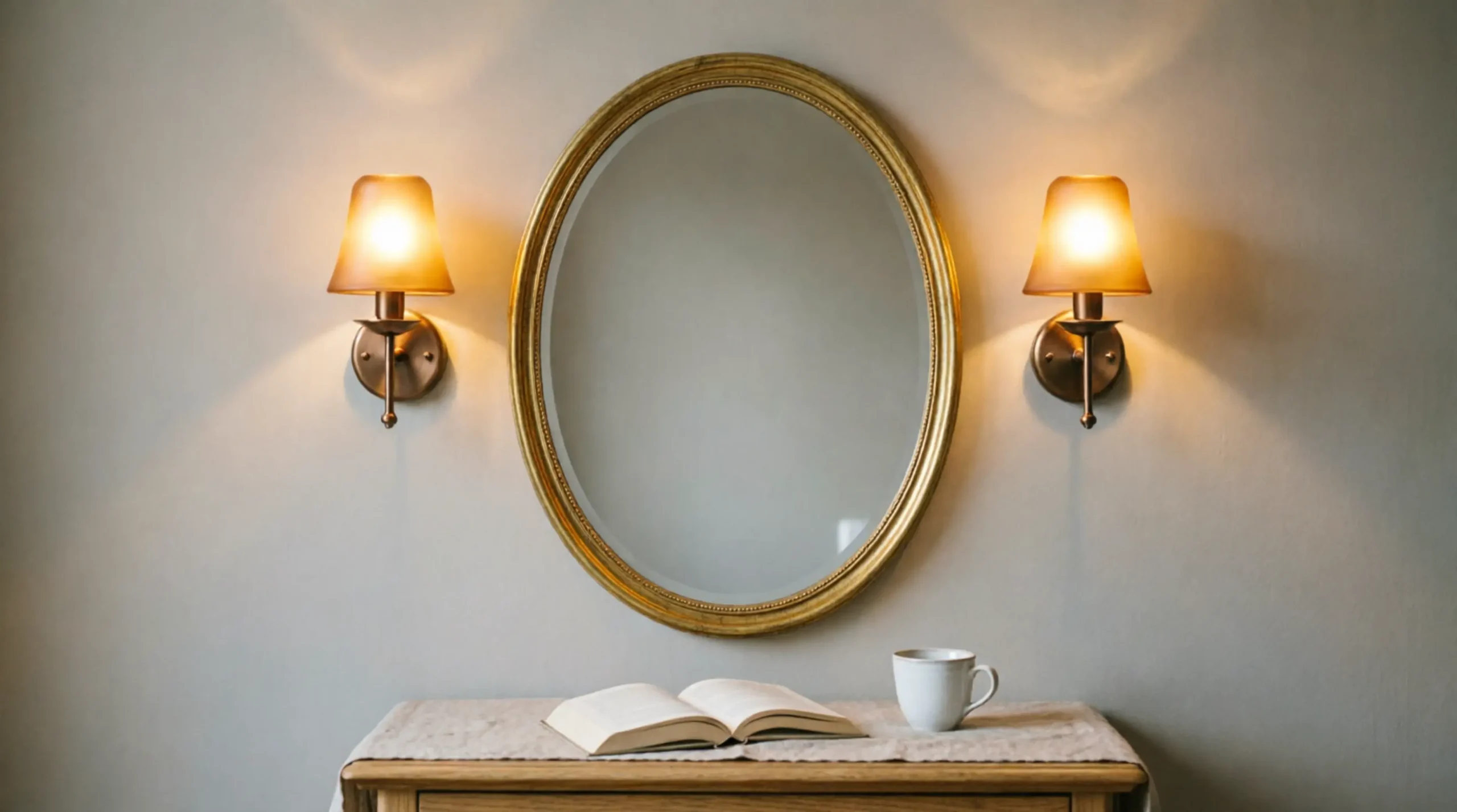
I always appreciate the flicker-free comfort of flame-shaped LED bulbs in simple sconces. They offer the nostalgic warmth of candles with no smoke or danger — perfect for a calm summer evening.
I use hardwired or plug-in sconces with exposed amber-tinted glass shades and dimmable warm filament LED bulbs (around 2200K). The amber tint deepens the softness and casts a flattering light on skin tones.
I once installed a pair of these beside a mirror in a guest bedroom, and every visitor commented on how relaxing the room felt. They gave enough light to read by but kept the space feeling cocooned and private.
I suggest mounting them at eye level when you’re sitting up in bed, and wiring them to a separate switch so you don’t have to turn on the overhead when you’re ready to settle down.
10. Smart Bulbs with Sunset Routine
I always rely on smart bulbs to tune brightness and colour temperature automatically. As evening sets in, the light shifts from bright day-white to a deep orange glow — telling my brain it’s time to unwind.
I use a well-known smart bulb system that you can programme via a phone app. I set a “sunset” routine that dims from 100% to 20% over an hour while lowering the colour temperature from 3500K to 2000K.
I noticed after setting this up that I fell asleep faster because the harsh step-change from bright to dark disappeared. My body got a gradual signal, much like a real sunset through a window.
I suggest starting the fade about 90 minutes before bed, and using a bedside lamp with the bulb rather than an overhead fixture — the effect feels more personal and less automated that way.

11. Light-Coloured Matte Walls
I always consider wall colour part of the lighting scheme. A soft off-white or pale straw with a matte finish bounces light gently around the room instead of reflecting it back in shiny patches.
I use clay-based or chalky emulsion paints with zero sheen. The tiny imperfections in a matte surface scatter photons in many directions, which eliminates harsh contrast and makes the light feel fuller.
I once repainted a dark slate bedroom to a warm, rice-pudding off-white. The same two lamps suddenly seemed twice as effective, and the room felt 4 degrees cooler in temperature just because the light wasn’t being absorbed.
I suggest testing a sample patch on each wall and observing how it behaves under morning and afternoon sun. Pale colours with a hint of green or pink can counteract the starkness of midday light.
12. Frosted Window Film on High Windows
I always treat clerestory or high-set windows with privacy film because they let in unfiltered sun that hits you right at eye level. A frosted film diffuses that light into a soft, opaque sheet.
I use static-cling privacy film that applies with just water and a squeegee. It removes cleanly — perfect for renters. The film turns the window into a giant light panel, eliminating glare while keeping the room bright.
I once applied this to a bedroom with a high transom window that sent a laser beam of afternoon sun onto the pillow. After applying the film, the light softened so effectively that the room felt instantly cooler and more comfortable.
I suggest choosing a film with a subtle linen or etched glass texture; it adds a gentle broken pattern that makes the light feel more organic than a solid white screen.

13. Warm Adjustable Bedside Reading Light
I always ensure task lighting is as gentle as ambient because a harsh reading spotlight can ruin the entire softness you’ve built. An adjustable swing-arm lamp with a warm bulb fixes that.
I use a wall-mounted brass or metal swing arm lamp that extends over the mattress. I fit a 2700K warm LED with a translucent shade that cuts the beam’s intensity yet still focuses on the page.
I once swapped a friend’s blue-white 4000K reading bulb for a softer 2700K one, and she reported she could finally read without that “dentist chair” feeling. The light was still bright enough for small print but never jarring.
I suggest aiming the lamp so the beam hits the book, not your face, and using an opaque shade to prevent light from leaking upward into your eyes when you’re reclined.

Practical Tips
- Layer at eye level first. Most glare comes from overhead fixtures. Start with bedside and floor-level lights, then fill in the ceiling last.
- Choose 2700K warmth as your anchor. This colour temperature mimics the late sun and feels naturally soothing. Reserve cooler white (3000K+) for rooms where you need alertness, not rest.
- Use natural materials wherever possible. Linen, rice paper, wood, and salt all break up light in an organic way that synthetic shades rarely replicate.
- Install plug-in dimmers for lamps that don’t have one. These small inline controllers let you fine-tune brightness without touching the switch.
- Clean your bulbs and shades monthly. A surprising amount of harshness comes from dust layers that create diffused glare rather than soft light.
- Pair light with ventilation. A soft breeze from an open window or fan amplifies the sense of coolness that gentle lighting already suggests.
Common Mistakes to Avoid
- Using a single bright overhead fixture. This is the biggest culprit of harsh summer lighting. One source can’t create the soft, layered effect a bedroom needs.
- Ignoring window direction. East-facing rooms benefit from sheers to catch gentle morning sun, while west-facing rooms need more diffusion to block intense afternoon beams.
- Mixing colour temperatures in the same sightline. A 2700K lamp next to a 4000K ceiling light confuses the eye and ruins the cosy feel. Stick to one warm family.
- Choosing glossy wall paint in direct sunlight areas. Sheen reflects light directly, creating hotspots. Always use matte or flat finishes on walls that get strong daylight.
- Leaving cords tangled and visible. Visible clutter distracts from the calm softness you’re creating. Use cord concealers or simply route them behind furniture.
Comparison Table
| Feature | Best Option | Why It Works |
|---|---|---|
| Light diffuser for windows | Sheer linen curtains (unlined) | Breaks sunlight without darkening the room, adds texture and movement. |
| Soft night‑time glow | Dimmable Himalayan salt lamp | Warm, uneven light mimics firelight; inherently dimmable, with no harsh edges. |
| Overhead soft lighting | Paper lantern pendant with warm LED | Inexpensive, diffuses light 360°, doesn’t trap heat. |
| Smart light control | Wi‑Fi smart bulb with sunset mode | Automatically shifts brightness and colour temperature; hands‑off softness. |
| Gentle under‑glow | Under‑bed warm LED strip | The hidden source prevents glare, ideal for middle-of-the-night navigation. |
| Pinpoint task light | Adjustable swing‑arm wall lamp (2700K) | Focused without spilling; eliminates blue‑white night disruption. |
FAQs
What is the best way to soften harsh summer sunlight in a bedroom?
Start with unlined sheer curtains or frosted window film. Both break direct beams into a dispersed glow without turning the room dark. Layering with light-coloured matte walls also bounces light gently.
Can I achieve soft brightness without spending much?
Absolutely. Many big-impact changes are cheap: swapping bulbs to 2700K LEDs, adding plug-in dimmers, or using string lights. A large paper lantern pendant can transform a room for under £25.
Is it expensive to set up smart lighting for soft evening light?
Not necessarily. A single smart bulb with a free app starts around £15–£20. You don’t need a full home system; one bulb in a key bedside lamp can create your sunset routine.
Do salt lamps actually work for soft light, or is that just decorative?
They do work, but think of them as a nightlight or mood accent rather than a main source. A dimmable 7–10 inch lamp provides enough glow to navigate and unwind without keeping you awake.
What colour temperature is best for a summer bedroom?
I recommend 2700K for most bedside and ambient lighting. It’s warm enough to feel restful but still crisp enough for reading. Avoid anything above 3000K in the evening; it can disrupt circadian rhythms.
Conclusion
Summer light should feel like a gentle presence, not a punishment. By layering diffusers, choosing the right warm bulbs, and adding small dimmable touches, you create a bedroom that feels airy yet soothing. I’ve seen tired spaces become restful retreats simply by swapping one blue-white bulb or adding a single sheer panel. The beauty of these ideas is that you don’t need an electrician or a big budget — just a willingness to see light as something you can shape. Try even two of these, and I’m sure you’ll notice how your room breathes easier. Stay cool, and let the light be soft.
