

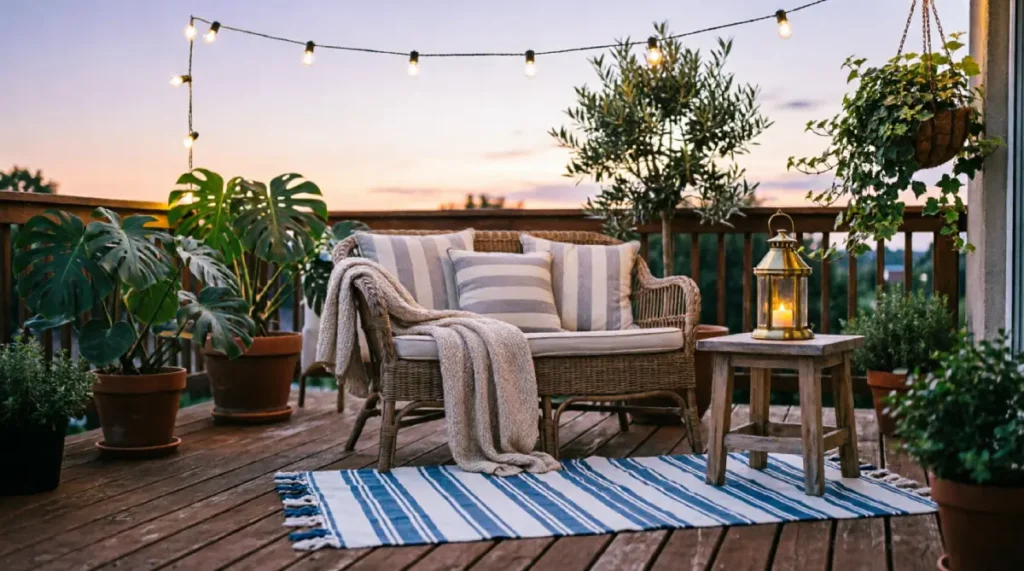
Summer evenings should feel like an escape, but too often a patio or garden lacks the warmth and comfort that invites you to truly unwind. Harsh overhead lights, hard metal chairs, and wide-open spaces can leave your outdoor area feeling more exposed than inviting. The good news is that creating a cozy atmosphere doesn’t demand a full renovation. It’s about layering soft textures, gentle pools of light, and private little corners that encourage lingering.
In this article, I’ll share 14 practical, relaxing ideas that focus on that snug, tucked-away feeling. You’ll find small changes and thoughtful additions that turn even a modest yard into a peaceful summer sanctuary.
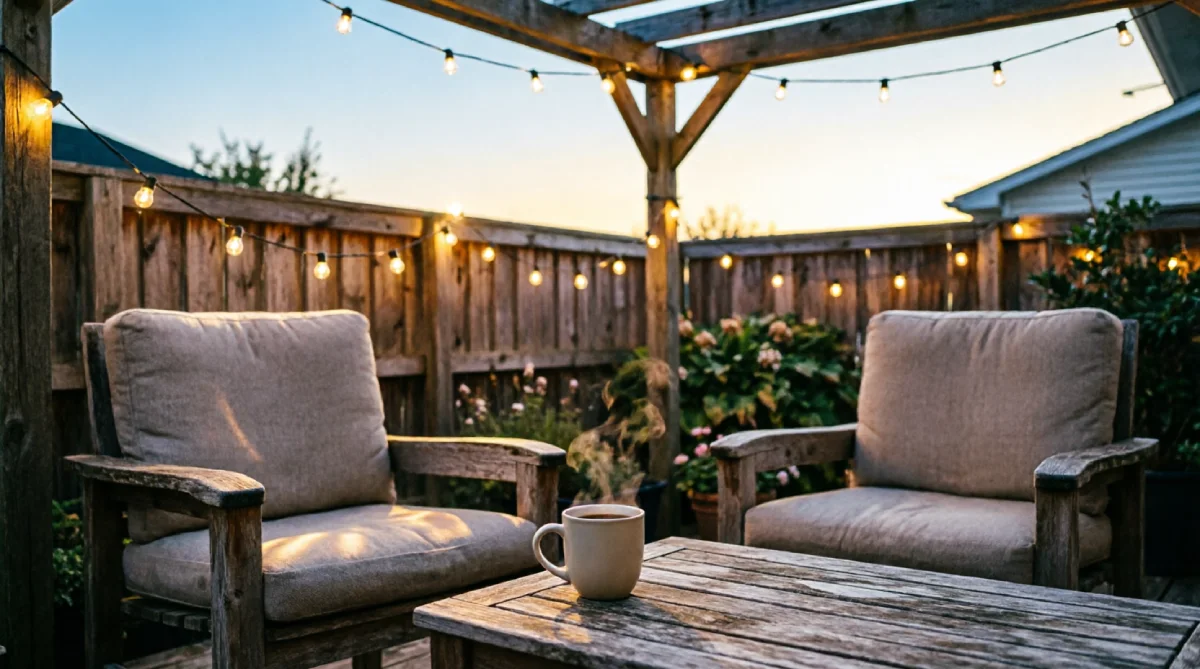
1. Drape String Lights Overhead for a Soft Glow
Nothing transforms a plain patio quite like a canopy of string lights. I usually choose warm white bulbs with a slight amber tint because they mimic the golden hour light that makes everything feel calm.
The reason this works so well is that overhead lighting creates an instant ceiling effect outdoors. It defines the space, lowers the visual height, and pulls people in. Instead of feeling like you’re sitting under a vast dark sky, you’re cocooned inside a soft, floating grid of light.
In many homes, I’ve seen bare patios go from stark to inviting simply by crisscrossing lights between a house eave and a tree branch. A common issue is using cool-toned LED strings that feel clinical and too bright. Warm dimmable bulbs are always the better choice for relaxation.
For a quick upgrade, attach screw hooks to fence posts or the house wall at roughly eight feet high and zigzag the lights across the seating area. If you don’t have overhead anchors, set a few tall wooden poles in weighted planters. The gentle glow overhead encourages conversations that last well past sunset.
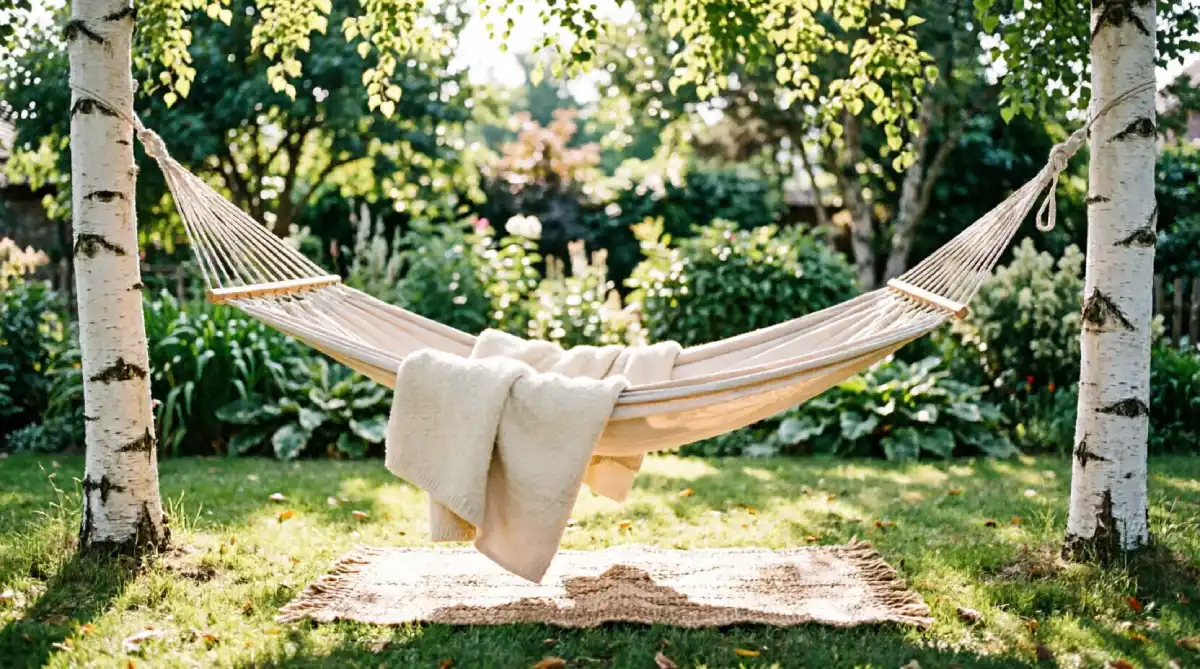
2. Hang a Hammock in a Quiet Corner
I recommend setting aside a shaded spot just for a hammock—preferably away from the main traffic flow of the yard. Even a small garden can usually accommodate one, slung between two sturdy trees or a hammock stand tucked beside tall shrubs.
Hammocks work because they gently cradle the body and encourage deep rest. The subtle swaying motion naturally lowers stress and makes it easy to drift off. When you add a soft throw and a weather-resistant pillow, it stops being just a garden accessory and becomes an outdoor nap destination.
A common sight in many backyards is a hammock left bare and uninviting. I’ve noticed that simply adding a small side table for a book or a cold drink makes the spot feel intentional rather than forgotten. The key is to make it look like a retreat, not an afterthought.
Actionable suggestion: choose a hammock made of soft quilted fabric rather than open netting, and keep a fleece blanket folded nearby, even in summer, for cooler evenings. Position it where dappled shade falls in the afternoon so the space stays comfortable without glaring sun.
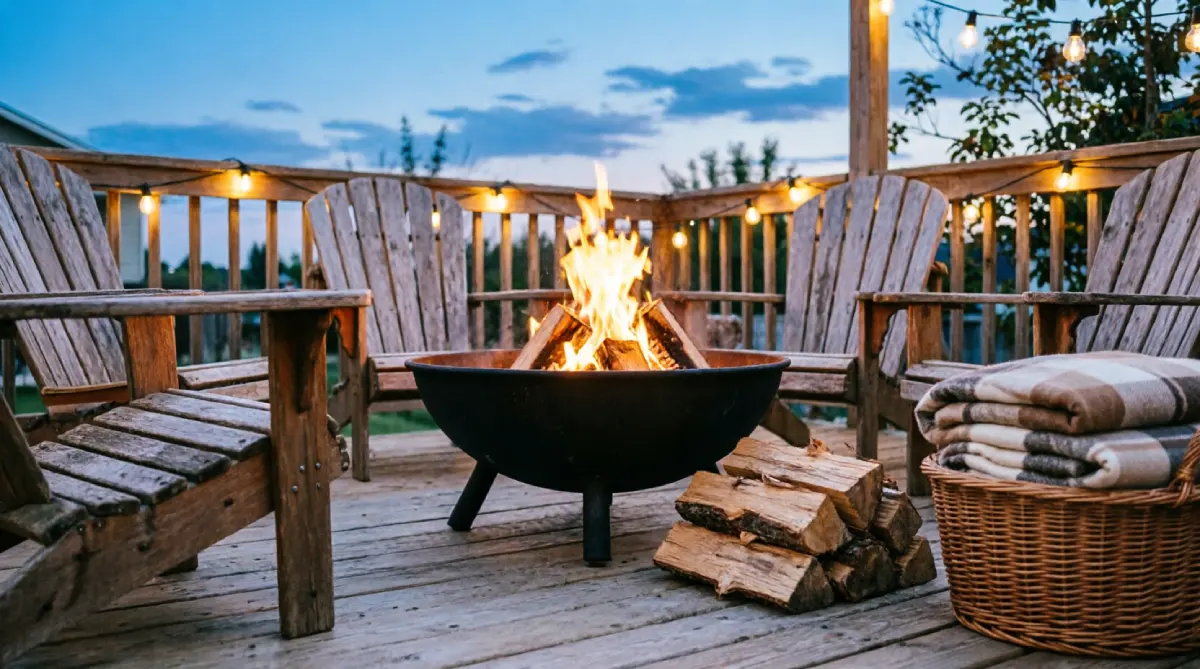
3. Build a Simple Fire Pit Gathering Spot
Even on warmer nights, the flicker of a fire draws people in. I prefer a portable steel fire bowl with a spark screen, as it doesn’t require permanent construction and can be moved when you mow or rearrange the seating. Semi-circle the chairs around it, not too far back, so the warmth is within easy reach.
Fire pits add instant coziness because they engage multiple senses—the crackle, the dancing light, the subtle scent of wood. They signal that this is a place to slow down, roast marshmallows, and talk without checking a phone. The ring of warmth becomes the natural heart of the yard.
In many homes, I’ve seen fire pits positioned in an open lawn with no comfortable seating nearby, which defeats the purpose. A common issue is placing chairs too far from the fire, making people lean forward awkwardly. Keep the circle tight and intimate.
Make sure you have a few heavy outdoor cushions or low Adirondack chairs that encourage lounging. Keep a stack of split logs in a rustic metal holder close by; it adds to the visual charm and makes refueling effortless. For safety, always place a heat-resistant mat underneath a wooden deck.
4. Anchor the Space with an Outdoor Rug
Hard concrete or wooden decking can feel cold and unwelcoming. Adding a large, flatweave outdoor rug beneath your seating arrangement instantly softens the area and gives it the feel of an outdoor room. I usually go for a polypropylene rug in a faded geometric or neutral pattern because it handles moisture and sun without heavy maintenance.
Rugs visually define a zone. Without one, furniture can look like it’s floating in empty space. A rug pulls chairs, a coffee table, and side tables together into a single cohesive setup. It also feels much better under bare feet than splintery deck boards or hot stone.
I’ve noticed that many patios with lovely furniture still feel incomplete simply because the ground plane is bare. A common scenario is a seating group that looks disconnected; place a rug underneath and suddenly the whole arrangement settles into a single, welcoming conversation area.
Choose a rug that extends at least a foot beyond the furniture footprint on all sides. Shake it out regularly and store it rolled up in a dry spot during long wet spells to prevent mildew. A simple 5×8 size is often enough for a bistro set or two lounge chairs.
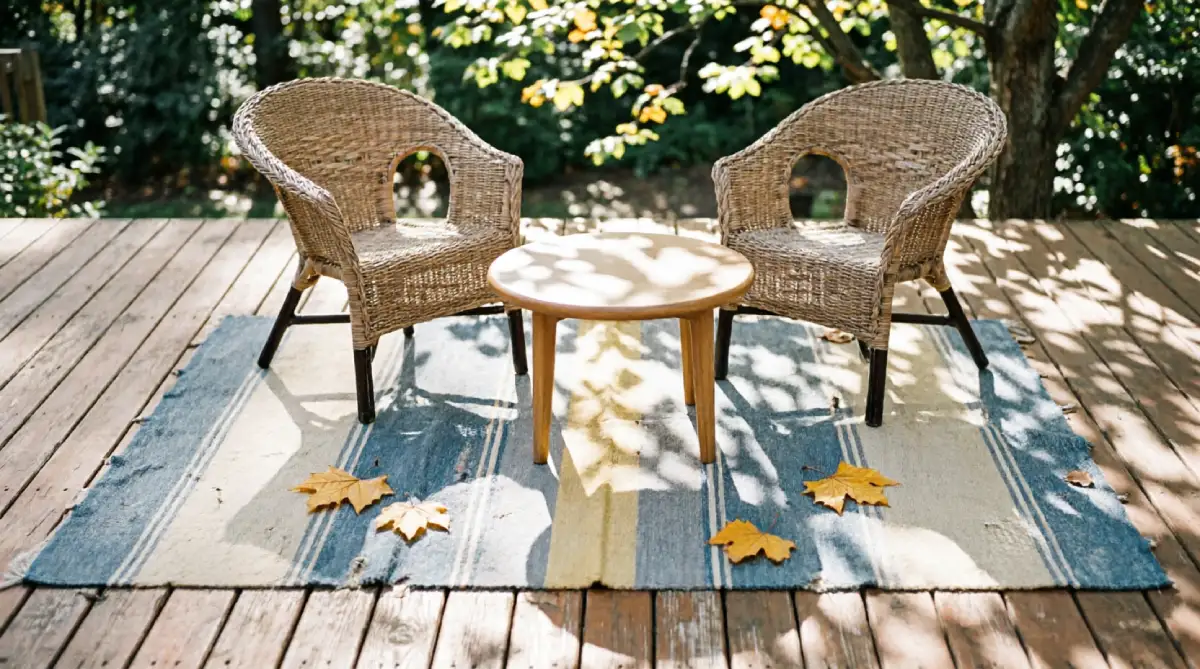
5. Carve Out a Private Reading Nook with Potted Greenery
I’m a firm believer that every yard should have one small, hidden spot where a person can read undisturbed. You can create this using tall potted grasses, ferns, or a trellis with climbing vines arranged in a semi-circle around a single comfortable chair and a tiny side table.
The greenery acts as a living wall, muffling sound and blocking sightlines from neighbors or the house. This sense of enclosure triggers a psychological shift—you feel sheltered and protected, which is essential for real relaxation. It doesn’t require a large footprint, just thoughtful placement.
In many urban gardens, privacy is the biggest barrier to outdoor comfort. I’ve seen narrow side yards transformed with just three oversized planters filled with ornamental grasses that screen the chair from the neighboring property. A common oversight is using small plants that don’t reach eye level; tall varieties work faster.
Actionable suggestion: use lightweight resin planters on wheels so you can adjust the screen as the sun moves or when you want to open the space for company. Add a small, battery-powered lantern on the side table, and suddenly a forgotten corner becomes your favorite reading retreat.
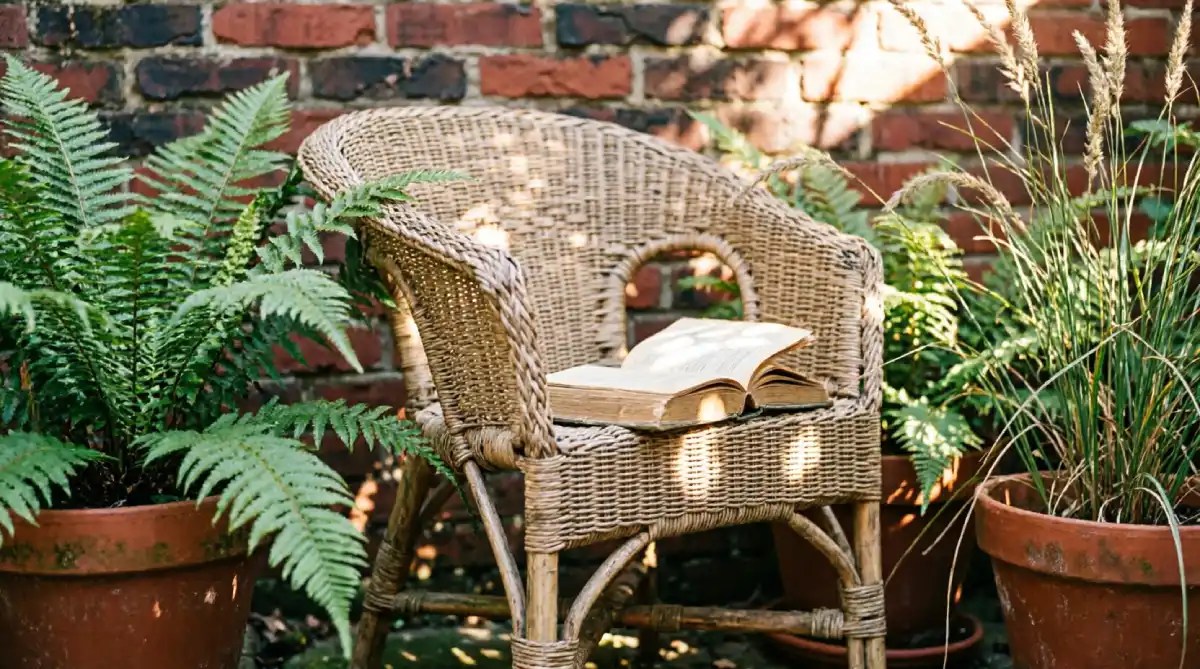
6. Install a Porch Swing with Plush Cushions
Few things feel as nostalgic and relaxing as a slow-swaying porch swing. If you have a covered porch, a sturdy overhead beam can support a classic wooden swing. Even without a porch, a freestanding swing frame with a canopy works beautifully on a patio or under a large tree.
The gentle motion is what makes swings so effective. The rhythmic back-and-forth calms the nervous system, much like rocking a baby. When you pad the seat with thick, all-weather cushions and a couple of throw pillows, it invites you to curl up with your feet tucked under you.
A common mistake I see is a swing hung too high or with a short chain that turns it into an upright bench. The best height allows your feet to touch the ground comfortably while still giving a full range of motion. I’ve noticed many porches where a bare wooden swing looks uninviting until a seat cushion is added.
Hang the swing so the seat is roughly 17-19 inches off the floor. Use eye bolts that are rated well above the intended load, and check them seasonally. Keep a storage bin nearby for the cushions when it rains, so they stay fresh and ready.
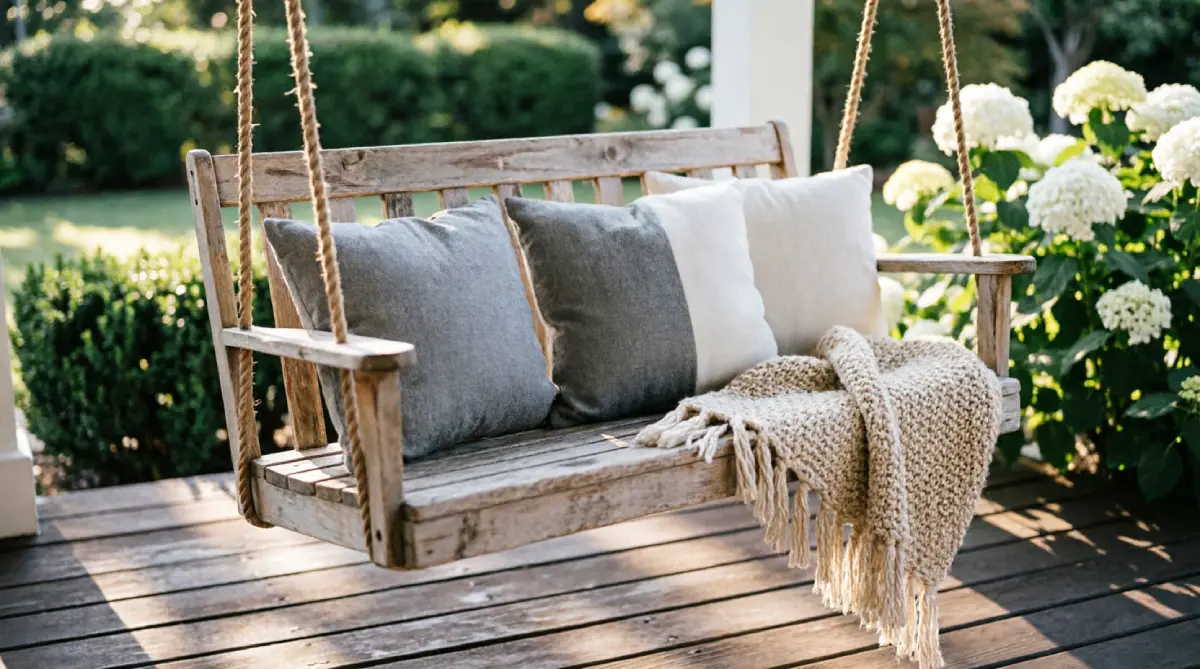
7. Hang Outdoor Curtains for a Soft, Sheltered Feel
Outdoor curtains are one of the most underused elements in backyards. I usually hang them on a pergola, gazebo, or even a simple pipe frame to create a semi-enclosed cabana effect. Lightweight, weather-resistant fabric in off-white or linen tones works best.
Curtains work because they soften hard edges, filter harsh sunlight, and move beautifully in a breeze. They create a sense of enclosure without blocking airflow. When you draw them partially closed, you feel tucked away from the world while still enjoying the summer air. It’s the difference between sitting in a parking lot and sitting in a peaceful room.
In many homes, I’ve seen a basic pergola become a favorite lounging spot overnight just by adding curtain rods and panels. A common issue is using heavy fabric that traps heat and doesn’t dry quickly after rain. Thin, outdoor-grade polyester blends resist mildew and blow dry fast.
Install simple curtain rods using galvanized pipe brackets, and use clip rings so you can easily slide panels open or closed. During the day, tie them back with soft cotton ties. At night, let them down for instant privacy and a dreamy, filtered lantern glow.
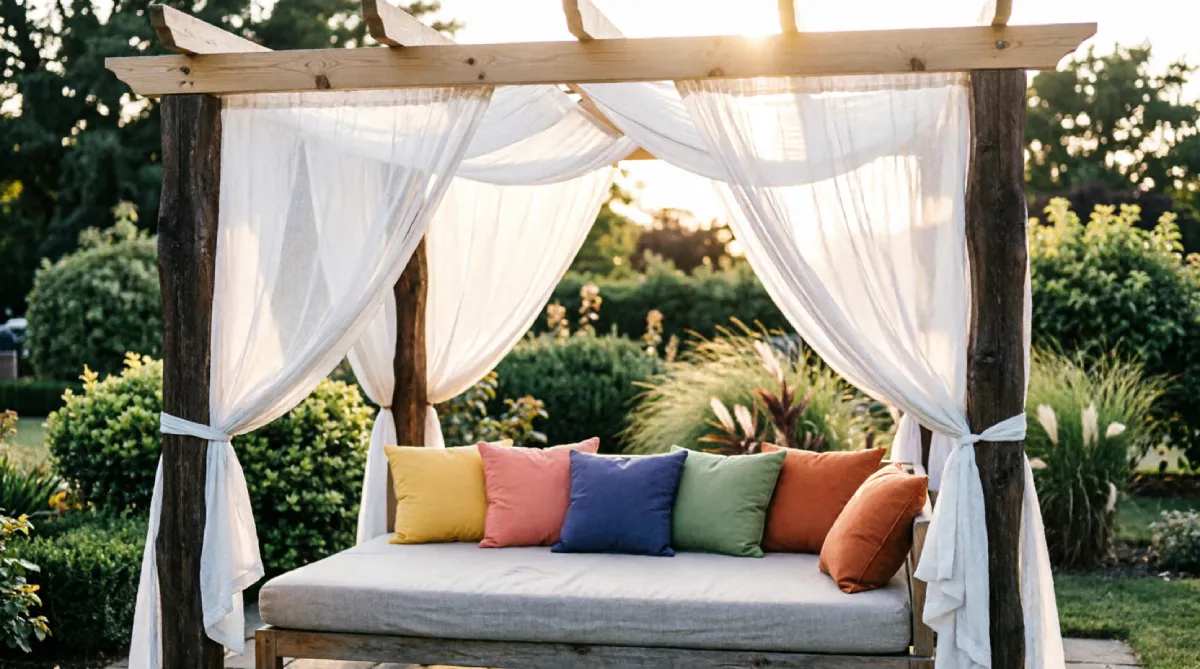
8. Set Up an Outdoor Daybed for Lingering Afternoons
A dedicated daybed outdoors turns a deck or lawn into a lounge. You can build a simple platform from pallets and top it with a twin-sized, high-density foam mattress covered in outdoor fabric, or buy a ready-made rattan daybed. The key is making it big enough to stretch out on fully.
The luxury of lying flat in fresh air, with a canopy of leaves overhead, is deeply restorative. It encourages you to stay outside longer, reading, napping, or just watching clouds. A daybed signals to everyone in the household that it’s okay to slow down, no agenda needed.
I’ve noticed that many patios have only upright seating, which limits how long people stay comfortable. A common observation is that guests gravitate toward the deepest, most cushioned surface available. Adding a weatherproof daybed changes the whole dynamic of the yard.
Top the mattress with a washable cover, scatter a few oversized pillows, and position it where afternoon shade falls. Use a mosquito net canopy if bugs are an issue. Store pillows in a deck box when not in use so they stay clean and dry.

9. Layer Textiles on Wicker and Metal Furniture
Even the prettiest furniture can feel uninviting without textile layers. I prefer to dress a basic rattan sofa with a deep seat cushion, a couple of lumbar pillows, and a lightweight cotton blanket folded over the arm. It’s a simple shift that changes how a seat feels and looks.
Texture creates tactile coziness. When your hands and body touch soft, nubby fabrics rather than cold resin wicker or hot metal, you instinctively relax. Layering also lets you add color and pattern that reflect your style without committing to permanent changes. It’s a forgiving, flexible approach.
In many homes, I’ve seen matching furniture sets that look stiff and catalog-like. A common improvement is mixing different pillow sizes and fabrics—linen, canvas, crochet—that make the setting feel collected over time. That imperfection is what often reads as most comfortable and inviting.
Pick outdoor-safe inserts that dry quickly. Use removable covers with zippers so you can toss them in the wash when pollen season peaks. Swap out darker blankets for lighter cotton throws in high summer, and bring out chunkier knits for cooler evenings.

10. Add a Small Tabletop Fountain for Soothing Sound
Water sound masks traffic noise, lawn equipment, and neighbor conversations. I recommend a compact, recirculating tabletop fountain made of glazed ceramic or lightweight resin. Place it on a side table within earshot of your main seating zone. The trickle doesn’t need to be loud to be effective.
The psychological effect is immediate. Moving water signals safety and calm to our brains. Even a gentle, repetitive burble can lower perceived stress and make a small patio feel like a spa courtyard. It also attracts birds, which adds life and movement to the garden.
I’ve found that many people underestimate how much noise pollution disrupts outdoor relaxation. A common scenario is a lovely seating area rendered unusable by a nearby road. A water feature won’t block the sound completely, but it overlays it with a more pleasant, steady frequency that helps your brain tune out the disturbance.
Choose a fountain that runs on a low-voltage pump and place it on a stable surface away from direct wind that splashes water out. Top it off with fresh water every few days to prevent mosquito breeding and mineral build-up. The gentle soundtrack it provides is often enough to transform the entire mood.

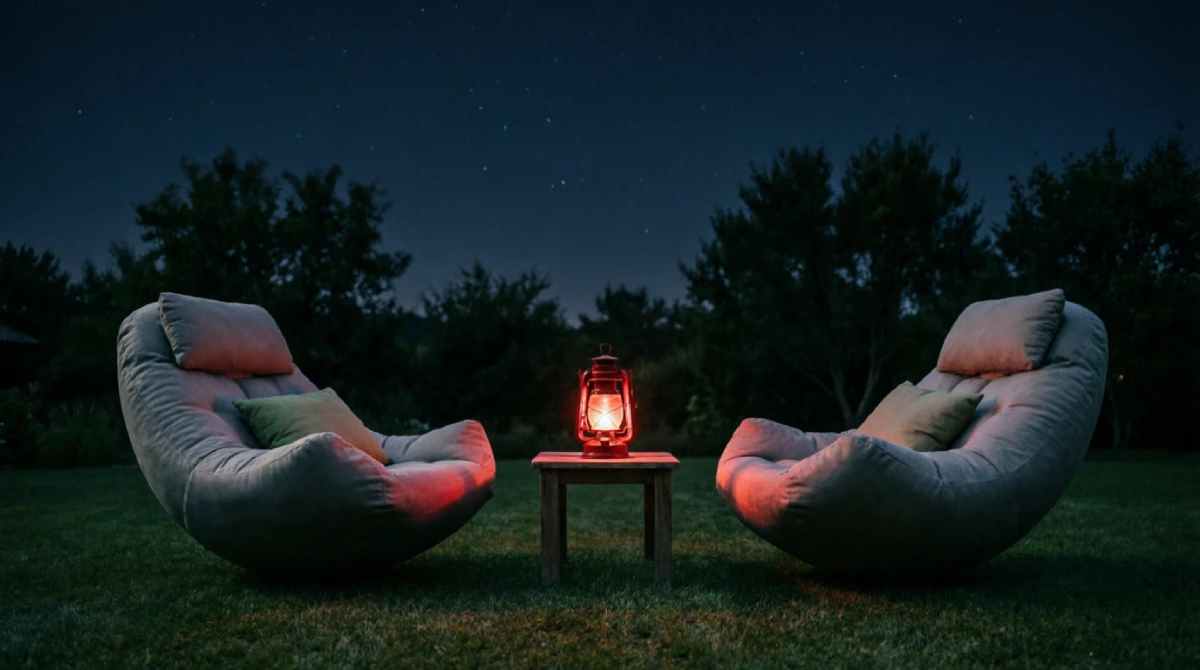
11. Create a Stargazing Spot with Reclining Chairs
Warm summer nights are made for looking up. I like to set up a pair of zero-gravity reclining chairs in an open patch of lawn or on a deck with a clear view of the sky. Keep them slightly away from bright house lights and streetlamps so your eyes can adjust to the darkness.
Reclining flat changes your entire experience of the outdoors. You notice more stars, the movement of clouds, and the subtle shift from twilight to deep night. The position also releases tension in the spine better than sitting upright in a typical patio chair. It’s passive relaxation at its best.
In many backyards, night lighting is so focused on practical pathways that the simple pleasure of darkness is lost. A common issue is keeping the area too brightly lit. I’ve seen setups where a single dim red-toned lantern near the chairs provides just enough light to navigate without ruining night vision.
Add a small waterproof storage ottoman between the chairs to hold binoculars, a star chart, or a thermos of tea. Bring out a fleece-lined blanket for each person, because even in summer, body temperature drops when you’re motionless. The combination of a reclined position, quiet darkness, and a soft blanket feels like camping without leaving home.
12. Set Up a DIY Outdoor Movie Nook
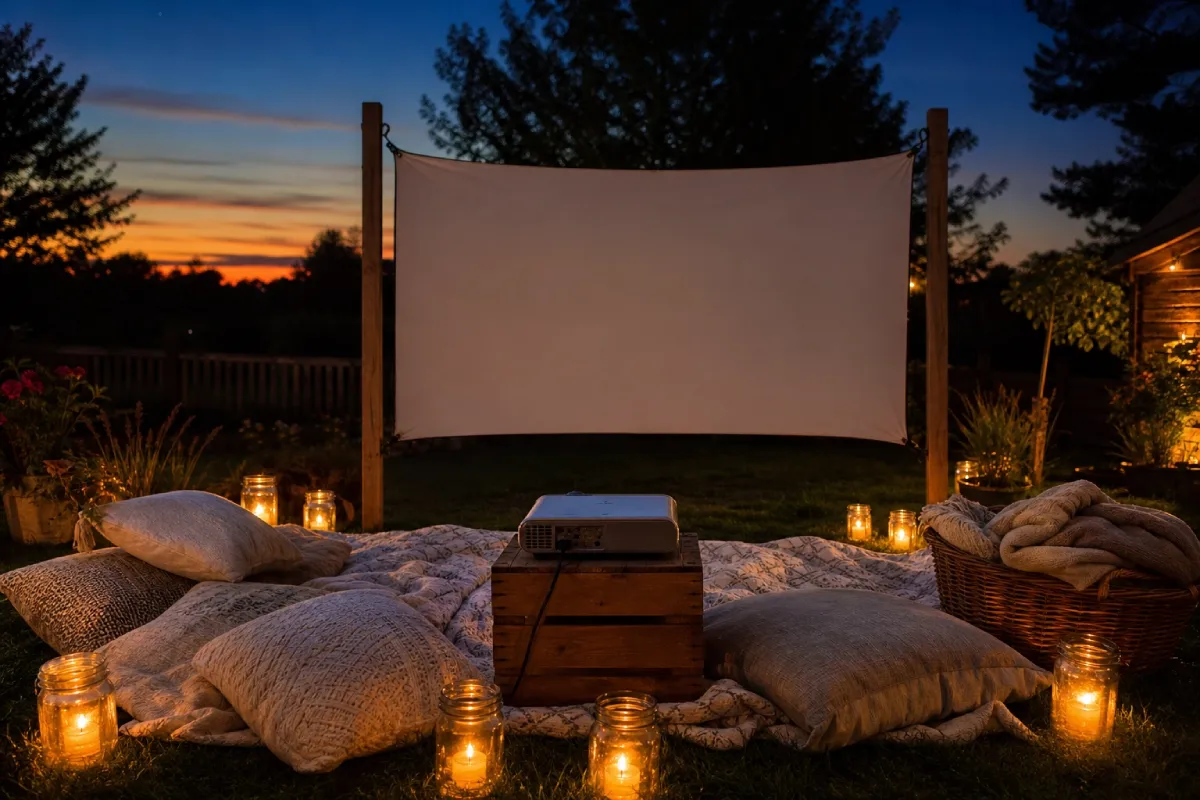
An outdoor movie night doesn’t require a permanent installation. I use a portable projector, a white blackout curtain hung taut between two shepherd’s hooks, and a Bluetooth speaker. The seating can be as simple as a thick quilt spread on the grass or a collection of floor cushions and beanbags.
The immersive experience of watching a film under the stars, with warm air and the occasional sound of crickets, feels magical. It’s the informality that makes it cozy—piling onto soft mats, wrapped in blankets, with popcorn in a big shared bowl. It’s a social activity that feels deeply restful rather than stimulating.
I’ve seen many people struggle with a washed-out image because they start the movie too early. A common issue is not waiting until true dusk. The best time to begin is roughly 30 minutes after sunset when the sky is deep blue. Screen placement is also key; set it low enough that viewers can recline comfortably without craning their necks.
Use a projector with a built-in speaker or a small portable soundbar. Set up a low table behind the seating area for snacks and drinks so no one has to get up mid-movie. Keep a basket of cozy throws nearby, and use flameless LED candles in mason jars to define a soft pathway without harsh light.
13. Cluster Lanterns for a Flickering, Warm Glow
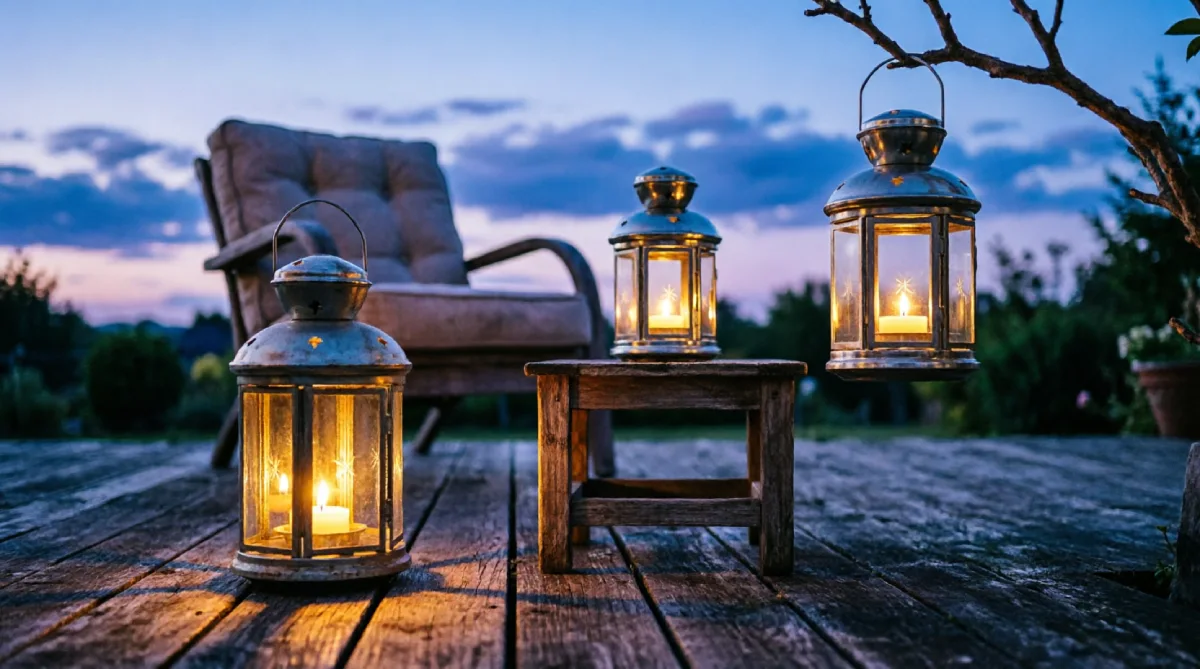
Instead of relying on one bright source, I prefer to cluster several lanterns at different heights. Place a large, chunky candle lantern on the floor, a smaller one on the side table, and maybe a hanging lantern from a shepherd’s hook. Use battery-powered flameless candles for worry-free operation.
Multiple small light sources create depth and a more natural, campfire-like ambiance. The flickering effect, even if artificial, mimics the unpredictable light of a flame, which our brains associate with safety and storytelling. This layered approach is far cozier than a single floodlight washing the whole area in flat brightness.
In many homes, I’ve seen a dark patio instantly transformed by grouping just three lanterns of varying sizes. A common issue is placing all light sources at the same height, which feels static. Varying heights draw the eye around the space and make it feel curated and intimate.
Select lanterns with a weathered metal or wood finish to add texture even during the day. Place them along pathways, near seating, and on stair edges for both ambiance and safety. Turn them on about twenty minutes before you plan to use the space so the glow is already established when you step outside.
14. Create a Charming Dining Nook Under a Tree
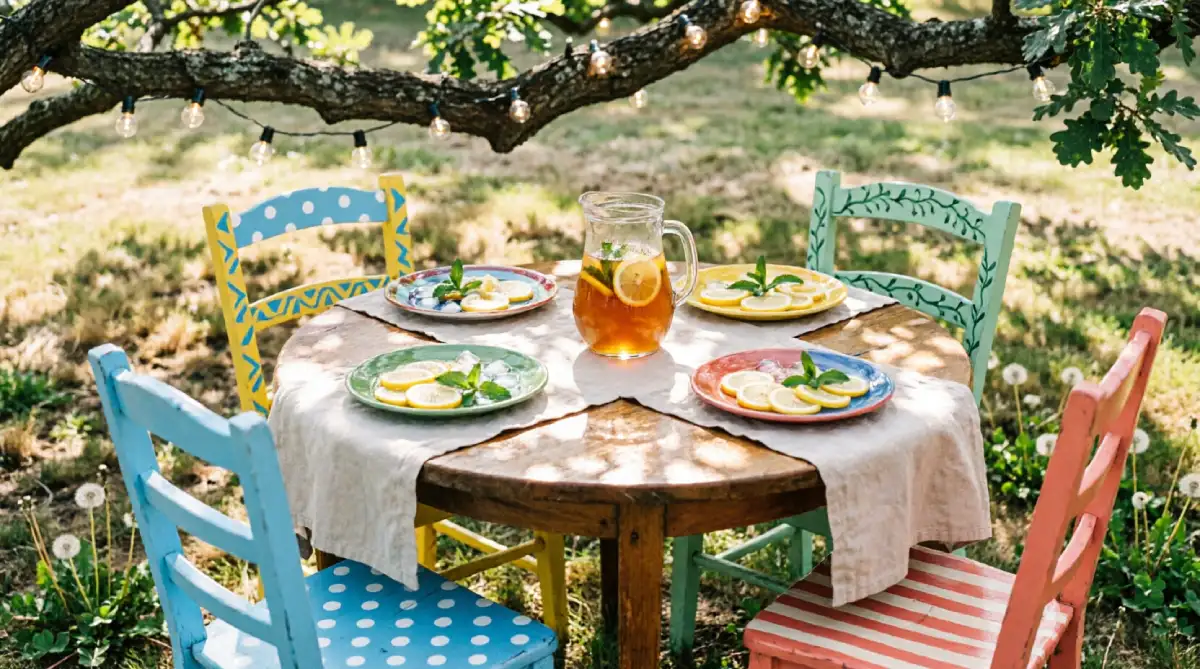
Eating outside feels inherently special, but a full dining set on a open lawn can feel exposed. Instead, I recommend tucking a small, round table and a set of mismatched vintage chairs under a broad tree canopy. The branches act as a natural ceiling, filtering light and framing the space.
The tree provides dappled shade, a sense of shelter, and a visual anchor. String a few delicate lights in the lower branches overhead, and suddenly you have a magical spot for breakfast or a late dinner. The slight unevenness of vintage chairs adds warmth and character that a matched set often lacks.
I’ve noticed that in many gardens, the dining area is pushed to the edge of the property, far from any natural shelter. A common improvement is moving the table closer to a tree and adding a simple canvas bunting or a few hanging jars with tealights. The enclosure of branches overhead makes the meal feel like a secret picnic.
Make sure to prune any low-hanging branches that interfere with headroom, and sweep the ground clear of fallen debris before setting the table. Use a weatherproof tablecloth and plates that can handle a little sap or a stray leaf. The result is a dining spot that invites long, leisurely meals without feeling stiff.
Practical Tips
- Layer light at three levels: Use overhead string lights for general glow, mid-height lanterns for warmth, and low path lights or flameless candles to ground the space.
- Rotate textiles weekly: Shake out rugs and cushions to prevent debris buildup and flip pillows so they wear evenly and stay looking fresh.
- Create shade breaks: Even cozy spaces need relief from midday sun. Use a cantilever umbrella or a roll-down shade to keep seating comfortable all afternoon.
- Define zones with different ground materials: A rug under a lounge area, gravel under a dining nook, and grass for open seating helps each space feel distinct and purposeful.
- Use natural insect deterrents: Position citronella plants, lavender, and a small fan nearby to keep bugs at bay without harsh chemicals that disturb the relaxed atmosphere.
- Tidy at the end of each use: Put throws in a weatherproof bin, stack pillows, and cover electronics. A space that’s ready for the next evening always feels more welcoming.
Common Mistakes to Avoid
- Overlighting the space: A single harsh floodlight kills the ambiance. Stick to multiple low-lumen sources that you can adjust or switch off individually.
- Using only hard, un-cushioned seating: Even beautiful benches need a pad or pillows. Without softness, no one will stay for long.
- Neglecting the floor: Bare concrete or dirt underfoot undermines coziness. A simple outdoor rug anchors furniture visually and adds physical comfort.
- Cluttering with too many small items: Coziness isn’t about filling every inch. Keep walkways open and avoid so many knick-knacks that the space feels cramped rather than intimate.
- Forgetting to consider the morning after: Leaving cushions and fabrics out overnight in heavy dew leads to mildew. Always have a quick storage plan.
FAQs
What’s the easiest way to make a patio feel cozier?
Start with warm, layered lighting and a soft rug underfoot. Those two changes immediately change how the space feels, even with existing furniture.
Can I create a cozy outdoor space on a small balcony?
Absolutely. A compact chair, a tiny side table, a small outdoor rug, and a single string of battery-operated fairy lights can turn a narrow balcony into a snug retreat.
How do I keep outdoor cushions from getting musty?
Choose high-density foam with drainage channels and covers made of solution-dyed acrylic or polyester. Store them upright in a ventilated deck box when not in use, and never leave them flat on wet ground.
What’s the best lighting for a relaxing evening?
Warm white (around 2200K–2700K) with dimmable or low-lumen output. Flameless candles, string lights, and shaded lanterns provide the most inviting, glare-free glow.
Are fire pits safe on wooden decks?
Yes, with proper precautions. Always use a heat-resistant fire pit mat or a thick layer of pavers underneath, keep a spark screen in place, and place the pit well away from railings and overhanging branches.
Conclusion
Cozy outdoor spaces aren’t about spending a lot or following a strict style—they’re about layering comfort, light, and a sense of enclosure. Whether you add a soft rug, hang string lights in a tree, or carve out a reading nook with tall planters, each small choice stacks up to something much more restful. I’d suggest picking just one idea that matches how you already want to use your yard, try it this weekend, and notice how the space feels. Often, it’s the simplest change that makes you linger outside a little longer, take a deeper breath, and truly relax.
