

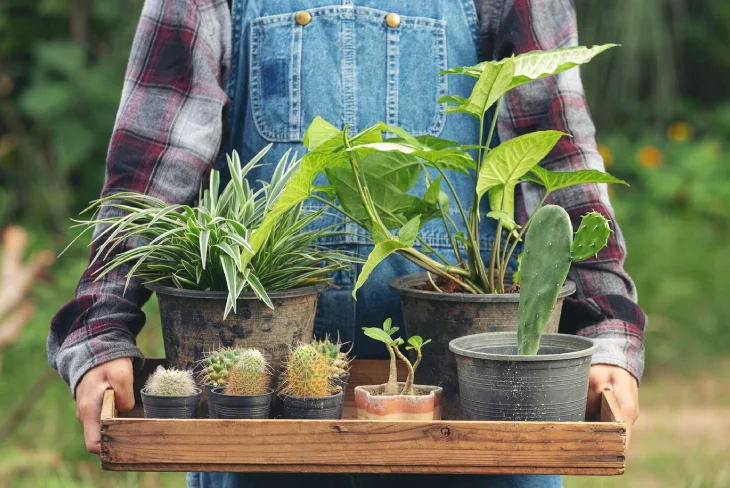
If you’re short on space but big on green dreams? These 15 beautiful, low-maintenance container gardening plants deliver color, harvests, and zero stress—even on a tiny balcony. Embrace the joy of container gardening and grow your favorite vegetables, flowers, and herbs in pots, planters, and hanging baskets.
Read another informative article on a budget backyard oasis.
Choosing the Best Plants for Your Container Garden
Starting a container garden is smart—especially when space is tight or soil quality is poor. Choosing the best plants for your container garden means selecting container-ready cultivars that grow well in pots and those vegetables in containers that’ll give you fresh produce season-long. You’ll want large containers with drainage holes to keep those roots happy and make sure your plants receive plenty of hours of direct sunlight.
Don’t forget to water your plants regularly, ’cause those containers dry out way faster than your in-ground garden. Aim for a mix of flowers and veggies to create a combination planter that’s both useful and extra showy. Flowers like bright yellow ones or wispy blooms not only make your decorative pots pop but also attract pollinators like hummingbirds and bees, which supports companion planting if you’re into growing vegetables.
Picking low-maintenance yet best vegetables and flowers that are known to be awesome for pollinators can transform your balcony or patio into a mini vegetable garden and a haven for those winged visitors. Many plants do just fine with a buddy, so consider getting more than one plant for your pots to keep them company. This complete guide to plants in containers will help you get the lush, productive garden you’ve been dreaming of.
Why Some Plants Thrive in Containers?
Not all plants can be grown in containers; they need the right conditions to thrive. Plants with compact habits and shallow root systems are best for containers, while large, deep-rooted plants won’t do well. Consider factors like mature size, water requirements, and growth habits when selecting container plants. Always cross-reference your USDA Hardiness Zone before selecting perennials—zones 7-10 can overwinter lavender in containers, while colder zones need annuals or indoor storage.
Putting plants in hanging window boxes can be a smart way to maximise space while adding greenery to balconies, patios, or windows. They’re especially ideal for trailing plants and herbs, offering both visual appeal and easy access for watering or harvesting.
Top Blooming Flowers Perfect for Potted Living
Petunias, geraniums, and begonias are classic choices for vibrant blooms in containers. For a burst of color, try impatiens, marigolds, or zinnias. Don’t forget to add trailing plants like sweet potato vines or ivy for a cascading effect. Pro tip: Spend 2 minutes weekly deadheading spent blooms on petunias and zinnias—it redirects energy to new flowers, extending your display with zero extra cost.
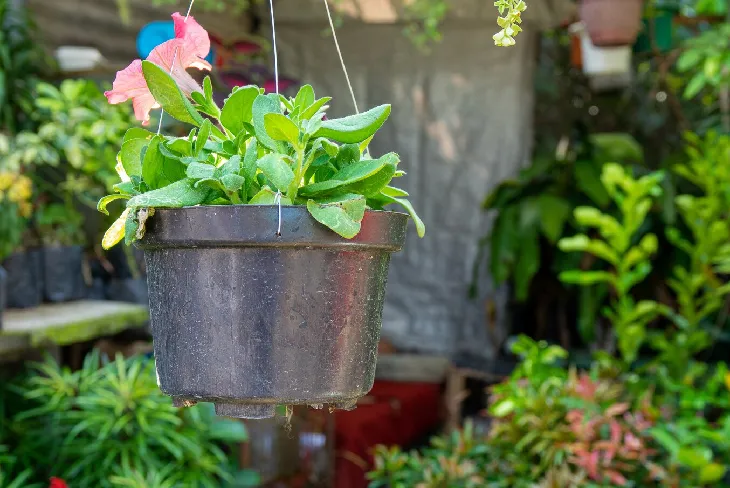
Here’s a single list of top blooming flowers perfect for potted living:
- Petunias 🌱☀️ – Drought-tolerant once established; blooms all season with deadheading.
- Calibrachoa 🌱 – Self-cleaning blooms; no deadheading needed.
- Zinnias ☀️✂️ – Heat-loving; minimal pruning for continuous color.
- Marigolds 🌱☀️ – Repel pests naturally; bloom continuously without deadheading.
- Geraniums 🌱 – Tolerate occasional missed waterings; long bloom period.
- Dahlias ☀️ – Stake once, then enjoy weeks of blooms with minimal care.
- Pansies 🌤️ – Cool-season tolerant; thrive with basic watering.
- Anthurium 🌤️ – Low-light tolerant; blooms year-round indoors.
- Bromeliad 🌱 – Stores water in leaves; water only when the soil is dry.
- Cape Primrose 🌤️ – Shade-flexible; blooms repeatedly with minimal fuss.
- Peace Lily 🌤️ – Signals thirst clearly; recovers quickly after watering.
- African Violet 🌤️ – Compact roots; thrives in small pots with consistent care.
- Gomphrena 🌱☀️ – Drought-resistant; holds color through heat stress.
- Verbena 🌱 – Spills beautifully; tolerates dry spells once established.
- Celosia ☀️ – Heat-tolerant; vibrant plumes require zero deadheading.
Vegetables That Grow Well in Containers
Many vegetables thrive in containers, including tomatoes, peppers, eggplant, and cucumbers. Leafy greens like lettuce and spinach are also excellent choices, as are radish, green onions, and herbs. Remember, some vegetable plants need full sun, while others can tolerate partial shade. Use a companion planting chart to pair basil with tomatoes in the same container—basil repels aphids while enhancing flavor, cutting pest-control chores in half.
Tips for Potting Soil and Drainage
When it comes to growing plants, especially goodies like tomatoes and peppers, choosing the best container is key. Not all kinds of containers are born equal – some are stars at good drainage, which is super important. Skip the gravel myth—research from Cornell University shows it can create a perched water table. Instead, use a well-draining potting mix with 30% perlite and ensure containers have ½-inch drainage holes. For truly low-maintenance care, pair drought-tolerant plants like sedum with self-watering containers—they regulate moisture automatically, cutting watering tasks by up to 70%.
And hey, stick your finger in the soil now and then to check the soil moisture. Learning to read your plants’ cues—like drooping leaves signaling thirst—turns everyday care into confident gardening. Take the guesswork out of watering: a $5 soil moisture meter tells you exactly when roots need hydration—no more finger-testing or yellowing leaves. For those stunning floral arrangements that become the focal points of your garden or balcony, experimenting with many varieties can pay off, especially when matching them with the perfect water source.
Ingredients for Nutrient-Rich Potting Soil Mixes
Good potting soil is crucial for container plants to grow healthy and strong. Mix compost, peat moss, and perlite or vermiculite for a well-draining, nutrient-rich soil. Avoid using garden soil, which can become compacted and waterlogged in containers.
Optimal Drainage for Healthy Root Growth
Proper drainage is essential for container plants to prevent root rot and fungal diseases. Ensure your containers have holes in the bottom for excess water to escape. Follow USDA extension service guidelines: aim for 40% organic matter, 30% aeration (perlite/pumice), and 30% drainage (coarse sand) for optimal container soil structure.
Maximizing Small Spaces with Container Garden Ideas
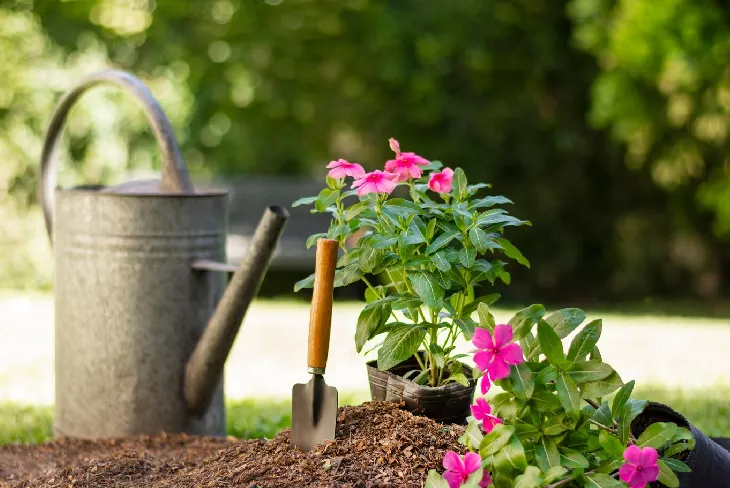
Working with a tiny balcony or patio? You don’t need acres to grow a stunning garden—just the right container plants and a few smart strategies. Small space? No problem. With these container-ready plants, even a sunny windowsill can become a productive, beautiful garden.
Trust me, there’s a whole world of container gardening plants perfect for that little plot of land. Whether it’s sunny, shady, or somewhere in between, there’s a container plant calling your name. So, grab some pots, and let’s get gardening!
Space-Saving Container
If you have a small balcony or patio, look for compact varieties like bush tomatoes, patio cucumbers, and dwarf eggplants. Vertical gardening with trellises or cages can also help maximize your growing space.
Innovative Display Ideas
Get creative with your container garden display! Hang baskets from railings, arrange pots on shelves or plant stands, or create a living wall with vertical planters. Mixing different container sizes and textures adds visual interest.
Fertilizing Your Potted Plants
So you’ve decided to try your hand at container gardening, huh? Great! First off, your plants are gonna need some good food to thrive. It’s all about finding the right fertilizer to give them that boost. Just like us, without proper nourishment, they won’t look their best or grow as big as they could. Keep ’em fed and happy, and you’ll see the difference!
Types for a Thriving Vegetable Container Garden
Vegetable plants have high nutrient needs, so use a balanced fertilizer with equal parts nitrogen, phosphorus, and potassium. Water-soluble or slow-release options work well for containers. For a natural boost, try fish emulsion or compost tea.
When and How to Fertilize for Season-Long Blooms
Flowering plants benefit from regular fertilization to encourage continuous blooming. Use a bloom-boosting fertilizer high in phosphorus, and apply it every 2-4 weeks during the growing season. Water plants thoroughly before and after fertilizing.
Plant Pairings and Combinations for A Visually Stunning Container Garden
When it comes to container gardening, mixing and matching different plants can seriously up your game. It’s all about finding those perfect plant buddies that complement each other’s vibe. Imagine pairing a tall, dramatic grass with some flowing petunias. The key? Think about textures, colors, and growth habits to create a visually stunning display in your container garden. Think of your container like a curated arrangement: pair upright grasses for height, mounding flowers for volume, and trailing vines for movement.
Designing with Color
For a striking color combination, try pairing the burgundy foliage of coral bells with lime green or vibrant coleus. The contrast will make your container garden pop, and these plants pair well in terms of sun and water requirements.
Art of the “Spiller, Thriller, Filler” Container Strategy
A classic design technique is to combine plants with different habits in one container: a “thriller” for height and drama, like dracaena or canna lily; a “filler” for fullness, like petunias or marigolds; and a “spiller” to cascade over the edges, like sweet potato vine or ivy.
Selecting the Perfect Containers for Your Garden
So, you’re diving into container gardening? Excellent! Choosing the right container isn’t just about aesthetics—it’s about creating the ideal environment for root health. Go for containers that’ll make your green buddies thrive – enough room to grow, and don’t forget those drainage holes! Terracotta offers breathability for root aeration, while recycled plastic retains moisture better—choose based on your watering habits.
Right Container Material
Container material matters for both aesthetics and functionality. Terracotta is a classic choice but dries out quickly, while plastic pots are lightweight and retain moisture better. Wood and metal containers add rustic charm but may need more frequent watering.
Pot Size
Pot size directly impacts plant growth and health. Larger containers provide more soil volume for roots to spread and access water and nutrients. Smaller pots dry out more quickly and may restrict root growth, leading to stunted plants. Match pot size to your plant’s mature size.
With these tips, you’ll be well on your way to creating a thriving container garden that’s both beautiful and productive! Your thriving container garden starts with one pot—pick a plant from our low-maintenance list and grow your confidence, one bloom at a time.
Conclusion
And there you have it, folks! Container gardening plants are your ticket to a green paradise, no matter how small your space might be. From picking the perfect pots to mixing and matching plants like a pro, you’ve got all the tools you need to create a stunning container garden. Remember, it’s all about finding the right balance – choosing plants that play well together, giving them the TLC they need, and letting your creativity shine through in your displays.
So, what are you waiting for? Grab those containers, roll up your sleeves, and get ready to transform your balcony, patio, or windowsill into a thriving oasis. Whether you’re growing juicy tomatoes, colorful flowers, or aromatic herbs, container gardening is your chance to flex that green thumb and bring a little bit of nature right to your doorstep. Ready to start? Download our free Container Planting Checklist (includes spacing guides + watering schedules) and tag us in your first harvest—we feature reader gardens every Friday!
