

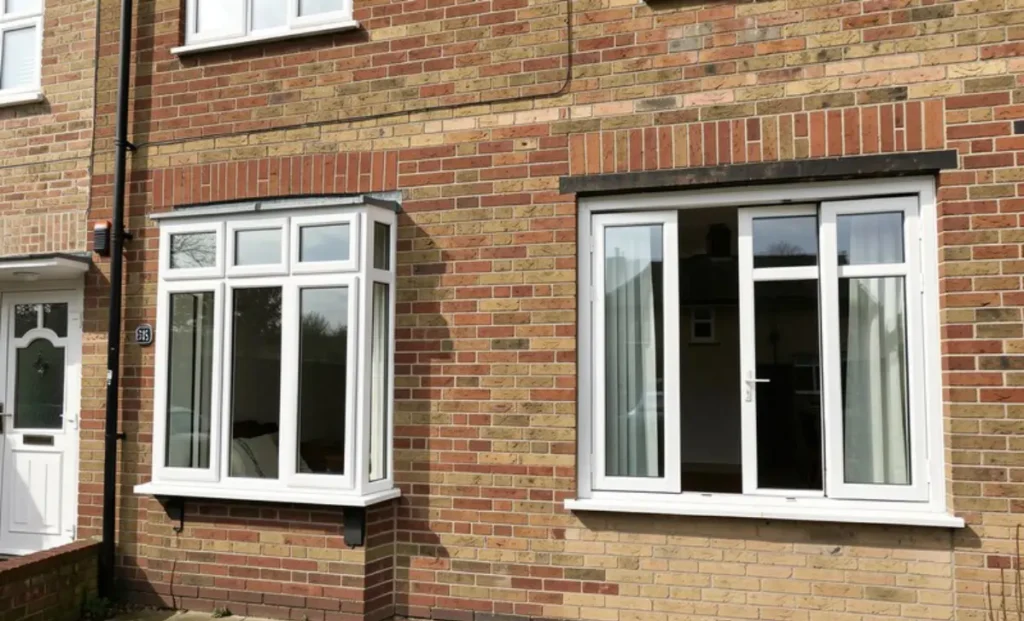
Are your energy bills rising every winter? If your home still has old single-glazed windows, you could be losing up to 20–30% of your heat through them.
Installing double glazing is one of the smartest long-term investments for UK homeowners — but how much does it really cost in 2026?
In this complete guide, you’ll discover average prices, window types, installation costs, and smart ways to save money.
What Does Double Glazing Windows Cost UK in 2026?
The average cost of double-glazing windows for a standard three-bedroom semi-detached house in the UK is between £3,750 and £5,250 for uPVC, or up to £7,800 for aluminium and timber frames. This typically includes supply and professional installation.
Why Double Glazing Costs Vary by Property and Frame
You might see online quotes ranging from £300 for a single uPVC window to over £1,500 for a large aluminium picture window. This wide range is not random. Double-glazing windows cost UK homeowners differently based on four fixed factors: frame material, window style, property type, and installation complexity.
Frame material sets the baseline. uPVC is the most affordable and widely used. Aluminium costs more but offers slimmer profiles and modern aesthetics. Timber is the premium choice, with higher maintenance and a longer lifespan. You are not just paying for the window; you are paying for thermal efficiency, durability, and kerb appeal.
Window style also affects price. A fixed casement window uses less hardware and is cheaper than an opening sash or tilt-and-turn. Bay and bow windows require structural work and multiple panes, increasing labour and material costs.
Your property type determines how many windows you need and the access conditions. A terraced house requires fewer windows than a detached property, but may involve more difficult installation if rear access is limited.
Finally, installation is not a standard add-on. Poor installation voids guarantees and reduces energy savings. Professional fitting by a certified installer is part of the long-term value.
Double Glazing Cost Breakdown by Frame Material
Choosing the right frame is the first major decision. Each material offers different benefits, and the price gap between them has remained stable entering 2026.
uPVC Windows uPVC remains the UK market leader because it balances cost, efficiency, and low maintenance. A standard white uPVC casement window costs between £200 and £450 supply and fit. For a full house, you are looking at £3,500 to £5,300 for a semi-detached property. uPVC does not require painting and resists weathering, though colour options cost extra.
Aluminium Windows Aluminium windows cost 40 to 60 percent more than uPVC. A standard aluminium casement window starts at £450 and can exceed £900. Aluminium frames are stronger, allowing thinner sightlines and more glass area. They suit modern extensions and period renovations where slim profiles are needed. Powder-coated colours are usually included, but heritage-style detailing adds cost.
Timber Windows Timber is the premium material. A hardwood casement window starts at £650 and can reach £1,300. Softwood is cheaper but less durable. Timber requires staining or painting every three to five years. You choose timber for authenticity, especially in conservation areas, but it comes with higher upfront and ongoing costs.
Composite Windows Composite frames combine materials, such as timber cores with aluminium cladding. Prices sit between aluminium and timber, typically 20 percent higher than aluminium. They offer low maintenance and high insulation, but are less common.
Double Glazing Cost by Window Type
Window type affects both material cost and installation time. Below are average supply and fit prices for a standard size window (approx 1200mm x 1200mm) in 2026.
| Window Style | uPVC Price Range | Aluminium Price Range | Best Use Case |
|---|---|---|---|
| Fixed Casement | £200 – £350 | £400 – £600 | Stairwells, small bathrooms |
| Opening Casement | £300 – £500 | £550 – £850 | Living rooms, bedrooms |
| Tilt and Turn | £400 – £650 | £700 – £1,000 | First-floor bedrooms, ventilation control |
| Bay Window (3-panel) | £1,100 – £1,900 | £1,800 – £2,800 | Living rooms, dining areas |
| Sash Windows (box type) | £700 – £1,200 | £1,200 – £1,900 | Period properties, conservation areas |
| Sliding Sash (horizontal) | £550 – £950 | £1,000 – £1,700 | Georgian and Victorian homes |
Note: These prices include standard white finish, double glazing (4-16-4), and professional fitting. Complex installations, rendering, or making good are often quoted separately.
How Property Type Affects Your Total Cost
Installers typically quote per property rather than per window. The number of openings, total square metreage, and access all factor into the final price.
Flat or Apartment 2–6 windows. Cost range: £1,200 – £3,200. Access restrictions and building permissions may apply. Leaseholder approval may be required.
Terraced House 8–12 windows. Cost range: £3,200 – £4,800. Rear access can be difficult; scaffolding may be needed.
Semi-Detached House 10–14 windows. Cost range: £3,750 – £5,500. Most common property type. Offers the best price-to-value ratio for replacement.
Detached House 12–20 windows. Cost range: £5,500 – £9,000. Higher material quantity and often larger window sizes.
Bungalow 6–10 windows. Cost range: £3,500 – £6,000. More roof glazing and low-level access, but roof lights or skylights increase cost.
If your property has non-standard openings, such as arches or unusually large spans, expect a 20–30 percent surcharge for made-to-measure joinery.
Installation: What Is Included and What Costs Extra
Most quotes you receive are for a like-for-like replacement. This means removing the existing window, fitting the new unit, and making good internally and externally. However, some costs are often excluded.
You may need to budget separately for:
- Scaffolding. Essential for first-floor windows where ladder access is unsafe. Adds £400–£800.
- Plastering and rendering. If frames are removed and reveals are damaged, remedial plasterwork may be needed. Budget £150–£300 per room.
- Window boards and sills. Replacement sills, especially stone or tile, are not always included.
- Removal of old windows. Most companies include this, but check if your installer recycles the old frames or charges for skip hire.
A responsible installer will point these out during the survey. Always request a full breakdown, not just a total figure.
Does Double Glazing Save You Money? The 2026 Energy Reality
This is the most common question, and the answer is nuanced. Double glazing reduces heat loss, but it is not a standalone energy-saving solution.
A-rated double-glazed windows (Window Energy Rating) have a U-value of 1.2 W/m²K or lower. Single glazing typically has a U-value of 4.8–5.0. This means you lose heat four times slower with double glazing.
For a typical gas-heated semi-detached house, upgrading from single to A-rated double glazing saves approximately £95 to £130 per year on energy bills (based on October 2024 Ofgem price cap levels, projected to remain steady for 2026). This is not a quick payback. You are investing for comfort, condensation reduction, and property value, not short-term bill savings.
Where double glazing performs best is in combination. If you also top up loft insulation and service your boiler, the whole house performs better. Windows stop the heat escaping; insulation keeps it inside longer.
When Double Glazing May Not Be Worth It
Double glazing is nearly always an improvement over single glazing. However, there are situations where the cost outweighs the benefit.
- Short-term ownership. If you plan to move within two years, you are unlikely to recover the full cost at sale, unless the existing windows are visibly rotten.
- Listed buildings and conservation areas. You may be required to install slim-profile double glazing or secondary glazing, which costs significantly more and may not achieve the same U-values.
- Already have double glazing. Replacing double glazing that is only 10–15 years old rarely makes financial sense unless the frames are failing or you need specific acoustic protection.
In these cases, secondary glazing or draught-proofing existing windows may be a better interim solution.
How to Get Accurate Quotes and Avoid Overpaying
Most UK homeowners overpay for double glazing because they accept the first quote or do not specify the exact specification. You can avoid this.
1. Specify the Energy Rating. Do not ask for “double glazing”. Ask for “A-rated double glazing with a U-value of 1.2 or lower”. This forces installers to quote like-for-like.
2. Request Itemised Pricing You should see line items for frames, glass, labour, flashing, sills, and VAT. If the quote is a single block, ask for details.
3. Ask About Off-Peak Installation. Some fitters offer lower rates from November to February. If your project is not urgent, you may save 5–10 percent.
4. Check the BFRC Rati.ng The British Fenestration Rating Council (BFRC) label is the only independent UK energy rating. Insist on windows carrying this label.
5. Get Three Quotes. Always obtain quotes from at least three certified installers. Do not automatically choose the middle quote. Compare the specification, not just the total.
“We see too many homeowners fixate on the frame price and ignore the glass specification. Low-e soft coat argon-filled units are now standard in good installations. If the quote doesn’t mention argon gas or warm edge spacers, you are looking at a budget product.” — Sarah Buckley, Technical Officer at the Glass and Glazing Federation (2025).
Government Support and Finance Options for 2026
As of early 2026, there is no nationwide grant specifically for double-glazing replacement in the UK. The Great British Insulation Scheme focuses on cavity wall and loft insulation.
However, two routes may help you fund your project.
ECO4 Scheme (England, Scotland, Wales) This scheme targets low-income households and those receiving certain benefits. It primarily funds insulation and heating upgrades, but some suppliers may include glazing if it is part of a whole-house retrofit. Check with your energy supplier.
0% VAT on Energy Saving Materials VAT on the installation of energy-saving materials, including double glazing, remains at 0 percent for qualifying installations. This applies to homes in Great Britain and Northern Ireland, provided the installation meets the required energy performance standards. Always confirm that your installer is applying the zero rate correctly.
Flexible Payment Terms Most national installers offer 0% finance for 12 to 24 months. This is not a grant; it is a credit agreement. Only proceed if you are confident in the monthly commitment.
Negotiation Tips: What Actually Works
Installers expect some negotiation, but asking for an arbitrary discount rarely works. Instead, negotiate on value.
- Bundle all windows. Committing to the full house replacement gives you leverage. Partial replacements cost more per window.
- Ask for an upgrade. If the price is firm, request free upgraded handles, colour options, or a complimentary window board replacement.
- Compare specifications, not brands. uPVC is a material, not a brand. One installer’s Liniar profile is comparable to another’s REHAU. Focus on the glass unit and install a warranty.
- Use the 14-day cooling-off period. If you sign at the door, you have the right to cancel within 14 days. Use this to compare the quote calmly at home.
Final Thoughts
Double-glazing windows cost UK homeowners between £3,500 and £8,000 for a complete house replacement in 2026. The right choice depends less on finding the cheapest quote and more on matching the frame material, glass specification, and installer quality to your property and long-term plans.
uPVC remains the best value for most homes. Aluminium suits modern extensions and design-led renovations. Timber is for those who prioritise heritage and are prepared for maintenance.
Before you request quotes, measure your window openings, decide whether you want colour or white, and confirm your budget for any extras like scaffolding or plastering. A well-specified double-glazing installation should last 20 to 25 years with minimal maintenance.
Get 3 local installer quotes and compare them against the prices in this guide.
Download our cost comparison checklist to take with you when surveyors visit.
Speak to a certified installer through the Glass and Glazing Federation website.
FAQs
Is 2026 a good time to buy double glazing?
Yes. Material supply has stabilised, and 0% VAT on installations is still in effect. Prices are expected to remain steady through 2026.
How much does a 3-bed house with double glazing cost?
Between £3,750 and £5,250 for uPVC, and up to £7,800 for aluminium or timber, including fitting.
Can I get double glazing grants in 2026?
No direct grants are available for standard replacement, but ECO4 may cover glazing in certain low-income retrofit projects.
How long does installation take?
A full house typically takes two to three days. Bay windows and large sash replacements may add time.
Do I need planning permission?
Replacing like-for-like windows does not require planning permission. Listed buildings and conservation areas have separate rules.
What is the best double-glazing brand?
There is no single best brand. Look for BFRC-rated windows, a minimum 10-year insurance-backed guarantee, and FENSA or CERTASS certification for the installer.
