

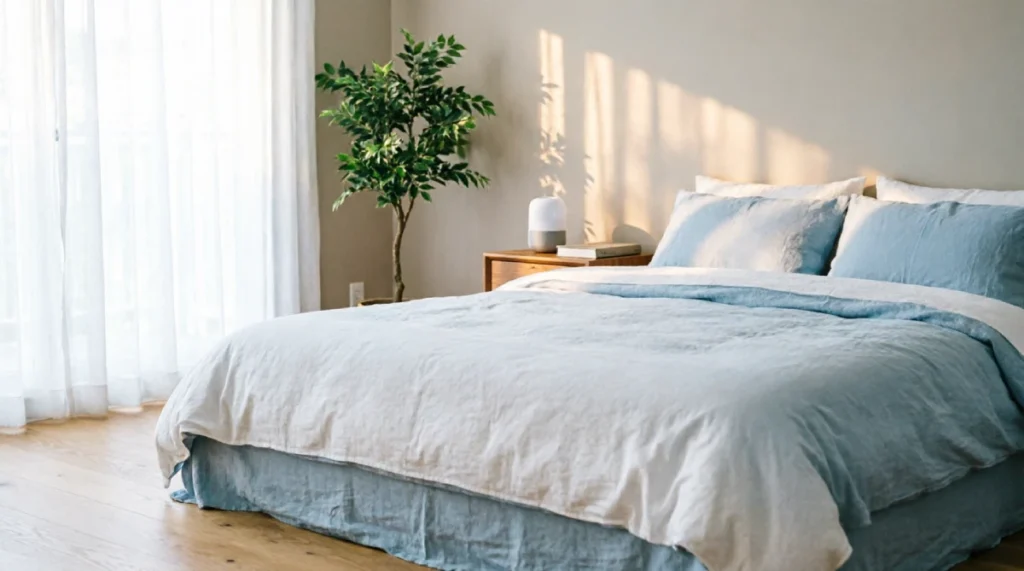
Warm summer evenings can quickly turn a restful bedroom into a stuffy, sleepless space. Longer daylight hours, rising humidity, and background noises from open windows often disrupt our natural wind-down. I’ve found that you don’t need a major renovation to fix this. A few simple, thoughtful upgrades can make a noticeable difference in how quickly you fall asleep and how deeply you rest.
In this guide, I’ll share ten easy summer bedroom improvements, each focused on cooling, comfort, and calm, so you can wake up feeling genuinely refreshed, even during a heatwave.
1. Switch to Breathable Summer Bedding
I always swap heavy comforters for lightweight linen or cotton sheets when the temperature rises. Natural fibers wick moisture and allow air to circulate, preventing the sticky feeling that can interrupt deep sleep.
In many homes, synthetic blends trap heat, leading to restless nights during July and August. I recommend choosing percale cotton or stonewashed linen in light colors to reflect warmth and feel cool against the skin.
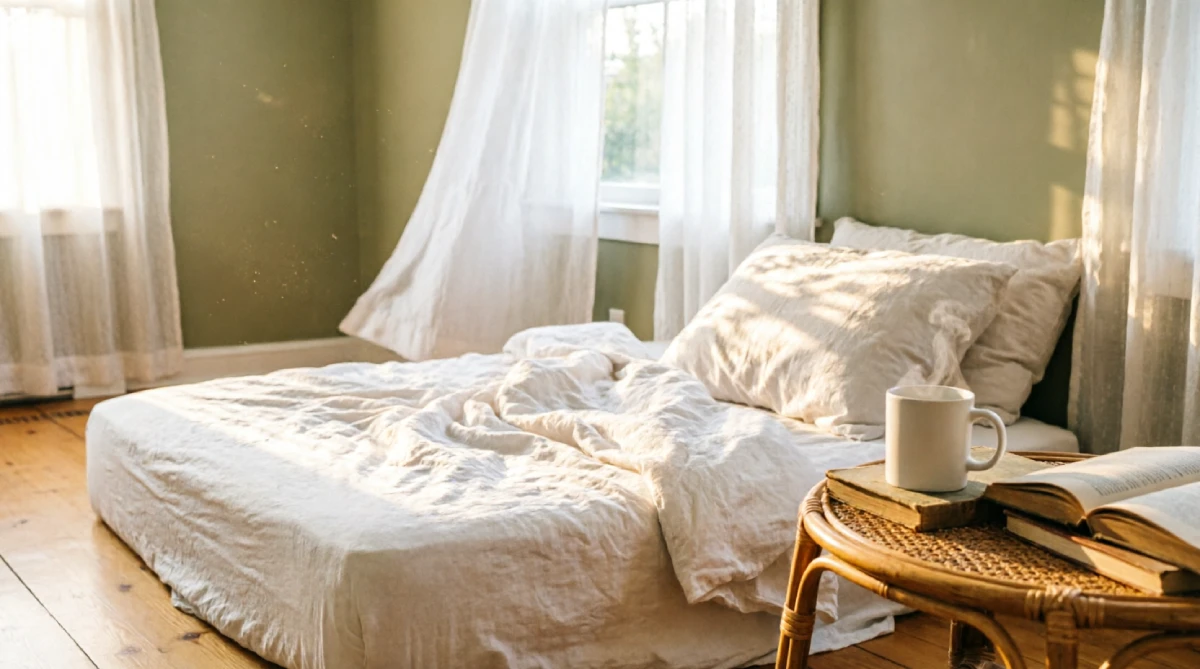
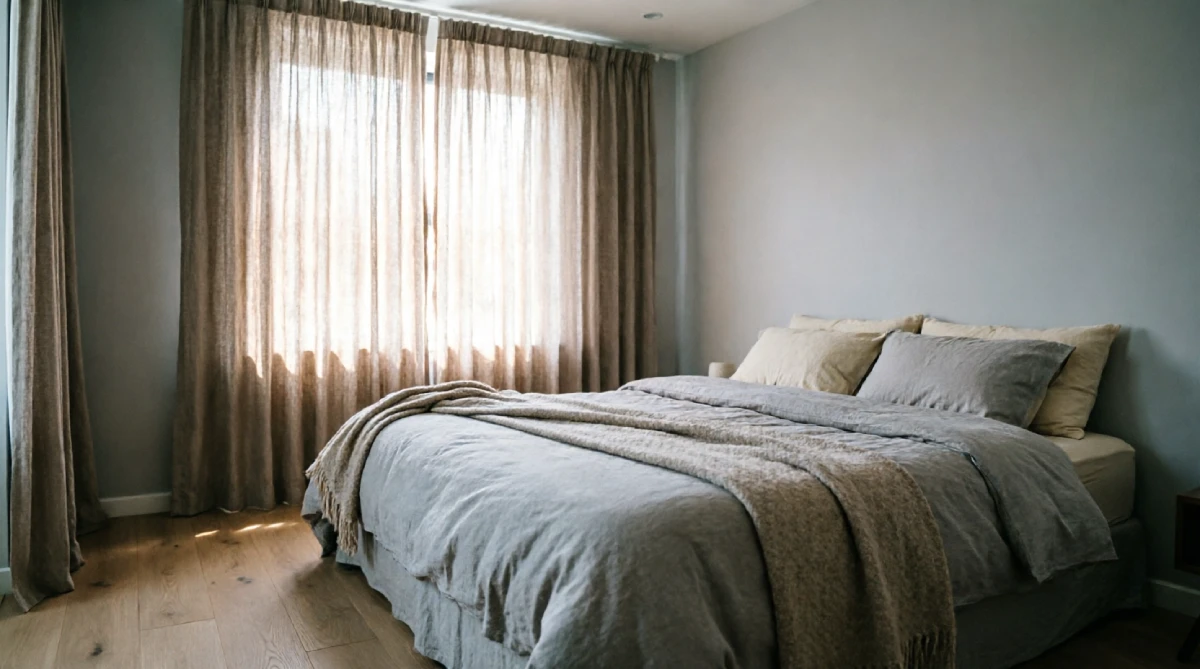
2. Install Blackout Curtains with a Thermal Backing
Thick drapes might feel wintery, but the right blackout curtains actually keep summer heat at bay.
A thermal-coated lining reflects sunlight before it turns your bedroom into an oven, while also blocking early morning glare.
A common issue I see is east-facing rooms that become uncomfortably bright and warm by 5:30 a.m. I usually suggest a light-colored outer fabric to bounce heat away, paired with a tight wall-to-wall rod for full coverage.
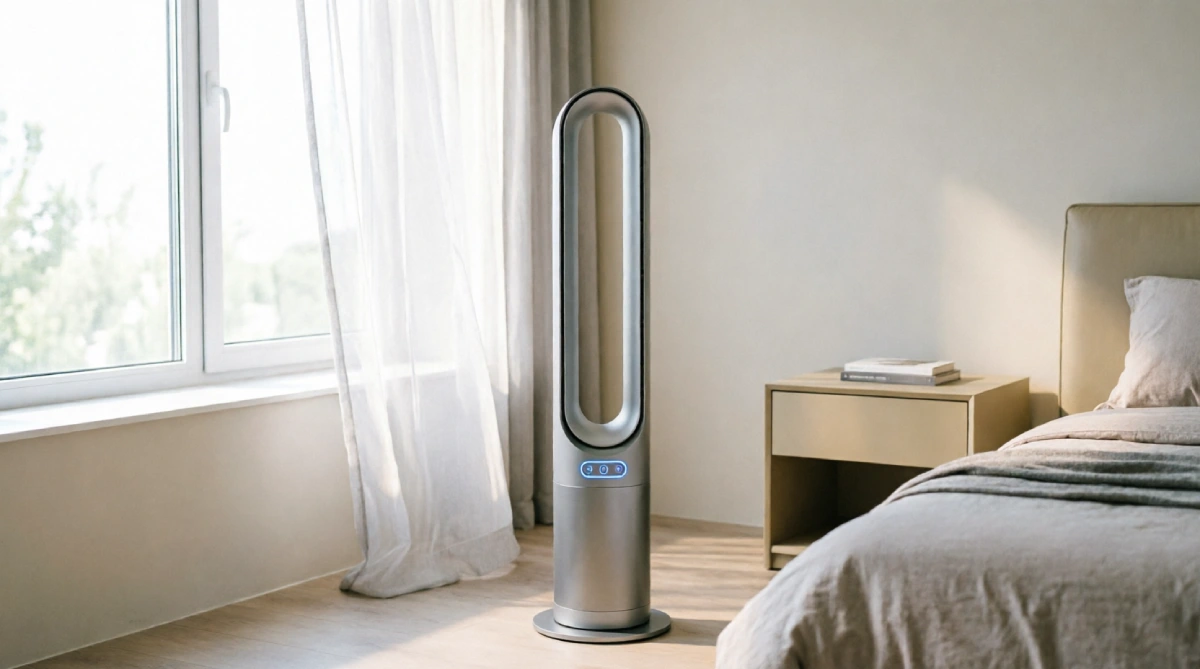
3. Add a Quiet Tower Fan with a Timer
Airflow makes a surprising difference, even if the air temperature doesn’t change much. A steady, quiet breeze helps your body regulate its core temperature and masks stuffy stillness that makes sleep feel elusive.
In many homes, ceiling fans are set too high and end up creating distracting noise rather than steady comfort. I prefer a slim tower fan with a sleep timer and natural wind mode—it’s unobtrusive and can be angled to avoid direct drafts.
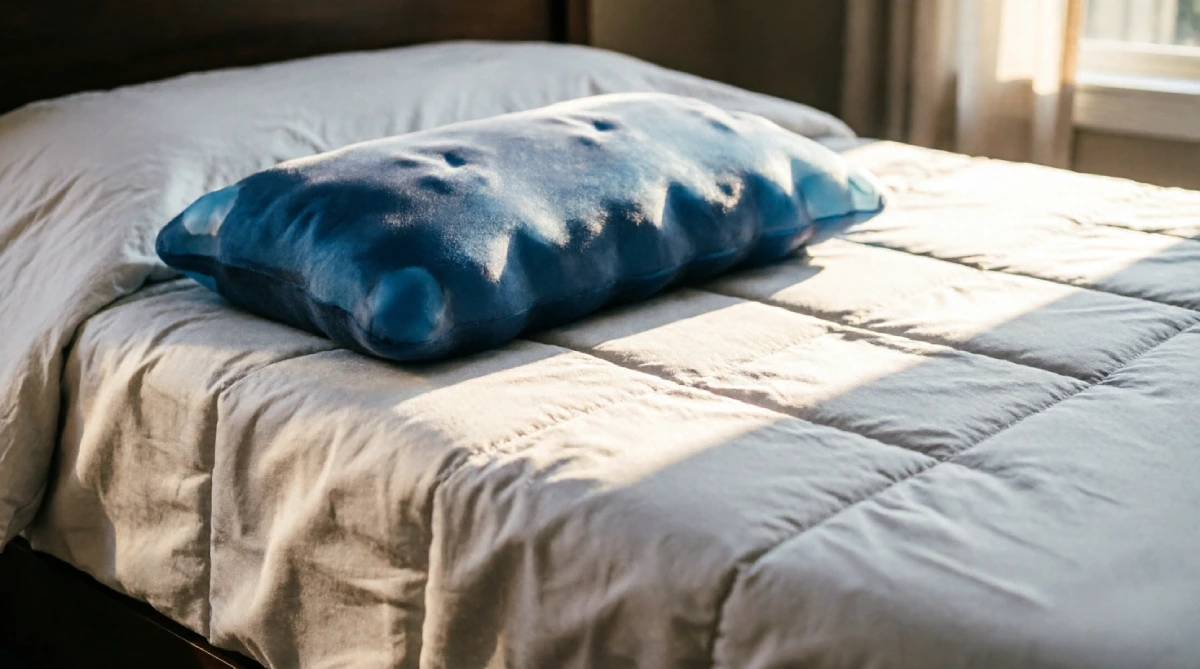
4. Swap to a Cooling Pillow or Mattress Topper
Your sleep surface directly affects how heat builds up beneath you throughout the night. A gel-infused memory foam topper or a ventilated latex pillow draws warmth away from your head and neck, reducing night sweats.
I’ve seen many people overlook this because they assume their mattress is fine, but trapped heat in the top layer can be the real problem. I recommend a breathable cover with moisture-wicking fabric and a topper that specifically lists open-cell cooling technology.
5. Declutter the Room for Calmer Airflow
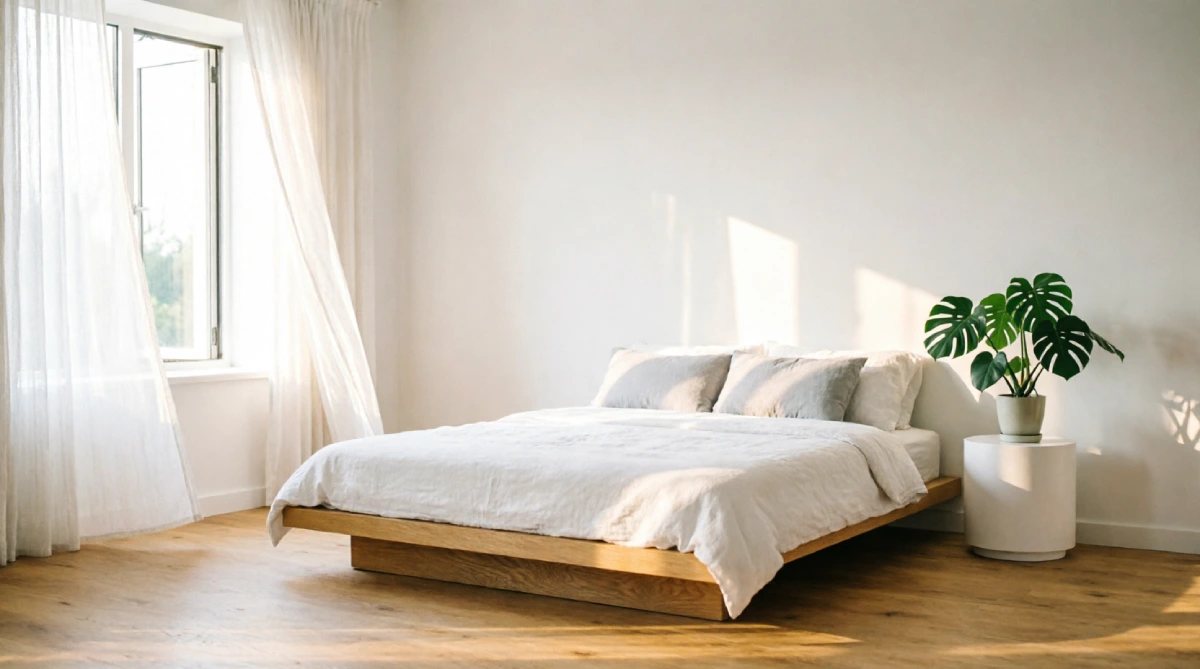
Clutter doesn’t just stress the mind; it can also trap pockets of warm, stagnant air around the bed. A more open floor plan, even in a small room, lets cool air move freely from windows and fans to where you sleep.
In many homes, piles of books, extra blankets, or storage boxes under the bed block the low airflow that naturally helps cool a room. I usually suggest a quick weekend clear-out, keeping only summer essentials and creating a visually light space that feels instantly fresher.
6. Use Soft, Dimmable Warm Lighting After Sunset
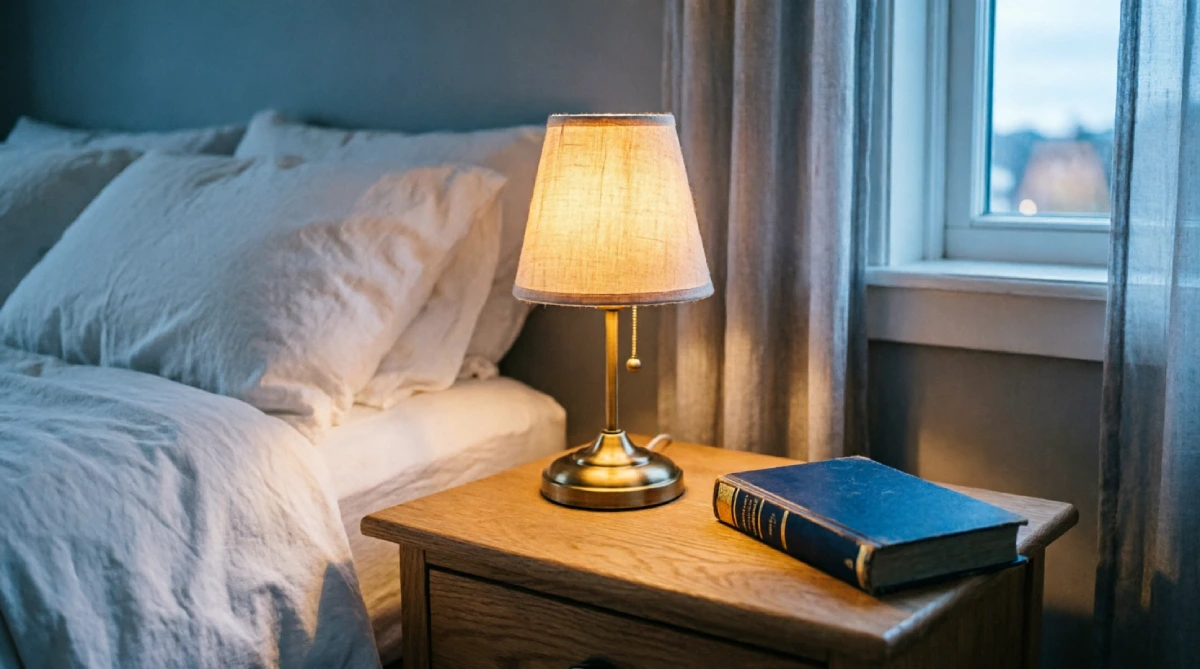
Harsh overhead lights signal your brain to stay alert, exactly when you need to wind down. Switching to warm-toned, dimmable bedside lamps helps your body produce melatonin naturally, even when the sun sets late.
A common habit I notice is keeping bright ceiling lights on until the moment of sleep, which delays the relaxation response. I recommend using a low-wattage bulb (around 2700K) and a simple plug-in dimmer to gradually lower the room’s brightness as bedtime nears.
7. Introduce a Calming Summer Scent
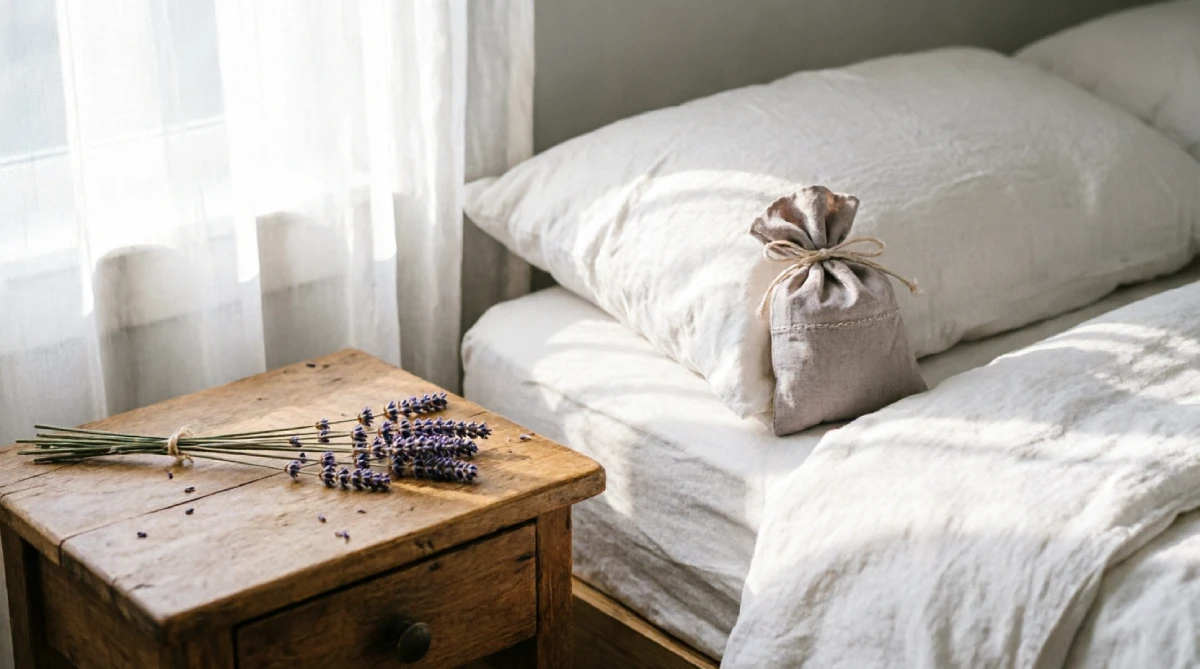
Fragrance has a direct line to the part of the brain that manages emotions and rest. A light, natural scent like lavender or chamomile can lower heart rate and make your bedroom feel like a retreat rather than just another room.
In many homes, heavy plug-in air fresheners are too synthetic and can actually irritate sensitive airways on hot, still nights. I prefer a simple linen spray or a small sachet tucked inside the pillowcase—just enough to notice, never overwhelming.
8. Create a Tech-Free Wind-Down Zone
Screens bring two sleep stealers into summer nights: stimulating blue light and extra heat from charging devices. Even a small phone or tablet radiates warmth and keeps your mind engaged when you should be disconnecting.
I’ve seen many bedrooms where the glow of a charging station near the bed becomes an unintentional nightlight. I recommend placing phones in another room or at least across the bedroom, and using an old-fashioned alarm clock to keep the space truly restful.

9. Dress the Bed in Light, Reflective Colors
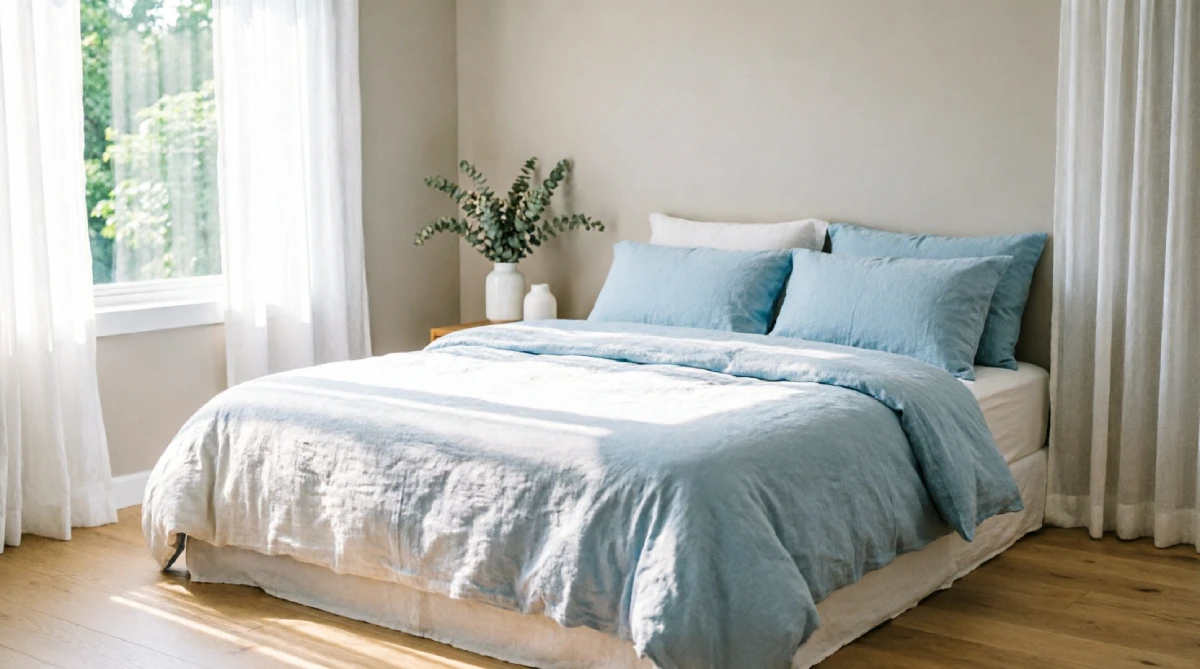
Dark bedding absorbs heat during the day and radiates it back at night, especially in rooms with afternoon sun. Pale shades, soft white, blush, sky blue, or sage—reflect light and make the whole space feel visually cooler.
A common issue is sticking with moody winter palettes year-round, which can subtly raise your body’s perception of warmth. I usually suggest layering white sheets with a very light cotton blanket or quilt in a cool pastel tone for an instant seasonal refresh.
10. Mask Disruptive Summer Noise
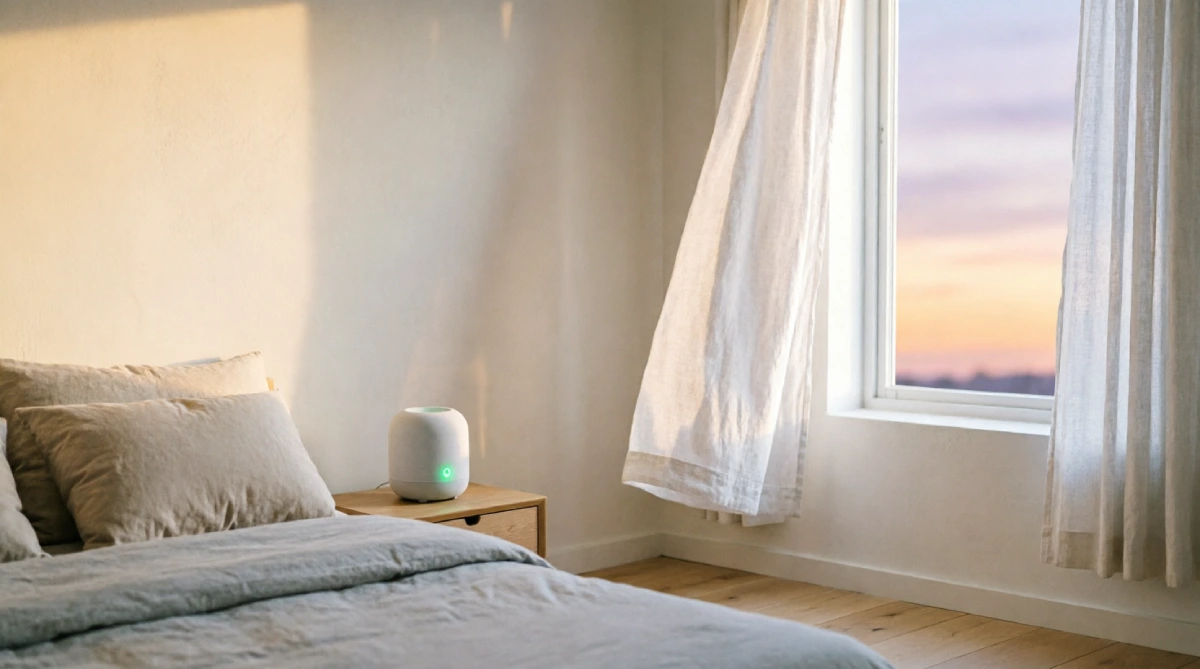
Open windows let in not just air, but also early birds, late-night traffic, and neighborhood sounds that can fragment sleep. A consistent, low-level background sound, like a fan or white noise machine, helps your brain ignore unpredictable spikes in noise.
I’ve noticed that many people turn to music, but lyrics and changing melodies can actually pull you out of deeper sleep stages. I recommend a dedicated white noise machine with non-looping nature sounds or simple fan noise, kept at a volume just below conversation level.
Practical Tips for a Cooler Summer Sleep
- Freeze a cotton pillowcase for ten minutes before bed; the short chill can feel instantly refreshing.
- Keep blinds or curtains drawn during the sunniest part of the day to stop heat from building up inside.
- Place a shallow bowl of ice in front of your fan for a makeshift cooling breeze on especially hot nights.
- Run a dehumidifier for an hour before sleep—dry air feels much cooler and lighter.
- If you don’t want to overhaul all bedding, start with just your pillowcase and top sheet in a breathable fabric.
Common Mistakes to Avoid
- Overcooling with the air conditioner – setting the temperature too low can dry out airways and cause a chill that disrupts sleep later.
- Using heavy, dark curtains without a thermal layer – they absorb heat all day and slowly release it into the room at night.
- Keeping electronic devices on the nightstand – they add both blue light and residual warmth right next to your head.
- Ignoring pillow and mattress heat retention – a breathable pillowcase isn’t enough if the core material traps warmth.
- Underestimating the effect of clutter – crowded floors and surfaces restrict natural air movement and create a visually heavy space.
Comparison Table
| Feature | Best Option | Why It Works | Cost |
|---|---|---|---|
| Softness and breathability | Stonewashed linen | Highly breathable, wicks moisture, feels cool to the touch | Higher |
| Crisp, lightweight feel | Percale cotton | Tight weave that breathes well, very durable, slightly crisp | Moderate |
| Silky smooth and cooling | Bamboo viscose | Naturally temperature regulating, very soft, good for sensitive skin | Moderate |
| Budget-friendly coolness | Cotton-polyester blend (high cotton %) | More affordable, still decent airflow if cotton-dominant | Lower |
FAQs
What is the best fabric for summer bedding?
Percale cotton and stonewashed linen are excellent choices. They’re both breathable and wick moisture, and linen has the added benefit of feeling naturally cool. Bamboo viscose is also a good option for a smoother texture.
How can I cool my bedroom without air conditioning?
Combine a few passive methods: use thermal blackout curtains during the day, run a fan with a bowl of ice, sleep on breathable linen, and open windows on opposite sides of the room to create a cross breeze after sunset.
Does blackout curtain color matter for heat?
Yes. A light-colored outer layer reflects more sunlight, while a dark interior doesn’t matter as much. The key is a thermal backing that blocks heat transfer regardless of color.
Is a cooling mattress topper worth the cost?
If you often wake up sweating, it can be a straightforward and effective fix. Look for gel-infused or ventilated latex toppers with moisture-wicking covers—they don’t need to be expensive to work well.
Can adding plants help improve summer sleep?
Some plants, like snake plants and aloe vera, release oxygen at night and can slightly improve air quality. More importantly, they add a calming, spa-like feel that makes the room more restful.
Conclusion
Good summer sleep doesn’t demand a full bedroom makeover. Swapping heavy bedding for breathable layers, blocking early sun, improving airflow, and simplifying your space can shift your nights from restless to restorative. These ten upgrades are all about working with the season rather than fighting it. Pick two or three that feel easiest to try this week—a cooling pillow, a fresh set of linen sheets, or pulling your curtains shut a few hours earlier—and notice how small changes can lead to noticeably calmer, cooler nights.
