


No one likes opening their refrigerator to be greeted by an unpleasant smell. A smelly refrigerator can make food taste off and turn everyday kitchen tasks into an uncomfortable experience. Fortunately, with the right approach, refrigerator odors can be removed and kept from coming back.
Why Does Your Refrigerator Smell Bad?
A bad smell in your fridge usually means something has gone wrong inside — and the cause is not always obvious. Expired food, hidden spills, and even a dirty drip pan beneath the unit can all produce odors that linger. To get to the bottom of it, start by removing everything from your refrigerator and freezer and inspecting each item carefully. Once the source is identified, a thorough cleaning with warm water and dish soap is often enough to clean the fridge and restore a neutral smell.
For odors that persist after the initial clean, natural absorbers like baking soda or a bowl of white vinegar can help neutralize what remains. In more stubborn cases, you may need to unplug the refrigerator and deep-clean every component — including the freezer compartment, door seals, and drip pan — before the smell is fully gone.
Identifying the Source of Unpleasant Odors in Your Fridge
The first step to removing refrigerator odors is finding where they come from. Odors may come from spoiled or expired food, spills that have seeped into crevices, or even a hidden drip pan beneath the fridge that has collected stagnant water over time. Checking every shelf, drawer, and compartment — including the area behind the kick plate at the bottom of the unit — helps ensure nothing is missed.
The Role of Expired Food in Fridge Smells
One of the most common causes of fridge odors is expired or spoiled food. As food starts to rot, it releases volatile organic compounds that permeate the entire refrigerator, affecting the smell of nearby items as well. Condiments past their date, forgotten leftovers, and produce that has started to break down are frequent offenders.
How Spills and Spoiled Food Affect Refrigerator Odor
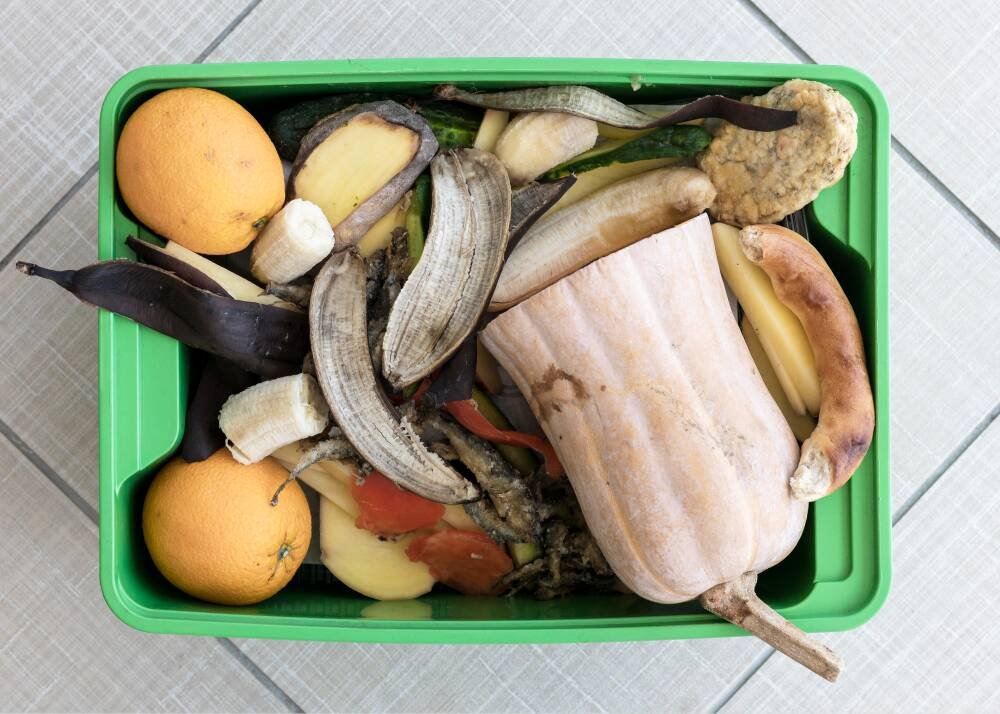
Spills that go unnoticed can seep into shelf edges, drawer tracks, and even the rubber door gaskets — areas that are easy to overlook during a quick wipe-down. These hidden residues create a breeding ground for bacteria and mold, which continue to produce odors even after the original spill source is removed.
Starting With Basic Steps to Get Rid of Refrigerator Smells
Before trying any remedy, begin with a full cleanout. Remove all food and place perishable items in a cooler with ice so they stay safe while you work. Sort through everything — discard items that are expired, leaking, or showing signs of spoilage. Exposed food residue stuck to shelves or the back wall should be carefully scraped off before washing.
Once the fridge is empty, remove all shelves, drawers, crispers, and ice trays. Wash each one with warm, soapy water, then move on to the interior surfaces. For particularly stubborn odors, this process may need to be repeated more than once — a single cleaning round does not always eliminate deeply embedded smells. After everything is dry and reassembled, place a fresh odor absorber inside to handle anything that remains.
Cleaning Tips: Baking Soda, Vinegar, and Warm Water
A basic cleaning solution of warm water mixed with baking soda or white vinegar works well for most fridge surfaces. Baking soda acts as a mild abrasive that helps lift stuck-on residue, while the acetic acid in vinegar breaks down grease and neutralizes odor-causing bacteria.
After the initial wash, a sanitizing step adds an extra layer of protection. Mix one tablespoon of unscented liquid chlorine bleach per gallon of water and use it to wipe down all interior surfaces. This kills bacteria that soap alone may miss. Rinse with clean water afterward and dry thoroughly before replacing any items.
Removing and Cleaning the Drip Pan
The drip pan is one of the most commonly overlooked sources of fridge odor. Located beneath the refrigerator, this shallow tray collects condensation and minor leaks from the unit’s drainage system. Over time, the standing water in the pan can develop mold and bacteria, producing a persistent smell that seems to come from nowhere.
To access the drip pan, check your refrigerator’s manual — on most models, it is either behind a removable kick plate at the front or accessible by pulling the unit away from the wall to reach it from behind. Once removed, wash the pan thoroughly with dish soap, an all-purpose cleaner, or a diluted bleach solution. Make sure it sits properly when reinstalled to prevent future buildup.
Wiping Down the Interior With Dish Soap and Sponge
After removing the shelves and drawers, wipe down every interior surface — walls, ceiling, floor, and the inside of the door — using a sponge and dish soap. Pay special attention to crevices, shelf supports, and hard-to-reach corners where food particles tend to collect.
The rubber door gaskets deserve particular attention. These flexible seals around the door edges trap moisture, crumbs, and odor-causing residue in their folds. Use an old toothbrush dipped in your vinegar or baking soda solution to scrub along the gasket folds, then wipe clean with a damp cloth. Also, wash the crisper drawers and ice trays separately — these components often hold onto odors from produce and frozen items stored for extended periods.
Natural Remedies to Eliminate Fridge Odors
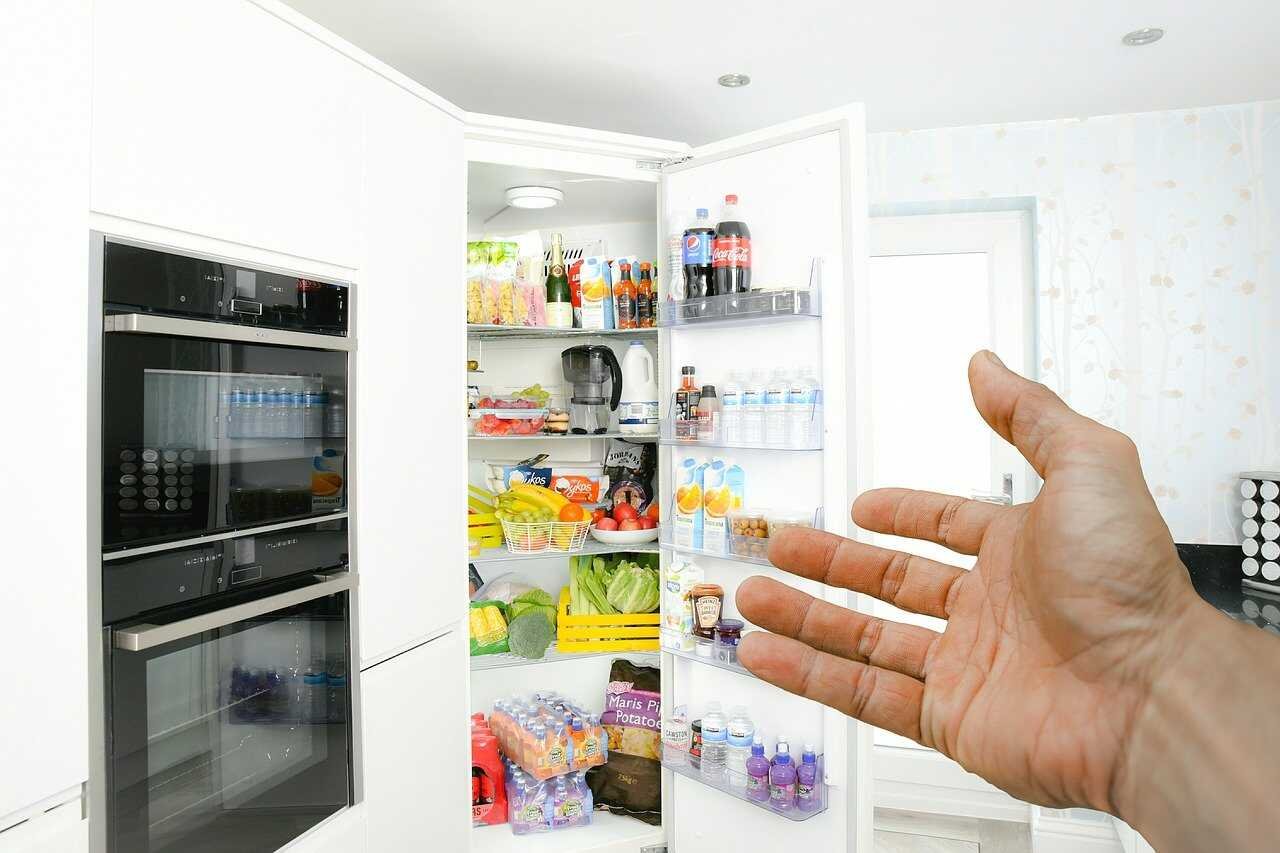
After cleaning, natural deodorizers can handle any lingering smells without introducing chemicals near your food. Baking soda, coffee grounds, and white vinegar are among the most commonly used options — each works by either absorbing or neutralizing odor molecules in the air. For best results, place your chosen remedy in an open container on a middle shelf where air circulates freely.
For persistent odors that resist these methods, one lesser-known technique involves stuffing the empty fridge and freezer with rolled newspaper, closing the doors, and leaving them for several days. The paper absorbs trapped smells from interior surfaces. Afterward, remove the paper and wipe everything down with a vinegar and water solution.
Using Coffee Grounds and Lemon Juice for a Fresh Smell
Coffee grounds work well as a natural deodorizer. Spread the used, dried grounds on a plate or shallow bowl and leave them in the fridge for several hours. The grounds absorb odors and leave behind a mild coffee scent. Keep in mind that strongly aromatic remedies like coffee can transfer their smell to uncovered food, so seal any open items before using this method.
Lemon juice serves a similar purpose. A few drops on a cotton ball or a small bowl of fresh lemon slices placed inside the fridge can help cut through mild odors while leaving a clean citrus scent.
How a Bowl of Vinegar Can Neutralize Odors
White vinegar is another effective natural option. Place a small bowl of undiluted white vinegar on a shelf and leave it for several hours. The acetic acid in vinegar neutralizes alkaline odor compounds rather than simply covering them up. As with other aromatic remedies, vinegar’s own scent may temporarily transfer to nearby food, so keep items sealed or covered.
A vanilla extract variation also works: soak a cotton swab or ball in vanilla extract, place it on a small dish inside the fridge, and close the door for 24 hours. This leaves behind a mild, pleasant scent without the sharpness of vinegar.
The Benefits of Activated Charcoal in Your Fridge
Activated charcoal is one of the most effective odor absorbers available. Its highly porous structure gives it an enormous surface area relative to its volume, allowing it to trap far more odor molecules than baking soda or other common remedies.
It is available in brick form, loose granules, or pre-made sachets. For a more affordable option, look for activated charcoal sold for aquarium filters at pet supply stores — it is the same product marketed for home use but typically costs significantly less. Pour the loose granules into small cloth bags or clean socks and place one in the back of the fridge for maximum air circulation and odor absorption.
How to Use Baking Soda to Keep Your Fridge Smelling Fresh
Baking soda is the most widely recommended fridge deodorizer, but understanding how it works helps you use it more effectively. Baking soda does not attract and destroy odor molecules — it works through a process called adsorption, where odor molecules land on its surface and adhere to it. Because of this, the amount of exposed surface area directly affects how well it performs.
An unopened box placed in the back of the fridge has limited effectiveness because most of the baking soda remains trapped inside with minimal surface exposure. To improve results, pour a quarter to a half cup of baking soda into a shallow plate or open bowl and place it on a middle shelf. This dramatically increases the surface area available for adsorption.
Placing a Box of Baking Soda Inside the Refrigerator

The classic open box of baking soda on a shelf still works as a baseline odor absorber — many fridge-specific products like the Arm & Hammer Fridge-N-Freezer box are designed for this purpose. However, baking soda loses its effectiveness over time as its surface becomes saturated with odor molecules. Replace it every one to three months, or sooner if you begin to notice smells returning.
For better performance between replacements, consider switching to the shallow plate method described above, or pair baking soda with another absorber like activated charcoal to handle a wider range of odor types.
Baking Soda and Vinegar: A Powerful Combo for Fighting Odors
When used as a cleaning agent rather than an absorber, baking soda combined with vinegar creates a fizzing reaction that helps loosen grime and residue from surfaces. Mix the two ingredients, let the fizz settle, and use the solution to scrub the interior walls, shelves, and door compartments. This is particularly useful for lifting stains and sticky residue that regular soap may leave behind.
Preventative Measures to Keep Your Fridge from Smelling
Once odors are gone, the goal is to keep them from returning. A few consistent habits make a significant difference over time — regular cleaning, proper food storage, and using a passive odor absorber at all times.
Regular Cleaning Schedule for Your Fridge and Freezer
Aim to do a thorough clean of the interior, shelves, and drawers every two to three months. In between, wipe up any spills as soon as they happen — dried-on residue is much harder to remove and more likely to produce odors. If a deep clean does not fully resolve the smell on the first attempt, repeat the process within a few days. Persistent odors sometimes require multiple cleaning rounds, especially if spoiled food has been sitting for an extended period.
Storing Food Properly to Prevent Smells
Proper food storage is the simplest way to prevent odors before they start. Keep leftovers and strong-smelling foods in airtight containers rather than loosely covered with foil or plastic wrap. Airtight lids contain odors at the source and prevent them from circulating through the fridge. Organize items so that older food is visible and used first, reducing the chance of something being forgotten and left to spoil.
When to Replace or Deep Clean Shelves and Compartments
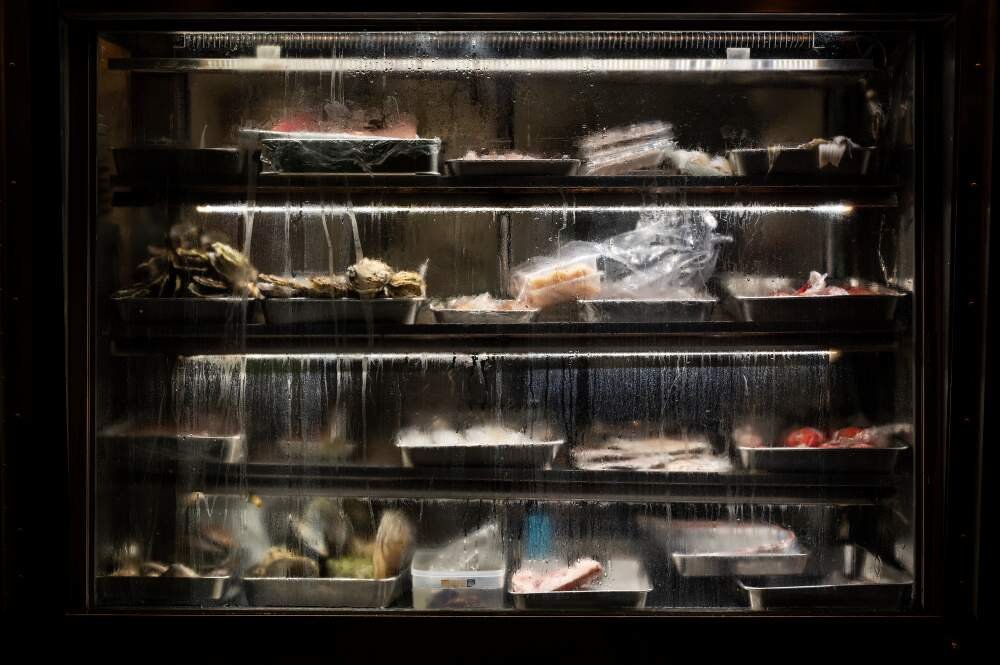
Some materials — especially plastic shelves and rubber gaskets — can absorb strong odors over time, making them difficult to fully deodorize with standard cleaning. If a shelf or compartment continues to smell after repeated washing, consider replacing it. Many manufacturers sell replacement parts by model number. For gaskets that have become saturated with odor or mold, a deep scrub with a baking soda paste followed by a vinegar rinse may restore them.
Professional Products and Tools to Help Eliminate Fridge Odors
When natural remedies are not enough, commercial products designed specifically for refrigerator odor removal can provide additional support. These range from gels and sachets to plug-in devices, and they are formulated to work in cold, enclosed environments.
The Role of Commercial Odor Eliminators
Commercial odor eliminators come in several forms. Odor-absorbing gels sit on a shelf and slowly release compounds that neutralize smells in the surrounding air. Sachet-based products use activated charcoal or zeolite in a ready-to-hang format. When choosing a product, look for one that absorbs or neutralizes odors rather than simply masking them with fragrance — adding scent on top of an existing smell tends to create an even less pleasant mix over time.
Activated Charcoal vs. Baking Soda: Which Is More Effective?
Both activated charcoal and baking soda work through adsorption, but they are not equally effective. Activated charcoal has a significantly higher surface area-to-volume ratio, which means it can trap a much larger number of odor molecules in the same amount of space. For mild, everyday odors, baking soda is a reasonable and affordable option. For stronger or persistent smells — particularly after a major food spoilage incident — activated charcoal is the more reliable choice.
Cost can be a deciding factor. Activated charcoal marketed specifically for home odor removal tends to be priced higher than the same material sold for aquarium filtration. Purchasing loose activated charcoal from a pet supply store and portioning it into small cloth bags is a practical way to get the same performance at a lower price.
FAQs
What kills a bad smell in the fridge?
Thorough cleaning with warm soapy water, followed by a vinegar wipe or a diluted bleach sanitizing solution, addresses the root cause by removing the bacteria and residue producing the smell. After cleaning, placing an odor absorber like activated charcoal or baking soda on a shelf helps capture any remaining airborne odor molecules.
What can I use to neutralize smells in my fridge?
Baking soda, white vinegar, coffee grounds, lemon juice, and activated charcoal are all effective neutralizers. Baking soda and charcoal work by adsorbing odor molecules onto their surfaces, while vinegar neutralizes alkaline odor compounds through its acetic acid content. For stronger smells, activated charcoal is generally the most effective option.
How do I keep my fridge from smelling?
Regular cleaning every two to three months, storing food in airtight containers, wiping spills immediately, and keeping a shallow dish of baking soda or an activated charcoal sachet inside at all times are the most reliable ways to maintain a fresh-smelling fridge. Replace baking soda every one to three months to maintain its effectiveness.
What is the deodorizer in a fridge for?
A fridge deodorizer absorbs and neutralizes airborne odor molecules, preventing smells from one food item from transferring to others. Most work through adsorption — providing a surface where odor molecules can attach and be held, rather than floating freely inside the enclosed space.
