

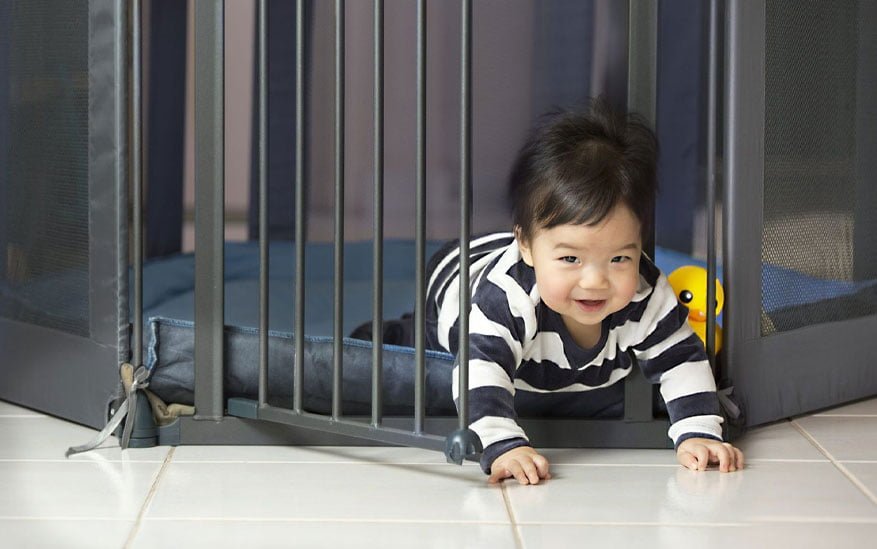
As parents, we all want to prevent injuries and create the safest environment possible for our children. Childproofing is an essential process that protects infants, toddlers, and young children from common household dangers. This comprehensive guide will walk you through practical tips, step-by-step instructions, and helpful resources to fully childproof your home.
Why Childproofing Matters
Childproofing helps reduce preventable injuries that far too often lead to emergency room visits. According to the CDC, approximately 2.7 million children are brought to the hospital for unintentional injuries each year in the United States alone. Most of these injuries occur right at home and can be avoided with proper safety precautions.
As your child grows and explores new mobility and independence, new potential dangers arise. By staying one step ahead with thoughtful childproofing appropriate for your child’s age, you can reduce risks and provide essential peace of mind.
This guide covers:
- Identifying hazards in every room
- Actionable tips tailored to each age group and stage
- Selecting and installing safety products
- Creating a room-by-room checklist
- Emergency preparedness and first aid readiness
Follow along for comprehensive advice on making your whole household safer for your precious little ones.
Start With These General Childproofing Tips
Before diving into room-specific childproofing, begin with these overarching home safety guidelines relevant for infants through early elementary age.
Childproofing Statistics to Know
- Over 2 million children are injured at home each year
- Falls are the leading cause of non-fatal injuries for children
- Suffocation is the leading cause of unintentional death among children younger than 4, according to National Safety Council data
- Drowning is the leading cause of unintentional injury-related death for 2-year-old children
- 90% of burns happen in the home
- Choking on small objects sends 34,000 children to the ER annually
What Does “Childproofing” Mean?
Childproofing refers to evaluating your home for potential hazards and taking preventative steps to minimize injury risks. This includes adding safety devices, modifying the environment, ensuring supervision, teaching safety behaviors, and keeping potentially dangerous items out of reach.
Identify High-Risk Areas First
Conduct an initial walkthrough and pay special attention to these common danger zones:
- Stairs and steps
- Windows
- Fireplaces
- Pools and tubs
- Kitchens
- Garages and driveways
- Play areas
Also, watch for hazards that are easy to overlook. Coin lithium (button) batteries — found in remotes, key fobs, musical greeting cards, and many small electronics — can cause severe internal burns or death if swallowed. Keep all devices containing button batteries out of children’s reach, and tape over any battery compartment that is not securely screwed shut.
Make these childproofing priorities before moving through the rest of your home.
Childproofing the Nursery
A nursery should provide the safest possible sanctuary for your little one. Focus on these areas when getting the space ready:
1. Prioritize Safe Sleep
Babies spend much of their early months sleeping. Unsafe sleep environments are a leading cause of infant suffocation, making this one of the most critical areas to get right. Ensure safety by:
- Placing the baby on their back for all sleep times
- Keeping the crib empty aside from a tight-fitting sheet — no pillows, blankets, bumper pads, or stuffed animals
- Mattress positioned at the lowest level
- Using a wearable blanket instead of loose covers
2. Anchor All Furniture
As your little one grows into a busy toddler, tips and topples become more likely. According to the Consumer Product Safety Commission (CPSC), furniture and TV tip-overs cause tens of thousands of emergency room visits each year. Avoid furniture injuries by:
- Mounting bookshelves and dressers into the wall studs
- Using anti-tip straps for heavier items
- Placing cribs and beds away from windows
If you accept secondhand furniture or purchase from thrift stores and garage sales, inspect it carefully before use. Older dressers and chests may not meet current stability standards and can tip more easily. Some older chests have lids that close in ways that pose a suffocation risk if a child climbs inside.
3. Store Baby Gear Properly
When not in use, stow baby equipment like high chairs, strollers, swings, and bouncers fully collapsed and out of reach.
4. Choose Safe Toys
Consider size, shape, noise level, and durability when selecting baby toys. Avoid:
- Small parts and loose pieces
- Strings and cords
- Sharp edges
- Lead and flame retardants
- Battery-operated toys with unsecured compartments — button batteries inside can cause fatal internal burns if swallowed
Place toy storage bins up high or use cord organizers to limit excess.
Childproofing the Kitchen
Kitchens pose multiple dangers, including poisoning, burns, and injuries from falls, spills, and curious climbers. Protect your little one with these tips:
1. Use Safety Locks
Install locks on drawers and cabinets holding:
- Cleaners and chemicals
- Knives and utensils
- Plastic bags and packaging
Choose sturdy products that babies cannot yank open. Options include cabinet latches that lock when closed, flex locks that wrap around handles, and magnetic locks that require a separate key. No lock is completely child-proof — storing hazardous items on high shelves in addition to locking them provides an extra layer of protection if someone forgets to re-engage the lock.
2. Anchor Appliances
Secure top-heavy appliances like microwaves and mixers to surfaces using anti-tip brackets. Unplug and stow away hot appliances like irons, curling wands, and hair dryers after each use.
Install appliance-specific latches on ovens, refrigerators, and dishwashers to prevent children from opening them. Dishwasher pods and concentrated detergent packs are especially dangerous — if a child bites into one, the chemicals can cause severe burns to the mouth, throat, and airway.
3. Adjust the Stove
Slide knobs off after each use or install childproof covers to limit burner access. Try to use rear burners whenever possible when children are nearby. Place a fire extinguisher within easy reach of — but not directly next to — the stove in case of emergency.
4. Store Cleaners and Meds Safely
Keep dishwasher pods, soaps, sanitizers, and all medications high on a wall shelf or locked away. Choose child-resistant lids and monitor closely.
Pay special attention to everyday medications — not just prescription drugs. Over-the-counter medicines like acetaminophen and ibuprofen can cause serious harm to a small child even in small doses. Keep only limited quantities accessible to the family, and store the rest securely.
Also consider where medications might sit outside your usual storage areas. Purses, backpacks, and visitors’ bags often contain loose pills, vitamins, or supplements. When guests arrive — especially during holidays and family gatherings when routines shift, and supervision can lapse — ask them to place bags out of children’s reach.
Childproofing the Living Room
Living rooms should allow your family to relax together safely. Target these spots to prevent tumbles and injuries:
1. Secure All Furniture
Anchor heavy media consoles, bookcases, and shelving units into wall studs. For lighter items, use furniture straps or braces to add stability.
If you own any chest or trunk with a heavy lid that closes on its own, check whether a child could climb inside and become trapped. Older or secondhand chests are particularly risky — either remove them from the home or add a lid support that keeps the lid propped open.
2. Install Electrical Covers
Insert plastic protectors into unused outlets. For active plugs, use self-closing inserts that automatically block access.
3. Modify Windows
Window screens are designed to keep insects out — they will not hold a child’s weight. Falls from windows are a significant source of serious injury, particularly in homes above the ground floor.
Consider installing one of the following devices:
- Window guards — horizontal bars that mount inside the window frame and can withstand up to 150 pounds of pressure; equipped with a quick-release mechanism for emergencies
- Window wedges — small adjustable stops that prevent a window from opening wider than a set distance; require no tools for installation
- Window stops — suction-cup or adhesive devices that limit how far the window can slide open
Also, ensure cords from blinds and curtains are securely wrapped, tied, or replaced with cordless alternatives — dangling cords at a child’s eye and hand level are a strangulation hazard.
4. Rearrange Sectionals
If small children will be playing near a sectional sofa, spin it so no spaces exist between seat cushions where little bodies could get stuck.
5. Protect Little Fingers
Apply door pinch guards — foam or rubber stops that wrap around the edge of interior doors — to prevent fingers from getting slammed or crushed when doors close. These are inexpensive, require no installation, and protect against one of the most common toddler injuries in the home.
6. Mind the Houseplants
Many common indoor plants — including pothos, philodendron, dieffenbachia, and peace lilies — are toxic if ingested and can cause symptoms ranging from mouth irritation to serious internal distress. Move all houseplants to high shelves or hanging planters completely out of reach, and clean up fallen leaves or spilled soil promptly.
Childproofing the Bathroom
Bathrooms require a few unique considerations with water hazards, slippery surfaces, medications, and more potentially in the mix:
1. Control Water Temperature
Scalding is one of the most common bathroom injuries for young children. Set your water heater thermostat to a maximum of 120°F (49°C) — at 140°F, water can cause a third-degree burn in as little as five seconds. Install anti-scald devices on faucets and showerheads as an additional safeguard. Always test water temperature with your elbow or the inside of your wrist before placing your child in the tub.
2. Secure Toiletry Storage
Use wall-mounted holders, organizers, or medicine cabinets to stow cotton swabs, combs, razors, hair accessories, and cosmetic products out of sight and reach.
3. Add Non-Slip Surfaces
Apply adhesive slip-resistant stickers, pads, or decals inside the tub/shower. Have everyone use bath mats for getting out safely. Hang child-size towels within easy reach.
4. Keep Toilet Lids Down
Close the lid and consider a clasp lock to deter curious climbers. Even a small amount of water in a toilet bowl is enough for a toddler to drown in — never leave children unattended near toilets or any open water source, including buckets and mop pails.
Childproofing the Bedroom
Protect your sleeping space with these tips for window shade safety, furniture security, and electronics control:
1. Secure Window Treatments
Replace any pull-cord blinds or drapes with safer alternatives like cordless roller shades, cordless cellular shades, or interior shutters. The CPSC recommends cordless window coverings in any room where children sleep or play. Wrap and anchor any existing cords tightly out of reach using cleats or cord shorteners.
2. Anchor Heavy Furniture
As with nurseries, firmly secure tall dressers, wardrobes, and bookshelves into wall studs to prevent dangerous tipping accidents.
3. Store Hazardous Items Carefully
Ensure devices with unprotected cords, like hair tools and laptop chargers, are completely cooled and stowed when not in use. Restrict TV and tablet use to reduce eye strain.
Childproofing Stairways and Halls
Stairs and narrow hallways pose major risks for bumps, bruises, and serious falls. Safeguard high traffic areas with:
1. Install Secure Gates
Use hardware-mounted gates (not pressure-mounted) at the top and bottom of stairs starting around 6 months old. For active climbers, choose extra-tall styles that babies cannot scale or squeeze through. Open only with adult operation.
2. Add Handrail Guards
Prevent head entrapments by ensuring balusters around stairs are close together (no more than 3 inches apart). Cover sharp corners and edges.
3. Eliminate Tripping Dangers
Scan for loose rugs, wires, clutter, or sharp edges along any pathways. Repair raised transition strips between floor types. Increase visibility in dim areas with automatic night lights.
Childproofing Outdoor Areas
Extend safety efforts into outdoor play zones, pools, driveways, and more:
1. Inspect Playsets and Play Areas
Scan for safety issues like:
- Loose, rusty, or missing hardware
- Damaged protective surfaces
- Protruding bolt ends
- Splintered wood pieces
Use containment fences for sandbox areas. Sweep and rake regularly to remove hazardous debris.
2. Implement Water Safety
Restrict all unsupervised water play. Drowning can happen in seconds and in surprisingly shallow water — even a bucket with less than a foot of water or cleaning solution is a real risk for a curious toddler who could tip forward and not be able to right themselves. Fence in pools with a self-closing, self-latching perimeter gate that meets local safety codes. Install surface wave sensors, pool covers, and door exit alarms. Place cleaning tools and pool chemicals out of reach. Consider enrolling in a family water safety course.
3. Maintain Driveway Diligence
Forbid driveway games and bike/trike riding near vehicles. Do not allow unsupervised outdoor play anywhere near moving cars. Hold hands firmly when crossing to prevent darting away from caregivers. Regularly trim landscaping to maintain optimal visibility when backing up.
Childproofing Fire and Electrical Hazards
Take preventative action against fire risks, electrical dangers, and more with:
1. Install Smoke Detectors
Place interconnected units on every floor, inside each bedroom, and in common spaces. Make sure all alarms include battery backups in case the power fails. Test monthly and replace units every 8–10 years.
2. Use Carbon Monoxide Detectors
Position CO detectors on every floor near any gas appliances or attached garages where exhaust could accumulate.
3. Cover Outlets and Cords
Apply plastic inserts to block unused electrical outlets that kids could access. Keep appliance cords neatly wrapped and anchored when not powered on. Avoid overloading outlets with too many plugs.
4. Teach Emergency Plans
Demonstrate family fire escape routes and safe outdoor meet-up points. Practice your escape plan at least twice a year, including alternate exit routes in case a primary path is blocked. Post emergency phone numbers in a visible location — include local emergency services, your pediatrician, the Poison Control hotline (1-800-222-1222), and a trusted neighbor.
Beyond fire safety, every caregiver in the home should know basic first aid — including infant and child CPR and the age-appropriate Heimlich maneuver. These skills can mean the difference between life and death during a choking event. Many local hospitals, the American Red Cross, and community centers offer child and infant CPR classes. Consider attending one before your baby arrives, and refresh your training annually.
Childproofing Considerations By Age
Safety needs evolve dramatically between infancy and the teenage years. Tailor proofing to your child’s current abilities and behaviors.
Childproofing for Infants
Expect rapid development in those first 12 months from immobile to scooting, crawling, cruising, and walking. Prioritize:
- Crib and sleep space design
- Edge bumpers and finger pinching protection
- Outlet covers and cord management
- Cabinet and drawer locks, especially lower kitchen bases
Childproofing for Toddlers
Curious 1- to 3-year-olds gain independence and test boundaries. Stay vigilant for climbing and reaching dangers like:
- Doorknob covers and lever handles
- Toilet locks and potty training safety
- Gates for stairs and off-limit areas
- Window guards and stops
- Tip restraints for furniture and TVs
Childproofing for Preschoolers
Around ages 3–5, their capabilities grow faster than their judgment. Monitor and teach appropriate behaviors around:
- Stoves, microwaves, and other kitchen appliances
- Sports equipment like trampolines
- Outdoor hazards like streets and pools
- Proper use of sharps and tools
- Basic emergency protocols
Childproofing for School-Age Children and Teens
Childproofing does not end once children can reason and follow rules. As children enter their preteen and teenage years, the hazards shift from physical to chemical and emotional.
According to NSC data, poisoning fatalities — including drug overdoses — increase significantly after age 16. Review storage and access to:
- Alcohol — lock liquor cabinets or store alcohol in areas teens cannot access unsupervised
- Firearms — store unloaded in a locked safe, with ammunition stored in a separate locked location
- Prescription and over-the-counter drugs — monitor quantities closely, especially opioids, sleep aids, and cold medications that are commonly misused
- Household chemicals — inhalant abuse often begins with ordinary products like aerosol sprays and cleaning solvents
Equally important is emotional safety. If your teenager seems withdrawn, hopeless, or is giving away possessions, take it seriously. Ensure they do not have unsupervised access to any potentially harmful substances, and keep crisis resources readily available — including the 988 Suicide and Crisis Lifeline (call or text 988).
Choosing and Installing Safety Products
Take time selecting, properly installing, and maintaining items to avoid giving little ones an advantage or a false sense of security.
1. Survey Childproofing Options
Consider product ratings, durability, ease of adult use, and what level of protection fits your child’s persistence level. The CPSC Childproofing Safety Guide maintains updated product recommendations and installation standards. Measure spaces carefully for good fits that minimize gaps.
2. Follow Individual Instructions
Carefully read and follow all manufacturer guidelines for preparing surfaces, proper assembly, and testing security. Note any weight or size limits that could impact effectiveness.
3. Check Often for Issues
Routinely check devices for problems like loose components, broken parts, stuck latches, or expired batteries and sensors. Replace products immediately showing wear, and reassess when your child’s abilities improve.
Why Being Proactive Matters
Staying one step ahead on safety sets up good practices as your precious children grow and thrive. When children live in risk-conscious environments, important safety behaviors stick with them outside the home as well.
Childproofing is not a one-time project — it is an ongoing practice that evolves alongside your child. Each new stage of development brings new risks and new capabilities. By combining physical safety devices, consistent supervision, age-appropriate teaching, and basic emergency preparedness, you create a home where the whole family can relax, explore, and build happy memories together.
