

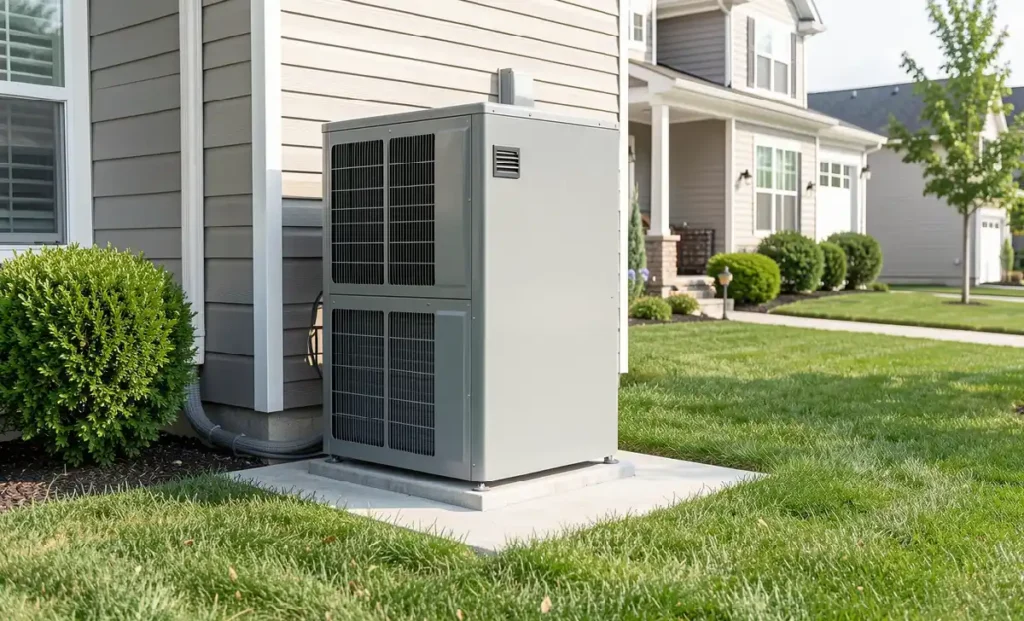
If you want reliable, year-round comfort without managing separate systems, heat pumps deliver both heating and cooling in one efficient, low-maintenance unit. They handle both heating and cooling within a single system, which cuts down on equipment costs and simplifies home maintenance. Homeowners in Westminster, CO, benefit from partnering with local HVAC pros who understand regional climate demands and ensure proper sizing for peak performance—and you can find trusted heat pump service westminster co providers who deliver exactly that.
Heat pump technology has improved significantly over the past decade. Today’s systems work effectively across a wider range of temperatures than older models, making them suitable for climates that once seemed too cold for heat pump use. Whether a home is in a mild or moderately cold region, a modern heat pump can deliver consistent indoor comfort through every season.
How Heat Pump Systems Work
A heat pump does not generate heat the way a traditional furnace does. Instead, it moves heat from one place to another. In winter, it pulls heat energy from the outdoor air — even when temperatures are low — and transfers it inside. In summer, the process reverses, and the system pulls warm air out of the home and releases it outside, working much like an air conditioner.
Because heat pumps move heat instead of creating it from scratch, they use far less energy—delivering more comfort per dollar spent. Moving heat requires far less energy than producing it from scratch through combustion or electric resistance. A single unit handles both heating and cooling, which means homeowners do not need separate systems for each function. The result is a more straightforward home HVAC setup with fewer components to maintain.
Benefits of Installing a Heat Pump
One of the most common reasons homeowners choose a heat pump is lower energy use. Because the system moves heat rather than creating it, it can deliver 2–4 units of heat for every 1 unit of electricity used—translating to HSPF ratings of 8.2+ and SEER scores above 15 for top-tier efficiency. Many carry ENERGY STAR certification, meeting strict EPA efficiency guidelines. Over time, this adds up to meaningful savings on monthly utility bills.
Beyond energy efficiency, heat pumps offer several other practical advantages:
- Year-round comfort: One system handles heating in winter and cooling in summer.
- Quieter operation: Heat pumps tend to run more quietly than older heating systems.
- Improved indoor air quality: Many models filter and circulate air as they operate.
- Lower carbon footprint: By running on electricity instead of burning fossil fuels on-site, heat pumps produce zero direct emissions—and pair seamlessly with renewable energy sources as the grid decarbonizes.
- Long lifespan: With proper maintenance, a quality heat pump can last 15 years or more.
Pair your heat pump with a smart thermostat like Nest or Ecobee to auto-adjust temperatures based on your schedule—boosting comfort while trimming energy use by up to 10%. Bottom line: if you’re tired of high fuel bills and complex maintenance, a heat pump gives you dependable comfort with less hassle and lower monthly costs. Many installations also qualify for federal tax credits under the Inflation Reduction Act—potentially covering 30% of equipment and labor costs, up to $2,000.
When a Heat Pump Is the Right Choice for a Home
Heat pumps work well in many situations, but they are especially well-suited to certain homes and circumstances. Climate plays a significant role. Modern heat pumps perform well in areas with mild to moderate winters, and cold-climate models can handle temperatures well below freezing. For colder regions, cold-climate models like Mitsubishi’s Hyper-Heating line use advanced inverter compressors to maintain efficiency even at -15°F. Homeowners in regions with harsh winters should look for systems rated for low-temperature operation.
Home insulation is another key factor. A well-insulated home holds conditioned air more effectively, which allows a heat pump to work less hard and use less energy. Before installing a new system, it is worth having an energy assessment done to identify any gaps in insulation or air sealing that could reduce performance.
Heat pumps are also a natural fit for homeowners who are replacing an aging HVAC system, building a new home, or looking to reduce their dependence on natural gas or oil. For those with existing ductwork in good condition, a standard heat pump integrates easily. For homes without ducts, ductless mini-split systems offer the same technology without the need for major construction.
Importance of Professional Installation and Maintenance
Even the best heat pump underperforms if it’s not sized and installed correctly for your home’s unique layout and climate. A system that is incorrectly sized for a home — whether too large or too small — will struggle to maintain comfortable temperatures and will likely use more energy than necessary. Professional installers assess the home’s square footage, insulation levels, window placement, and local climate to select and size the right equipment.
Proper refrigerant handling is another reason professional service matters. Heat pumps rely on refrigerant to transfer heat, and this requires certified technicians who understand how to manage it safely and legally. Incorrect refrigerant levels affect both performance and system lifespan.
Routine maintenance extends the life of the equipment and helps it run efficiently throughout the year. A typical maintenance visit ($75–$150) includes cleaning coils, checking refrigerant levels, inspecting electrical connections, and testing system controls. Most manufacturers recommend professional service at least once a year to preserve warranty coverage and prevent costly repairs. Homeowners who stay on top of maintenance tend to avoid the more costly repairs that come from neglect.
Signs Your Heat Pump May Need Service
Even a well-maintained heat pump can develop issues over time. Knowing what to watch for helps homeowners address problems before they become serious.
- Weak or reduced airflow: This can point to a clogged filter, blocked duct, or a problem with the blower—replacing filters quarterly costs under $20 and helps prevent $300+ repairs down the line.
- Uneven temperatures: If some rooms are noticeably warmer or cooler than others, the system may not be distributing air properly.
- Unusual noises: Grinding, rattling, or clicking sounds during operation often signal a mechanical issue.
- Rising energy bills: A sudden increase in electricity use without a clear reason can mean the system is working harder than it should.
- Frequent cycling: A heat pump that turns on and off too often may be struggling to reach or maintain the set temperature.
If any of these signs appear, scheduling a service visit sooner rather than later is the practical approach. Fixing a minor issue today—like a clogged filter or odd noise—can save you hundreds compared to emergency repairs after a total breakdown.
Final Thoughts
Heat pumps offer a practical, efficient way to keep a home comfortable throughout the year. They combine heating and cooling in one system, use less energy than many conventional alternatives, and can work well in a wide range of home types and climates. For homeowners considering an upgrade or replacement, they represent a solid long-term investment.
The key to getting the most out of a heat pump is professional installation and consistent maintenance. A properly installed and regularly serviced system runs more efficiently, lasts longer, and is less likely to need unexpected repairs. Ready to explore if a heat pump fits your home? Start with a free energy audit or consultation from a certified local installer—they’ll assess your insulation, climate zone, and usage patterns to recommend the right system. Working with experienced HVAC professionals ensures the system is matched to the home’s specific needs and set up to perform reliably for years to come.
