

Habitat destruction isn’t just an environmental issue—it’s an emergency. Every acre lost pushes species closer to extinction and weakens the ecosystems we all rely on. According to WWF’s Living Planet Report 2024, monitored vertebrate wildlife populations—including mammals, birds, fish, amphibians, and reptiles—have declined by an average of 73% between 1970 and 2020. As urbanization, deforestation, and agriculture expand, the delicate balance of nature faces disruption, leading to biodiversity loss and climate instability. But hope remains within reach.
Approximately 15 billion trees are cut down each year, while 80% of global forest species lose their homes to land clearing for farming, mining, and development. When we choose regenerative land management and conservation practices—like regenerative farming or eco-conscious development—we don’t have to sacrifice human progress to protect nature. Both can thrive. From innovative farming practices to community-led conservation efforts, small actions create ripple effects of positive change.
This guide explores eight powerful and practical ways to combat habitat destruction and environmental degradation, showcasing nature-based solutions (NbS) that benefit both ecosystems and society. Whether you’re an environmental enthusiast or someone looking to make a difference, these strategies can inspire meaningful action.
Transform Your Property into a Sustainable Biodiversity Haven
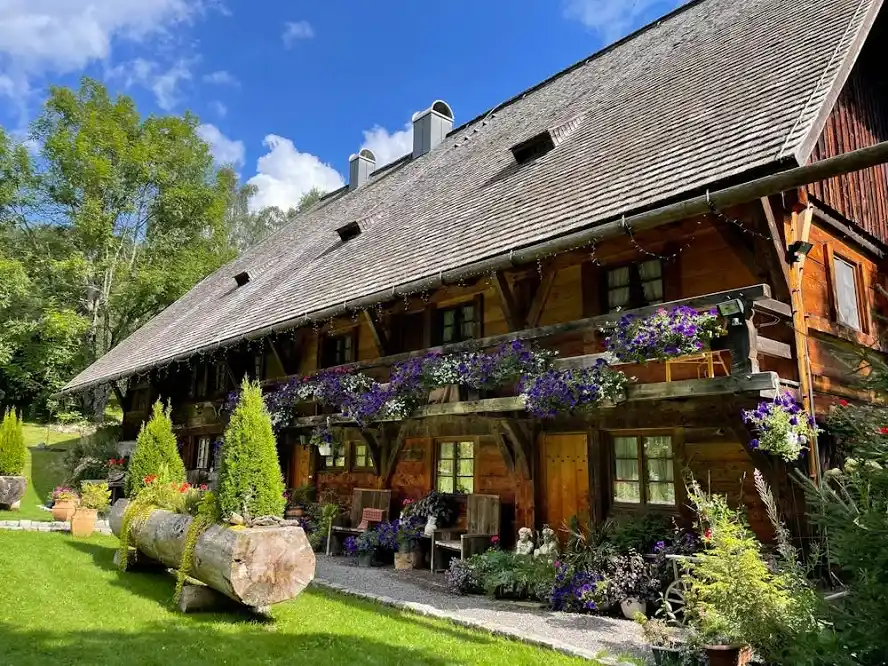
Transforming your property into a haven for biodiversity represents a powerful way to combat habitat destruction. Planting native trees, shrubs, and wildflowers attracts pollinators and wildlife, creating mini-ecosystems that support local species. You can engage experts in landscaping and sustainable design to develop strategies that align with local ecological needs. For instance, consult certified ecological landscapers or native plant specialists in your region to develop strategies that align with local ecological needs. Resources like the Audubon Society’s Native Plants Database can help you find region-appropriate species.
Incorporating features like rain gardens, permeable pathways, and organic gardening practices enriches your property’s ecosystem further. These elements help manage stormwater runoff, prevent soil erosion, and create habitat corridors for wildlife movement. By taking these steps, your property becomes more than just space—it transforms into a thriving sanctuary that contributes to conservation efforts while offering you a serene, natural environment to enjoy. Document the wildlife visiting your biodiversity haven using citizen science apps like iNaturalist or eBird—your observations contribute to global conservation data while deepening your connection to local ecosystems.
Adopt Sustainable Agricultural Practices
Agriculture drives significant habitat destruction, but regenerative agriculture methods can reverse this trend and restore ecological balance. Techniques such as crop rotation, agroforestry, and permaculture minimize land degradation while supporting biodiversity. Organic farming methods reduce harmful chemical use, protecting soil health and nearby ecosystems. Go beyond sustainability by adopting regenerative agriculture techniques—like no-till farming, managed grazing, and compost application—that actively rebuild soil organic matter and restore degraded habitats while sequestering carbon.
By integrating cover crops and contour plowing, farmers can reduce erosion and maintain natural habitats within agricultural landscapes. These practices improve yields while ensuring long-term environmental stability. Additionally, you can support sustainable agriculture by: (1) purchasing from CSAs or farmers’ markets that prioritize regenerative practices, (2) choosing certifications like USDA Organic or Regenerative Organic Certified, and (3) advocating for agricultural policies that reward soil health and biodiversity on farmland.
Restore Degraded Ecosystems Through Rewilding
Rewilding involves reintroducing native plants and animals to degraded areas, focusing on restoring natural processes rather than intensive management. This approach helps regenerate habitats, improve biodiversity, and strengthen ecosystem resilience against climate change. Projects such as reforesting deforested areas or creating wildlife corridors can significantly impact ecosystem health and species recovery. Frameworks like the UN Decade on Ecosystem Restoration (2021-2030) and the Kunming-Montreal Global Biodiversity Framework provide global roadmaps for scaling rewilding initiatives. Community involvement plays a crucial role in these efforts, ensuring restoration aligns with local needs.
With careful planning and monitoring, rewilding can bring back keystone species and create self-sustaining habitats. Success stories worldwide prove that even heavily damaged areas can recover, becoming vibrant ecosystems once again. The approach emphasizes natural processes like dispersal, trophic complexity, and ecological disturbances as critical components for resilient ecosystems.
Promote Urban Green Spaces and Vertical Gardens
Urban development leads to habitat loss, but cities can become part of the solution. By creating green infrastructure such as parks, rooftop gardens, and vertical forests, urban areas provide refuge for wildlife while improving air quality and reducing urban heat island effects. Native plants should be prioritized in these spaces, as they support local biodiversity without requiring extensive maintenance.
Community-led initiatives can transform unused plots into thriving green oases that benefit both wildlife and residents. And the benefits aren’t just for wildlife: residents gain green spaces to unwind, kids get outdoor classrooms, and studies show time in nature lowers stress and boosts well-being. As cities grow, integrating green infrastructure into urban planning becomes essential to create a balance between development and nature conservation.
Support Community-Led Conservation Efforts
Local communities often serve as the best stewards of natural resources, possessing a deep understanding of their environment and ecosystems. Empowering these communities through education, funding, and policy support leads to effective conservation outcomes. Initiatives like community-managed forests or marine protected areas have shown remarkable success in preserving habitats and preventing further degradation. Partnerships with NGOs and government agencies strengthen these efforts.
By involving communities in decision-making and ensuring they benefit economically from conservation, long-term habitat protection becomes more viable. Supporting these grassroots movements represents one of the most sustainable ways to combat habitat destruction globally.
Use Sustainable Construction Techniques

The construction industry contributes significantly to habitat destruction, but eco-conscious construction practices can mitigate environmental impact. Using eco-friendly materials like bamboo, recycled steel, or reclaimed wood reduces the need for extracting raw resources from natural habitats. Green building designs, such as energy-efficient layouts and rooftop gardens, lessen environmental footprints while improving quality of life.
Builders can minimize site disturbance by planning around existing vegetation or incorporating natural features into designs. Governments and developers must adopt these practices to create infrastructure that meets human needs without compromising natural habitats and biodiversity.
Reduce, Reuse, and Recycle to Lower Resource Demands
Overconsumption of natural resources drives habitat destruction, but adopting a circular economy mindset can help preserve ecosystems. Reducing waste, especially single-use plastics, minimizes pollution in natural areas. Reusing items extends their lifecycle, reducing demand for raw materials and habitat conversion.
Recycling ensures valuable resources are recovered rather than discarded, reducing pressure on natural ecosystems. Supporting a circular economy, where products are designed for reuse or recycling, amplifies these efforts. By making sustainable choices in daily life, individuals can lessen pressure on ecosystems and help preserve habitats for future generations.
Advocate for Stronger Environmental Policies
Policy changes at local, national, and international levels can have a massive impact on preventing habitat destruction and promoting conservation. Advocating for laws that protect critical habitats, regulate industrial activities, and promote sustainable practices remains vital. Support organizations that lobby for stronger environmental protections or participate in campaigns that raise awareness about habitat loss. Advocate for policies aligned with the Kunming-Montreal Global Biodiversity Framework, which commits 196 nations to protect 30% of Earth’s land and oceans by 2030—a critical, measurable target for halting habitat loss.
Additionally, encouraging governments to enforce existing conservation laws ensures they achieve intended outcomes for wildlife protection. By voting for leaders who prioritize sustainability and engaging in grassroots movements, individuals can influence systemic changes that safeguard the planet’s natural habitats for future generations.
Real change happens when all of us—homeowners, farmers, city planners, policymakers—make intentional choices that put nature first. Your role matters. By adopting techniques like rewilding, regenerative agriculture, and eco-conscious construction, we can protect and restore vital ecosystems. Your small, intentional steps—planting native flowers, choosing certified sustainable products, or emailing your representative about habitat laws—add up. Together, they create the momentum conservation needs.
Every effort, no matter how small, helps preserve the planet’s natural beauty and the countless species that depend on healthy habitats. Together, we can create a harmonious balance between human development and nature conservation. Start today: Pick one strategy from this guide—whether planting native species in your yard, choosing certified sustainable products, or contacting your representative about habitat protection laws. Track your impact using tools like the iNaturalist app or WWF’s Footprint Calculator, and share your progress to inspire others. Let’s take responsibility for our actions and embrace regenerative practices to ensure a thriving planet for generations to come.
