

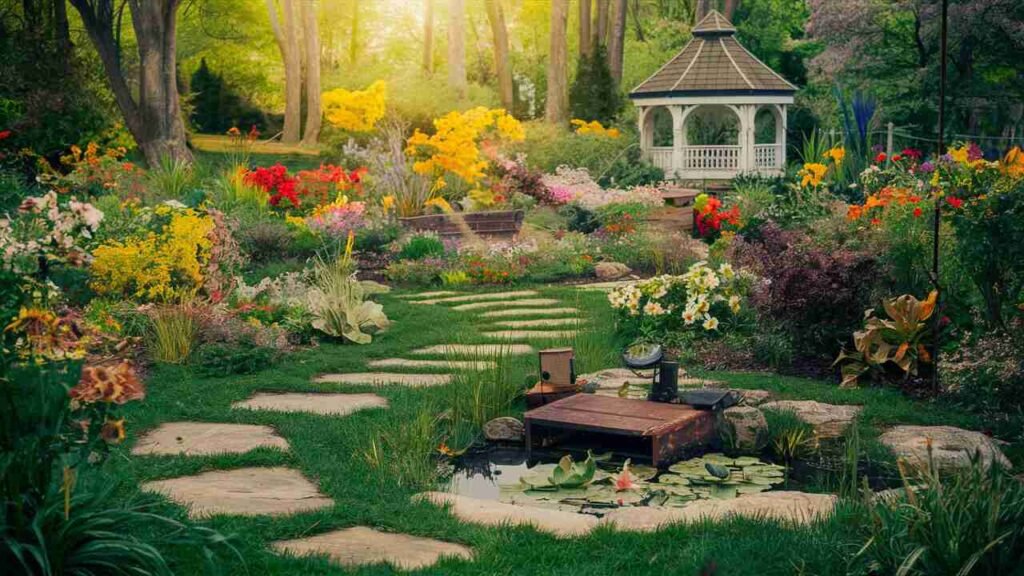
Your yard shouldn’t just look nice—it should work for your life. Whether you need a low-maintenance retreat, a safe play zone for kids, or a show-stopping entertaining space, mastering landscape design basics lets you build a garden that’s beautiful AND functional, without hiring a pro. In this article, we’ll explore the fundamentals of landscape design ideas and how you can apply them to your own outdoor oasis.
What Are the Core Landscape Design Basics?
When you’re thinking about how to design a landscape that looks like something you’d see in magazines, it’s all about nailing those basic principles of landscape design. A landscape architect or your friendly neighborhood gardener would tell you that there are three foundational design styles to guide your vision: formal (structured symmetry and geometric lines), informal (relaxed, flowing arrangements), and naturalistic (ecosystem-mimicking plant communities). Your chosen style guides every decision—from choosing small trees with a columnar form to deciding between warm and cool colors for your flowers, every element plays a part.
It’s not just about what plants you pick, though. Understanding the type of soil, ensuring your choices are drought-tolerant, and clever use of elements like a hedge created by the edge of your property can be game-changers. For effective application of landscape design basics, incorporate open spaces and consciously consider the size of an object during planning to balance the softscape with the built environment. This approach creates balance between softscape and the built environment, ensuring your finished landscape isn’t just beautiful but functional.
Remember, the principles and elements of design aren’t just rigid rules. They can also be used to inject a bit of personality into your space. Whether you’re a homeowner with a green thumb or someone who couldn’t keep an annual alive, understanding these landscape design basics is the first step to creating an outdoor area that feels both inviting and impressive. And hey, incorporating cool colors next to warm ones or playing with the form or shape of your plants can make a significant impact.
Understanding the concept of landscape design
Think of landscape design as curating your outdoor room—where every plant, path, and patio works together to create a space that feels intentional and inviting. It involves considering factors like plant selection, hardscape, and the way you want to use the space. By learning the basics of landscape design, you can transform your yard into a stunning extension of your home.
The five basic elements of landscape design
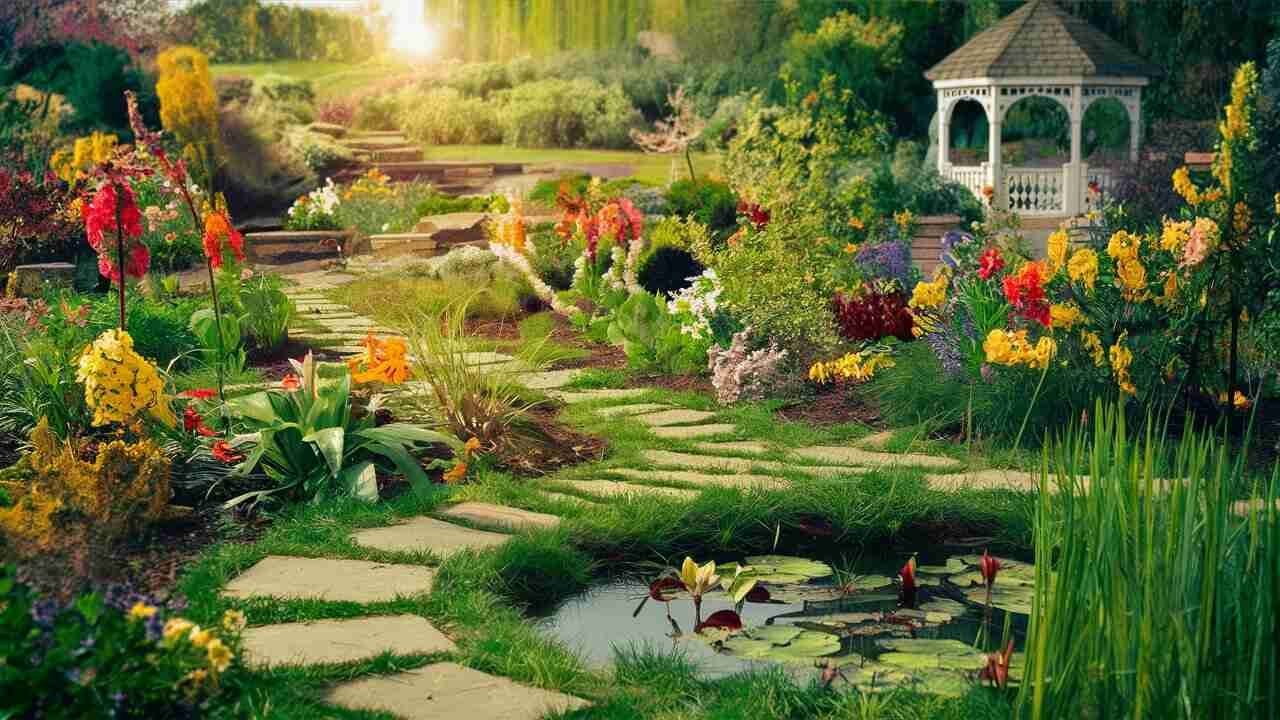
Master these five key elements in landscape design basics with pro application tips: Line (use curved paths to slow the eye and create mystery; straight lines for modern, direct energy); Form (pair columnar evergreens like ‘Sky Pencil’ holly with mounding perennials for dynamic contrast); Texture (mix fine-textured ornamental grasses with broad-leaf hostas for tactile interest); Color (place warm reds/oranges near seating to energize; cool blues/purples at boundaries to visually recede); Scale (always verify mature plant sizes via plant tags or databases to avoid overcrowding).
Integrating design principles for visual appeal
In addition to the elements, there are several principles of landscape design to consider. Unity creates a sense of harmony by repeating colors, forms, or textures throughout the space. Balance can be achieved through symmetrical or asymmetrical arrangements. Proportion ensures that the size of elements is appropriate for the space. Rhythm is created by the repetition of elements, leading the eye through the landscape. By applying these principles, you can create a garden that’s both beautiful and well-designed.
How to Begin Your Journey in Landscape Design for Beginners
Starting your landscape design journey doesn’t require a green thumb—just a clear plan and these foundational principles to guide each step. First off, understanding what makes a good design is crucial. You’ll quickly learn that space can help your garden feel either cozy or expansive. Choosing the right types of plants plays a big role, too. You want to mix it up with plants with coarse textures and those that bring a pop of color to create a place that feels just right.
Remember, it’s important to create an atmosphere that vibes with you, be it warm or cool. The colors can also make your space seem smaller or larger, depending on what you’re going for. Paying attention to a particular spot? Throw in some outdoor lighting to highlight it. Small details—like positioning a warm-toned flower next to a cool green shrub—can completely shift how your garden feels, making it cozier or more vibrant in minutes.
Steps in the design process for novices

Start with a 15-minute site audit: Snap photos of your yard at 9 AM, 1 PM, and 5 PM to track sun exposure; grab a $15 soil test kit from your local garden center to check pH; and reference the USDA Plant Hardiness Zone Map to confirm your exact zone—this ensures your choices survive winter lows and thrive long-term. Sketch out a basic plan, including existing features and proposed changes. Decide on a style or theme for your landscape, such as a cottage garden or modern minimalism.
Choosing the right plant material for your garden
Picking plants that match your light, soil, and style isn’t just important—it’s the difference between a garden that thrives and one that just survives. Consider factors like mature size, growth habit, and maintenance needs. Choose a mix of trees, shrubs, perennials, and ground covers to create layers of interest. Incorporate plants with different textures, from fine to coarse, to add visual depth. Use the color wheel to create harmonious combinations or bold contrasts.
Laying out a basic landscape plan
Once you’ve assessed your space and chosen your plants, it’s time to create a landscape plan. Use a garden planning app like iScape to drag-and-drop plants and hardscape onto a photo of your yard, letting you preview sightlines and spacing before committing to purchases. Start by placing larger elements like trees and structures, then fill in with smaller plants and details. Consider the mature size of plants to avoid overcrowding. Use lines to create paths, define borders, and guide the eye through the space. Don’t forget to include practical features like seating areas and storage.
Exploring the Different Types of Landscapes
The charm of a cottage garden
Cottage gardens are known for their informal, romantic charm. They typically feature a mix of flowering plants, herbs, and vegetables in a seemingly unstructured arrangement. Use curving paths and rustic materials like woven fences or weathered wood to enhance the quaint appeal. Incorporate vintage elements like antique gates or repurposed containers for added character.
Creating a modern landscape with hardscape and foliage
For a sleek, contemporary look, focus on clean lines and minimalist plantings. Use geometric shapes and repetition to create a sense of order. Incorporate hard scape elements like concrete pavers or metal structures for a modern edge. Stick to a limited color palette, often emphasizing foliage over flowers. Use lighting to highlight key features and create drama after dark.
Incorporating native plants for a sustainable outdoor space
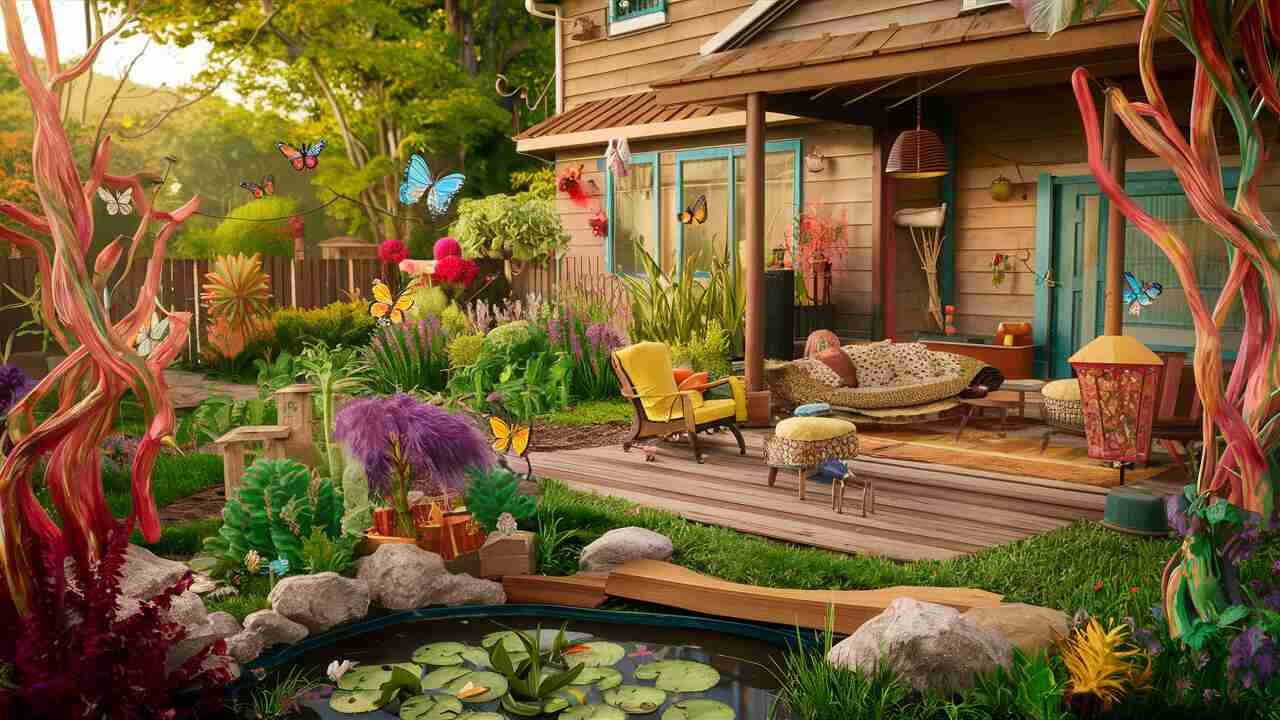
Native plants are adapted to your local climate and soil conditions, making them a sustainable choice for your landscape. They require less water, fertilizer, and maintenance than non-native species. For water-wise landscapes, explore Xeriscaping principles and filter plant choices through the EPA’s WaterSense database to find varieties certified for low-water performance. Research the native plants in your area—for hyperlocal recommendations and free soil testing guidance, contact your state’s Cooperative Extension Service, which provides science-backed advice tailored to your county—and incorporate them into your design. Create a diverse ecosystem by including plants that provide food and shelter for local wildlife. Use native ground covers instead of traditional lawns to reduce water usage and maintenance needs.
Applying the Principles of Landscape Design for Harmonious Gardens
How to unify your garden with color and texture
Creating unity in your landscape involves repeating colors, forms, and textures throughout the space. Choose a color scheme and stick to it, using variations of the same hues in different areas. Repeat key plants or design elements to create a cohesive look. Use a mix of textures, from fine-leaved plants to those with coarse, bold foliage. Incorporate hardscape elements that complement your plant choices and tie the space together.
Creating focal points with water features or an arbor
Focal points draw the eye and add interest to your landscape. Water features like fountains or ponds create a soothing ambiance and attract wildlife. An arbor or pergola can serve as a striking architectural element while providing shade and structure for climbing plants. Use lighting to highlight your focal points and create a magical atmosphere at night.
Grouping and symmetrical planting for visual balance
Balance in landscape design can be achieved through symmetrical or asymmetrical arrangements. Symmetrical designs feature mirrored plantings on either side of a central axis, creating a formal, orderly look. Asymmetrical designs use groupings of plants to create visual balance without exact mirroring. Odd-numbered groupings, like three or five plants, tend to be more visually appealing than even-numbered arrangements.
From Dream to Reality: Working with a Landscape Designer
Finding the right landscape designer or architect for your project
If you’re feeling overwhelmed by the design process, consider hiring a professional landscape designer or architect. Look for someone with experience in your desired style and a portfolio that resonates with your vision. Schedule consultations with several designers to find the right fit for your project and budget. Be prepared to discuss your goals, preferences, and any challenges your space presents.
Collaborating in the design process for a personalized space
Working with a landscape designer is a collaborative process. Share your ideas, inspirations, and must-have features with your designer. Be open to their suggestions and expertise, as they can help you refine your vision and bring it to life. Expect to review and revise plans until you’re satisfied with the final design. Remember that a successful landscape design is a partnership between you and your designer.
Considering the makeover potential of front yard and patio areas
Don’t overlook the potential of your front yard and patio areas when planning your landscape design. Your front yard is the first impression visitors have of your home, so make it welcoming and attractive. Consider adding a walkway, foundation plantings, and accent lighting to enhance curb appeal. Patios and decks are perfect for creating outdoor living spaces that extend your home’s usable area. Incorporate comfortable seating, dining areas, and lush plantings to create a relaxing oasis.
Incorporating Hardscape Elements for Structure and Usefulness
Integrating walkways, patios, and arbors into your garden design
Hardscape elements are the non-living elements in your landscape, such as walkways, patios, and structures. These features provide structure, function, and visual interest to your outdoor space. Use walkways to guide visitors through your garden and connect different areas. Patios offer a stable surface for outdoor furniture and entertaining. Arbors and pergolas create vertical interest and can support climbing plants like vines or roses.
Using hardscape to create outdoor living spaces
Hardscapes can help define outdoor living spaces and make them more functional. A well-designed patio can serve as an extension of your indoor living area, complete with comfortable seating and dining options. Use retaining walls or raised beds to create terraced gardens or level out sloped yards. Incorporate features like fire pits or outdoor kitchens to enhance your outdoor entertaining capabilities.
Choosing materials that fit together with the natural environment
When selecting hardscape materials, consider how they will blend with your natural surroundings. Choose colors and textures that complement your home’s exterior and the plants in your landscape. Natural stone, like flagstone or fieldstone, can create a rustic, timeless look. Pavers come in a variety of colors and patterns, allowing for endless design possibilities. Gravel and mulch are budget-friendly options that can help suppress weeds and retain moisture in planting beds.
FAQs
What are the 7 steps to landscape design?
The seven steps to landscape design are:
- Site analysis and assessment
- Determine your needs and wants
- Create a conceptual design
- Develop a master plan
- Choose materials and plants
- Install hahardscapend plantings
- Maintain and enjoy your new landscape
What are the basics of landscape design?
The basics of landscape design include understanding the five elements (line, form, texture, color, and scale) and applying the principles of unity, balance, proportion, and rhythm. It also involves assessing your site conditions, choosing appropriate plants and materials, and creating a functional and visually appealing outdoor space.
What are the six rules of landscape design basics?
The six rules of landscape design are:
- Unity and simplicity
- Balance and symmetry
- Proportion and scale
- Rhythm and repetition
- Contrast and harmony
- Emphasis and focus
What are the five elements of landscape design basics?
The five most basic elements of landscape design are:
- Line
- Form
- Texture
- Color
- Scale
Put these landscape design basics into practice, and you’ll craft an outdoor space that doesn’t just look great—it feels uniquely yours and boosts your home’s curb appeal for years. Whether you choose to DIY or work with a professional designer, remember that a well-designed landscape is an investment in your property and your quality of life. So, get started on your landscape design journey today and enjoy the rewards for years to come!
