

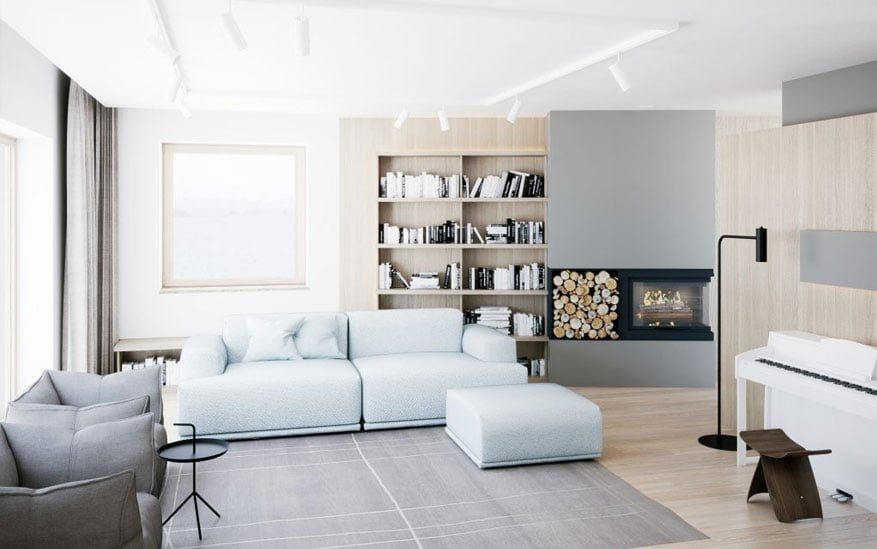
Natural light and ventilation infuse homes with comfort and tranquility. Sunlight streaming through windows and fresh breezes circulating fill rooms with warmth and vitality. This bright, inviting atmosphere lifts our mood and focuses our minds.
Proper natural lighting and airflow also provide science-backed health and wellness benefits. Daylight boosts vitamin D production, strengthens the immune system, and regulates circadian rhythms. Exposure to sunlight stimulates serotonin — a neurotransmitter directly linked to feelings of calm and emotional stability — making it a natural ally against depression and anxiety. For many people, reduced daylight during winter months triggers Seasonal Affective Disorder (SAD), a condition where ample indoor sunlight through well-placed windows can meaningfully alleviate symptoms.
Meanwhile, good ventilation does far more than move air around. It actively dilutes indoor pollutants like dust mites, allergens, and airborne pathogens that accumulate in enclosed spaces — preventing the respiratory discomfort often described as “sick building syndrome.” In areas prone to dampness, consistent airflow combined with sunlight exposure also inhibits the growth of mold and mildew, protecting both the home’s structure and its occupants’ health.
Thoughtfully designed, energy-efficient windows, along with biophilic principles integrating nature into the built environment, offer affordable, sustainable ways to harness these advantages.
This article explores window styles, biophilic design features, and layout techniques to maximize natural light and airflow. We will cover:
- Factors to consider when choosing windows
- Strategies to enhance energy efficiency and functionality
- Methods to flood homes with plentiful daylight
- Ventilation techniques for excellent indoor air quality
- Benefits of biophilic design principles
Follow these guiding principles to create a warm, welcoming home environment that promotes health, productivity, and emotional well-being for years to come.
Choosing the Right Window Style
Windows represent the eyes of your home. They contextualize indoor spaces within the outdoors and regulate the flow of fresh air, sound, and daylight. When choosing windows, consider factors like:
Ventilation and Airflow
Operable windows with multiple opening options allow you to modulate ventilation. Casements, double-hung, pivot, awning, and hopper windows all offer versatility. Optimize cross-ventilation by aligning windows across multiple exterior walls. Proper airflow dilutes indoor pollutants — including dust, mold spores, and chemical off-gassing from furnishings — for improved air quality and comfortable temperature regulation.
Natural Light
Prioritize window size, placement, and orientation to maximize daylight. Larger windows, skylights, and glass doors illuminate interiors with natural light. South-facing windows get the most sun exposure in northern hemisphere homes. Minimize north-facing windows to avoid glare and heat loss. Well-lit interiors also discourage moisture buildup on walls and surfaces, reducing conditions where mold and mildew thrive.
Functionality and Energy Efficiency
High-performance windows with double or triple glazing, low-emissivity coatings, argon gas fills, and insulated frames optimize insulation. Energy-efficient windows reduce heating and cooling costs while preventing condensation, which is important because condensation creates persistent dampness that fuels mold growth on window frames and adjacent walls. Consider functionality features like tilt-in sashes for easy cleaning, screens to enjoy fresh air, integrated blinds between glass panes, etc.
Aesthetics and Curb Appeal
Window style significantly impacts the exterior facade. Consider the architectural style of your home. Double hung and casement styles offer a traditional look, while large fixed picture windows and corner windows create a more modern aesthetic. Bay windows and arched transom windows above doors provide striking visual focal points.
Examples of popular window types:
- Double or single hung windows: Pairs of vertical sash windows that slide up and down past each other to open.
- Casement windows: Side-hinged windows that open outward like doors. Excellent for catching breezes.
- Awning windows: Hinged at the top and open outward from the bottom. Ideal above other windows to circulate air.
- Hopper windows: Hinged at the bottom to open inward from the top. Good for basement ventilation.
- Slider windows: Horizontal sliding panels that move side-to-side to open. Can span large spaces.
- Picture and bay windows: Fixed windows treated as architectural elements. Picture windows offer unobstructed views while bay windows project outward to create alcoves.
Select thoughtfully placed windows tailored to your climate, heating/cooling needs, and design sensibilities. Operable windows with high energy ratings maximize function and efficiency.
Energy Efficiency and Functionality
Energy-efficient windows are essential for temperature and humidity control. They cut heating and cooling costs while reducing environmental impact.
The best energy-efficient windows have at least double-glazed insulating glass units (IGUs) with a transparent Low-E (low-emissivity) coating. Some have triple glazing for maximum efficiency. The Low-E coating reduces heat loss in winter and heat gain in summer. Inert gas fills like argon or krypton between the glass panes and add further insulation.
Meanwhile, multi-chambered frame and sash components with internal insulation barriers prevent thermal bridging. Tight sealing, high-performance weatherstripping likewise minimizes air leakage around openings.
Advanced window technology like electrochromic smart glass allows you to tune light transmittance and heat gain electrically. Aerogel-filled translucent panels insulate like a wall while transmitting soft, diffuse light.
When choosing windows, look for the Energy Star label and National Fenestration Rating Council (NFRC) ratings. The NFRC label rates U-factor (insulation), Solar Heat Gain Coefficient (SHGC), Visible Transmittance, and Air Leakage. Optimize these performance ratings based on your climate and orientation.
You can further augment energy efficiency by installing exterior shading elements like overhangs, shutters, and sunlight-responsive exterior blinds. These reduce heat gain in summer while allowing winter sun to penetrate and warm interiors.
Managing Light with Window Coverings
Interior window coverings also play a role in balancing daylight with comfort. Blinds can be tilted to precisely control the amount and direction of incoming light, minimizing glare and heat gain while still welcoming natural light into the room. Thick, lined curtains provide an additional layer of insulation — keeping warm air inside during winter and blocking excess heat during summer. Sheer fabrics, on the other hand, diffuse bright sunlight into a soft, even glow that fills the room without harsh shadows. Choosing the right covering for each window orientation gives you fine-grained control over both lighting quality and energy performance throughout the day.
Biophilic Design Enhances Energy Efficiency
Biophilic design principles that integrate nature into the built environment also bolster energy efficiency.
For example, green walls and roofs provide excellent insulation. They shield against heat gain and loss through the building envelope. Living plants filter pollutants, generate oxygen, and absorb CO2.
Solar shading via trees, exterior trellises, and overhangs with hanging vines shades windows. This reduces reliance on air conditioning in hot climates. Properly positioned deciduous trees block high-angle summer sunlight while allowing lower-angle winter sun to pass through.
Natural ventilation and daylighting design strategies likewise minimize the need for mechanical heating, cooling, and artificial lighting. Biophilic homes coexist sustainably with the natural environment.
Maximizing Natural Light
Light lifts our mood, energizes our bodies, and focuses our minds. Design window placement, size, and orientation to flood interiors with nourishing daylight.
South-facing windows receive the most direct sun exposure in northern hemisphere homes. East-facing windows get ample morning light. West-facing windows provide dramatic sunset hues. North-facing windows diffuse soft, even light throughout the day.
Use larger windows, multiple windows, glass doors, and skylights to amplify daylight penetration. Position windows higher on walls and nearer ceilings to reflect light deeper into rooms. Optimize window-to-wall ratios based on room size — the bigger the room, the larger the windows it can accommodate.
Oriel, clerestory, and light shelf windows throw light onto ceilings for indirect illumination. The reflective white or light colors then brighten interiors. Similarly, light wells, solar tubes (also called sun tunnels), and skylights introduce daylight through roofs and internally. Solar tubes are particularly effective in hallways, closets, and interior bathrooms where conventional windows cannot reach. Reflective ducts pipe sunlight through angled turns down into darker inner rooms.
Amplifying Daylight with Interior Design
The surfaces and objects inside your home influence how far natural light travels once it enters. A few simple strategies make a significant difference:
- Light-colored walls and ceilings act as passive reflectors. Whites, soft creams, pale grays, and gentle yellows bounce sunlight deeper into rooms, reducing dependence on artificial lighting during the day. Matte finishes diffuse light evenly, while semi-gloss surfaces on trim and ceilings create a brighter, more energized feel.
- Mirrors placed opposite or adjacent to windows capture incoming sunlight and redirect it into darker corners of the room. A large mirror on a wall perpendicular to a south-facing window, for instance, can effectively double the perceived brightness of a living space.
- Decluttering also plays a subtle but important role. Bulky furniture, heavy objects, and accumulated belongings near windows obstruct both light and airflow. Keeping window areas open and surfaces clear allows daylight to travel unimpeded while giving air room to circulate freely.
Proper window shading, whether via drapes, shutters, or awnings, blocks direct-beam sunlight to prevent glare and overheating. North-facing windows rarely need shading.
Studies consistently show that exposure to natural daylight improves office productivity, learning outcomes, test scores, and mental health. Daylighting enhances circadian rhythms and vitamin D production — the latter supporting bone health, skin cell renewal, and immune defense. Design homes to maximize these benefits through ample, properly placed windows.
Natural Ventilation Strategies
Along with plentiful daylight, homes need constant airflow to flush out indoor air pollutants and provide fresh oxygen. Wind and convection can passively ventilate homes without mechanical assistance.
Natural ventilation relies on smart window positioning. Align windows along prevailing breezes. Cross-ventilation with windows on opposite walls maximizes airflow. Casement, awning, and hopper windows with multiple open configurations optimize control over ventilation.
Building shape and orientation also affect airflow patterns. Heat maps model wind currents around homes, highlighting zones of positive pressure. Openings in positive pressure zones draw in fresh air. Negative pressure zones expel stale air. Position and orient your home on site to harness natural wind currents.
Ventilation and Indoor Air Quality
The quality of air inside your home directly affects respiratory health. In tightly sealed modern homes, indoor air can accumulate a concentrated mix of dust mites, pet dander, mold spores, volatile organic compounds (VOCs) from paints and furnishings, and other airborne pathogens. Without adequate ventilation, these irritants recirculate continuously, contributing to allergies, asthma flare-ups, headaches, and chronic fatigue.
Even homes equipped with central HVAC systems face a related challenge: mechanical systems recycle the same air, and over time, bacteria and debris can build up inside ductwork. Properly designed natural ventilation complements or, in moderate climates, even replaces mechanical systems by introducing a steady stream of fresh outdoor air. This constant exchange dilutes accumulated and prevents the stale, stuffy conditions that degrade comfort and health.
One of the most underappreciated benefits of good airflow is moisture and humidity control. Daily activities like cooking, showering, and even breathing release moisture into the air. In poorly ventilated spaces, this moisture condenses on walls, ceilings, and window surfaces — creating the damp conditions where mold and mildew colonies establish rapidly. Once mold takes hold, it releases spores that further compromise air quality and can trigger serious respiratory reactions. Consistent ventilation removes humid air before it settles, keeping indoor moisture levels in check and making the environment inhospitable to fungal growth.
Sunlight plays a complementary role here. Direct daylight has natural ultraviolet properties that act as a mild antiseptic, inhibiting the growth of bacteria and fungi on exposed surfaces. In damp-prone areas like bathrooms, kitchens, and laundry rooms, a combination of good ventilation and direct sunlight is the most effective passive strategy for maintaining a clean, healthy indoor environment.
Biophilic Ventilation Techniques
Biophilic techniques also encourage natural ventilation:
- Atriums: Open-air wells connect floors, allowing convection currents to circulate air.
- Green walls and roofs: Plants absorb CO2 and emit oxygen while cooling the surrounding air through evapotranspiration.
- Earth sheltering: Soil insulates and moderates indoor temperatures for free cooling.
- Solar chimneys: Vertical shafts warm air to rise and ventilate passively.
A key advantage of these passive ventilation strategies is that they require no electricity, have no moving parts, and need virtually no maintenance. Once designed and installed, they operate continuously, silently moving air through your home day and night without adding to your energy bill.
Combine open floor plans with large, well-placed windows, and you can rely primarily on natural ventilation in moderate climates. Sustainable passive airflow saves energy and creates a healthy indoor environment.
Benefits of Biophilic Design
Biophilic design thoughtfully integrates nature into the built environment through organic forms, natural materials, vegetation, daylight, and ventilation. This ancient design philosophy aligns our modern lives with humankind’s inherent biological affinity for nature.
Science confirms that biophilic design provides measurable health, productivity, and wellness benefits:
- Enhanced cognitive function: Natural elements engage our innate attraction to nature, restoring mental focus and creativity.
- Less stress: Visual access to nature lowers stress hormones and blood pressure. Daylight exposure in biophilic spaces further boosts serotonin production, helping to ease symptoms of depression and anxiety.
- Greater productivity: Offices with views of nature and daylight motivate employees.
- Improved air quality: Plants filter pollutants and generate oxygen.
- Stronger immune function: Homes that maximize daylight and fresh air support vitamin D synthesis and reduce exposure to airborne pathogens, contributing to better overall immune resilience.
- Energy efficiency: Natural insulation, shading, ventilation, and lighting techniques reduce HVAC costs.
Biophilic homes and workspaces promote our overall well-being. As a bonus, they tread more lightly on the earth by working in harmony with nature.
FAQs
What are the benefits of natural light?
Natural light provides full-spectrum illumination that regulates circadian rhythms and boosts mood and alertness. Daylight enhances vitamin D production — supporting bone health, skin renewal, and immune defense — while reducing eyestrain. Sunlight also stimulates serotonin production, which helps regulate emotions and can ease symptoms of depression and seasonal affective disorder (SAD). Studies show that students perform better on tests and office workers are more productive with access to natural light.
How much natural light is recommended for homes?
Experts recommend homes receive daylight equal to at least 2% of the total floor area. Strategically place more and larger windows in commonly used spaces like kitchens, living rooms, and offices. Supplement with skylights, light shelves, solar tubes, and reflective ducts to bring light into interior rooms where windows alone cannot reach.
What is biophilic design?
Biophilic design incorporates nature into the built environment. It utilizes organic architecture, living walls, daylight, ventilation, gardens, natural materials, and views of nature to align spaces with humans’ innate affinity for the natural world.
What are natural ventilation strategies?
Natural ventilation relies on properly positioned windows and building orientations that allow convection currents, prevailing winds, and stack effects to passively circulate fresh outdoor air throughout a home. Operable windows, atriums, air wells, whole-house fans, solar chimneys, and biophilic techniques promote airflow. These strategies have no moving parts, require no electricity, and need minimal maintenance — making them a cost-effective path to healthier indoor air.
How do you reduce glare from natural lighting?
Use properly positioned overhangs, shading devices, shutters, curtains, or smart glass to block direct sunbeams that cause glare and visual discomfort. Blinds can be tilted to precisely control light direction, while sheer curtains soften harsh sunlight into an even, diffused glow. North-facing windows rarely need shading. Plant trees strategically to shade specific windows in summer without obstructing lower winter sunlight.
How does ventilation prevent mold and mildew?
Mold and mildew grow in damp, stagnant conditions — typically when indoor humidity rises, and moisture settles on walls, ceilings, and window frames. Consistent airflow from proper ventilation removes humid air before it can condense on surfaces. In moisture-prone areas like bathrooms and kitchens, combining operable windows with direct sunlight exposure is the most effective passive approach, since sunlight’s UV properties naturally inhibit fungal and bacterial growth on exposed surfaces.
What window types maximize ventilation?
Casement, awning, and hopper windows are optimal for controlling directed airflow. Double-hung windows offer flexible open configurations. Picture and slider windows promote cross ventilation. Greenhouse windows or screened curling window inserts increase airflow when closed.
Should I invest in energy-efficient windows?
High-performance windows with double or triple glazing, Low-E coatings, gas fills, and insulated frames greatly reduce heating and cooling costs while blocking noise and dust. They also prevent condensation on interior glass surfaces — an important factor in controlling indoor moisture and discouraging mold growth near window frames. Look for the Energy Star label and NFRC ratings when purchasing windows.
Conclusion
Thoughtful window placement, size, style, and orientation maximize natural daylight and ventilation. Energy-efficient windows with multiple operable options for airflow allow you to fully harness nature’s healing properties.
Biophilic design principles further enhance sustainability by integrating organic architecture, vegetation, daylighting, and natural ventilation. This creates welcoming indoor environments aligned with human biological needs and the natural world.
When designing your dream home, consider flowing, open-concept layouts. Relocate interior walls to optimize sunlight penetration. Align large, high-performance windows with breezes and views. Add operable skylights, light wells, solar tubes, whole-house fans, and stack ventilation as needed. Use shading, shelves, and smart glass to prevent glare and overheating. Choose light-colored finishes on walls and ceilings, place mirrors strategically, and keep window areas free of clutter so that daylight reaches every corner of your living space.
The rewards will be ample natural light to elevate your mood, awaken your mind, and support your immune system. Fresh, healthy air to enliven your body and spirit — free from the mold, moisture, and accumulated pollutants that plague poorly ventilated spaces. And an inviting, sustainable home in harmony with nature.
