

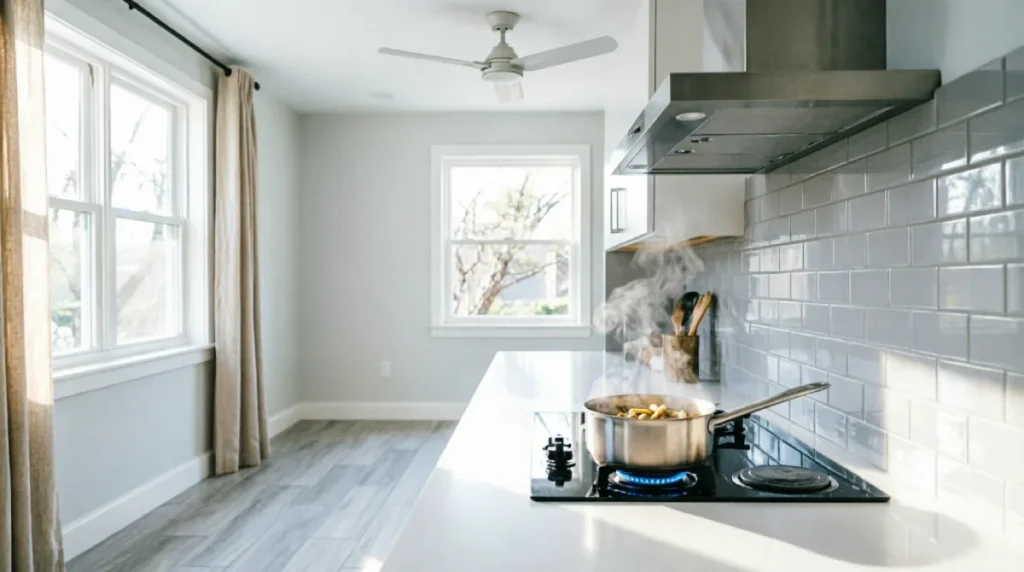
I know how miserable it feels to cook dinner when your kitchen turns into a sauna. The oven blasts heat, steam rises from boiling pasta, and suddenly you’re sweating before you’ve even sat down to eat.
I focus on practical solutions that actually lower temperatures and improve airflow—not just aesthetic upgrades that look nice but do nothing for comfort.
This guide shares 13 renovation ideas I’ve tested and recommended to homeowners who want to cook comfortably through July and August without cranking the AC.
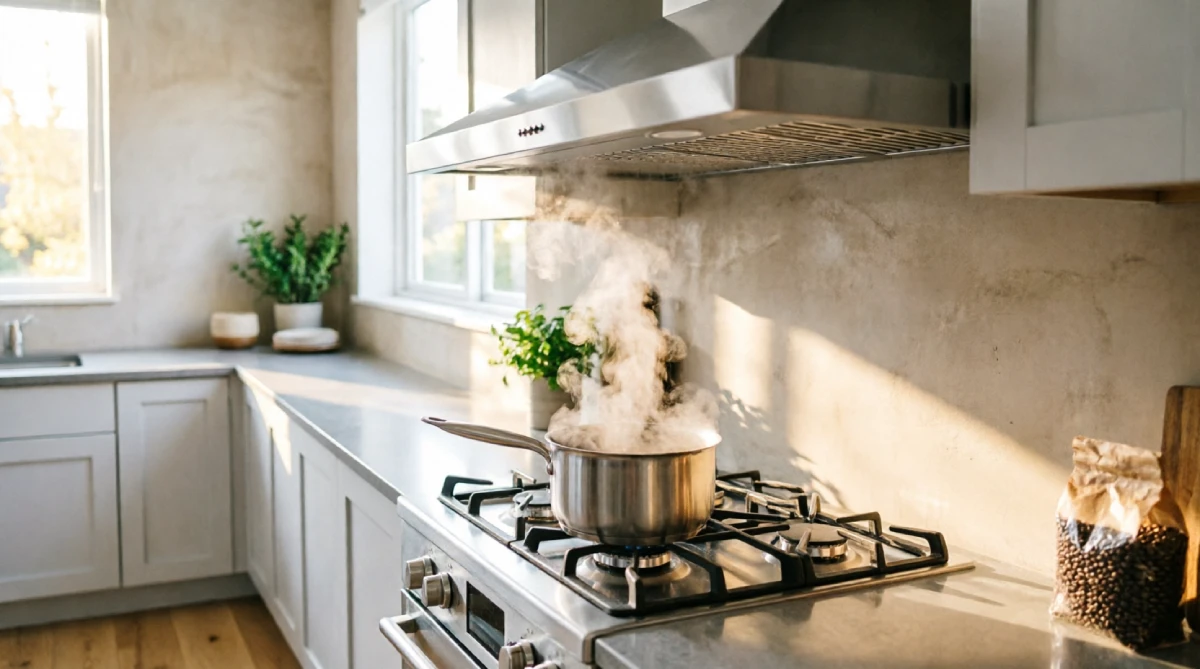
1. Install a High-CFM Range Hood
I always recommend upgrading to a range hood with at least 600 CFM for serious summer cooking. Standard microwave-mounted fans barely move 300 CFM, which isn’t enough to capture heat and steam from a single boiling pot.
I use a wall-mounted stainless steel hood vented directly outside—no recirculating models that just blow hot air back into the room. The exterior exhaust removes heat at the source before it spreads through your kitchen.
I once worked with a client who thought open windows were enough until we installed a 900 CFM hood. She told me the temperature difference during fried chicken night dropped by nearly ten degrees.
I suggest positioning the hood so it covers all front burners, not just the back row. Test the noise level before buying—quiet models exist around 3-4 sones at top speed.
2. Add a Ceiling Fan with Reversible Motor
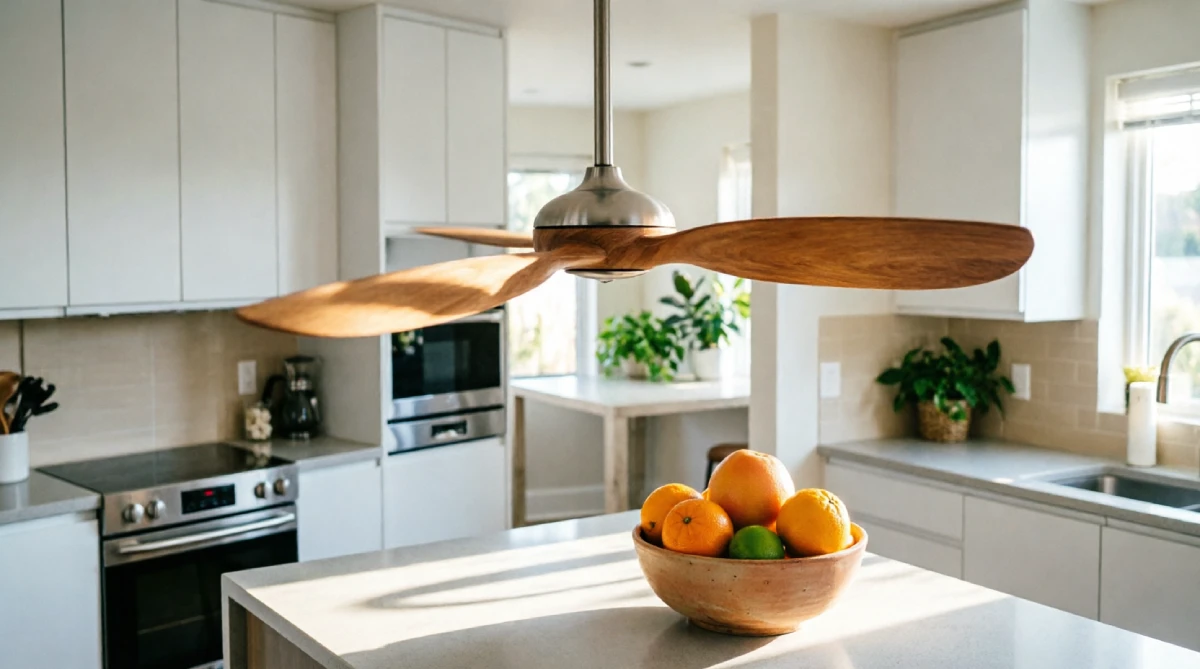
I always place a ceiling fan directly above the main work triangle—sink, stove, refrigerator. Many homeowners skip this because they think fans belong in living rooms, but overhead air movement changes everything in a hot kitchen.
I use a fan with a reversible motor so I can push air downward in summer for a wind-chill effect. The breeze helps evaporate sweat from your skin, making the actual temperature feel five to seven degrees cooler.
I once installed a 52-inch fan in a south-facing kitchen that got afternoon sun. The owner stopped closing the blinds during cooking because the airflow made the heat bearable.
I suggest mounting the fan so that the blades sit at least eight feet above the floor and three feet away from walls for proper circulation. Look for DC motor models—they’re quieter and use less electricity.
3. Switch to an Induction Cooktop
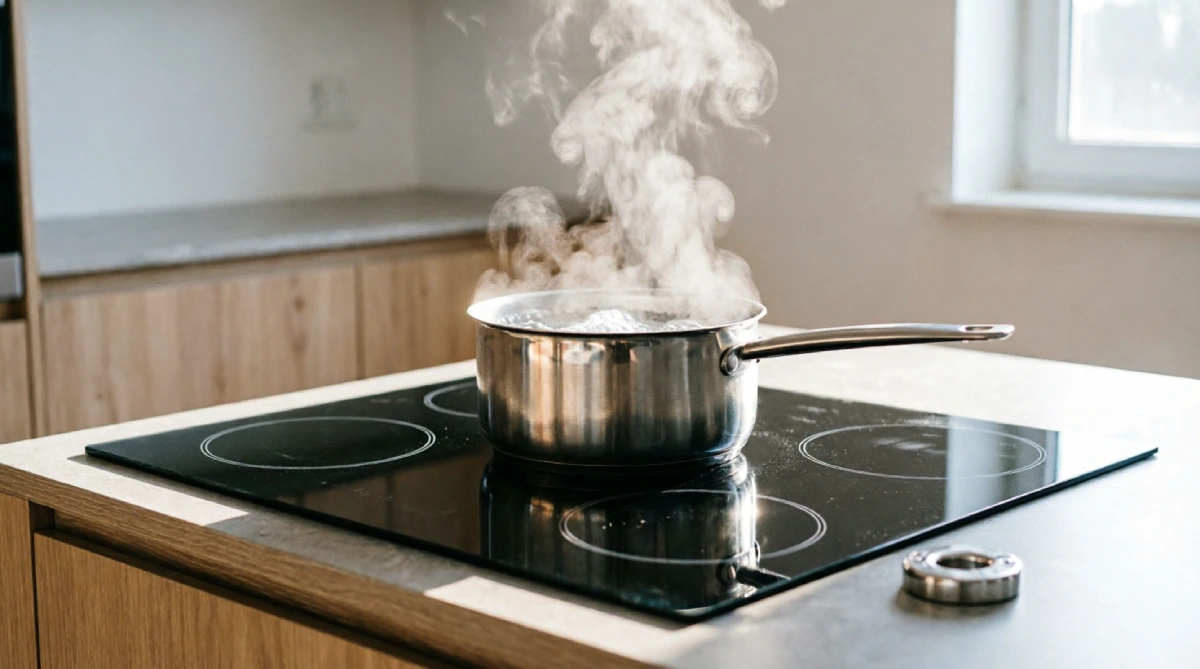
I always suggest induction when clients complain about hot kitchens. Unlike gas or electric coil, induction heats only the pan itself using magnetic fields—the surrounding air and cooktop surface stay cool.
I use a portable induction burner first to test whether clients like the response time. Most are shocked when water boils in under two minutes without any ambient heat rising from the cooktop.
I once renovated a small apartment kitchen where the gas stove made the whole space unbearable by 5 PM. After switching to induction, the tenant stopped using the window AC unit while cooking dinner.
I suggest checking your cookware with a magnet before buying induction. If a magnet sticks firmly to the bottom, you’re ready. Factor in an electrician if your current setup needs a 240-volt outlet.
4. Install Operable Windows Above Counter Height
I always place windows where heat collects—above the stove, sink, or prep areas. Fixed glass panels look nice but do nothing for ventilation, so operable windows are non-negotiable for summer comfort.
I use casement windows that crank outward because they catch side breezes and funnel air directly into the room. Double-hung windows work, but casements move more air for their size.
I once helped a homeowner replace a solid backsplash with a narrow horizontal window above the sink. The cross-breeze from that single addition eliminated their need for a plug-in fan on the counter.
I suggest positioning windows within 44 inches of the floor so you can reach the crank easily. Check local codes about window placement near gas appliances before cutting holes.
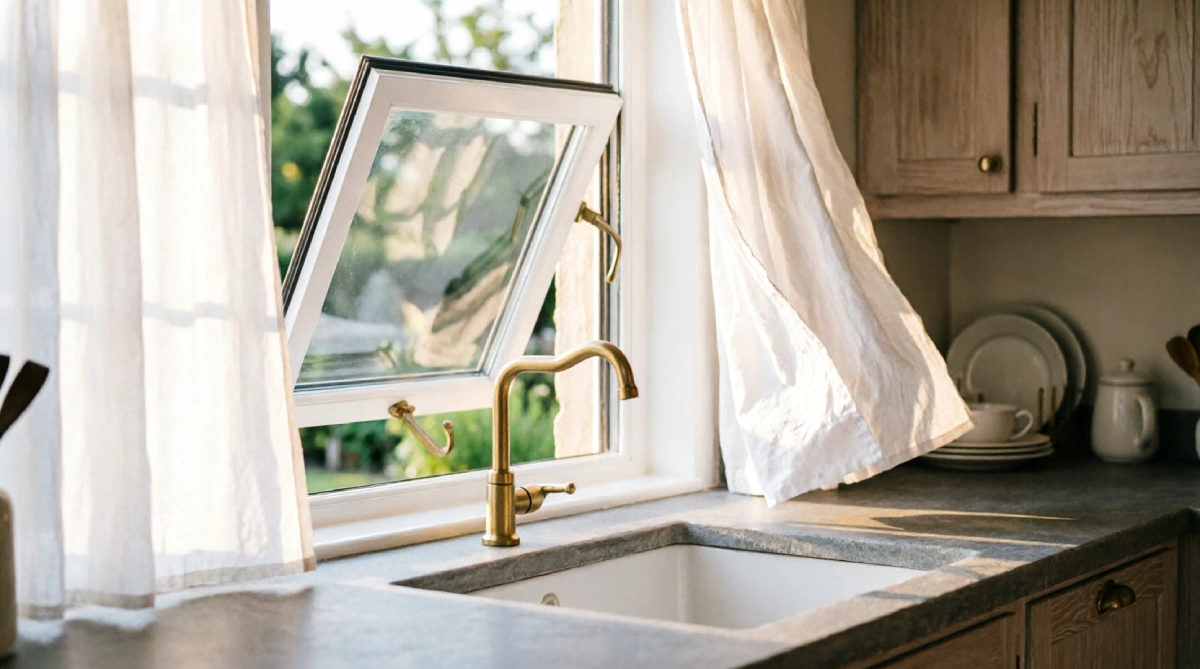
5. Create a Pass-Through to Outdoor Space
I always recommend cutting a pass-through window to an outdoor cooking area or patio. Opening that connection lets hot air escape outside while you cook indoors, plus it creates a natural draft.
I use a sliding glass panel or bi-fold window system that opens completely, leaving no barrier between the kitchen and the outside. The wider the opening, the faster heat dissipates.
I once designed a pass-through for a family who grilled often. They’d open the window fully while searing meat on the indoor stove, and the heat practically walked itself outside instead of spreading through the house.
I suggest adding a small counter-height ledge on the outside for serving. Choose screens that remove easily for cleaning—grease from cooking collects on mesh faster than you’d expect.

6. Choose Light-Reflecting Countertops
I always steer summer clients away from black granite or dark soapstone. These materials absorb heat from sunlight and appliances, then radiate it back into the room for hours.
I use white quartz or light-colored butcher block because they reflect rather than store thermal energy. Run your hand across a white quartz surface after the noon sun hits it—you’ll feel the difference immediately.
I once tested surface temperatures in two identical kitchens, one with black granite and one with white quartz. At 3 PM, the black surface measured 18 degrees warmer than the white counter.
I suggest honed or matte finishes over polished for summer kitchens. Polished surfaces create glare that makes bright rooms feel harsher and hotter to your eyes, even if the temperature is fine.
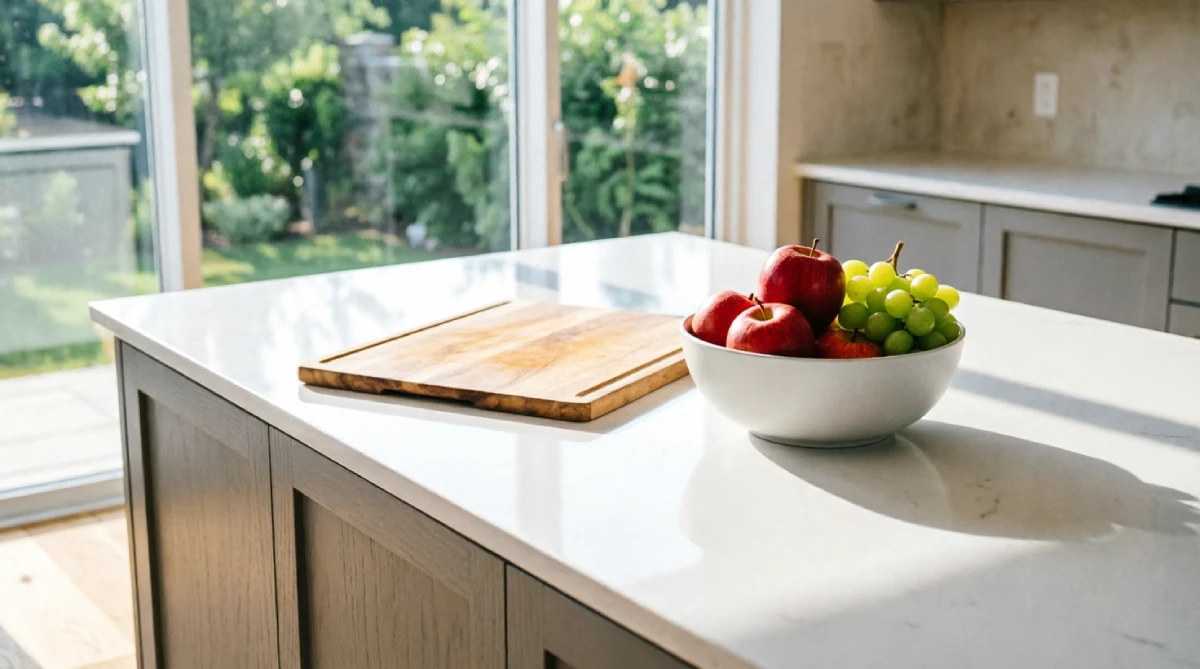
7. Install a Whole-House Fan in the Kitchen Ceiling
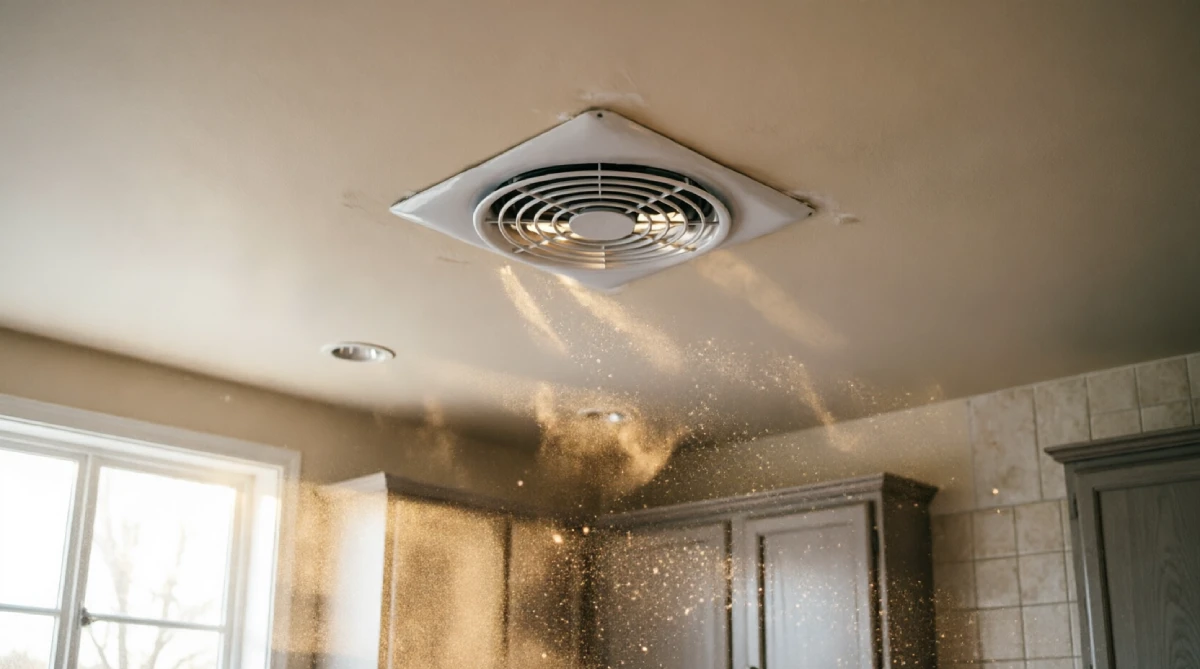
I always consider a whole-house fan when attic access exists above the kitchen. This system pulls hot air up and out through the roof while drawing cooler air in through open windows.
I use a fan sized to your square footage—about 2 to 3 CFM per square foot of living space. The kitchen location works perfectly because that’s where the hottest air naturally rises.
I once installed one for a baker who ran her oven for hours each morning. The whole-house fan cleared the accumulated heat within three minutes of turning it on after baking.
I suggest running the fan only when outdoor temperatures are cooler than indoors—typically early morning or late evening. Close all upstairs windows before use so the fan pulls from lower levels.
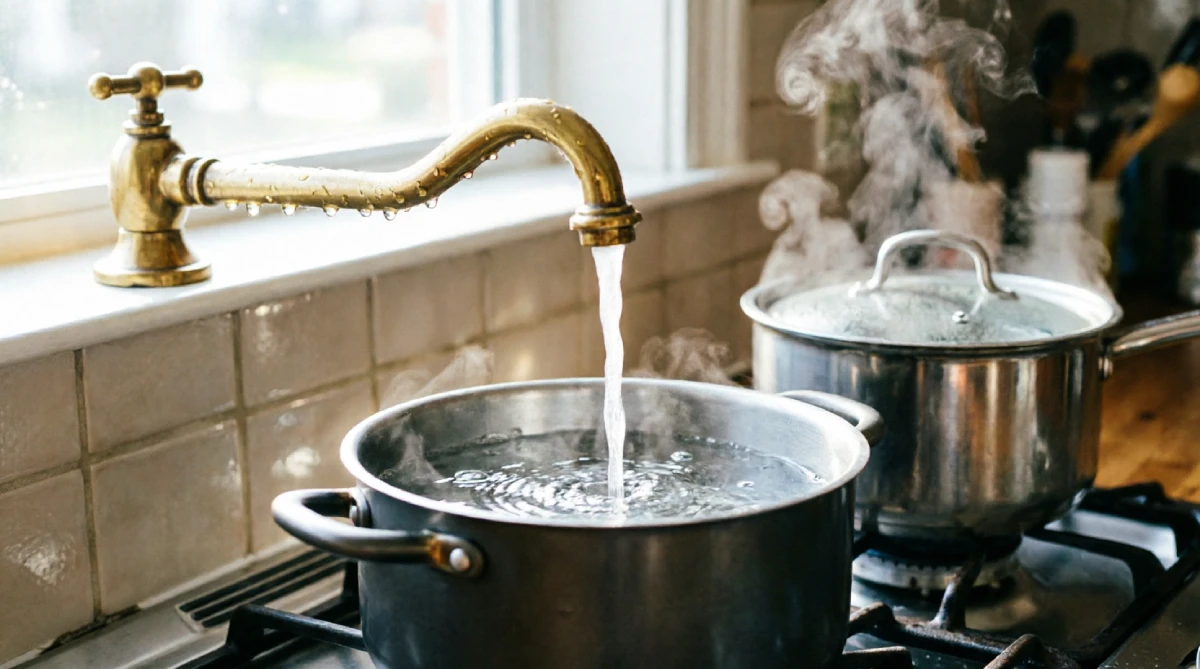
8. Add a Pot Filler with Cold Water Only
I always include a cold-water-only pot filler next to the stove. Why? Because homeowners habitually fill pots with hot water, thinking it boils faster, but that pulls heat from your water heater and adds humidity to the kitchen.
I use a wall-mounted swing arm that reaches all front burners. The cold water actually reaches boiling point nearly as fast as hot water in most modern kettles, without the steam release.
I once tracked my own pasta cooking for a week using cold versus hot tap water. The time difference was under 45 seconds, but the humidity difference in the kitchen was obvious.
I suggest skipping the hot water connection entirely. Run a dedicated cold line to the pot filler, and watch how much less condensation forms on your windows during summer cooking.
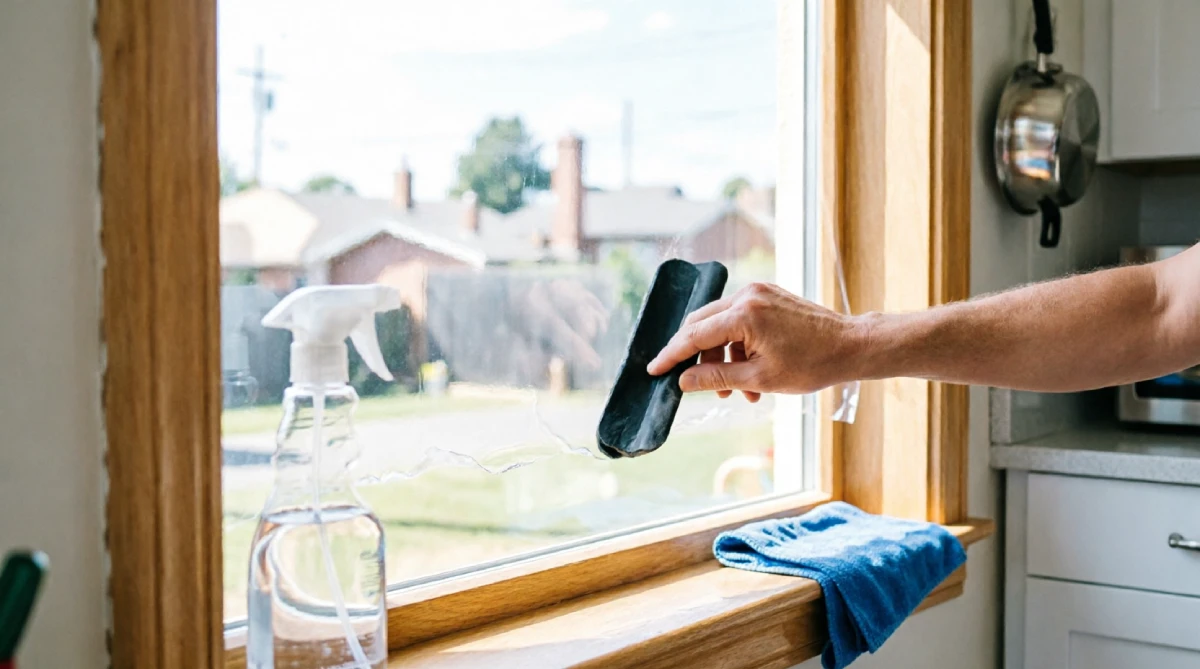
9. Install Heat-Reflective Window Film
I always apply ceramic window film to south and west-facing kitchen windows before summer hits. This invisible layer rejects up to 70% of solar heat while keeping your view intact.
I use professionally installed film rather than DIY kits because cheap films bubble, peel, or turn purple after one season. Ceramic films cost more but don’t interfere with low-E glass coatings.
I once treated a kitchen with three large west-facing windows. The homeowner measured a 12-degree temperature difference at 4 PM between the film-treated side and an untreated bathroom with similar exposure.
I suggest testing a small section first if you have double-pane windows. Some films can cause thermal stress cracking on older insulated glass units.
10. Install a Ductless Mini-Split System
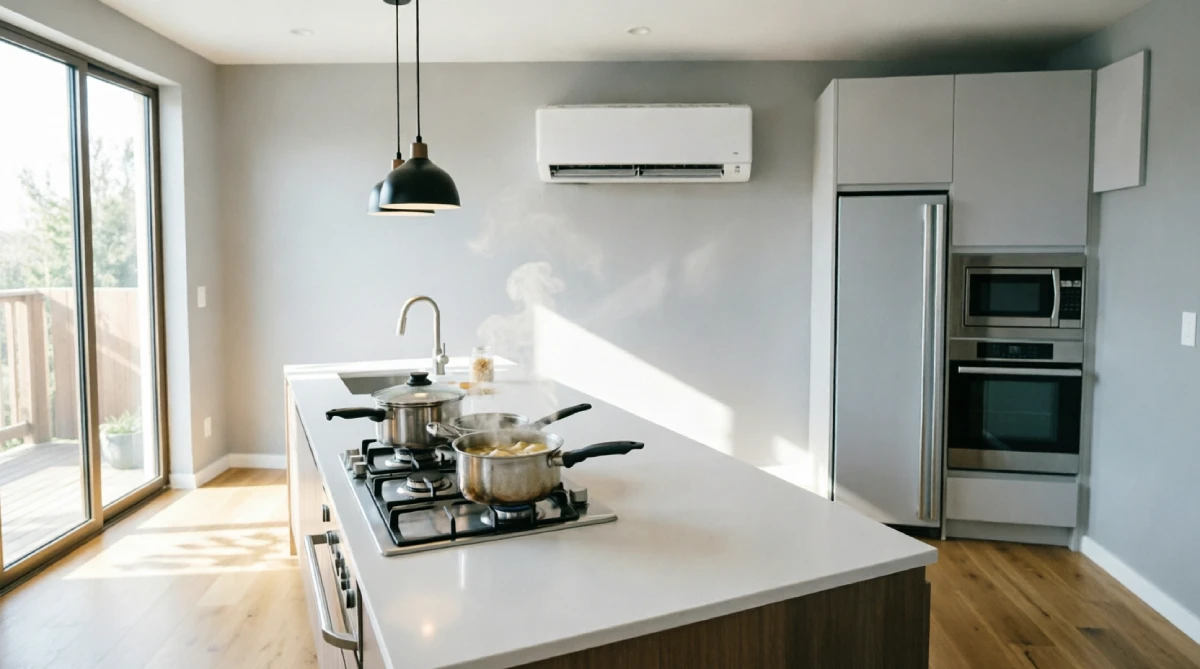
I always treat the kitchen as its own zone for air conditioning. Central HVAC systems struggle because kitchens generate sudden heat spikes while other rooms stay comfortable.
I use a ductless mini-split head mounted on an interior wall away from the stove—so grease and steam don’t get pulled directly into the unit. The outdoor compressor sits up to 50 feet away.
I once installed a 12,000 BTU mini-split in a kitchen addition that was always 8 degrees hotter than the rest of the house. Within a week, the owner could run the oven at 400 degrees and keep the room at 74.
I suggest oversizing by half a ton specifically for kitchens. Standard load calculations underestimate the heat from cooking appliances. Look for inverter models that ramp up and down quietly.
11. Install Open Shelving Instead of Upper Cabinets
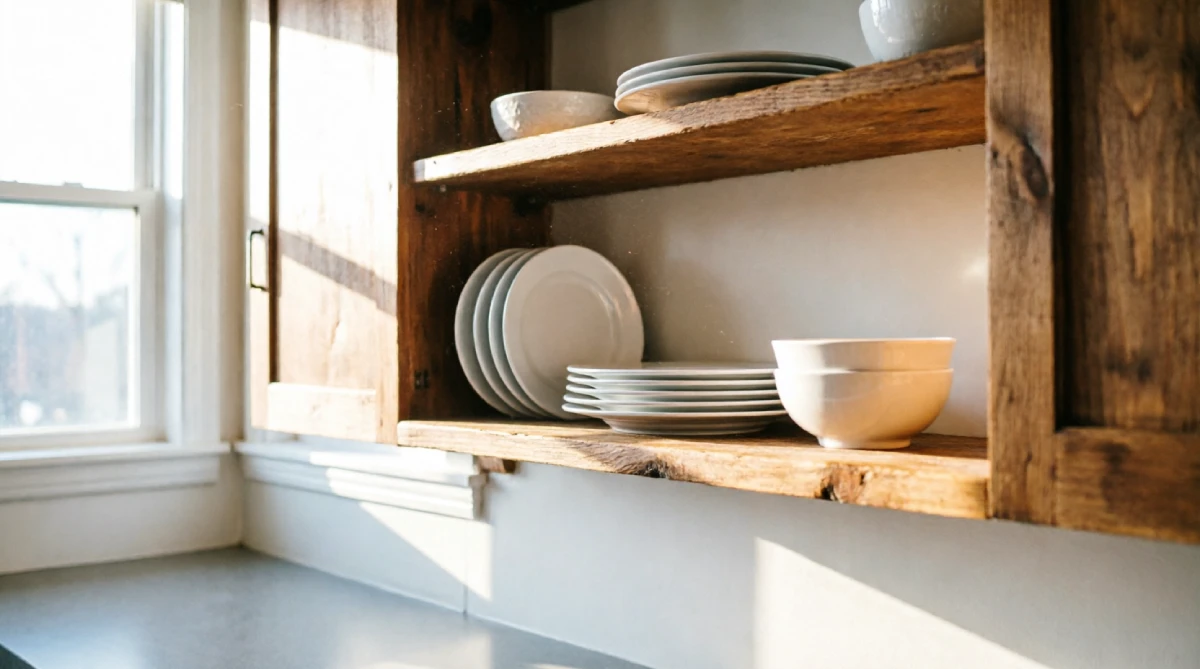
I always remove upper cabinets along hot walls. Solid box cabinets trap heat against the wall and block airflow at warmer ceiling heights where hot air naturally collects.
I use narrow open shelves (10-12 inches deep) to keep the wall surface exposed. That exposed drywall or tile radiates less stored heat than cabinet boxes, and air circulates freely.
I once renovated a galley kitchen where closed upper cabinets made the cook feel boxed in and sweaty. After switching to two floating shelves, the owner described the room as “breathable” for the first time.
I suggest storing less-frequent items elsewhere and keeping shelves sparse. The cooling benefit only works if you don’t cram shelves full—packed shelves block airflow just like cabinet doors.
12. Install a Light-Colored Tile Backsplash
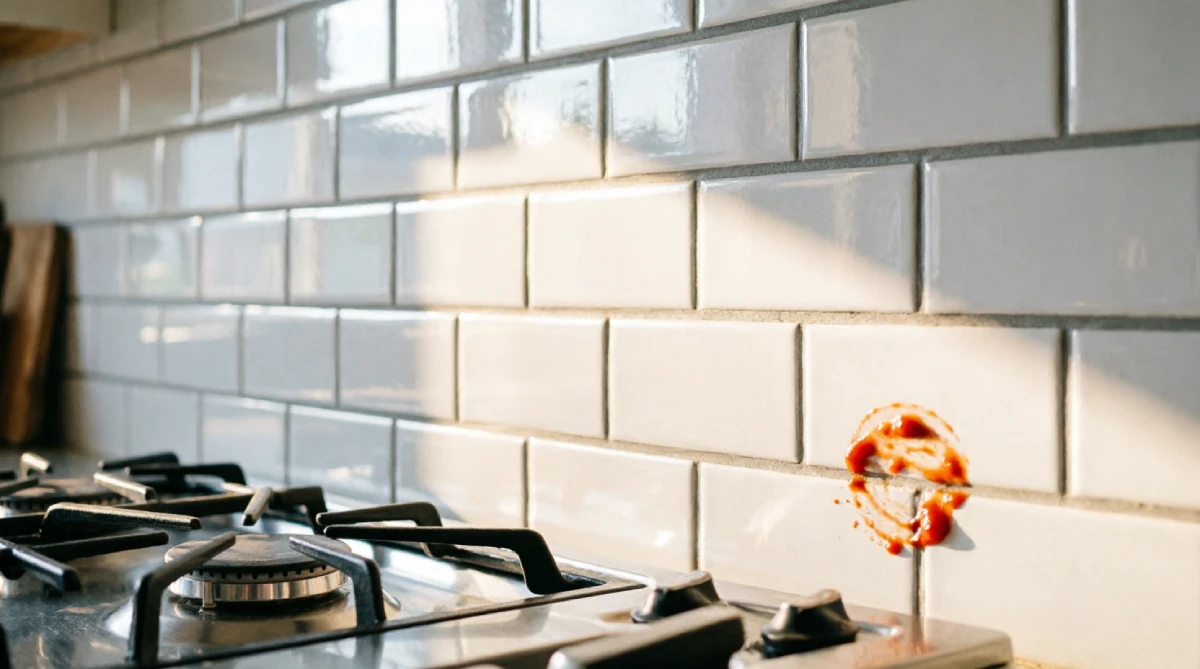
I always recommend glossy white or pale subway tile for backsplashes. Dark tiles absorb heat from the stove and radiate it back at your face while you cook.
I use ceramic or porcelain tiles with a reflective finish. The smooth surface bounces both light and heat away from the cooking zone instead of storing thermal energy behind the stove.
I once measured the temperature difference between a black glass backsplash and a white ceramic one in two nearly identical kitchens. The dark backsplash transferred noticeable heat to touch even an hour after cooking ended.
I suggest running the backsplash all the way to the ceiling behind the stove if possible. That continuous reflective surface creates a thermal barrier that pushes heat up toward your exhaust hood.
13. Add a Screen Door to the Kitchen Exterior
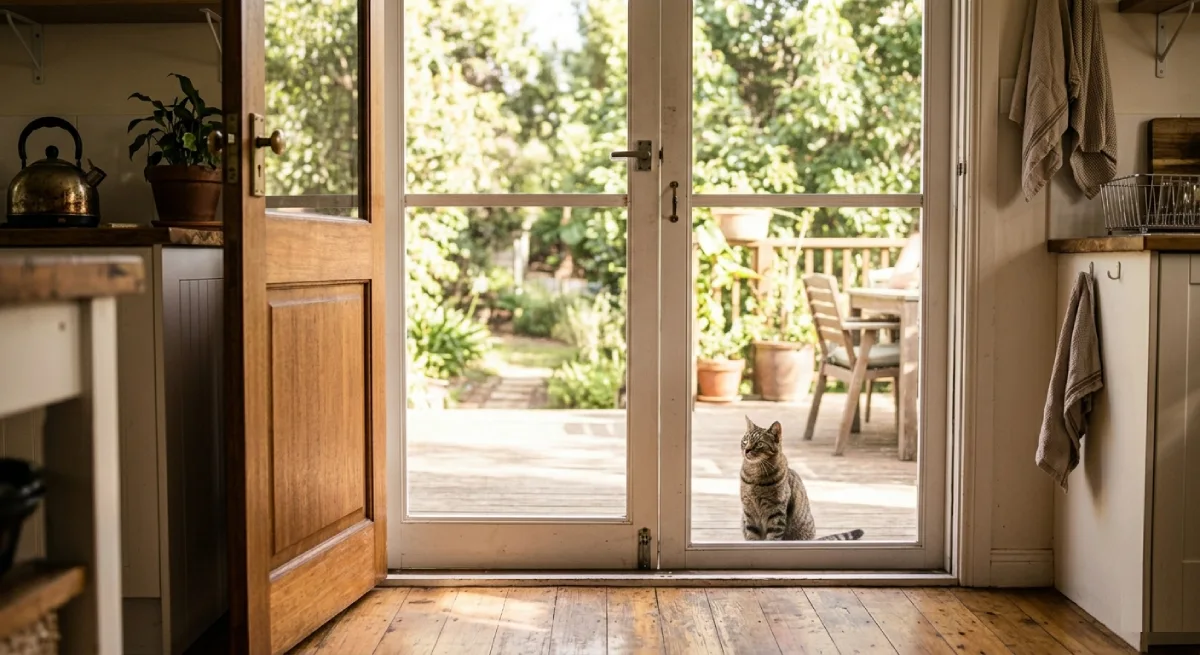
I always install a full-view screen door on any kitchen exterior door. The psychological barrier of a closed, solid door stops airflow, but a screen door lets you leave the main door wide open without inviting bugs.
I use a retractable screen door in busy kitchens where the door opens frequently. The screen pulls across when you want airflow and disappears when you need the full opening for moving large items.
I once added a magnetic screen door to a rental kitchen as a temporary fix. The tenant reported using their oven twice as often because they could vent heat directly outside without flies landing on food.
I suggest choosing stainless steel mesh rather than fiberglass. It holds up against accidental kicks and doesn’t sag in heat. Install a spring closer so the door never stays accidentally ajar.
Practical Tips
- Cook outdoors when possible — move boiling and frying to a portable induction burner on a patio table
- Use lids on pots — covered pans release 80% less humidity and heat into your kitchen
- Run exhaust fans 15 minutes before cooking — pre-moving air establishes a draft direction
- Grill near an open window — position portable cooking appliances within two feet of fresh air intake
- Store heat-generating appliances elsewhere — toaster ovens and air fryers belong in pantries or garages during summer
- Install a programmable thermostat — pre-cool the kitchen to 68 degrees before you start cooking
Common Mistakes to Avoid
- Oversizing the range hood — too much CFM without makeup air pulls conditioned air out of other rooms
- Placing fans too low — ceiling fans under seven feet create annoying drafts and don’t move the upper air
- Blocking return air grilles — pushing fridge or cabinets over vents kills whole-system airflow
- Choosing dark window frames — black vinyl or aluminum frames absorb heat and transfer it to the window glass
- Skipping the humidity check — focusing only on temperature while ignoring steam from dishwashers and boiling water
Comparison Table
| Feature | Best Option | Why It Works |
|---|---|---|
| Range Hood Type | External vented, 600+ CFM | Removes heat at the source before it spreads |
| Cooktop Surface | Induction or smooth-top gas | Minimal wasted heat to the surrounding air |
| Window Style | Casement (crank-out) | Catches breezes and moves more air |
| Counter Color | White or light quartz | Reflects solar heat instead of absorbing |
| Cooling System | Ductless mini-split | Zoned control for kitchen heat spikes |
| Door Type | Full-view screen | Allows open-door ventilation without pests |
FAQs
What is the best way to cool a kitchen without air conditioning?
Start with a high-CFM range hood and open windows on opposite walls to create cross-ventilation. Add a ceiling fan above the work triangle and switch to induction cooking. These passive strategies lower perceived temperature by 5-10 degrees without refrigerant.
Can I install a range hood myself if I’m handy?
You can mount the unit and run ductwork, but I suggest hiring an electrician for the wiring and an HVAC pro if you need to penetrate the roof or exterior wall. Mistakes with venting cause moisture problems and reduced airflow.
Is it expensive to switch from gas to induction?
Plan for $1,000-$2,500 for the cooktop itself, plus $300-$800 for electrical work if you need a dedicated 240-volt line. You’ll also replace incompatible cookware—magnetic stainless steel or cast iron only. Most homeowners recoup this in improved summer comfort alone.
How much difference does light paint make in a kitchen?
White walls and ceilings reflect about 80% of radiant heat, while dark colors reflect only 10-20%. In a south-facing kitchen, that difference keeps surface temperatures 15-20 degrees cooler in direct sun.
Should I add window film to east-facing windows?
East windows get intense morning sun that heats kitchen walls and counters before you even start cooking. Film helps, but exterior shading like awnings or overhangs works better for morning exposure.
Conclusion
A cool summer kitchen isn’t about cranking the AC or suffering through sweaty meal prep. These 13 renovation ideas target the real sources of heat—poor ventilation, dark surfaces that absorb energy, and trapped air that has nowhere to go.
Start with the biggest heat producers first: upgrade your range hood, switch to induction if possible, and add operable windows where hot air escapes. The smaller changes, like light countertops and screen doors build on that foundation.
Pick two or three ideas that fit your budget and cooking habits. Even one improvement—like a ceiling fan or better window placement—will make July cooking noticeably more comfortable. Your kitchen should work for you, not against you, when the temperatures rise.
