

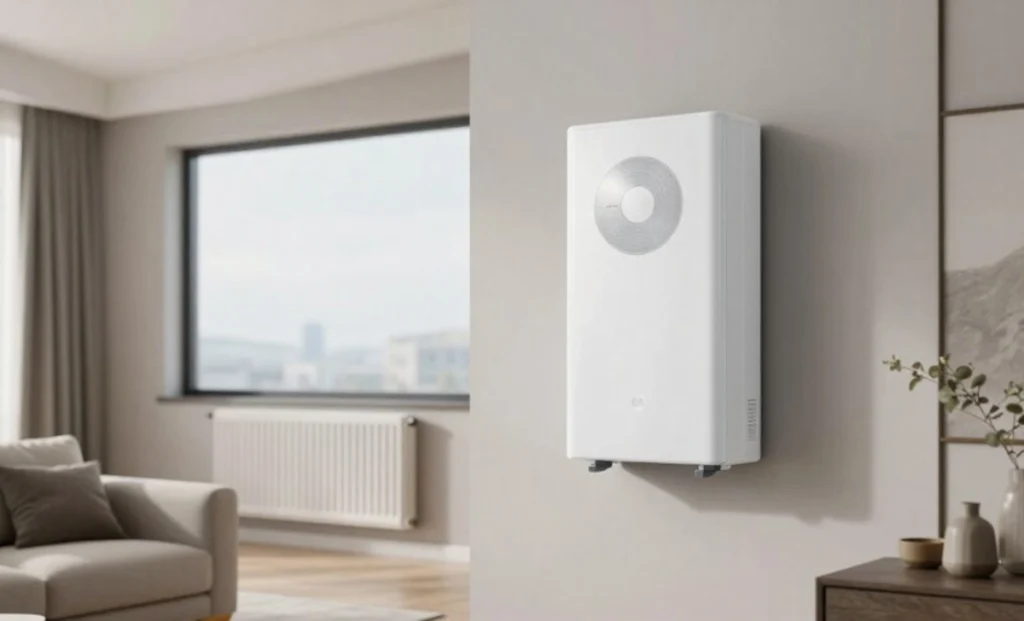
The best HVAC system for a UK home balances efficiency, upfront cost, and suitability for the local climate. For most homes, a modern air source heat pump is highly efficient, especially in milder regions, while a high-efficiency condensing gas boiler remains a reliable, cost-effective choice for many. Your decision should be based on your home’s insulation, budget, and whether you have access to mains gas.
Rising energy bills and unpredictable UK weather mean choosing the right HVAC system is no longer a luxury but a necessity. If you are confused about which HVAC system is best for your UK home, this guide will make your decision-making process easier.
You want a home that stays warm in a damp winter and comfortable during a rare heatwave. You also want control over your energy spending. This guide will help you understand your options. By the end, you will be able to identify the best option for your home’s size and local weather. You will learn how to choose energy-efficient systems to save on bills. You will also avoid common installation and maintenance mistakes, letting you make a confident purchase decision.
Understanding the UK Climate and Your Home’s Needs
The UK climate is the most important factor in your choice. Our weather is characterised by mild, wet winters and cool summers, with high humidity year-round. An HVAC system here must primarily provide consistent, efficient heat. It should also manage moisture to prevent damp and mould.
Your home itself is the other half of the equation. A system’s performance is directly tied to your property’s build. A Victorian terrace with single-glazed windows has very different needs from a modern, well-insulated new build. Before looking at systems, consider your home’s insulation levels, room size, and existing infrastructure like radiators or underfloor heating. A well-insulated home needs less energy to heat, making more efficient systems like heat pumps viable. A poorly insulated home will strain any system, leading to high costs.
Types of HVAC Systems for UK Homes
HVAC stands for Heating, Ventilation, and Air Conditioning. In the UK, the focus is heavily on the ‘H’ and ‘V’. Full central air conditioning is rare in homes, but modern systems often combine heating with cooling and air quality control. Here are the main systems you will encounter.
Air Source Heat Pumps (ASHPs). An air source heat pump works like a reverse refrigerator. It extracts heat from the outside air, even in cold weather, and upgrades it to heat your home and hot water. They are incredibly efficient, delivering 3 to 4 units of heat for every 1 unit of electricity used. This makes them a key technology for reducing carbon emissions and running costs.
There are two main types. Air-to-water systems are most common. They feed heat into your wet central heating system, like radiators or underfloor heating. Air-to-air systems provide warm (or cool) air directly into rooms via fan units. They are easier to install, but do not provide hot water. “For a typical semi-detached home, a well-installed heat pump can cut carbon emissions by up to 70% compared to an old gas boiler,” notes a recent report from the Energy Saving Trust.
High-Efficiency Condensing Boilers. The gas boiler is the familiar heart of most UK heating systems. Modern condensing boilers are far more efficient than old models. They capture heat from exhaust gases that would otherwise be wasted. If you have a mains gas supply, a new A-rated boiler can be a cost-effective upgrade.
They work seamlessly with existing radiator systems and provide plentiful hot water. However, they still burn fossil fuels. While efficient, they do not offer the same long-term energy savings or environmental benefits as a heat pump, especially as electricity becomes greener.
Hybrid Heating Systems: A hybrid system combines a gas boiler with an air source heat pump. An intelligent controller switches between the two based on which is most efficient at that moment. For example, the heat pump handles milder weather, and the boiler kicks in during extreme cold or for a rapid hot water boost.
This can be a smart transitional option. It improves efficiency without the need for major upgrades to radiators or insulation that a full heat pump might require. It also protects you from fluctuations in energy prices.
Underfloor Heating: Underfloor heating (UFH) is not a heat source but a distribution system. It works with heat pumps or boilers. Water pipes or electric mats under the floor provide gentle, even heat. It is highly efficient because it runs at a lower temperature than radiators, perfect for pairing with a heat pump.
It removes the need for wall-mounted radiators, freeing up space. The main drawback is the installation cost and disruption, making it best for new extensions or full renovations.
Mechanical Ventilation with Heat Recovery (MVHR): While not a heating system itself, an MVHR unit is a crucial component for air quality and efficiency in well-sealed homes. It continuously extracts stale, moist air from wet rooms and supplies fresh, filtered air to living areas and bedrooms. A heat exchanger transfers most of the heat from the outgoing air to the incoming air.
This drastically reduces heat loss from ventilation. It also controls humidity and removes pollutants, making your home healthier and more comfortable. It is highly recommended for new builds and deep retrofits.
Comparing Your HVAC System Options
Choosing between systems means weighing key factors like upfront cost, running costs, and suitability. This comparison table summarises the core attributes of the main options.
| System | Upfront Cost | Running Cost | Best For | Key Consideration |
|---|---|---|---|---|
| Air Source Heat Pump | High | Low-Medium | Well-insulated homes, off-gas areas, and low-carbon goals | Requires larger radiators or underfloor heating |
| Condensing Gas Boiler | Medium | Medium (varies with gas prices) | Homes with mains gas, needing a straightforward replacement | Still uses fossil fuels; efficiency depends on boiler age |
| Hybrid System | High | Medium | Homes wanting efficiency without major radiator upgrades | Complex installation; needs space for two units |
| Electric Boilers/Heaters | Low | Very High | Small flats, backup heating, hot water only | Extremely expensive to run as a primary heat source |
No single system is best for everyone. A heat pump is excellent for a well-insulated new build, but may be costly and disruptive to fit in an older home. A new gas boiler is a practical, lower-cost upgrade for many, but it locks you into the gas market. Always get a detailed survey from a certified installer who can assess your specific property.
Key Factors for Your Decision
Beyond the system type, several practical factors will determine your success and satisfaction with your new HVAC system.
Energy Efficiency Labels: Look for the ErP (Energy Related Products) label. It rates the seasonal efficiency of heaters from A+++ to G. An A-rated heat pump or boiler is the minimum you should consider. This rating directly translates to lower fuel bills and lower carbon emissions over the system’s lifetime.
Sizing and Output: Bigger is not better. An oversized boiler will “cycle” on and off frequently, wasting energy and wearing out faster. An undersized heat pump will struggle to heat your home. A professional installer will calculate your home’s heat loss to recommend the correctly sized unit. This ensures efficiency, comfort, and longevity.
Smart Controls and Zoning: Modern smart thermostats learn your schedule and allow remote control via your phone. They can adjust heating based on weather forecasts and room occupancy. Zoning lets you heat different areas of your home to different temperatures at different times. For example, you can keep bedrooms cooler until the evening. These features are no longer luxuries. They are essential tools for maximising comfort and minimising waste, potentially saving you up to 20% on your heating bills.
Installation and Accredited Installers: The quality of installation is arguably more important than the brand of equipment. A poorly fitted heat pump will perform badly. Always use an installer certified by relevant schemes. For heat pumps, look for MCS (Microgeneration Certification Scheme) certification. For gas boilers, your installer must be Gas Safe registered. Get multiple quotes and ask for references.
Costs, Funding, and Long-Term Value
The upfront cost can be daunting, but you must consider the total cost of ownership over 10-15 years.
A heat pump may cost £7,000 to £13,000 installed, but it has low running costs and very low maintenance. A new gas boiler might cost £2,500 to £4,000 but has higher ongoing fuel costs. The UK government offers financial incentives to encourage greener heating. The Boiler Upgrade Scheme (BUS) provides a grant of £7,500 towards the cost of installing an air source heat pump. This significantly closes the cost gap with a traditional boiler. Check the official GOV.UK website for the latest eligibility criteria and grant amounts.
Common Mistakes to Avoid When Choosing a System
Avoid these pitfalls to ensure a good outcome. Do not choose based on upfront cost alone. The cheapest system often costs the most to run. Never skip a proper heat loss survey. Guessing your required size leads to poor performance. Do not assume your old radiators will work. Heat pumps often need larger radiators or underfloor heating to work efficiently. Do not hire an unqualified installer to save money. It will lead to higher bills, breakdowns, and invalidated warranties.
When an HVAC System Might Not Be Suitable
For some homes, a full central system may not be the right answer. If you live in a very small apartment, electric panel heaters or a modern electric storage heater with smart controls might be sufficient. If you are in a listed building with strict planning restrictions, internal changes for ductwork or radiator upgrades may be prohibited. In these cases, focusing on improving insulation, draught-proofing, and adding smart controls to your existing system may offer the best value.
FAQs
What is the most cost-effective heating system in the UK currently?
For homes connected to the gas grid, a new A-rated condensing gas boiler is often the cheapest to install. However, with the £7,500 BUS grant, an air source heat pump can have similar upfront costs and much lower running costs, making it highly cost-effective over its lifetime.
Can a heat pump work with my existing radiators?
It depends. Heat pumps work best at a lower flow temperature than boilers. Your existing radiators may need to be replaced with larger models, or you may need to add underfloor heating. A qualified installer will assess this during your survey.
Do I need planning permission for a heat pump in the UK?
In England and Scotland, most air source heat pump installations are considered “Permitted Development” and do not need planning permission, provided they meet certain conditions about size and placement. It is always best to check with your local planning authority.
How often does an HVAC system need servicing?
A gas boiler should be serviced annually by a Gas Safe engineer for safety and efficiency. An air source heat pump typically needs a professional service every 2-3 years, though you should clean the filters regularly yourself.
Is it worth adding cooling to my UK home?
As UK summers see more frequent heatwaves, cooling is becoming more desirable. Air-to-air heat pumps provide both heating and cooling. Some air-to-water systems can also be configured for cooling. Considering it during your initial installation is far cheaper than retrofitting later.
