

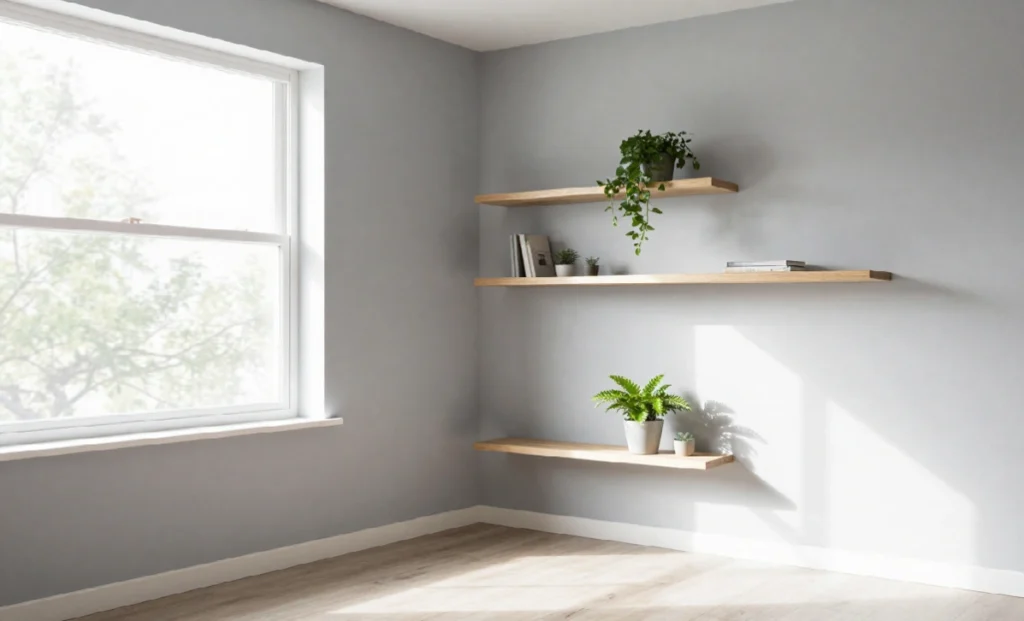
You don’t need a massive floor plan to enjoy a spacious, stylish lounge. Use light colors to reflect natural light, choose multi-functional furniture like storage ottomans, and create clear pathways to avoid visual clutter. Mirrors, proper lighting, and vertical storage solutions can make any compact room feel twice its actual size. Transform your compact lounge with these modern small living room ideas, incorporating modern interior design principles to make any space look bigger and stylish.
The secret? Work with your room’s unique quirks instead of fighting them. Avoid oversized furniture, dark walls, and excessive decorations. Focus on pieces that serve multiple purposes and arrange them to maximize floor space. These simple changes help UK homes with limited square footage feel comfortable and look modern without requiring major renovations.
Does your lounge feel more like a cramped box than a relaxing retreat?
You’re not alone. Many UK homes struggle with limited space, but the good news is — small doesn’t have to mean uncomfortable or boring.
With the right design tricks, smart furniture choices, and clever layout ideas, you can turn even the tiniest living room into a stylish, cozy, and functional space you’ll truly love.
Why Small Living Rooms Feel Smaller
Your living room might feel cramped because of how you’ve arranged it, not just its actual size. Dark paint colors absorb light and make walls feel closer than they are. Oversized furniture blocks natural pathways and creates visual barriers that break up the space. Clutter on surfaces and floors adds to the sense of chaos.
Poor lighting plays a major role, too. A single overhead light creates shadows in corners and makes the room feel enclosed. When you can’t see into every part of the space, your brain registers it as smaller. According to established interior design principles, rooms with layered lighting feel significantly more spacious than those relying on a single ceiling fixture, improving overall spatial perception.
The way you position furniture matters more than you think. Pushing everything against the walls creates dead space in the middle and breaks clear sightlines, making the room feel fragmented.
Smart Furniture Choices for Small Living Room Ideas
Investing in multi-functional furniture is a game-changer for both your square footage and your wallet. A storage ottoman serves as seating, a footrest, and a place to hide blankets or magazines. Nesting tables let you pull out extra surface area when needed and tuck them away when you don’t. Wall-mounted desks fold flat against the wall and give you a workspace without taking up floor space.
Choose furniture with exposed legs rather than pieces that sit flush to the ground. Sofas and chairs on legs let light flow underneath and create an airy feeling. This trick makes furniture appear lighter and less bulky. Interior design principles suggest that raised furniture significantly increases the perceived volume of a room by allowing light to flow underneath.
Scale matters more than style. A loveseat fits better than a full sofa in rooms under 150 square feet. Armless chairs take up less visual space than bulky armchairs. Glass coffee tables provide function without blocking sightlines across the room. When choosing pieces, consider their visual weight; a glass coffee table has a much lower visual weight than a solid wood trunk, keeping the room feeling airy. Measure your space before buying anything and leave at least 18 inches between furniture pieces for comfortable movement.
Consider these space-saving options:
- Sofa beds for guest accommodation
- Wall-mounted TV units instead of entertainment centers
- Slim-profile recliners that need less clearance
- Modular sectionals you can rearrange
Best Colours for Small Living Rooms
Lighter shades bounce natural light around the room, visually pushing your walls outward. White, cream, pale grey, and soft beige create an open feeling without looking clinical. You don’t need to paint everything the same shade. Use slightly different tones on walls and trim to add depth while maintaining brightness.
Cool colors like light blue and sage green make spaces feel larger than warm colors. Your eye perceives cool tones as receding, which pushes walls out visually. Embracing modern small living room ideas often means leaning into styles like Japandi, which blends minimalist aesthetics with warm, functional elements to maximize perceived space.
Monochromatic schemes work better than high-contrast combinations in compact spaces. When walls, furniture, and floors share similar color families, the eye moves smoothly without stopping at harsh transitions. This creates a sense of flow that makes the room feel unified and larger.
Add color through accessories rather than permanent fixtures. Cushions, artwork, and throws let you experiment with bold shades without overwhelming the space. You can swap these out seasonally or when you want a fresh look. Stick to three main colors throughout the room to maintain visual calm.
Lighting Tricks That Work
Layer your lighting with three types: ambient, task, and accent. Ambient lighting fills the room with general light from ceiling fixtures or wall sconces. Task lighting targets specific areas like reading corners with floor lamps or table lamps. Accent lighting highlights artwork or architectural features with directional spots or LED strips.
Natural light makes the biggest difference. Keep window treatments minimal or choose sheer curtains that filter light without blocking it. Install mirrors opposite windows to bounce daylight deeper into the room. Incorporating biophilic design elements, such as trailing pothos on high shelves, draws the eye upward and brings life into compact areas without consuming floor space. Remove anything that blocks windowsills or hangs too close to the glass.
Dimmer switches give you control over mood and perceived space. Bright light makes rooms feel larger during the day. Softer lighting creates intimacy in the evening without making the space feel smaller. This flexibility lets one room serve multiple purposes throughout the day.
Position floor lamps in corners to push light outward from the edges. This eliminates dark zones that make rooms feel smaller. Wall-mounted reading lights free up floor space while providing focused light where you need it. Under-shelf LED strips add ambient glow without taking up any room.
Storage Hacks That Hide Clutter
Vertical storage uses wall space instead of valuable floor area. Floating shelves hold books, plants, and decorative items without the bulky footprint of traditional bookcases. Mount them above eye level to draw the gaze upward and make ceilings feel higher. Keep displays minimal so shelves don’t look overcrowded.
Built-in storage maximizes awkward spaces around windows, doors, and alcoves. Custom shelving or cabinets in these areas provides function without protruding into the room. Box out radiators with perforated covers that include shelf space on top. These solutions turn dead space into assets.
Use furniture with hidden storage wherever possible. Lift-top coffee tables reveal compartments for remotes, magazines, and games. Storage benches along walls provide seating and hide shoes, bags, or seasonal items. Hollowed-out ottomans keep throws and cushions out of sight.
Keep surfaces clear of unnecessary items. Three decorative objects look intentional; ten look cluttered. Cables and chargers create visual noise, so invest in cable management boxes or run them behind furniture. A 2024 survey by British Home Magazine found that homes with minimal surface clutter photograph 40% larger than equivalent spaces with everyday items visible.
Layout Ideas Based on Room Shape
Square rooms work best with furniture arranged in conversation groups rather than pushed against walls. Float a sofa perpendicular to the longest wall and add chairs at angles. This creates intimacy and actually makes the room feel bigger by defining zones. Leave clear pathways along the walls for movement.
Long, narrow rooms need furniture that breaks up the bowling alley effect. Place the sofa across the width rather than along the length. Use a console table behind the sofa to create a walkway on both sides. Rugs help define different areas within the stretched space.
L-shaped living rooms benefit from zone division. Use the shorter leg for dining or a workspace, and keep the seating area in the longer section. Position furniture to create a natural flow between zones without blocking the connection between them. Avoid placing large pieces in the corner where the L bends.
Awkward shapes with alcoves or bay windows need creative solutions. Turn a bay window into a reading nook with built-in seating and cushions. Use alcoves for storage or display rather than trying to fit standard furniture into odd dimensions. Work with the architecture instead of fighting it.
Common Mistakes to Avoid
Oversized rugs make rooms feel smaller by cutting up floor space visually. Choose rugs that fit under the front legs of sofas and chairs but leave a border of bare floor around the edges. This framing effect makes the room look more spacious. Avoid tiny rugs that look like bath mats.
Too many patterns create visual chaos in small spaces. Stick to one bold pattern and complement it with solids or subtle textures. Mixing multiple busy prints makes your eye work harder and registers as visual clutter. Pattern works best on cushions or one accent chair rather than large pieces.
Floating your furniture away from the walls wastes the center of the room and creates uncomfortable conversation zones. People need to sit close enough to talk without raising their voices. Floating furniture creates more usable space than you’d think.
Heavy curtains and dark window treatments block natural light and make rooms feel cave-like. If you need privacy, choose roller blinds that mount inside the window frame or sheer curtains paired with blinds. Keep window areas as open as possible during daylight hours.
Neglecting the fifth wall (your ceiling) misses opportunities to add height perception. Paint ceilings in the same light color as walls to blur boundaries. Avoid dark ceiling colors unless your room has exceptional height. Vertical stripes on one accent wall can make standard 8-foot ceilings feel taller.
Final Thoughts
Small living rooms respond well to thoughtful design choices that prioritize function and light. You don’t need expensive renovations to make your space feel bigger. Start with paint, rearrange what you already own, and add lighting where it’s missing.
The best small living room ideas combine several techniques rather than relying on just one trick. Light colors set the foundation, smart furniture choices maximize function, and proper lighting reveals the full potential of your space. Storage solutions keep visual clutter under control.
Measure your room carefully before buying furniture. Walk through your space and identify problem areas where things feel tight or cluttered. Address these specific issues with targeted solutions rather than trying to follow every design trend you see online.
Your small living room can work beautifully for your lifestyle once you understand how to use the space you have. Focus on what matters most to you, whether that’s entertaining, relaxing, or working from home. Design around your needs rather than trying to copy magazine layouts.
Start with one small change today — whether it’s switching to lighter colors or rearranging your furniture — and watch how quickly your living room transforms.
Which idea will you try first?
FAQs
What size sofa fits a small living room?
A loveseat (60-72 inches wide) or compact three-seater (75-80 inches) works best for rooms under 150 square feet. Measure your space and leave 18 inches on each side for movement. Armless designs save 8-10 inches compared to traditional sofas.
Do dark colors always make small rooms look smaller?
Dark colors can work if you balance them with white trim, good lighting, and minimal furniture. One dark accent wall adds depth without closing in the space. Avoid painting all four walls in dark shades unless your room has exceptional natural light.
How do you arrange furniture in a 10×12 living room?
Float a compact sofa against the longest wall, add two small armchairs or a loveseat perpendicular to it, and use a round coffee table. Keep 30-36 inches between the sofa and coffee table for leg room. Mount your TV or use a slim media console.
What’s the best flooring for small living rooms?
Light wood, pale laminate, or cream carpet makes spaces feel larger. Run wood planks or laminate lengthwise in narrow rooms to add visual length. Avoid dark floors unless you plan to contrast them with very light walls and furniture.
Should you paint the ceiling white in a small living room?
Painting the ceiling the same light color as your walls actually makes rooms feel taller by blurring the boundaries. Pure white ceilings can make the space feel choppy. Try a shade one or two tones lighter than your wall color.
Can you fit a coffee table in a small living room?
Yes, choose a round, oval, or glass table instead of a large rectangular one. Round tables take up less visual space and let people move around them more easily. Nesting tables offer flexibility to move pieces out of the way when needed.
