

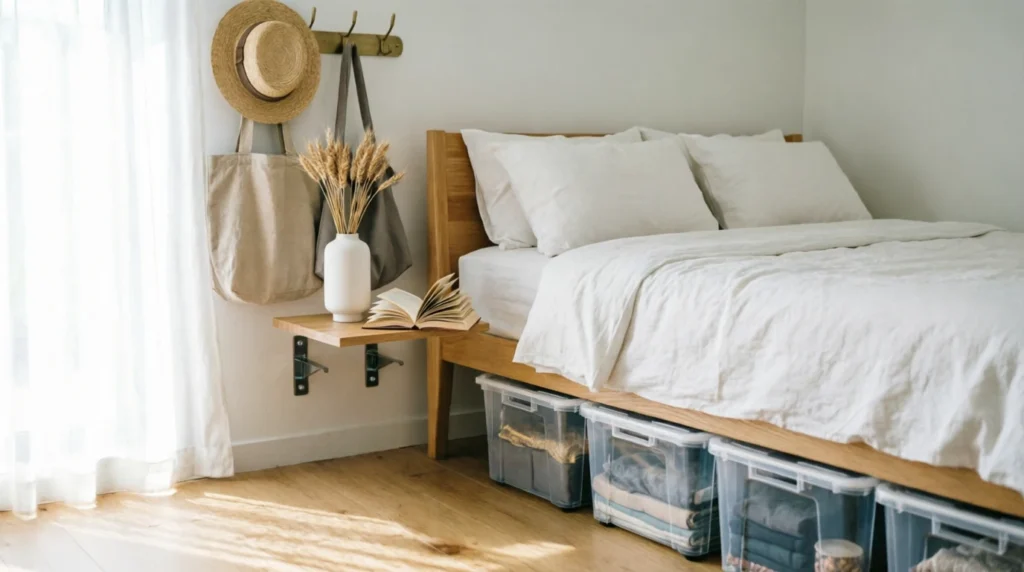
I know how quickly a bedroom can feel heavy and chaotic once summer humidity hits. Heavy blankets, winter boots, and dark decor suddenly seem to suffocate the room. I focus on seasonal storage shifts that do not require a full renovation. The goal is to create breathing room by swapping, concealing, and rethinking what stays in the bedroom during warmer months.
This guide shares 12 specific ways I cut visual weight and reclaim floor space without sacrificing style. You can start using these ideas in a single afternoon.
1. Rotate Seasonal Bedding Completely
I always pack away duvets and flannel sheets the moment nighttime temperatures stay above 60 degrees. Storing bulky winter bedding outside the bedroom frees up significant closet space immediately. Vacuum-sealed bags slide easily under the bed and keep linens fresh until autumn.
I use crisp cotton quilts or a single lightweight coverlet during summer. This simple fabric switch visually lightens the bed and reduces the need for a heavy storage bench at the foot of the frame. The room looks instantly cooler with less layered fabric.
I once kept a thick wool blanket folded on a chair as decoration. When I finally removed it in July, the entire corner seemed to exhale. The visual temperature of the room dropped just by removing that one dark textile.
I suggest storing off-season bedding in a hall closet or a utility room instead of bedroom drawers. If space is tight, flat under-bed bins with zippered tops keep dust out without adding visual bulk to the room perimeter.

2. Use Under-Bed Space With Shallow Rolling Bins
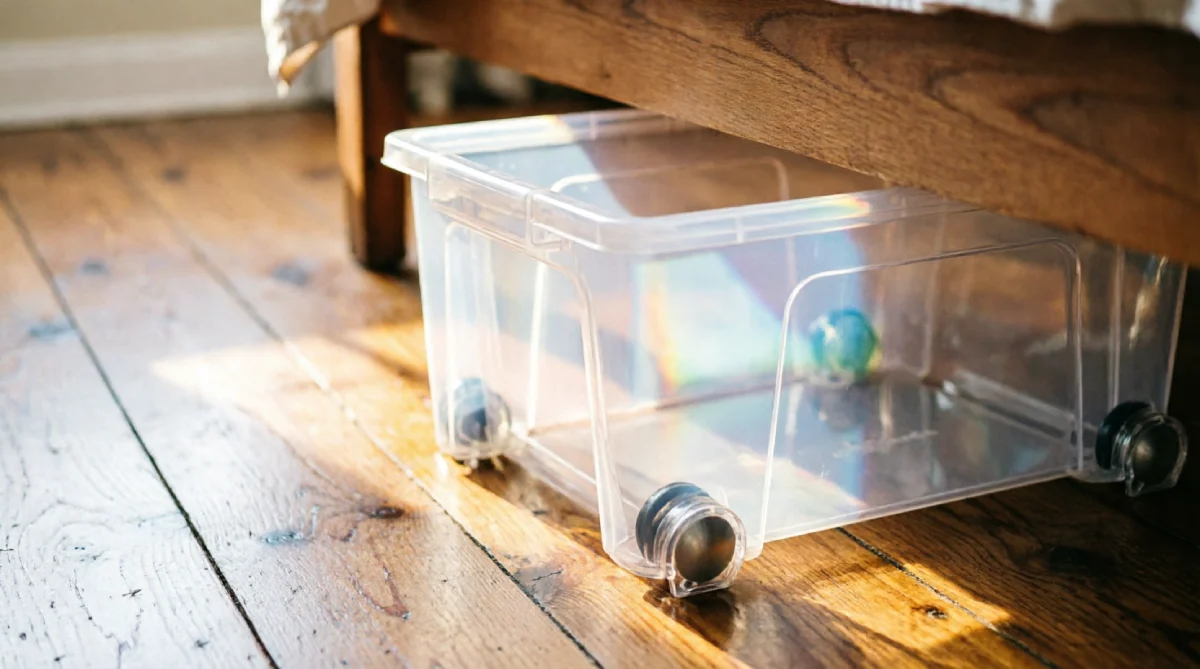
I always look at the gap beneath the bed frame as prime real estate. In summer, I store chunky knit throws and winter pajamas there, so drawers stay empty for items I actually need. The space is otherwise wasted dust collection territory.
I use clear, low-profile rolling bins with secure lids. They glide out easily on hardwood or low-pile carpet when I need to grab something. The transparency means I never forget what I tucked away, which prevents chaotic mid-season rummaging.
I once shoved random items under a bed without containers. The dust bunnies grew legendary, and I lost a pair of sandals back there for an entire winter. The day I switched to lidded rolling bins, the cleanup time dropped to seconds.
I suggest measuring the vertical clearance before buying any bin. Leave at least half an inch of space so the lid does not scrape the slats. Label the end facing the room so you can identify contents without pulling anything out.
3. Install Over-the-Door Hooks for Lightweight Fabrics
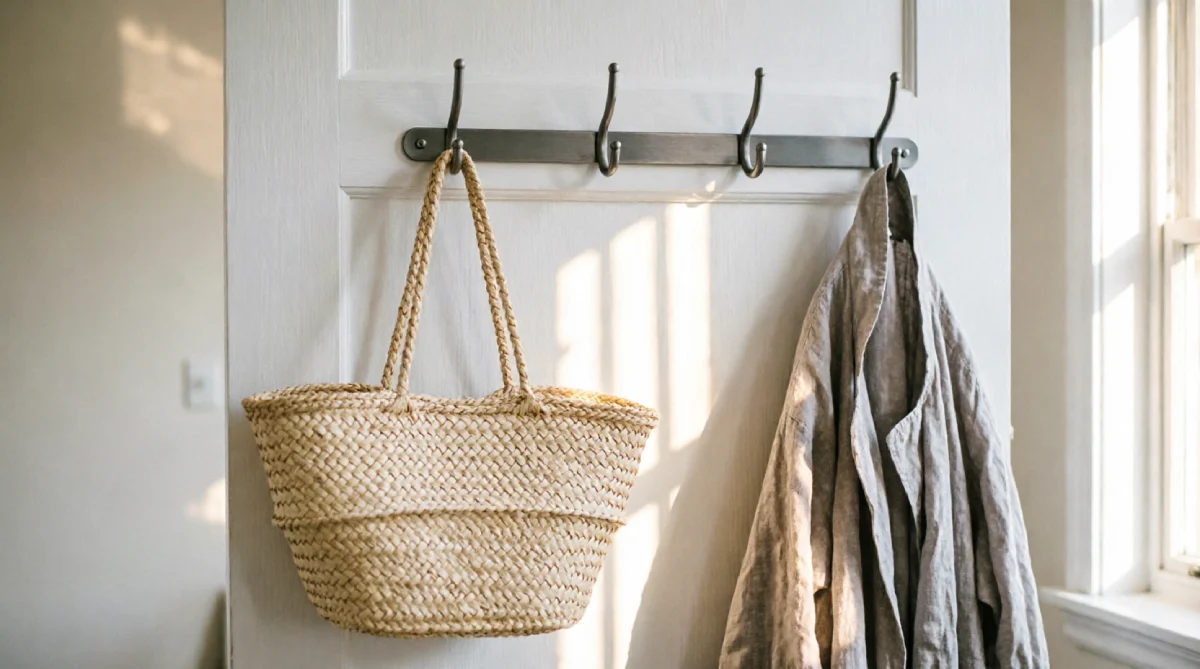
I always rely on the back of the bedroom door for vertical storage that does not damage walls. In summer, this spot holds lightweight robes, damp swimsuits drying flat, or a straw tote used for weekend trips. Nothing touches the floor.
I use slim, flat-hook racks that allow the door to close fully without rubbing the frame. Metal hooks hold more weight than plastic and do not snap under the strain of wet towels. This small addition removes clutter from chairs and doorknobs instantly.
I once draped a damp beach cover-up over the closet door handle every afternoon. The wood finish started wearing away by August. Switching to an over-the-door hook rack saved the door and kept the room looking intentional instead of sloppy.
I suggest choosing hooks with a backplate rather than individual peg styles. They stay more stable when grabbing items quickly. Position them low enough that kids or shorter family members can reach without dragging things off the hook.
4. Downsize to Open-Front Nightstand Baskets
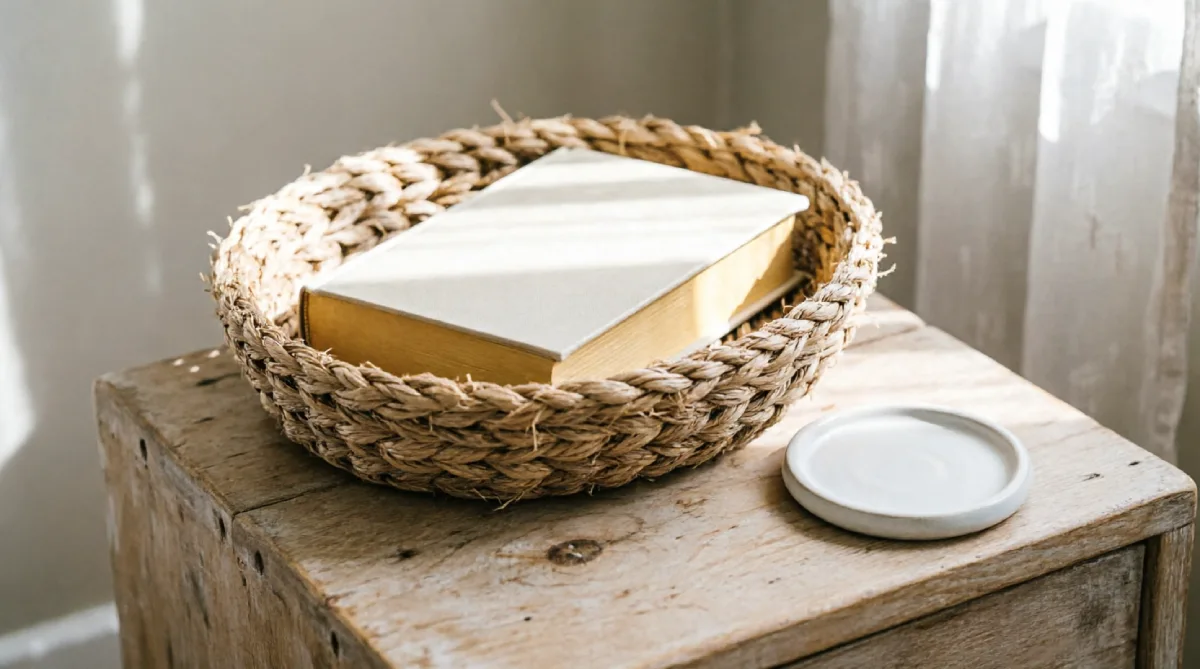
I always swap closed nightstand drawers for open baskets in summer. This forces me to curate what stays at arm’s reach instead of accumulating dead batteries, old receipts, and three half-read books. The open front breathes better and looks less heavy.
I use flat-woven water hyacinth or seagrass baskets that slide directly onto existing shelves. They hold only a lip balm, a single current book, and a phone charger. Nothing else stays. The natural fiber texture adds warmth without visual noise.
I once emptied a nightstand drawer in June and found expired hand cream and a broken watch strap I forgot I owned. The clutter was literally sleeping next to me. Switching to an open basket made me conscious of what I allowed in that zone.
I suggest wiping the basket with a dry cloth weekly. In humid climates, open baskets collect less mustiness than closed drawers. Keep the interior sparse enough that you can see the bottom at a glance.
5. Create a Seasonal Launch Station on a Wall Hook
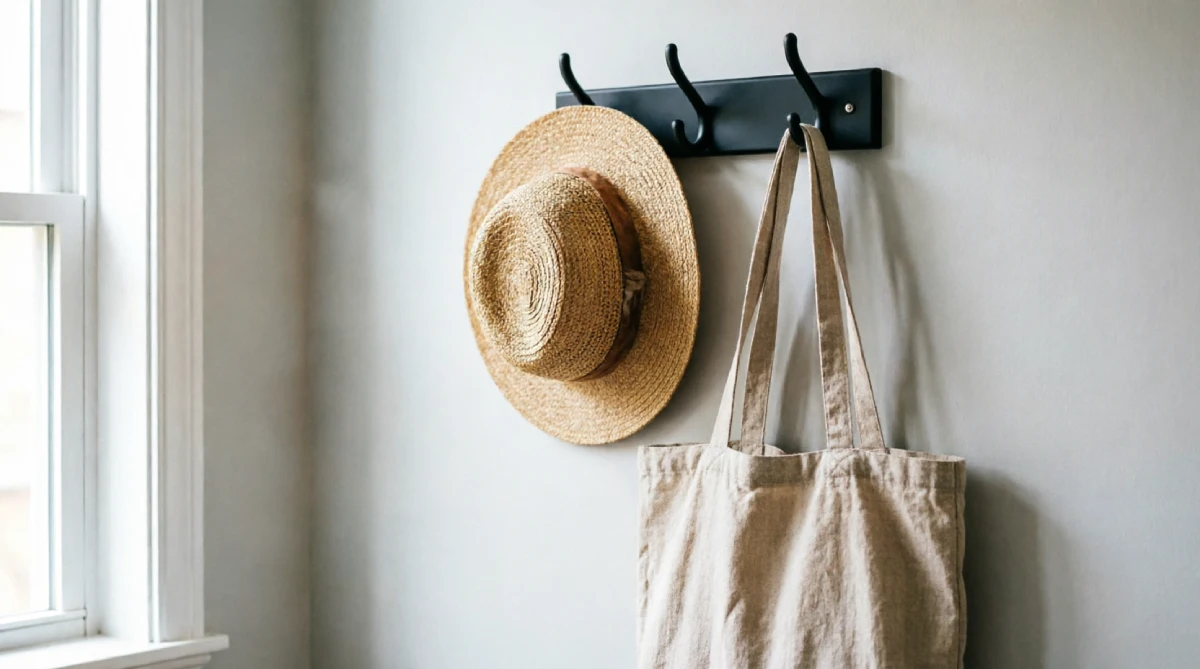
I always install a single decorative hook near the bedroom door specifically for summer gear. A floppy sun hat, a crossbody bag, and a lightweight scarf live there. This prevents these items from migrating to the bed or floor.
I use a sturdy hook with a vintage brass or matte black finish that looks intentional, not like temporary dorm-room hardware. The wall becomes a landing strip that corrals high-use items. Mornings run smoother when I can grab and go.
I once tossed my sunhat onto a chair seat every evening. By July, the chair was permanently buried and useless for sitting. Installing one hook reclaimed the chair and kept the straw brim from getting crushed.
I suggest anchoring the hook into a stud or using a quality drywall anchor. Summer hats and bags are light, but the repeated motion of grabbing items loosens cheap hardware fast. Place it at shoulder height for effortless reach.
6. Swap Heavy Curtains for Light Linen Panels
I always pack blackout velvet curtains into vacuum bags by late spring. Heavy window treatments trap heat and occupy visual space, which makes a room feel smaller. Removing them changes the room’s atmosphere overnight.
I use unlined linen panels that filter golden light beautifully while still providing privacy. They fold back tightly against the rod, so the window frame feels wider. The lighter fabric stack uses less wall width and lets the architecture show.
I once left insulated drapes up through August. The room stayed dark and stuffy, and the fabric held onto humidity. Swapping to linen the next summer made the room feel like a seaside cottage instead of a cave. Temperature and mood shifted together.
I suggest storing curtain panels flat or rolled, not folded sharply, to prevent crease marks that resist steaming. Label the bag with the room name and season so they reappear in November without a search mission.

7. Use Stackable Shoe Shelves for Sandals
I always remove cold-weather boots from the bedroom floor by June. They get cleaned, stuffed with tissue, and stored high on a closet shelf. The floor space they occupied transforms into breathing room.
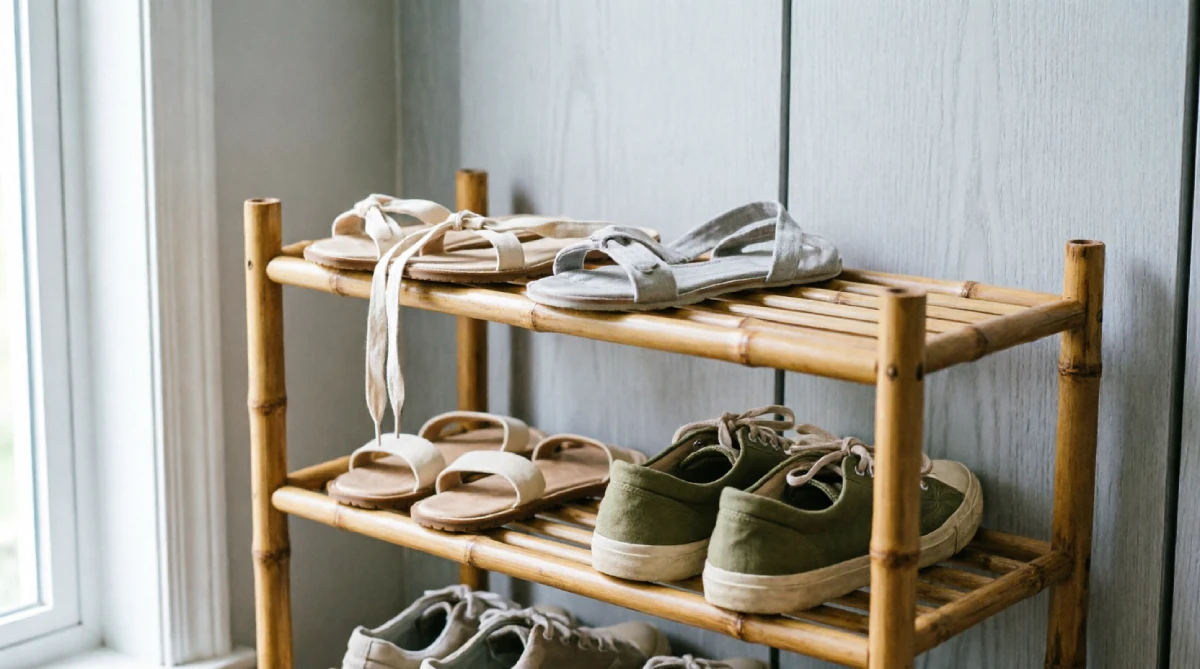
I use slim, stackable bamboo shoe shelves for summer sandals and canvas sneakers. These low-profile racks slide against the wall under hanging clothes and keep pairs paired without toppling. The open design lets sandy soles dry out.
I once left a pile of flip-flops scattered by the closet door. Stepping on them barefoot at night became a hazard, and they collected dust unevenly. The simple shelf gave each pair a designated slot, which ended the midnight obstacle course.
I suggest choosing shelves with a slight lip on the front edge. This keeps slide sandals from skating off onto the floor when you bump the unit. Place the shelf perpendicular to the hanging rod so it does not block access to clothes.
8. Designate a Single Drawer for Swimming Essentials
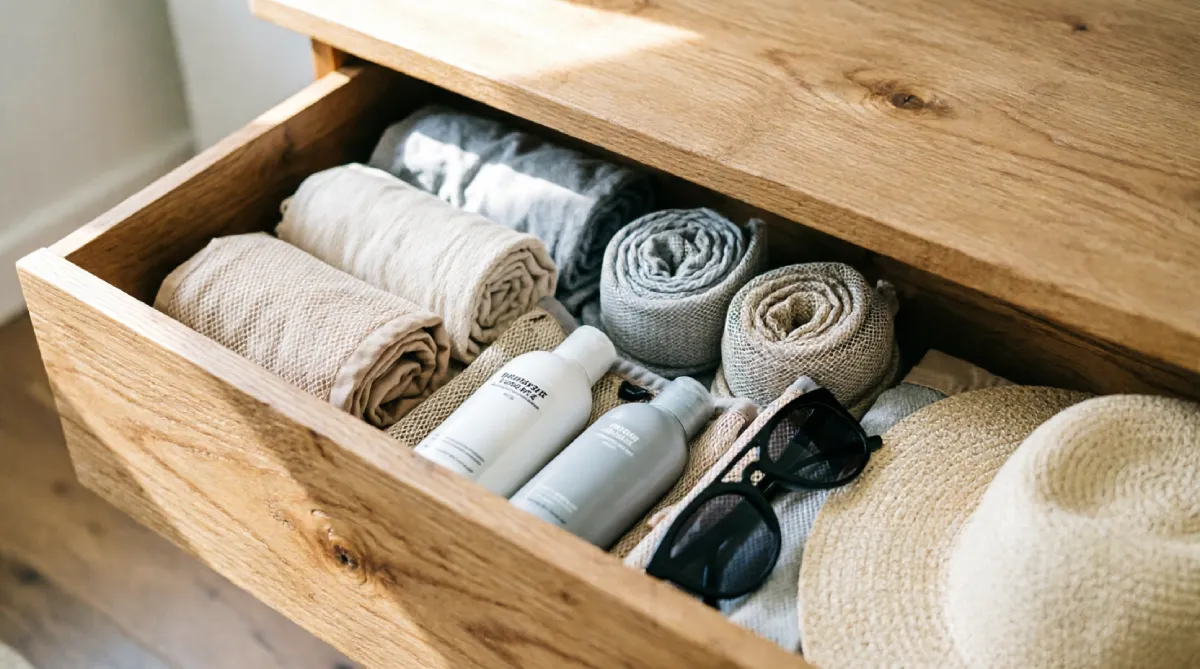
I always dedicate one shallow drawer entirely to summer water items: swimsuits, waterproof sunscreen sticks, and a quick-dry towel. Everything lives in one spot, so I never tear apart a dresser searching for a pair of trunks.
I use small mesh pouches inside the drawer to separate wet items from dry ones after a spontaneous lake trip. The mesh breathes and prevents mildew in a way plastic zipper bags do not. The system takes thirty seconds to restock.
I once stored sunscreen in a bathroom cabinet and swimsuits in a bottom drawer. Every pool trip involved walking through three rooms, gathering supplies. Consolidating into one location eliminated the scattered, frantic search.
I suggest lining the bottom of the drawer with a thin, washable cotton mat. Inevitably, a damp item sneaks in, and the liner absorbs residual moisture better than raw wood or veneer. Swap the liner out weekly.
9. Float Nightstands to Free Floor Area
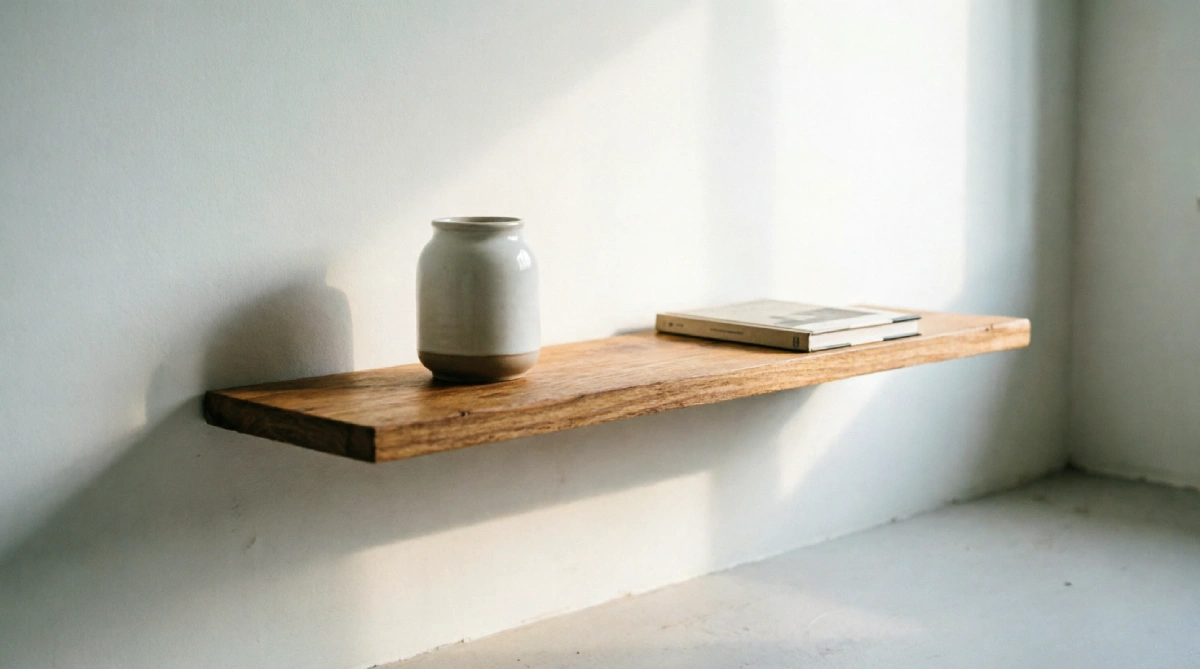
I always mount nightstands on the wall when the bedroom square footage is tight. Floating shelves with a single drawer or ledge provide the same function as a bulky table but allow the vacuum to glide underneath uninterrupted.
I use deep wooden floating shelves rated for at least thirty pounds. They hold a water glass, a book, and a small lamp without wobbling. The visible floor below creates an optical illusion of more space, which helps a summer room feel uncrowded.
I once replaced a chunky nightstand with a simple floating shelf. The footprint difference was only a few inches, but the visual release against that wall was immediate. The room felt wider without furniture legs breaking the line of sight.
I suggest hiding a small cable management clip underneath the shelf edge. Charging cords stay accessible but off the visible surface. Paint the clip the same color as the wall so it disappears.
10. Implement a One-In-One-Out Drawer Rule
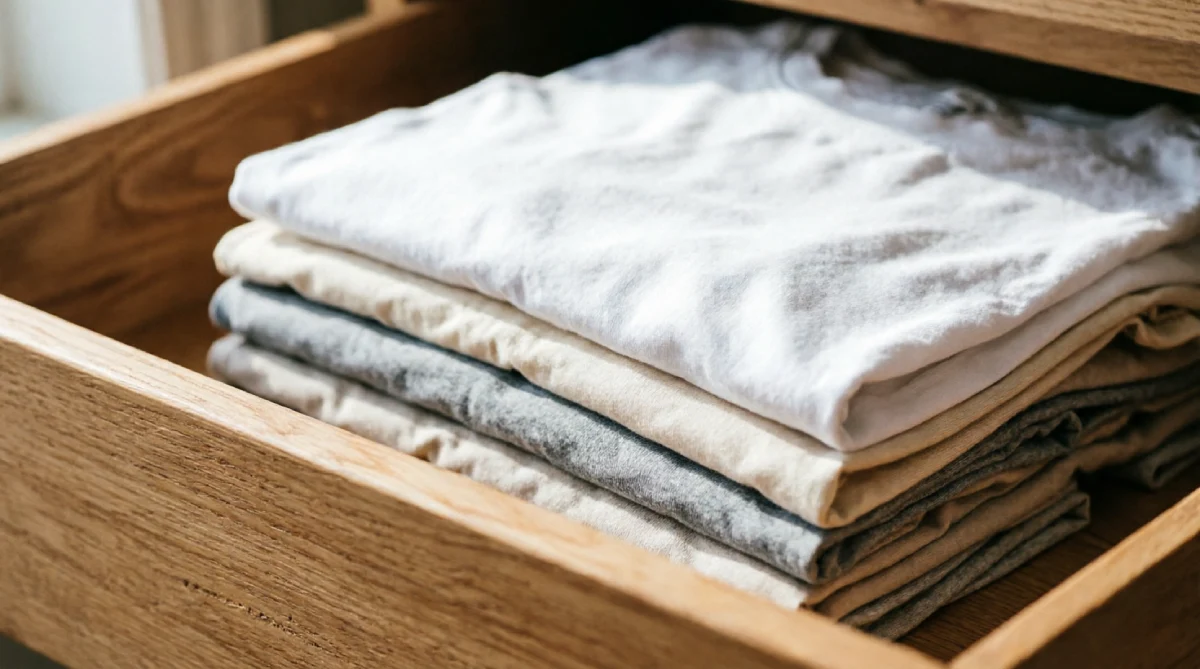
I always apply a strict one-in-one-out rule to dresser drawers at the start of summer. A new pair of linen shorts means an old pair of frayed cutoffs gets donated or trashed. Drawers stop expanding; they hold steady.
I use this rule primarily for t-shirts, sleep shorts, and workout gear. These categories breed rapidly in warm weather because the laundry cycle speeds up. Without boundaries, soft cotton piles become unmanageable in weeks.
I once counted seventeen tank tops in a drawer. I wore maybe five of them. The rest just added bulk that made folding and closing the drawer frustrating. Removing the excess made getting dressed faster and less irritating.
I suggest doing the cull on the same day you rotate seasonal clothing. Put a donation bag directly in the room. The rule works immediately when you can see the full pile of what you actually own.
11. Store Jewelry on a Wall-Mounted Magnetic Bar
I always remove jewelry boxes from dresser tops in summer. Felt-lined cases collect dust and take up surface area better left open. Wall-mounted magnetic bars or simple hook rails keep everyday pieces tangle-free and visible.
I use a slim wooden magnetic strip mounted inside the closet or on a blank wall near the mirror. Necklaces hang without knotting, and earrings attach directly to the surface. The vertical display prevents the frantic morning search.
I once kept a deep jewelry box that held items I never wore alongside everyday chains. Everything became a tangled mess. Moving to a wall display exposed how few pieces I actually used and freed up an entire dresser corner.
I suggest placing the magnetic bar at eye level near where you dress. The convenience factor is what makes the system stick. Keep only warm-weather jewelry accessible and store darker, heavier pieces out of sight.

12. Add a Slim Rolling Cart for Nighttime Essentials
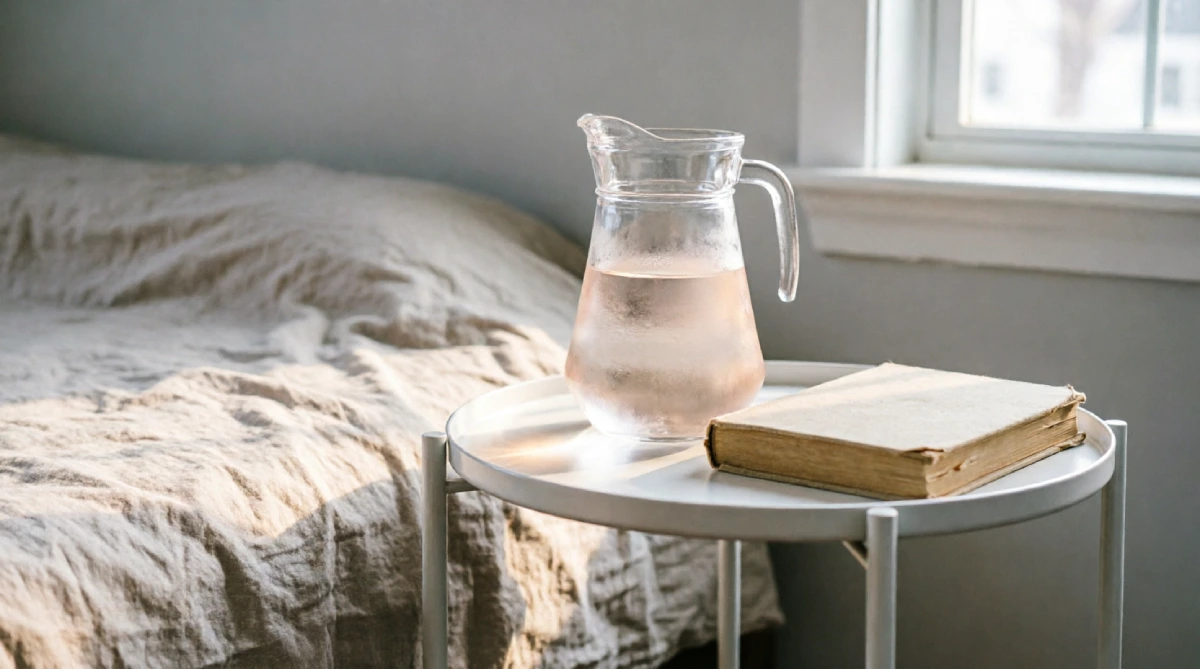
I always recommend a slim rolling cart for narrow gaps between the bed and wall. Summer brings extra items like bug spray, after-sun lotion, and a cold water bottle. A cart keeps them at hand without cluttering the bedside surface.
I use a white metal cart with three open tiers. The wheels lock, so it stays put when I reach for something at midnight. Each shelf holds a specific category: skin comfort, hydration, and a small stack of reading material.
I once balanced a bottle of aloe vera gel, a paperback, and a glass of water on a tiny nightstand. Something fell every single night. The rolling cart absorbed all that overflow and left the nightstand clean and calm.
I suggest measuring the gap precisely and choosing a cart at least two inches narrower. You need clearance, so sheets and blankets do not snag on the cart edge when making the bed. Powder-coated metal withstands humidity better than raw wood.
Practical Tips
- Label every stored bin with a removable label or masking tape, noting what is inside and the season it belongs to.
- Use breathable cotton or mesh storage bags for fabrics instead of plastic bins in humid regions to prevent mildew.
- Remove one piece of furniture from the bedroom for summer if floor space feels tight; a bench or extra chair often suffices.
- Schedule a ten-minute weekly reset where hats, tote bags, and sandals return to their designated hooks or shelves.
- Keep a small donation box in the closet so items that fail the one-in-one-out test leave the room immediately.
Common Mistakes to Avoid
- Storing heavy winter items in cardboard boxes directly on the basement or garage floors where moisture wicks up and ruins fabric.
- Overloading over-the-door hooks so the door cannot latch properly, which creates a safety and privacy issue.
- Keeping all-season decor out of guilt, which creates visual stagnation and kills the seasonal refresh feeling summer offers.
- Using deep, opaque bins under the bed that get pushed back and forgotten entirely because you cannot see the contents.
- Forgetting to dust or wipe open baskets and shelves, which allows grime to build up fast when windows stay open in summer.
Comparison Table
| Feature | Best Option | Why It Works |
|---|---|---|
| Under-Bed Storage | Clear shallow rolling bins | Visibility prevents forgotten items; wheels allow easy access without heavy lifting. |
| Door Storage | Slim metal over-the-door hook rack | Uses vertical dead space without permanent installation and holds substantial weight safely. |
| Nightstand Surface | Floating shelf nightstand | Frees visible floor area for an uncrowded look and simplifies cleaning underneath. |
| Jewelry Organization | Wall-mounted magnetic bar | Eliminates box clutter, keeps summer pieces tangle-free, and turns jewelry into wall decor. |
| Bedside Overflow | Narrow three-tier rolling cart | Absorbs seasonal items like lotions and sprays without choking the main nightstand surface. |
FAQs
What is the best way to store winter bedding during summer?
Vacuum-sealed bags placed in flat under-bed bins work effectively. The compression reduces volume, and the bin protects the bag from punctures. Store them in a cool, dry area away from direct sunlight. A hall linen closet works better than a humid basement.
Can I use these storage ideas in a rental apartment?
Yes, most ideas rely on non-damaging solutions like over-the-door hooks, free-standing rolling carts, and removable shelf liners. Floating shelves may require permission and patching upon move-out, so prioritize alternatives if drilling causes lease issues.
Is it expensive to implement summer storage changes?
The core ideas cost very little. Rolling bins, wall hooks, and mesh pouches are budget items. The biggest investment might be floating shelves or linen curtains, but even those have affordable options that deliver the same functional result.
How do I keep open storage like baskets, from looking messy?
Limit items in the basket to three or fewer objects and choose colors that blend with the room. A monochromatic stack of books or a single throw blanket looks curated. Space is part of the aesthetic, so do not pack the basket full.
Does removing heavy curtains really make a room cooler?
Heavy fabrics trap heat radiating through windows. Replacing them with light, unlined linen allows airflow and reflects less heat into the room. I notice the temperature difference most in late afternoon when the sun hits the window directly.
Conclusion
These storage adjustments focus on practical swaps that respond to how a bedroom actually functions in summer. Removing winter layers, using vertical spaces, and culling deep drawers cuts physical and visual weight quickly. The result is a room that feels easier to inhabit during long, warm days. I suggest starting with the bedding rotation and a single hook for your sun hat. Small wins build momentum. You will notice the shift in atmosphere before the season ends.
