

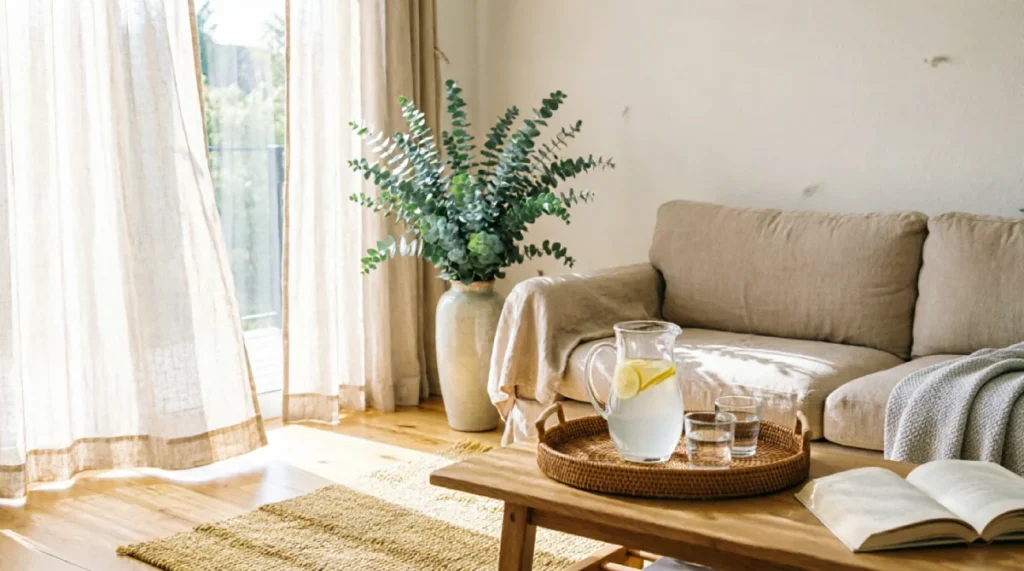
I know how a living room can feel heavy and stale once the weather warms up. Dark throws, heavy curtains, and cluttered surfaces make the space feel suffocating rather than welcoming. I focus on simple, reversible changes that take a weekend at most. You don’t need a renovation budget or a professional designer to pull this off.
This guide shares 15 practical summer living room styling ideas I’ve used in real homes, covering everything from fabric swaps to lighting adjustments. Each one creates a fresher, cooler, and more breathable space.
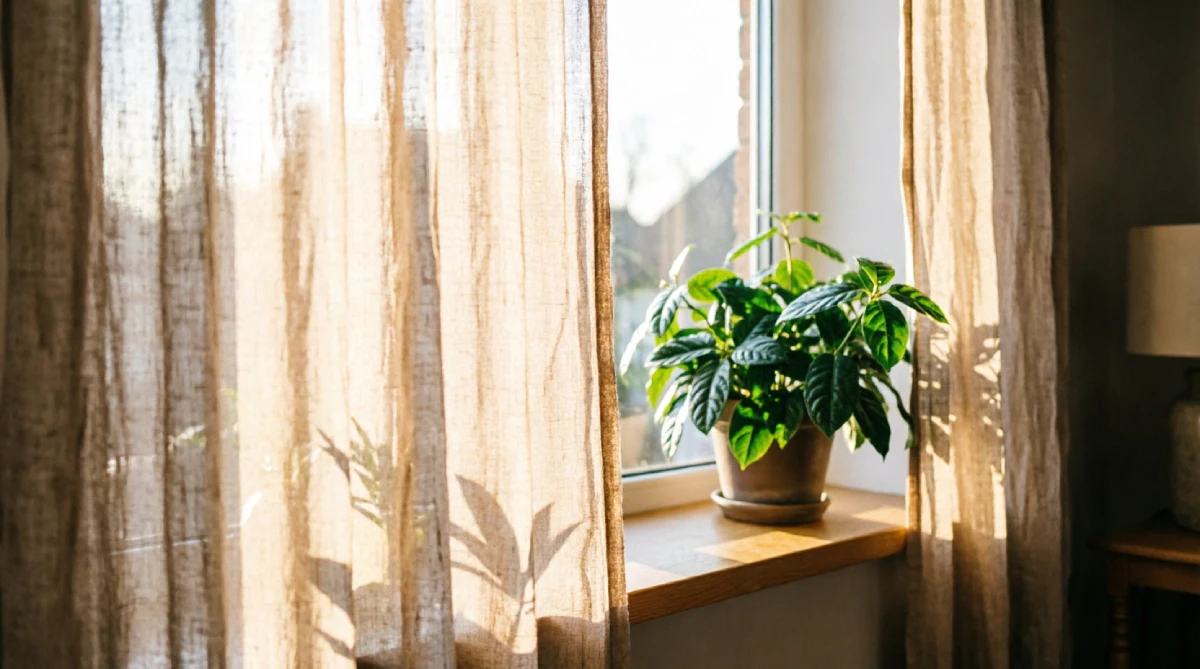
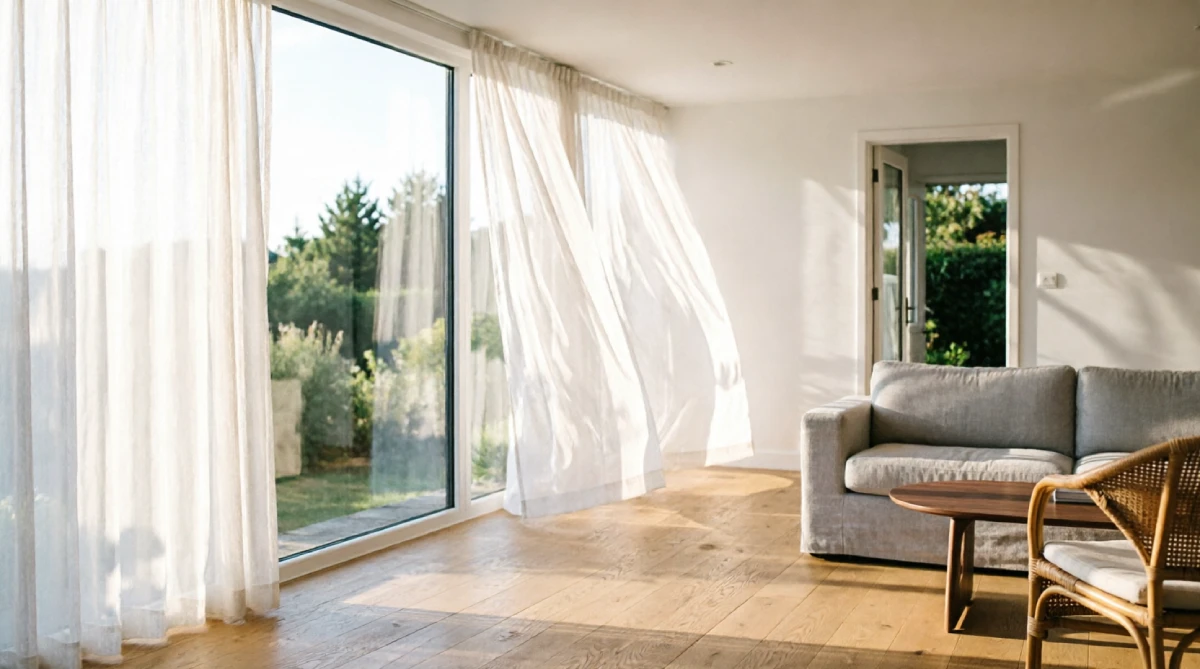
1. Swap Heavy Curtains for Linen Panels
I always pack away velvet or blackout drapes by late spring and hang unlined linen panels instead. The fabric filters sunlight into a soft, diffused glow that changes the entire mood of the room. Heavy window treatments trap heat and block natural air circulation.
I use light neutral linen in shades like oatmeal, flax, or soft white. The texture adds visual softness without weighing down the window frame. Linen’s natural slub texture hides wrinkles, so the panels look relaxed rather than messy. This swap alone drops the visual temperature of a room instantly.
I once helped a friend swap her chocolate brown polyester curtains for simple cream linen panels. She called me the next day, saying her living room felt five degrees cooler, which was partly psychological but also partly because the dark fabric wasn’t absorbing the afternoon sun anymore.
I suggest mounting the rod four to six inches above the window frame and extending it wider than the window itself. This lets panels stack back fully off the glass, maximizing natural light during the day. Choose rod-pocket or back-tab styles for the most relaxed drape.
2. Roll Up Jute or Sisal Rugs
I always roll up wool and shag rugs when summer hits and either expose bare hardwood floors or swap in a flat-woven jute or sisal rug. Wool rugs insulate too well for warm months, and deep pile holds onto dust and pet dander when windows stay open.
I use jute rugs with a tight weave and a natural beige tone. The texture feels grounded and organic, and the lack of pile makes the floor feel cool underfoot. Bare floors with just a border rug also make a room feel larger, which is helpful when summer gatherings bring more people into the space.
I noticed that rooms with wool rugs feel visually heavier in photos and in person starting around May. Once I convinced a client to roll up her dark Persian rug for the season, she admitted the room finally felt like it could breathe. The rug went back in October and felt like a cozy reunion.
I suggest storing rugs properly by having them professionally cleaned first, then rolled with moth-repellent cedar sachets inside. Don’t fold them, as creases become permanent. For a bare floor look, add one small cotton flatweave mat near the sofa for definition.
3. Switch to Slipcovers in Washed Cotton
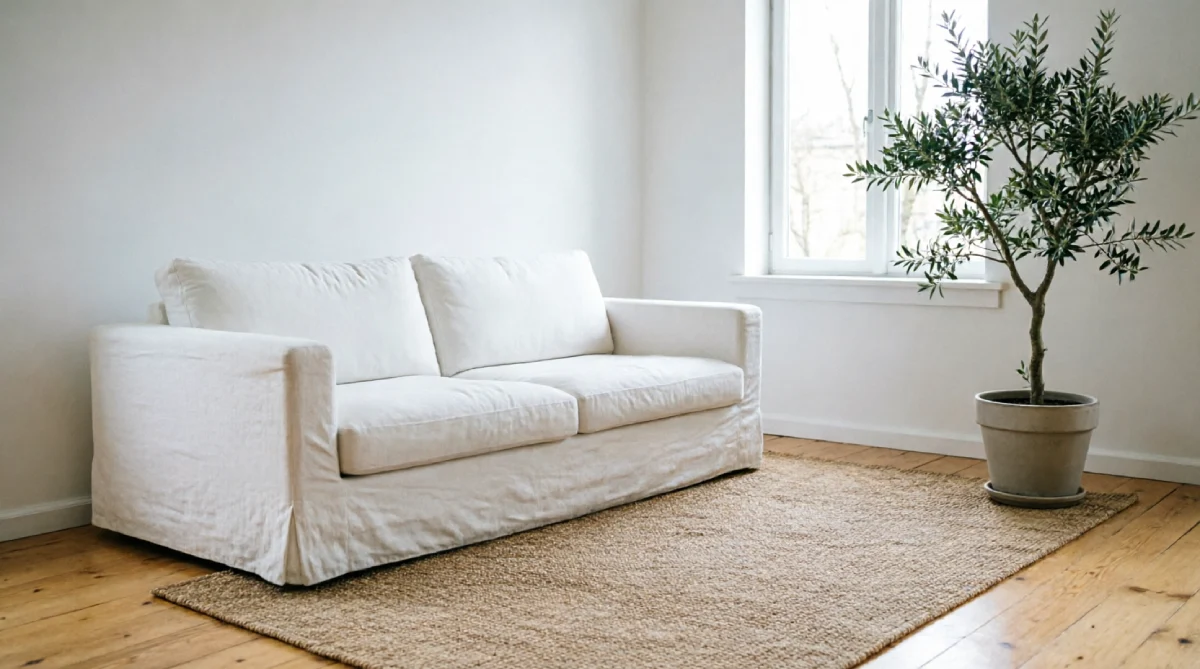
I always keep a set of washable cotton slipcovers for key pieces like the sofa or an armchair. Dark upholstery absorbs light and heat, making the entire seating area feel heavier. A white or pale gray slipcover changes the tone of the room immediately.
I use pre-washed cotton canvas or cotton-linen blend slipcovers because they soften with every wash and don’t require ironing. The relaxed, slightly rumpled look fits summer’s easygoing pace. Spills and sandy feet become non-issues when you can toss the cover into the laundry.
I once fitted an old brown velvet armchair with a tailored white cotton slipcover for a beach cottage project. The chair went from being the darkest spot in the room to the brightest, and the owner started sitting there every morning with coffee. That one change shifted how she used the entire room.
I suggest measuring your furniture carefully and choosing slipcovers with separate cushion covers rather than one-piece shells. Separate covers maintain their shape better and stay tucked in. Wash them once before first use to start the softening process.
4. Pack Away All Fake Greenery
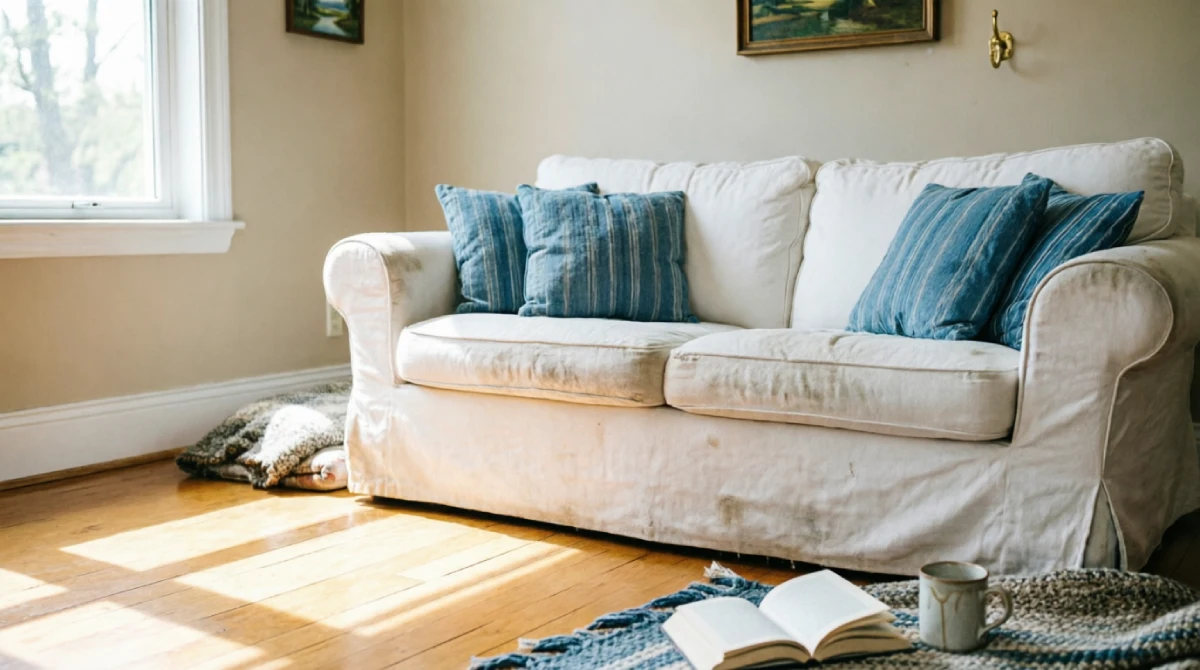
I always remove artificial plants and fake florals from the living room once real greenery is available outside. Plastic leaves collect dust, fade in direct sunlight, and look especially artificial next to an open window showing actual leaves moving in the breeze.
I use nothing decorative that pretends to be alive. Instead, I focus on one or two real plants and leave the rest of the surfaces clean. Summer is when you can bring in fresh-cut branches or garden clippings for free, so fake greenery serves no purpose and actively cheapens the room’s look.
I noticed during a decluttering session that a client’s living room felt instantly more authentic once we removed every fake orchid, faux vine, and plastic succulent. The surfaces looked cleaner, and the real fiddle-leaf fig by the window finally got the attention it deserved.
I suggest limiting yourself to one real statement plant and one vase of fresh seasonal cuttings at a time. More than that becomes visual noise. If you struggle to keep plants alive, try a snake plant or ZZ plant, which tolerate neglect and still clean the air.
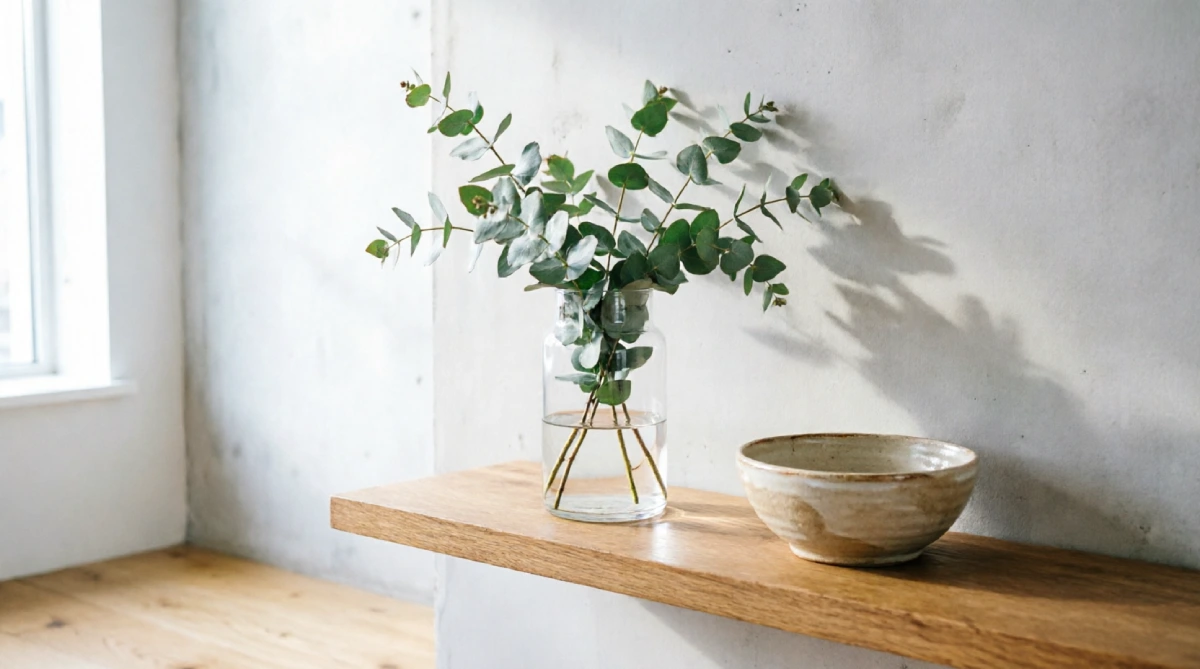
5. Strip Decor Down to Negative Space
I always remove at least one-third of the decorative objects from shelves, coffee tables, and sideboards once summer arrives. The visual density that feels cozy in winter becomes suffocating when temperatures rise. Open, clear surfaces allow the eye to rest.
I use the rule of keeping only items that serve a current function or hold genuine personal meaning. A stack of art books you rarely open, a tray of candles you never light, three small vases doing nothing: those go into storage. The remaining pieces have room to stand out.
I once cleared a client’s fully styled bookshelf down to just books, one ceramic bowl, and a framed photo. She resisted at first but admitted the room finally felt calm. A month later, she couldn’t remember what we’d removed, which proved none of it mattered.
I suggest boxing up the removed items and storing them out of sight for two weeks. If you don’t miss anything, donate the lot. The goal is a living room where surfaces feel breathable, not crammed with stuff you feel guilty about ignoring.
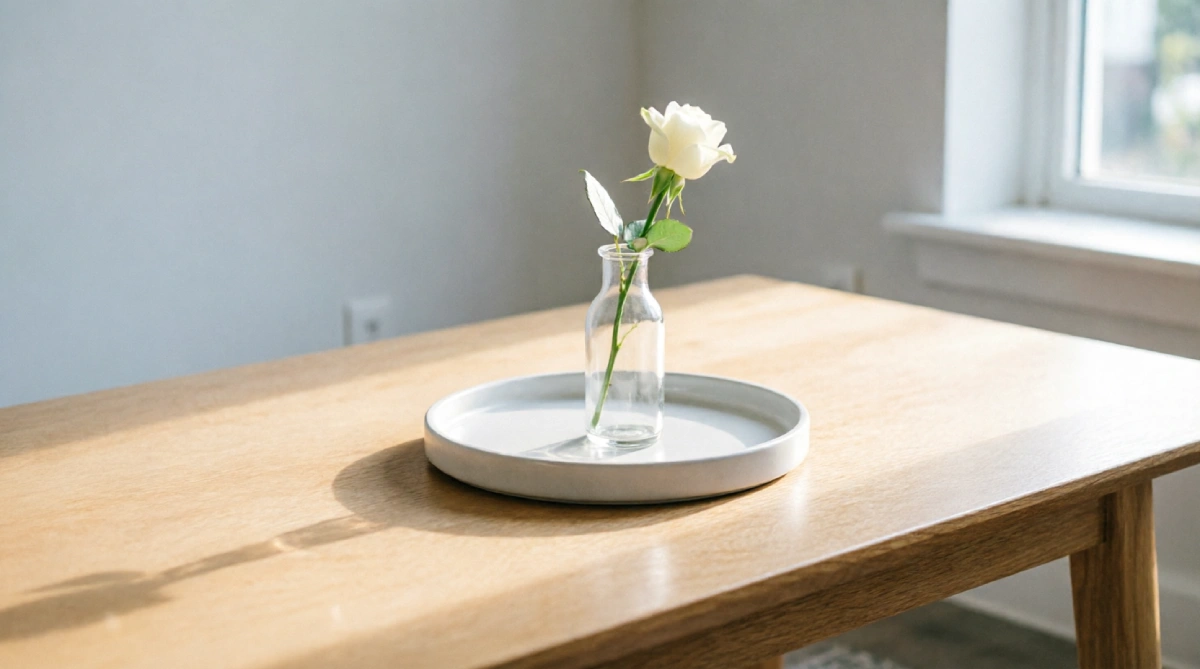
6. Hang a Lightweight Cotton Throw
I always swap thick wool and fleece throws for a single layer of soft cotton or linen draped over the arm of the sofa. You still want something to pull across your legs during a summer evening breeze, but the fabric needs to breathe.
I use open-weave cotton throws with fringe edges or a washed linen blanket in a faded color like dusty blue, sage green, or warm sand. These hold their drape nicely and don’t feel sticky against bare skin the way synthetic fleece does in humidity.
I noticed that even in air-conditioned rooms, guests reach for a lightweight layer if one is available. A heavy throw in July gets kicked onto the floor; a light cotton one actually gets used. It also photographs beautifully, draped carelessly over a sofa corner.
I suggest folding the throw loosely rather than rolling it or arranging it too perfectly. A casual fold over the armrest or back cushion reads as inviting rather than staged. Keep one nearby in a woven basket for easy access.

7. Create a Cooling Cross-Breeze Layout
I always rearrange furniture in the summer to clear the path between windows and doors. A sofa blocking the lower half of a window, a console table sitting in front of an air return, or a heavy chair in a doorway limits natural airflow through the living room.
I use a layout that prioritizes function over symmetrical perfection for these few months. I might pull the sofa six inches off the wall or angle a chair away from the window opening, so air moves freely across the room’s length. The difference in comfort is immediate and costs nothing.
I once helped a couple reposition their sectional so it no longer blocked the sliding door to their patio. They called two days later to say the cross-breeze through their living room had never been stronger. They kept that layout year-round after that.
I suggest walking through the room on a breezy day and holding a tissue at key points to see where airflow stops. Move whatever blocks that current. Even small adjustments, like shifting a floor lamp away from a vent, can improve circulation noticeably.
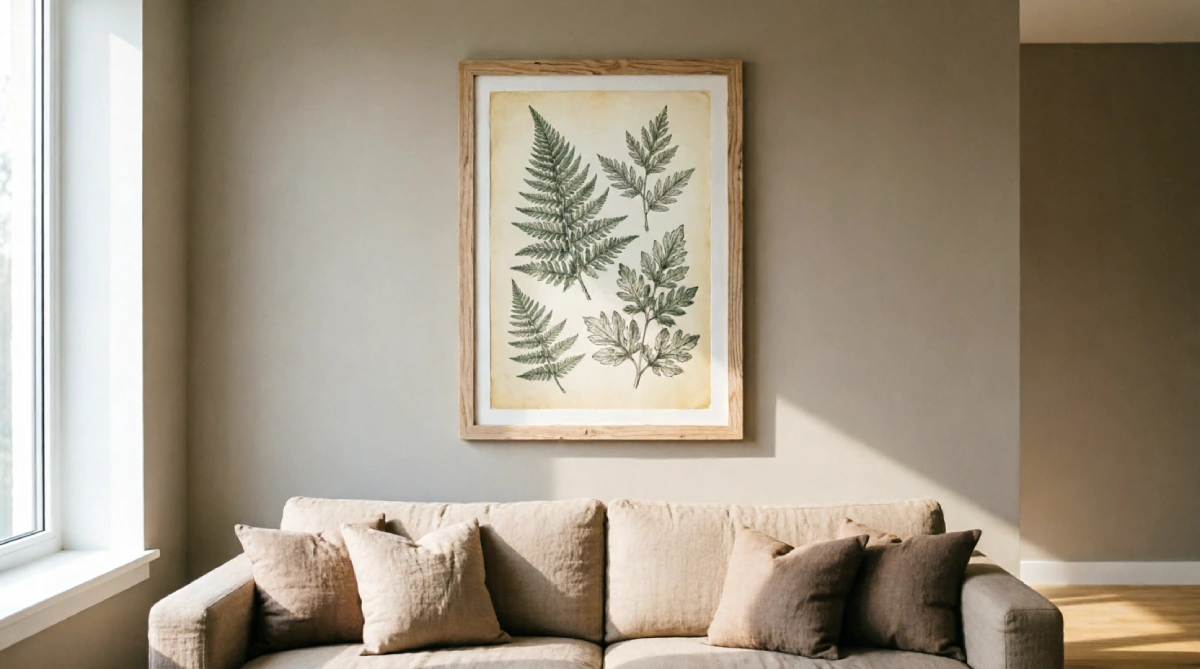
8. Rotate Art to Lighter, Coastal or Botanical Pieces
I always rotate framed art seasonally. Dark, moody oil paintings or heavy abstract pieces in deep tones feel like carrying a winter coat indoors. For summer months, I switch to lighter pieces: botanical prints, coastal watercolors, or simple line drawings in pale frames.
I use the same hooks and frame sizes, so swapping takes ten minutes without extra hardware or new holes in the wall. The change refreshes the room visually, and the darker art returns in the fall, feeling fresh again. This rotation also protects light-sensitive pieces from prolonged summer sun exposure.
I noticed that a client’s living room, which previously felt serious, felt uplifting after we hung a pair of fern cyanotype prints in light oak frames. She said the room finally matched her mood and the season outside her windows.
I suggest storing off-season art in a flat under-bed box with acid-free tissue between each piece. Label the box clearly. In summer, lean lighter pieces toward botanical imagery, beach scenes, or abstract work with plenty of white space and soft greens or blues.
9. Add a Folding Screen for Portable Shade
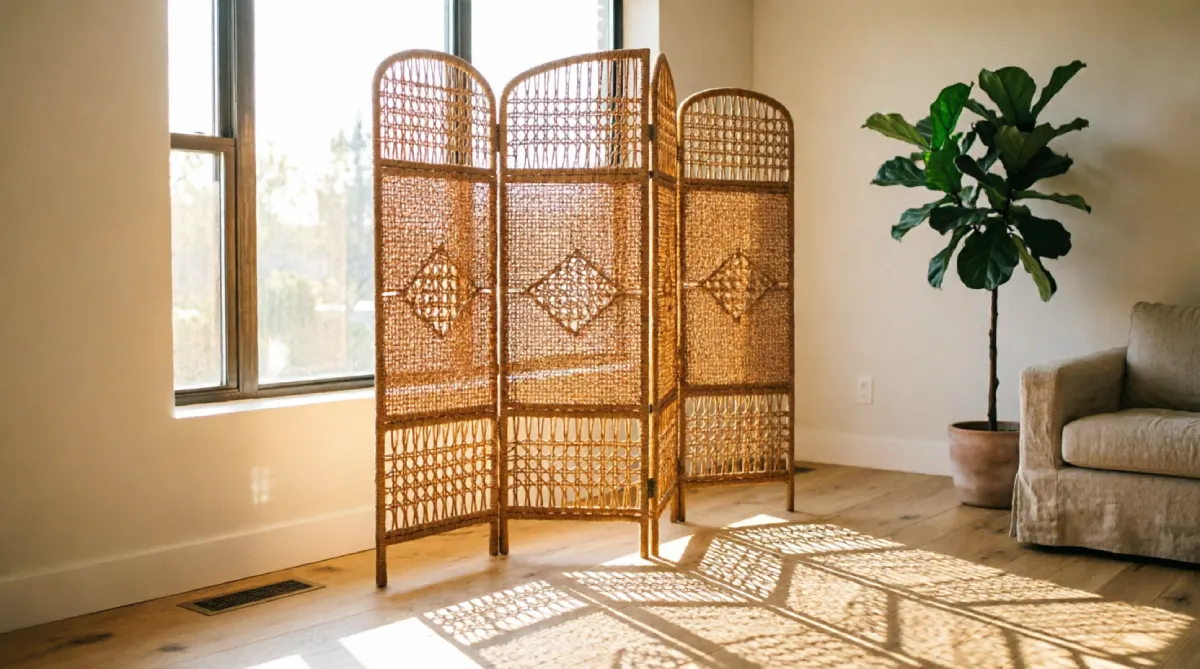
I always keep a lightweight wooden or rattan folding screen handy in summer. Direct afternoon sunlight through west-facing windows can make a seating area unusable and fade upholstery fast. A screen blocks the harshest rays without installing permanent window film.
I use a three-panel rattan screen with an open weave. It cuts the glare and heat significantly but still lets some light through, creating interesting shadow patterns on the floor. Positioned between the window and your main seating spot, it acts like a portable shade.
I once set up a simple bamboo screen in front of a west-facing window for an elderly client whose favorite reading chair sat in brutal afternoon sun. The screen dropped the temperature in that corner enough for her to use the chair again without turning the AC down for the entire house.
I suggest choosing a screen that folds flat for storage so you can put it away entirely on overcast days or during evening hours. Look for one tall enough to block light at your seated eye level, typically at least five and a half feet high.
10. Bring In Fresh-Cut Branches Instead of Bouquets
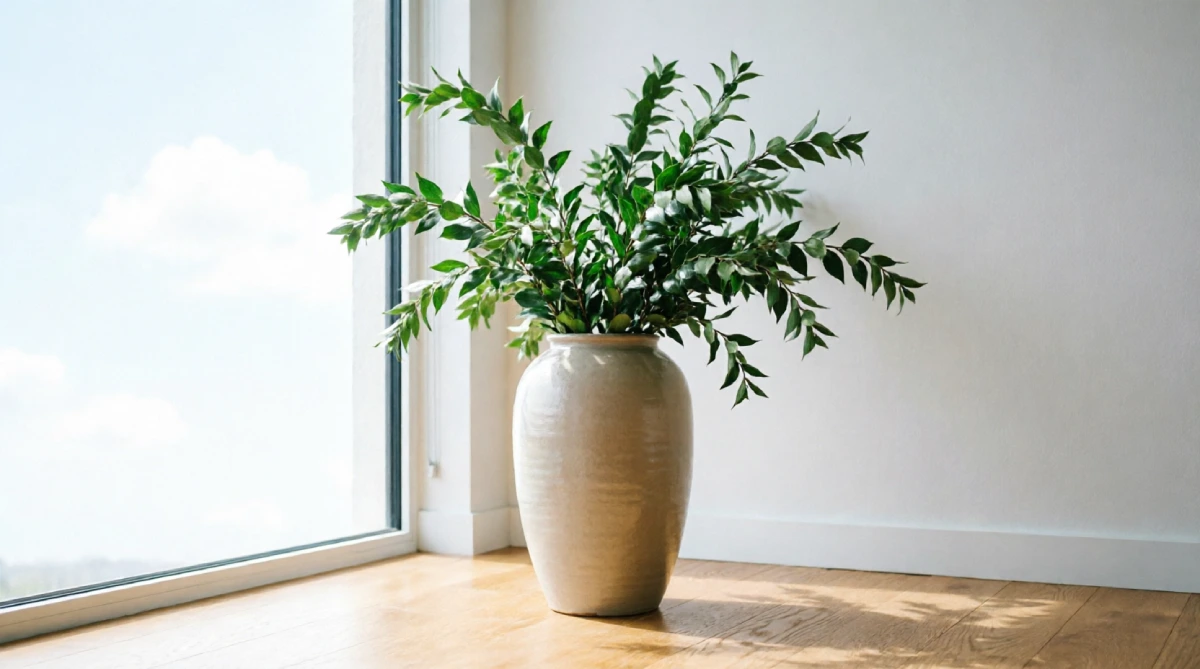
I always skip grocery store flower bouquets in the summer. They wilt fast in the heat, cost more than they should, and often travel thousands of miles wrapped in plastic. Instead, I cut branches from whatever is growing outside: olive, eucalyptus, dogwood, or even overgrown rosemary.
I use a tall, heavy-based ceramic or stoneware vase that won’t tip under the weight of long branches. The scale is dramatic but costs nothing. A single branch of flowering quince or a few leafy maple stems makes the living room feel connected to the season right outside.
I once cut three long branches from an overgrown crepe myrtle in a client’s backyard and placed them in a simple floor vase by the fireplace. They lasted three weeks and looked stunning as they slowly dried. The client said it was her favorite thing in the room, and it didn’t cost a cent.
I suggest cutting branches at a sharp angle and splitting the stem ends with a knife so they drink water more efficiently. Change the water every three days, and keep the vase out of direct sun, which speeds up leaf drop.
11. Swap Dark Lampshades for White or Woven Shades
I always change out lampshades seasonally. Dark fabric shades in charcoal, navy, or black absorb light even when the lamp is on, creating a dim cave effect that fights the summer brightness outside. Summer calls for shades that reflect and diffuse light.
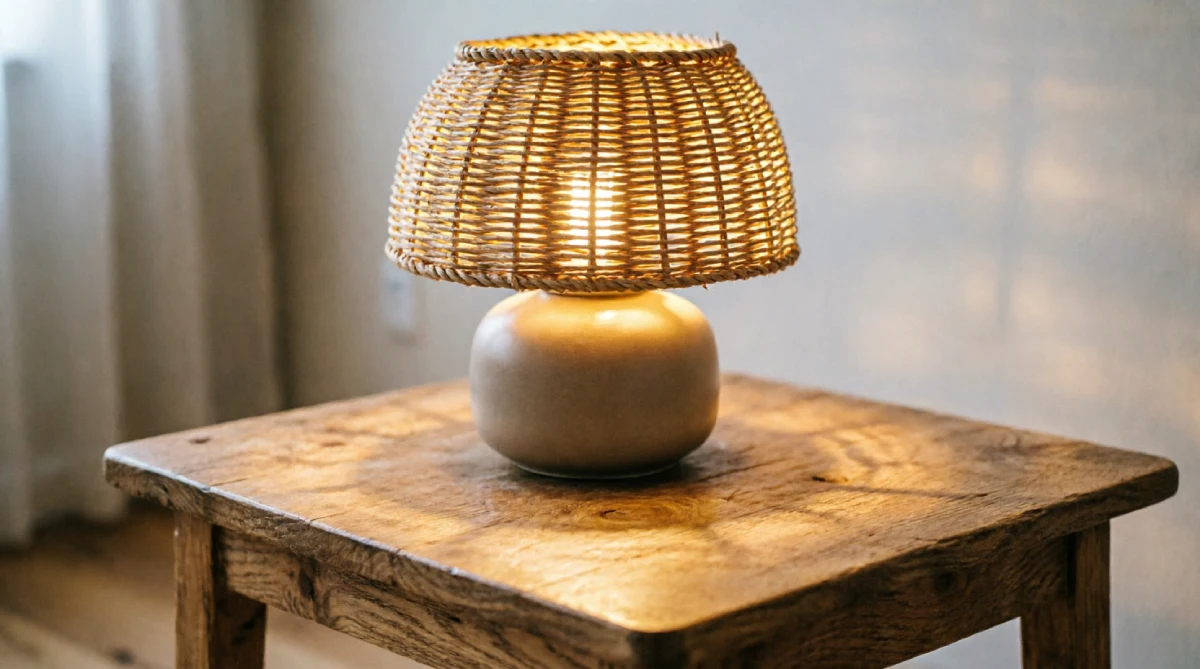
I use white linen drum shades or natural woven rattan shades that let light pass through the material itself. The lamp becomes a source of soft, warm glow rather than a dark object in the corner. Rooms feel airier and lamps appear more like decor and less like necessary hardware.
I once replaced three dark gray drum shades in a client’s living room with simple off-white cotton-cotton blend shades from a home improvement store. The entire room lifted visually. She said it felt like we’d repainted, but it was just the shades changing how light bounced around the space.
I suggest measuring your lamp base height and harp size before buying replacement shades. The bottom of the shade should cover the bulb socket and harp without exposing any hardware. Stick to natural fiber or pale fabric, and avoid shiny interior metallic liners that create glare.
12. Set Up a Bar Cart with Hydration in Mind
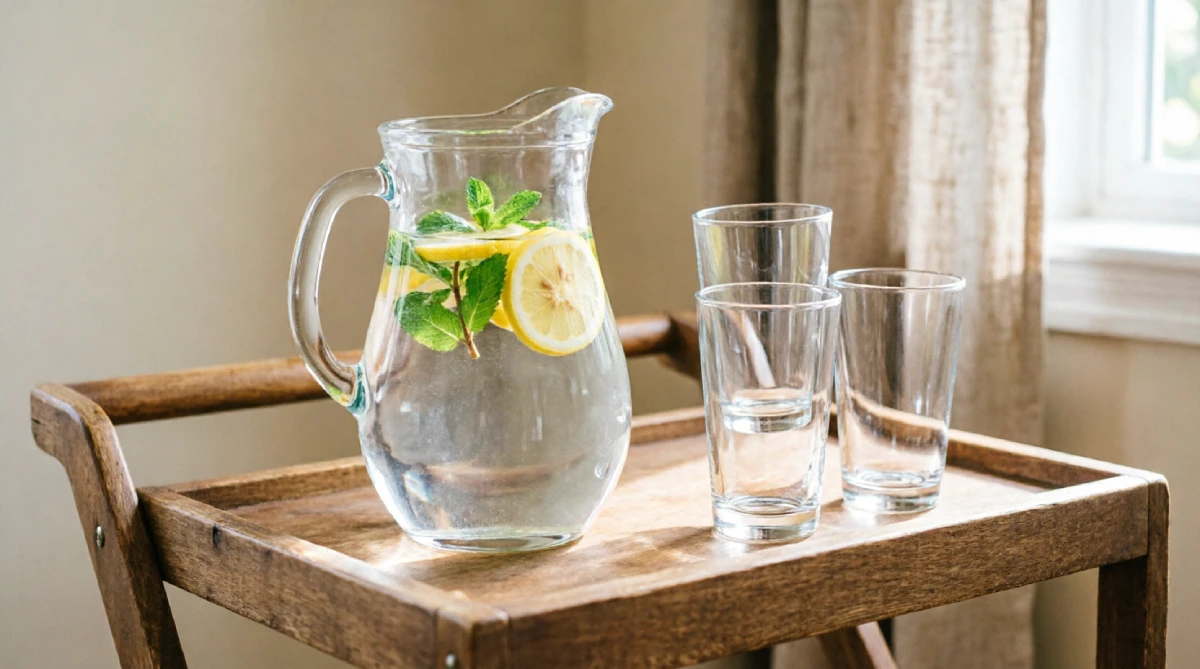
I always repurpose a console table or dedicated bar cart into a summer hydration station. In winter, the same cart might hold whiskey and heavy glassware. For summer, I stock it with a large glass water dispenser, fresh citrus slices, mint sprigs, and lightweight tumblers.
I use a simple glass beverage dispenser with a spigot so family members or guests can refill without going to the kitchen. Adding cut lemons, limes, cucumber slices, or fresh mint makes plain water feel like a treat. The visual of filled water glasses keeps hydration top of mind in the heat.
I noticed during a summer gathering that guests gathered around the water station and lingered in the living room longer, rather than migrating to the kitchen for drinks. The cart became a subtle social anchor that kept the flow of the gathering in one comfortable space.
I suggest placing the cart away from electronics and near a serving tray with stacked lightweight acrylic or bamboo tumblers. Refill the dispenser each morning and add fresh herbs so the water tastes bright and never stale. A small towel underneath catches condensation drips.
13. Reflect Light with Mirrors Placed Strategically
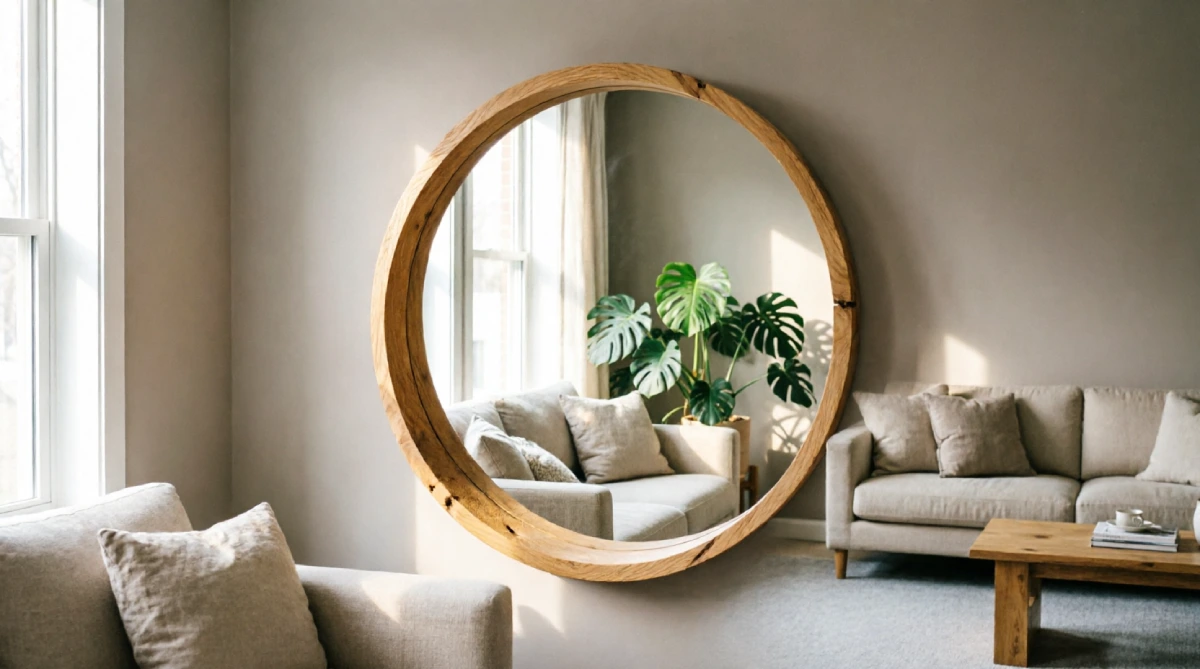
I always use mirrors to amplify natural summer light, but placement matters more than size. A mirror hung directly across from a window bounces light straight back outside. Hung on an adjacent wall, it throws light deeper into the room’s darker corners.
I use a large, simple-framed mirror on the wall perpendicular to the brightest window. The reflection catches side light and spreads it across the seating area, making the space feel larger and brighter without the harsh direct glare of the window itself falling in your eyes while reading.
I once repositioned a heavy gilded mirror from a client’s mantel to the wall beside her sliding glass door. The room instantly felt wider, and the previously dim hallway opening off the living room finally received usable reflected light during afternoon hours.
I suggest experimenting with a handheld mirror before committing to hanging anything heavy. Hold it at different heights and positions on the wall during the brightest part of the day to see where the light lands best. Then mark the spot with a pencil and hang your mirror there.
14. Layer in Quick-Dry Outdoor Cushions Indoors
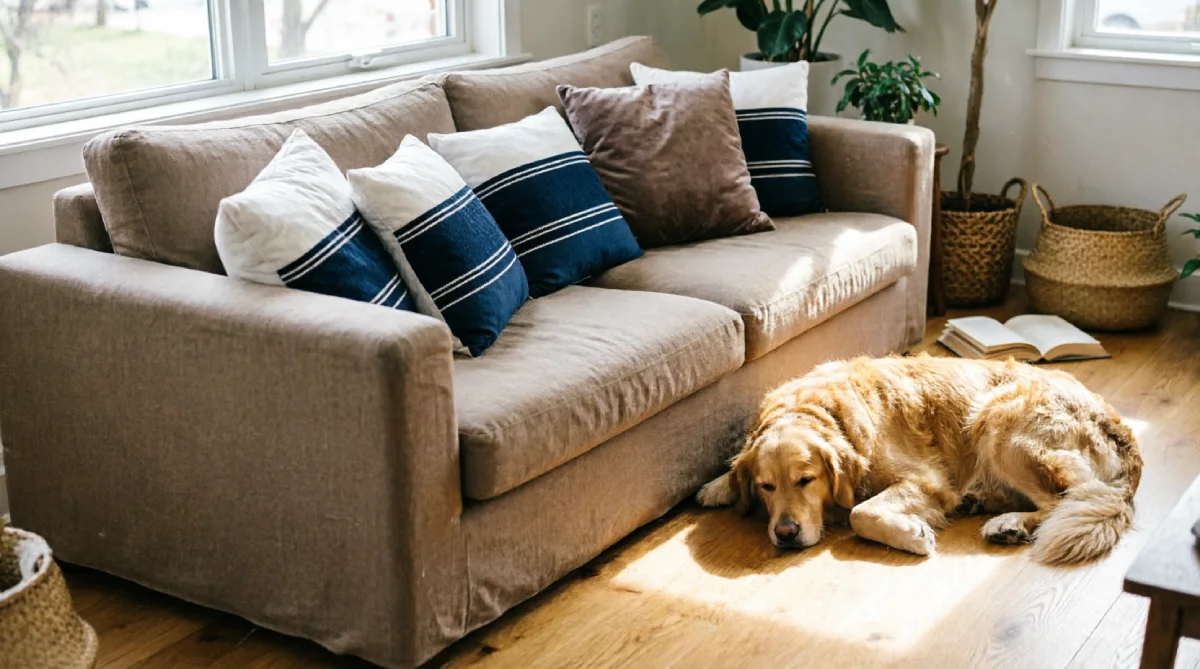
I always borrow from outdoor furniture collections during summer, especially for households with kids, pets, or a pool nearby. Outdoor cushions are made from solution-dyed acrylic or polyester fabrics that resist moisture, dry fast, and handle direct sun without fading.
I use a pair of outdoor lumbar pillows on a slipcovered sofa or a sun-faded armchair. They come in good colors and textures now, and you can rinse sunscreen or spilled lemonade off them without a second thought. No one can tell they’re outdoor pillows unless you mention it.
I noticed during a messy summer with two dogs and a toddler visiting regularly that my indoor throw pillows were being washed twice a week. Switching to outdoor-rated cushions cut my laundry load in half and kept the living room looking presentable between cleanings.
I suggest looking for cushions with removable, zippered covers. Even outdoor-rated fabric benefits from occasional machine washing. Stick to solid colors or simple stripes that don’t look overly themed, so they blend naturally with your interior furniture.
15. Set a Summer-Only Centerpiece Tray
I always dedicate a tray on the coffee table to seasonal, functional objects that rotate out as the months change. For summer, this means items tied to the rhythm of warm days: a ceramic pitcher of iced tea, a pair of sunglasses, a small bowl of sunscreen sticks, and a paperback book.
I use a simple woven rattan or bamboo tray to contain the items so they feel intentional, not like clutter left from the day. The tray signals that these are here on purpose. It also protects the table surface from condensation rings when you set down a cold glass.
I once set up a summer tray for a client who hosted frequently. She kept bug spray wipes, coasters, and a deck of cards in the mix. Her guests started using the living room as a natural gathering spot before heading to the patio, and she loved how the tray kept everything contained yet accessible.
I suggest choosing a tray large enough to hold a pitcher or carafe plus a few glasses, but small enough to leave half the coffee table surface clear. Refresh the items monthly, adding seasonal fruit like peaches or cherries in a small bowl for color and easy snacking.

Practical Tips
- Work with the sun’s path when placing furniture. Sit in the room at different times of day before committing to a layout, so you know where glare and heat land.
- Rotate breakable decor away from open window paths. Breezes can knock over lightweight vases or framed photos placed too close to the window edges.
- Layer rugs on hard floors if bare feet feel too stark. A thin cotton dhurrie over wood gives the cooling benefit of bare floors with a bit of softness underfoot.
- Store off-season items in labeled, lidded bins you can access easily in fall. The faster the seasonal swap each year, the more likely you’ll actually do it.
- Use battery-operated candles instead of real ones if windows stay open. Flames flicker unpredictably in drafts, creating a fire risk near curtain panels.
Common Mistakes to Avoid
- Don’t fill every surface with summer “decor.” A room full of seashells, anchor motifs, and beach-themed signs feels like a gift shop, not a home. One or two subtle nods are plenty.
- Don’t ignore lamp placement when rearranging. Tripping over cords stretching across traffic paths is worse in summer when people walk around barefoot.
- Don’t block air vents with new furniture positions. Check floor and wall registers before finalizing a layout, or you’ll work against your AC system.
- Don’t leave real plants in direct sun through untinted windows. High summer rays through glass can scorch leaves faster than outdoor sun exposure.
Comparison Table
| Feature | Best Option | Why It Works |
|---|---|---|
| Sofa Throw | Washed cotton or linen | Breathable, washable, feels cool against skin |
| Floor Covering | Jute or sisal flatweave | Natural fiber, low pile, won’t trap heat |
| Window Dressing | Unlined linen panels | Diffuses light without blocking airflow |
| Coffee Table Decor | Single seasonal tray | Contains essentials, leaves surfaces clear |
| Lamp Lighting | White linen or rattan shade | Reflects light, keeps the room feeling bright |
| Decorative Greenery | Real branches or one live plant | Adds authenticity and seasonal connection |
FAQs
What is the best way to make a living room feel cooler in summer without AC?
Focus on airflow and fabric swaps. Open windows on opposite sides of the room to create a cross-breeze, swap heavy curtains for sheer or unlined linen panels, and roll up wool rugs. Cotton slipcovers on furniture also reduce the sensation of heat against your skin while sitting.
Can I use outdoor furniture cushions indoors during summer?
Yes. Outdoor cushions use quick-dry foam and UV-resistant fabric that handles spills, sweat, and humidity. They look increasingly natural in indoor spaces, and you can rinse off sunscreen stains. Stick to neutral colors without obvious outdoor motifs so they blend in.
Is it expensive to style a living room for summer?
Not significantly. Most of these ideas rely on rearranging, removing, or storing items you already own. The few purchases, like a cotton slipcover or a set of linen curtains, cost far less than buying new furniture. Fresh-cut branches cost nothing and do heavy lifting visually.
How often should I rotate seasonal decor?
Twice a year works for most people: a spring-summer swap around late April and a fall-winter swap around October. Store items you’re not using in clearly labeled bins so the process takes an afternoon rather than a whole weekend each time.
Conclusion
Summer living room styling comes down to subtraction more than addition. You’re removing visual and physical weight: dark fabrics, heavy rugs, fake plants, and clutter that made sense in winter but now just traps heat and gathers dust. I encourage you to walk into your living room today and notice what feels heavy. Start with one idea, like swapping a wool throw for a cotton one or clearing a single surface down to two intentional objects. The room will feel fresher, calmer, and more suited to the season you’re actually living in right now.
