

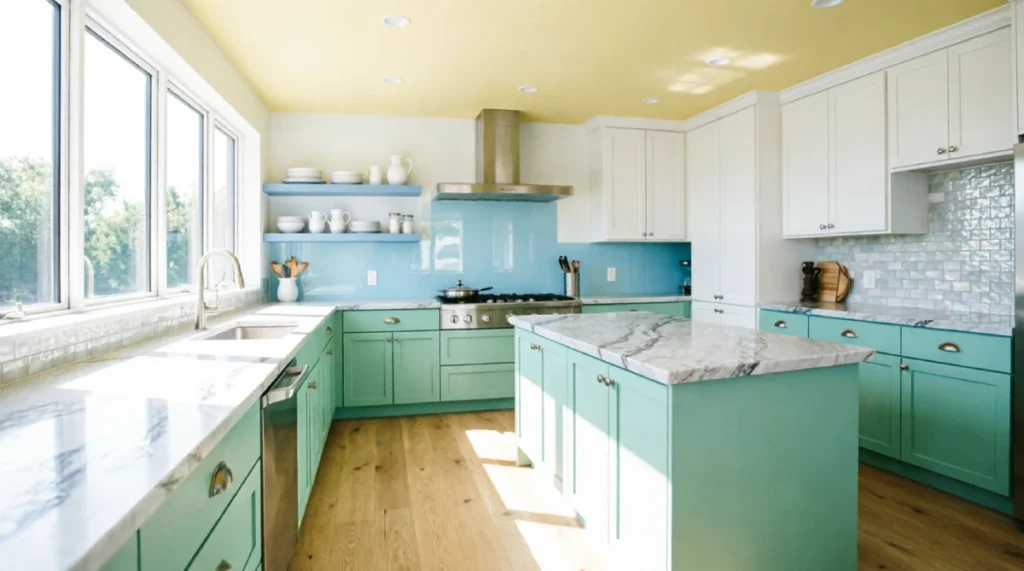
When summer temperatures climb, the kitchen can quickly become the hottest room in the house. Dark walls, heavy wood finishes, and matte surfaces absorb sunlight and radiate warmth long after the sun goes down. The right color choices, however, can actively reflect heat and transform your kitchen into a bright, airy retreat.
In this guide, I’m sharing 10 practical, heat-reflecting color ideas from soft icy blues to clever whites that work with natural light to keep things cooler. Whether you’re planning a full refresh or a weekend paint project, these ideas help you beat the heat without sacrificing style.
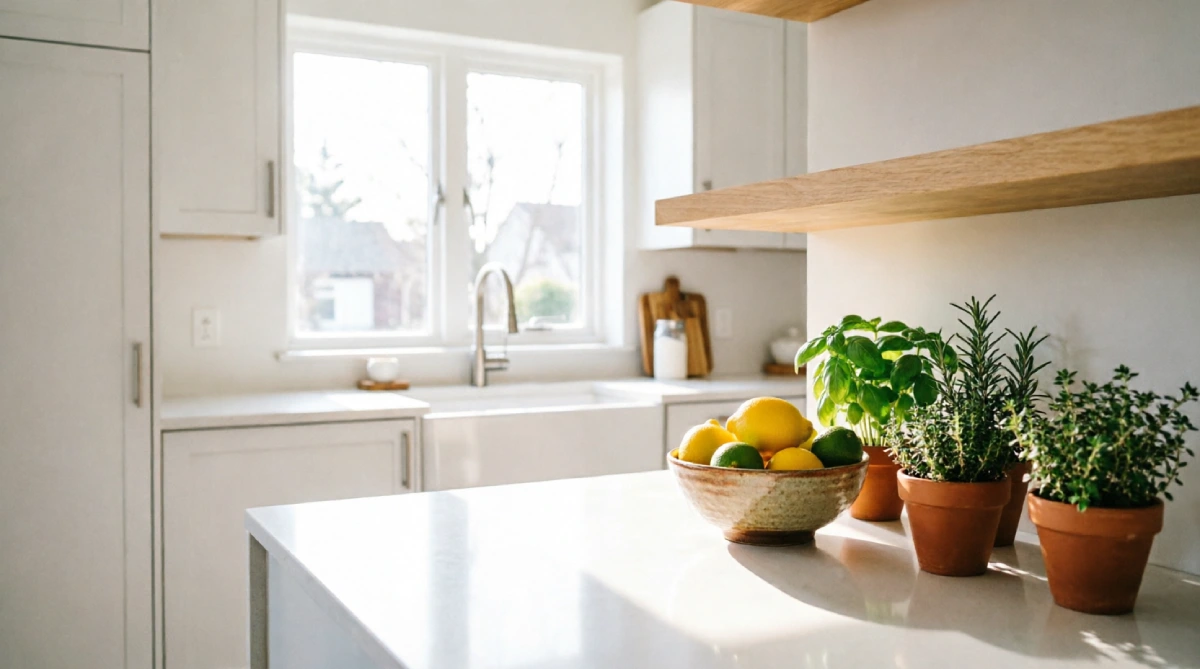
1. Crisp White Walls and Matte Cabinetry
White reflects the most light, so surfaces stay cooler, and the whole kitchen feels brighter. A pure white without yellow undertones maximizes this effect. Matte finishes on cabinets prevent glare while still bouncing daylight around the room, reducing hot spots.
In many homes, an all-white kitchen paired with natural wood accents stays visually fresh and comfortable even during a heat wave. Choose a high-LRV white paint for walls, cabinets, and trim; the seamless finish makes the space feel bigger and noticeably cooler.
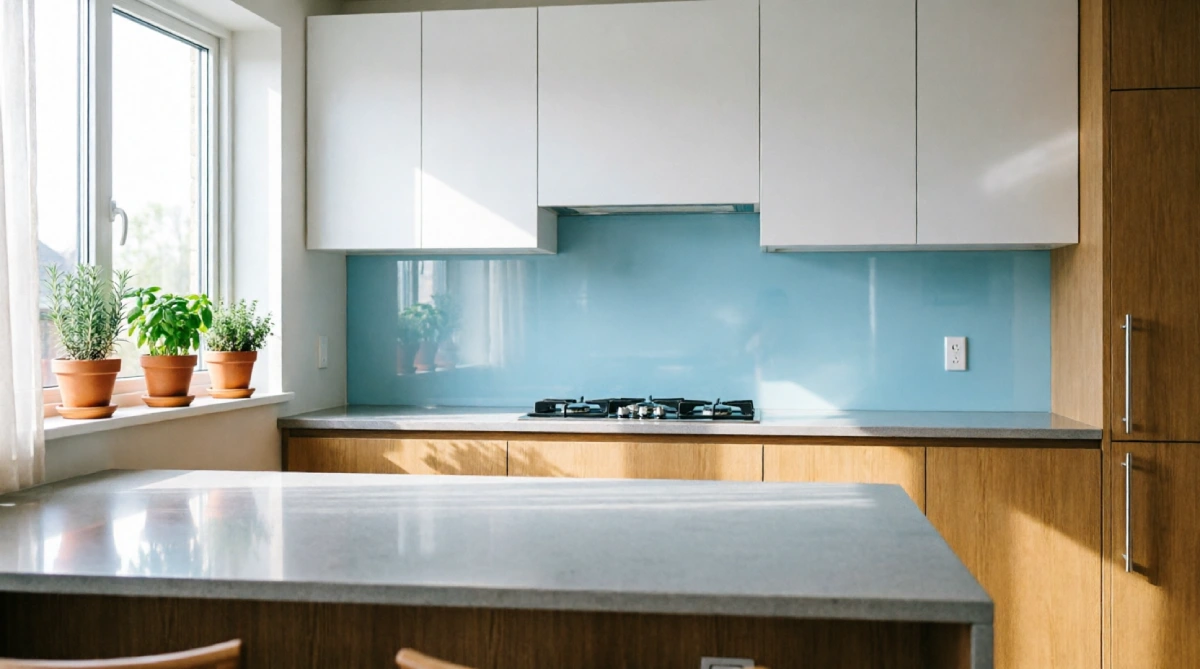
2. Soft Sky Blue Glass Backsplash
A glass backsplash in a soft sky blue introduces a cooling color while its glossy surface reflects incoming sunlight. The sheen bounces light deeper into the room, reducing the need for artificial lighting and visually lowering the temperature.
I’ve seen this used behind ranges and sinks, where it doubles as an easy-to-clean, heat-resistant surface that never feels heavy. Pair it with white quartz countertops and light wood cabinets for a breezy, coastal feel that stays fresh all season.
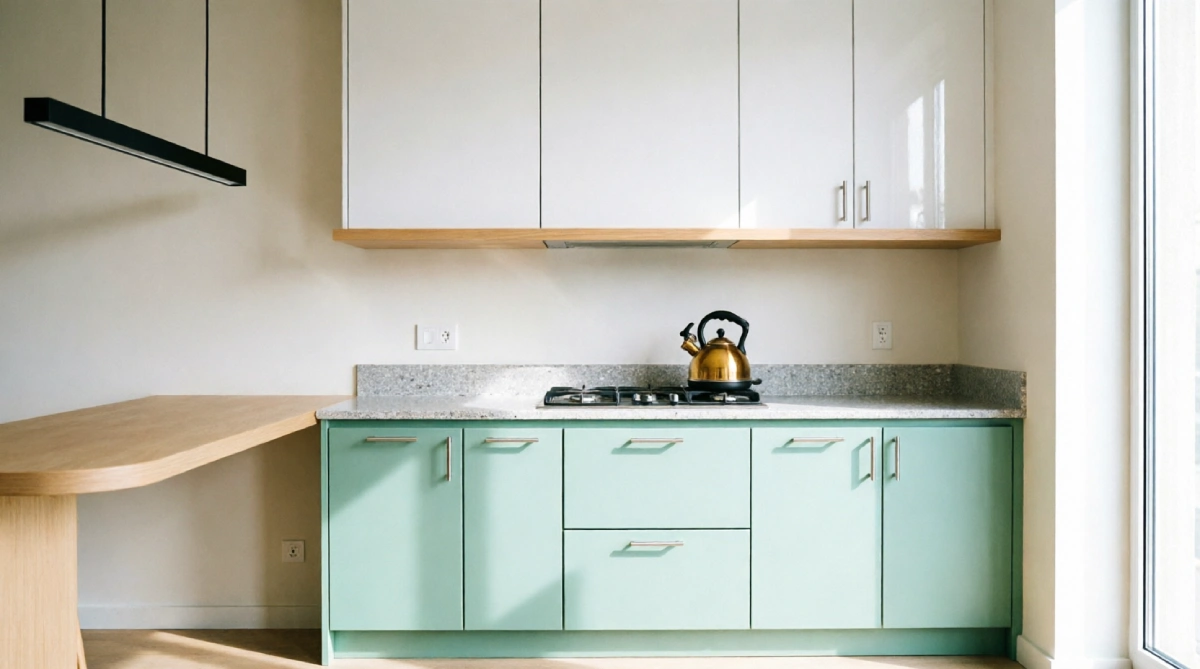
3. Cool Mint Green Lower Cabinets
Mint green feels instantly refreshing and lowers the perceived temperature of a room, especially on lower cabinets that otherwise trap warmth. Because it’s a light tone with cool undertones, mint reflects more heat than deeper greens, helping the floor area stay comfortable.
In many kitchens, mint lowers paired with white uppers create a balanced, airy look that doesn’t overwhelm even small spaces. I recommend a semi-gloss finish for easy cleaning and a subtle sheen that bounces light right where you need it.
4. Pale Gray with Blue Undertones
A pale gray that leans toward blue acts as a cool neutral, reflecting more light than warm grays that absorb heat. The blue undertone tricks the eye into feeling a temperature drop — helpful in west-facing kitchens that catch harsh afternoon sun.
I’ve noticed this shade works beautifully in modern spaces with stainless steel appliances, creating a sleek, cool backdrop. Use it on walls or an accent island, and add a white marble backsplash to further enhance light reflection.
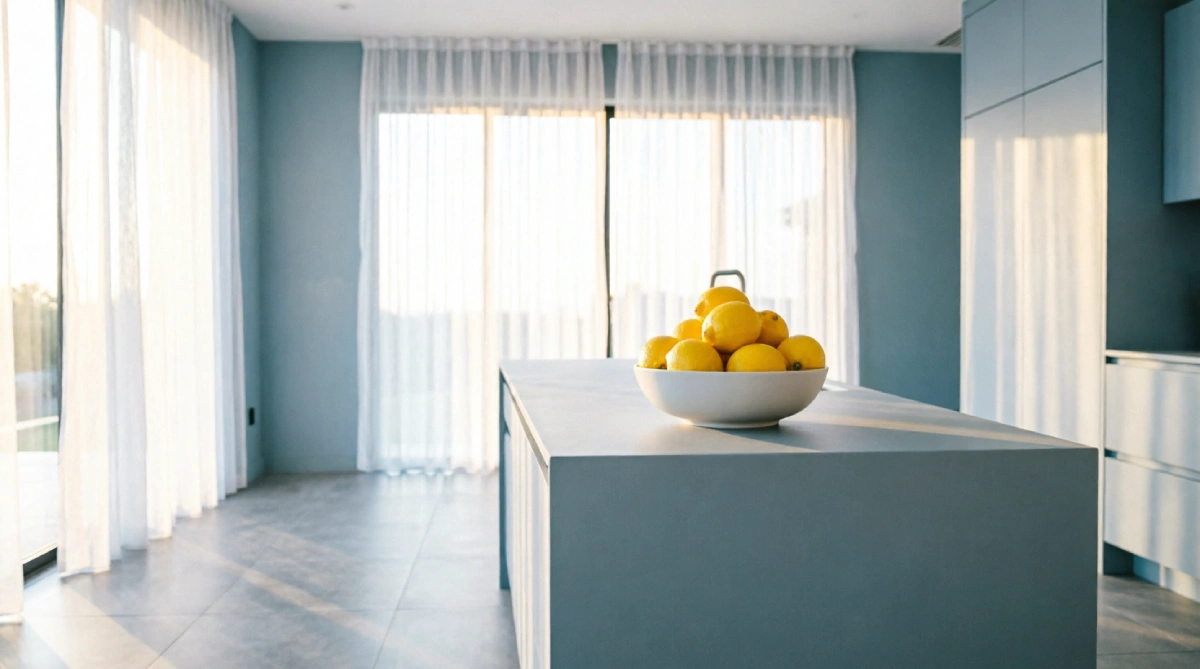
5. Icy Lavender Accent Wall
A single wall painted icy lavender delivers a subtle cooling effect without dominating the kitchen.
Lavender’s mix of blue and pink tones, when kept very light, reflects heat while adding a whisper of personality.
In open-plan homes, an icy lavender accent behind open shelving creates a gentle, summery focal point that feels airy rather than heavy. Keep surrounding surfaces white or light gray to maximize the reflective qualities and avoid visual clutter.
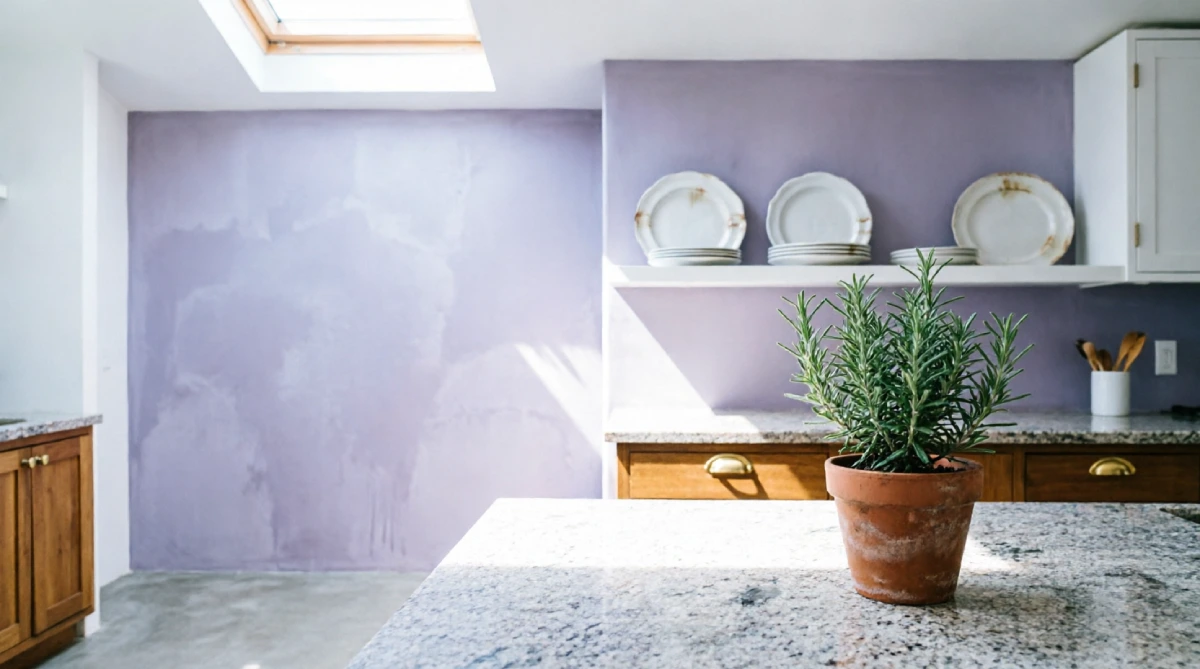
6. Sunny Pale Yellow Ceiling
Painting the ceiling a pale sunny yellow bounces light down into the room, creating a cheerful glow without absorbing excess heat. Yellow reflects a good portion of visible light, and when used overhead, it makes the kitchen feel taller and brighter.
I’ve seen this trick transform north-facing kitchens where natural light is limited; it instantly lifts the mood and perceived coolness. Choose a buttery, low-saturation yellow to avoid a harsh effect, and balance it with white walls for maximum reflection.
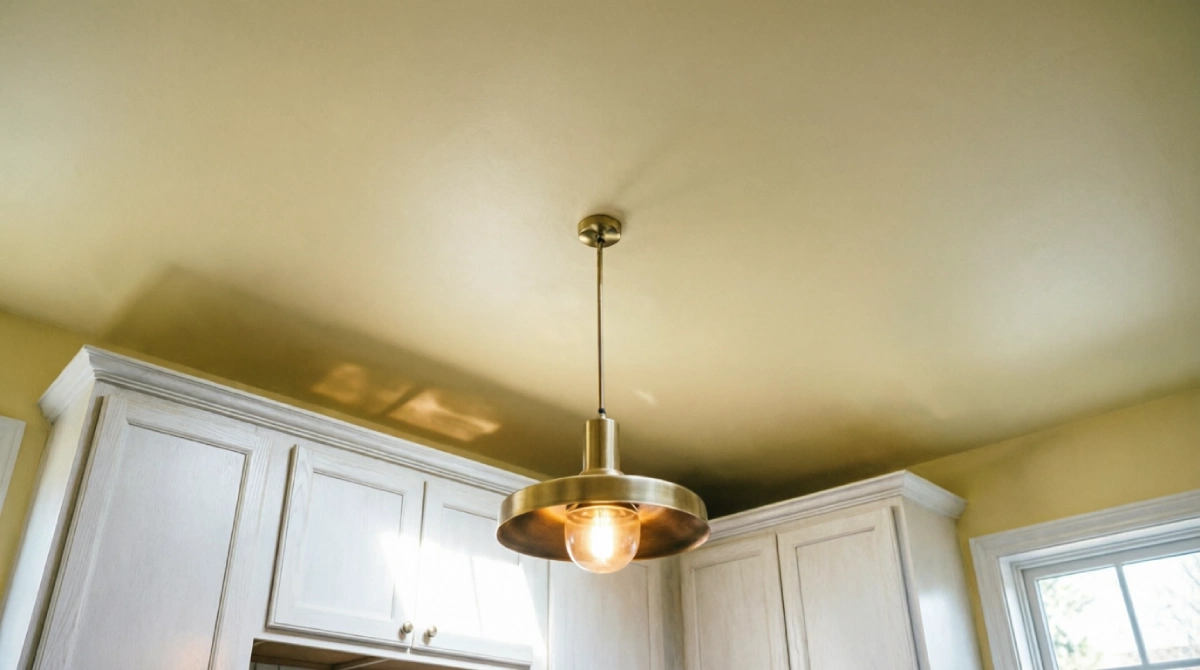
7. Seafoam Green Island
A seafoam green island becomes a cool anchor point in an otherwise neutral kitchen, reflecting heat while adding a coastal breeze feel. The blend of green and blue reflects sunlight efficiently, similar to the ocean, so the island’s surface stays noticeably cooler.
In many open kitchens, a seafoam island surrounded by light oak floors and white cabinets creates a relaxed, summer-ready look. Opt for a durable water-based lacquer finish that enhances light reflection and stands up to daily wear.
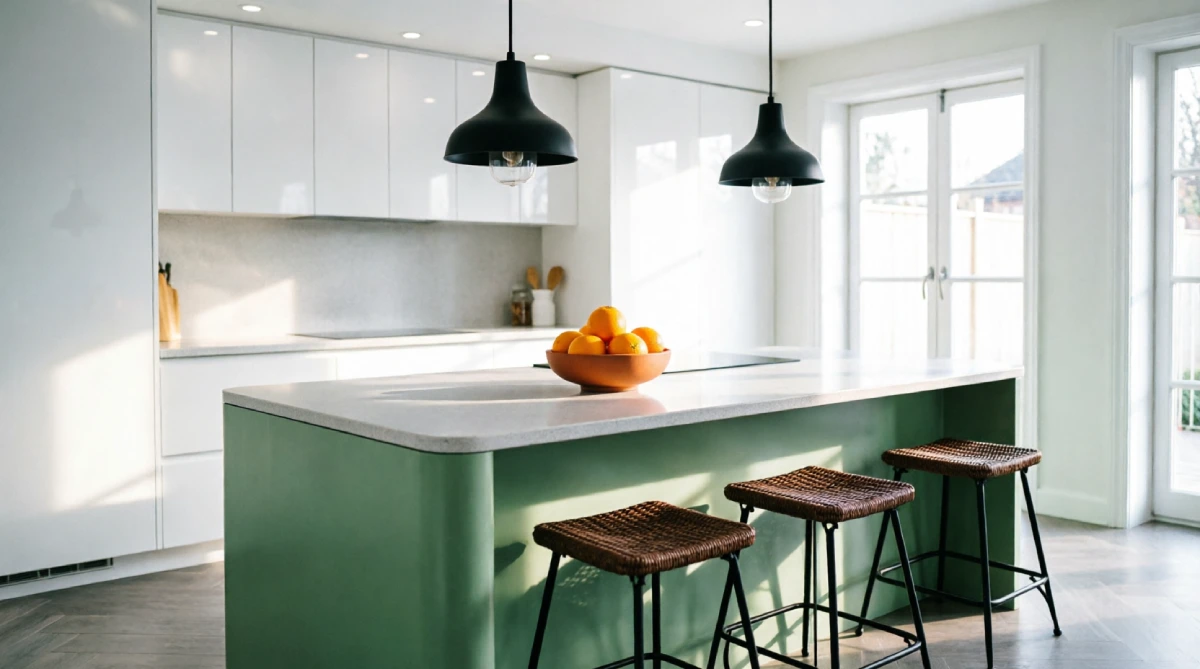
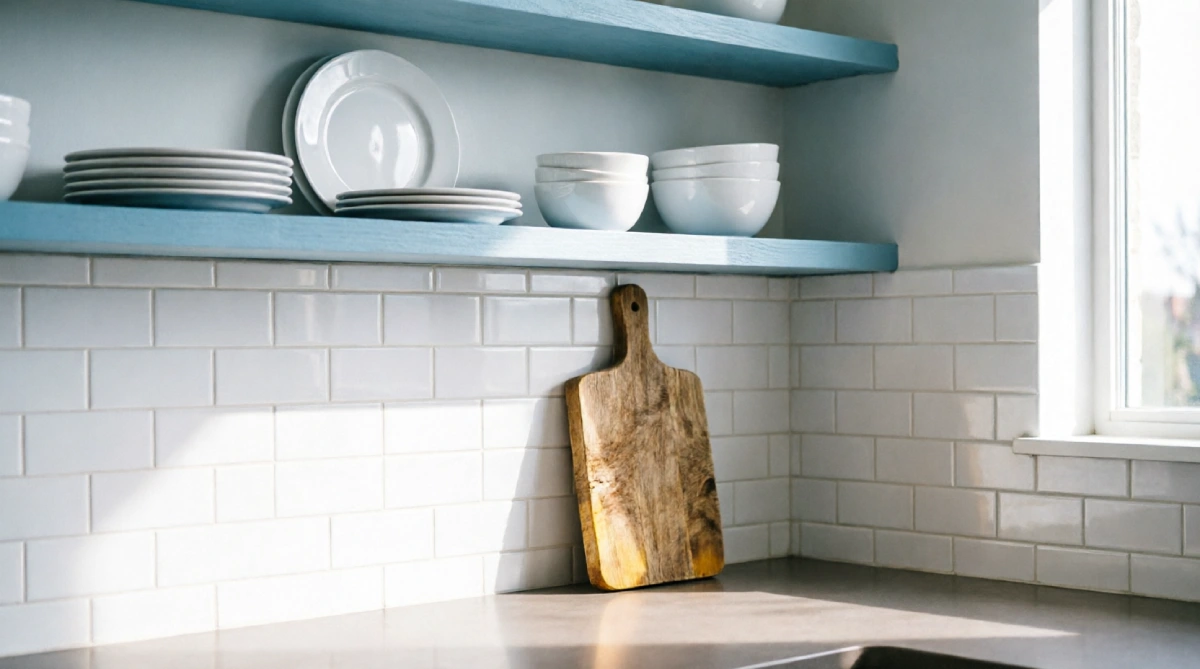
8. Powder Blue Open Shelving
Swapping upper cabinets for powder blue open shelving reflects light and visually opens the kitchen, preventing heat from being trapped in dark corners. The light blue tone, combined with the airiness of open storage, keeps the space feeling cooler and less cluttered.
I’ve noticed kitchens with powder blue shelves and white dishware stay visually light and uncluttered, perfect for warm months. Use a semi-gloss paint on the shelves and style them minimally with white plates, glass canisters, and a few green sprigs.
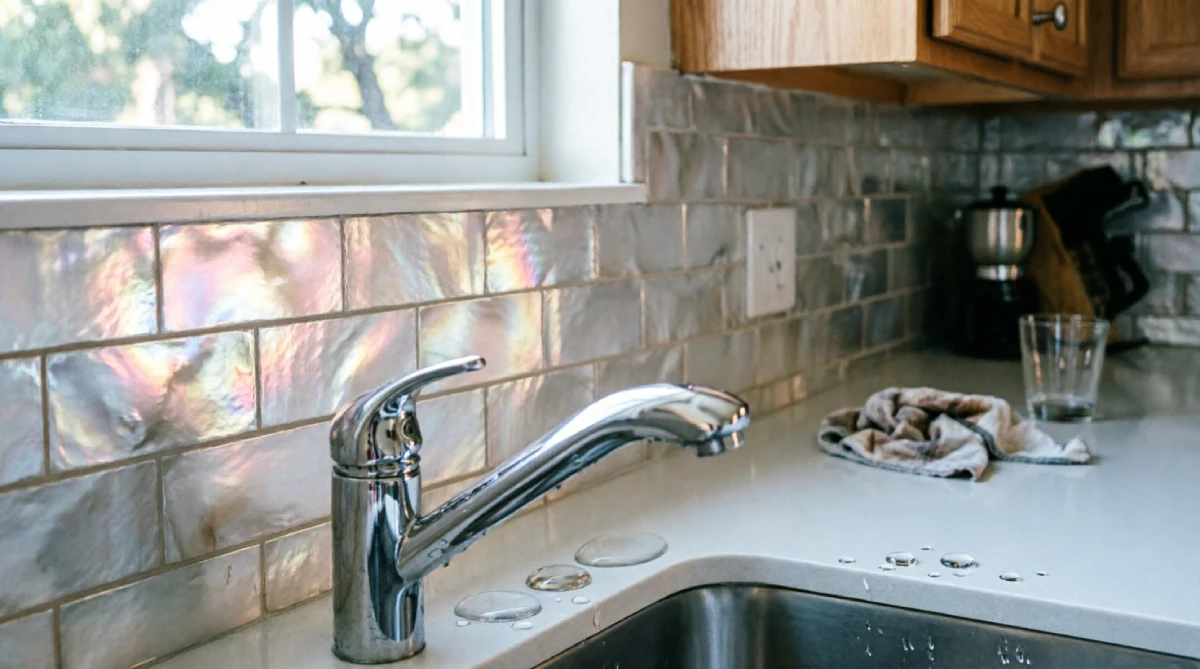
9. Pearl Iridescent Tile Backsplash
A backsplash with pearl or opalescent tiles reflects light in multiple directions, creating a shimmer that helps the cooking area feel cooler. The iridescent surface bounces heat away from the wall behind the stove, slightly reducing the heat that radiates into the room.
In modern kitchens, a pearl mosaic backsplash adds depth without introducing dark, heat-absorbing colors. Pair it with white grout to maximize light reflection and keep the overall look crisp and fresh.
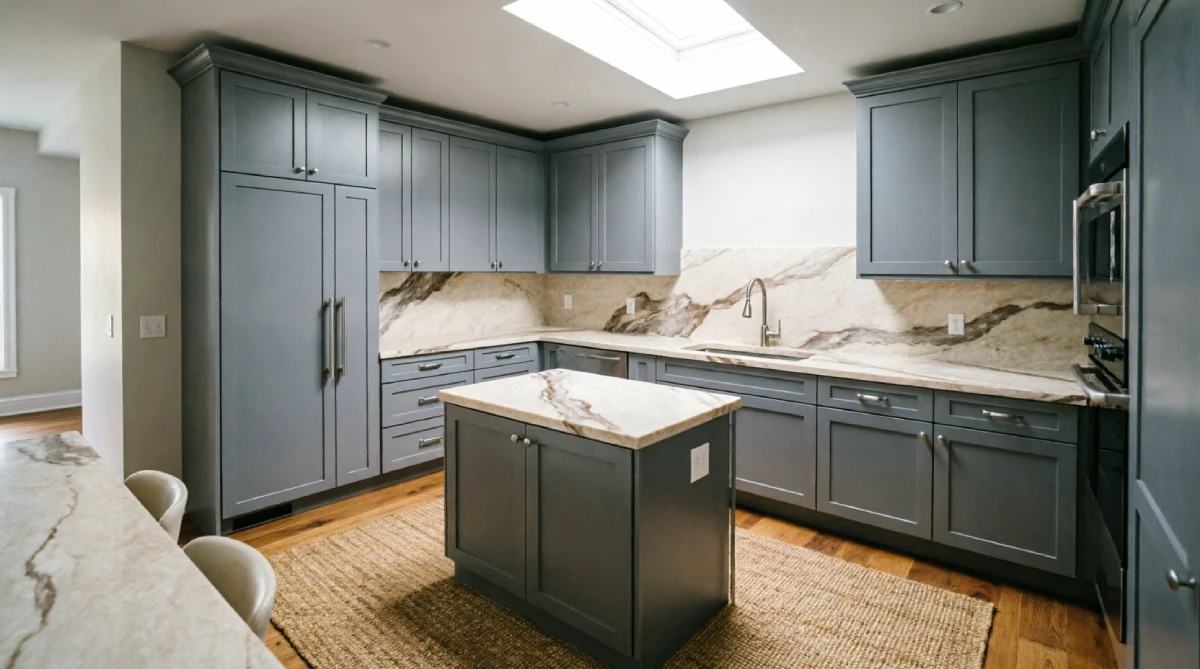
10. Cool Greige Cabinet Finish
A greige that leans toward cool gray rather than warm beige reflects more heat than traditional wood-stained cabinets. This versatile neutral acts as a reflective background, keeping the kitchen balanced without absorbing excess warmth from the summer sun.
I’ve seen cool greige used in kitchens with large windows, where it helps maintain a comfortable ambient temperature all afternoon. Choose a satin finish and pair with brushed nickel handles for a cohesive scheme that quietly enhances light.
Practical Tips
- Check the Light Reflectance Value (LRV): Choose paints with an LRV of 70 or higher — the higher the number, the more light (and heat) the surface reflects.
- Use Satin or Semi-Gloss Finishes on Sunny Walls: A slight sheen reflects more radiant heat than flat finishes without creating harsh glare.
- Extend Light Colors to the Ceiling: A white or pale ceiling acts like a reflector, pushing daylight deeper into the room and reducing heat buildup.
- Add Reflective Accents Strategically: Mirrored or metallic tile backsplashes, glossy countertops, and glass cabinet inserts help bounce light — and heat — away from key areas.
- Pair with Light Flooring: Light wood, pale tile, or a light-colored rug prevents the floor from absorbing and radiating heat later in the day.
- Consider Window Films: If you can’t change the color scheme immediately, a clear heat-rejecting window film cuts solar heat gain while preserving the view and natural light.
Common Mistakes to Avoid
- Painting a Dark Accent Wall on a Sun-Drenched Side: A deep navy or charcoal wall will absorb heat all afternoon and radiate it back long into the evening.
- Using Matte Dark Cabinets in West-Facing Kitchens: They soak up direct afternoon sun and can make the whole room feel like an oven.
- Forgetting the Ceiling Color: A dark or untouched ceiling misses a huge opportunity to reflect light and reduce overhead heat.
- Choosing Warm Yellows or Oranges With Low LRV: Not all bright colors reflect heat well; saturated, warm tones can still absorb a surprising amount of radiant energy.
- Overlooking Countertop and Backsplash Materials: Dark granite and matte dark tile absorb and hold heat; light, polished surfaces stay cooler to the touch.
FAQs
What paint finish best reflects heat in a kitchen?
A satin or semi-gloss finish works best because it reflects more light than flat paint, reducing the amount of heat the surface absorbs. For ceilings, a flat white with high LRV is still effective.
Can I use dark colors if I want a heat-reflecting kitchen?
You can use dark colors in small doses on walls that don’t get direct sun. Reserve them for a moveable island front or accessories rather than large sun-facing surfaces.
Do reflective backsplashes really make a temperature difference?
They help by bouncing infrared radiation away from the wall behind the stove. The effect is subtle but real — combined with other light colors, it contributes to a cooler-feeling kitchen.
Is white the only color that reflects heat?
No. Any light, cool-toned color with high LRV reflects heat. Soft blues, mint greens, icy lavenders, and light greiges all work well when kept pale.
How do I prevent glare while still reflecting light?
Use matte or eggshell finishes on large wall areas to soften reflections, and reserve gloss only for backsplashes or trim. This balances light reflection with visual comfort.
Conclusion
Refreshing your kitchen with heat-reflecting colors is one of the simplest ways to stay comfortable during hot summer months. Light, cool tones — from crisp white and soft sky blue to mint, lavender, and greige naturally bounce away more radiant energy, keeping surfaces cooler and the room feeling airy. Paired with smart finishes and a few reflective accents, these changes make a noticeable difference without a full renovation.
Start with one wall, the ceiling, or a colorful island, and build from there. Even a small shift toward lighter, cooler hues can turn your kitchen into the bright summer retreat you’ll love spending time in.
