

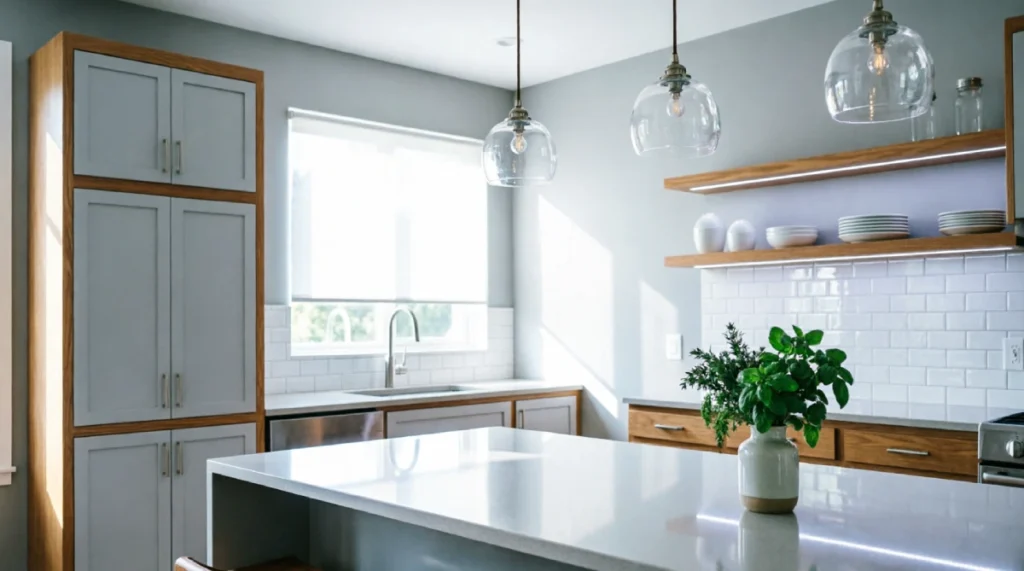
On a long summer day, the last thing you want is a kitchen that feels hot and glaring. Those recessed halogen lights that felt cozy in winter are suddenly baking you out of the room. The challenge is balancing brightness with a sense of coolness—and I don’t just mean turning up the air conditioner.
The right light temperature, placement, and fixture style can visually drop the room’s temperature. I’ll walk you through twelve practical, layered lighting ideas that make the kitchen feel airy, fresh, and bright without adding unwanted heat.
1. Swap to a Cooler Color Temperature
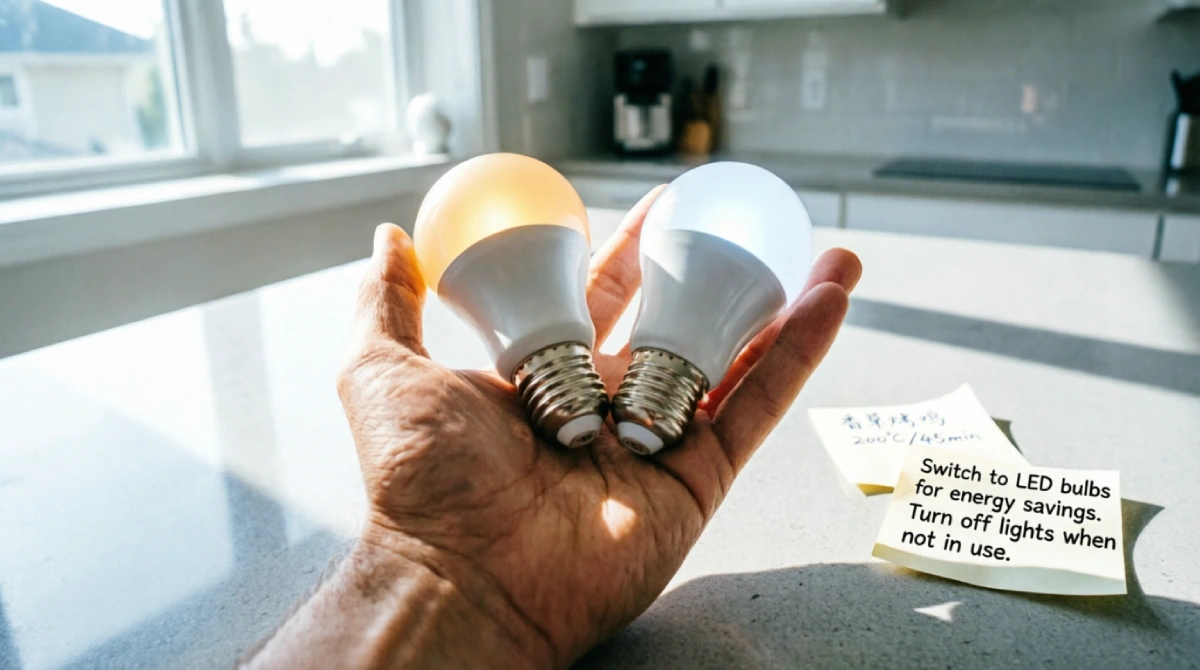
Summer calls for a mental reset, and your light bulbs should follow. A bulb’s color temperature dramatically changes how a room feels.
Warmer light (2700K) gives off a cozy, almost heavy amber glow that can make a summer kitchen feel stuffy. Moving to a cooler white, around 3500K to 4000K, mimics crisp natural daylight. It’s visually cleaner and removes that psychological sense of heat.
In many kitchens, I’ve seen a mix of random bulbs from different brands. This creates pockets of yellow and blue light that clash. A consistent, neutral cool-white palette looks intentional and clean.
A simple bulk purchase of 3500K LED bulbs for your main ceiling fixtures instantly modernizes the space. I recommend starting with the high-traffic prep zones before swapping out decorative sconces.
2. Emphasize Under-Cabinet LED Tape
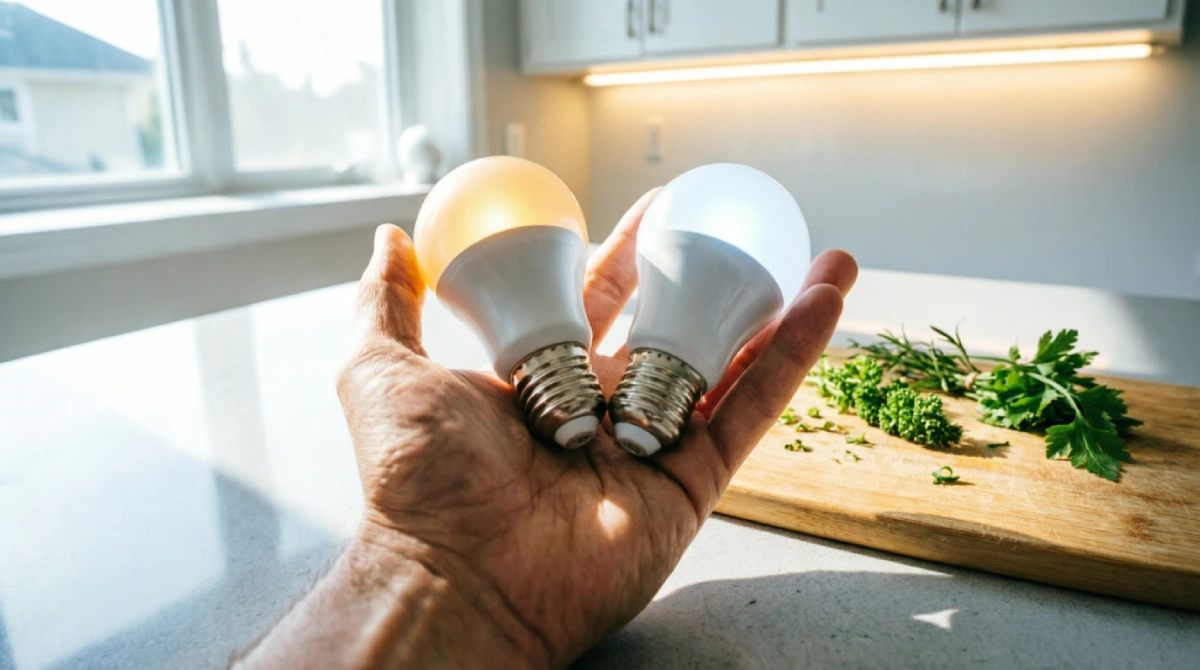
Overhead lights cast shadows right where you need clarity the most: the cutting board. Under-cabinet lighting strips fix that instantly, and they add a floating, weightless effect to upper cabinets.
This lighting works because it’s purely task-focused. You don’t need to flood the whole room with high-wattage heat. Low-profile, cool-white LED tape uses minimal energy and throws zero heat downward, which keeps the cooking surface comfortable.
I’ve noticed that homes with dark stone counters absorb light, making the room feel dim even during the day. A thin LED strip tucked behind the front lip of the cabinet removes that shadow line completely, making the counter feel longer.
Choose a plug-in kit with a remote dimmer for easy installation. Tucking the strip at the front edge, rather than the back, against the wall, pushes light forward onto the workspace where you actually handle knives and pans.
3. Replace Heavy Drum Shades with Clear Glass
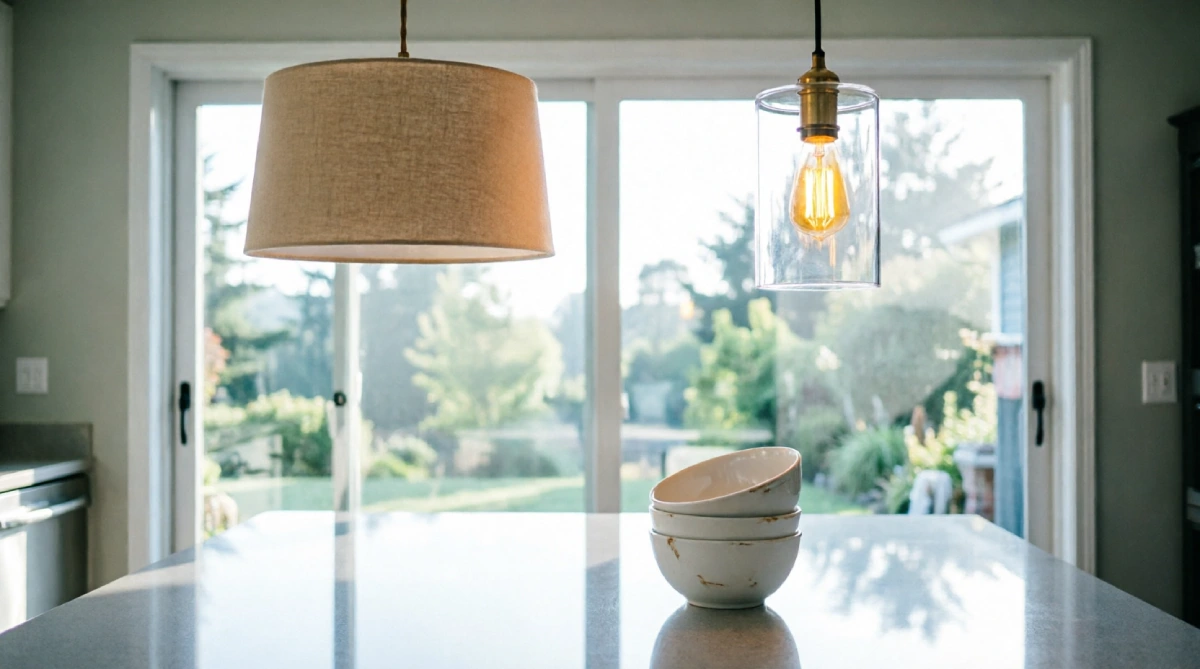
Fabric drum pendants collect dust and, visually, they act like a heavy weight over a kitchen island. In summer, switching to clear or seeded glass pendants can change the sightline entirely.
A clear glass shade allows your eye to travel through the fixture, making the room feel less obstructed. It’s a simple trick of visual physics—removing a solid block from your sightline at eye level makes the ceiling feel higher.
I’ve seen this work especially well in kitchens with low ceilings or deep over-island areas. A heavy metal or fabric shade often traps light above the fixture, wasting output, while a transparent shade lets light spill out and up, brightening the ceiling.
Pick a fixture with an exposed bulb (filament style) inside a simple glass cylinder. It’s a no-clutter look that pairs well with the airiness of a summer vibe.
4. Maximize Natural Light with Strategic Mirrors
We often save mirrors for bathrooms and bedrooms, but a well-placed mirror in a kitchen can double the feeling of daylight. It’s not about hanging a vanity mirror; it’s about reflective surfaces placed like art.
A large framed mirror on a wall perpendicular to a window catches incoming sun and throws it deeper into the room. This works because it bounces the existing cool daylight instead of adding electric heat to the space.
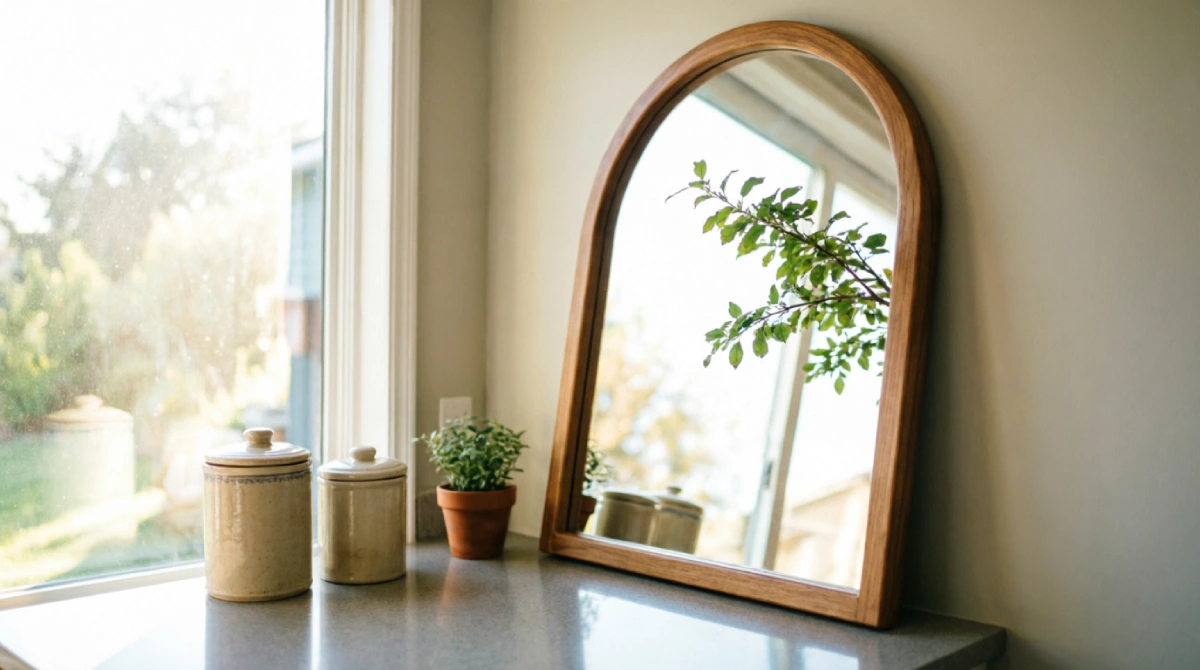
A common issue in galley kitchens or L-shaped layouts is a dark corner that never sees the sun. I’ve seen designers lean a tall, arched mirror against the backsplash in a dead corner. That pocket of darkness immediately disappears, feeling almost like a second window.
Try an antique-look mirror with an aged patina frame leaning on a shelf or countertop. It adds reflected sky views without looking like a leftover bathroom accessory.
5. Install a Dimmable Cool Light Over the Sink
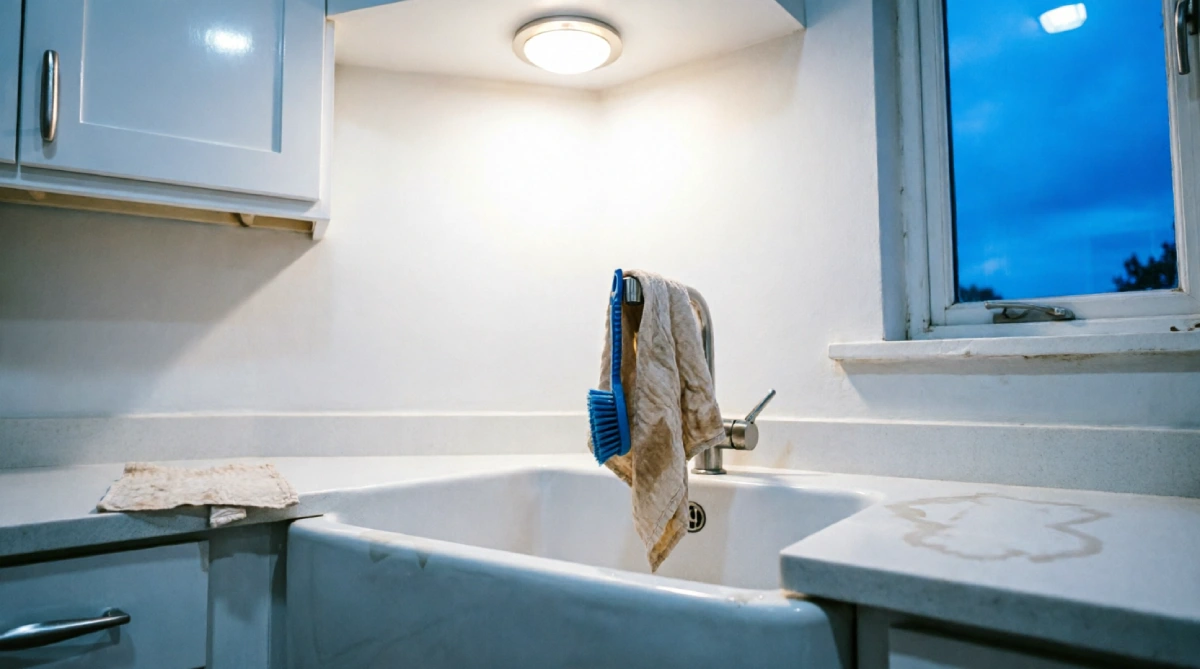
The sink area is usually backed by a window, but when the sun sets, you need a dedicated light. A harsh, non-dimmable bulb here creates a sharp glare on wet dishes.
A dimmable fixture with a cool-white bulb lets you set the perfect mood. High brightness for scrubbing, low softness for evening cleanup. The ability to dim it means you avoid that “operating room” feel at night while maintaining a fresh tone.
In many homes, the sink light is an old incandescent tucked under a ceiling soffit, buzzing and throwing a yellow cone. Swapping it for a slim, integrated LED flush mount with a clear lens changes the zone from dingy to crisp.
I suggest a flush-mount ceiling light rated for damp locations, with a simple diffuser. Keep it trimless or flush to the ceiling so it feels invisible during the day.
6. Go Light with Woven Pendant Shades
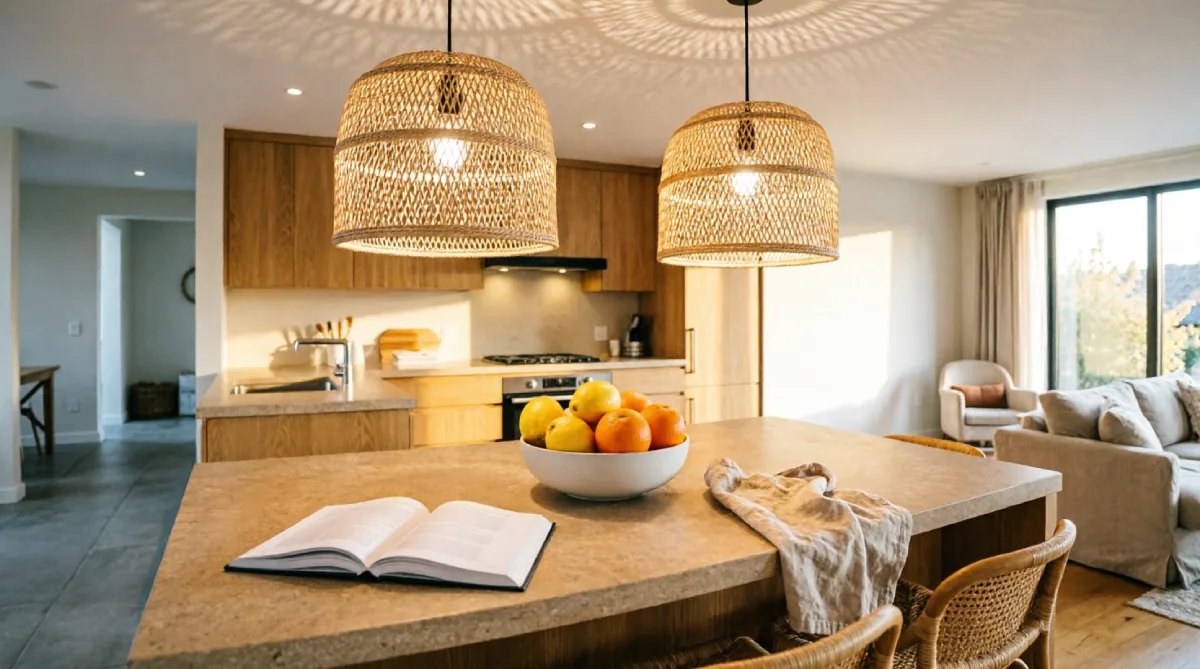
If you want a shaded island light without the visual bulk, natural fiber pendants in light tones are the answer. Think bleached rattan, bamboo, or light wicker.
These materials are semi-transparent. They glow warmly without trapping light, casting a beautiful dappled pattern on the ceiling. The organic texture keeps the room feeling beachy and informal, which is what a summer kitchen is all about.
I’ve observed that heavy metal fixtures often feel permanent and serious. A woven shade brings an airy, vacation-home feel even to a standard suburban layout. The key is keeping the weave open, not tight.
Opt for a pendant with a wide, shallow cone shape in a natural, non-varnished finish. It pairs well with linen tablecloths or raw wood serving boards for that effortless summer table feel.
7. Replace Yellow Cup Lights with Cool LED Spotlights
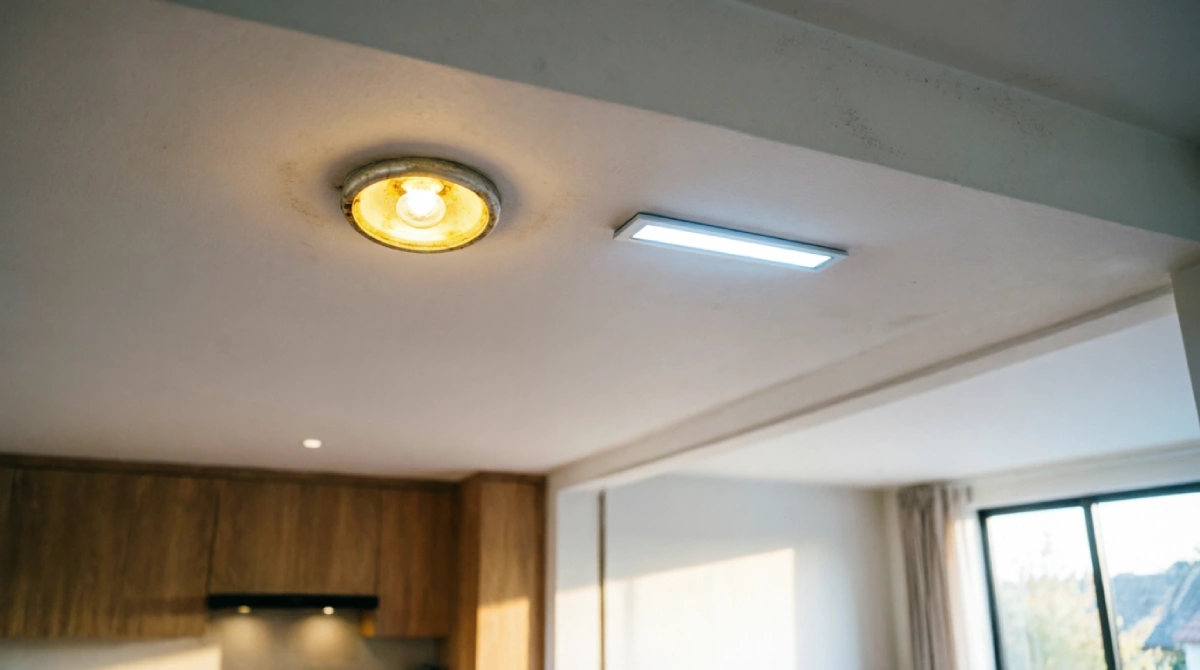
Older kitchens often have yellow-toned, recessed cup lights that generate intense heat. I find these to be the biggest offenders in making a kitchen feel physically hotter.
Retrofitting them with low-profile, cool-white LED spot kits that sit flush with the ceiling is a major upgrade. The LEDs emit almost zero forward heat, unlike halogens, and the spot distribution lights up specific areas without blanketing the whole room in warmth.
A common improvement is spacing them correctly. If your cans were installed for yellow flood lighting, they might be too far apart for directional spot beams. Adding one or two extra slim, battery-operated spotlights in between the existing cans fixes dark patches with minimal effort.
Look for “cool white 4000K” retrofit kits with a frosted lens. They snap directly into the old housing and immediately change the thermal and visual feeling.
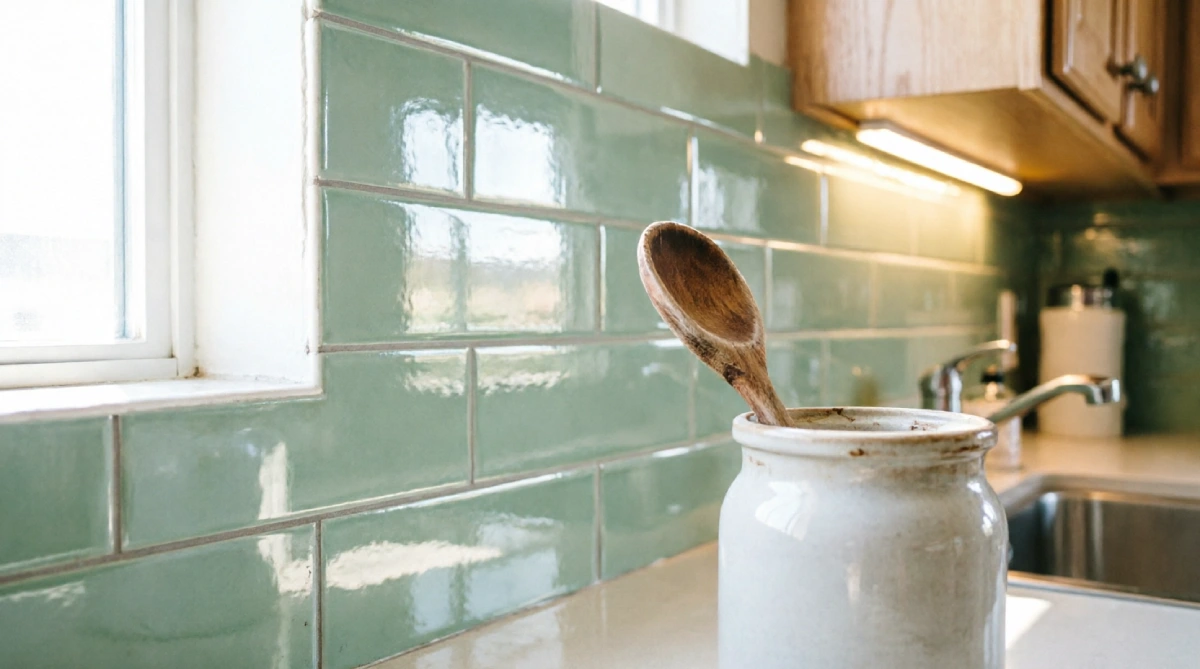
8. Introduce a Light-Colored Tile Backsplash Gloss
Light doesn’t just come from bulbs—it bounces off surfaces. A matte, dark backsplash absorbs light, but a glossy, light-toned tile can reflect it across the prep zone.
Glazed ceramic tiles in light blues, seafoam greens, or simple high-gloss whites act like a mirror for soft light. An under-cabinet strip hitting a glossy surface doubles its reach under the cabinets.
I’ve seen kitchens with beautiful matte handmade tile that, sadly, eat up the daylight. By switching just a small section behind the range to a high-gloss, elongated subway tile in a cool tint, the whole corner feels brighter.
You don’t need to re-tile the entire wall. A peel-and-stick glossy tile decal applied to a plywood splash board behind the stove is a renter-friendly way to lift the light levels.
9. Highlight Open Shelving with Integrated LEDs
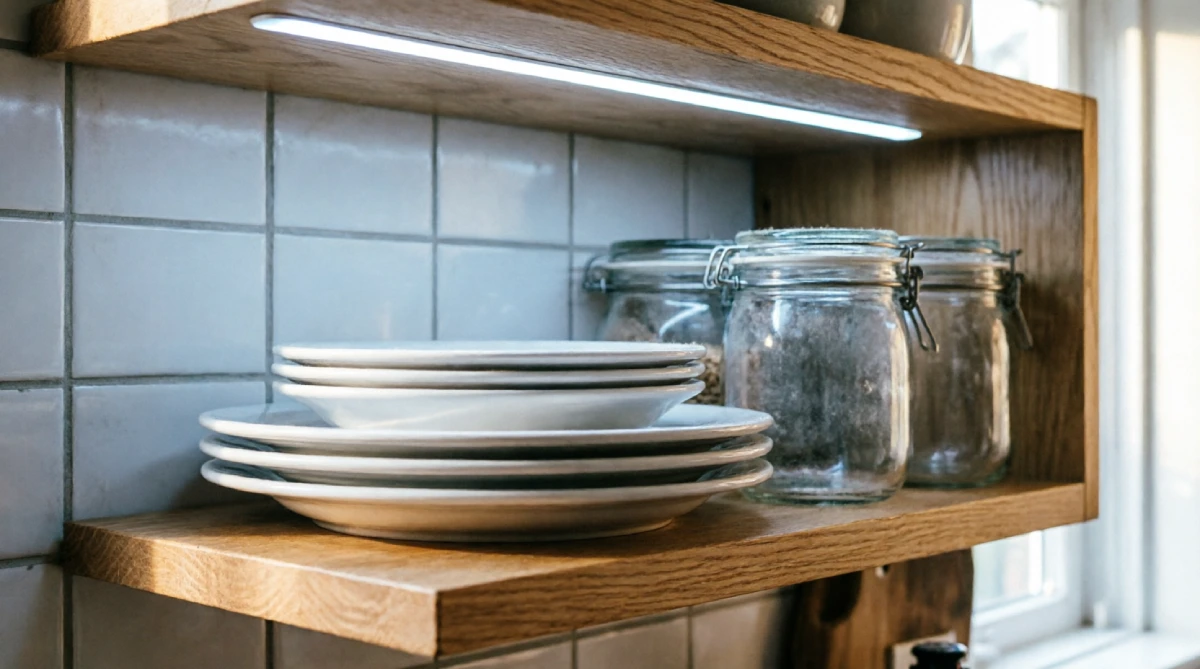
Closed upper cabinets can feel like dark blocks on the wall. Open shelving, especially when lit from within, breaks up that visual mass. The light breathes.
Adding a narrow LED channel to the front or back edge of a floating shelf illuminates the shelf’s contents and washes the wall behind it. It draws the eye up without dark voids.
In many homes that switch to open shelving, they forget to light the items on display. Dark-stacked plates just become a silhouette against a shadow wall. A simple trick is mounting a linear light on the underside of the shelf above, pointing straight down.
Use lightweight wooden shelves and warm-neutral LED profile strips. The combination of wood grain, white ceramic plates, and a crisp glow creates a display that feels curated yet relaxed.
.
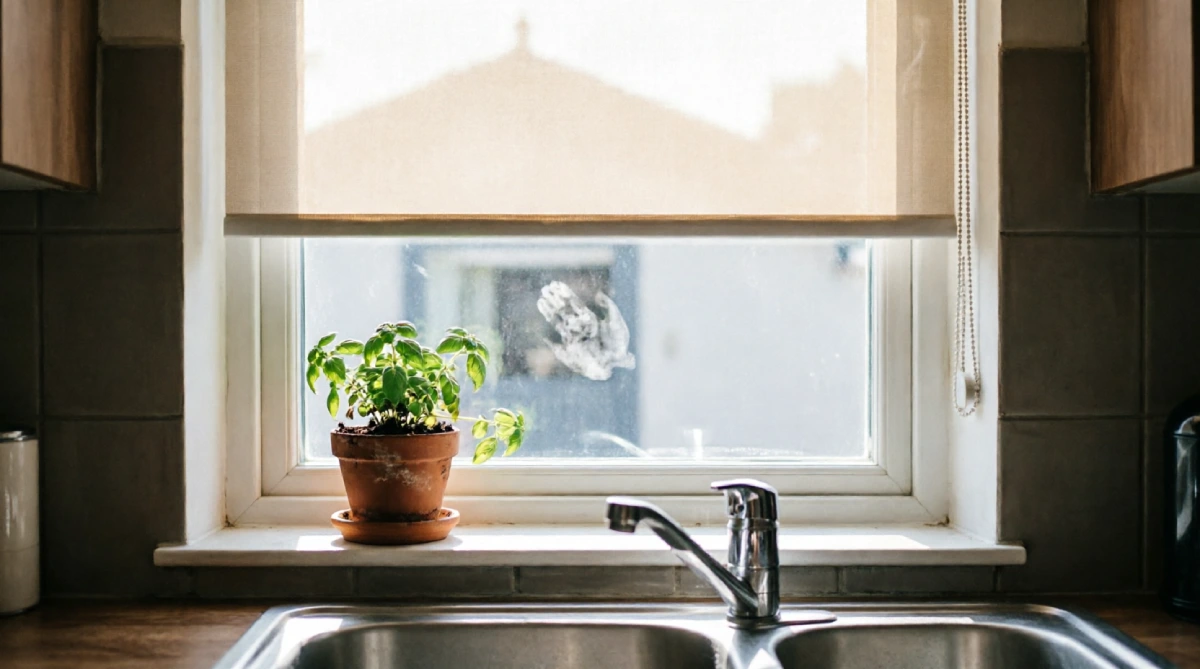
10. Keep Windows Bare or Use Sheer Solar Shades
Blocking a kitchen window with heavy drapery or dark wood blinds is a fast way to trap heat. In summer, the treatment should filter light, not eat it.
Sheer solar roller shades cut the intensity of direct sun without making the room dim. This works because they reflect heat outside while maintaining the view and a soft, diffused white light inside.
I’ve observed that Venetian blinds collect grease and dust, turning into a source of shadowy clutter. A simple, bottom-up sheer shade offers privacy for the lower half of the window but leaves the sky visible at the top.
Swap out valances and heavy fabric for a tight-fitting solar shade in a neutral off-white. It gives a clean, uncluttered frame around the natural light that remains your main source of cool brightness.
11. Layer with a Cool-Toned Ceiling Fan Light
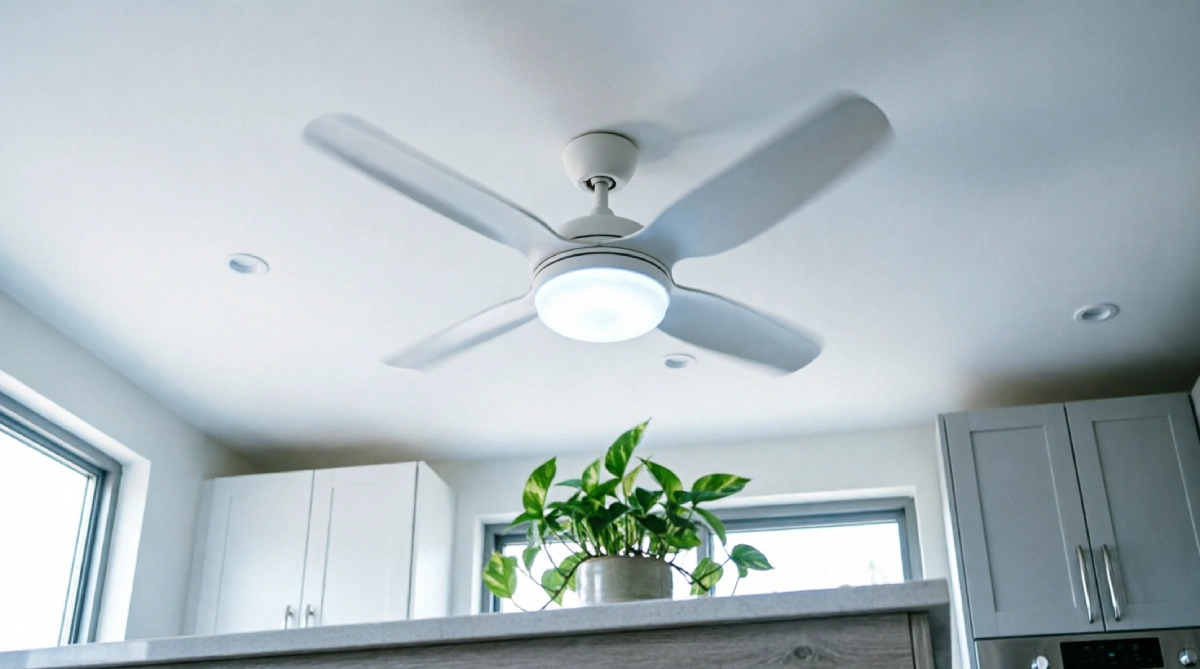
Airflow and light should work together. A ceiling fan with a built-in, color-selectable LED kit serves both needs and reduces the number of fixtures on the ceiling.
Modern fans come with flat, low-profile LED panels that sit flush against the ceiling. Setting the light to 4000K while running the fan on a low summer setting creates a full-room sensation of cool air and fresh light.
A common complaint is that old fan light kits flicker and buzz. The newer DC motor fans with sealed LED boards are virtually silent and eliminate the strobing effect that can cause eye strain during meal prep.
I recommend installing a flush-mount hugger fan with a milky white lens directly in the center of the kitchen. It distributes shadow-free light and a subtle breeze without dangling pull chains.
12. Install Motion-Sensor Floor Lights for Cool Evenings
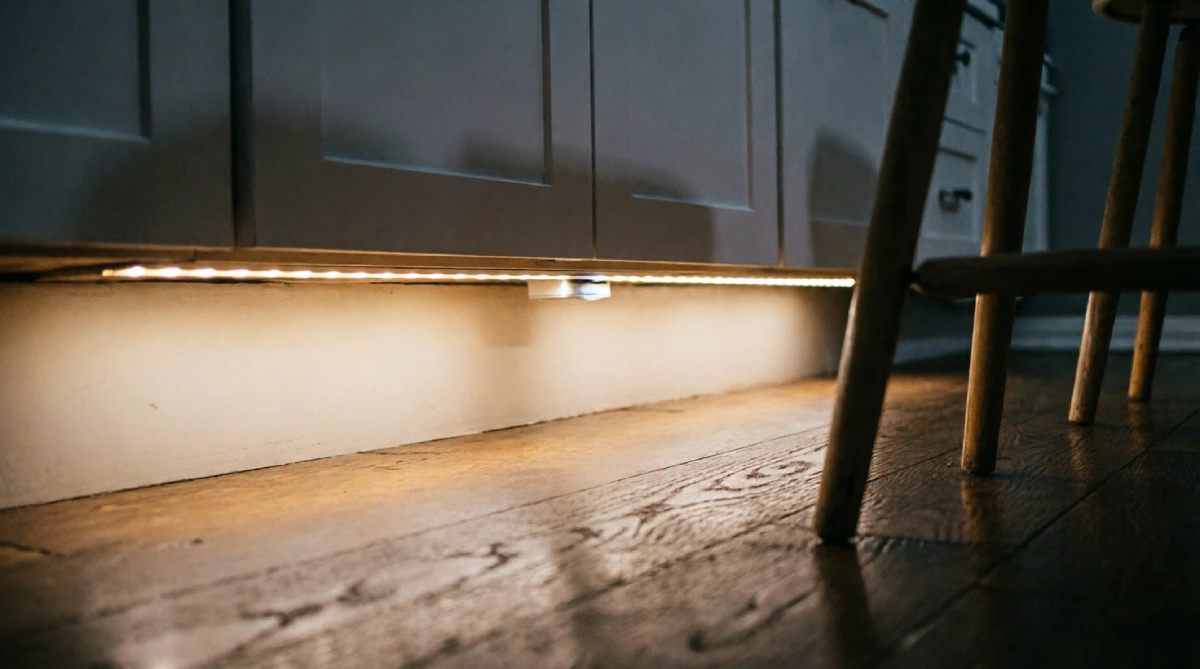
Hard, overhead light late at night kills a calm summer mood. Soft, motion-activated toe-kick lighting under base cabinets is the answer for midnight water trips.
These small LED pods stick to the baseboard or toe-kick area and cast a low, horizontal wash across the floor. They use a very cool, soft 5000K glow that mimics moonlight rather than a warm flame.
In dark-floored kitchens, the floor can feel like a black hole at night. A set of battery-operated, magnetic motion-sensor lights spaced along the bottom edge of cabinets provides just enough light to navigate without waking the whole family.
I suggest rechargeable LED bars with a passive infrared sensor. They turn off quickly, keeping the kitchen dark and calm, but they’re there when bare feet hit the cool tile floor after sunset.
Practical Tips
- Check the CRI: When buying cool-white bulbs, ensure a Color Rendering Index (CRI) of 90+. Lower CRI cool lights can make food look gray and unappetizing.
- Use Smart Plugs: Plug your under-cabinet lights into a smart plug. Set a schedule so they automatically turn on during the bright midday and off at dusk to sync with daylight.
- Dust the Bulbs: Summer humidity makes dust stick to bulbs and diffusers. A quick wipe every month restores the crispness of a cool-toned light.
- Avoid Mixed Temperatures: Don’t run cool overhead lights while keeping a warm 2700K strip under the cabinets. The color clash makes the kitchen feel disjointed.
- Hang Pendants at the Right Height: In summer, hanging pendants a bit higher (36-40 inches above the island) leaves the sightline open for air circulation and visual space.
Common Mistakes to Avoid
- Going Too Blue: Reaching for “Daylight” 5000K or 6500K bulbs in a kitchen with white cabinets often looks clinical and icy. Stick to the neutral cool range of 3500K-4000K for a fresh but livable feel.
- Ignoring Dimmer Compatibility: Swapping old incandescent bulbs for LEDs on an outdated dimmer often leads to flickering. Always check the “dimmer compatible” label.
- Lighting Only the Center: A single central ceiling light creates shadows on the counters. Without task lighting, the kitchen feels both dim and glaring at the same time.
- Dark Lampshades on the Counter: Adding a table lamp to a kitchen is trendy, but a dark black or navy shade absorbs light and creates a heavy visual hotspot. Use light linen shades instead.
FAQs
What is the best color temperature for a summer kitchen?
A neutral to cool white between 3500K and 4000K works best. It’s bright enough for tasks like chopping vegetables but doesn’t feel sterile or clinical.
Can I mix warm and cool lighting in one kitchen?
It’s tricky. I usually advise against mixing 2700K and 4000K in the same line of sight, as it makes the room feel unbalanced. If you must have warm light, keep it isolated to a separate dining zone.
Does LED lighting really produce less heat?
Yes, significantly less. LEDs convert most energy into light, whereas incandescent and halogen bulbs waste about 90% of their energy as heat, which you can physically feel on your skin.
Is it expensive to replace kitchen lighting for summer?
It doesn’t have to be. Simple swaps like changing color-selectable bulbs, adding plug-in LED strips, and using peel-and-stick motion sensors can dramatically change the feel without a full rewiring job.
Conclusion
Creating a summer kitchen that feels bright and cool rarely requires a full renovation. It’s about swapping the heavy and hot for the light and crisp. Shifting to a neutral cool temperature, letting glass and reflective surfaces breathe, and layering hidden LED task lights changes the entire sensory experience of the room. The goal isn’t just a brighter room, but one that feels literally and visually lighter. Start with the bulb swap, and you’ll likely find yourself spending more time enjoying the kitchen rather than escaping its heat.
