

Many backyards feel cramped or disconnected, no matter their actual size. The problem usually isn’t square footage—it’s how the space is arranged. When furniture hugs the fences, and everything crowds the edges, you lose usable room, and the yard feels smaller than it really is. In this article, I’m focusing purely on layout: the way you position zones, seating, pathways, and features to open up the area and make it work harder. By the end, you’ll have a set of real-world, space-improving layouts you can apply this summer without major construction.
1. Zone Your Backyard by Activity
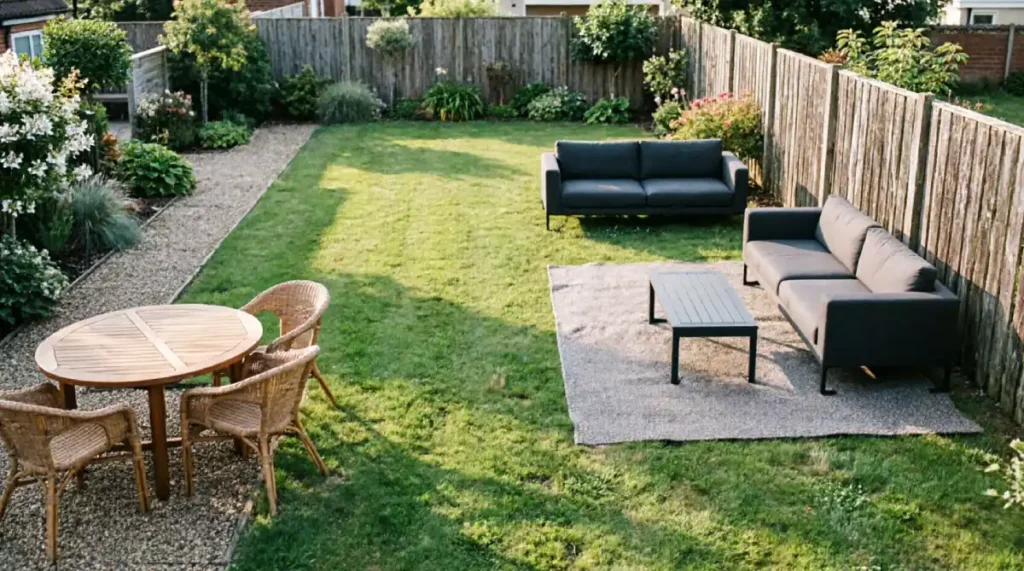
A single open space often feels chaotic because everything blends. Defining separate zones for dining, lounging, and play instantly makes the yard feel organized and larger. The eye reads clear areas instead of one cluttered mass.
In many homes, I’ve seen a simple outdoor rug under a dining set and a low planter dividing the play area do the job without walls. This visual separation creates order without losing openness. A common issue is trying to fit too many functions in one undefined rectangle. Use changes in flooring material, a line of potted plants, or a narrow gravel strip to mark the transitions. Start by sketching the main activities your family does and assign each a distinct footprint.
2. Arrange Seating in an L-Shape
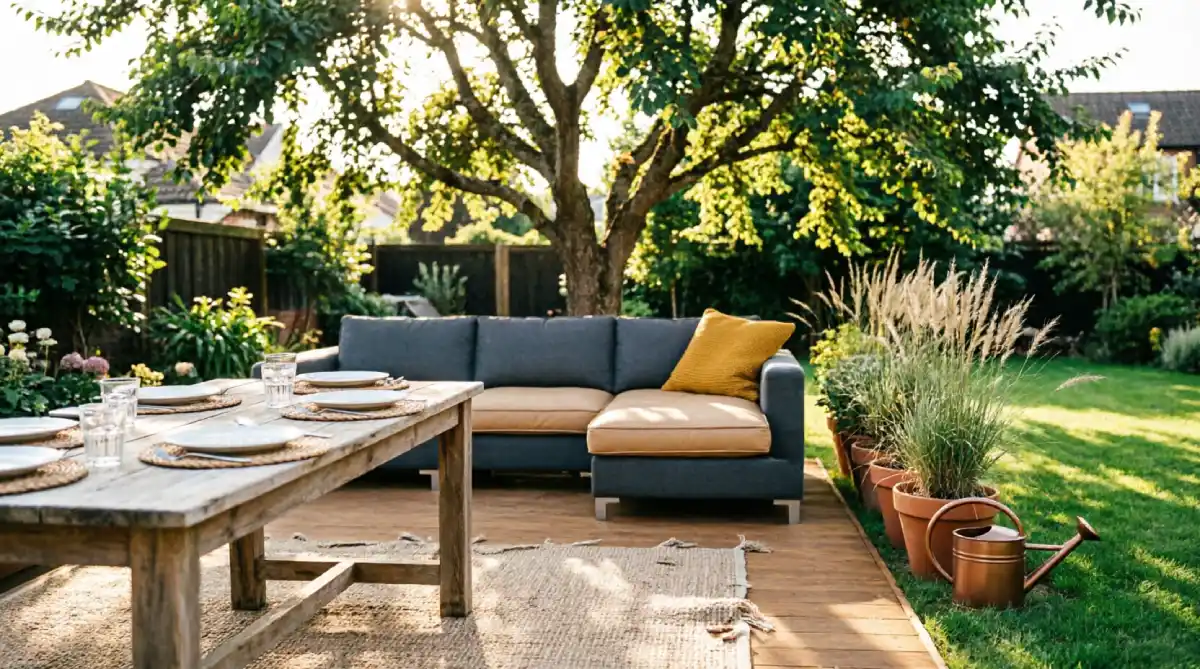
Pushing a sofa and chairs against the walls creates a dead center and forces people to shout across a void. An L-shaped seating layout pulled into the space frames a conversation area and makes the yard feel like an outdoor room. Corners naturally invite gathering, and the open side keeps the flow moving without blocking paths.
I’ve noticed this works even on small patios. A corner sectional with a compact coffee table defines the lounge zone while leaving the perimeter free for plants or walkways. Instead of lining up furniture like a waiting room, anchor the L-shape with the longer side facing the yard’s best view.
3. Float Furniture Away from the Fence
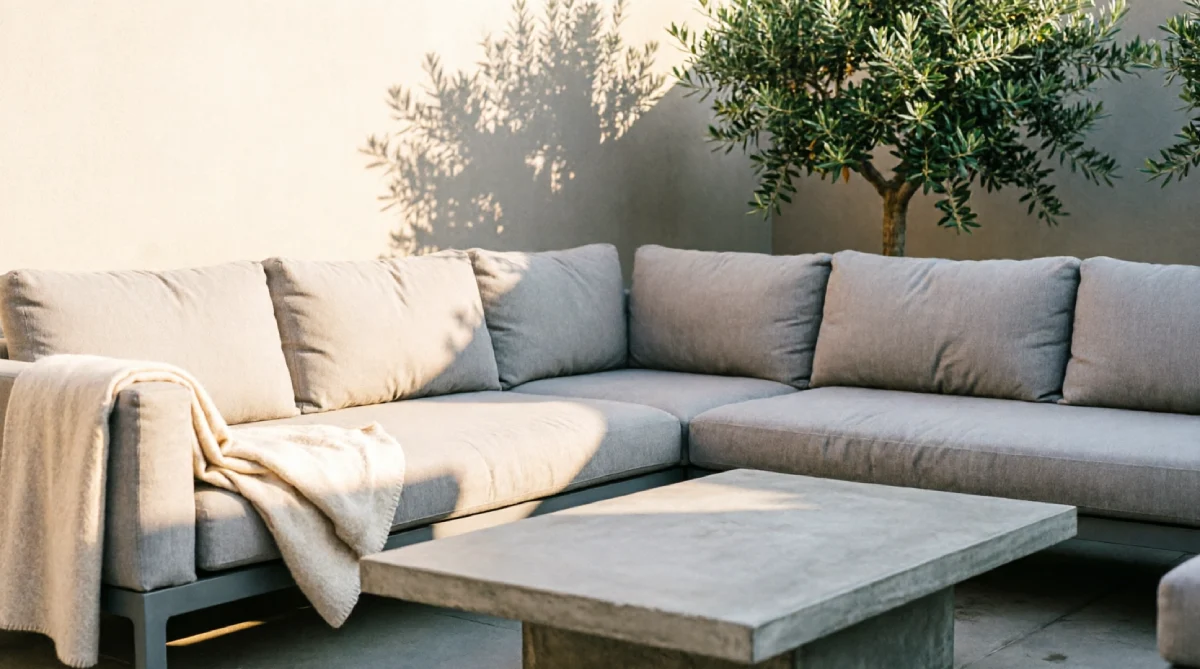
The instinct to line furniture along the fence line wastes the middle of the yard and creates a bowling-alley effect. Pulling a bench, a pair of chairs, or even a dining set a few feet into the lawn or onto the deck opens up circulation all around and makes the space breathe.
In many backyards I’ve walked through, floating a simple seating arrangement just three feet from the boundary transformed the feel from static to inviting. It creates a secondary path behind the furniture and frames the central area as intentional. Choose one key piece—like a loveseat or a bistro set—and place it at an angle slightly off the fence, anchored by an outdoor rug.
4. Anchor the Yard with a Central Fire Pit
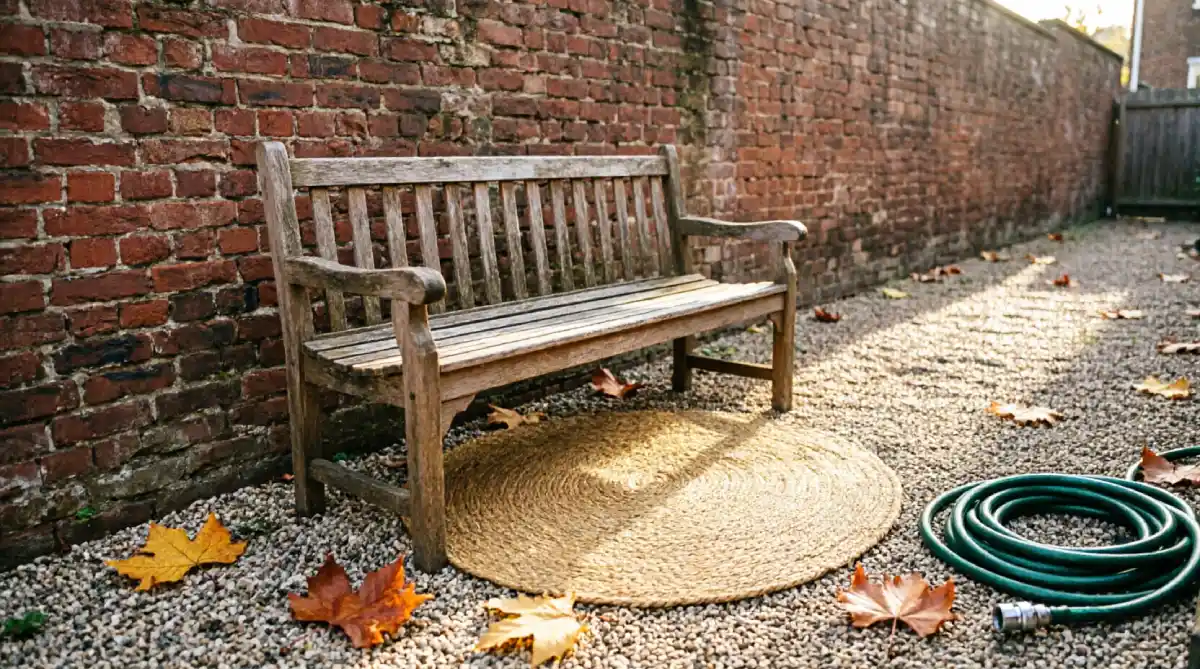
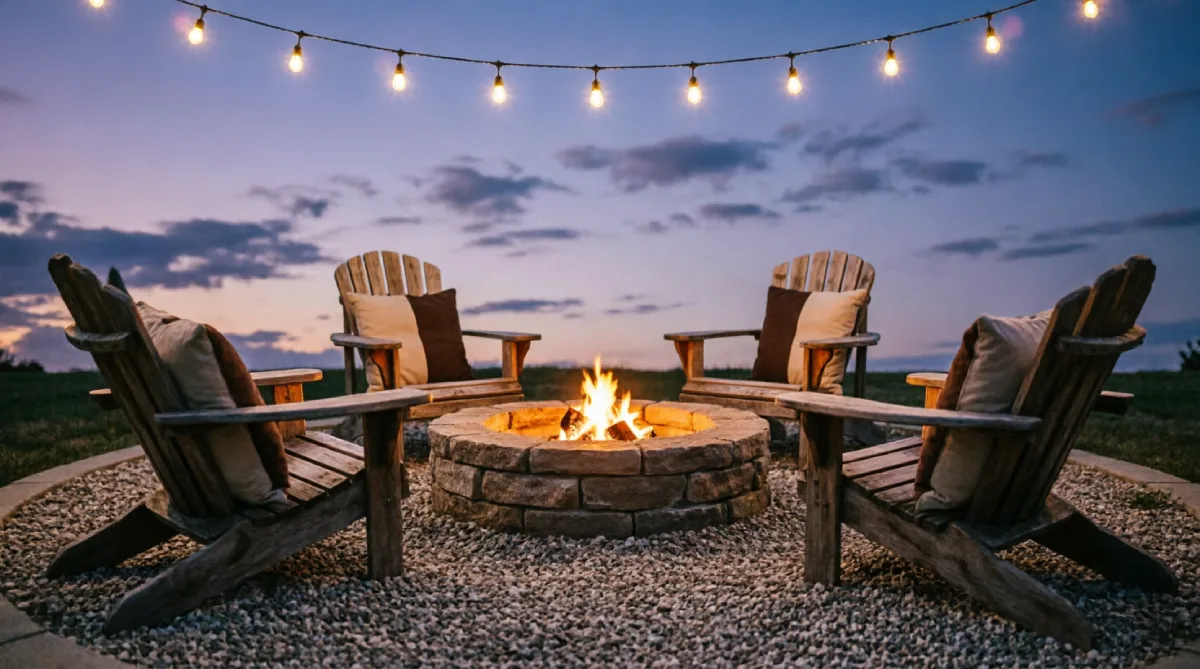
A ring of chairs around a fire feature pulls the layout inward and gives the entire yard a magnetic center. This arrangement naturally improves space by using the middle—often wasted—and pushing circulation to the edges where it belongs. The fire pit serves as a visual anchor, grounding all other zones.
A common improvement I’ve observed is replacing a scattered seating jumble with a circular setup around a modest stone pit. It works on grass, gravel, or pavers. Even when the fire isn’t lit, the circle reads as a designated spot. Keep the chairs light enough to move, and resist adding too many; four well-spaced seats feel more generous than six crammed tight.
5. Use a Diagonal Path to Stretch a Small Yard
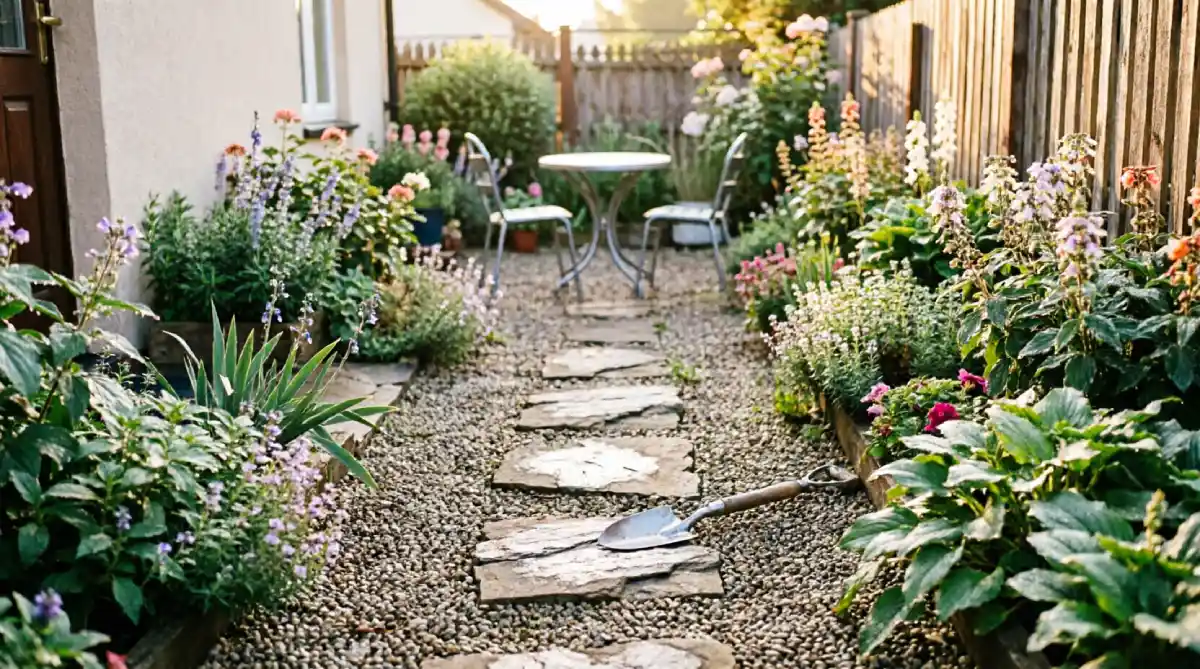
Long straight lines emphasize a yard’s shortest dimension. A diagonal path or deck board orientation tricks the eye into perceiving more length and creates a more dynamic flow. This layout move improves space without adding a single square foot.
I’ve seen this work wonders in narrow side yards where stepping stones cut corner-to-corner lead to a seating nook. The diagonal forces a slower, more interesting walk and makes the journey part of the experience. You don’t need a hardscape overhaul; simply reorient a gravel path or lay broad pavers at a 45-degree angle to the house.
6. Carve Out a Hidden Nook with Planting Beds
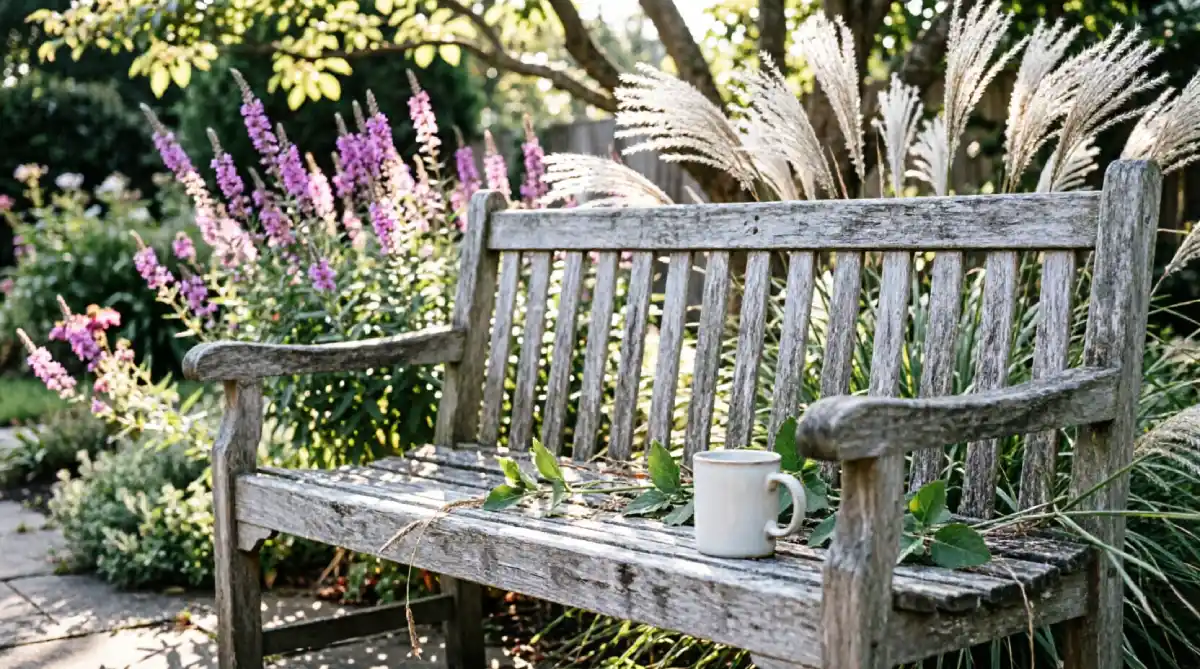
An exposed, fully open yard can feel less usable because there’s no sense of retreat. Tucking a single bench or a hanging chair behind a deep planting bed creates a discovered space that adds an extra layer of function. This pocket layout reclaims forgotten corners and makes the overall yard feel larger because it offers variety.
In many gardens, a simple curved bed of tall ornamental grasses and flowering perennials screens a compact seating spot without closing off the lawn. The nook becomes a favorite morning coffee spot. The key is to let the plants grow tall enough to partially obscure the seat from the main area, giving it a room-like quality.
7. Merge Indoor and Outdoor with an Open Corner
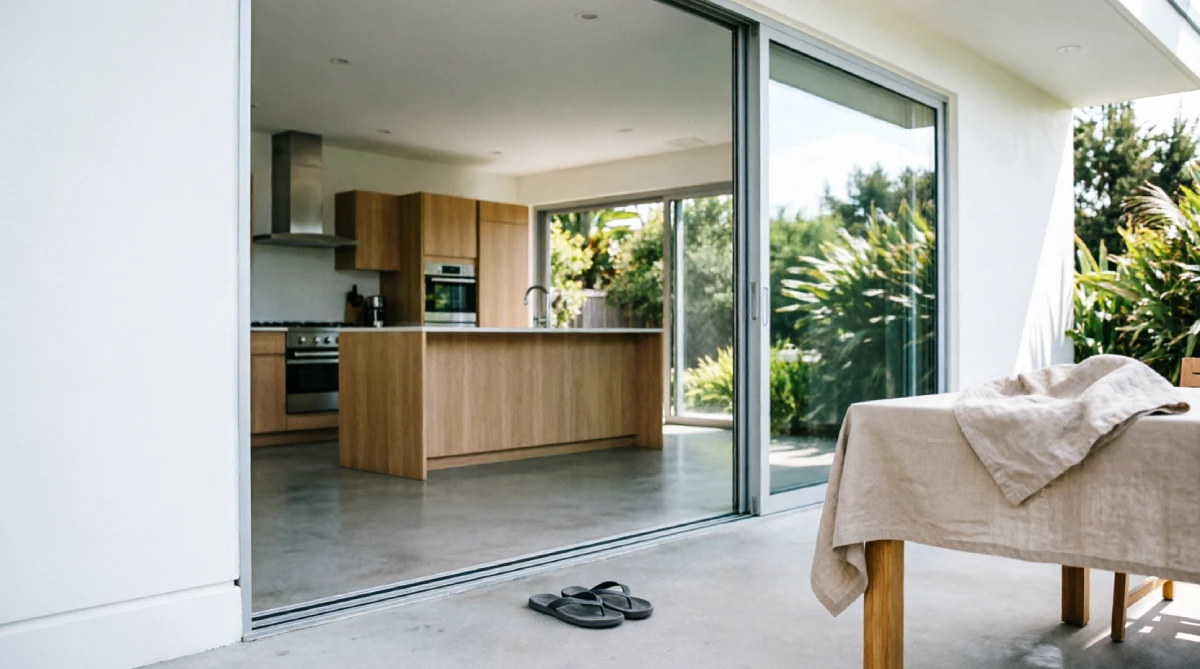
A backyard layout that connects directly to the house through wide-open sliding or bi-fold doors extends the living area without building an addition. When the corner where two walls meet opens up completely, the boundary dissolves and the deck or patio becomes a true extension. This improves usable space dramatically in summer.
I’ve noticed that even homes with a single sliding door benefit from aligning the outdoor dining table along the same axis as the indoor table. It creates a visual runway. The trick is to match the flooring color as closely as possible and keep the threshold completely flush. That uninterrupted floor plane makes the backyard feel like just another room.
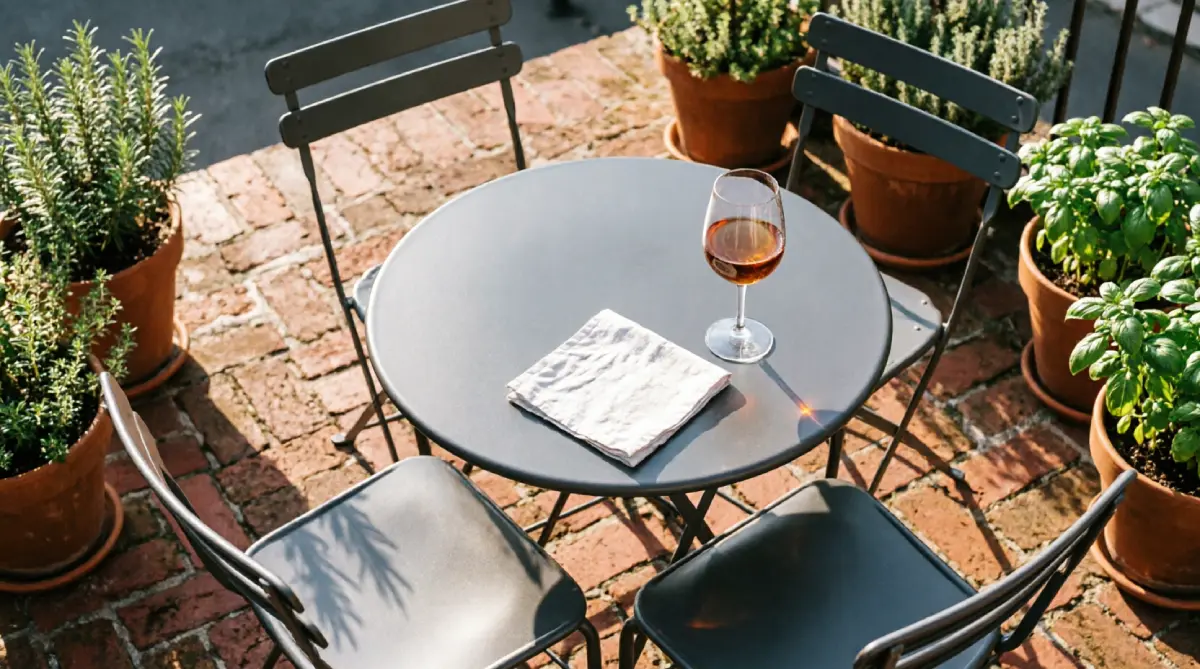
8. Choose a Round Dining Table for Compact Patios
Square and rectangular tables eat up circulation space on small patios because you have to navigate sharp corners. A round table softens the traffic flow and allows chairs to tuck in completely without blocking passage. This shape naturally improves space by letting people move around it in a fluid arc.
In many condos and townhouse patios I’ve seen, switching from a rectangular four-seater to a 42-inch round bistro table freed up surprising floor area. It seats the same number but feels airier. Pair it with armless chairs that slide fully under the table when not in use, and you reclaim that footprint for other summer activities.
9. Stack Functions with a Multi-Level Deck
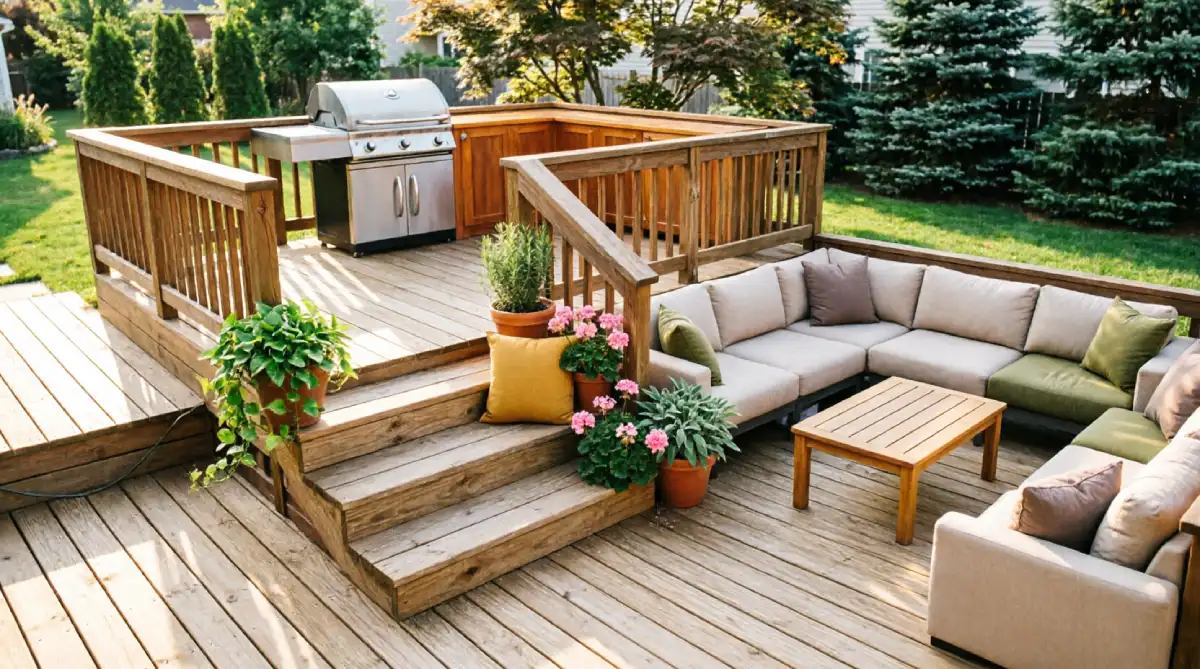
A single flat platform limits you to one big zone. By stepping the deck down into two or three levels, you naturally separate functions—grilling on the upper, lounging on the lower, maybe a built-in planter as the transition. This layered layout improves space by defining areas without adding walls, and it makes a slope usable.
I’ve seen this solve awkward elevation changes beautifully. Even a single 8-inch rise between two deck areas changes how you perceive the yard, creating a distinct destination. Keep the steps wide and shallow, and consider running the deck boards in different directions on each level to reinforce the division subtly.
10. Run a Narrow Serving Bar Along the Wall
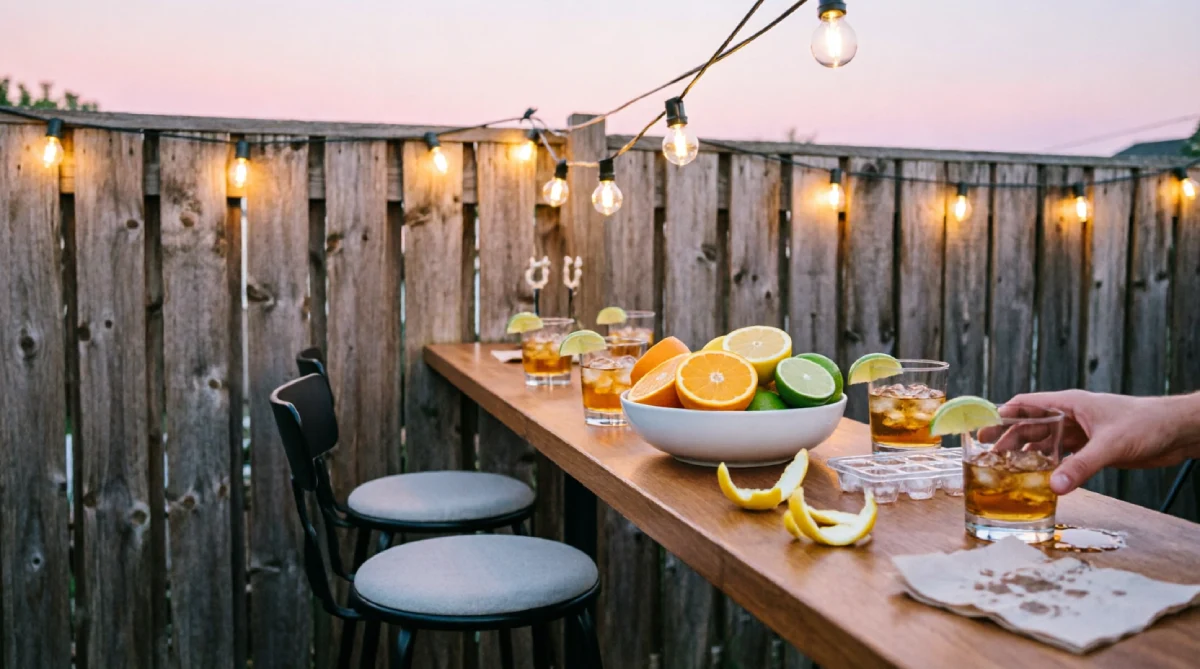
A deep buffet or bulky cart parked in the middle of the traffic path shrinks a hosting area. A slim console table or wall-mounted shelf used as a serving bar tucks against the house or fence, providing prep and drink space while keeping the main floor open. This linear layout improves flow and gives a dedicated station to summer gatherings.
In many long, narrow backyards, I’ve seen a simple 14-inch-deep teak console transform an underused wall into a functional bar area with stools that slide completely underneath. It leaves the center free for mingling. Mount a couple of hooks above for utensils or a string of battery-operated lights to define the spot after dark.
11. Frame the View with a Pergola to Direct Sightlines
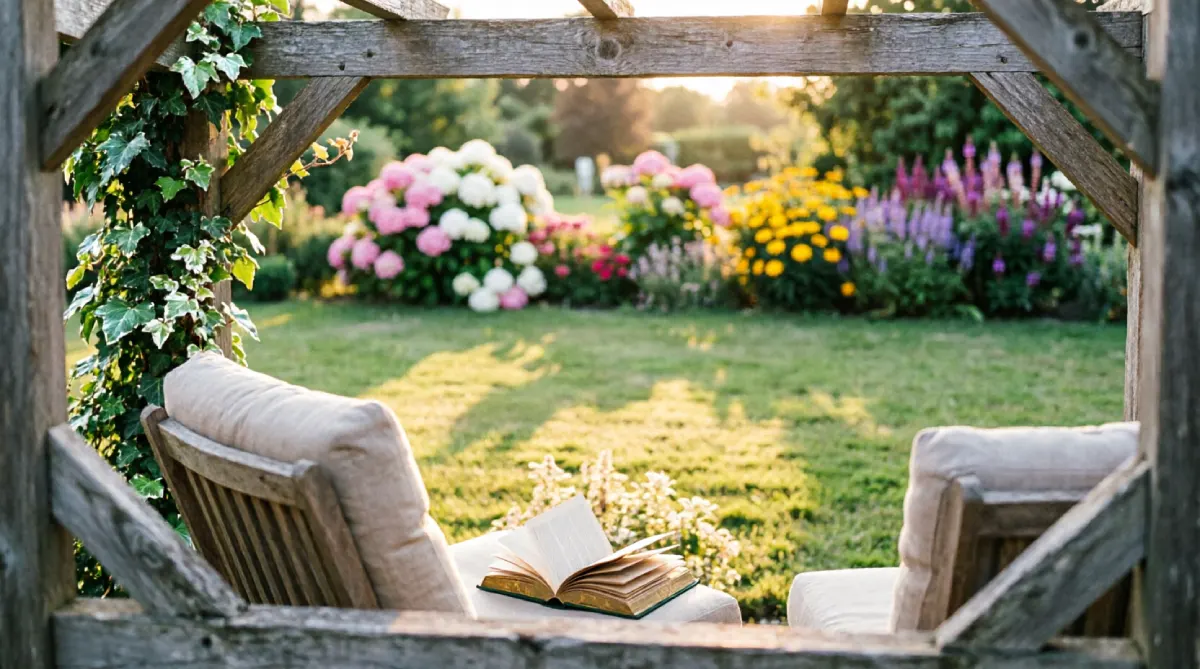
A pergola without a deliberate layout often becomes just a roof. Positioned to frame a specific view—a garden bed, a fire pit, or the lawn beyond—it acts like a picture frame that pulls your eye outward and makes the yard feel deeper. This improves spatial perception and gives the seating beneath a stronger purpose.
I’ve observed that the most effective setups align the pergola’s opening with the longest vista available. It draws you through the space and connects the covered area to the rest of the yard. Add simple outdoor curtains on one side to control the view and create a sense of enclosure without blocking the line of sight entirely.
12. Preserve a Wide-Open Lawn Area
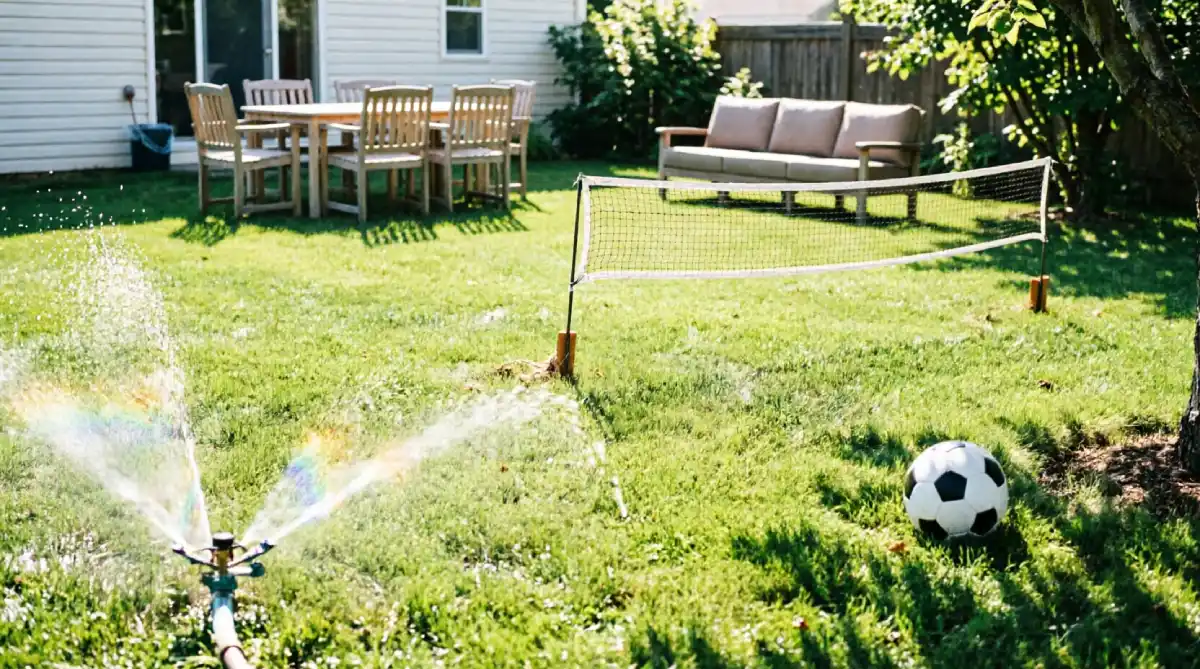
The instinct to fill every corner with furniture can suffocate a backyard. A deliberate, unfurnished stretch of lawn or open gravel serves as flexible breathing room for games, yoga, a kiddie pool, or simply empty space that makes the whole yard feel calmer and larger. This “nothing” zone is actually a high-value layout decision.
In many family backyards, a compact dining zone and lounge corner clustered near the house leaves a generous green rectangle that changes function daily. It’s the most used part of the yard precisely because it isn’t over-programmed. Resist the urge to decorate it. Mow a clean edge and let the openness speak for itself.
Practical Tips
- Start by mapping the sun’s path across your yard and place seating where you’ll actually want to sit during the hours you use the space most.
- Use weather-resistant outdoor rugs to anchor zones visually—they define areas without building anything.
- Keep at least 3 feet of clear passage around dining tables and main walkways to avoid a cramped feel.
- Repeat a material or color in different zones to tie the layout together without making it feel cluttered.
- Test a layout with lightweight furniture first and live with it for a few days before committing to heavy pieces or hardscape changes.
- Leave one sightline open from the house to the back boundary; it preserves a sense of depth.
Common Layout Mistakes That Waste Space
- Pushing all seating against the fence, which turns the yard into a corridor rather than a room.
- Buying furniture that’s too large for the scale of the space, leaving no room to move.
- Blocking natural pathways with decorative objects or oversized planters.
- Neglecting vertical space—blank walls and fences are missed opportunities for hanging plants or slim storage.
- Designing a symmetrical layout in an irregularly shaped yard, which often highlights awkward angles instead of working with them.
FAQs
What is the best layout for a small backyard in summer?
Focus on two clear zones—like a dining spot and a lounge corner—connected by a simple path. Float furniture slightly away from boundaries and use round tables to save circulation space.
Can I improve my backyard space without major renovations?
Yes. Reorienting existing furniture, using rugs to define zones, and removing a few pieces to create open areas often transforms the feel of a yard with zero construction.
How do I arrange furniture to maximize flow?
Think of invisible walkways connecting key points like the back door, dining area, and lawn. Place furniture outside those paths, and leave wider gaps than you think you need.
What are common layout mistakes that make a yard feel smaller?
Lining up chairs along walls, overcrowding with too many functions, and using dark, heavy furniture that visually weighs down the space. Small changes in placement often fix this.
Is it expensive to redesign a backyard layout?
It doesn’t have to be. Many space-improving layouts rely on repositioning what you already own. Even adding gravel paths or a few large pots is a modest investment with big spatial impact.
Conclusion
A well-planned backyard layout does more than decorate—it multiplies the ways you can use the space all summer long. Whether you’re floating seating away from the fence, carving out a hidden nook, or simply keeping an open lawn, the goal is the same: make every square foot count without the space feeling tight. I recommend starting with one zone this weekend. Move a few pieces, live with the new flow, and watch how much bigger your yard feels with practically no money spent.
