

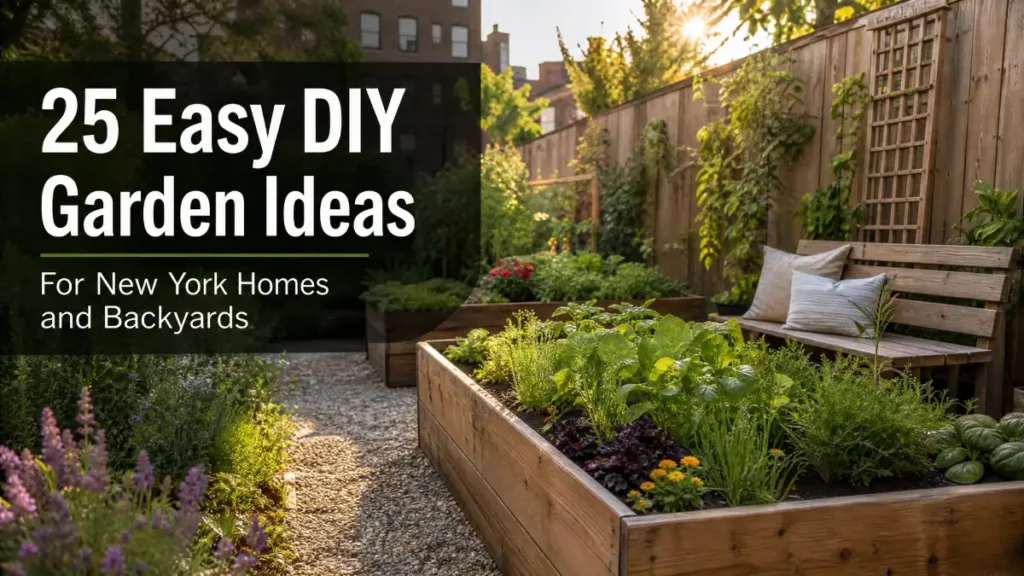
Introduction
Last spring, a homeowner in Queens spent three weekends turning a neglected 20×30 foot backyard into a productive, attractive outdoor space — raised beds, a gravel path, and a small seating area — for under $800. No contractor, no permits, just smart planning and a few trips to the Home Depot on Flatbush Avenue.
If you own a home in New York and your backyard is sitting unused, you are leaving real value on the table. New York’s climate — cold winters, humid summers, and a relatively short growing season from May through October — demands garden planning that actually fits where you live. Generic gardening advice written for Florida or California will set you up to fail.
This guide covers 25 practical DIY garden ideas for New York homes, organized by effort, cost, and impact. Every idea here accounts for NY soil conditions, local frost dates, and the realities of working with limited backyard square footage. Whether your lot is 15 feet wide in Brooklyn or a quarter-acre in Nassau County, there is something actionable here.
Understanding DIY Gardening for Homes in New York
Before you buy a single plant or bag of soil, you need to understand what makes gardening in New York different from the rest of the country.
- Frost dates matter. New York City’s last frost averages around April 1–15, but upstate New York homeowners in areas like Albany or Buffalo are looking at May 1 or later. Plant too early and one late frost wipes out your work.
- Soil quality is poor in most NY backyards. Urban and suburban New York soil is frequently compacted, contaminated with construction debris, or low in organic matter. Testing your soil before planting is not optional — it’s the step that determines whether anything grows. Cornell Cooperative Extension offers soil testing kits for around $15–$25 and is the most reliable resource for NY-specific guidance.
- Space is a real constraint. The average lot size for a single-family home in NYC’s outer boroughs runs between 1,500 and 4,000 square feet total — and your backyard is a fraction of that. On Long Island or in Westchester, you get more room, but most NY homeowners are working with modest outdoor space.
- NYC Department of Buildings (DOB) permits are generally not required for basic garden work — raised beds, planting, fencing under 6 feet, and ground-level patios. However, if you are adding a deck, retaining wall over 4 feet, or permanent structure, check with NYC DOB or your local municipality before starting.
25 DIY Garden Ideas for New York Homes
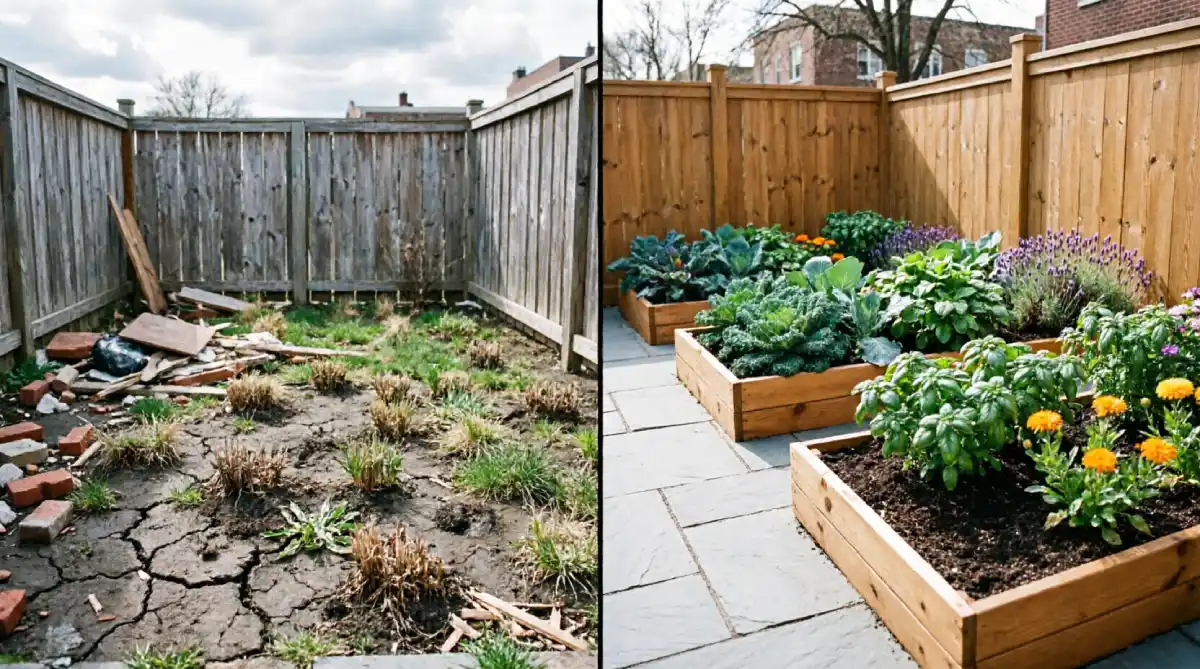
1. Build Raised Garden Beds
Raised beds solve New York’s soil problem directly. You control what goes in, you avoid compacted or contaminated ground soil, and drainage improves immediately.
How to do it: Use untreated cedar or redwood boards (1.5″ thick, 8–12″ tall). A standard 4×8-foot bed costs around $60–$120 in lumber from Home Depot or Lowe’s. Fill with a mix of topsoil, compost, and perlite — budget around $40–$80 per bed for fill material.
Cost: $100–$200 per raised bed, DIY
2. Install a Gravel Pathway
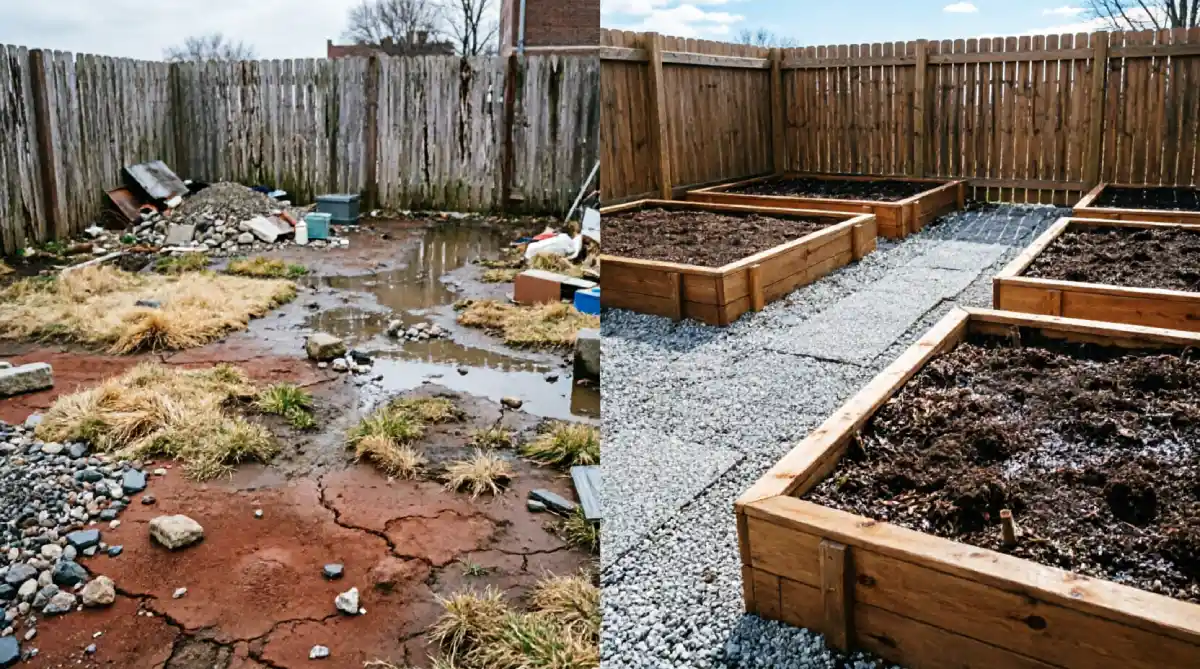
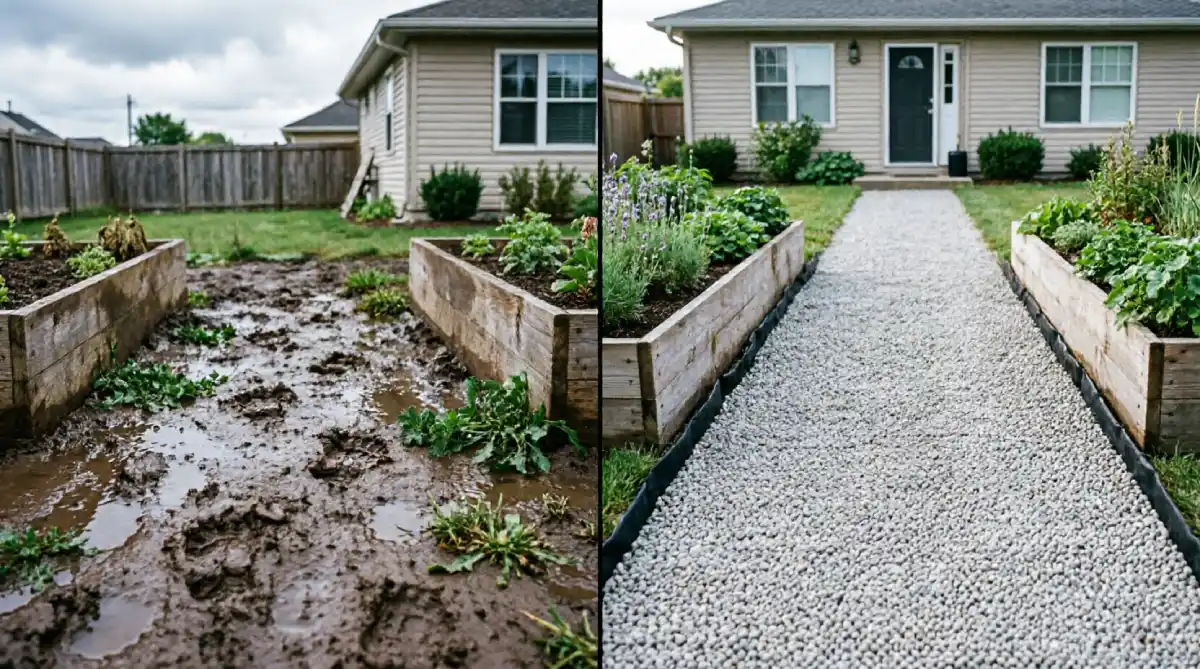
A simple gravel path between garden beds keeps mud out of your home and gives the yard structure without a big investment.
How to do it: Dig 3–4 inches deep, lay landscape fabric, and fill with pea gravel or crushed stone. A 20-foot path runs $50–$120 in materials, depending on width.
Cost: $50–$150 DIY
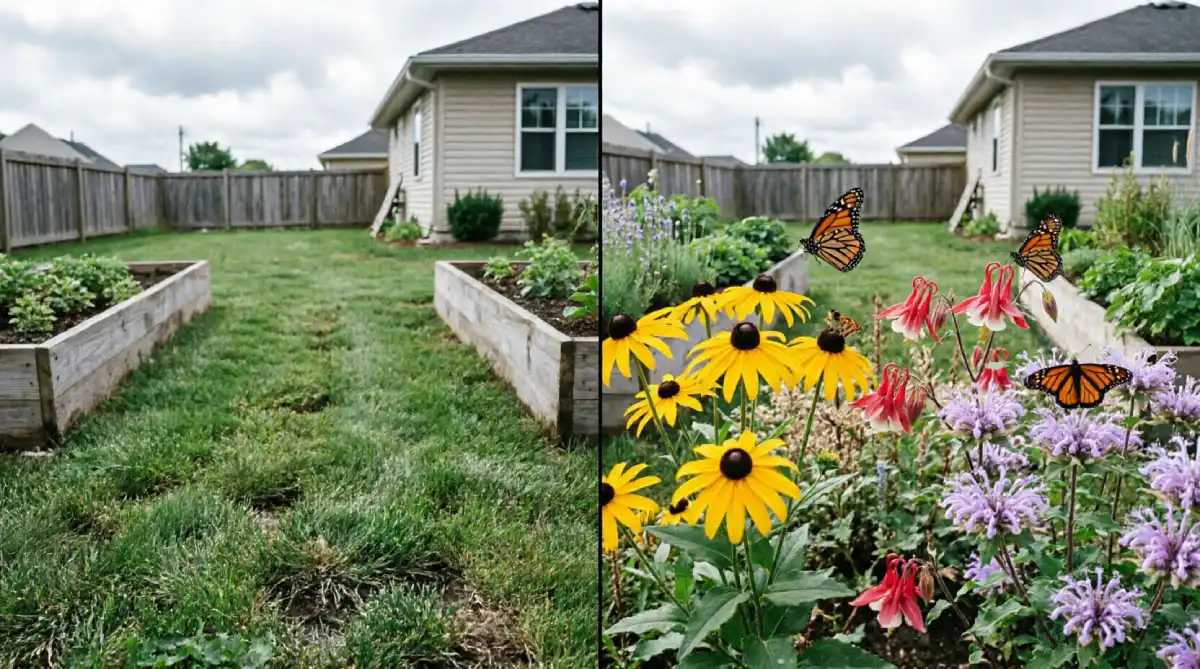
3. Plant a Native Garden Section
Native New York plants — like Black-eyed Susans, Eastern Red Columbine, and Wild Bergamot — require almost no maintenance once established, survive NY winters without special care, and support local pollinators.
How to do it: Remove a section of lawn, loosen the soil, and plant a mix of native perennials. The BBG (Brooklyn Botanic Garden) sells native plants seasonally and is a reliable local source.
Cost: $50–$200 for plants, one-time
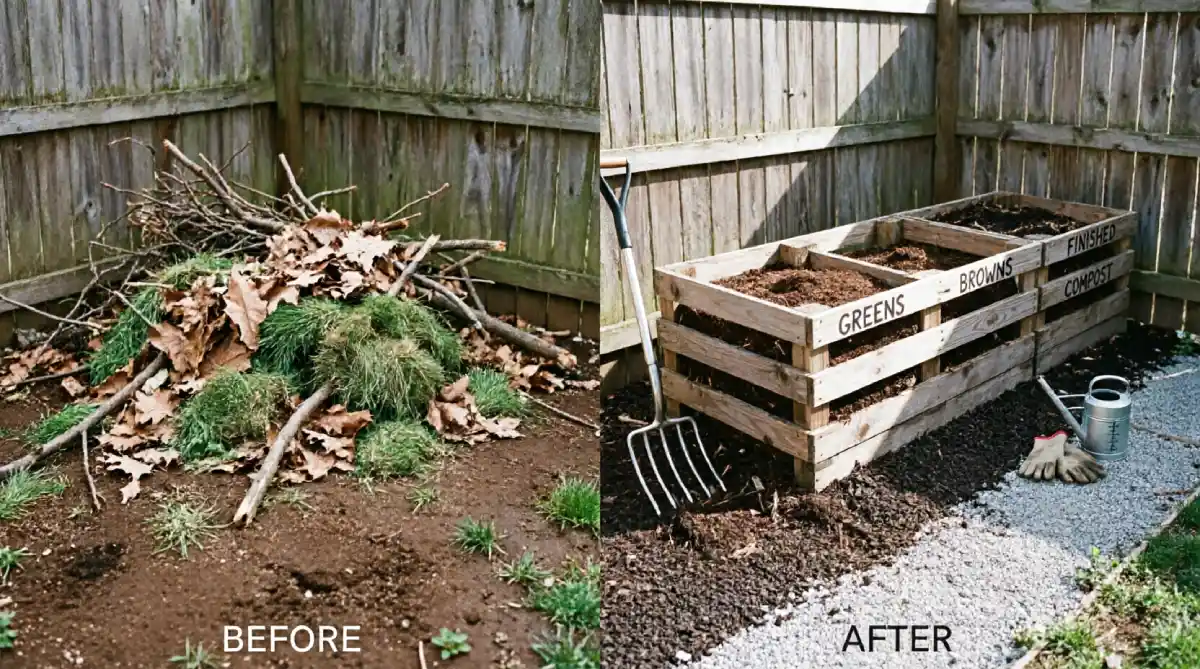
4. Create a Composting Station
Composting cuts your garden supply costs over time and improves soil every season.
How to do it: Buy a basic compost bin from Home Depot for $40–$80 or build a simple three-bin system from pallets for nearly free. New York City’s GrowNYC program also distributes subsidized compost bins to residents.
Cost: $0–$80
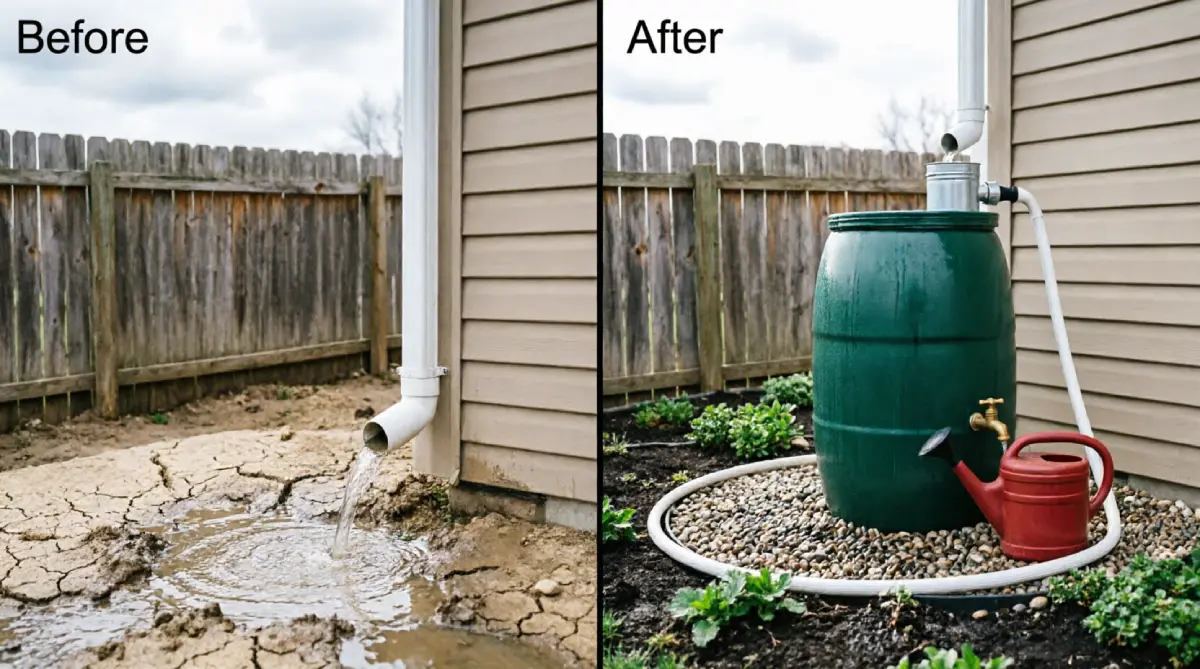
5. Add a Rain Barrel
Water bills in NYC are among the highest in the country. A rain barrel connected to a downspout collects free water for garden use.
How to do it: Purchase a 50–55 gallon rain barrel ($30–$100 at Home Depot or online). Connect it to your gutter downspout with a diverter kit. NYC DEP has offered rain barrel rebate programs — check their site for current availability.
Cost: $30–$100
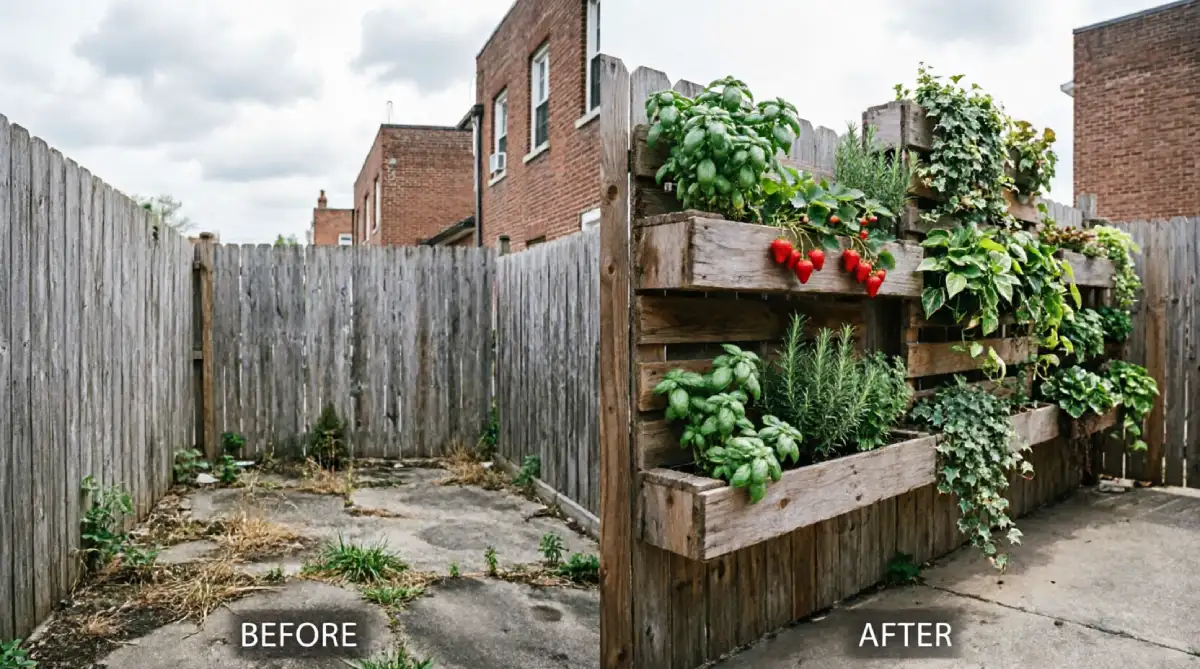
6. Build a Vertical Garden Wall
If your backyard is narrow — common in Brooklyn or Queens row houses — a vertical garden wall uses fence or exterior wall space instead of ground space.
How to do it: Mount wooden pallet planters or buy modular wall planter systems. Grow herbs, strawberries, or trailing plants. Wall space that does nothing becomes productive.
Cost: $30–$150, depending on the system
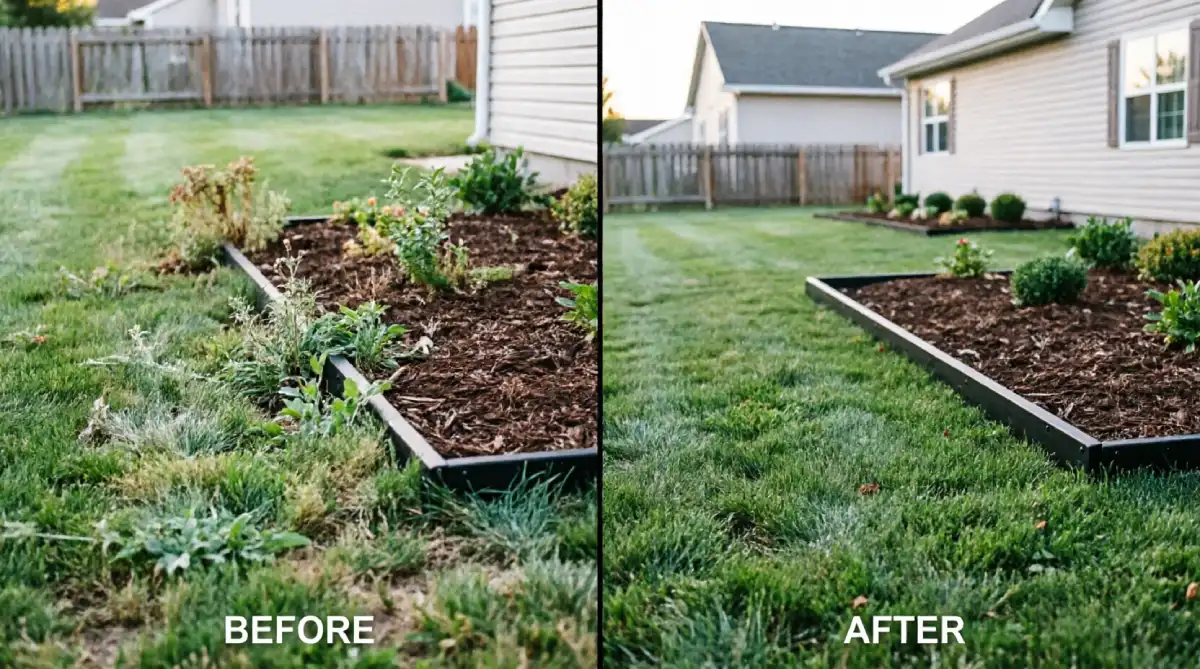
7. Install Landscape Edging
Clean edges between lawn and garden beds make a yard look intentional and reduce maintenance.
How to do it: Use steel, aluminum, or hard plastic edging from Lowe’s. Pound it into the ground along bed borders. A 20-foot section costs $20–$50.
Cost: $20–$80 DIY
8. Plant a Pollinator Garden
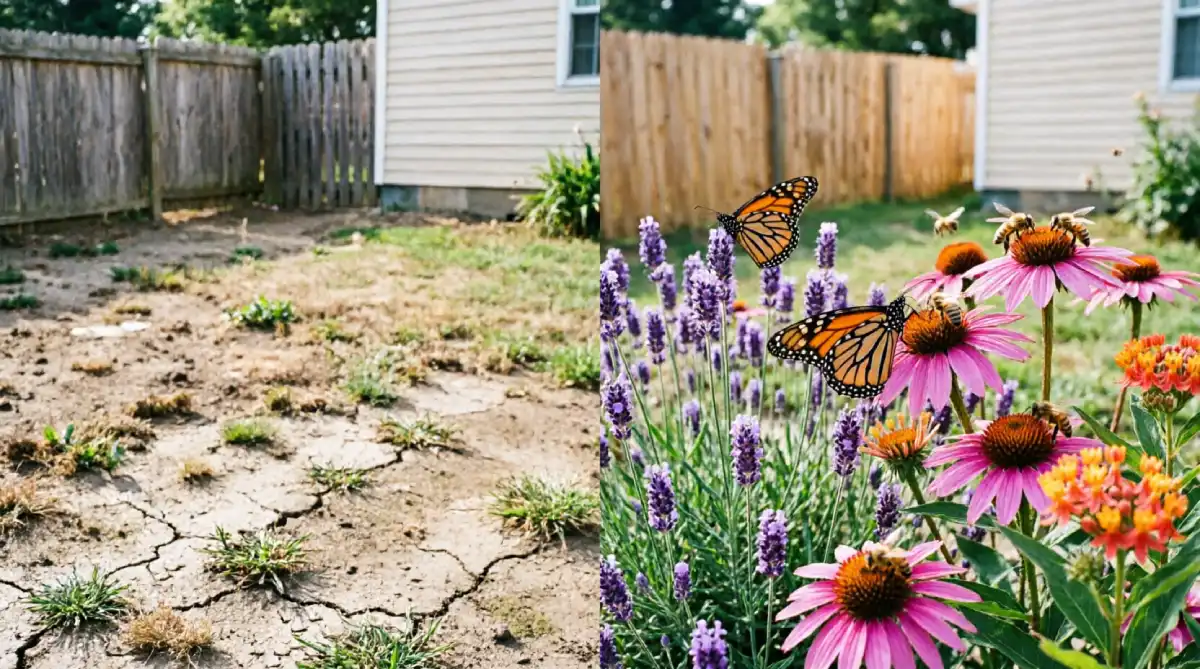
Bees and butterflies are declining nationally. A small pollinator section in your NY backyard — lavender, coneflower, milkweed — takes one weekend to plant and helps local biodiversity.
Cost: $40–$120 in plants
9. Build a Simple Garden Bench
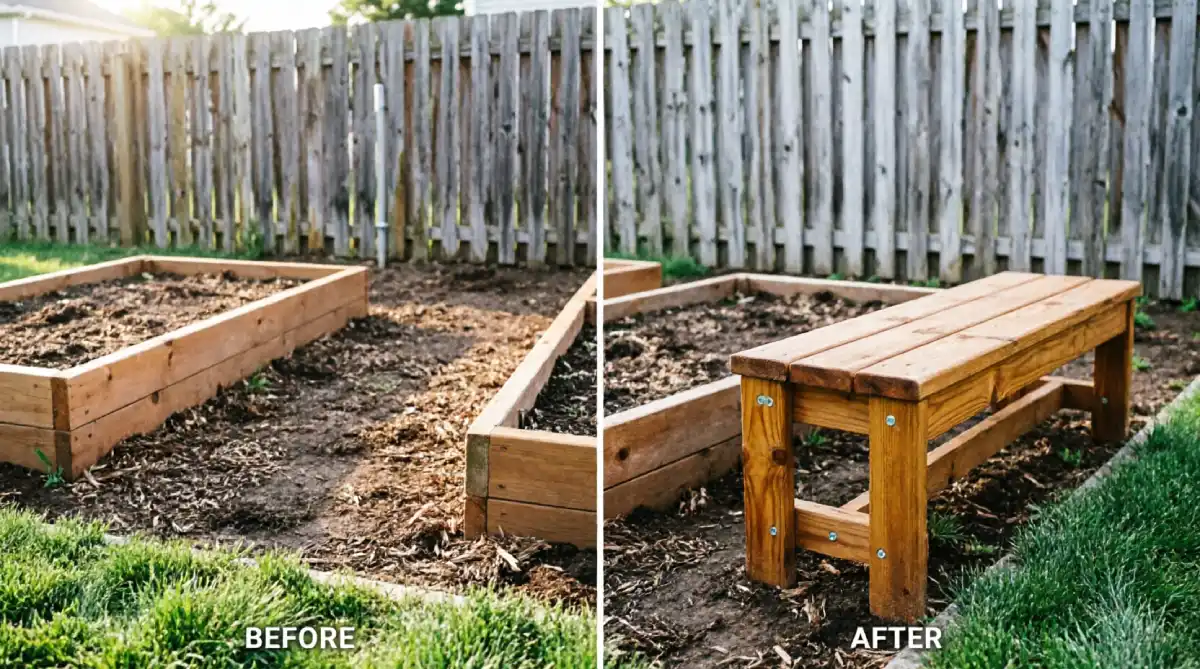
A cedar or pine garden bench built from 2×4 lumber takes about four hours and adds functional seating without buying patio furniture.
Cost: $40–$80 in lumber
10. Install Solar Garden Lights
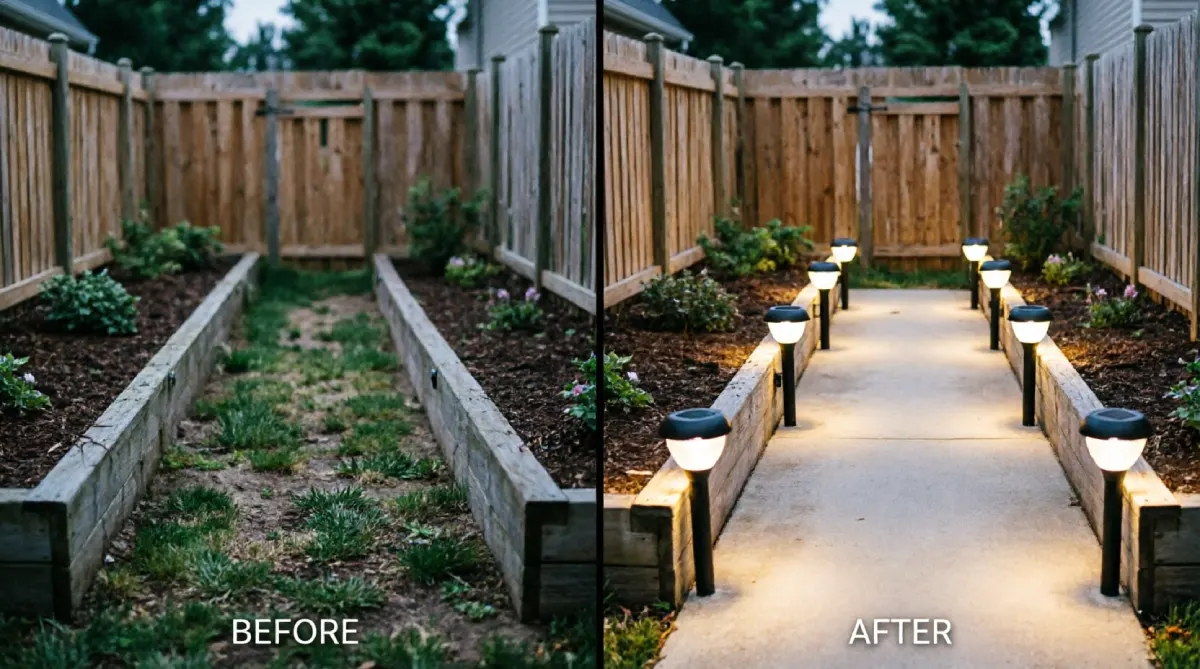
No electrician needed. Solar path lights from Home Depot ($15–$60 for a set) define pathways and add visibility without running wiring.
Cost: $15–$60
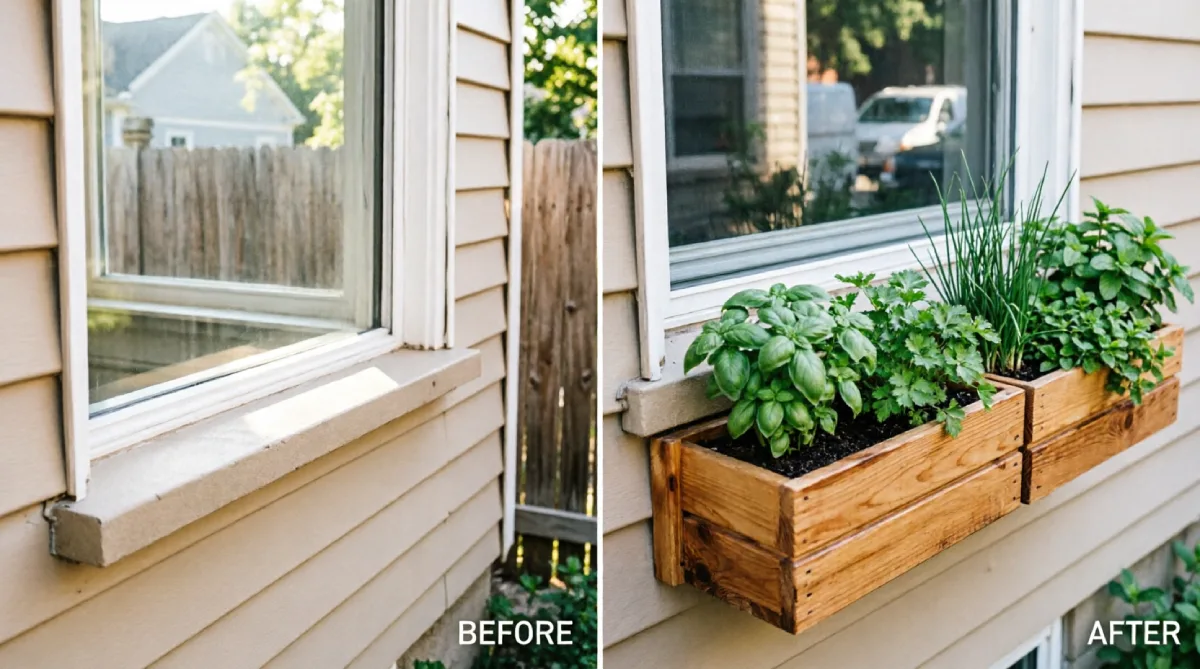
11. Create a Herb Garden in a Window Box
Window boxes mounted under windowsills or along fence tops grow basil, parsley, chives, and mint well in NY’s summer climate.
How to do it: Buy cedar window boxes ($15–$40 each), fill with quality potting mix, and plant herbs after the last frost. Basil especially loves NY summers.
Cost: $30–$80 per box
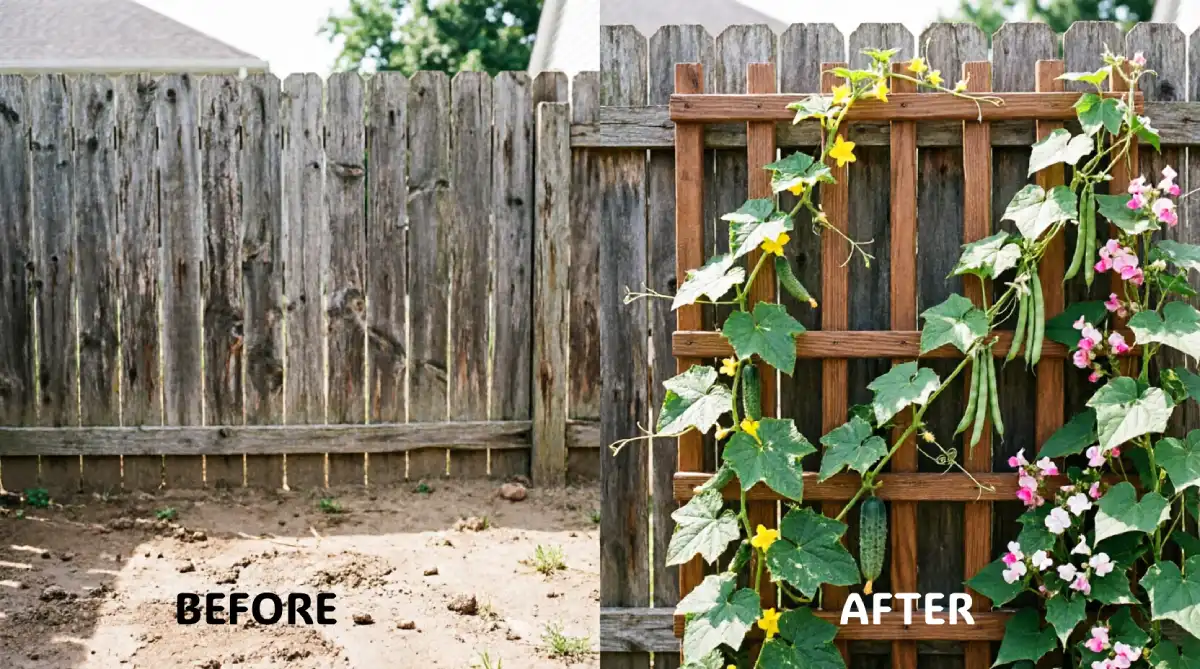
12. Build a Trellis for Climbing Plants
A simple wooden trellis against a fence or wall lets you grow cucumbers, pole beans, or flowering vines vertically — saving ground space.
How to do it: Use 1×2 cedar strips or buy a pre-made trellis panel at Lowe’s for $20–$50. Mount to fence posts or stake into the ground.
Cost: $20–$60
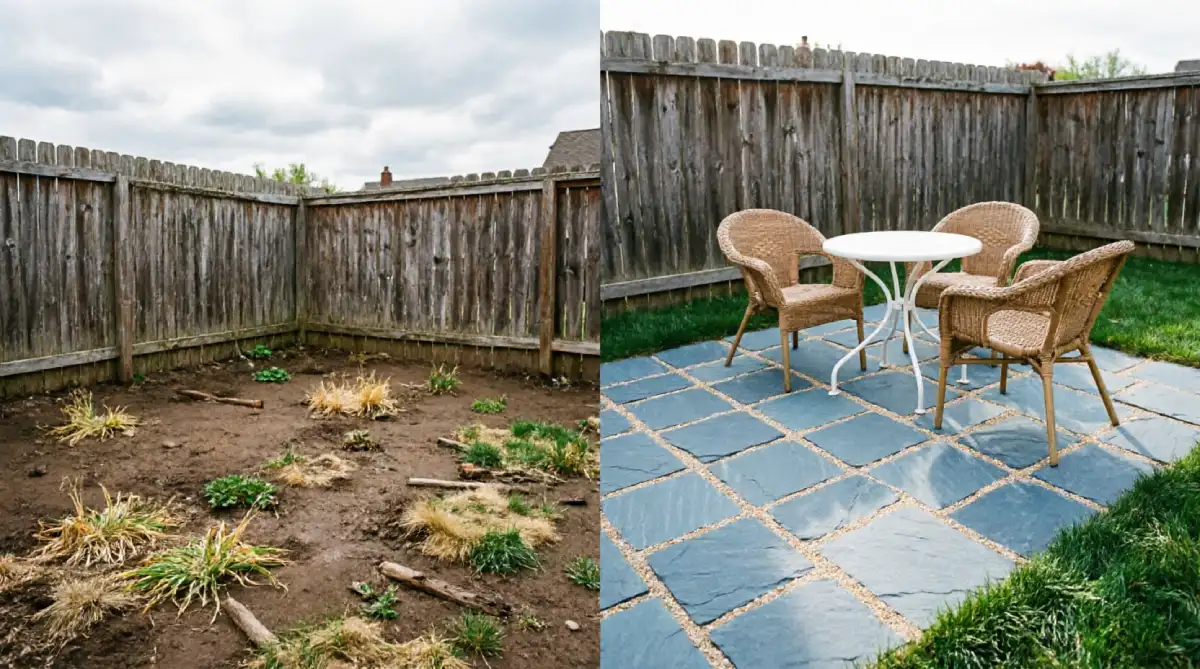
13. Lay a Small Flagstone Patio
A flagstone seating area in the corner of a backyard creates an outdoor living space without a permit (for ground-level installations under most NY municipalities).
How to do it: Level the ground, lay a sand base 2 inches deep, and place flagstones. Bluestone is the traditional NY choice and is widely available at local stone yards in Queens, Brooklyn, and Long Island. Expect $3–$8 per square foot for bluestone.
Cost: $200–$600 for a 10×10 space, DIY
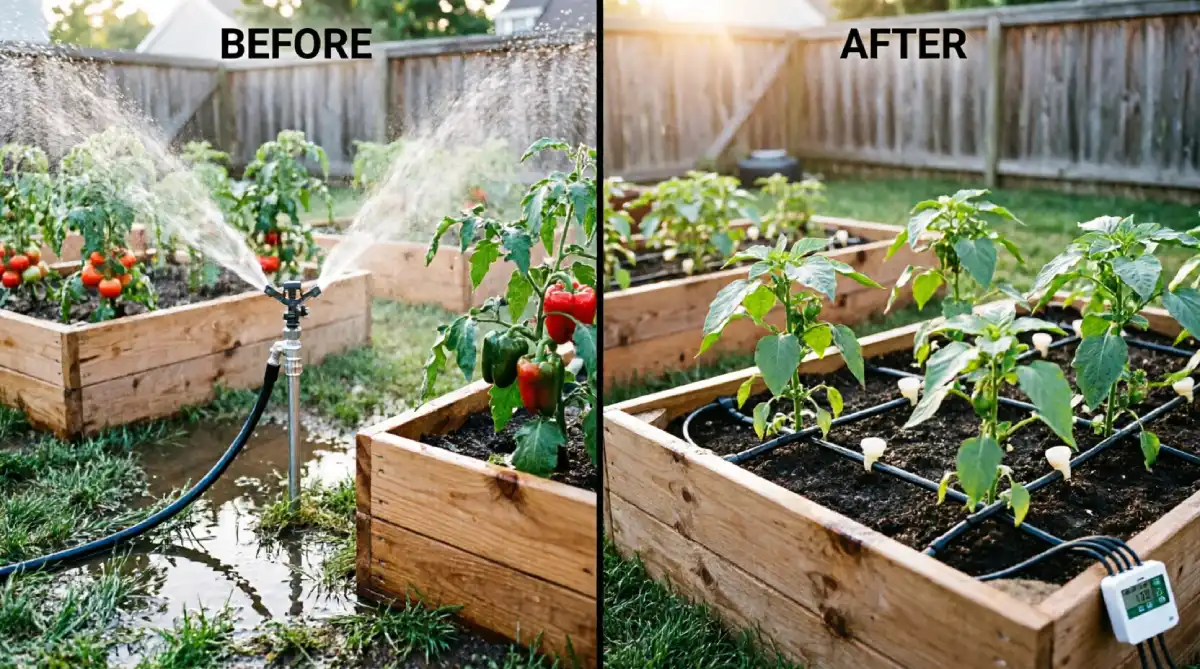
14. Install a Drip Irrigation System
Drip irrigation saves water and reduces fungal issues common in NY’s humid summers. Basic drip kits at Home Depot start around $30 for small garden areas.
Cost: $30–$150, depending on coverage area
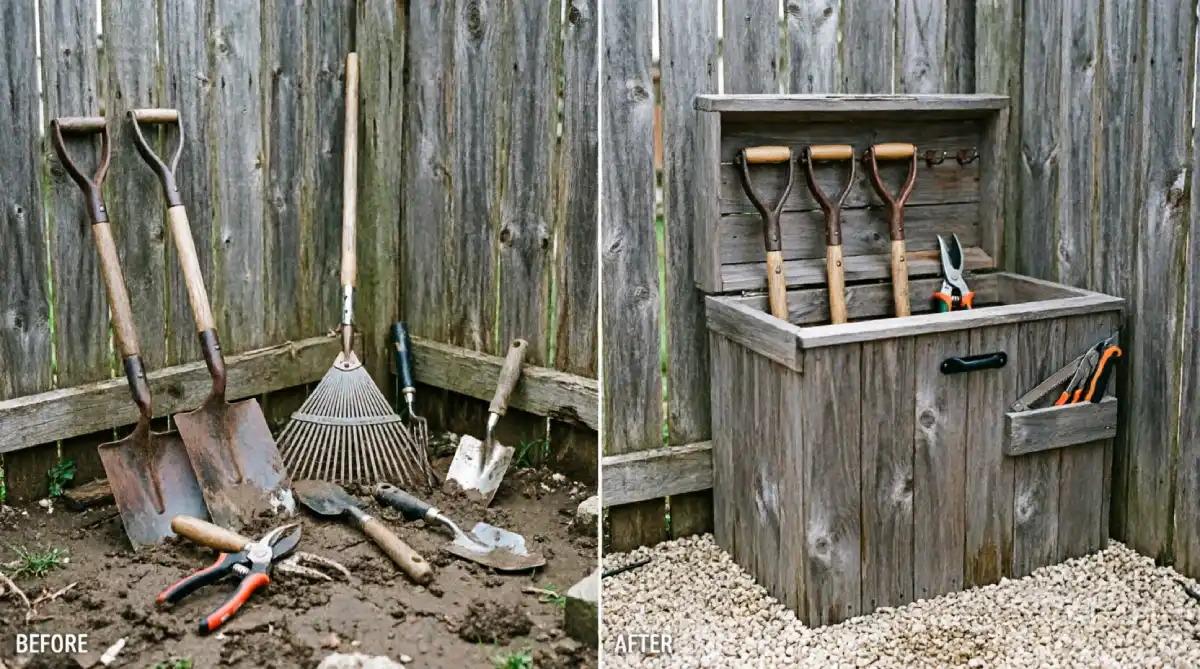
15. Build a Garden Tool Storage Box
A simple outdoor storage box from pressure-treated lumber or cedar keeps tools organized and dry. Build one in a weekend using basic lumber cuts — no advanced skills needed.
Cost: $60–$150 in materials
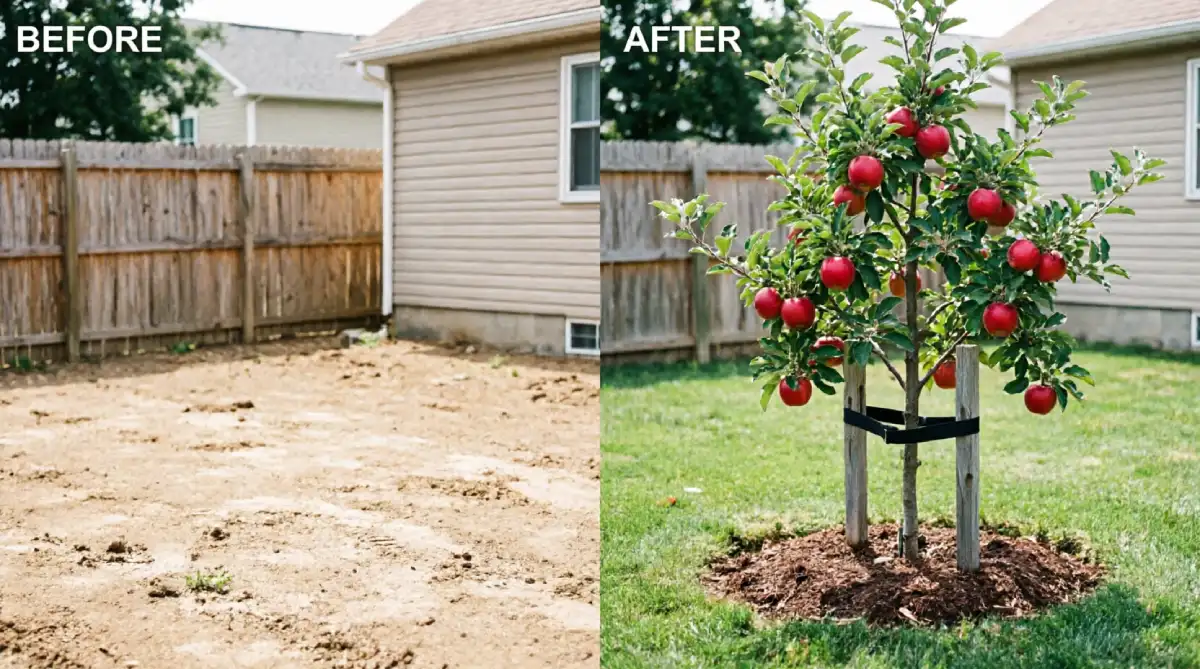
16. Plant a Fruit Tree
Apple, pear, and cherry trees all do well in New York’s climate. Dwarf varieties work in smaller backyards and start producing within 2–3 years.
How to do it: Buy a bare-root or potted dwarf tree from a local nursery in early spring. Dig a hole twice as wide as the root ball. Most NY homeowners in suburban areas have enough space for one or two dwarf fruit trees.
Cost: $30–$80 per tree
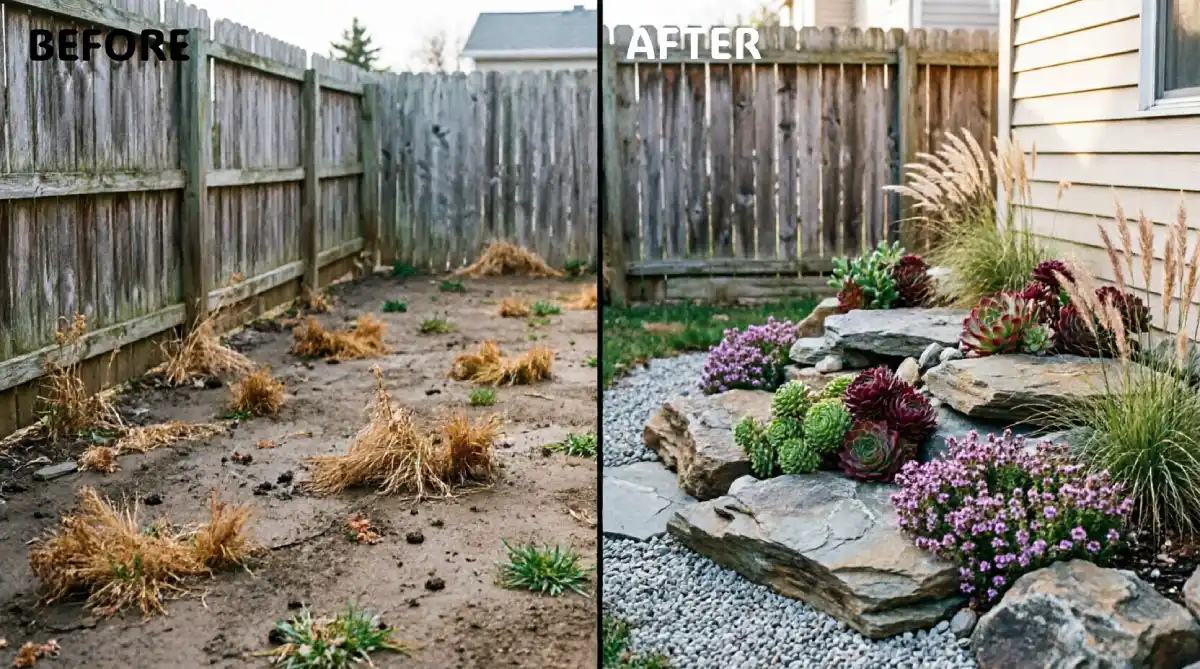
17. Create a Rock Garden Section
A rock garden in a low-traffic corner requires almost zero maintenance and handles NY’s freeze-thaw cycles well. Use local fieldstone and plant sedums, creeping thyme, or ornamental grasses between rocks.
Cost: $50–$200, depending on stone sourcing
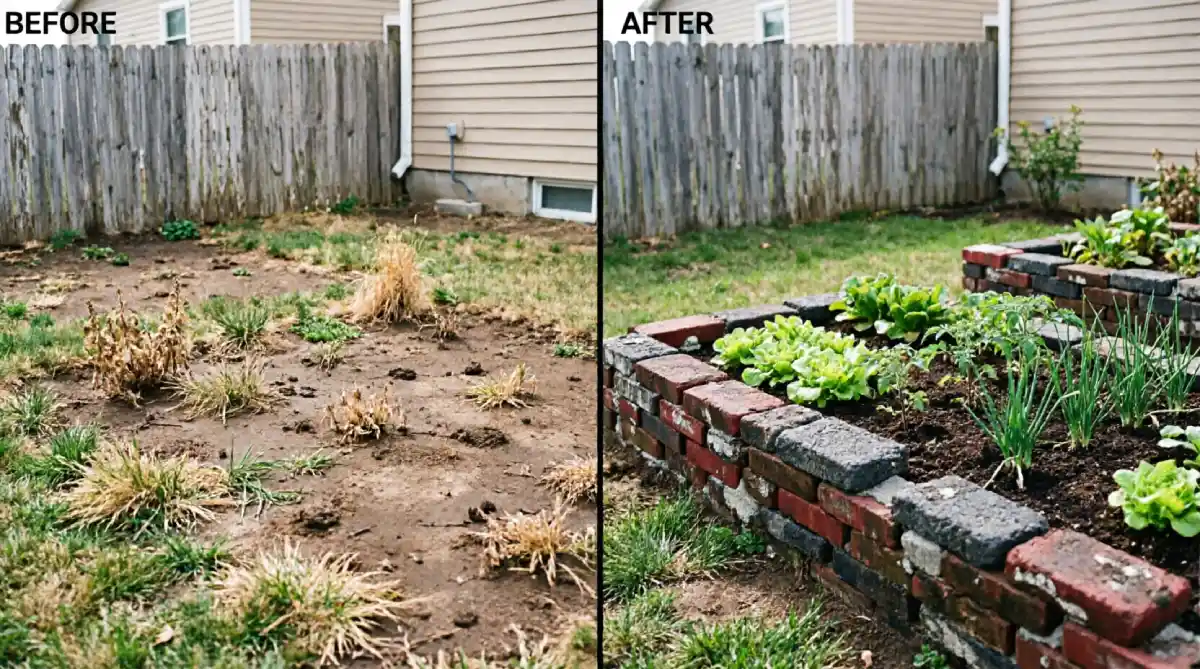
18. Build a Garden Bed Borders With Repurposed Materials
Old bricks, cinder blocks, or reclaimed wood can all create garden bed borders. Salvage yards in Queens and Brooklyn regularly sell used bricks for $0.25–$0.75 each.
Cost: $20–$100 depending on materials
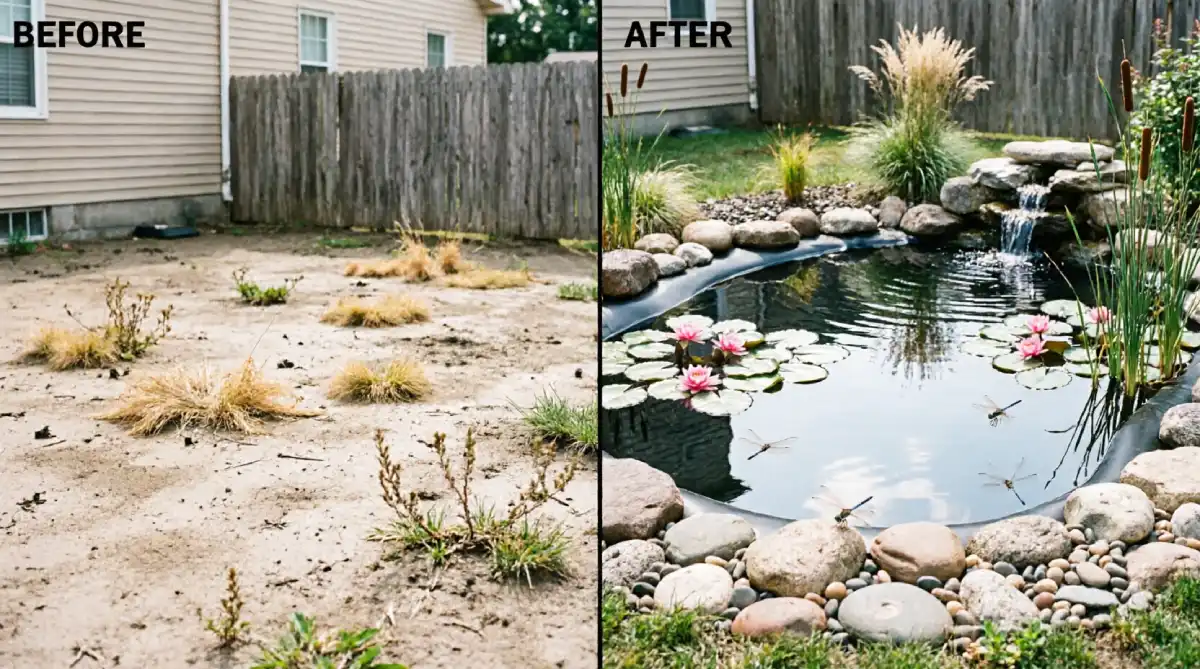
19. Install a Small Pond or Water Feature
A pre-formed pond liner from Lowe’s ($60–$150) creates a water feature that attracts wildlife and adds visual interest. Dig to fit the liner, fill, and add aquatic plants.
Cost: $100–$300 DIY
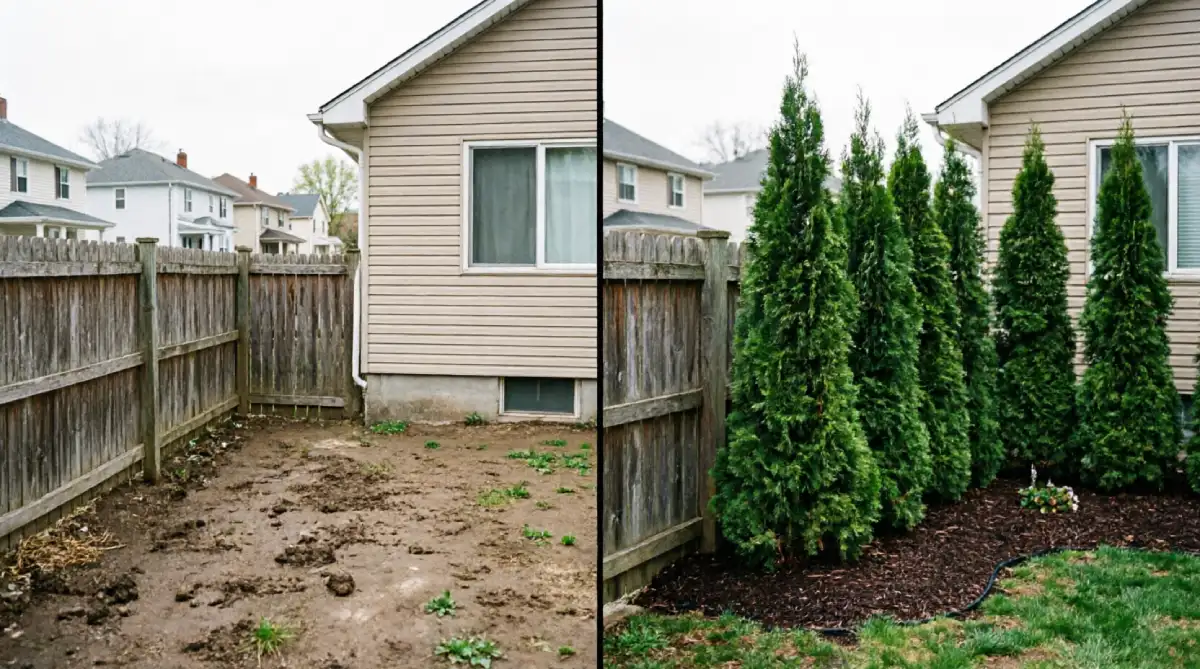
20. Plant a Privacy Hedge
In New York’s densely built neighborhoods, a row of arborvitae or privet creates privacy without a fence permit. Emerald Green Arborvitae grows 12–15 inches per year and tolerates NY winters well.
Cost: $25–$60 per plant, typically need 5–10 plants per fence line
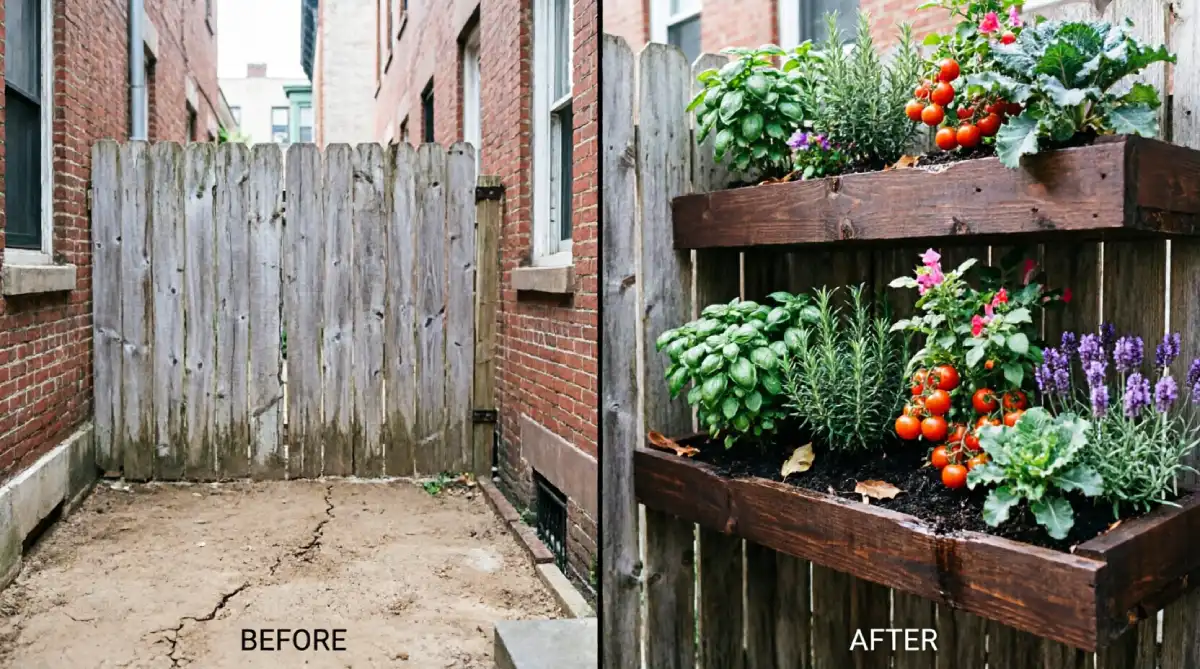
21. Add Raised Planters Along a Fence Line
Fence-line planters use vertical dead space and are especially useful in row house backyards where ground space is limited.
Cost: $40–$120 per planter section, DIY
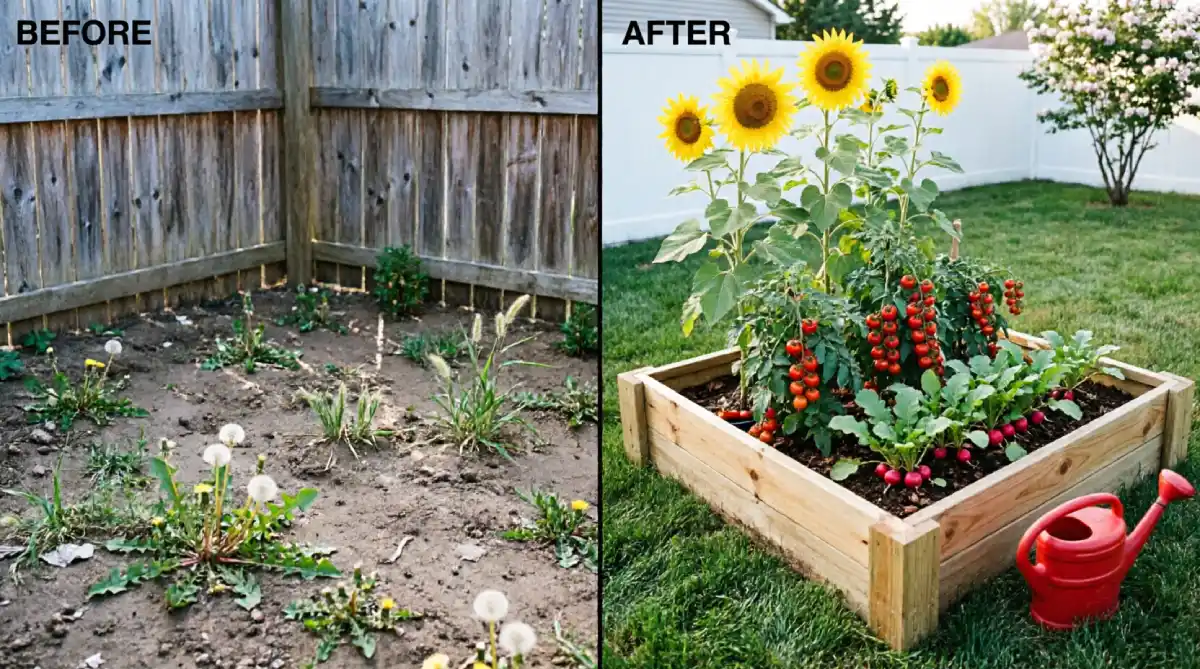
22. Build a Kids’ Garden Plot
A dedicated 4×4 raised bed for children to grow fast-producing crops — cherry tomatoes, radishes, sunflowers — takes one weekend and costs under $100.
Cost: $60–$100
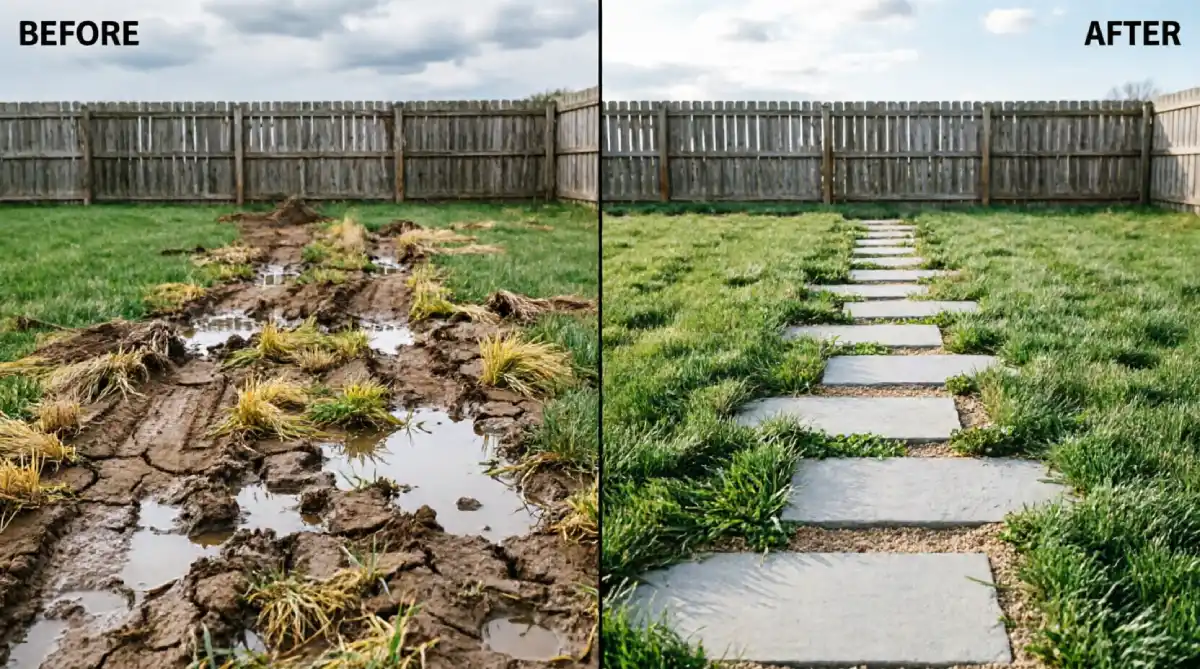
23. Install Stepping Stones Through a Lawn
Concrete or natural stone stepping stones create a defined path and reduce lawn wear patterns. Set them in a sand base for easy leveling.
Cost: $30–$100 for a basic path
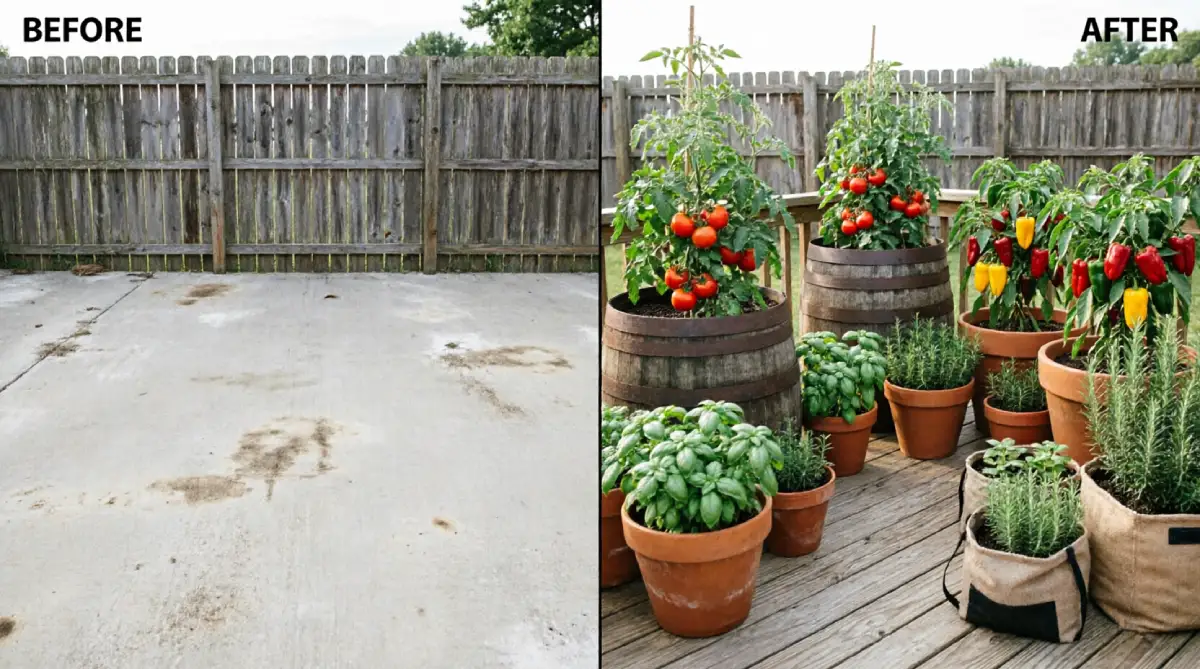
24. Create a Container Garden for a Patio or Deck
For homes with limited planting space, large containers — whiskey barrels, ceramic pots, fabric grow bags — can effectively grow tomatoes, peppers, and herbs on any hard surface.
Cost: $20–$80 per container, depending on size and material
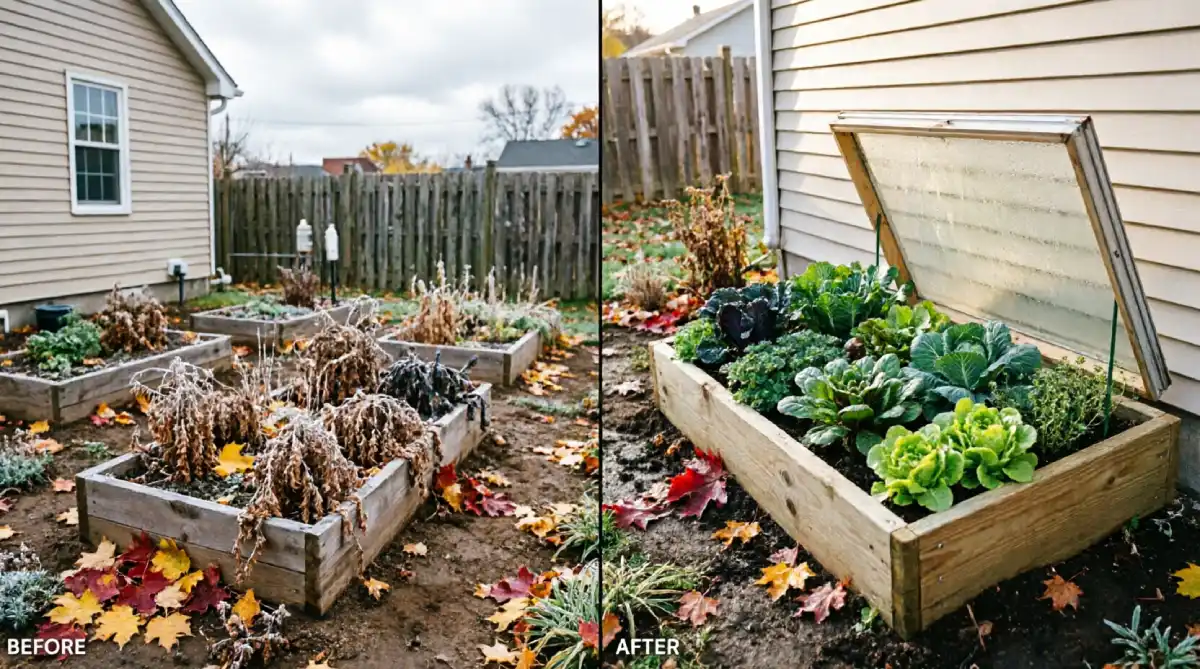
25. Build a Cold Frame for Extended Growing
New York’s growing season ends in October. A simple cold frame — a box with a clear lid made from old windows or polycarbonate panels — extends your season by 4–6 weeks in both spring and fall.
How to do it: Build a low box from 2×6 lumber, set an old glass window or polycarbonate sheet on top. Position it against a south-facing wall for maximum sun exposure.
Cost: $30–$80 DIY
Cost Breakdown: DIY Garden Projects in New York
| Project Type | Low Budget | Mid Budget | High Budget |
|---|---|---|---|
| Raised Bed Setup (1-2 beds) | $100–$200 | $300–$500 | $600–$900 |
| Gravel Pathway (20 ft) | $50–$100 | $150–$250 | $300–$500 |
| Native/Pollinator Garden | $50–$100 | $150–$300 | $400–$600 |
| Small Flagstone Patio (10×10) | $200–$400 | $500–$800 | $1,000–$1,500 |
| Full Backyard Refresh (multiple projects) | $400–$800 | $1,000–$2,000 | $2,500–$5,000 |
New York cost notes: Labor in NYC runs 30–50% above the national average. If you hire out any portion of this work, budget accordingly. Material costs in the five boroughs are also 10–20% higher than national averages due to logistics and local supplier pricing. Long Island and Westchester run slightly lower on labor but are still above national norms.
Common Mistakes New York Homeowners Make in the Garden
- Planting too early. NY’s last frost date is April 1–15 in the city, but many homeowners plant in March and lose everything to a late freeze. Check the Old Farmer’s Almanac for your specific zip code.
- Skipping soil testing. Urban NY soil often contains elevated lead levels, especially in homes built before 1978 near old painted structures. Cornell Cooperative Extension testing tells you what you are working with before you grow food in it.
- Buying plants that do not fit NY’s USDA hardiness zone. Most of NYC falls in Zone 7a-7b. Long Island’s North Shore runs cooler (Zone 6b). Buying plants rated for Zone 8 means they will not survive winter.
- Ignoring drainage. New York clay-heavy soil holds water. Without proper drainage in raised beds or garden areas, root rot is common. Perlite and compost mixed into the soil improve drainage significantly.
- Overplanting small spaces. A 20×20 backyard does not need 10 raised beds, a pond, a patio, and a fruit tree. Overcrowding leads to competition for light and water, plus makes maintenance unmanageable.
- Failing to check local rules. NYC has specific rules on compost, rainwater collection, and structures. Some co-ops and HOAs in suburban NY have additional restrictions. Check before building.
When to DIY vs. Hire a Contractor
Most of the 25 ideas on this list are genuine DIY projects. Here is an honest breakdown of where the line is:
DIY with confidence:
- Raised beds, planters, and container gardens
- Gravel paths and stepping stones
- Soil amendment and planting
- Compost bins and rain barrels
- Trellises, fences under 6 feet, and basic structures
DIY with caution (research first):
- Flagstone patios — leveling and drainage require attention to detail
- Drip irrigation systems — design matters for even coverage
- Pond installation — liner placement and waterproofing need care
Hire a contractor:
- Retaining walls over 4 feet (structural and may require NYC DOB permit)
- Large tree removal (licensed arborist required in most NY municipalities)
- Underground drainage systems
- Any electrical work for outdoor lighting beyond solar
A licensed landscape contractor in NYC typically charges $75–$150/hour. In Nassau or Westchester County, rates run $60–$100/hour. Get three quotes for any job over $1,000.
Practical Tips for NY Homeowners
- Buy materials in late summer or fall when garden centers discount inventory. Home Depot and Lowe’s locations across NY mark down soil, mulch, and planters significantly in August–September.
- Start with one or two projects, not ten. Overcommitting is the most common reason NY backyards end up half-finished.
- Use the GrowNYC compost program if you are in the five boroughs — it saves money and reduces trips to the hardware store.
- Cedar is worth the premium in NY’s wet climate. Pine rots faster; cedar lasts 10–15 years in NY conditions without treatment.
- Test your soil for lead if your home was built before 1978, especially if you plan to grow edibles. Cornell Cooperative Extension (cce.cornell.edu) is your best local resource.
- Mulch every bed with 2–3 inches of wood chips to retain moisture through NY’s dry July and August stretches. Free wood chip mulch is sometimes available through NYC Parks Department.
- Plan for winter. Move container gardens inside or use frost cloth on cold frames to extend the season. Do not leave ceramic pots outdoors — they crack in freeze-thaw cycles.
FAQs
How much does a basic backyard garden setup cost in New York?
A basic setup — two raised beds, a gravel path, and some native plants — runs $300–$600 in materials if you do the work yourself. NYC homeowners pay 10–20% more for materials than the national average. Hiring contractors adds $500–$1,500+, depending on scope.
Can I DIY a garden in a New York backyard with limited space?
Yes. Most of the projects here are designed for the 15–30-foot-wide backyards common in Brooklyn, Queens, and Staten Island. Raised beds, vertical planters, and container gardens all work well in tight spaces.
Do I need a permit to build raised garden beds or a patio in New York?
For basic raised beds and ground-level patios, no permit is typically required in NYC or most NY municipalities. Structures over 6 feet tall, retaining walls over 4 feet, or permanent sheds usually require a permit through NYC DOB or your local building department. When in doubt, call your local municipality.
Is DIY gardening worth it for New York homeowners?
Financially, yes — especially if you grow vegetables. A well-maintained raised bed setup in NY can produce $300–$600 worth of produce per season in a good year. Beyond food value, studies consistently show that improved outdoor space adds to property resale value. Even basic landscaping improvements return 50–100% at sale in competitive NY markets.
What plants grow best in New York backyards?
For vegetables: tomatoes, peppers, zucchini, beans, and leafy greens all perform well in NY’s Zone 7 climate. For perennials: coneflower, black-eyed Susan, and ornamental grasses are low-maintenance. For trees: dwarf apple, cherry, and pear varieties suit most NY suburban lots.
When should I start gardening in New York?
Start seeds indoors 6–8 weeks before last frost (early to mid-February for NYC). Transplant outdoors after your last frost date — mid-April for NYC, early May for upstate locations. Fall gardening with cold frames can extend the season to November.
Conclusion
A New York backyard — even a small one — has real potential. The 25 ideas here range from a single afternoon of work and $30 in materials to weekend projects that cost a few hundred dollars. None of them requires a contractor or a permit under normal circumstances.
The key decisions are straightforward: pick projects that fit your actual space, build with materials that handle NY’s winters (cedar, bluestone, and native plants are your best starting points), and test your soil before growing food.
Start with one raised bed, one pathway, or one native planting section. Get one project done well before adding the next. That approach — practical, incremental, budget-conscious — is how New York homeowners actually get functional outdoor spaces built. The ones who try to do everything at once usually end up with nothing finished.
