

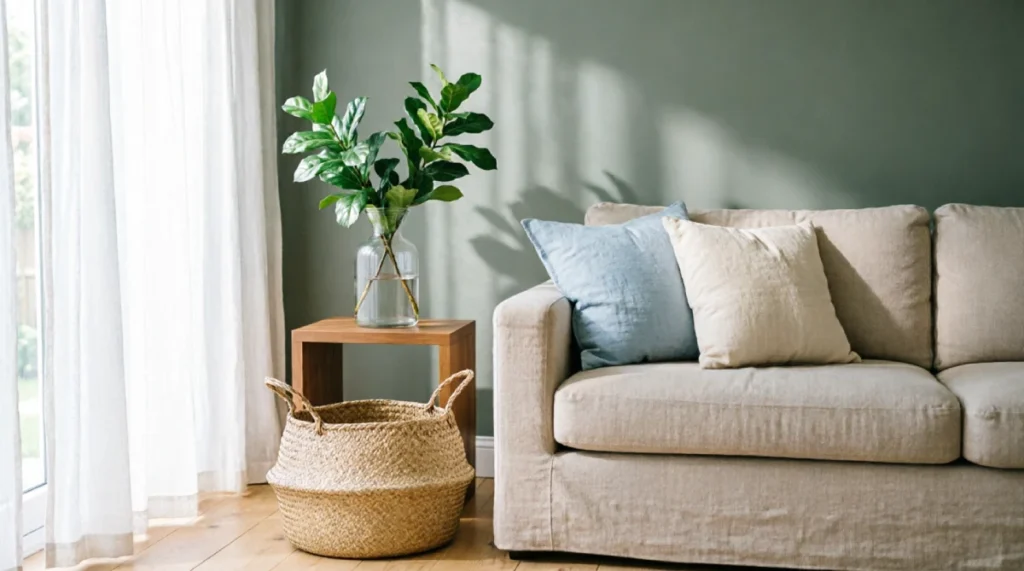
A common issue in summer is walking into a living room that still feels dressed for winter. Heavy throws, dark cushions, and closed curtains can make the space feel warm even before the temperature rises. You don’t need a full renovation to fix this. The aim here is practical, low-cost changes that shift the room toward a lighter, more breathable feel. I usually focus on things you can do in an afternoon, using what you already have or sourcing from budget-friendly spots.
Here are 11 summer living room ideas that keep things affordable while making a noticeable difference.
1. Swap Out Heavy Curtains for Sheer Cotton Panels
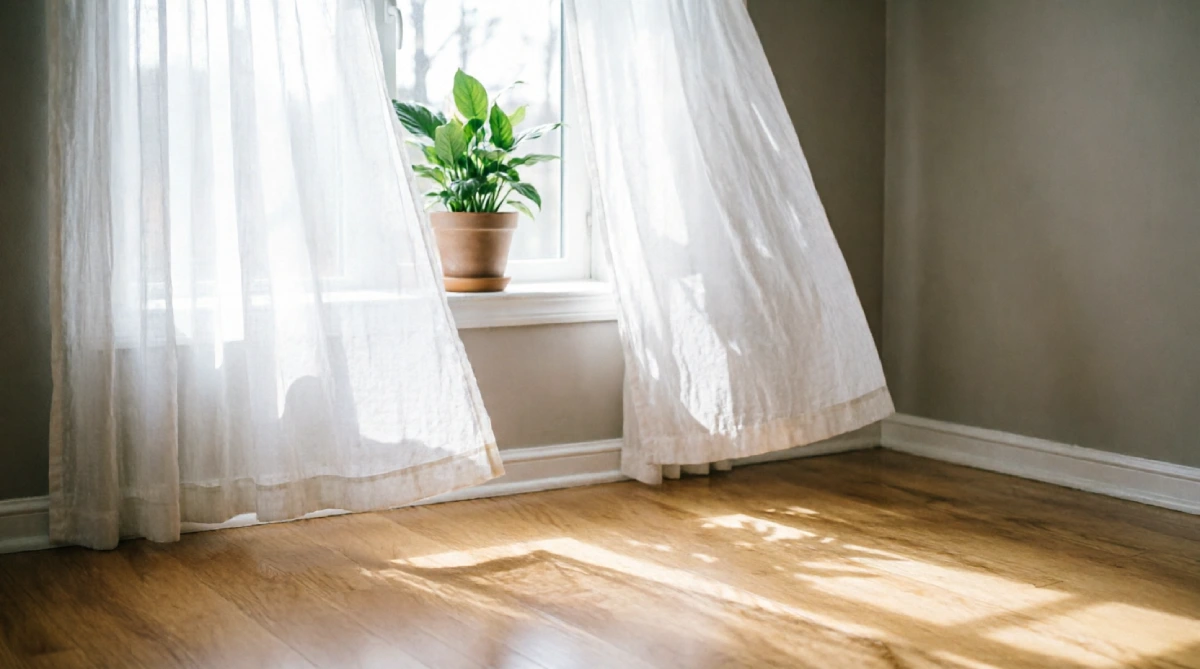
Heavy drapes trap heat and block natural light, making the room feel smaller in summer. Replacing them with sheer cotton panels immediately changes the atmosphere.
Sheer fabrics diffuse sunlight softly rather than blocking it entirely. This makes the room feel airy without the harsh glare that comes with bare windows. Cotton breathes well and washes easily, which matters when windows stay open and dust kicks up.
In many homes, I’ve noticed that simply switching window treatments cuts the visual weight of the room by half. The space feels taller and less cluttered almost instantly.
Look for basic cotton voile panels at hardware stores rather than specialty curtain shops. You’ll often find them for under twenty dollars per panel, and they usually come in standard lengths that fit most rental windows without hemming.
2. Replace Dark Cushion Covers With Linen and Cotton Blends
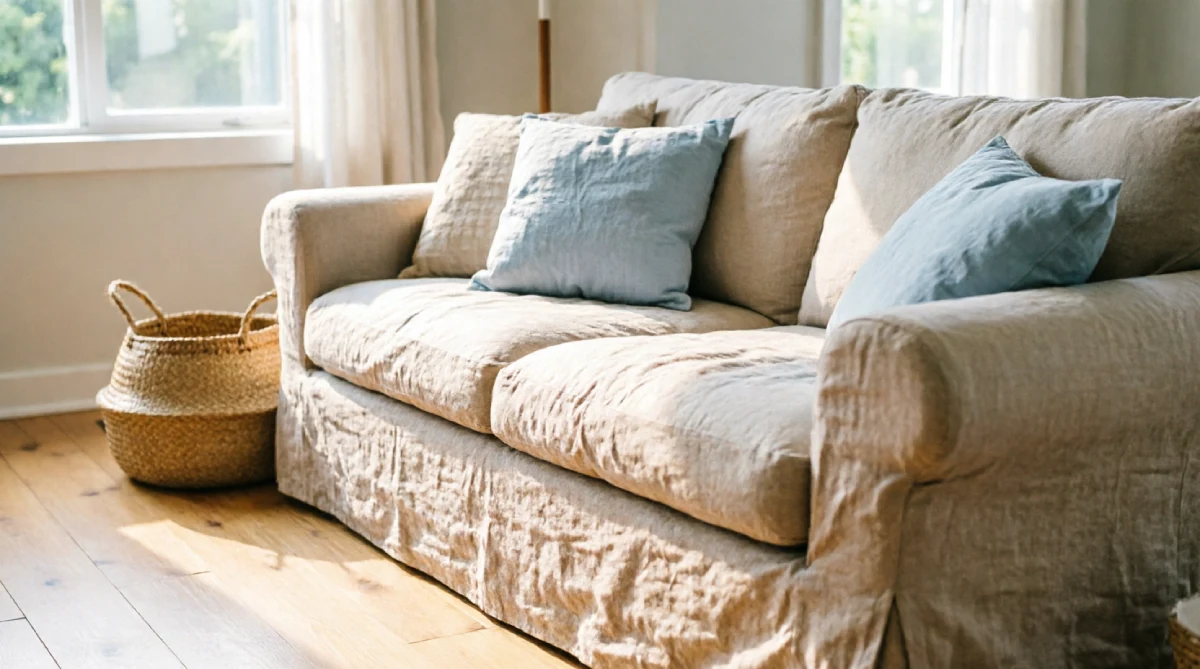
Dark velvet or wool cushion covers hold visual heat. Swapping just the covers—not the inserts—for linen or cotton blends shifts the entire seating area toward summer without much cost.
Linen naturally feels cool to the touch and has a textured, lived-in look that hides wrinkles and daily wear well. Cotton blends offer a softer drape and wash easily when kids or pets leave marks. Both materials let the sofa breathe more than synthetic winter fabrics.
A common observation is that people overlook cushions as a major source of visual clutter. Dark cushions in July can make even a light-colored sofa feel heavy and out of place.
Check end-of-season sales at home goods stores, or even consider dyeing light cotton covers yourself. A pack of plain cushion covers costs far less than new pillows, and you can store them flat when the season changes.
3. Rearrange Furniture Away From Radiators and Heat Sources
Furniture placement affects how a room feels temperature-wise. Sofas pushed against radiators or blocking airflow from windows trap heat right where people sit.
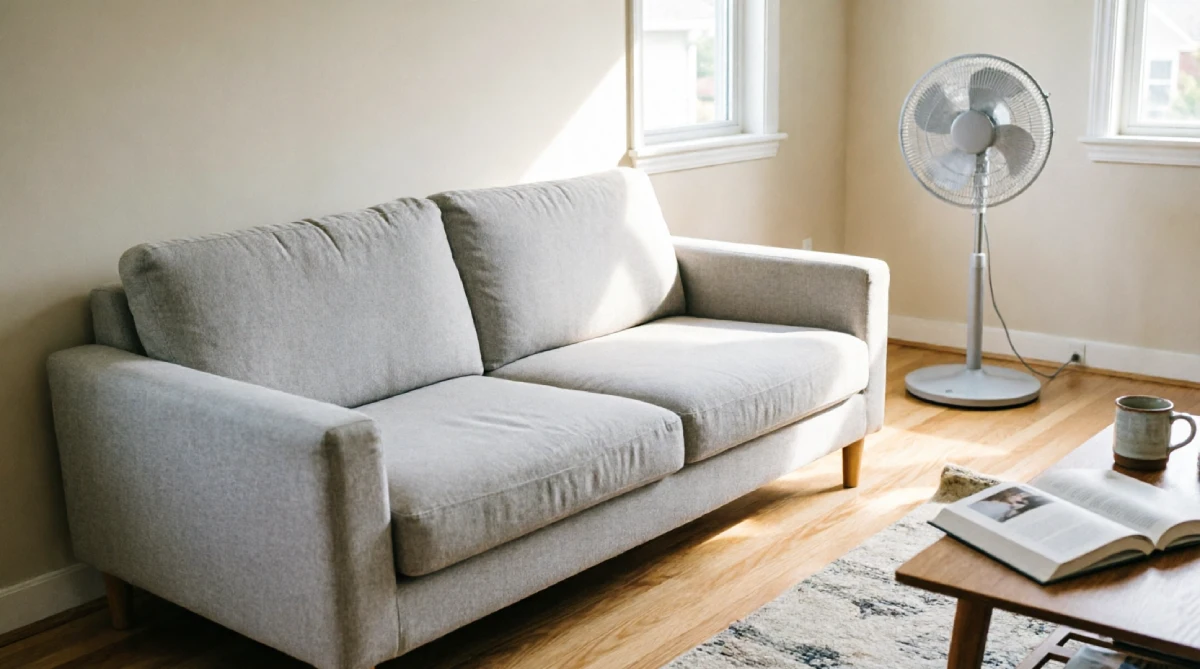
Pulling furniture a few inches away from heat sources allows air to circulate. In summer, this small shift helps the room feel less stuffy, especially in older homes where airflow is already limited. It also reveals more floor space visually, which makes the room feel bigger.
I’ve seen many living rooms where the layout hasn’t changed in years simply because people stop noticing it. Moving the main seating even slightly can change how light travels and where people naturally gather in the cooler parts of the room.
Try floating the sofa toward the center of the room rather than anchoring everything against walls. This works particularly well in square living spaces and costs nothing but some effort.
4. Roll Up and Store Heavy Area Rugs
Thick wool rugs anchor a room in winter but hold heat and feel rough under bare feet in summer. Rolling them up and storing them until fall instantly lightens the space.
Bare floors—whether wood, tile, or laminate—stay cooler and are easier to keep clean when sand and dust track in from outside. A clear floor also reflects more natural light, making the whole room brighter during long summer days.
In many homes, the rug is the single heaviest visual element. Removing it changes how sounds echo and how the space connects to adjacent rooms. The room feels more open, even without changing anything else.
If the floor looks too bare or has imperfections, add a flat-woven cotton dhurrie instead. They’re inexpensive, easy to shake out, and roll up small for storage when summer ends.

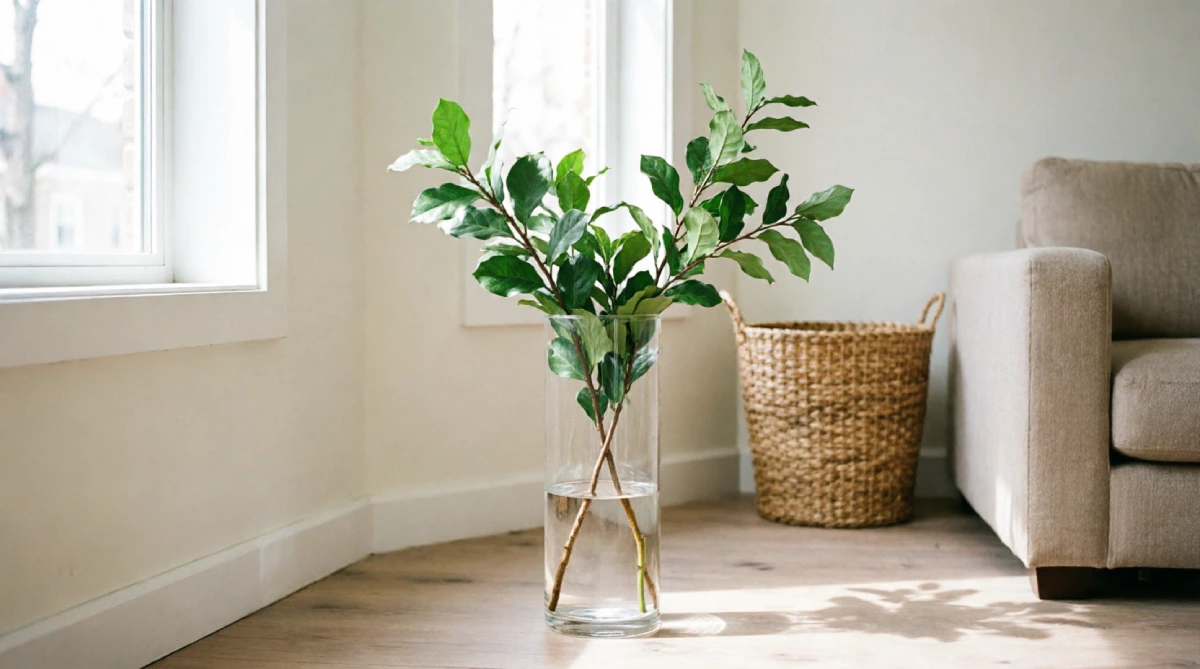
5. Bring in Fresh Branches Instead of Cut Flowers
Cut flowers wilt fast in summer heat and need frequent replacement, which adds up. Fresh leafy branches from trees or large shrubs last longer and cost nothing if you have access to a yard or a neighbor who doesn’t mind sharing.
Greenery fills a room visually without the formal look of arranged flowers. Large branches in a simple glass jar or ceramic jug add height and movement near a window or in an empty corner. The scale works better in most living rooms than small bud vases.
I’ve noticed that branches clipped from common trees like maple, eucalyptus, or birch hold their leaves for a surprisingly long time if the water is changed regularly. The look is casual and seasonal, which suits summer well.
Keep arrangements simple—one or two tall branches per vessel. Too many stems in one container start looking cluttered rather than intentional.
6. Switch to Cool-Toned Light Bulbs
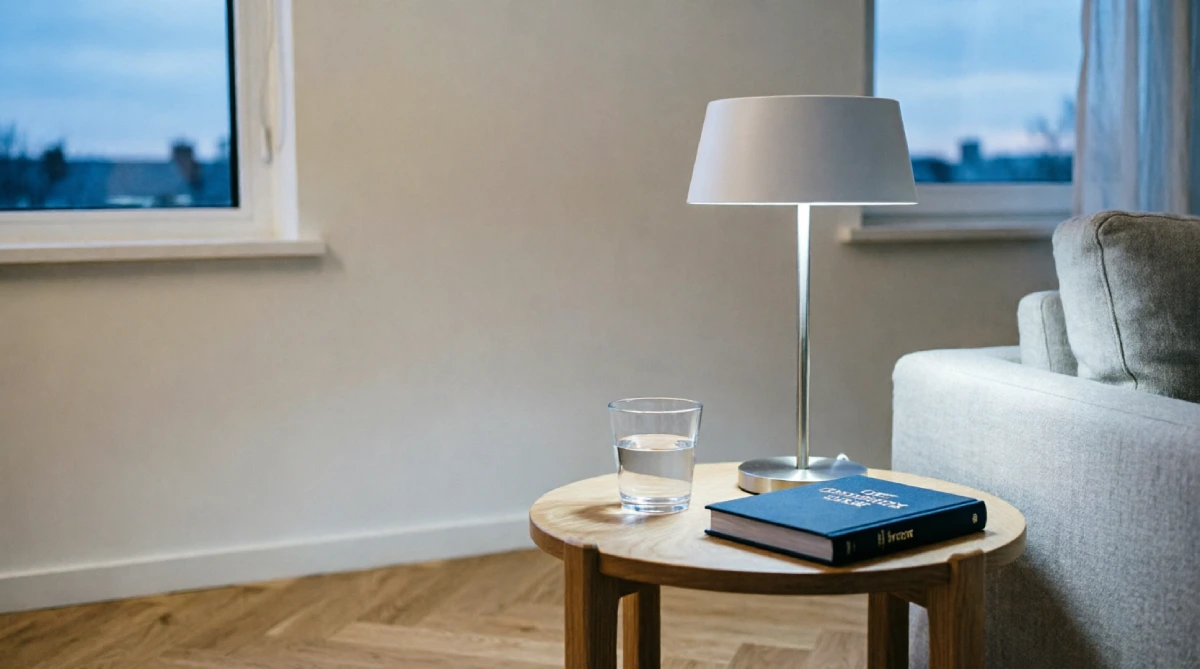
Warm white bulbs (around 2700K) create a cozy feeling that works well in fall and winter but can make a summer room feel visually warm. Switching to cool white or daylight bulbs (4000K–5000K) mimics natural midday light and changes the room’s tone.
Cooler light makes wall colors read truer during the day and keeps the room feeling fresher in the evening when the sun sets late. This is especially noticeable in living rooms that don’t get much direct sunlight.
A common issue in many homes is that all bulbs are warm-toned regardless of the season. People often don’t realize how much bulb temperature affects the perceived temperature of the room until they swap even one lamp.
Start with the lamp closest to your seating area rather than changing every fixture at once. LED bulbs in the cooler range are widely available and cost the same as warm ones.
7. Use Lightweight Cotton or Linen Throws Instead of Fleece
A throw blanket on the sofa is useful even in summer for cool evenings, but a fleece or wool throw looks and feels out of place. A lightweight cotton or linen throw works better and still serves the purpose.
Cotton throws breathe and drape loosely, adding texture without bulk. They also wash and dry quickly, which matters during a season when windows are open, and dust or pollen settles on fabrics.
In many homes, I’ve seen heavy throws stay on sofas year-round simply because there’s no designated storage spot for off-season items. Making the switch intentional—storing fleece in a closet and replacing it with a lighter option—keeps the room current.
Look for simple woven cotton blankets in solid colors or subtle stripes. They’re often available at big-box stores for less than a fleece throw, especially in summer clearance sections.

8. Declutter Surfaces for a More Open Feel
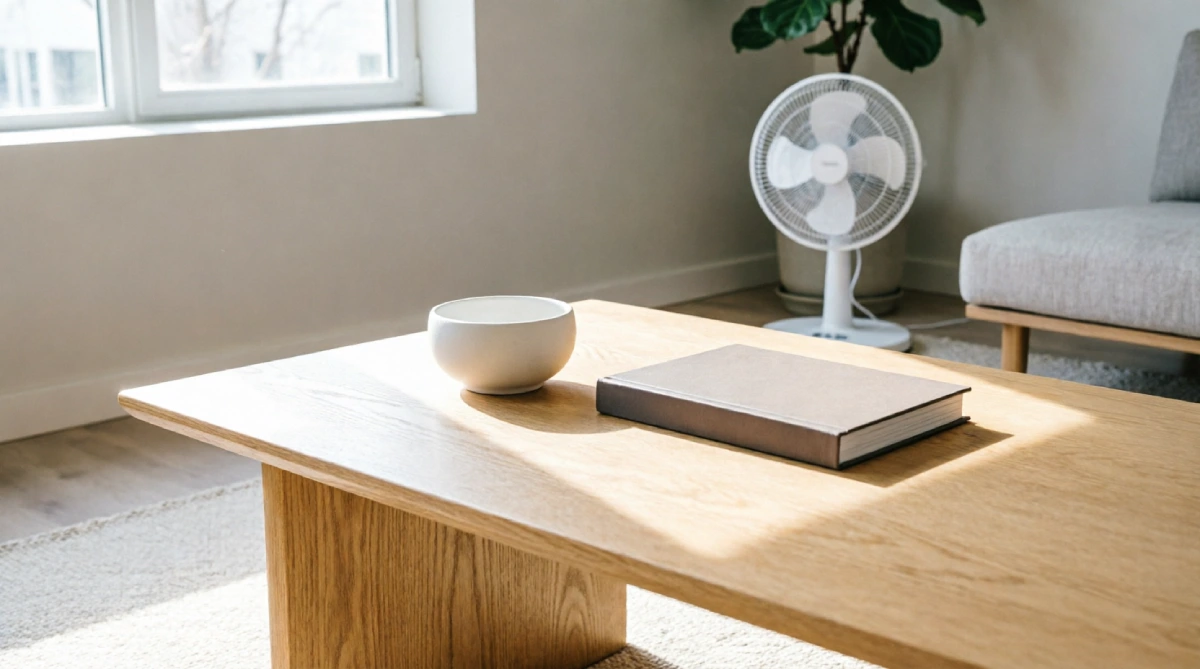
Summer heat can make a cluttered room feel even more confined. Clearing coffee tables, side tables, and mantels down to a few intentional items reduces visual noise and makes the space feel less busy.
Open surfaces reflect more light and let the eye move around the room without stopping at piles of mail, remotes, or decor that have accumulated over months. This costs nothing and often takes less than an hour.
A common observation is that people stop noticing their own clutter after a while. What started as a temporary stack of magazines becomes part of the landscape. Removing it resets the room entirely.
Keep one or two items per surface—a single book, a small plant, a ceramic bowl. Everything else goes into a basket or drawer. The room immediately feels calmer and cooler visually.
9. Repaint One Accent Wall in a Lighter Shade
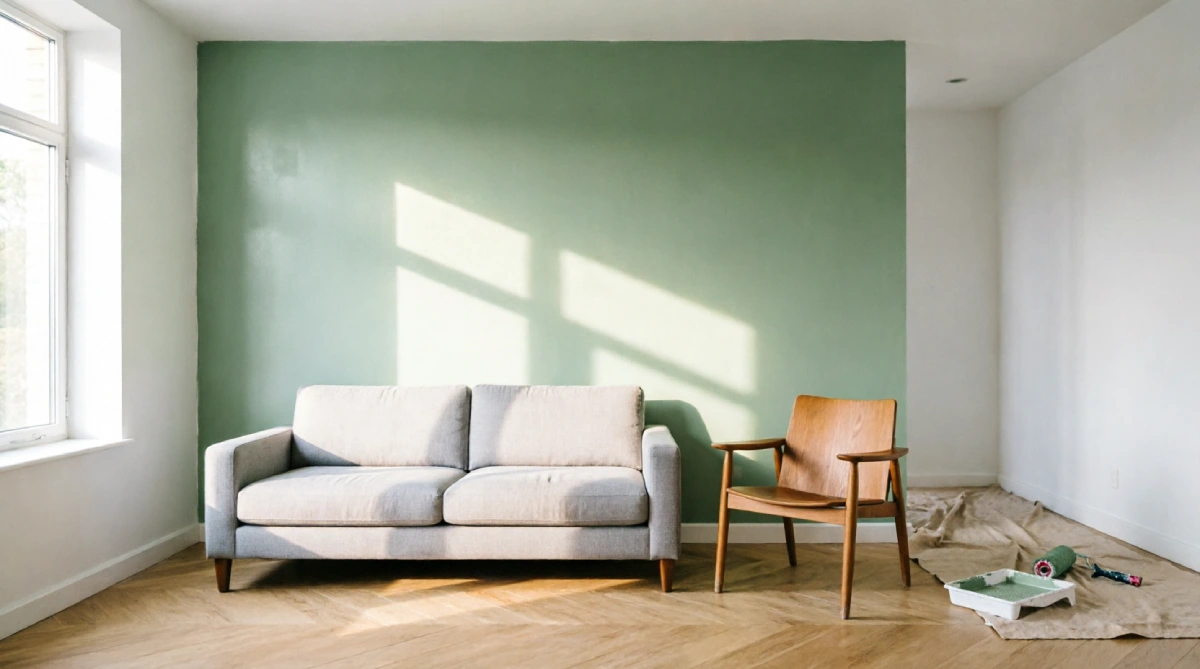
Painting an entire room is a big job, but repainting just one accent wall in a lighter shade is manageable in a weekend and changes how the whole room feels. Dark accent walls absorb light; light ones reflect it.
A pale blue, soft sage, or warm off-white can pull the room toward summer without committing to a full repaint. The contrast with existing walls adds dimension without making the space feel heavy.
In many homes, accent walls were painted years ago in deep tones that suited the trends at the time. Lightening even one wall updates the room quickly and often makes furniture and art look different against the new backdrop.
Use sample pots to test colors at different times of day before committing. Paint stores often discount returned mixed paints, which can work well for a single wall project on a tight budget.
10. Introduce Natural Fiber Baskets for Storage
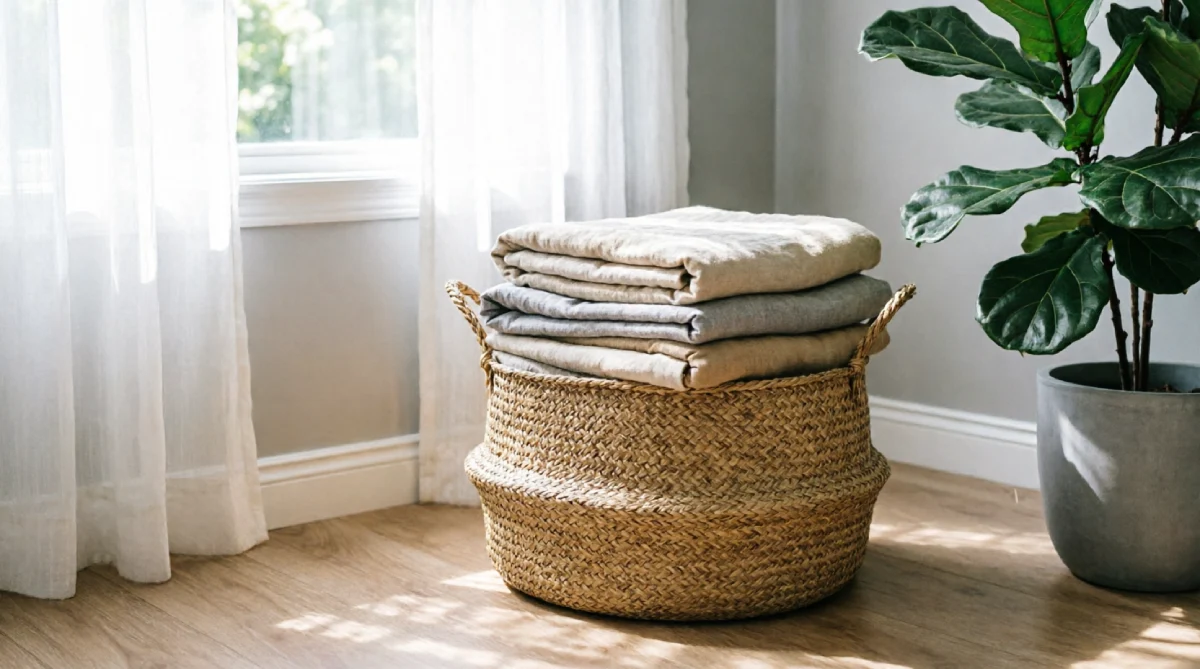
Plastic bins and dark storage ottomans add visual weight. Switching to natural fiber baskets—seagrass, jute, or water hyacinth—adds texture that feels seasonal and light. They hide clutter while looking intentional.
Natural fibers breathe, so they don’t trap musty smells in humid summer weather the way some plastic containers can. They also work in almost any style of living room, from modern to traditional, without looking out of place.
I’ve noticed that homes with young children or pets benefit particularly from floor baskets that can quickly corral toys and blankets. The basket itself becomes part of the decor rather than something to hide away.
Thrift stores and import shops often have woven baskets for much less than home decor retailers. Look for sturdy handles and even weaving—imperfections are fine and add character.
11. Move Indoor Plants Closer to Windows and Group Them
Indoor plants tend to stay where they were placed months ago, but summer light shifts. Moving them closer to windows where they can benefit from longer daylight hours helps them thrive, and clustering greenery where it has the most visual impact.
Grouped plants create a mini indoor garden effect that feels very seasonal. The clustered leaves raise humidity slightly in that spot, which can make the air feel fresher. It also prevents the scattered, forgotten-plant look that happens when pots are spread too thin.
In many homes, a few struggling plants pushed into dim corners get a new lease when relocated to brighter summer light. Even one healthy, well-placed plant grouping near a window makes the whole room feel more alive.
Use saucers to protect surfaces from water, and rotate pots every week so all sides get even light. No need to buy new plants—rearrange what you already have.

Practical Tips
- Work with what you have first. Walk around and identify which items feel heavy, dark, or winter-specific. Removing those is free and often makes the biggest immediate difference.
- Rotate decor seasonally. Store off-season items like fleece throws and dark cushion covers in a dedicated bin. When summer ends, swap them back. This extends the life of your decor and keeps the room current year-round.
- Clean windows inside and out. Grime builds up over winter and blocks more light than most people realize. Clean glass, even on a cloudy day, noticeably brightens the room.
- Use mirrors strategically. Placing a mirror opposite a window bounces daylight deeper into the room. An existing mirror moved to the right spot costs nothing and increases brightness.
- Wait for sales cycles. Home stores mark down seasonal items predictably. Late June and early July are when summer home goods start getting discounted to make room for fall inventory.
Common Mistakes to Avoid
- Buying everything new at once. A rushed full makeover usually leads to mismatched items and wasted money. Build the summer look gradually and live with each change before adding more.
- Ignoring the room’s natural light conditions. A tip that works in a sun-drenched room might not work in a north-facing space. Always assess your actual light before making changes like paint color or curtain choices.
- Using cool tones that feel sterile. Going too blue or gray without balancing natural textures can make the room feel cold rather than fresh. Mix cool colors with wood, cotton, and greenery.
- Forgetting about practicality. White slipcovers look fresh but might not survive a summer with kids, pets, or frequent guests. Choose washable fabrics and forgiving patterns.
- Leaving winter items visible in the same room. Storing a heavy wool blanket in an open basket defeats the purpose of the visual lighting. Off-season items should go into closets or under-bed storage.
Comparison Table
| Feature | Best Option | Why It Works | Approximate Cost |
|---|---|---|---|
| Window Treatments | Cotton voile panels | Diffuses light, machine washable | $15–$25 per panel |
| Cushion Covers | Linen or cotton blend | Cool to touch, breathable, casual look | $10–$20 per cover |
| Throw Blanket | Woven cotton | Lightweight, easy to wash, dries fast | $20–$35 |
| Floor Covering | Flat-woven cotton dhurrie | Breathable, easy to clean, rolls up for storage | $40–$80 (small size) |
| Storage | Seagrass or jute baskets | Natural texture, ventilated, decor-friendly | $15–$30 each |
| Lighting Update | Cool white LED bulbs (4000K) | Brightens the room, mimics daylight, energy efficient | $5–$10 per bulb |
FAQs
What is the best way to make a living room feel cooler in summer without AC?
Focus on airflow and light control. Open windows on opposite sides of the room for cross-ventilation, swap heavy curtains for sheers, and remove thick rugs. Even small furniture rearrangements away from heat sources can improve how air moves through the space.
Can I use these ideas in a rental apartment?
Most of these changes are rental-friendly. Swapping cushion covers, using removable curtain panels, adding baskets, and rearranging furniture require no permanent alterations. For paint, check with your landlord—some allow it if you repaint before moving out.
Is it expensive to switch decor seasonally?
It can be very affordable if you buy only covers and small accessories rather than furniture. Focus on textiles and natural elements, which are inexpensive and store flat. The key is keeping off-season items in good condition so they last for years.
How do I keep the room from looking bare after removing winter items?
Add texture through natural materials like woven baskets, cotton throws, and greenery. These fill visual space without the heaviness of winter fabrics. Grouping plants and using mirrors also helps the room feel full and intentional.
What if my living room doesn’t get much natural light?
Use mirrors to amplify what light you do have. Switch to cooler-toned bulbs to simulate daylight. Stick to very light wall colors and avoid dark furniture or textiles that absorb what little light enters the room.
Conclusion
A summer living room refresh works best when it focuses on removing weight rather than adding more things. Swapping heavy fabrics for cotton and linen, clearing surfaces, rearranging for better airflow, and bringing in natural textures make the room feel lighter without a full redecorating project. The cost stays low because most changes involve what you already own or inexpensive swaps like cushion covers and light bulbs. Start with one or two ideas that match how your room actually functions day to day. Small, practical shifts done well often look better than an expensive overhaul that ignores how the space gets used.
