

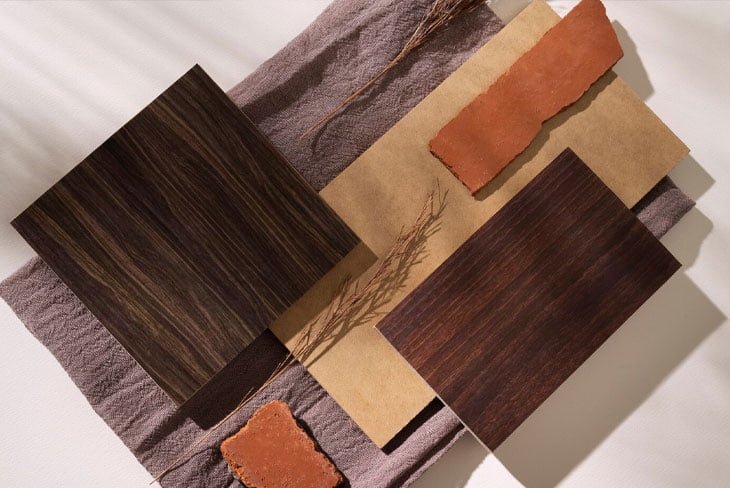
Choosing the right flooring for your home means balancing durability, budget, and style—without the guesswork. This guide cuts through the noise to compare 7 top flooring types by real-world performance, cost per square foot, and room-by-room suitability. Use a room-by-room flooring planner to match material properties to traffic, moisture, and design needs.
In this comprehensive guide, we’ll walk you through the pros and cons of seven popular flooring options, so you can make an informed decision that fits your lifestyle and budget.
Quick Flooring Decision Framework
- ✓ High-moisture room? → Prioritize vinyl, tile, or waterproof laminate
- ✓ Budget under $3/sq ft? → Focus on laminate or sheet vinyl
- ✓ Allergy concerns? → Choose hard surfaces + low-VOC adhesives certified by FloorScore
Hardwood Flooring
Hardwood flooring brings natural warmth and character—and actually boosts your home’s resale value. Made from solid wood planks, hardwood floors are known for their durability and longevity. Per the National Wood Flooring Association (NWFA), properly acclimated and maintained hardwood can last 100+ years—making it a true lifetime investment. Installed cost range: $6–$12/sq ft for solid hardwood; engineered options start at $4/sq ft (HomeAdvisor True Cost Guide 2024). Some popular types of hardwood include:
- Oak: A strong and sturdy wood with a distinctive grain pattern
- Maple: A smooth, fine-grained wood that’s perfect for a modern look
- Cherry: A rich, reddish-brown wood that darkens over time
When comparing hardwood options, reference the Janka hardness scale: red oak rates 1,290 lbf for high-traffic resilience, while cherry (950 lbf) suits lower-traffic bedrooms. When it comes to installation, hardwood floors can be nailed or glued down, or installed as a “floating” floor. Requires only weekly sweeping and occasional Bona cleaner for lasting shine—just avoid excessive moisture.
| Pros | Cons |
|---|---|
| Durable and long-lasting | Can be expensive |
| Adds value to your home | Susceptible to scratches and dents |
| Requires weekly sweeping + Bona cleaner for lasting shine | Can be noisy |
| Timeless and versatile | May require professional installation |
Laminate Flooring
Laminate flooring—on a tighter budget? Laminate delivers the wood-look aesthetic you love—without the premium price tag or high-maintenance upkeep. It’s made from layers of compressed wood topped with a photographic image of wood grain, stone, or tile. Laminate floors are resistant to scratches, stains, and fading, making them a great choice for high-traffic areas.
One of the biggest advantages of laminate flooring is its ease of installation. Most laminate floors use a click-and-lock system that allows the planks to snap together without the need for glue or nails. Prioritize FloorScore-certified laminate to ensure low VOC emissions—critical for homes with children, pets, or respiratory sensitivities. However, laminate floors can be slippery when wet and may not be as long-lasting as hardwood.
| Pros | Cons |
|---|---|
| Affordable | Can’t be refinished |
| Easy to install | May not add value to your home |
| Resistant to scratches and stains | Can be slippery when wet |
| Mimics the look of real wood | May not be as durable as hardwood |
Tile Flooring
Bathrooms, kitchens, entryways—anywhere water or foot traffic is high—tile stands up to spills, scuffs, and daily life without breaking a sweat. Tiles come in a wide variety of materials, including:
- Ceramic: A budget-friendly option that’s easy to clean and maintain
- Porcelain: A denser, more durable version of ceramic tile
- Marble: A luxurious, high-end option that adds a touch of elegance
When installing tile flooring, it’s important to use a level subfloor and the proper adhesive. Grout lines should be sealed to prevent stains and moisture damage. Wipe spills instantly; grout sealing once a year keeps maintenance minimal.
| Pros | Cons |
|---|---|
| Durable and long-lasting | Can be cold and hard underfoot |
| Water-resistant | Grout lines can be difficult to clean |
| Wipe spills instantly; annual grout sealing keeps maintenance minimal | May require professional installation |
| Comes in a wide variety of styles | Can be slippery when wet |
Carpet Flooring
Carpet flooring is a soft, cozy option that adds warmth and comfort to any room. It’s available in a wide range of colors, textures, and pile heights to suit any style. Some popular types of carpet include:
- Nylon: A durable, stain-resistant option that’s perfect for high-traffic areas
- Polyester: A budget-friendly option that’s soft and resistant to fading
- Wool: A luxurious, natural fiber that’s soft and durable
When installing carpet flooring, it’s important to choose high-quality padding to provide extra cushioning and extend the life of your carpet. Regular vacuuming and professional cleaning every 12-18 months will keep your carpet looking its best.
| Pros | Cons |
|---|---|
| Soft and comfortable underfoot | Can trap allergens and dust |
| Insulates against noise and cold | May show wear and tear over time |
| Comes in a wide variety of styles | Can be difficult to clean |
| Can be installed over most subfloors | May require professional installation |
Vinyl Flooring
Vinyl flooring is a versatile, affordable option that’s easy to install and maintain. It comes in a wide range of styles, including wood-look planks and stone-look tiles. Vinyl floors are water-resistant and easy to clean, making them a great choice for kitchens, bathrooms, and laundry rooms.
One of the biggest advantages of vinyl flooring is its durability. It’s resistant to scratches, dents, and stains, and can last for decades with proper care. Look for FloorScore-certified vinyl to minimize indoor air quality concerns during installation. However, vinyl floors can be damaged by sharp objects and may not be as environmentally friendly as other options.
| Pros | Cons |
|---|---|
| Affordable | Can be damaged by sharp objects |
| Easy to install and maintain | May not be as environmentally friendly |
| Water-resistant | Can be slippery when wet |
| Comes in a wide variety of styles | May not add value to your home |
Bamboo Flooring
Bamboo flooring is an eco-friendly option that’s gaining popularity due to its durability and sustainability. It’s made from the fast-growing bamboo plant, which can be harvested every 3-5 years without damaging the environment. For verified eco-credentials, choose bamboo with Cradle to Cradle Certified® status, which evaluates material health, recyclability, and renewable energy use in production. Bamboo floors are available in a range of colors and styles, from light and natural to dark and carbonized.
When installing bamboo flooring, it’s important to choose a reputable manufacturer and installer. Some cheaper bamboo floors may be made with low-quality materials or adhesives that can off-gas harmful chemicals. Damp-mop with pH-neutral cleaner—no waxes or polishes needed—and avoid exposing them to excessive moisture.
| Pros | Cons |
|---|---|
| Eco-friendly and sustainable | Can be expensive |
| Durable and long-lasting | May scratch or dent easily |
| Damp-mop with pH-neutral cleaner—no waxes or polishes needed | Can be affected by humidity |
| Comes in a range of colors and styles | May require professional installation |
Cork Flooring
Cork flooring is another eco-friendly option that’s made from the bark of the cork oak tree. It’s a natural insulator that’s warm and comfortable underfoot, making it a great choice for bedrooms and living rooms. Cork floors are also hypoallergenic and resistant to mold and mildew.
One of the biggest advantages of cork flooring is its durability. It’s resistant to cracks, scratches, and dents, and can last for decades with proper care. However, cork floors can be damaged by sharp objects and may fade over time if exposed to direct sunlight.
| Pros | Cons |
|---|---|
| Eco-friendly and sustainable | Can be expensive |
| Warm and comfortable underfoot | May fade over time if exposed to sunlight |
| Hypoallergenic and resistant to mold | Can be damaged by sharp objects |
| Durable and long-lasting | May require professional installation |
Conclusion
Picking flooring feels like a huge decision—and it is—but with the right comparisons, you’ll walk away confident (not confused) about your choice. By considering your lifestyle, budget, and design preferences, you can narrow down your options and find the perfect flooring for every room in your house.
Whether you opt for classic hardwood, budget-friendly laminate, or eco-friendly bamboo, remember that proper installation and maintenance are key to ensuring your floors look beautiful and last for years to come. Use this guide to cut through the noise—you’ll land on flooring that fits your life, your budget, and the way you actually live. Ready to narrow your choices? Download our free Room-by-Room Flooring Checklist or use our 60-second Flooring Selector Quiz to match your space, budget, and lifestyle in minutes.
