


Thinking about reducing your home’s energy use? This guide breaks down practical, cost-effective upgrades that lower bills and environmental impact. From solar panels to smart thermostats, you’ll find step-by-step guidance on prioritizing upgrades that deliver the fastest ROI for your energy-efficient home. These upgrades typically pay for themselves within 3-7 years through lower utility bills—while reducing your carbon footprint.
Energy-Efficient Home
Energy efficiency in homes has become increasingly important in recent years as we look for ways to reduce energy consumption and costs, while also minimizing our environmental impact. An energy-efficient home combines various design elements and features to lower energy use and make the most of renewable resources.
With rising energy prices and concerns over climate change, improving home energy efficiency can provide multiple benefits for homeowners and the planet. Understanding the key principles behind energy efficiency and the steps involved in creating an energy-efficient home can help make sustainable living more accessible.
Understanding Energy Efficiency
Thinking about home improvement? Start with a professional energy assessment to identify high-impact upgrades. A targeted home upgrade can lower those pesky energy bills by 15-30%, according to EPA estimates. The Department of Energy offers free resources to help with energy savings, starting with a home energy assessment.
A good home design can greatly improve the energy efficiency of your space. Have you considered an energy audit? It can boost home performance and bring you closer to net zero. Want to reduce energy bills? These energy savings start with prioritizing upgrades that deliver the fastest return on investment.
Check your home energy score to see if your home is driving up energy costs. If it is, don’t fret! Assistance is available to help complete energy efficiency projects. Professionals can conduct energy efficiency assessments to identify areas where your home is less efficient.
What is Energy Efficiency?
Energy efficiency simply means using less energy to perform the same task. For example, installing LED light bulbs that provide the same amount of light while using less electricity improves energy efficiency.
When it comes to homes, an energy-efficient house is designed and built in a way that lowers energy needs for heating, cooling, lighting, appliances, and other systems. This is achieved through a combination of efficient construction, technology, and renewable energy sources.
To quantify your home’s efficiency, check its HERS Index score—a lower number means better performance, with net-zero homes scoring near zero. Look for ENERGY STAR Certified Homes, which undergo third-party verification to ensure 10-20% greater efficiency than code-built houses.
The Science Behind Energy Efficiency
Several scientific principles enable energy efficiency improvements in homes:
- Insulation prevents heat loss and reduces energy demands for heating and cooling.
- Air sealing minimizes air leaks that waste conditioned air.
- Energy-efficient windows limit heat transfer and infiltration.
- Efficient HVAC systems regulate temperature using less energy.
- Alternative energy sources, like solar panels, provide power without fossil fuels.
Benefits of Energy Efficiency
Adopting energy efficiency measures provides many advantages:
- Financial savings from lower utility bills.
- Enhanced comfort from properly insulated and ventilated homes.
- Reduced environmental impact by lowering carbon emissions.
- Improved air quality through properly ventilated, filtered air.
- Increased home value from efficiency upgrades.
The Concept of an Energy-Efficient Home

Thinking about completing energy efficiency improvements to make your home healthier and more comfortable? These upgrades for a healthier living space can also help you save energy and money. Check out available tax credits—including Inflation Reduction Act benefits covering up to 30% of qualifying upgrades—which could make it easier financially.
Start by auditing where your home is wasting energy. Your state energy office might have resources to help. Taking action to enhance your building performance can cut energy use and costs, ultimately leading to lower energy bills. Whether you decide to build a new home or make energy upgrades to your existing one, you’ll see significant energy and cost savings long term.
Consider working with a home performance contractor for professional guidance. From patching up cracks to optimizing your HVAC system, there are many energy solutions to explore. Ultimately, making these changes will boost your home comfort and deliver annual energy savings.
What is an Energy-Efficient Home?
An energy-efficient home is designed and constructed using building materials, systems, and techniques that maximize energy performance and sustainability.
Key elements include a well-insulated building envelope, high-efficiency HVAC and appliances, tight construction and reduced air infiltration, optimal solar orientation, and integration of renewable energy sources like solar electricity or geothermal heat pumps. For maximum efficiency, consider Passive House certification, which requires 90% less heating/cooling energy than conventional builds.
Homeowners looking to enhance energy efficiency can explore financial support options like the ECO4 Grant Scheme. This government-backed initiative helps eligible households improve their home’s energy performance by funding upgrades.
Key Features of an Energy-Efficient Home
- Insulation: Proper insulation levels in walls, ceilings, floors, basements, and crawlspaces.
- Windows: Energy-efficient windows with low U-factors and solar heat gain coefficients.
- Air sealing: Comprehensive air sealing with durable weather stripping and caulk.
- Heating and cooling: High-efficiency HVAC systems like heat pumps.
- Appliances and lighting: ENERGY STAR certified products.
- Water efficiency: Low-flow plumbing fixtures and rainwater harvesting.
- Renewable energy: Solar PV system, solar water heating, or geothermal heat pumps.
Steps to Make Your Home Energy Efficient
If you want to identify where your home can deliver significant energy and cost savings, you’re in the right place. First, evaluate your home energy use and check your heating and cooling systems. These often benefit the most from targeted energy improvements.
Making a list of recommended improvements, like passive solar heating and a high-efficiency heating system, can make a huge difference. If you live in New York, NYSERDA offers a range of residential programs designed to help New York State residents identify areas where they can save.
Improving your home’s energy efficiency can be done through a series of upgrades and renovations:
Energy-Efficient Appliances
Replacing old appliances with ENERGY STAR models can reduce energy use substantially:
- Refrigerators – Look for high-efficiency compressors.
- Dishwashers – Choose units with booster water heaters.
- Clothes washers – Front-loading, horizontal-axis washers use less water.
- Dryers – Look for moisture sensor technology.
Insulation and Weatherization
Adding insulation and sealing air leaks are cost-effective ways to boost efficiency:
- Attic insulation – Add to recommended levels.
- Wall insulation – Use high R-value materials like blown-in cellulose.
- Air sealing – Caulk and weatherstrip throughout the home.
Heating and Cooling Efficiency
HVAC upgrades can significantly cut home energy costs:
- Duct sealing – Seal leaky ducts to optimize airflow.
- Heat pumps – Install high-efficiency electric heat pumps.
- Smart thermostats – Programmable and WiFi-connected thermostats conserve energy.
Energy-Efficient Lighting
Use LED lighting and advanced lighting controls:
- LED light bulbs – Use ENERGY STAR LEDs in all fixtures.
- Natural daylighting – Strategically place windows to maximize daylight.
- Occupancy sensors – Install motion sensors on indoor and outdoor lighting.
Water Efficiency
Save both water and the energy needed to heat it:
- Low-flow plumbing – Install low-flow showerheads and faucets.
- Efficient water heating – Insulate pipes and use heat pump water heaters.
- Rainwater harvesting – Collect rainwater for landscaping.
The Role of Renewable Energy in an Energy-Efficient Home
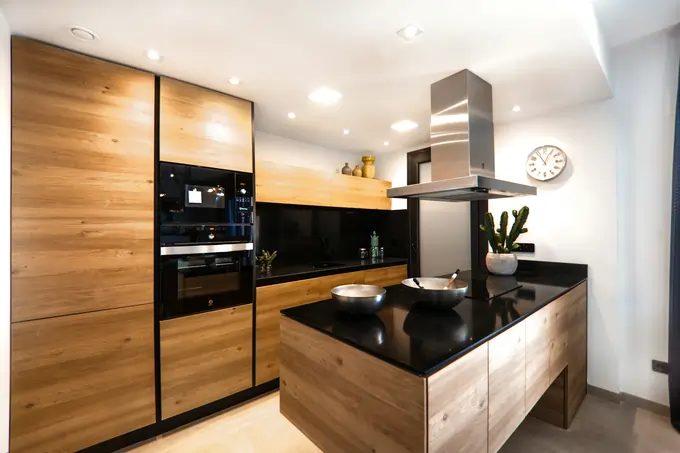
If your home has drafty windows driving up energy bills, switching to renewable energy is a smart move—especially in the U.S. Installations conducted by trained and experienced pros can help you transition from fossil fuels to green energy.
This transition from fossil fuels to a cleaner environment isn’t just hype. Homeowners who seal air leaks and upgrade insulation typically reduce heating/cooling costs by 15-30%, according to EPA estimates. Plus, using heat pump technology can make your home as comfortable as possible and cost-effectively.
For more tips, check out resources from the U.S. Department of Energy and the EPA’s Home Energy Yardstick. And don’t worry, reputable providers won’t share sensitive information; your privacy is safe.
Incorporating renewable energy systems can further reduce your home’s environmental impact:
Solar Electricity
Photovoltaic (PV) solar panel systems convert sunlight into electricity:
- Grid-tied solar Systems feed excess power back to the grid.
- Battery storage – Stores solar energy for use when the sun isn’t shining.
- Net metering programs – Get credit from your utility for excess generation.
Wind Energy
Small wind turbines can supplement other renewable sources:
- Roof-mounted turbines – Small units to offset power consumption.
- Pole-mounted turbines – Larger systems for more power generation.
- Hybrid solar + wind systems – Utilize both technologies.
Geothermal Heating and Cooling
Geothermal heat pumps use shallow earth temperatures for HVAC needs:
- Closed-loop systems – More efficient; pipes circulate underground.
- Open-loop systems – Pump and reinject water from an underground well.
- Direct geothermal – Uses the earth’s temperatures directly via a heat exchanger.
The Economic and Environmental Impact of an Energy-Efficient Home
An energy-efficient home is a total game-changer. Not only do you save tons of money on energy bills, but you’re also doing Mother Earth a solid by cutting down your carbon footprint. This dual benefit—financial and environmental—is why efficiency upgrades are among the smartest home investments you can make.
Adopting energy efficiency and renewable energy technologies in your home provides significant benefits:
Cost Savings
Homeowners can expect to save money on energy costs from efficiency upgrades:
- Lower heating and cooling bills through better insulation, air sealing, and HVAC equipment.
- Reduced electricity costs by switching to LED lighting and efficient appliances.
- Solar electricity systems and geothermal heat pumps can drastically cut utility bills.
Environmental Benefits
Efficiency and renewables reduce fossil fuel consumption and carbon emissions:
- Less coal and natural gas are burned for electricity generation.
- Lower emissions from home heating equipment.
- Utilizing renewable energy sources like sunlight, wind, and geothermal energy.
Case Study: A Real-Life Example of an Energy-Efficient Home
John and Mary built a new 3,000 square foot home in Colorado, designed to be as energy-efficient as possible. Energy modeling predicted the home would use 40% less energy than a standard house of the same size.
Key efficiency measures included R-23 insulated walls, triple-pane windows, a ground-source heat pump HVAC system, LED lighting, and ENERGY STAR appliances. A 7 kW rooftop solar system provides clean electricity.
In the first year of occupancy, the home’s actual energy use was 37% below the reference house. John and Mary saved over $1,800 annually on their utility bills.
Conclusion
Constructing an energy-efficient home using proper insulation, air sealing, high-efficiency equipment, and renewable energy sources can significantly reduce energy usage and costs. With environmental concerns and energy prices on the rise, sustainable and efficient homes are becoming increasingly important.
Homeowners planning new construction or renovations should utilize this guide to incorporate energy-saving measures into their project. With thoughtful design and execution, we can reduce the energy demands of our homes and make comfortable, affordable, green living possible. Ready to start? Download our free Energy Upgrade Checklist, then schedule a no-cost home energy audit through your local utility provider or via DSIRE to find rebates near you.
FAQs
What is the most energy-efficient home?
Homes built to the Passive House standard use up to 90% less heating/cooling energy than conventional builds. These ultra-efficient structures prioritize super-insulation, airtight construction, and heat-recovery ventilation to achieve net-zero energy performance.
How do I build an energy-efficient home?
Follow a 3-phase process: 1) Start with a professional energy audit to identify priorities, 2) Upgrade the building envelope (insulation, air sealing, windows), then 3) Install high-efficiency systems like heat pumps and solar. This sequence maximizes ROI and comfort.
What does it mean for a house to be energy-efficient?
An energy-efficient home achieves a low HERS Index score, measuring performance against a reference home. It uses smart insulation, high-performance windows, and efficient systems to deliver the same comfort with significantly less energy input.
Which is the most energy-efficient option used in homes?
For fastest ROI, prioritize air sealing and insulation upgrades—they typically reduce heating/cooling costs by 15-30%. Next, install a smart thermostat and switch to LED lighting. These foundational upgrades deliver immediate savings before adding renewables like solar.
