

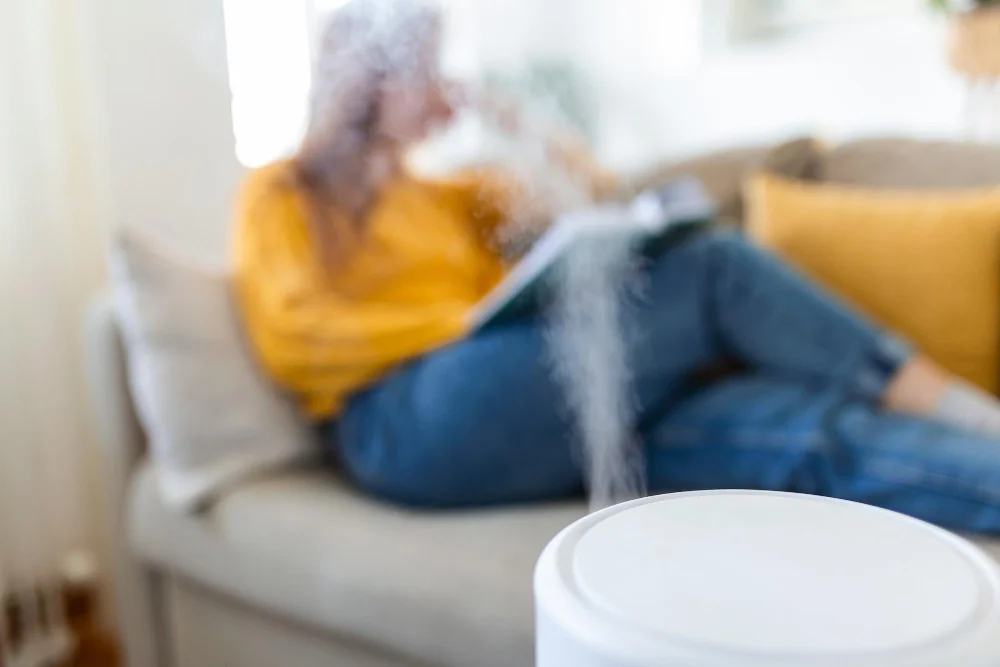
Understanding how indoor air quality impacts your health and well-being is essential when you consider that most people spend over 90% of their time indoors. The air we breathe in homes and offices doesn’t just affect daily comfort—it directly shapes long-term respiratory health, cognitive performance, and overall quality of life. Following EPA indoor air quality guidelines can help prioritize the most impactful improvements for your space.
What Is Indoor Air Quality and Why Does It Matter?
Indoor air quality (IAQ) describes the condition of air within enclosed environments, characterized by pollutant levels and comfort factors. The typical indoor space contains numerous potential contaminants—from dust and mold spores to volatile organic compounds (VOCs), pet dander, and cooking particulates. When indoor air quality slips, you might notice it first as scratchy eyes, a nagging cough, or that afternoon slump you can’t explain—and over time, poor air can worsen asthma, trigger migraines, or even strain your heart. Prolonged exposure to poor indoor air quality has been linked by the EPA to increased risks of chronic respiratory diseases, cardiovascular issues, and even cognitive decline in older adults.
The health implications become particularly concerning for vulnerable populations. Children, the elderly, and individuals with pre-existing respiratory conditions often experience more severe reactions to contaminated indoor air, making IAQ improvement a crucial health consideration for many households.
Key Factors Affecting Indoor Air Quality
Several critical elements determine the quality of air in our indoor environments:
- Ventilation: Without adequate air exchange, pollutants accumulate rapidly. Proper airflow serves the essential function of diluting and removing airborne contaminants. For optimal results, aim for ventilation rates that meet ASHRAE Standard 62.1, which specifies minimum air exchange rates for different room types. Upgrading to MERV 13 filters in your HVAC system captures finer particles without restricting airflow, while Energy Recovery Ventilators (ERVs) maintain energy efficiency during air exchange.
- Humidity levels: The moisture balance indoors creates distinct challenges—too much encourages biological growth, while too little causes respiratory discomfort.
- Household products: Everyday items like cleaning supplies, fresh paint, and even new furnishings release VOCs that can irritate sensitive respiratory systems. When repainting or buying new furniture, look for GreenGuard Gold Certified products, which are tested to emit 90% fewer VOCs than conventional alternatives.
- Biological contaminants: Unseen organisms like mold, bacteria, and dust mites flourish in certain indoor conditions, significantly contributing to poor air quality.
Modern air quality monitors have become valuable tools, helping homeowners identify potential problems before they manifest as health issues and providing actionable data to guide improvement efforts.
Practical Strategies to Improve Indoor Air Quality
Enhancing your indoor air environment doesn’t necessarily require complex or expensive interventions. Effective approaches include:
- Establishing consistent cleaning routines that minimize dust and allergen buildup
- Choosing an air purifier with a true HEPA filter and a CADR rating matched to your room size—for example, a unit with 200+ CADR for a 300 sq ft bedroom ensures 4-5 air changes per hour for effective allergen removal. Look for the AHAM Verifide seal, which independently verifies a purifier’s CADR ratings and noise levels for trustworthy performance data.
- Ensuring sufficient ventilation, particularly in moisture-prone areas like bathrooms and kitchens
- Selecting low-VOC alternatives for home maintenance products and decorative materials—simplify product selection by choosing cleaners with the EPA Safer Choice label, which guarantees every ingredient meets strict safety and environmental criteria.
Bottom line: Open a window, run a HEPA purifier, and you’ll tackle most indoor air quality concerns fast—breathing easier and feeling better in weeks, not months.
The Role of Humidity in a Healthy Indoor Environment
Maintaining humidity levels between 30-50% creates the sweet spot for respiratory health and overall comfort. When indoor air becomes excessively dry, it leads to irritated sinuses, cracked skin, and heightened vulnerability to respiratory infections. On the flip side, excessive moisture creates the perfect breeding ground for mold and dust mites. To achieve this delicate balance, many households rely on devices like humidifiers to regulate moisture levels and support comprehensive air quality.
Real-World Scenarios: Improving Air Quality at Home and Work
A 2023 case study published in the Indoor Air journal documented a household that reduced allergy medication use by 60% after implementing MERV 13 filtration, maintaining 45% humidity, and adding a kitchen range vented outdoors. Programs like EPA’s Indoor airPLUS provide verified frameworks for achieving these results at scale. In the workplace, an office that invested in upgrading its air filtration systems reported measurable benefits: fewer employee sick days and enhanced concentration among staff members.
Expert Insights: What the Science Says
The Environmental Protection Agency (EPA) ranks indoor air pollution among the top five environmental health risks, noting the concerning fact that indoor air typically contains 2-5 times more pollutants than outdoor air. The Harvard COGfx study found that workers in offices with enhanced ventilation and lower VOC levels scored 61% higher on cognitive function tests compared to those in standard buildings. Adding weight to these findings, the World Health Organization emphasizes that addressing indoor air quality represents a cost-effective intervention with substantial public health benefits, particularly in reducing the burden of respiratory and cardiovascular diseases.
Creating a Healthier Indoor Space
The air quality within our homes and workplaces profoundly shapes our health, comfort, and productivity. By understanding the complex factors affecting indoor air and implementing targeted improvements—especially regarding ventilation, humidity control, and pollutant reduction—we can transform our environments into spaces that nurture rather than compromise our well-being. Start with a simple IAQ assessment: use an affordable air quality monitor like Airthings View Plus to identify your top pollutant source, then prioritize one improvement—like upgrading your HVAC filter or adding a bedroom purifier—to experience measurable health benefits within weeks. Small tweaks—like swapping one cleaner or checking your humidity gauge—add up. In a few months, you could breathe easier, sleep more deeply, and worry less about your family’s health.
