

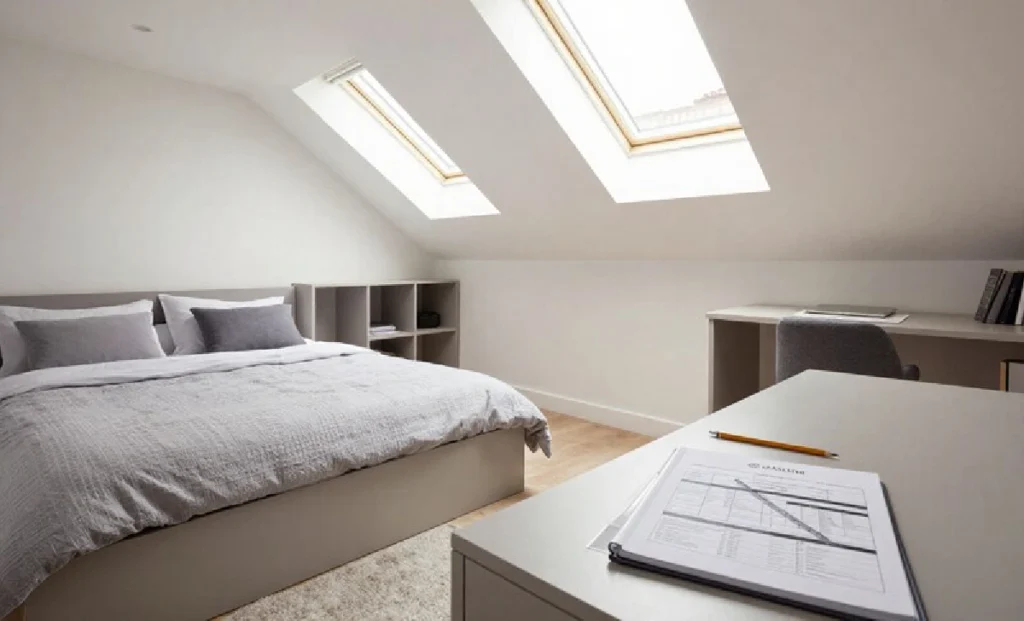
The average UK loft conversion cost in 2025 ranges from £45,000 to £120,000. A basic Velux conversion starts at around £25,000, while a large mansard conversion can exceed £100,000. Final costs depend on size, type, location, and specifications[reference:0].
Thinking about transforming your unused loft into a stylish bedroom, home office, or living space? Before you commit, understanding the true cost of a loft conversion in the UK could save you thousands—and prevent costly surprises.
You want to create valuable new space in your home. A loft conversion is one of the smartest ways to do it. But without a clear budget, your dream project can quickly become a financial strain. This guide gives you a realistic, data-driven look at UK loft conversion costs for 2025. You will learn what factors drive the price, compare different conversion types, and discover how to plan your budget to avoid unexpected expenses.
What Factors Influence Your Loft Conversion Cost?
Your final quote will be unique. Several key elements combine to determine the total price. Understanding these factors helps you make informed choices and manage your budget effectively.
The size of your loft is the most obvious factor. Costs are often calculated per square metre. A larger space requires more materials, labour, and structural work. The type of conversion you choose has an even greater impact. A simple Velux conversion costs far less than a complex mansard with multiple dormers.
Your location in the UK affects labour and material prices. Projects in London and the South East typically cost 15-20% more than the national average. The existing structure of your roof also matters. If you need new steel beams, floor joists, or a raised roof, structural changes will add significantly to the cost.
Finally, your choice of finishes and fittings will influence the final bill. High-spec kitchens, ensuite bathrooms, and premium flooring options all increase your overall spend.
UK Loft Conversion Cost Breakdown by Type
Choosing the right type of conversion is the biggest decision for your budget. Each option offers different benefits at different price points. Here is a detailed cost breakdown for the four main types of loft conversions in the UK.
| Conversion Type | Average Cost Range (2025) | Best For | Key Pros | Key Cons |
|---|---|---|---|---|
| Velux (Rooflight) | £25,000 – £35,000 | Lofts with sufficient existing head height. Simple, light-filled rooms. | Least expensive. Minimal structural change. Fast planning and building. | No extra floor space. Limited headroom in places. |
| Dormer | £45,000 – £60,000 | Adding full-height space and square footage. Most common conversion. | Adds significant floor area. Cost-effective space creation. | Alters exterior roof line. Requires careful design. |
| Hip-to-Gable | £55,000 – £75,000 | Semi-detached or detached houses with hipped roofs. | Maximises usable space in hipped roofs. Structurally efficient. | More complex construction. Usually needs planning permission. |
| Mansard | £70,000 – £100,000+ | Maximum space and headroom, often in terraced houses. | Creates the most usable, regular-shaped room. Can add significant value. | Most expensive. Almost always requires planning permission. Complex build. |
Source: Cost ranges synthesised from 2025 industry guides[reference:1][reference:2].
A Velux conversion is the most budget-friendly if your loft already has good height. A dormer offers the best balance of cost and added space for most homeowners. For the maximum possible room, a mansard conversion is the solution, but it requires a much larger investment.
Labour vs Material Costs: Where Your Money Goes
Your total cost splits roughly into two halves: labour and materials. Knowing this breakdown helps you understand quotes and see where savings might be possible.
Labour typically accounts for 50-60% of the total cost. This covers the skilled work of carpenters, joiners, electricians, plumbers, and plasterers. Labour costs are higher in regions with a strong demand for tradespeople. The complexity of your design directly affects labour hours. A simple Velux conversion might take 4-6 weeks, while a large mansard can take 10-12 weeks or more.
Materials make up the remaining 40-50%. Major material costs include:
- Structural materials: Steel beams, reinforced floor joists, and new roofing materials.
- Insulation: Building Regulations require high levels of thermal insulation for walls, floor, and roof.
- Windows and doors: Velux windows, dormer casements, and access doors.
- Internal finishes: Plasterboard, plastering, flooring, and skirting boards.
- Services: Wiring, plumbing, heating, and ventilation systems.
While you might be tempted to source materials yourself to save money, a reputable builder will often get better trade prices. Their quote usually includes a markup on materials, which covers their cost of sourcing, delivering, and guaranteeing them.
Hidden Expenses You Must Budget For
Many homeowners budget for the core build but forget essential extra costs. Planning for these hidden expenses from the start prevents budget overruns.
Professional fees are a common oversight. You will likely need an architect or architectural technician to draw up plans, which can cost £1,500-£3,000. A structural engineer’s report for beam calculations adds another £500-£1,000. If your project requires planning permission, the application fee to your local council is usually around £300.
Building Regulations approval is mandatory. Your builder or architect will usually handle this, but the inspection fee payable to Building Control can range from £800 to £1,500.
Party wall agreements are crucial if you live in a semi-detached or terraced house. You must formally notify your neighbours and may need to appoint a party wall surveyor. Surveyor fees can start at £1,000 per neighbour.
Site access and skip hire are practical costs. If access to your loft is difficult, expect extra charges for scaffolding and manual handling. Renting skips for waste removal will cost several hundred pounds.
Finally, always set aside a contingency fund of 10-15% of your total budget. This covers unforeseen issues like rotten timbers, additional structural support, or material price fluctuations during the build.
Planning Permission and UK Building Regulations
Navigating the rules is a critical step. Most loft conversions do not need planning permission as they fall under ‘Permitted Development’ rights[reference:3]. However, you must check if your project meets all the conditions, especially regarding volume limits and the height of the new roof.
You must get Building Regulations approval no matter what. This ensures the new space is safe, energy-efficient, and structurally sound. Key regulations cover:
- Structural stability: New floor joists and steel beams must be properly designed.
- Fire safety: You may need new fire-rated doors, protected escape routes, and interconnected smoke alarms.
- Thermal insulation: Walls, floor, and roof must meet current U-value targets to conserve energy.
- Staircase design: The new stairs must have a safe pitch, headroom, and handrails.
Your builder should manage the Building Control process, but ultimately, you are responsible for compliance. Factor in the time and cost for this essential stage.
How to Budget for Your Loft Conversion
A realistic budget is your best tool for a successful project. Follow these steps to create a financial plan you can trust.
First, define your needs and wants. Decide on the essential use of the space (e.g., a bedroom) and list desirable extras (e.g., an ensuite). This helps you prioritise if costs rise.
Next, get multiple detailed quotes. Approach at least three reputable, specialist loft conversion companies. Ensure each quote is a fixed price for a fully specified design, not an estimate. Compare them line by line.
Then, build your total budget. Add the chosen quote price to all the additional costs we discussed: professional fees, Building Control, party wall surveyor, skip hire, and contingency. This is your true total project cost.
Finally, explore financing. Options include savings, a home improvement loan, or remortgaging. Some homeowners use the anticipated increase in their property’s value to justify the investment.
When a Loft Conversion Might Not Be Suitable
A loft conversion is a major investment that isn’t right for every home. Recognising the limitations early can save you from expensive mistakes.
The most common issue is insufficient head height. Building Regulations require a minimum of 2.2 metres at the highest point for a habitable room. If your existing loft has less than this, raising the roof is very costly and may not be feasible.
Complex roof structures can also be a barrier. Trussed rafters (common in post-1960s homes) are harder and more expensive to convert than traditional cut roofs. The presence of water tanks, chimneys, or other obstructions adds complexity and cost.
If your budget is tight, a full conversion may be too much. Consider a partial “shell” conversion or improving the loft for storage instead. For some homes, a ground-floor extension or a conservatory might offer better value for money.
Final Thoughts
Investing in a loft conversion is one of the most effective ways to gain space and add value to your UK home. The key to a successful project is grounded planning. Start with a clear understanding of the costs, from the average £50,000 for a dormer to the six-figure sum for a full mansard. Account for all hidden expenses and secure detailed, fixed-price quotes from specialist builders.
By using this guide, you can approach your project with confidence. You have the knowledge to create a realistic budget, choose the right type of conversion, and avoid common financial pitfalls. Your dream space is within reach with careful planning.
Want an accurate quote? Speak to a local loft conversion specialist and plan your project with confidence.
FAQs
How much does a basic loft conversion cost in 2025?
A basic Velux (rooflight) conversion, suitable for a simple bedroom or office, typically starts from £25,000 to £35,000. This assumes your loft has adequate existing head height[reference:4].
What is the most expensive part of a loft conversion?
Structural work is usually the highest single cost. This includes installing steel beams to support the new floor and roof, which requires skilled labour and expensive materials.
Can I save money by managing the project myself?
While possible, self-managing a loft conversion is not recommended for novices. Coordinating trades, ensuring Building Regulations compliance, and solving unforeseen problems require significant experience. Mistakes can be far more costly than a project manager’s fee.
How much value does a loft conversion add to a house?
A well-executed loft conversion can add 10-20% to your property’s value. In many cases, the increase in value can cover a large portion of the build cost, making it a sound financial investment.
How long does a loft conversion take to build?
A simple Velux conversion can take 4-6 weeks. A standard dormer conversion usually takes 6-8 weeks. More complex hip-to-gable or mansard conversions can take 10-12 weeks or longer.
