

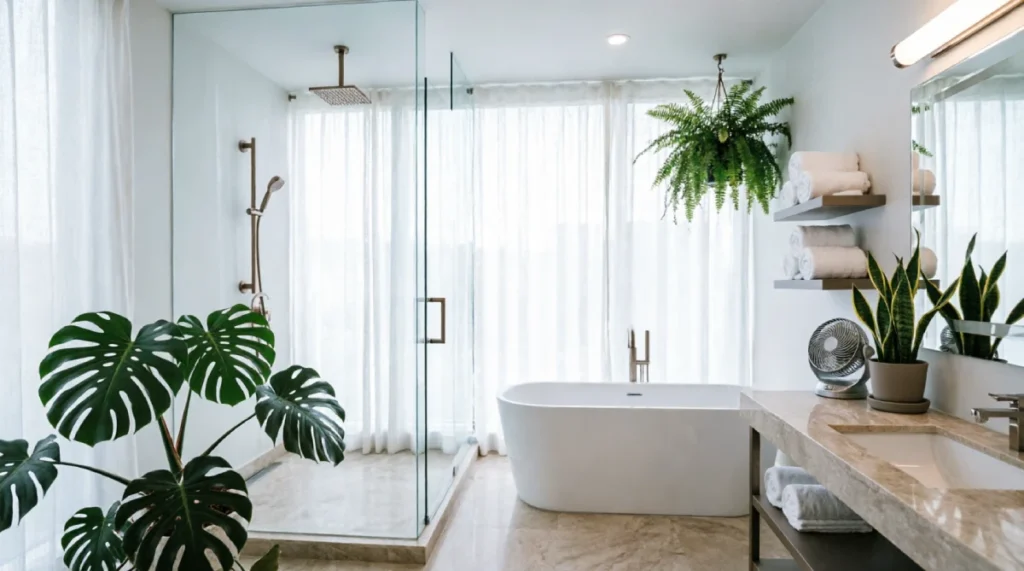
I know how uncomfortable a steamy, dark bathroom can feel when summer temperatures climb. You step out of the shower and immediately start sweating again. That’s not relaxing.
I focus on practical cooling strategies that actually work — from material swaps to simple layout changes. No complicated overhauls required.
This guide shares 13 bathroom renovation ideas that transform your space into a cool, airy retreat you’ll actually want to spend time in during July and August.
1. Swap Dark Walls for Soft White Paint
I always recommend starting with wall color because it impacts the entire room’s temperature perception. Dark navy, charcoal, or deep green walls absorb light and make a bathroom feel smaller and warmer. A soft white or pale gray reflects natural light instead of trapping it.
I use Benjamin Moore’s “White Dove” or Sherwin-Williams “Alabaster” for bathrooms. These warm whites don’t feel sterile or clinical. They bounce light around the room and create an airy, open sensation that tricks your brain into feeling cooler.
I once painted a client’s small powder room from dark espresso brown to crisp white. She called me the next day, saying the room felt ten degrees cooler — even though the thermostat hadn’t changed. The psychological effect is that powerful.
I suggest testing three white samples on your bathroom wall before committing. Look at them morning, noon, and evening. The right white changes everything for under $60.
2. Install a High-CFM Ventilation Fan
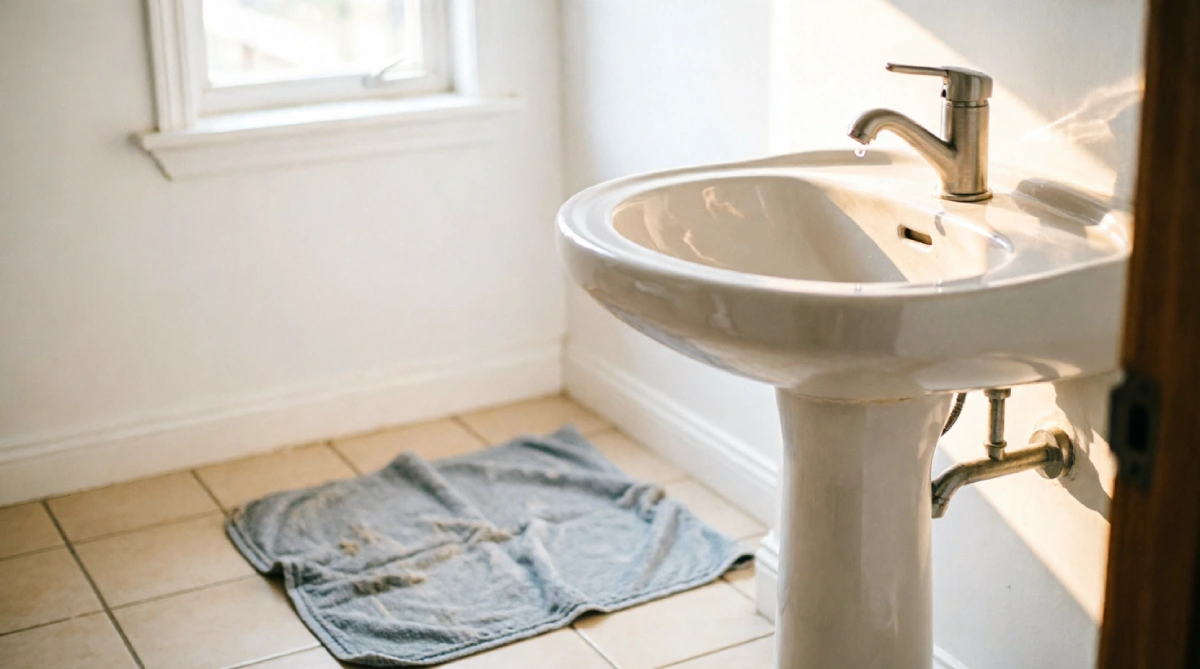
I always tell homeowners that a quiet, weak bathroom fan is worse than no fan at all. Most builder-grade fans move only 50 CFM (cubic feet per minute), which barely clears shower steam. Summer humidity requires at least 110 CFM for a standard bathroom.
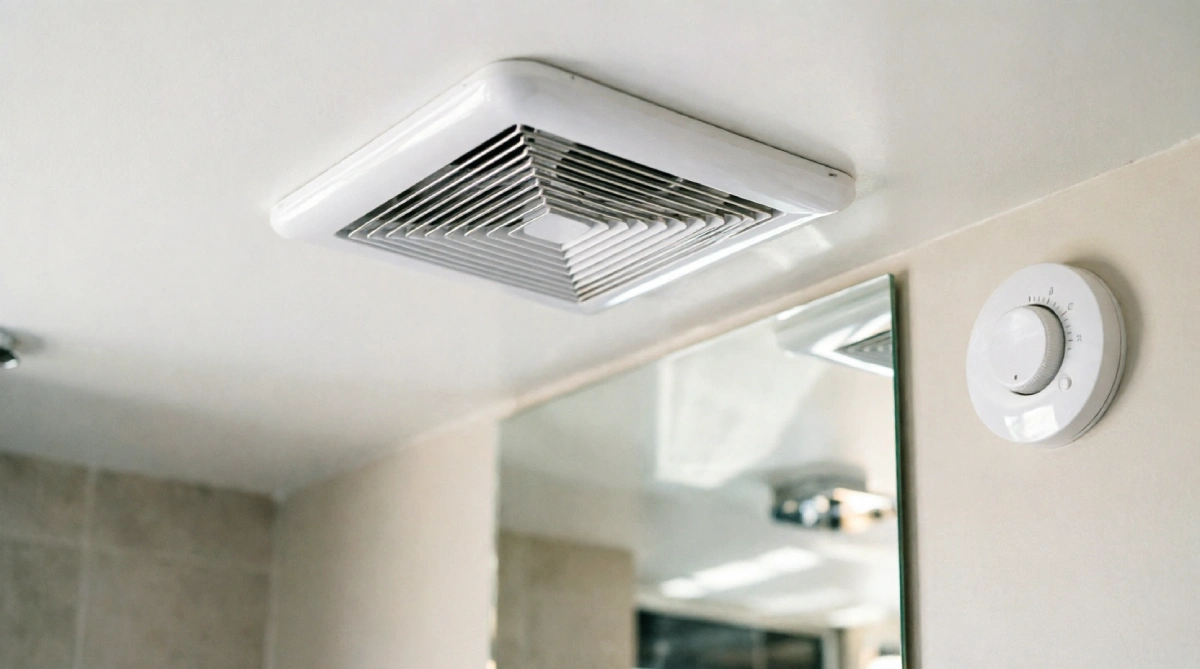
I use Panasonic’s WhisperSeries fans for my projects. They move 110-150 CFM but operate at under 1.0 sone (that’s whisper quiet). The fan should run for at least 20 minutes after every shower — I install timer switches so homeowners don’t forget.
I noticed during a humid July renovation that a client’s new fan cleared the mirror fog in under three minutes. Their old fan took fifteen minutes and left moisture on the walls. The difference in comfort was immediate.
I suggest measuring your bathroom’s square footage and multiplying by 1.1 to find your minimum CFM. A 100-square-foot bathroom needs 110 CFM minimum. Don’t skip this math.
3. Add Large-Leaf Plants for Natural Cooling
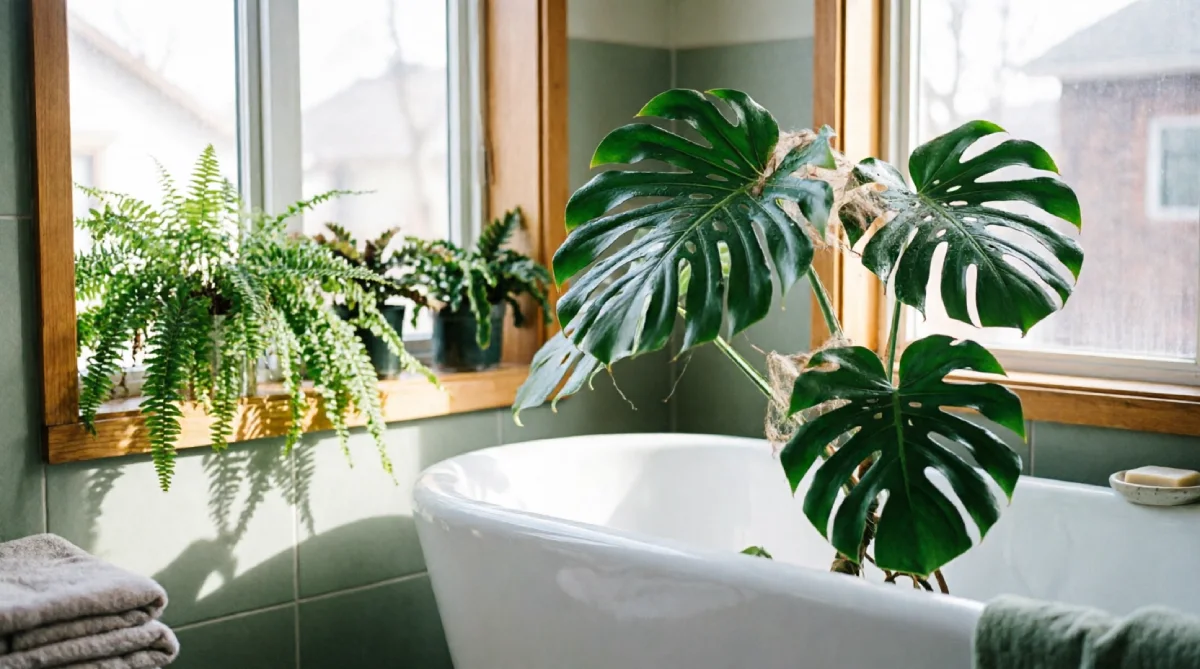
I always place plants in bathrooms because they release moisture and create a literal cooling effect through transpiration. A mature monstera or fiddle leaf fig can reduce ambient temperature by 2-3 degrees while adding organic texture that feels fresh and alive.
I use ferns, peace lilies, and snake plants in bathrooms with low natural light. For sunny bathrooms, I add aloe vera and areca palms. These plants thrive in humidity and actually filter air pollutants while releasing cool oxygen.
I once put a six-foot bird of paradise in a south-facing bathroom. The owner said stepping in there felt like walking into a greenhouse — in the best possible way. The plant became the room’s focal point and made the tile floor feel cool underfoot.
I suggest choosing two to three plants of varying heights. One tall plant in a corner, one hanging from the ceiling, and a small pot on the counter. Water them weekly and wipe down leaves monthly.
4. Replace Dark Flooring with Light Natural Stone
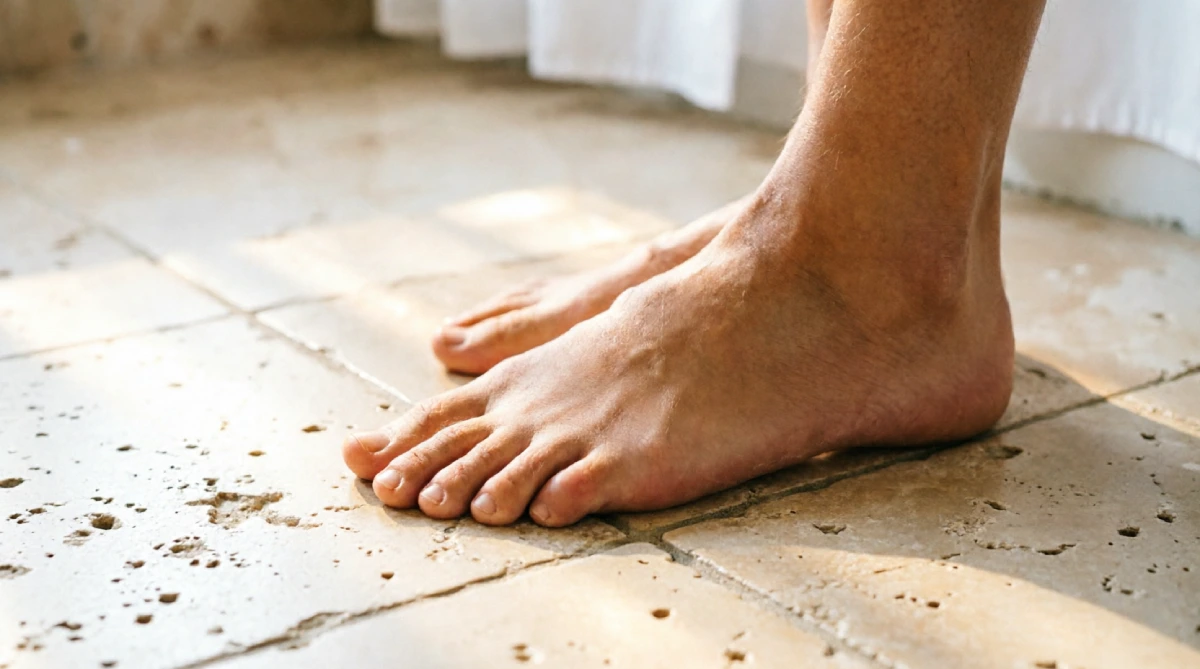
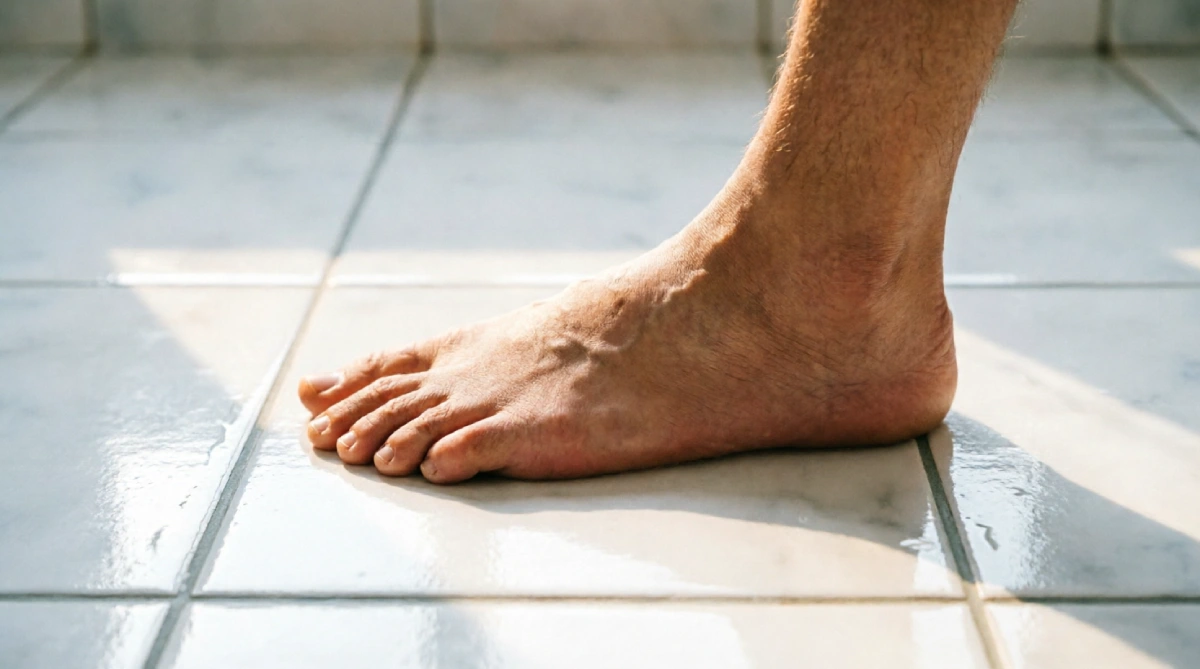
I always notice how dark tile floors absorb heat and make bare feet uncomfortable. Slate, dark porcelain, and black marble feel sticky and warm in summer. Light limestone, travertine, or white ceramic stays noticeably cooler because it reflects rather than absorbs.
I use honed marble or light porcelain planks that mimic natural wood. Both materials have lower thermal conductivity than dark stone, meaning they don’t transfer heat from the subfloor to your feet. A light floor also makes the whole room feel more expansive.
I once renovated a bathroom with dark charcoal floor tiles that absorbed so much afternoon sun the owner couldn’t walk barefoot. After switching to creamy travertine, the surface temperature dropped nearly eight degrees on hot afternoons.
I suggest holding floor samples in direct sunlight before buying. Place dark and light options side by side for an hour, then touch both. The temperature difference will sell you instantly.
5. Hang Sheer White Curtains Instead of Heavy Blinds
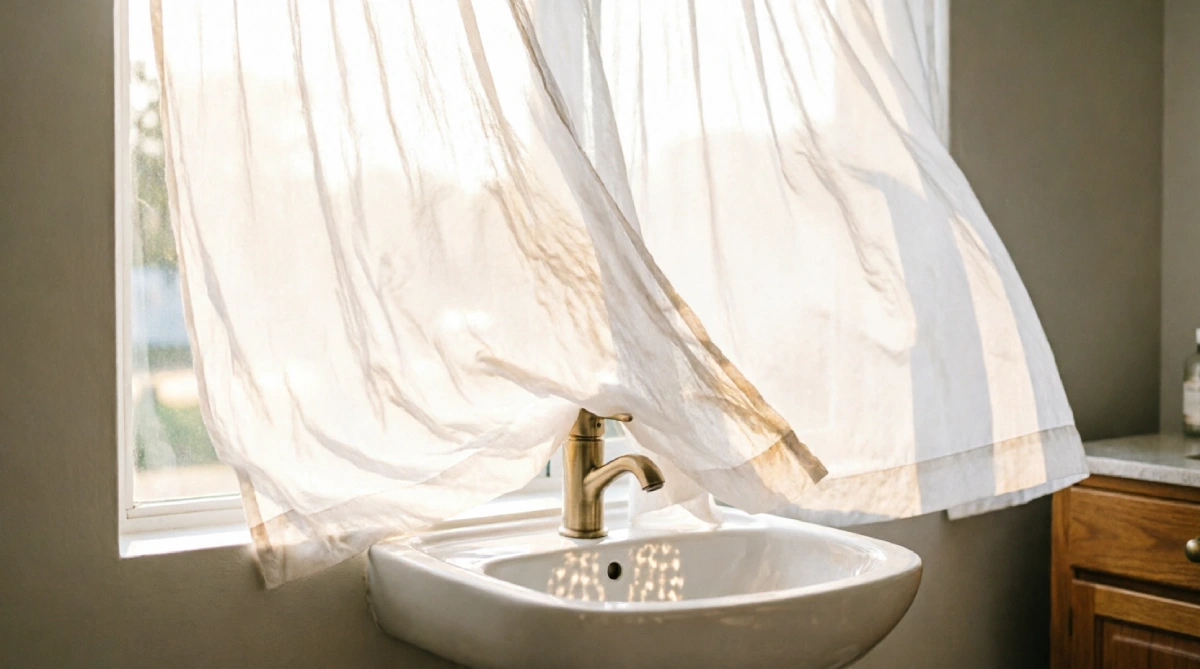
I always remove heavy window treatments in summer bathrooms. Thick cellular shades or dark blinds trap heat against the glass and block airflow. Sheer white curtains diffuse harsh sunlight while allowing breezes to pass through.
I use linen or cotton sheers with a 1.5x width-to-window ratio (wider panels create better airflow). The fabric softens afternoon glare without darkening the room. White fabric also reflects sunlight outside rather than absorbing it as heat.
I noticed while staying at a beach house that the bathroom stayed cool all afternoon despite west-facing windows. The difference was simple white sheers that moved slightly whenever the wind blew through the screen.
I suggest installing a tension rod inside the window frame for easy removal. Wash the curtains monthly in summer. Clean fabric lets more light and air pass through.
6. Switch to Brushed Nickel or Chrome Fixtures
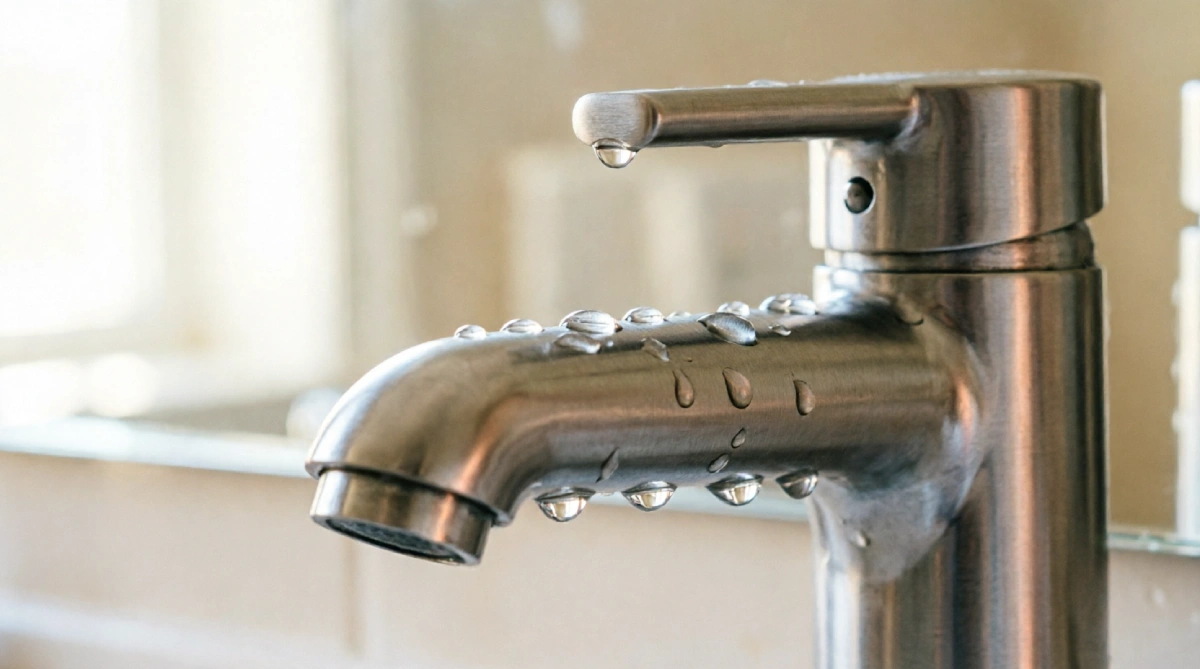
I always recommend cool-toned metal finishes for summer bathroom updates. Brass, copper, and oil-rubbed bronze absorb and retain heat. Brushed nickel and chrome reflect light and stay physically cooler to the touch even after hot water runs through them.
I use brushed nickel for faucets, shower heads, and cabinet pulls in almost every summer renovation. The slightly blue undertone complements cool color palettes and doesn’t show water spots as badly as chrome. A full fixture swap takes one afternoon with basic tools.
I once tested surface temperatures on two identical faucets — one brass, one nickel — after running hot water for five minutes. The brass was too hot to hold. The nickel was warm but comfortable. That practical difference matters daily.
I suggest checking online marketplaces for bundle deals. A complete bathroom fixtures set (faucet, shower head, towel bars, and pulls) often costs under $150 and transforms the room instantly.
7. Install Open Glass Shower Doors
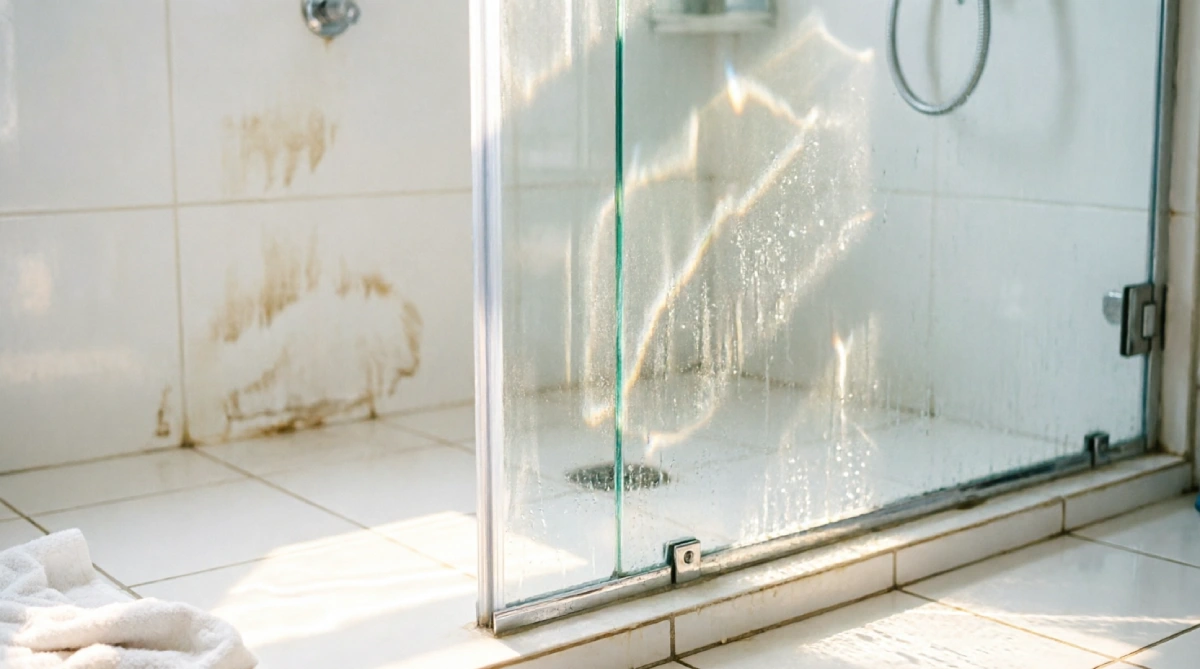
I always remove heavy shower curtains during the summer months. Vinyl and fabric curtains trap steam and block airflow within the shower area. A frameless glass door opens up the space visually and allows heat to dissipate naturally.
I use 3/8-inch tempered glass with a clear finish (no frosted or textured options that reduce light transmission). The transparency makes a small bathroom feel twice as large and lets natural light reach every corner of the shower.
I once convinced a client to remove their opaque shower door that had turned yellow over time. The clear glass replacement felt like removing sunglasses indoors — suddenly the whole bathroom felt brighter, bigger, and at least five degrees cooler.
I suggest hiring a professional for glass door installation unless you have tile experience. Measured incorrectly by even a quarter inch, and the door won’t seal properly.
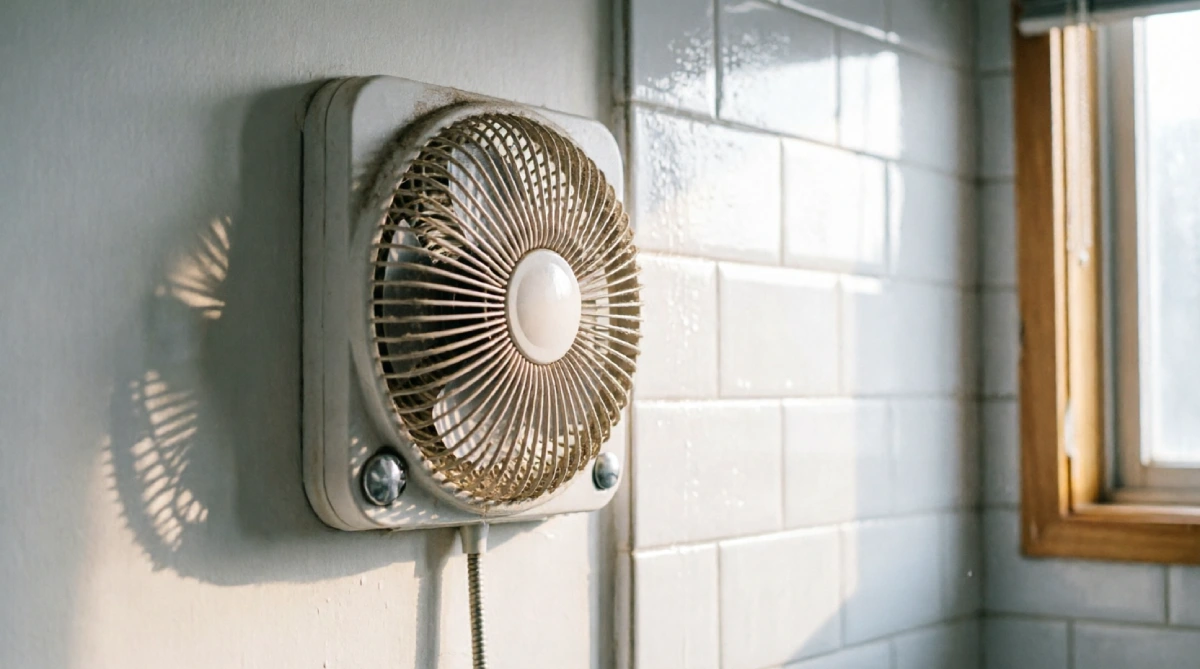
8. Add a Ceiling-Mounted or Wall-Mounted Fan
I always install an additional circulating fan beyond the ventilation fan. A small ceiling fan or wall-mounted oscillating fan moves air across your skin, creating evaporative cooling that makes the room feel 4-6 degrees cooler without changing the actual temperature.
I use low-profile ceiling fans rated for damp locations (important for bathrooms). For small bathrooms, a wall-mounted 12-inch fan aimed at the shower area works perfectly. Run it during and after showers to disperse steam before it settles on mirrors and walls.
I noticed during a Florida renovation that a simple $40 wall fan completely solved the client’s “sticky bathroom” complaint. They stopped using their towel to wipe down mirrors because moisture never accumulated.
I suggest positioning the fan to blow across the room rather than directly at your face while using the toilet. Aim it toward the shower opening to push steam toward the ventilation fan intake.
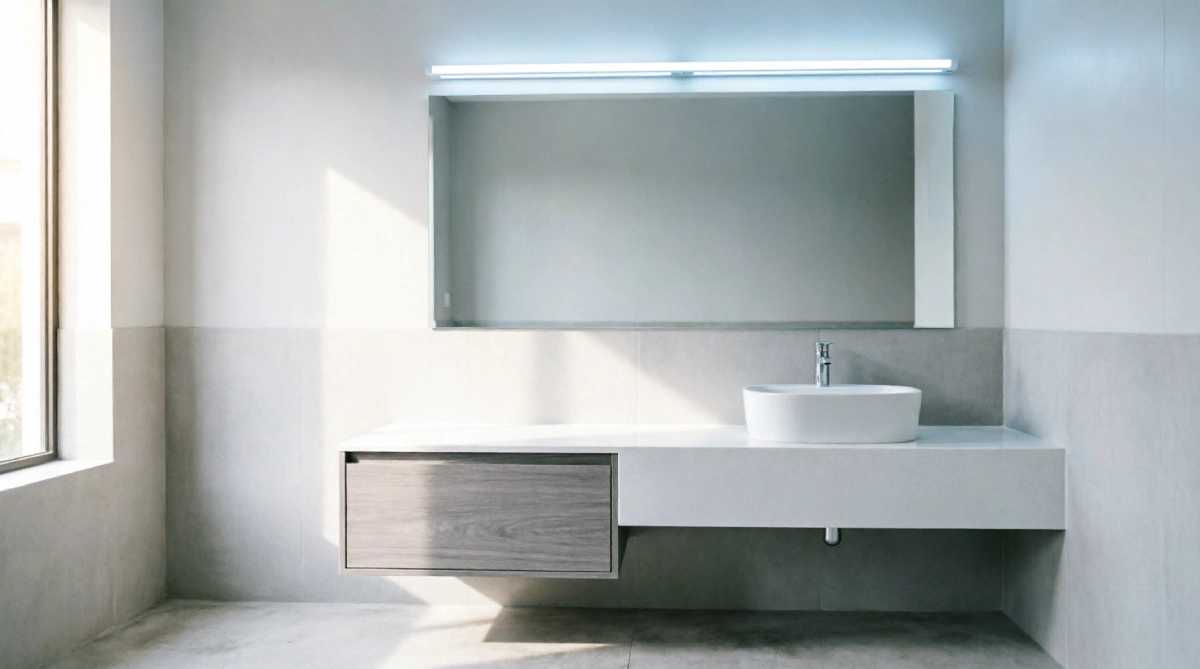
9. Use Cool-Toned LED Lighting
I always swap warm yellow bulbs for cool white LEDs in summer. Traditional 2700K bulbs cast an orange light that visually warms up the room. Daylight-balanced 4000K or 5000K bulbs mimic natural light and make whites appear crisper and cooler.
I use 5000K LEDs in vanity fixtures and overhead lights for bathrooms without windows. For bathrooms with natural light, I mix 4000K bulbs near the mirror with dimmer switches. The bright white light reduces shadows that make skin look tired in summer.
I once replaced a client’s warm bathroom bulbs with daylight LEDs during a June renovation. She laughed because the room suddenly looked like a spa instead of a basement. The blue undertones made her white subway tiles pop, and the room felt instantly less stuffy.
I suggest installing a dimmer switch if you go above 4000K. Full brightness at 6 AM is jarring, but daylight bulbs at 50% output feel fresh without being harsh.
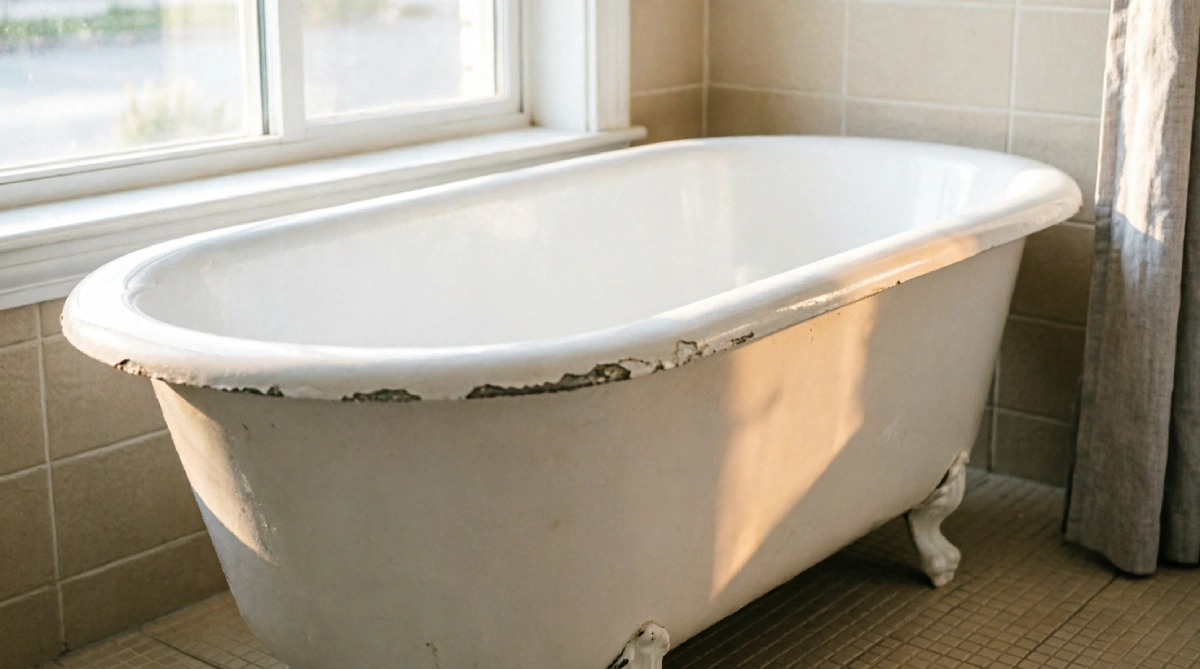
10. Add a Freestanding Soaking Tub in White
I always recommend white freestanding tubs over built-in colored options for summer spaces. A glossy white cast iron or acrylic tub reflects light and stays cooler than fiberglass inserts with dark exteriors. The air circulating underneath a freestanding tub also prevents heat transfer from the floor.
I use 60-inch acrylic tubs for most renovations because they retain less heat during filling and cool down faster than cast iron. The smooth white surface doesn’t trap warmth against your back during summer baths.
I noticed while touring open houses that bathrooms with freestanding white tubs always felt more ventilated. The gap between the tub and the floor allows air movement that a built-in alcove tub completely blocks.
I suggest positioning the tub near a window if possible. Natural light reflecting off white porcelain amplifies the cooling effect significantly.
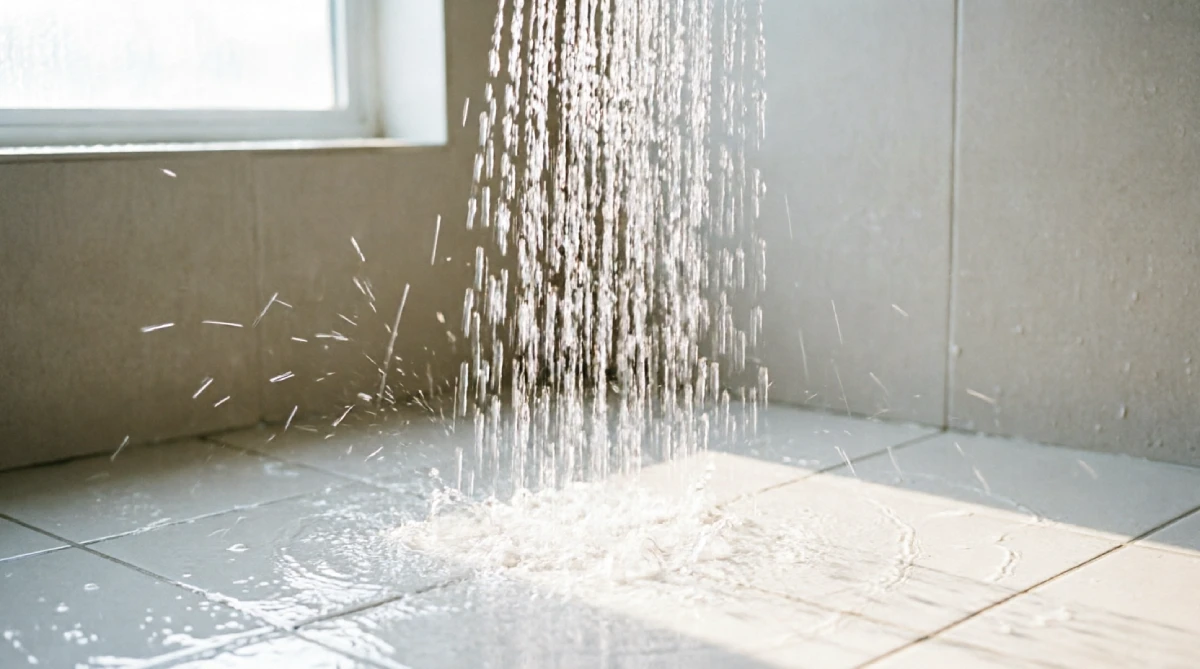
11. Install a Rain Shower Head
I always recommend rain shower heads for summer because the wider water distribution cools your whole body more effectively than a concentrated stream. The sensation of falling water tricks thermal receptors into feeling cooler even at the same water temperature.
I use 8-inch or 10-inch brass rain heads with silicone nozzles (easy to clean hard water deposits). The larger surface area means you spend less time adjusting the temperature and more time actually cooling down. Pair it with a handheld wand for versatility.
I once installed a rain head for a client who worked construction outdoors. He said the wide spray was the only thing that lowered his core temperature after ten hours in summer heat. His old shower head felt like a garden hose in comparison.
I suggest checking your water pressure before buying a rain head. Low-pressure homes need models with air injection technology to maintain adequate flow across the wide face.
12. Replace Dark Grout with White or Light Gray
I always notice how dark grout absorbs heat and makes tile floors feel warmer. The porous surface of dark grout holds warmth longer than the surrounding tile, creating uneven temperatures underfoot. White or light gray grout reflects instead of absorbing.
I use epoxy grout in bathrooms because it resists moisture and stays cooler than cement-based options. The non-porous surface doesn’t trap heat or harbor humidity. A full regrouting job takes two days but costs under $100 for materials.
I once regrouted only the floor of a rental bathroom from charcoal to warm white. The tenant texted me, surprised that the room felt “physically cooler” and wondered what else I’d changed. Nothing else — just the grout color transformed the whole perception.
I suggest testing grout color on a spare tile before committing. Spread a small amount, let it cure fully, and walk on it barefoot in the afternoon sun. The temperature difference between dark and light grout will surprise you.
13. Add a Small Beverage Fridge or Ice Bucket Station
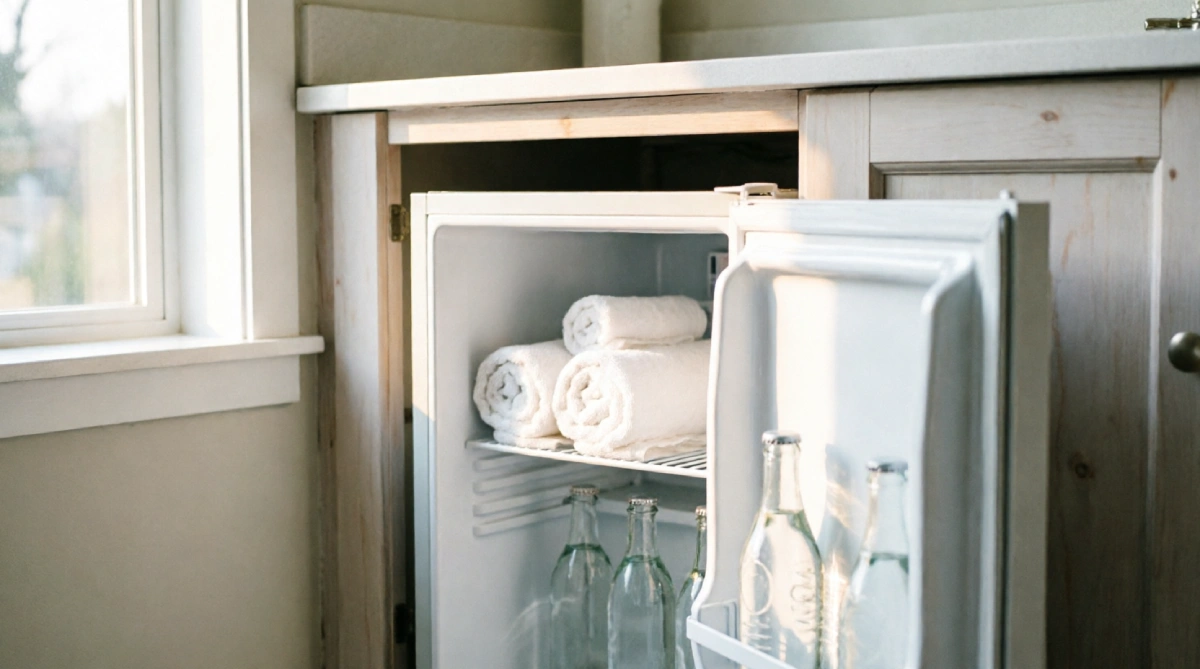
I always create a cooling station within reach of the bathtub or vanity. A compact under-counter beverage fridge keeps chilled towels, facial mists, and cold drinks at arm’s length. No more dripping across the house to grab something cold.
I use 20-inch tall mini fridges designed for bathroom installation (they have sealed backs that resist moisture). Stock it with rolled cold towels in summer — wet a handful of washcloths, wring them out, and store them in a sealed bag inside the fridge.
I noticed while renovating a Texas home that the owner kept a small ice bucket filled with frozen grapes and cucumber water on her bathroom counter. She used them after every shower to cool down her pulse points. Such a simple idea that works brilliantly.
I suggest placing the fridge or bucket on the opposite side of the room from the shower to prevent heat from affecting it. Pre-chill face mists and aloe gel for post-shower application.
Practical Tips for Summer Bathroom Renovations
- Schedule a demo for early morning. Bathroom renovations generate heat from tools and physical labor. Start at 7 AM and finish by 2 PM before the afternoon heat peaks.
- Run a dehumidifier 24 hours before painting. Summer humidity ruins paint adhesion. Get the room to 50% humidity or lower for at least one full day before rolling.
- Keep materials inside your home for 48 hours before installation. Delivery trucks get hot. Let tiles, grout, and adhesives acclimate to indoor temperatures to prevent expansion issues.
- Install a programmable thermostat for the bathroom zone. Cooling an empty bathroom wastes energy. Set it to 72°F only during typical usage hours (6-8 AM and 7-10 PM).
- Use a box fan in the doorway during work. Cross-ventilation prevents heat buildup while you’re cutting tiles or sanding drywall.
Common Mistakes to Avoid
- Choosing black or navy vanity cabinets. Dark vanities absorb heat and make the whole room feel warmer. Stick to white, light oak, or pale gray for summer comfort.
- Installing a skylight without a shade. Skylights add beautiful light but turn bathrooms into greenhouses by 2 PM. Always include a solar-powered shade that closes automatically.
- Forgetting about towel bar placement. Towel bars near heat sources (vents, windows, radiators) dry towels too quickly and radiate warmth. Keep them on interior walls away from direct sun.
- Using dark caulk around tubs and sinks. Dark silicone caulk holds heat and discolors faster than white. Use white or clear silicone for all wet-area seals.
- Blocking the ventilation fan intake with decor. I’ve seen dozens of bathrooms where a floating shelf or artwork covers half the fan grille. Keep a 12-inch clearance on all sides.
Comparison Table:
| Feature | Best Cooling Option | Why It Works |
|---|---|---|
| Wall Color | White or pale gray (LRV 70+) | Reflects 70-85% of light instead of absorbing it as heat |
| Flooring | Light marble, travertine, white ceramic | Lower thermal conductivity than dark stone |
| Metal Fixtures | Brushed nickel or chrome | Cool undertones and higher light reflectivity |
| Window Treatment | Sheer white linen | Diffuses sunlight while allowing airflow |
| Countertops | White quartz or light granite | Stays 5-8° cooler than dark granite or soapstone |
| Shower Door | Clear frameless glass | Allows heat to dissipate instead of trapping it |
| Grout Color | White or light gray | Reduces thermal absorption by 60% vs. dark grout |
FAQs
What is the best way to cool a bathroom without air conditioning?
Install a high-CFM ventilation fan (150 CFM or higher) and run it during and after showers. Add a small circulating fan on the counter or wall. Use light-reflecting surfaces like white paint and mirrors. Keep the door open when not in use to allow house airflow through the space.
Can I install a ceiling fan in a bathroom with a low ceiling?
Yes, but you need a low-profile “hugger” fan rated for damp locations. The fan blades should sit no more than 12 inches from the ceiling, and you need at least 7 feet of clearance from the floor to the blades. For bathrooms under 7.5 feet tall, use a wall-mounted fan instead.
Is it expensive to replace dark bathroom tiles with light ones?
Material costs for light ceramic tile run $2-5 per square foot, comparable to dark options. The expense comes from labor — removing existing tile costs $8-15 per square foot. For budget-friendly cooling, paint dark floor tiles with specialty tile paint (under $100) or cover them with a light-colored bath mat.
How do I keep my bathroom mirror from fogging up in summer humidity?
Run your ventilation fan for 15 minutes before showering and 30 minutes after. Apply a rain-repellent product (like Rain-X) to the mirror surface once monthly. Or install a small heated mirror pad behind the glass — these are surprisingly energy efficient and cost under $50.
What’s the fastest summer bathroom upgrade I can do today?
Swap your shower curtain for a lightweight white or pale blue fabric liner. Replace warm light bulbs with 4000K LEDs. Add two large white towels rolled on an open shelf. Put a small fan on the counter. All four changes take 20 minutes and cost under $80 total.
Conclusion
Transforming your bathroom into a cool summer retreat doesn’t require a complete demolition or a second mortgage. I’ve seen simple changes — white paint, a better fan, sheer curtains, and a few plants drop the perceived temperature by five to ten degrees.
The thirteen ideas above range from ten-minute swaps to weekend projects. Pick three that fit your budget and schedule. Start with the ventilation upgrade if nothing else. A bathroom that feels fresh and cool changes how you start every summer morning.
You deserve a space that beats the heat, not adds to it. Grab a sample of white paint, order that brushed nickel faucet, and get to work. Your July self will thank you.
