

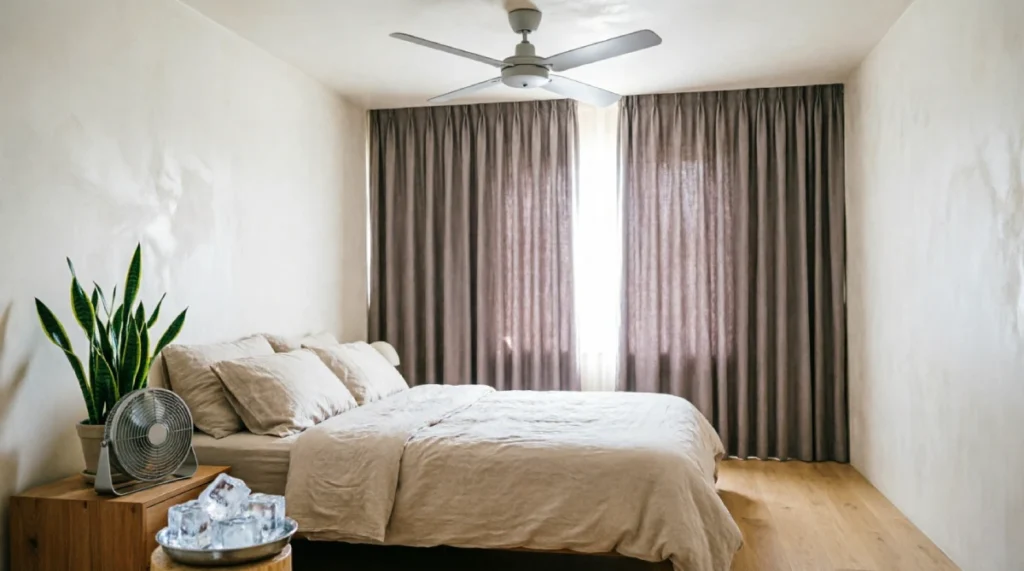
I know how frustrating it is to toss and turn in a hot bedroom when summer nights refuse to cool down. I focus on practical, low-cost cooling strategies that don’t just rely on air conditioning.
This guide shares 13 summer bedroom ideas that keep your room cool by working with airflow, materials, and simple habit changes.
You’ll find real-world fixes I’ve tested in my own home, from the right bedding to clever window tricks. No complicated renovations, just steps that make a noticeable difference.
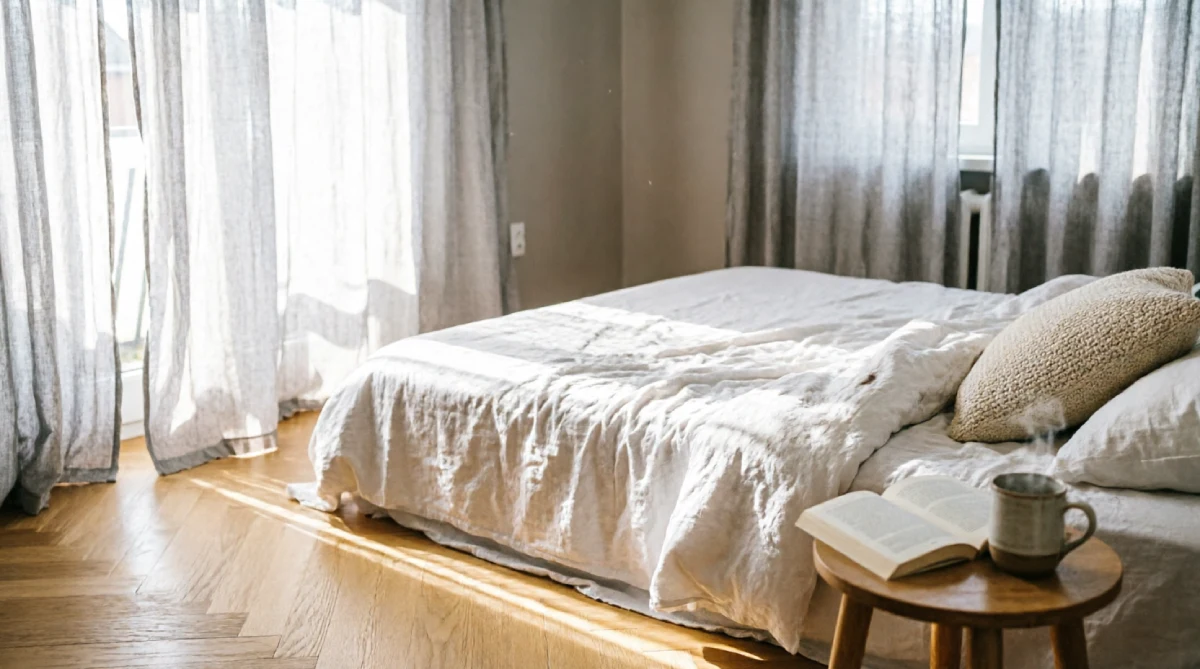
1. Switch to Breathable Linen or Cotton Sheets
I always swap polyester blends for pure cotton or linen sheets in summer. Synthetic fibers trap heat and moisture, making nights sticky. I use 100% percale cotton or washed linen because they wick sweat and let air circulate against your skin. I noticed instantly that my bedroom felt less stuffy after ditching microfiber sheets. The crisp fabric stays cool to the touch all night.
I suggest choosing light colors and a loose weave; avoid high-thread-count sateen, which can hold heat. Wash them before first use for maximum softness.
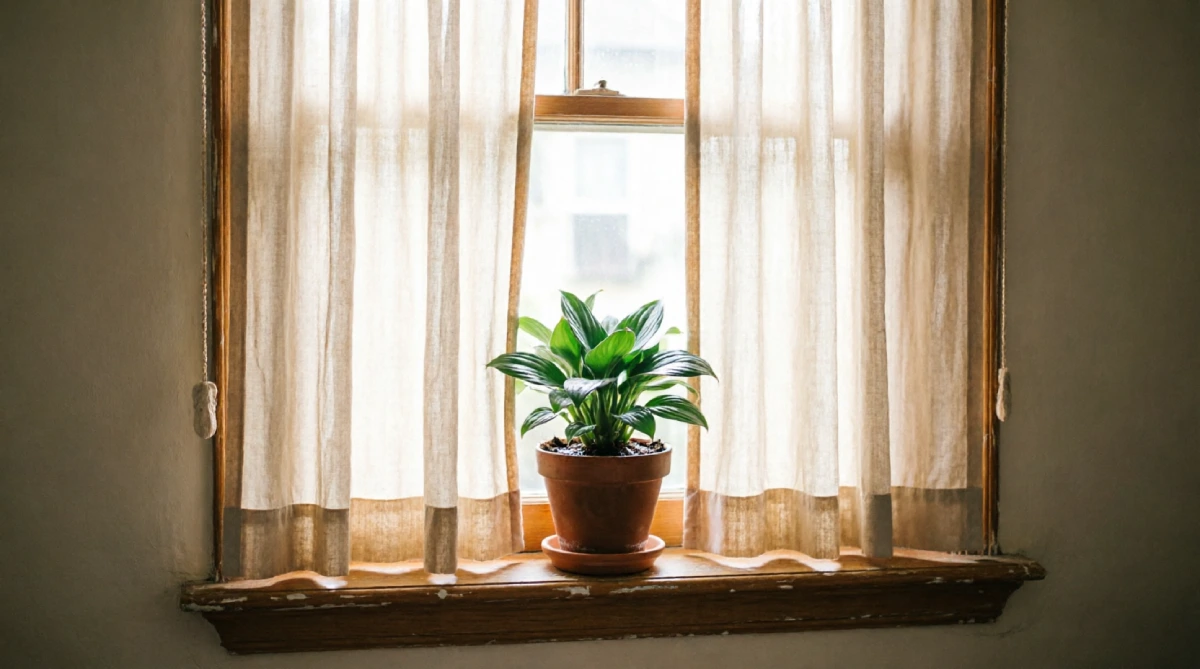
2. Hang Thermal Blackout Curtains
I always cover south- and west-facing windows with thermal blackout curtains during the hottest hours. Sunlight pouring through the glass turns a bedroom into a greenhouse. I use thick, triple-weave curtains with a white backing that reflects solar heat outdoors. They’re not just for darkness. I once measured a 7-degree drop in my room after hanging them, which meant I rarely needed the AC before sunset.
I suggest installing the rod as close to the ceiling and extending past the frame to block light leaks fully. Close them before noon.
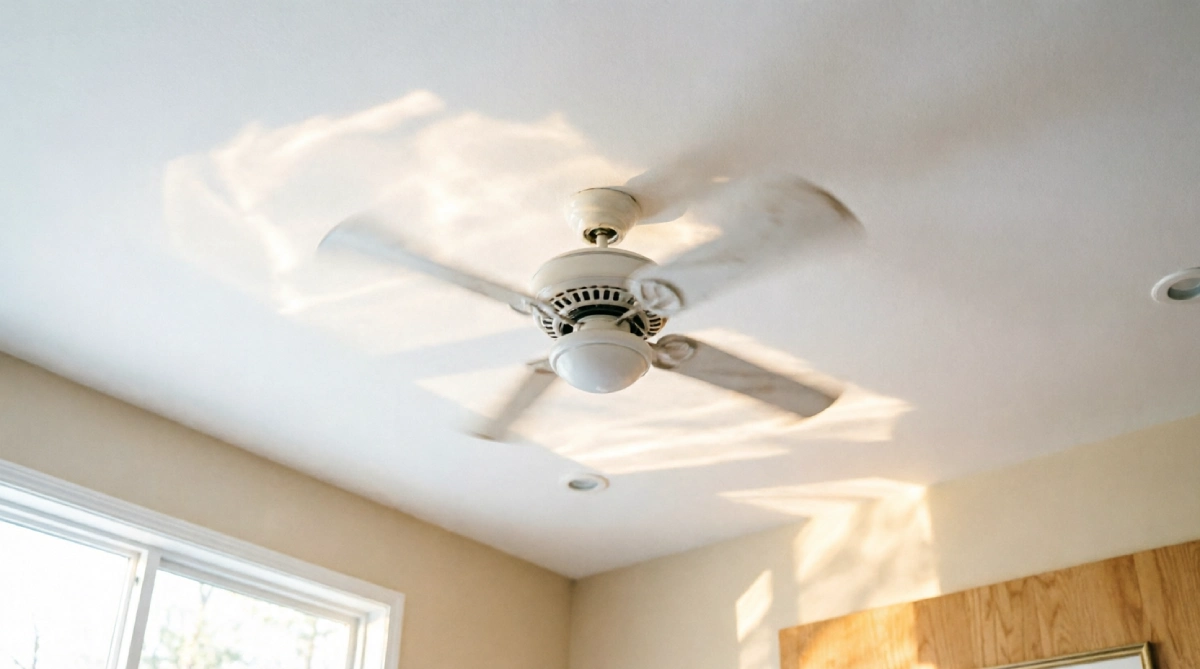
3. Set Ceiling Fan to Rotate Counterclockwise
I always reverse my ceiling fan in summer so it spins counterclockwise. This pushes air straight down, creating a wind-chill effect on skin. I use the small switch on the motor housing; many people forget it exists. Downward airflow makes 78°F feel like 72°F. I noticed a friend’s fan was spinning the wrong way in July, and their room felt stagnant even on high speed.
I suggest checking the direction by standing underneath—you should feel a strong breeze. If not, flip the switch with the fan off.
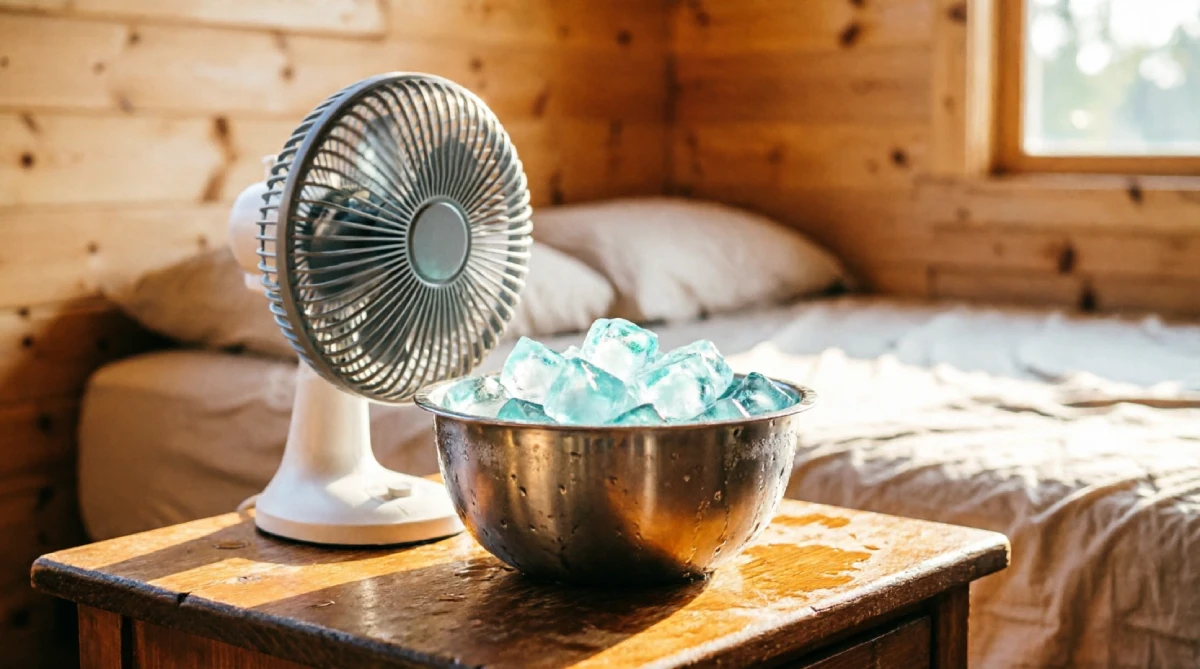
4. Position a Bowl of Ice in Front of a Fan
I always keep a shallow bowl of ice angled in front of a standing fan on scorching nights. As the fan blows over the melting ice, it disperses chilled moisture. I use a metal bowl because it stays colder longer and helps the ice melt slowly. It’s a low-tech evaporative cooler. I once camped in a stuffy cabin, and this trick dropped the room’s feel noticeably within twenty minutes.
I suggest placing the fan on a nightstand, pointing toward the bed, and refilling the ice before sleep. A towel underneath catches drips.
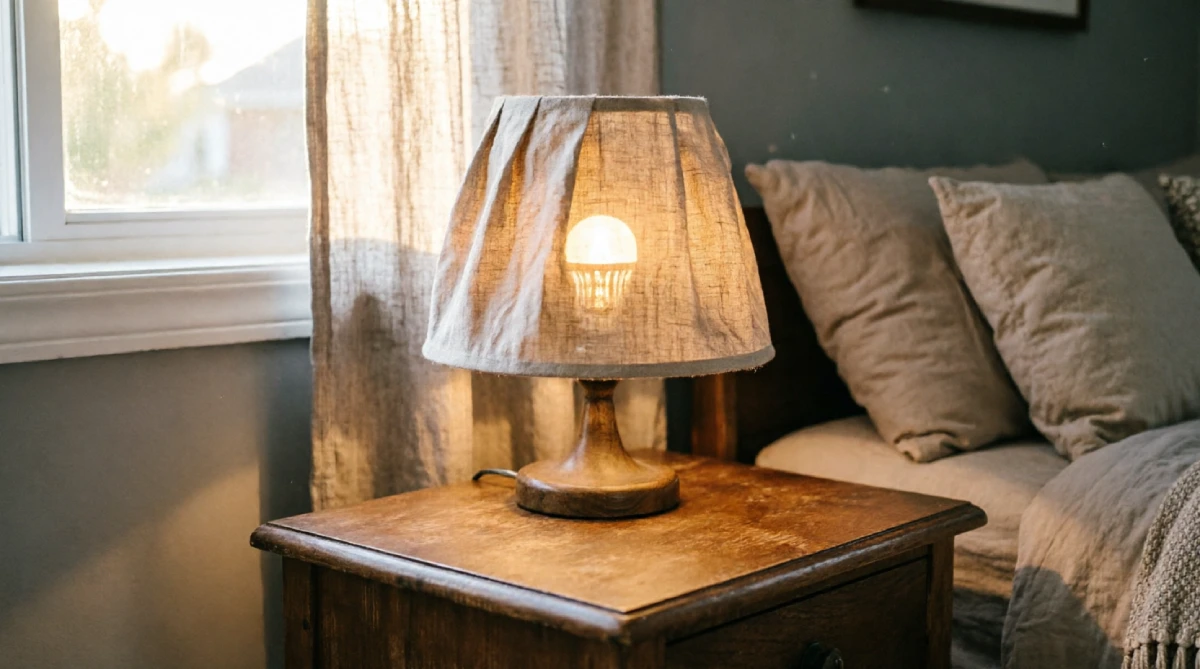
5. Replace Hot Light Bulbs with LEDs
I always switch out incandescent bulbs in bedside lamps. An old 60-watt bulb emits serious heat that can warm a small bedroom. I use LED bulbs with a warm color temperature (2700K) that look natural but stay cool to the touch. They waste far less energy as heat. I noticed that after changing four bulbs in my room, the ambient temperature near the bed felt a couple of degrees lower by evening.
I suggest replacing all regularly used bulbs and even fairy lights with LED versions. It’s a simple swap that cuts both heat and electric bills.
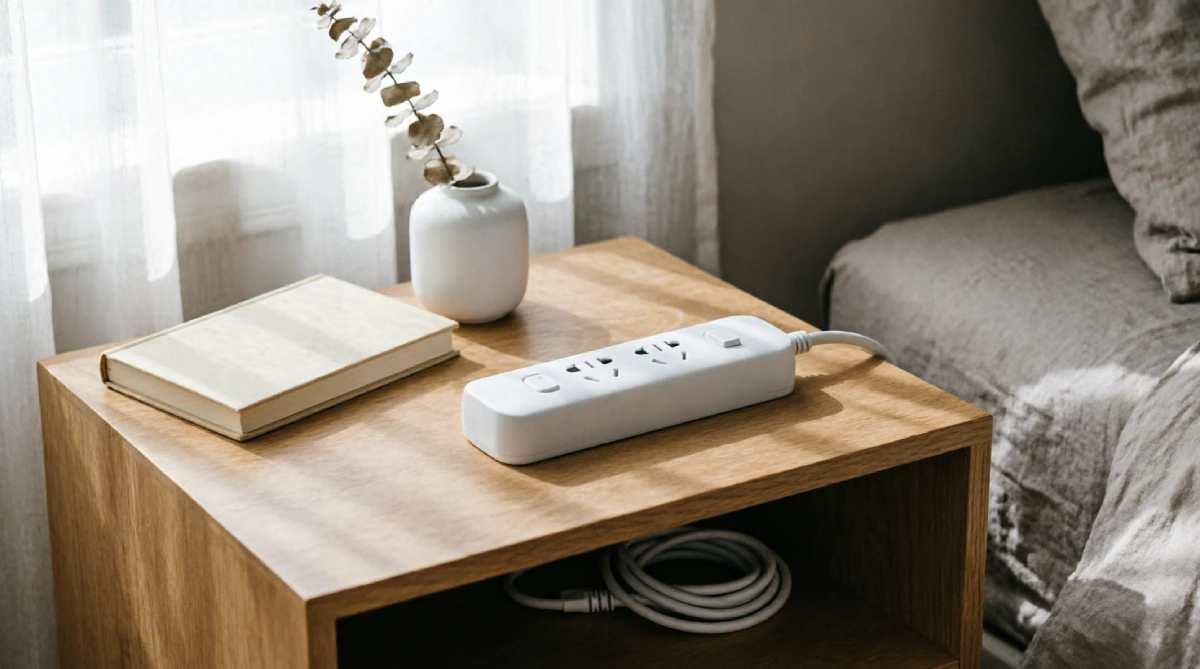
6. Unplug Electronics and Tame Heat Sources
I always unplug phone chargers, laptops, and gaming consoles before bed. Even idle electronics radiate small amounts of heat that raise the room temperature. I use a power strip with a switch to cut power completely rather than leaving devices on standby. It stops vampire heat. I once forgot a laptop charging under a pillow, and the spot was noticeably warm in the morning—never again.
I suggest doing a quick sweep at night to power down anything with an adapter brick. It’s free cooling and also reduces subtle noise.
7. Apply Reflective Film to Windows
I always stick a low-E or reflective window film on glass panes that get direct afternoon sun. It blocks infrared heat without darkening the room too drastically. I use static-cling film that’s easy to remove in rental spaces. It bounces back a large portion of solar energy. I once filmed only one window in a sun-blasted bedroom, and the temperature difference was instantly obvious standing beside each.
I suggest buying a swatch first to test light transmission, then clean the glass thoroughly before application. Use a credit card squeegee for bubbles.

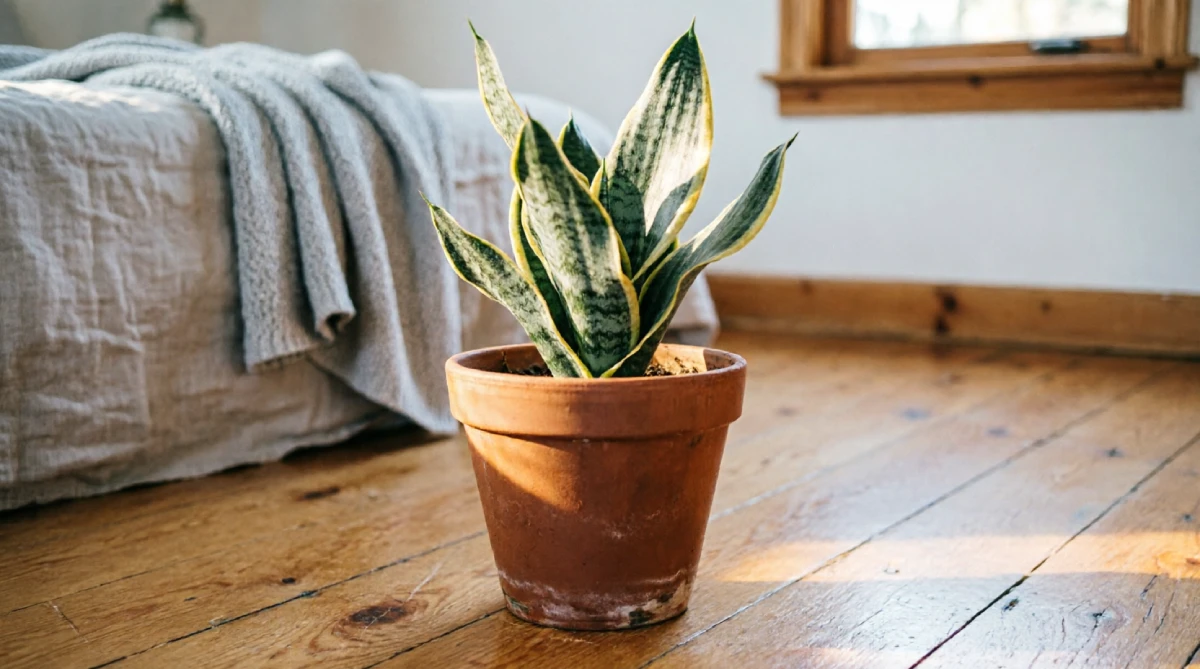
8. Keep Cooling Indoor Plants
I always add a couple of moisture-releasing plants like snake plants or aloe vera near the bed. They transpire water through their leaves, subtly cooling dry air. I use tall snake plants because they release oxygen at night and thrive in low light. Aloe gel also soothes sunburns—a summer bonus. I noticed that after grouping three plants near a window, the corner felt fresher and less arid during heat waves.
I suggest placing them on a pebble tray with water to boost humidity. Just don’t overwater; soggy soil can attract gnats.
9. Use a Cooling Gel Mattress Topper
I always top my mattress with a gel-infused memory foam topper in summer. Traditional foam holds body heat and turns sleep into sweaty tossing. I use a topper with open-cell construction and phase-change material that dissipates heat away from pressure points. I once slept on a friend’s standard memory foam bed during a heatwave and woke up drenched; my cooling topper prevents that.
I suggest looking for toppers with a removable, washable cover and cooling certifications like CertiPUR-US. Let it air out for 48 hours after unpacking.
10. Night Purging and Day Sealing
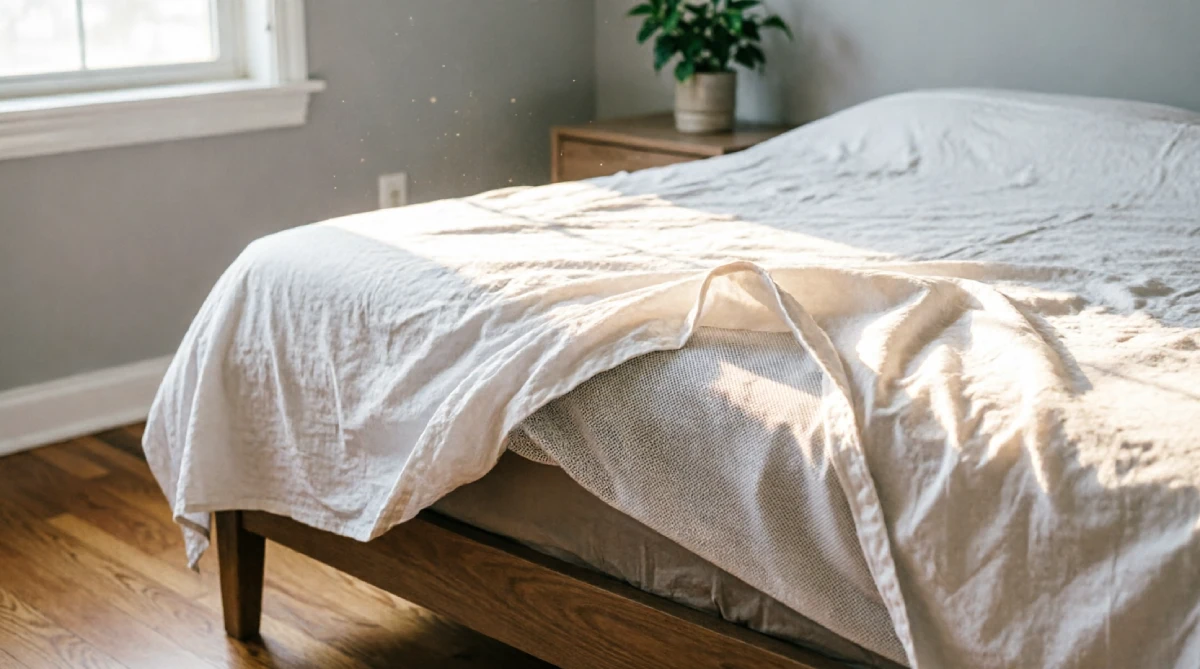
I always open windows wide once outside temperatures drop below indoor readings, usually after 9 p.m. This flushes out hot air. I use box fans in opposite windows—one blowing in, one blowing out—to create whole-room cross-ventilation fast. I noticed that closing windows and blinds by 8 a.m. traps the cool night air far into the afternoon. I treat the bedroom like a cooler.
I suggest setting a phone reminder to shut windows early; the morning sun can spike temperatures quickly. Drop blackout curtains simultaneously.
11. Run a Dehumidifier
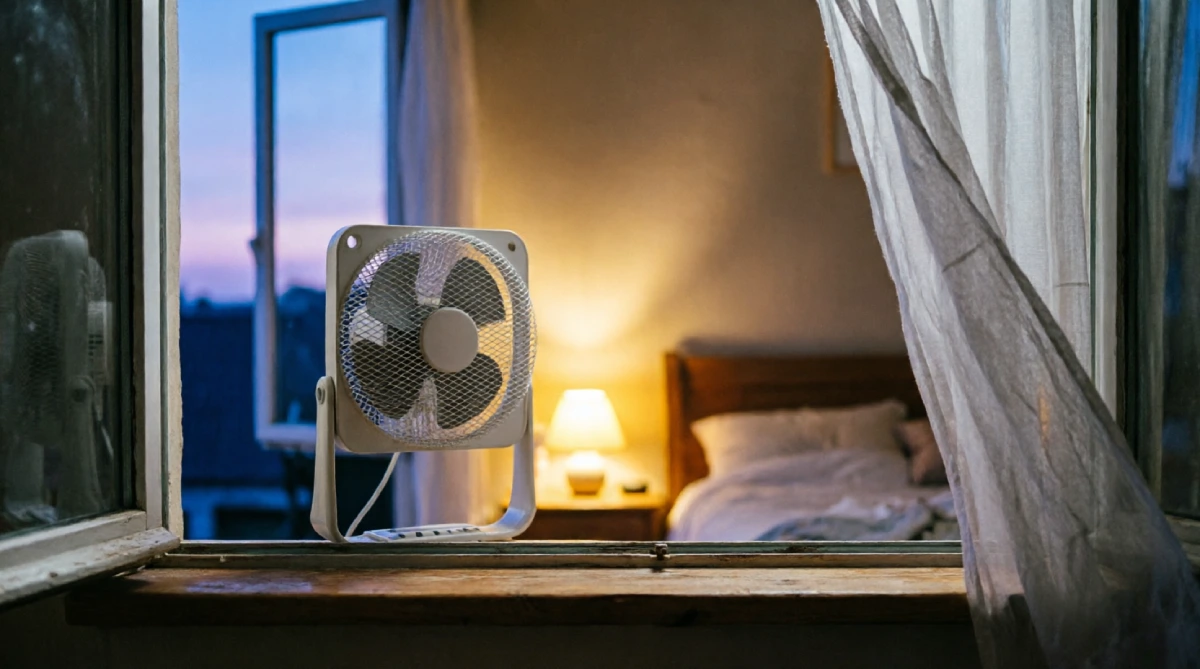
I always use a dehumidifier when summer humidity climbs above 60%. Sticky air prevents sweat from evaporating, making you feel hotter. I use a unit with a built-in humidistat that automatically maintains 45-50% relative humidity. Dryer air feels cooler on the skin. I once shut mine off for a week and instantly noticed the room felt clammy, and sheets never seemed dry.
I suggest emptying the tank daily if it lacks a drain hose, and placing it away from walls so airflow isn’t blocked. Clean the filter monthly.
12. Paint Walls in Cool, Pale Tones
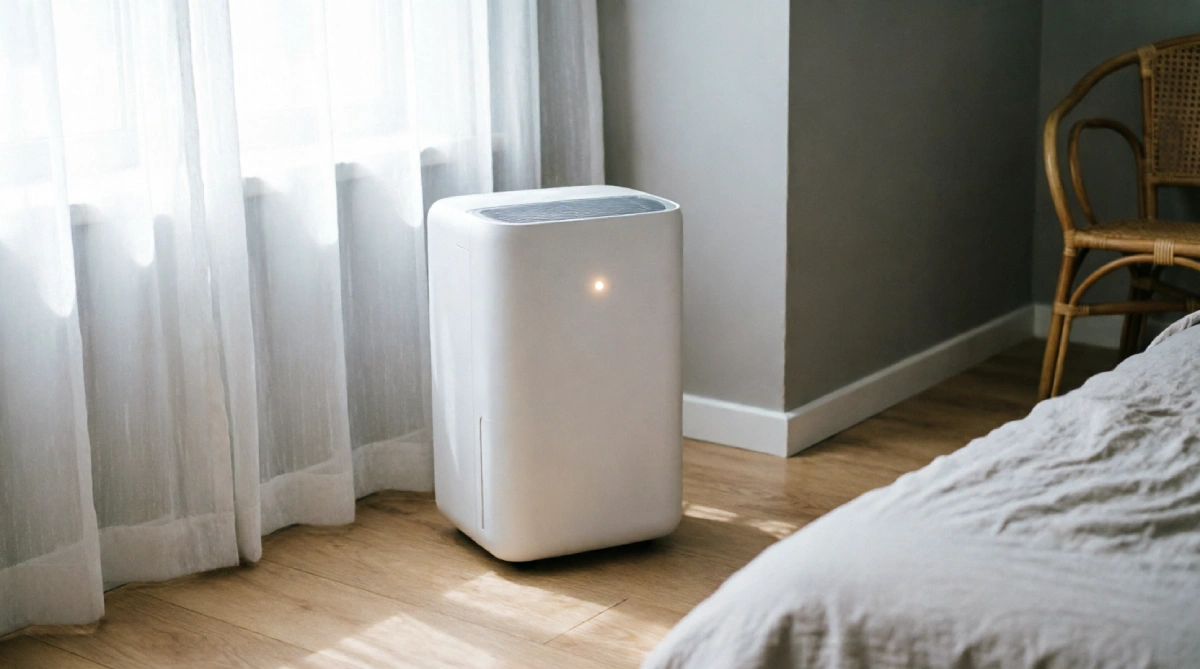
I always recommend painting bedrooms in soft shades like pale blue, seafoam green, or light lavender. Dark colors absorb and re-radiate heat. I use paints with high Light Reflectance Value (LRV) that bounce light rather than trapping it. The visual coolness convinces the mind, too. I noticed after repainting a formerly chocolate-brown wall to ivory that the room felt airier, and I could drop the thermostat by two degrees psychologically.
I suggest choosing matte or eggshell finishes for a soft, breathable look. Even an accent wall change can shift the room’s energy.
13. Drape a Damp Cotton Sheet by a Breeze
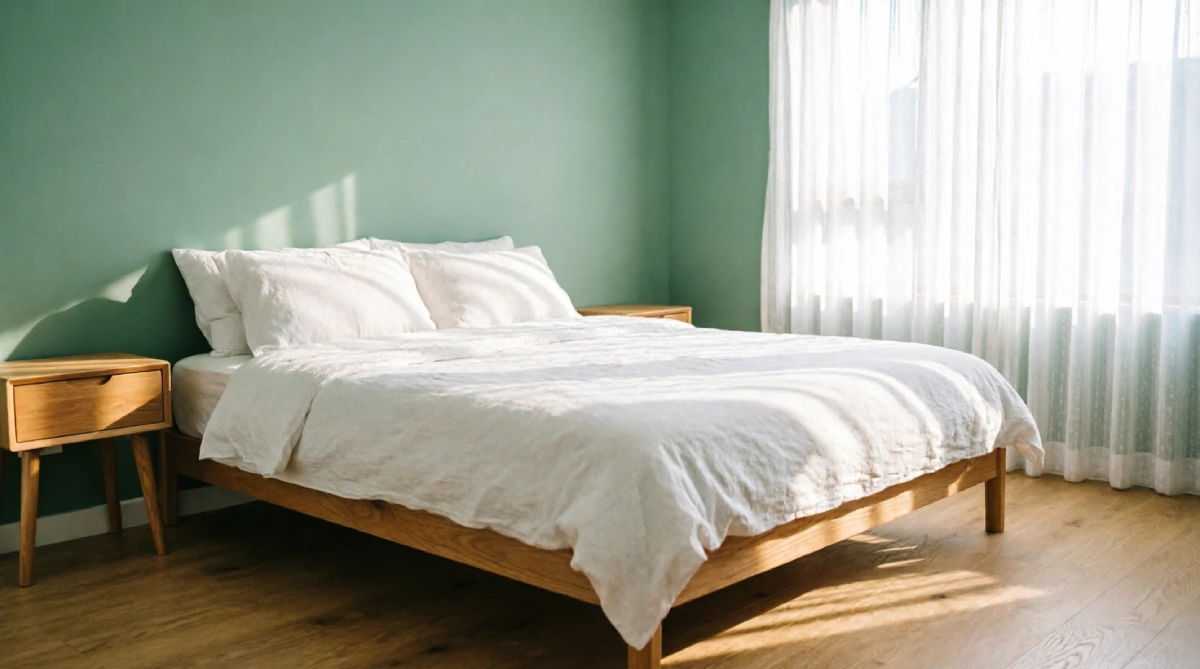
I always hang a slightly damp, lightweight cotton sheet in front of an open window when a breeze blows. Air passing through evaporates water and chills the airflow. I use an old flat bedsheet with high cotton content, misted with a spray bottle, not soaking wet. It acts like a swamp cooler. I once tried this during a power outage, and the room stayed remarkably comfortable for hours. Neighbors thought I was crazy, but it worked.
I suggest securing the sheet with curtain rod clips or tacks and setting a fan behind it if there is no wind. Re-dampen every couple of hours.

Practical Tips
- Set a fan timer: Run a fan for the first few hours of sleep instead of all night to save energy while staying cool.
- Freeze a hot water bottle: Fill a bottle partway, freeze it, and wrap it in a towel to place at the foot of the bed for passive cooling.
- Add a bamboo mat: A thin bamboo or rattan mat over the mattress allows air to move beneath you, reducing sweat buildup.
- Keep interior doors open: Let air move freely between rooms; a narrow hallway can act as a wind tunnel with the right window placement.
- Use a buckwheat pillow: Buckwheat hulls don’t hold heat like traditional fill, and the space between hulls ventilates naturally.
Common Mistakes to Avoid
- Leaving windows uncovered during peak sun: Even clear glass lets in enough radiant energy to heat the room by several degrees.
- Running a ceiling fan in winter mode: Blades spinning clockwise pull air up without a cooling breeze, making the room feel still and warm.
- Ignoring humidity: High moisture levels make any temperature feel hotter; a dehumidifier solves the sticky-skin problem before adjusting the AC.
- Over-cooling at night, then waking up freezing: Charging the room with too much AC dries the air and disrupts sleep; aim for a stable, moderate temperature.
- Using heavy duvets and dark throws: Thick bedding traps body heat, and dark fabrics absorb what little light bounces around the room.
Comparison Table:
| Feature | Best Option | Why It Works |
|---|---|---|
| Window treatment | Thermal blackout curtains with white backing | Reflects heat before it enters the room |
| Bedding material | Linen or percale cotton | Breathable, moisture-wicking, and stays cool to the touch |
| Fan direction | Counterclockwise | Pushes air downward for a direct wind-chill effect |
| Humidity control | Dehumidifier set to 45–50% | Dryer air feels cooler on the skin and aids evaporation |
| Night cooling method | Cross-ventilation with box fans | Flushes hot air and replaces it with cool outside air |
FAQ
Q. What is the best way to cool a bedroom without AC?
Combine several low-energy strategies: use breathable linen sheets, set fans for cross-ventilation after sunset, and block daytime sun with thermal curtains. A dehumidifier also makes the air feel noticeably cooler.
Q. Can I use a dehumidifier and a fan together?
Yes, and they complement each other well. The dehumidifier strips sticky moisture from the air, while the fan’s airflow accelerates sweat evaporation on your skin. You’ll feel cooler at a higher thermostat setting.
Q. Is reflective window film expensive to install?
Not at all. A roll of static-cling film costs around $15–$30 for a standard bedroom window, and you can install it yourself with a spray bottle and squeegee. It peels off cleanly, making it great for renters.
Q. Do indoor plants really help cool a room?
They add a small amount of moisture through transpiration, which can create a slightly fresher microclimate near the plant. The visual greenery also contributes to a psychologically cooler, calmer space.
Q. How often should I run the dehumidifier?
Run it continuously with a built-in humidistat set to 45–50%. It will cycle on and off automatically. Empty the tank daily unless you connect a drain hose. Clean the filter once a month for best performance.
Conclusion
You don’t need to blast the air conditioner all night to reclaim a restful summer sleep. Swapping to breathable bedding, directing airflow smartly, blocking heat at the window, and tackling humidity are all practical moves that work together. I’ve seen these small changes add up to a bedroom that feels noticeably fresher within hours. Start with just two or three ideas that fit your space, maybe a good bowl of ice in front of a fan, and pulling those blackout curtains early. A cooler, quieter room is within reach, and your summer mornings will thank you.
