

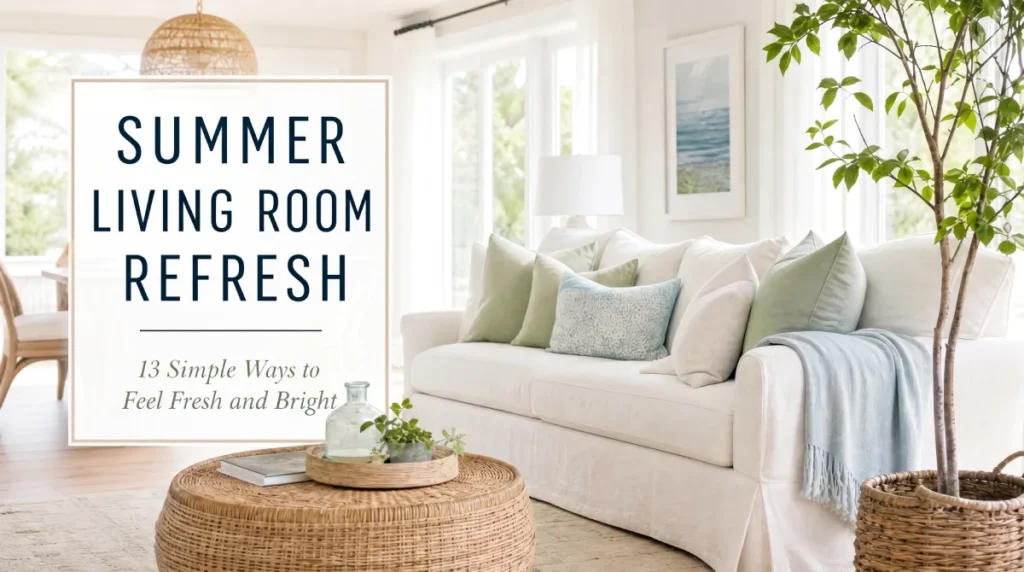
There’s a moment every year when the living room that felt cozy all winter suddenly feels heavy and suffocating. The dark throws, the layered rugs, the velvet pillows that were so inviting in December now just hold heat. The room isn’t broken; it’s simply dressed for a different season. I usually find that switching a living room from winter to summer isn’t about buying all new furniture. It’s about editing the layers, shifting the palette, and letting the natural light do more of the work.
These 13 ideas focus on exactly that: practical, breathable changes that make the same space feel open and fresh without a full redesign.
1. Swap Heavy Curtains for Sheer Linen Panels
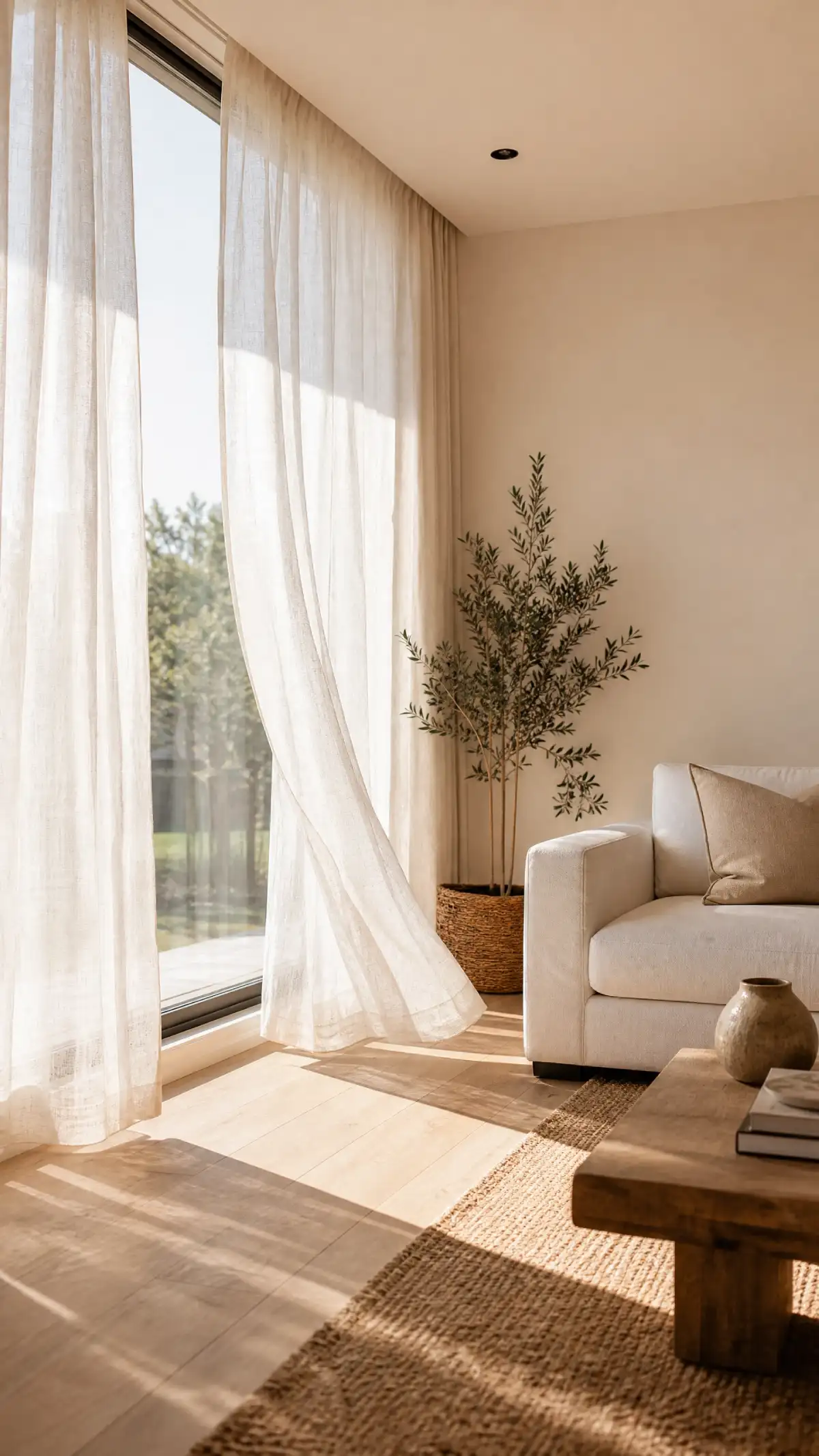
Heavy drapes trap heat and block the extended daylight of summer. Replacing them with sheer linen or cotton panels instantly changes how a room feels because the light itself becomes part of the decor, softening edges and making walls recede.
Sheer panels work well because they filter harsh midday sun without darkening the room. The fabric moves with a breeze from an open window, adding a sense of airflow that stationary drapes can’t match. I prefer unlined linen in natural or off-white tones for a slightly relaxed look.
In many homes, curtain hardware stays the same for years while only the panels change seasonally. This is one of the simplest swaps with an outsized effect. A common issue is choosing panels that are too short; floor-grazing sheers look more intentional.
Use a double rod system so you can easily slide the heavier curtains back onto the rod in the fall without needing a full reinstall.
2. Switch to a Slipcovered Sofa Look
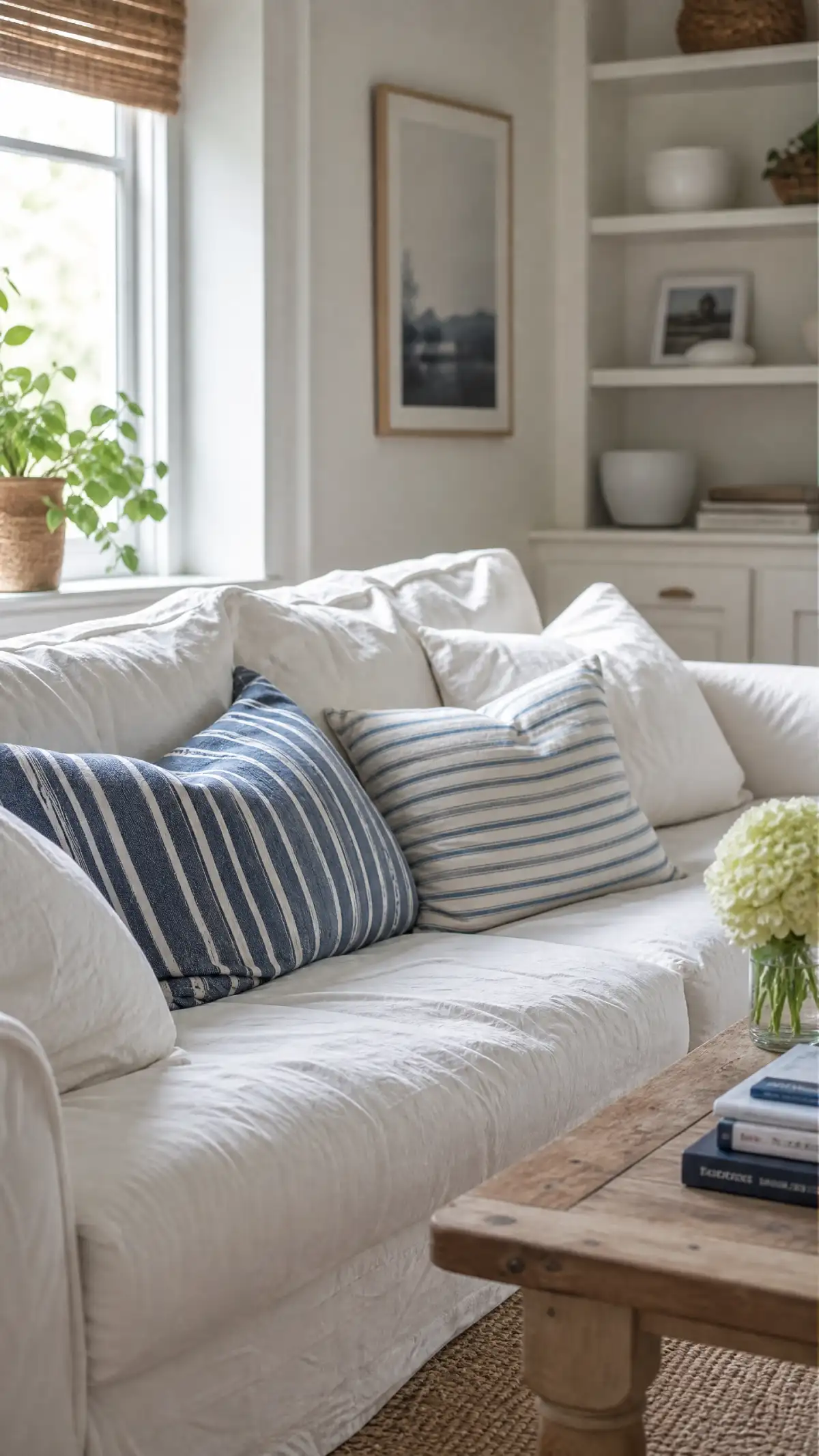
Dark upholstery absorbs light and heat, making a room feel smaller in summer. A white, cream, or light beige slipcover reflects light and immediately lightens the visual weight of the largest piece of furniture. If a new slipcover isn’t in the budget, a fitted cotton drop cloth works surprisingly well.
Light-colored sofas work in summer because they create contrast against greenery outside the window and pair easily with seasonal accessories. I usually lean toward washable cotton or linen-blend slipcovers rather than polyester, which doesn’t breathe as well.
I’ve seen homeowners who keep a second set of slipcovers specifically for the warmer months. It sounds like an investment, but it extends the life of both covers. A common issue is hesitation around white upholstery with kids or pets; the washable factor makes it practical.
If you choose white slipcovers, keep an enzyme-based stain remover handy and wash them on a sunny day so they can line-dry quickly.
3. Roll Up or Remove Area Rugs
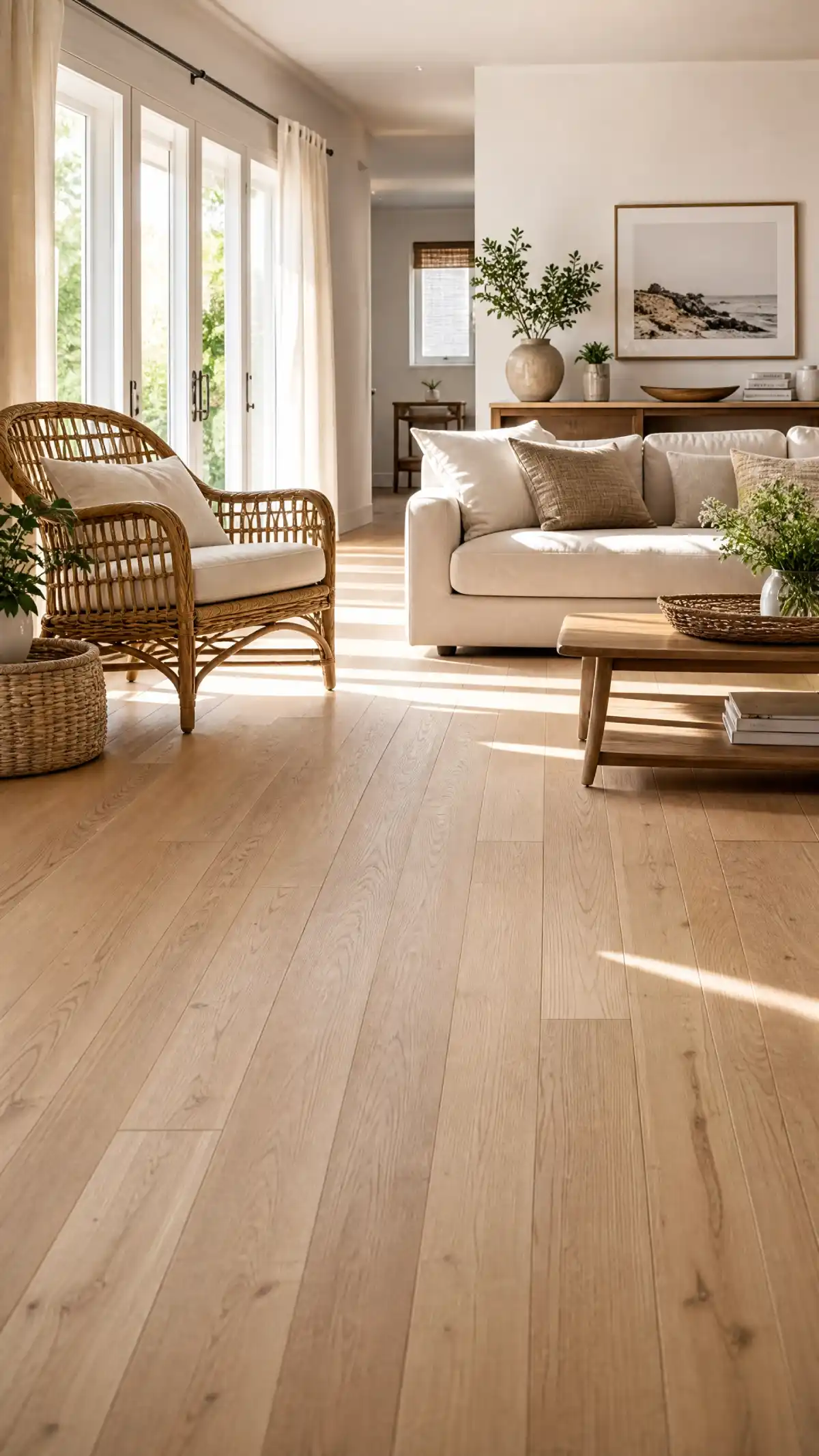
Large wool or shag rugs anchor a winter room beautifully but hold warmth when temperatures rise. Rolling them away for the summer exposes bare floors, whether hardwood, tile, or concrete, and those surfaces stay noticeably cooler underfoot.
Bare floors work practically because they are easier to sweep or mop when sand, dust, and pollen track indoors more frequently in summer. I’ve noticed that rooms with exposed flooring feel acoustically brighter, which matches the more energetic mood of summer.
In many homes, the rug is the dominant pattern or color in the room. Removing it temporarily shifts the entire palette toward the floor’s neutral tone, which instantly calms the visual noise. A common issue is leaving the floor looking too sparse.
Add a flat-woven cotton dhurrie or a lightweight jute rug if the room feels too bare without any anchor. These thinner options breathe and don’t trap heat the way wool does.
4. Incorporate Natural Fiber Accents
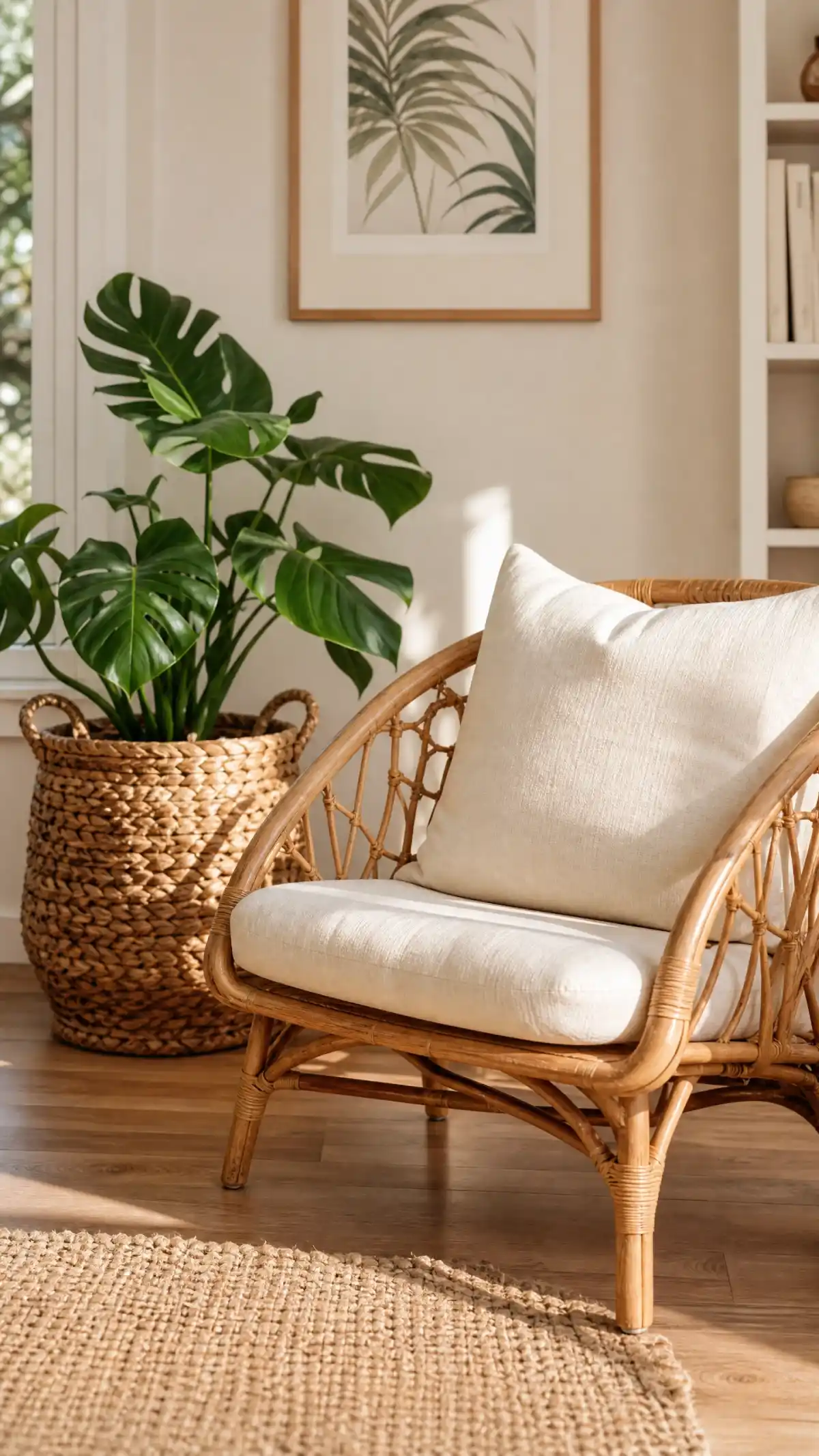
Rattan, cane, bamboo, seagrass, and wicker bring a light, organic texture that synthetics and dark woods can’t match in summer. Swapping a few accent pieces—a rattan side table, a woven pendant light, or seagrass baskets—introduces an airy, handcrafted feel without a full style overhaul.
Natural fibers work well in summer because their open weaves visually take up less space, making the room feel less crowded. I usually recommend starting small: a cane-front media console or a woven lampshade makes enough of a difference without commitment.
I’ve seen spaces where one oversized rattan chair becomes the summer focal point, shifting the entire room’s mood. A common issue is going overboard; too many woven pieces can look like a themed store display.
Mix natural fiber accents with crisp white or soft blue textiles to keep the look grounded and balanced rather than overly tropical.
5. Change Throw Pillow Covers to Cooler Colors and Fabrics
Velvet and wool pillows feel stifling against bare skin in warm weather. Swapping just the covers—not the inserts—to linen, cotton, or lightweight hemp in cool tones is one of the most affordable seasonal shifts. I store winter covers in vacuum bags and rotate the same inserts year-round.
Cool colors like soft blue, sage green, pale gray, and watery aqua reflect the summer landscape inside. I prefer tone-on-tone or subtle striped patterns rather than loud tropical prints, which can feel tired by August.
In many homes, throw pillows are the fastest route to a seasonal refresh because they influence the whole seating area. A common issue is keeping too many pillows on the sofa; reducing the number in summer makes the seating feel more open and inviting.
Stick to two or three well-chosen pillows per seating piece in breathable fabrics, and add one lumbar pillow for lower back support without bulk.

6. Rearrange Furniture to Open Up the Room
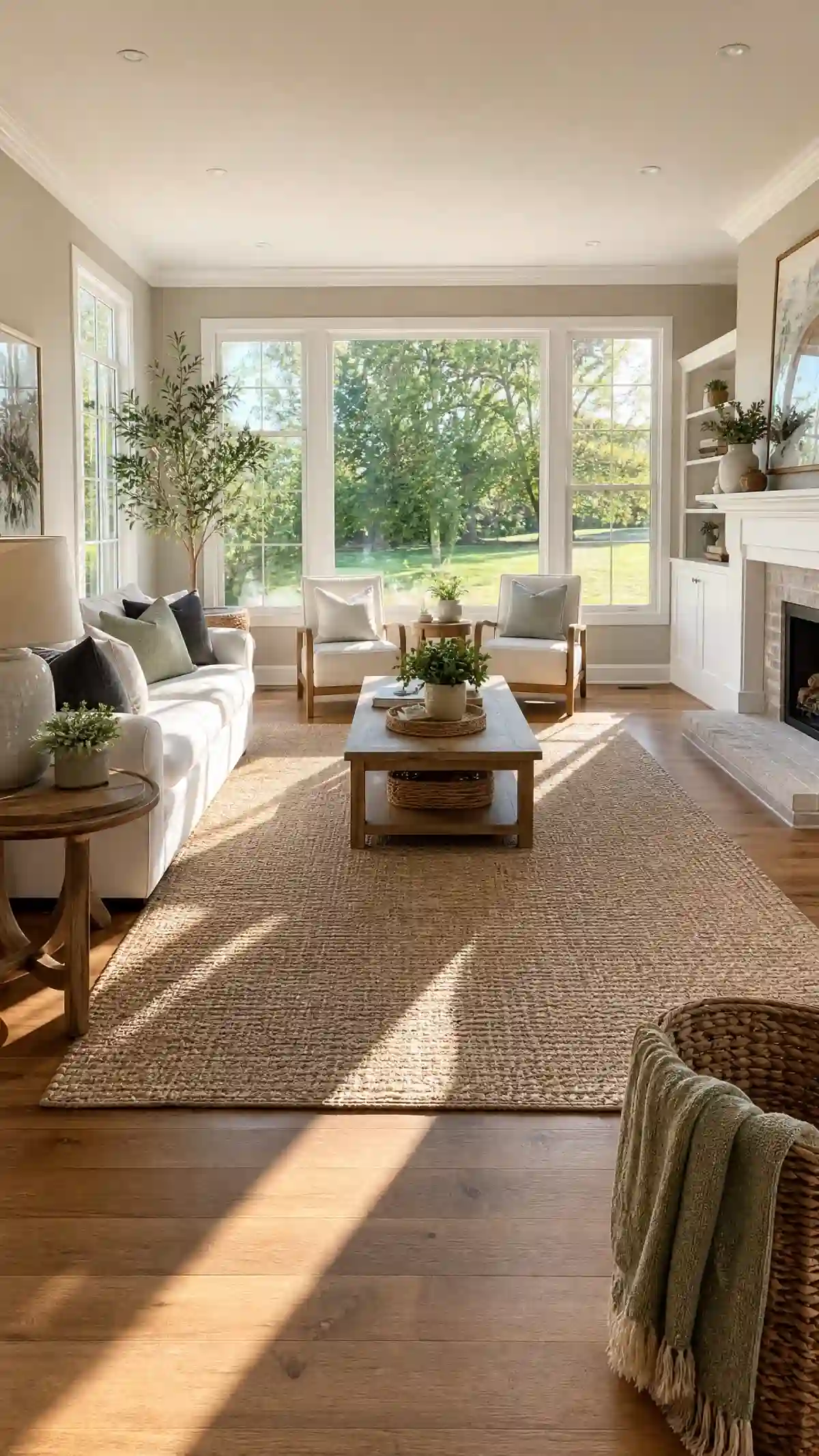
The furniture layout that works best for gathering around a fireplace or heat source in winter often blocks natural airflow and light in summer. Pulling seating slightly away from the walls and opening the central space lets air circulate better and makes the room feel larger.
A more open arrangement works because summer entertaining tends to be more fluid—people move between indoors and outdoors, and rigid conversation circles feel too formal. I usually create a layout that visually connects to any outdoor space or window views.
I’ve seen rooms where simply angling a single chair toward a window instead of inward toward the room changed how bright the whole space felt. A common issue is furniture that’s too heavy to move alone; felt pads under legs make seasonal rearranging much easier.
Focus on one clear pathway through the room that aligns with a window or door so light travels deeper into the space.
7. Add Indoor Plants for a Living, Cooling Element
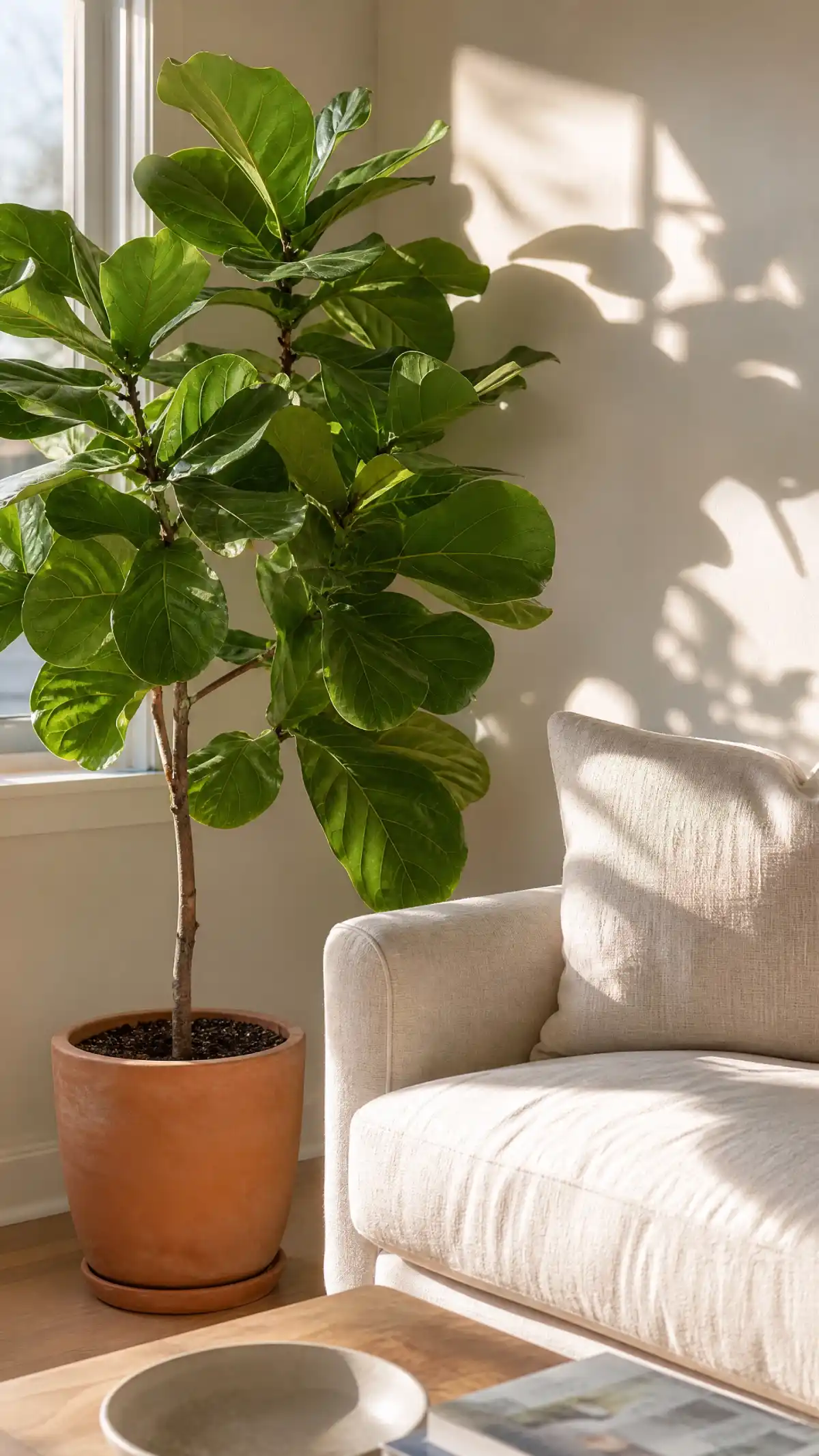
Plants do more than decorate; they transpire moisture and subtly cool the air immediately around them. A few well-placed plants—a tall fiddle leaf fig in a corner, a trailing pothos on a shelf, or a snake plant near the TV console—add vibrant green that signals life and growth.
Living greenery works in summer because it echoes the lushness outside the window, creating a visual link between indoors and outdoors. I usually recommend starting with one substantial floor plant rather than scattering many small ones, which can look cluttered.
In many homes, the summer plant display replaces heavy winter accessories like chunky candlesticks or dark pottery. A common issue is overwatering in humid weather; indoor plants generally need less frequent watering when humidity is high.
Stick to low-maintenance varieties that thrive in indirect light, and group plants in odd numbers for a natural, collected look.
8. Switch to Reflective or Glass Decor Pieces
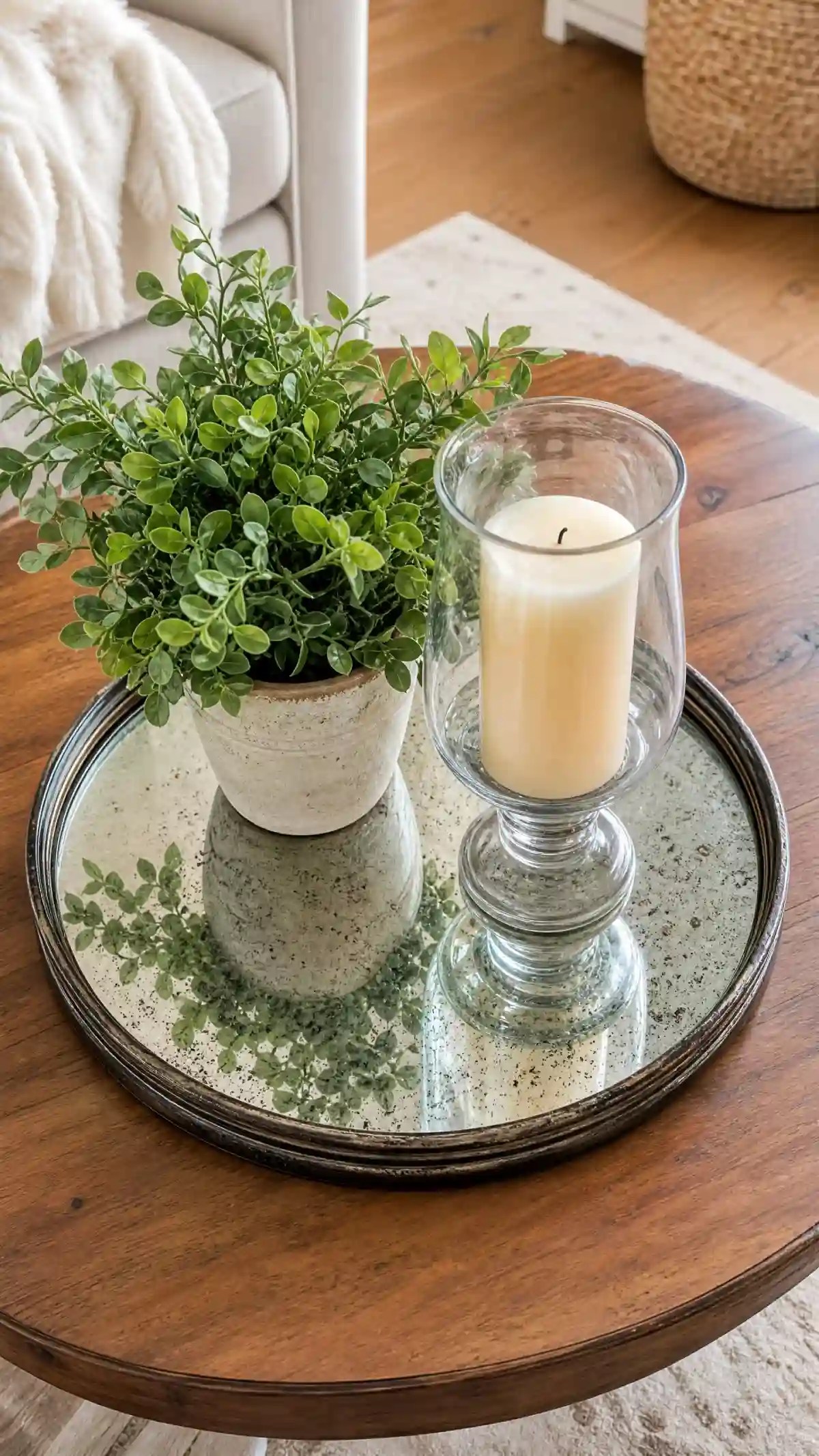
Dark metal, heavy ceramic, and matte finishes absorb light. Replacing a few accessories with glass, mirror, or polished metal—a mercury glass vase, a mirrored tray, or clear glass hurricanes—bounces light around the room and adds a cooling visual effect.
Reflective surfaces work because they amplify whatever natural light is already available, making the room feel brighter without adding lamps. I prefer vintage or slightly tarnished mirror finishes over flawless new glass, which can feel cold or overly formal.
I’ve seen coffee table trays switched from dark wood to antiqued mirror in summer, and the small swap changed how light played across the whole seating area. A common issue is leaving fingerprints on shiny surfaces; handled glass pieces need occasional wiping.
Use reflective decor sparingly as accents. A single mirrored tray or a pair of glass candlesticks on a mantel is enough to scatter light without creating glare.
9. Hang Lightweight, Breathable Art or Textiles
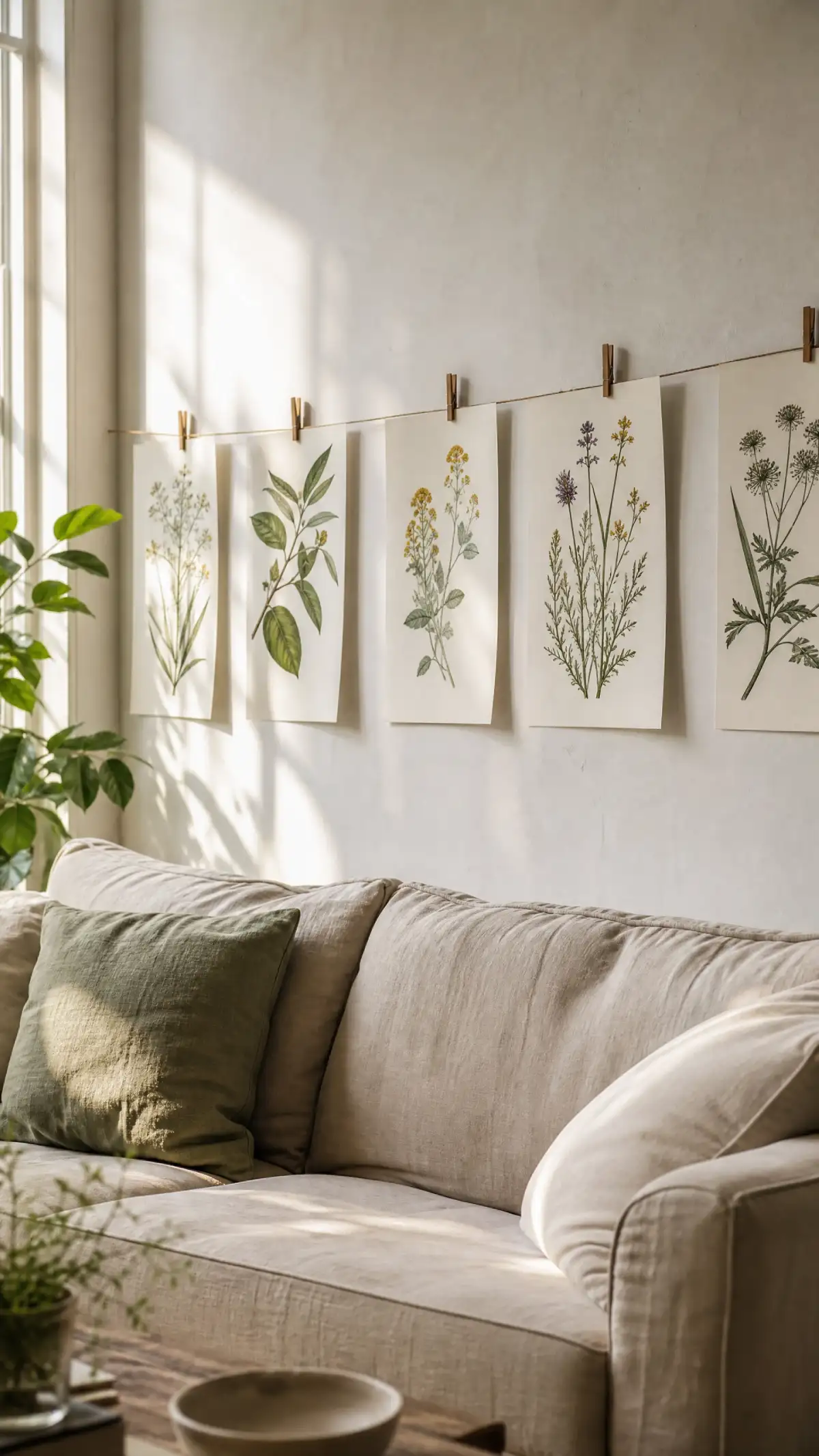
Heavy framed art, dark canvases, or textured wool wall hangings can make walls feel dense. Swapping in lighter pieces—a thin linen wall tapestry, unframed botanical prints, or a woven macramé hanging—reduces visual weight at eye level.
Lighter wall decor works because it lets the wall color breathe, which is especially important if the room is painted a deeper shade. I usually rotate a few seasonal pieces; summer calls for watercolor landscapes, pressed botanicals, or simple line drawings in light wood frames.
In many homes, the wall behind the sofa is the primary focal point. Changing what hangs there seasonally resets the entire room’s mood. A common issue is nail holes accumulating; a picture rail system lets you swap art without constant patching.
Look for artwork with plenty of white or negative space and lighter framing materials like bamboo, light oak, or clip-frames for an effortless summer feel.
10. Introduce a Light, Breezy Ceiling Fan
A well-chosen ceiling fan does more than circulate air; it becomes a design element that signals summer. Replacing an outdated or dark-bladed fan with a light wood, white, or woven-blade model in a larger size moves air efficiently while looking intentional.
Fans work better than portable units because they free up floor space and distribute air evenly. I usually recommend models with a summer/winter reverse switch so the same fixture works year-round. In summer, blades should rotate counterclockwise to push cool air down.
I’ve seen older homes where the original ceiling fan was ignored for years, but a modern replacement with natural rattan blades transformed the room. A common issue is choosing a fan that’s too small for the square footage; err on the larger side for both efficiency and proportion.
If replacing a fixture isn’t feasible, make sure the existing fan is clean and set to the correct summer rotation direction.

11. Style Surfaces with Fresh or Dried Summer Florals
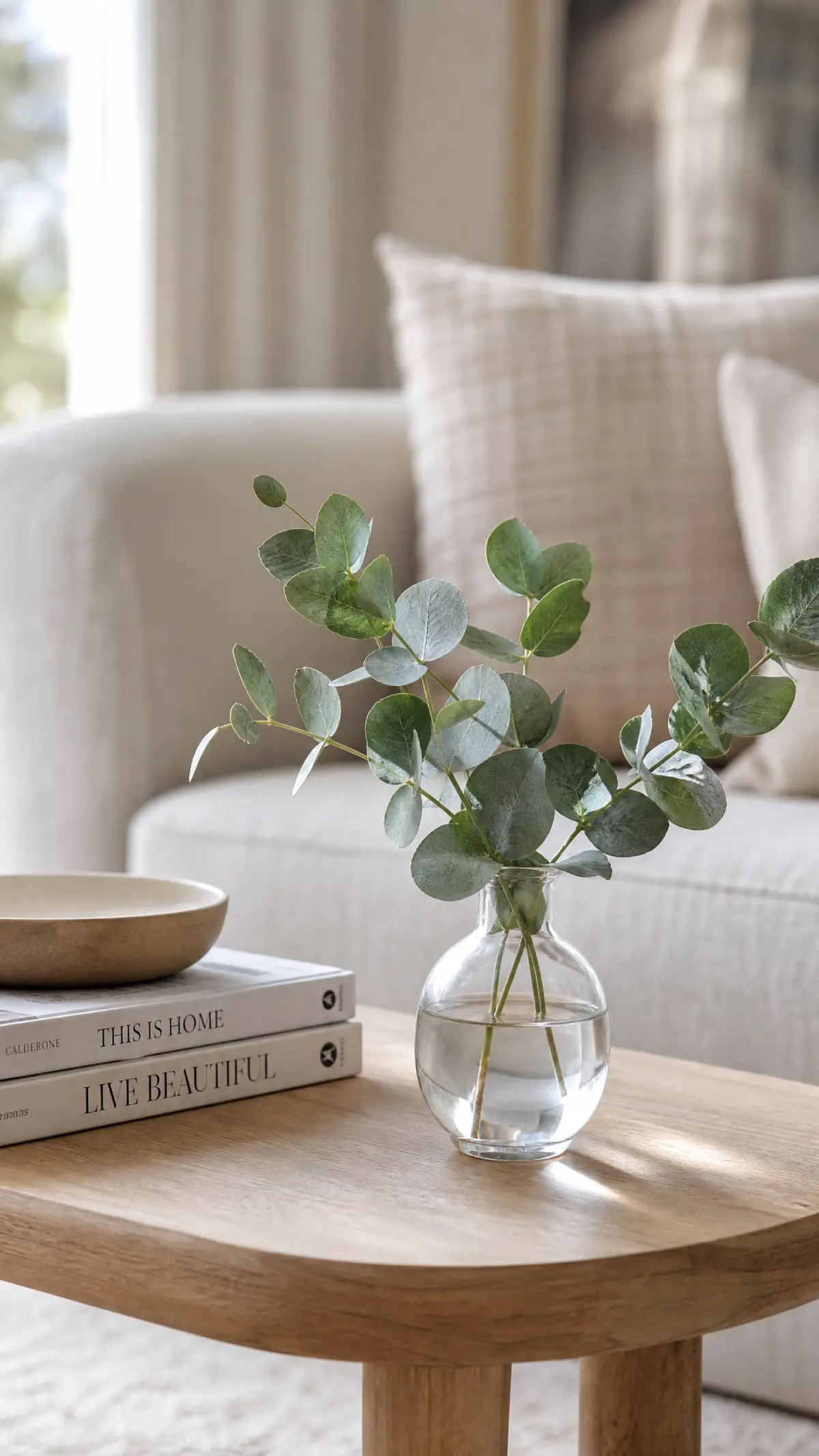
Winter arrangements lean toward dried branches, dark foliage, and heavy vases. Summer calls for lighter, brighter stems: fresh eucalyptus, dried lavender, chamomile, or simple wildflowers in clear glass bottles. The arrangement should look effortless, not structured.
Seasonal florals work because they connect the indoors to what’s blooming outside, making the room feel in tune with the season. I prefer single-variety stems in small bud vases scattered on side tables and shelves rather than one large, formal centerpiece.
In many homes, surface styling accumulates and gets stale. Clearing all winter accessories and replacing them with just a few small vases of fresh or dried summer stems resets the energy. A common issue is keeping dried florals too long until they gather visible dust.
Swap dried stems out mid-season or dust them gently with a hairdryer on a cool, low setting to keep them looking fresh.
12. Wash Windows and Let in Maximum Light
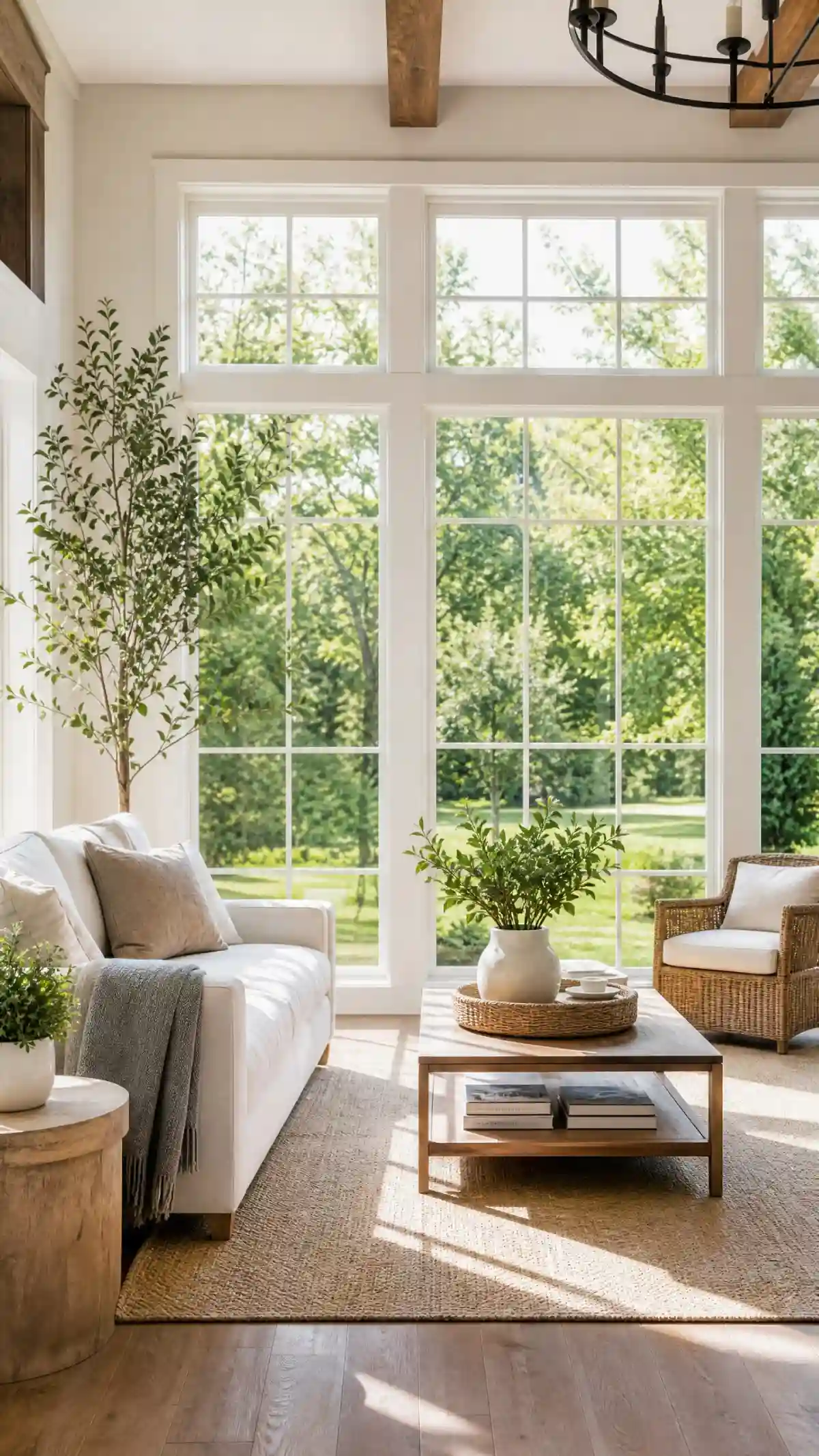
It sounds too simple to mention, but winter grime on windows significantly cuts the amount of light entering a room. A thorough interior and exterior window cleaning in late spring can brighten a living room as much as adding a new lamp or repainting.
Clean windows work as a summer decor element because they make the outdoors feel closer. The view becomes clearer, colors outside read more vividly, and the room feels more connected to the landscape. I usually schedule a deep window clean right after pollen season subsides.
I’ve walked into homes where I assumed the room was dim due to orientation, only to see the real brightness once the windows were cleaned. A common issue is streaks left behind; use a microfiber cloth and a vinegar-water solution on a cloudy day for a streak-free finish.
Remove screens and wash them separately. Dusty screens filter light even when the glass is clean, so rinsing them makes a noticeable difference.
13. Create a Small Seasonal Drink or Refreshment Station
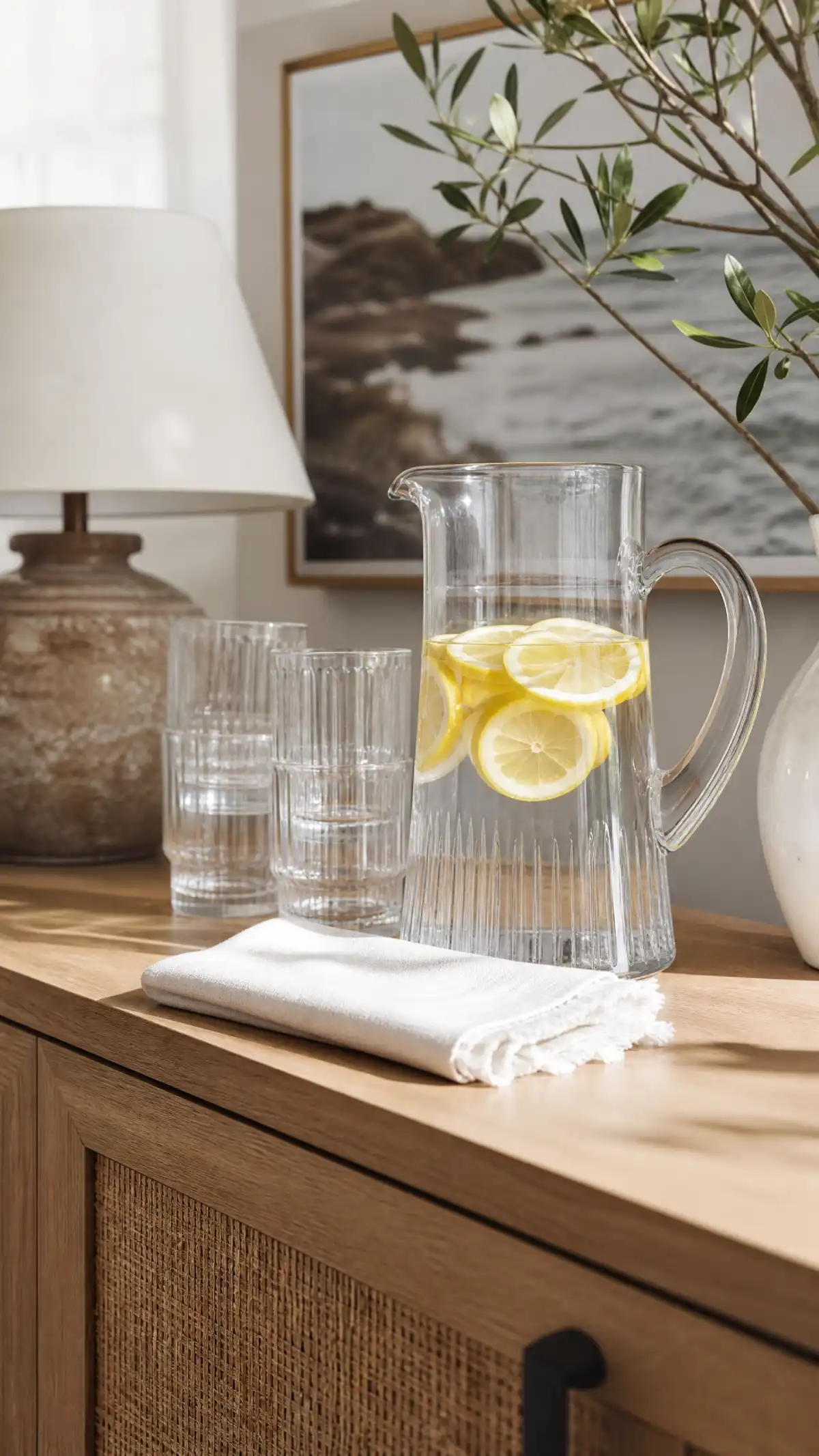
A dedicated surface for chilled water, iced tea, or a small bar setup makes the living room feel considered for summer hospitality without requiring a kitchen trip. A simple tray on a sideboard with a glass pitcher, some cups, and a bowl of citrus does the job.
A drink station works decoratively because it adds purposeful, seasonal styling without clutter. The glass pitcher catches light, the fruit adds color, and the setup invites lingering. I usually keep it simple: one pitcher, a stack of lightweight glasses, and a linen napkin draped underneath.
I’ve seen this done beautifully on a bar cart, a console table, or even a cleared shelf of a bookcase. A common issue is leaving water or juice out too long; refreshing the station daily keeps it both functional and attractive.
Use a glass or clear acrylic pitcher so the contents become part of the visual appeal—sliced lemons, cucumber, or mint add color and freshness.
Practical Tips
- Store, don’t scatter. Keep winter throws, pillow covers, and heavy accessories in labeled bins so the fall transition is just as easy. Vacuum bags save space for textiles.
- Work in one layer at a time. Start with the heaviest items—rugs and curtains—then move to pillows and accessories. The impact builds progressively.
- Let the light lead. Before buying anything, open all window coverings fully for a day and notice which areas feel brightest. Decorate to enhance what’s already working.
- Rotate, don’t replace everything. A few key seasonal pieces make more of a difference than a full overhaul. Most of the room’s furniture stays neutral year-round.
- Schedule a mid-season refresh. August heat and dust can make summer decor feel stale. Wipe surfaces, swap wilting florals, and wash slipcovers once mid-summer.
Common Mistakes to Avoid
- Keeping every winter textile out “just in case.” One lightweight throw is enough for cool summer evenings. Storing the rest prevents visual heaviness.
- Going overly themed. A few coastal or tropical touches work; an entire room of anchor motifs and seashells feels forced and dated quickly.
- Ignoring glare. More light is the goal, but an unshaded west-facing window at 5 p.m. creates uncomfortable glare. Sheer panels or adjustable blinds solve this.
- Overwatering indoor plants. Summer humidity means most houseplants need less frequent watering. Check soil moisture before reaching for the watering can.
- Forgetting scent. Heavy winter candles like cedar and clove feel out of place. Swap to lighter scents like cotton, citrus, or sea salt for a seasonally appropriate atmosphere.
FAQS
What’s the quickest way to make a living room feel summer-ready?
Remove the heaviest textile layers first—dark throw blankets, velvet pillows, and thick area rugs. Then open all window coverings fully. Those two steps alone shift the room dramatically in under an hour.
Can I do summer decor without buying anything new?
Yes. Rearrange furniture to face windows, roll up rugs to expose bare floors, and edit shelves to fewer, lighter-colored accessories you already own. Borrow plants from other rooms for a seasonal refresh.
Do light-colored slipcovers actually hold up with kids and pets?
Washable cotton or performance linen slipcovers hold up better than many people expect. The key is choosing machine-washable fabrics and treating stains promptly. A backup set for heavy-use periods helps.
How do I balance summer brightness without making the room feel cold?
Layer in natural wood tones, woven textures, and greenery. These organic elements add warmth without the visual weight of dark winter textiles. The goal is fresh, not sterile.
Is it worth buying a ceiling fan just for summer?
If your living room lacks good airflow, a well-chosen fan makes the space comfortable and reduces air conditioning dependence. Look for models with a winter reverse mode so the investment pays off year-round.
A Lighter Room for a Lighter Season
Summer living room decor comes down to editing rather than adding. Removing heavy layers, letting in more light, and choosing breathable materials transform how the same room feels without changing its structure. Start with the biggest impact changes—curtains, rugs, and slipcovers—and then refine with lighter accessories and living greenery. The result isn’t a different room, but the same one, finally breathing. When the season shifts again, those heavy layers will be waiting in storage, and the room will feel ready for that change,e too.
