

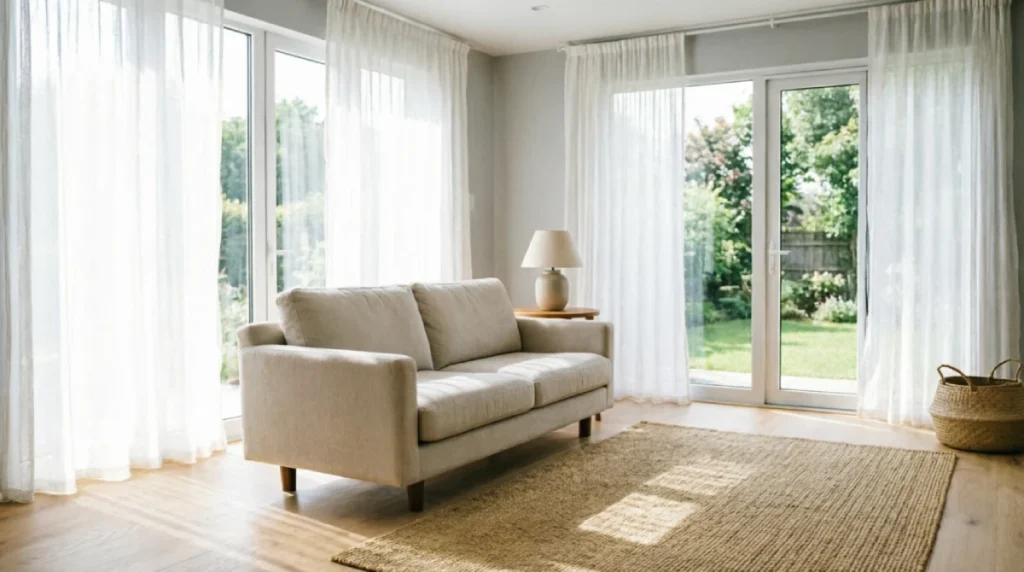
When warmer months arrive, a living room that felt cozy all winter can suddenly feel stuffy and hard to move through. Heavy furniture, blocked windows, and cramped pathways work against the easy, breezy feel we crave in summer. I focus on simple layout shifts—many costing nothing—that immediately open up a room, guide movement naturally, and invite light and air inside.
Whether you’re hosting friends or just want a calmer everyday space, these 12 summer living room layout ideas that improve flow will help you reset the room without a full renovation. Each is practical, tested in real homes, and designed to make the season more enjoyable.
1. Float the Main Seating Away from Walls
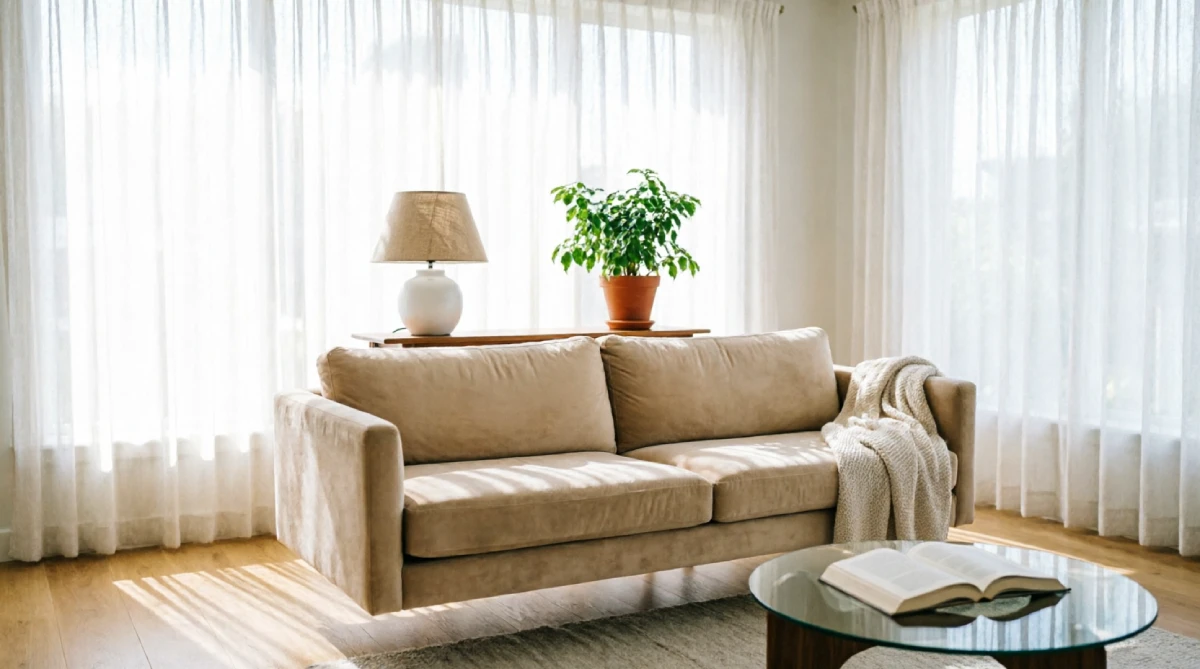
Instead of pushing the sofa against a wall, pull it into the room, even by just a foot or two. This opens a walking path behind the seating and makes the space feel larger.
It works because perimeter-hugging furniture blocks natural sightlines and forces tight, indirect routes. A floating arrangement creates two usable edges—one for circulation, one for gathering—instantly improving traffic flow.
In many homes, I’ve noticed that simply moving a sofa off the wall uncovers baseboard heaters or reveals a sliver of floor that lets light bounce deeper into the room. A common mistake is leaving the back exposed and unfinished; a slim console table there solves it neatly.
Try pulling your largest piece about 18 inches from the wall. Place a narrow table behind it with a lamp or some plants, and watch the room breathe.
2. Create Two Distinct Conversation Zones
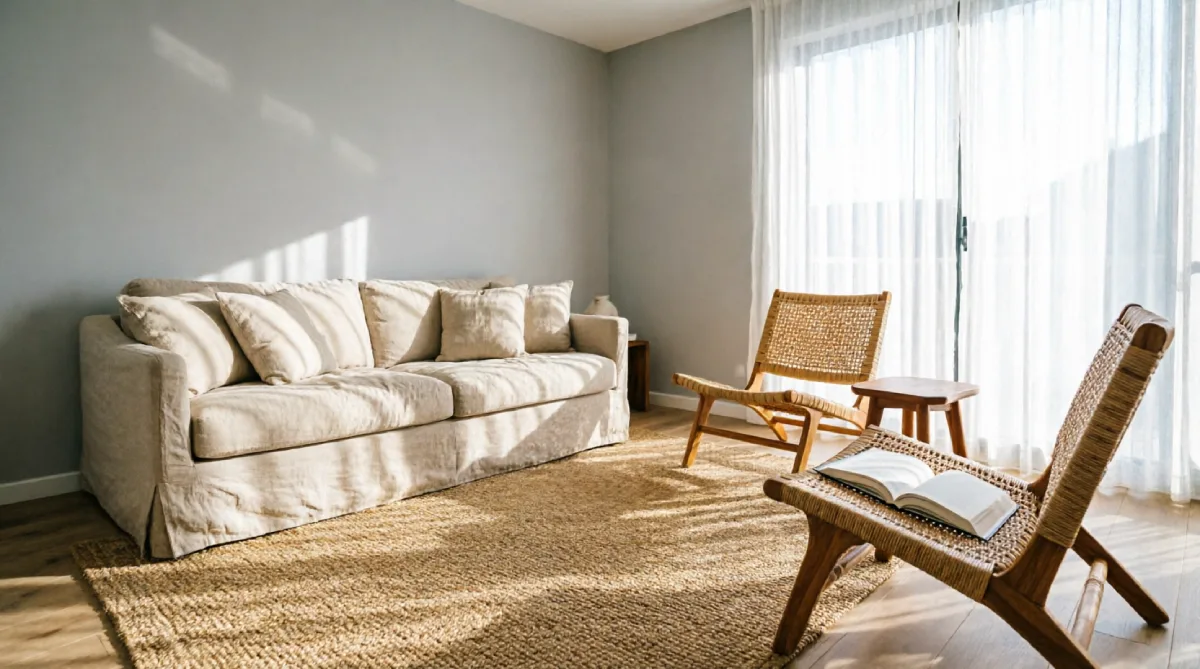
In a larger living room, one oversized seating group can feel stagnant. I recommend splitting the space into two smaller clusters—perhaps a pair of chairs near a window and a sofa group anchored by a rug.
The layout works because it naturally disperses people instead of forcing everyone into one huddle, which can block movement. Separate zones also let different activities happen at once without crowding.
I’ve seen homes where adding a second small rug and two lightweight chairs turned an unused corner into a reading spot that didn’t interrupt the main flow. A common issue is using pieces too similar in scale, which flattens the room.
Use rugs of different textures to define each zone, and keep at least a 30-inch walking lane between them so summer foot traffic moves easily from indoors to out.
3. Relocate the Coffee Table to Open the Center
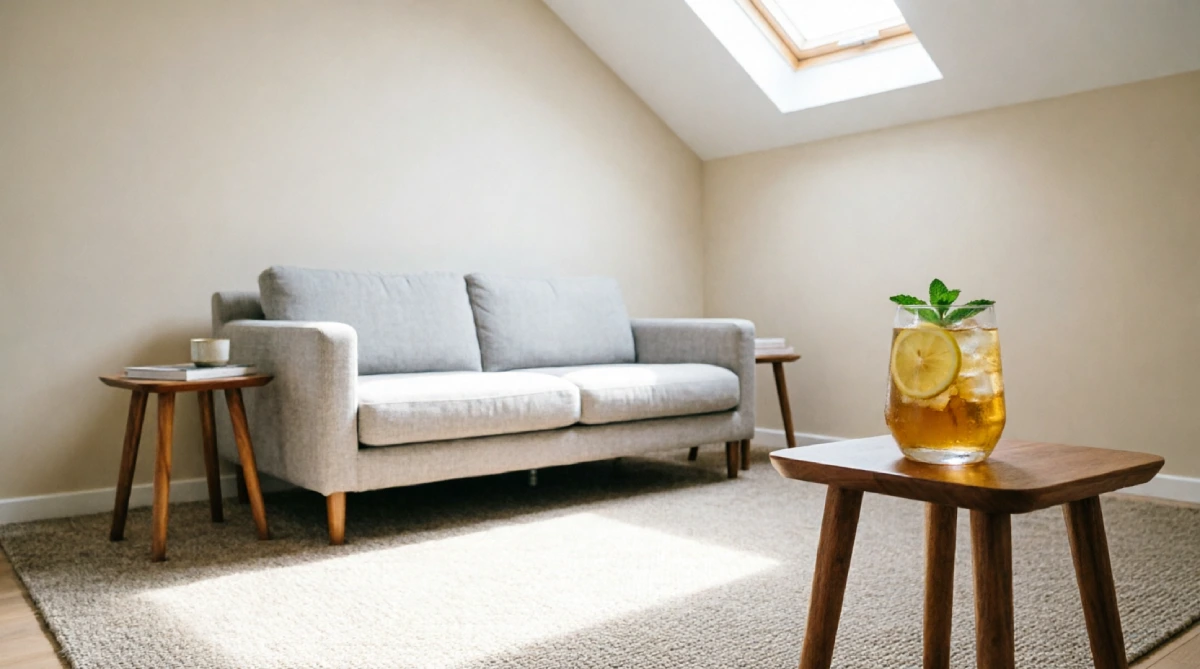
A large coffee table can become a roadblock when everyone migrates to cooler spots or heads outside. Swapping it for smaller side tables—or moving the coffee table against a wall—frees the center of the room.
This works because the middle of a living room is the primary intersection for movement. Removing a solid obstacle lets children, pets, and guests cross the space without weaving around furniture.
In many homes, I’ve observed that stashing a hefty ottoman or coffee table for summer makes the room feel twice as large, and people instinctively use the open floor for games or stretching out on hot days.
Try using a pair of lightweight nesting tables that can be pulled up only when needed, keeping the main floor clear for easy summer living.
4. Angle Furniture Toward Outdoor Views
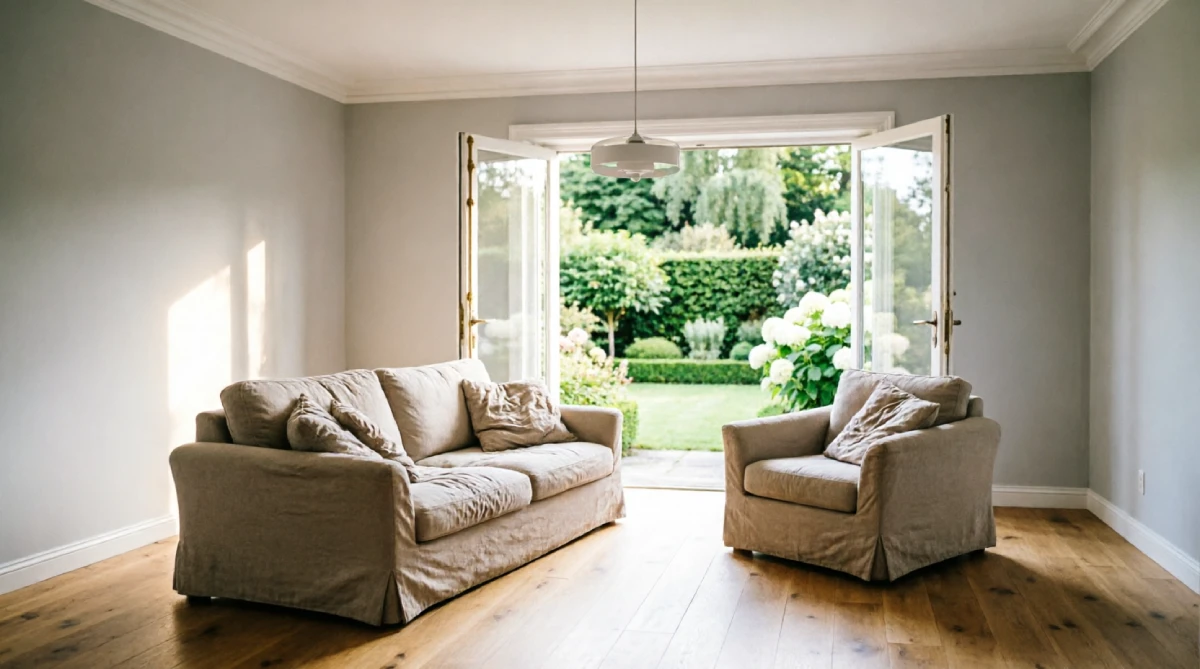
If your living room connects to a patio or garden, turning chairs and sofas slightly toward the glass instead of facing each other or a TV can change the feel entirely.
This arrangement improves flow by visually extending the room outward, making the seating area feel connected to a larger zone. It also encourages people to drift outside naturally rather than bunching at the doorway.
A common issue I’ve noticed is that furniture placed perpendicular to the view blocks the line of sight and creates a barrier. By angling just one armchair 45 degrees toward French doors, the room suddenly breathes.
I recommend angling the two main seating pieces so they frame the outdoor view, not block it. Keep the path to the door wide and obvious.
5. Swap Heavy Drapery for Sheer, Ceiling-Mounted Panels
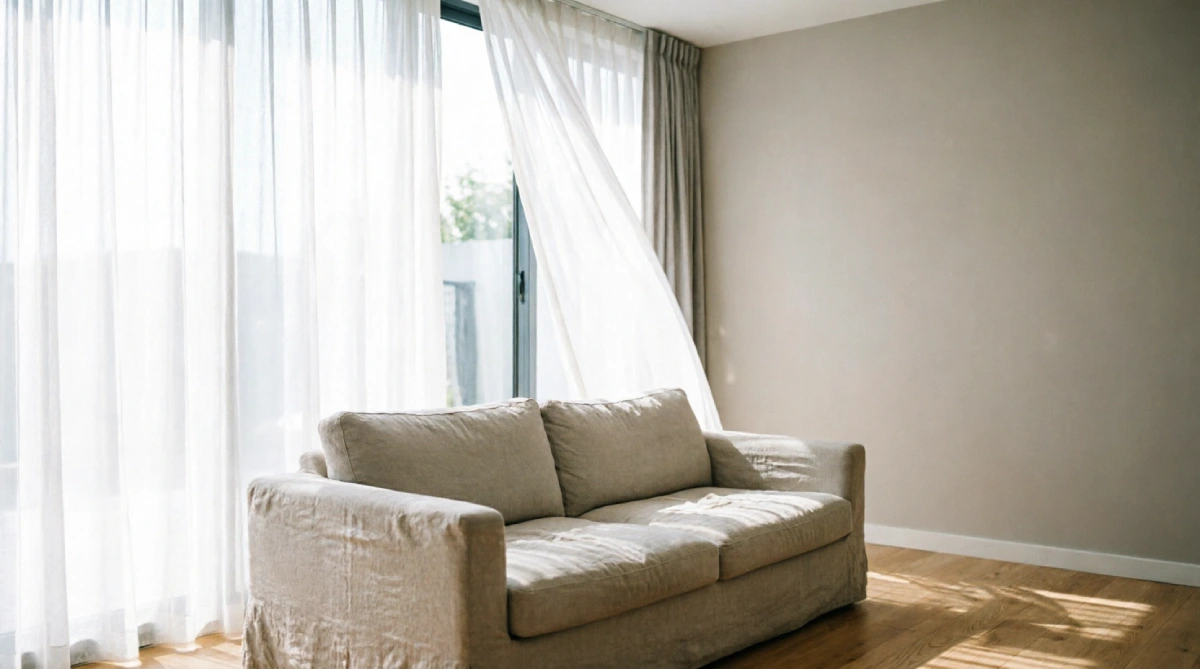
Layout isn’t just about furniture—window treatments affect how we move around the room. Removing thick curtains and installing sheer panels hung from ceiling tracks softens the perimeter and stops fabric from encroaching on floor space.
It works because bulky drapes often pool onto the floor, visually and physically narrowing the room. Sheer treatments frame the light without stealing inches, and they flutter in summer breezes, hinting at openness even when closed.
I’ve seen rooms where swapping blackout curtains for airy linen sheers made a tight bay window area feel usable again, and people no longer had to step around fabric to open windows.
Mount the rod close to the ceiling and extend it wider than the window so the panels stack back fully off the glass, maximizing both light and floor area.
6. Designate a Dedicated Drop Zone for Summer Gear
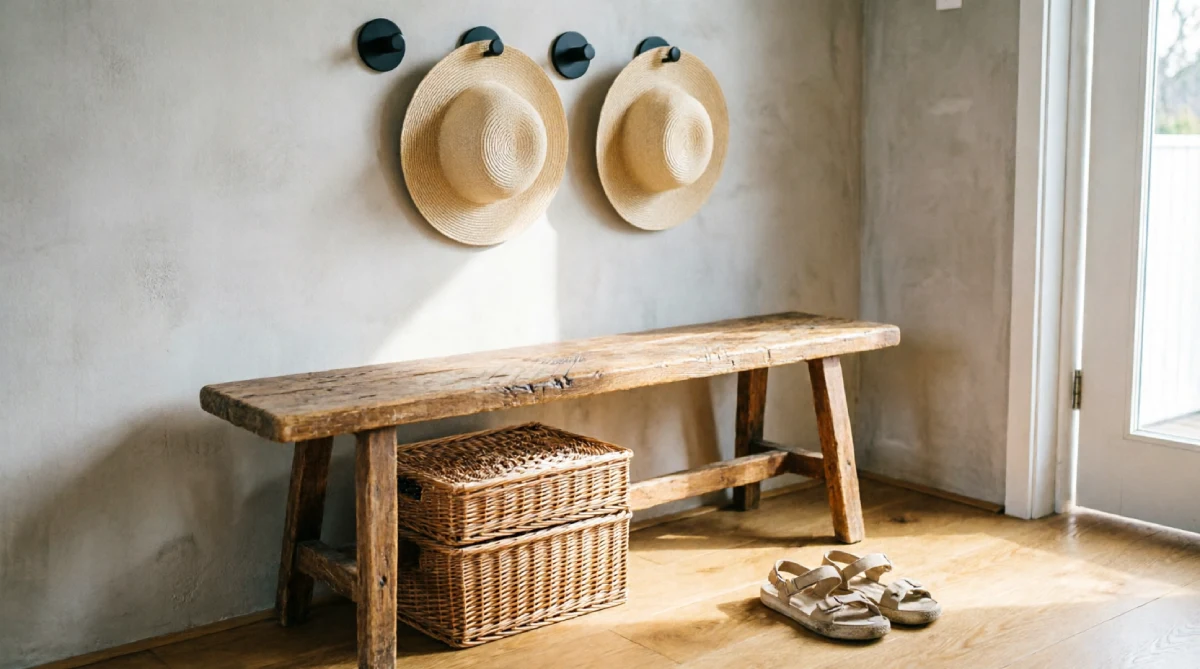
Summer brings hats, beach bags, pool towels, and flip-flops that can clutter the living room and disrupt flow. I recommend creating a small drop zone right at the entry point to the living area—a slim bench with storage baskets, for example.
This works because it intercepts the mess before it travels deeper into the room. Without a landing spot, people drop items on sofas or the floor, creating visual chaos and trip hazards.
I’ve noticed that homes with a simple wooden bench and a few hooks near the door to the yard keep the living room clear even after pool days. It’s a low-effort change with high payoff.
Position the drop zone just outside the main seating area, ideally along a wall that’s already a natural pass-through, so it doesn’t interrupt the furniture arrangement.
7. Pull in Lightweight, Movable Extra Seating
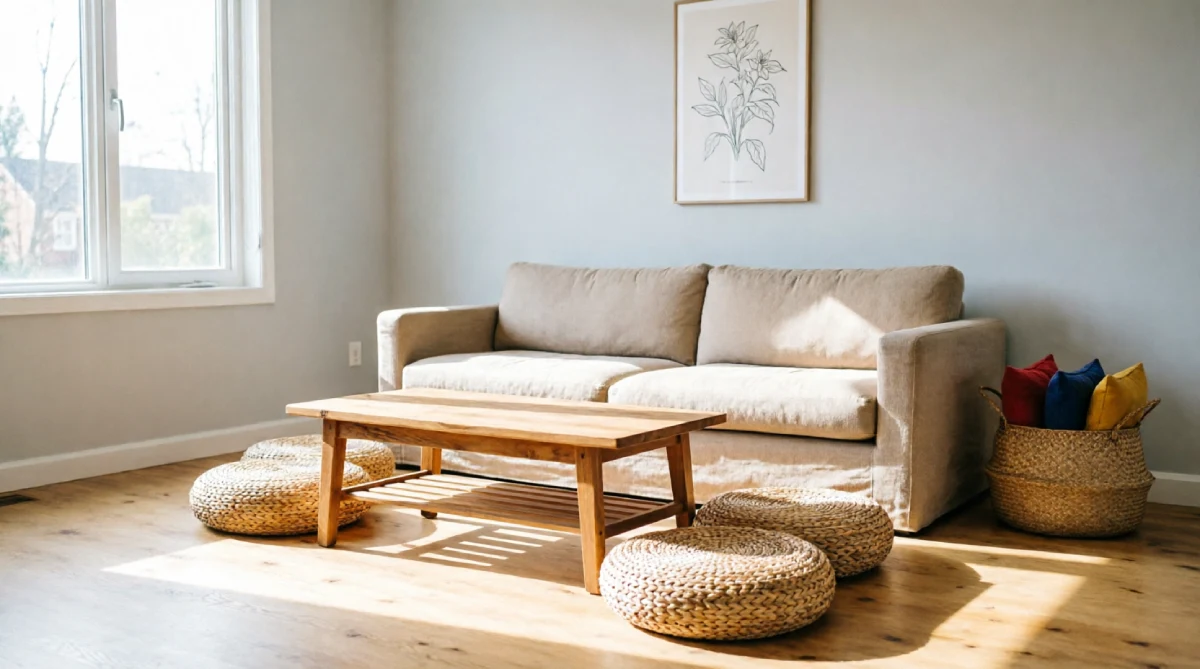
For summer entertaining, fixed heavy seating limits flexibility. I like to bring in ottomans, floor cushions, or lightweight wicker chairs that can be moved around as groups form and dissolve.
The flow improves because guests aren’t locked into rigid rows. People can drag a pouf closer to a breeze or form a circle on the floor, then tuck everything away the next morning.
In many homes, a stack of Moroccan poufs or folded floor cushions in a corner during the day becomes extra seating for a sunset gathering without clogging the permanent layout. A common mistake is leaving them out permanently, which eats up floor space.
Store them in a nearby basket or against a wall when not in use, and pull them into the center only when needed.
8. Remove One Obstructive Piece for the Season
Even a piece you love—like a bulky armchair or a massive ottoman—can choke summer flow. Temporarily relocating one oversized item to another room or storage frees up surprising square footage.
The reason it works is subtraction, not addition. Summer is about less visual weight. Removing a single visual blocker often uncovers a natural path that had been squeezed, instantly improving how you move through the space.
I’ve seen families move a large recliner to a basement for the summer and suddenly have a wide lane to the back door, making the room feel cooler and calmer. A common hesitation is thinking a room needs to be symmetrical; it doesn’t.
If you’re unsure, take a photo of the room and block out one piece with your thumb. If the room feels easier to navigate in your mind, try living without it for a week.
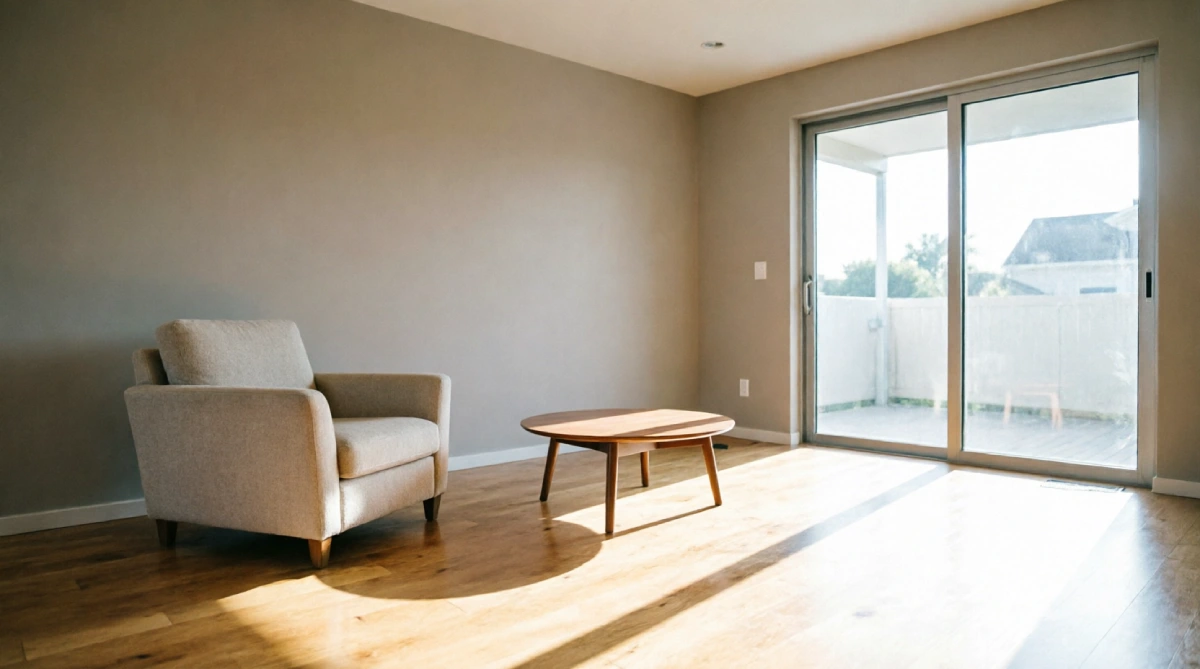
9. Anchor Zones with Seasonally Appropriate Rugs
Thick wool rugs can feel hot and heavy underfoot. Swapping them for flat-woven cotton, jute, or sisal rugs changes the tactile and visual experience and can help define flow paths more clearly.
Lighter rugs work because they don’t absorb heat, and they visually recede, making the floor area feel continuous rather than broken into dark blocks. They also guide feet toward conversation areas without heavy borders.
In many homes I’ve visited, a faded jute rug in summer makes the entire room look cooler, and it’s easier to slide lightweight chairs around for impromptu gatherings. A common issue is choosing a rug too small, which chops the floor awkwardly.
Go for a larger size that leaves at least 12 inches of bare floor around the edges, creating a natural border that directs traffic around the seating, not through it.
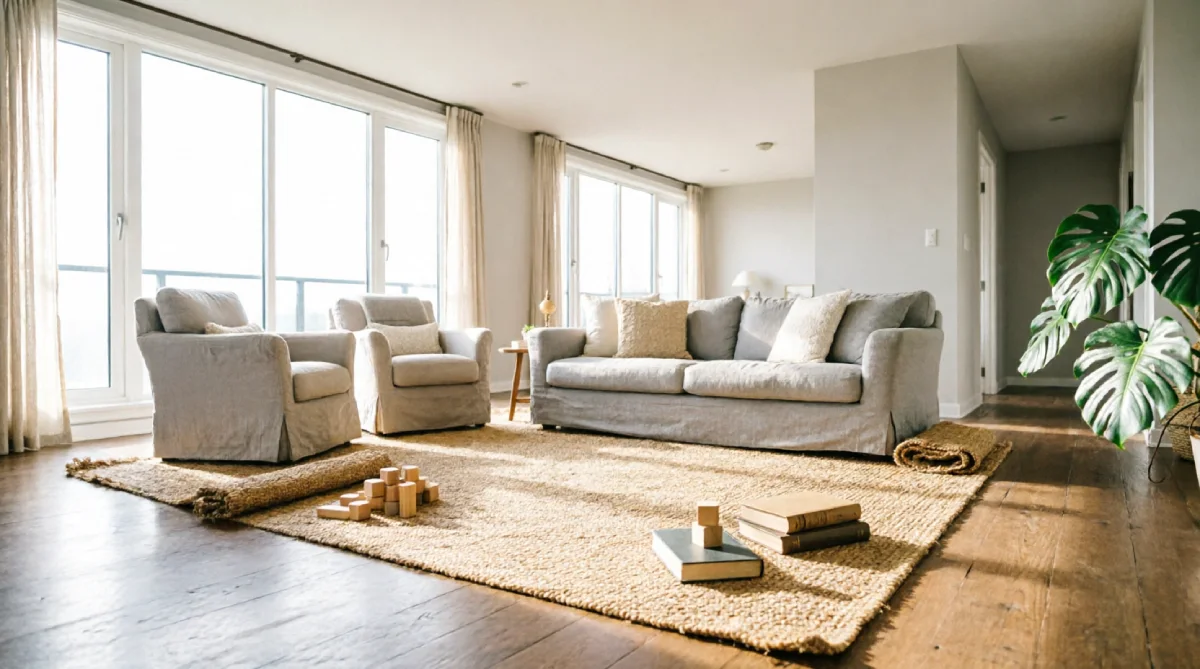
10. Position Seating to Catch Cross-Breezes
On hot days, the most valuable spot is where air moves. Arrange your primary seating—a reading chair or a daybed—near windows that open on opposite walls to take advantage of natural cross-ventilation.
This improves flow by creating a destination within the room that feels purposeful. It also subtly shifts how the room is used; people gravitate toward the breeze, clearing other areas.
I’ve noticed that in older homes with casement windows, placing a simple armchair between two open panes turns a dead corner into the room’s most popular spot, naturally distributing bodies away from cramped areas.
Test the breeze direction with a piece of tissue paper, then place a slim seat there. Keep the approach clear so nobody has to squeeze past other furniture to reach it.
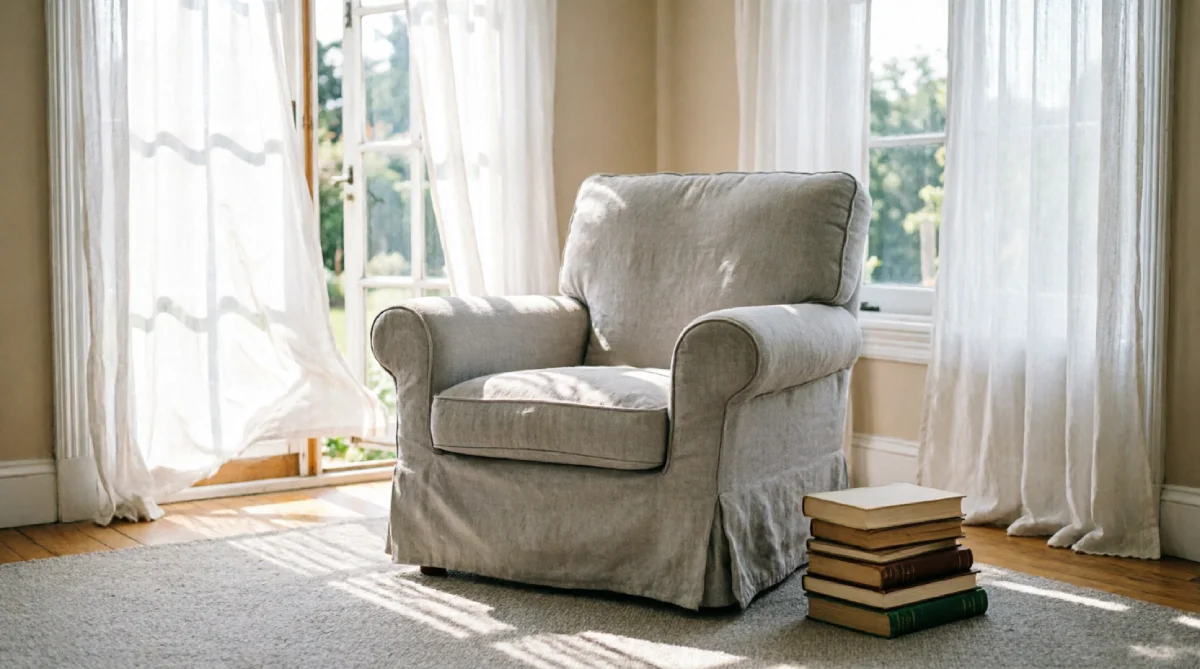
11. Form a Clear Indoor-Outdoor Serving Path
If you grill or eat outside in summer, the route between the kitchen, the living room, and the patio becomes a highway. I set up a slim console or bar cart along that path inside the living room, so drinks and dishes don’t end up on the coffee table or floor.
It works because it acknowledges the real movement pattern and gives it a dedicated surface, rather than trying to fight it. The living room stays tidier, and traffic flows naturally past the cart.
In many homes, a bar cart parked near the back door catches keys, sunscreen, and lemonade pitchers, becoming a seasonal hub that keeps the main seating area free for relaxing.
Place it against a wall that’s already on the route, and keep it stocked with summer essentials so it earns its footprint daily.
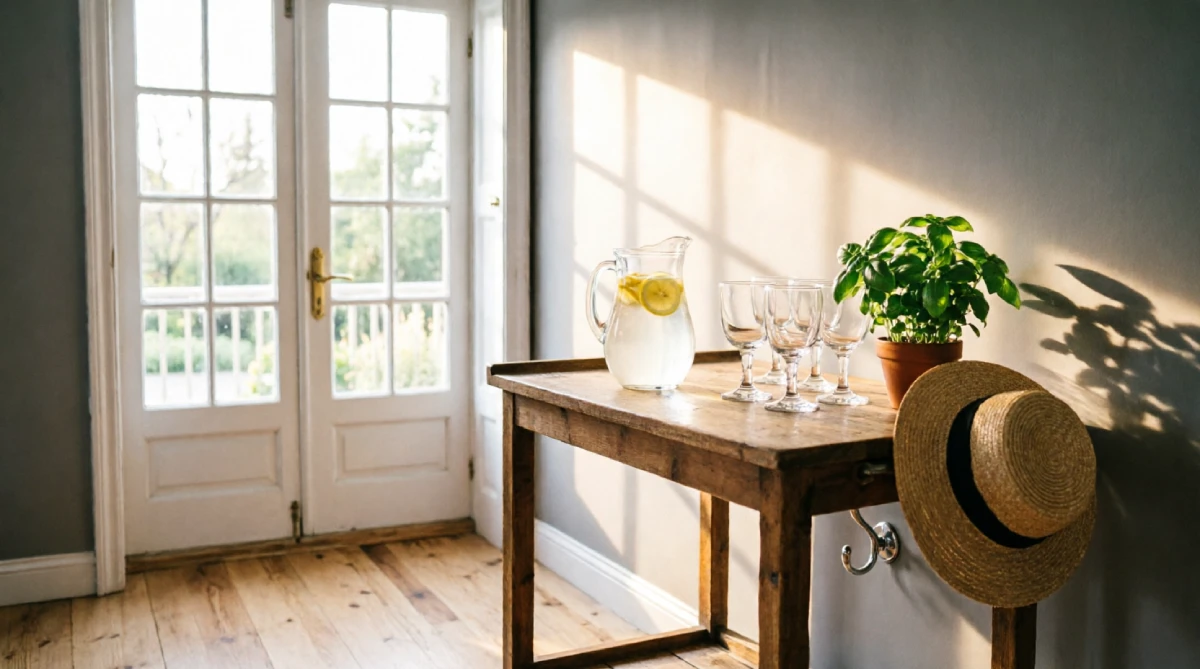
12. Lower Visual Weight with Light-Colored Slipcovers
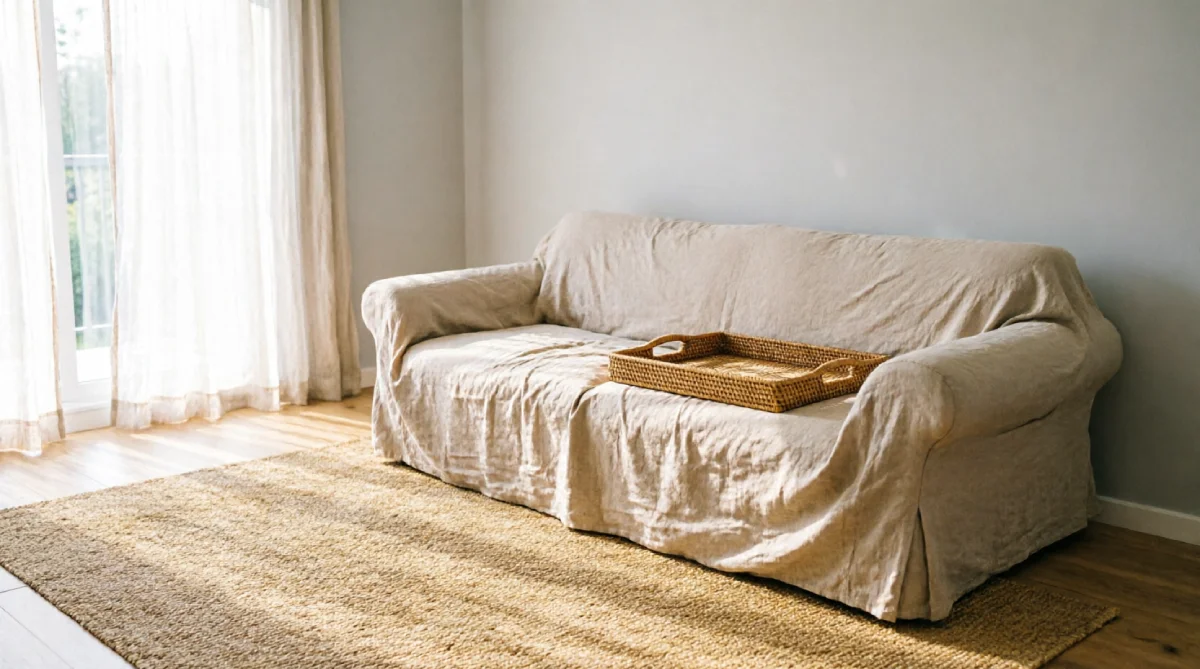
Dark upholstery soaks up light and can make a room feel anchored in winter. For summer, I recommend light cotton or linen slipcovers in ivory, sand, or pale blue. The layout doesn’t physically change, but the perceived flow does.
It works because visually heavy furniture seems to encroach on walking space. Light-colored pieces recede, making pathways feel wider and more open, even if the furniture footprint is identical.
I’ve seen rooms where just switching a chocolate-brown sectional to a washable white slipcover made the whole layout feel looser and more breathable, without moving a single piece. A common mistake is using flimsy covers that slip and bunch; fitted versions stay put.
Choose fitted, washable covers that can handle sandy feet and popsicles, and let the lighter palette do the work of expanding the room visually.
Practical Tips
- Test new paths for a day before committing. Move furniture in the morning and live with it until evening to see how your family actually moves.
- Use furniture sliders under heavy pieces. They let you experiment with layouts without damaging floors or straining your back.
- Mark zones with painter’s tape first. Before buying a new rug, tape its intended size on the floor to check traffic flow around it.
- Leave at least 30 inches for primary walkways. Anything narrower forces people to turn sideways, which kills summer ease.
- Rotate seasonal accessories, not just furniture. Swap dark throw pillows for lighter ones and stash heavy blankets—small visual changes reinforce the open feel.
Common Mistakes to Avoid
- Blocking the natural path to the outside doors. In summer, the most-used route is often to the yard; never place a piece of furniture across that desire line.
- Overcrowding with too many small tables. A cluster of side tables can be just as obstructive as one large coffee table; edit ruthlessly.
- Using dark rugs that absorb light. They visually shrink the floor and make the room feel hotter, even if the layout is open.
- Ignoring vertical space. Keeping everything on the floor creates a cluttered feel; wall-mounted shelves and hooks preserve square footage.
- Forgetting about TV glare. Summer sun can make screens unviewable; rearranging for a TV-free zone is often a relief, not a sacrifice.
Comparison Table
| Layout Change | Best For | Why It Works | Approximate Cost |
|---|---|---|---|
| Floating sofa | Opening pathways | Creates circulation behind seating | Free |
| Two conversation zones | Larger rooms | Distributes people, avoids bottlenecks | Cost of a rug |
| Removing the coffee table | Families with kids | Clears the central movement area | Free |
| Angling furniture | Rooms with outdoor access | Guides eye and foot traffic outside | Free |
| Sheer curtains | Rooms with limited floor space | Frees up the perimeter without losing light | $50–$150 |
| Movable poufs | Frequent entertainers | Adapts layout instantly | $30–$100 per pouf |
FAQs
What is the best way to improve flow in a small summer living room?
Remove one piece of furniture, float the sofa slightly off the wall, and use light-colored slipcovers. These three moves cost little and immediately open up tight spaces.
Can I change my layout just for summer without buying anything?
Absolutely. Simply pulling seating away from walls, removing a coffee table, and angling furniture toward windows or doors creates a dramatic difference using what you already own.
How do I keep summer layouts kid-friendly?
Use rounded, lightweight pieces that are easy to move. Avoid sharp corners on temporary seating like poufs, and choose washable slipcovers so spills aren’t stressful.
Is it expensive to swap out rugs seasonally?
Not necessarily. Affordable flatwoven cotton or jute rugs often cost less than heavy wool ones, and you can roll and store your winter rug, extending its life.
Do I need to rearrange the whole room?
No. Even one change—like creating a drop zone or angling a single chair—can improve flow noticeably. Small adjustments often have the biggest impact.
Conclusion
Summer living room layouts that improve flow don’t require major purchases or professional help. It’s about working with how you actually live when the weather warms: moving toward light, seeking breezes, and drifting outdoors. By floating furniture, editing bulky pieces, defining zones with rugs, and welcoming flexible seating, you create a home that feels spacious and easy. Start with one or two ideas from this list that fit your room’s natural rhythm. You’ll likely find that once the space moves more freely, your whole summer feels a little lighter.
