

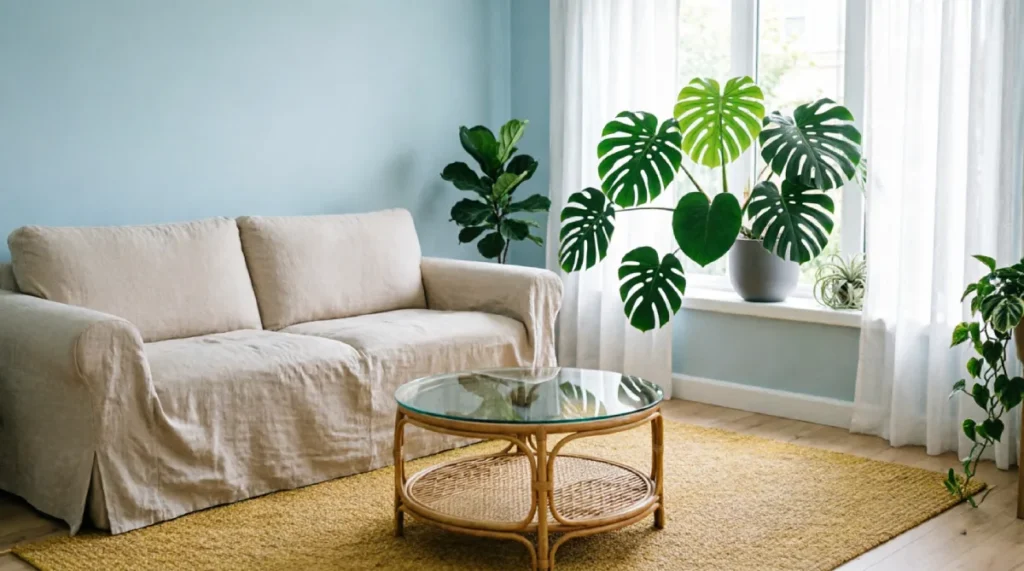
I know how a stuffy, overheated living room can drain your energy the moment summer hits. The heavy fabrics, dark corners, and stale air make the space feel smaller and hotter than it actually is. I focus on simple, cooling tweaks you can start this weekend — no major renovation needed. This guide shares 13 real-world ideas I’ve used to open up living rooms, lower the temperature, and make the whole space feel like a breath of fresh air. You don’t need a bigger budget, just a few smart swaps.
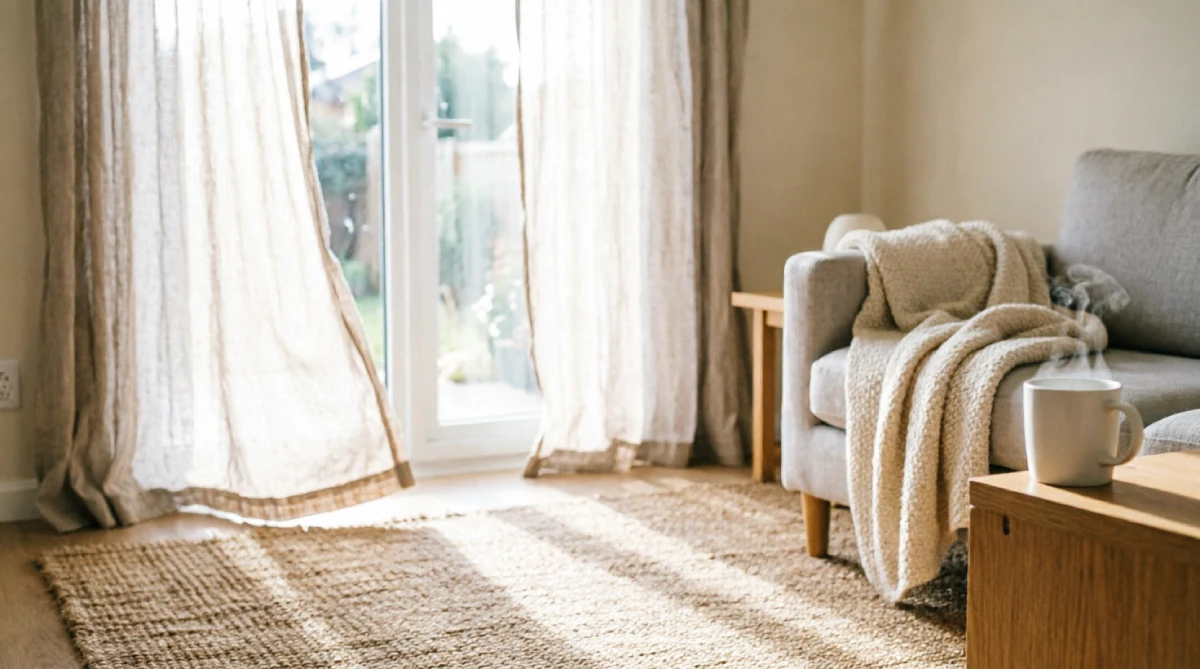
1. Swap Heavy Drapes for Sheer Linen Curtains
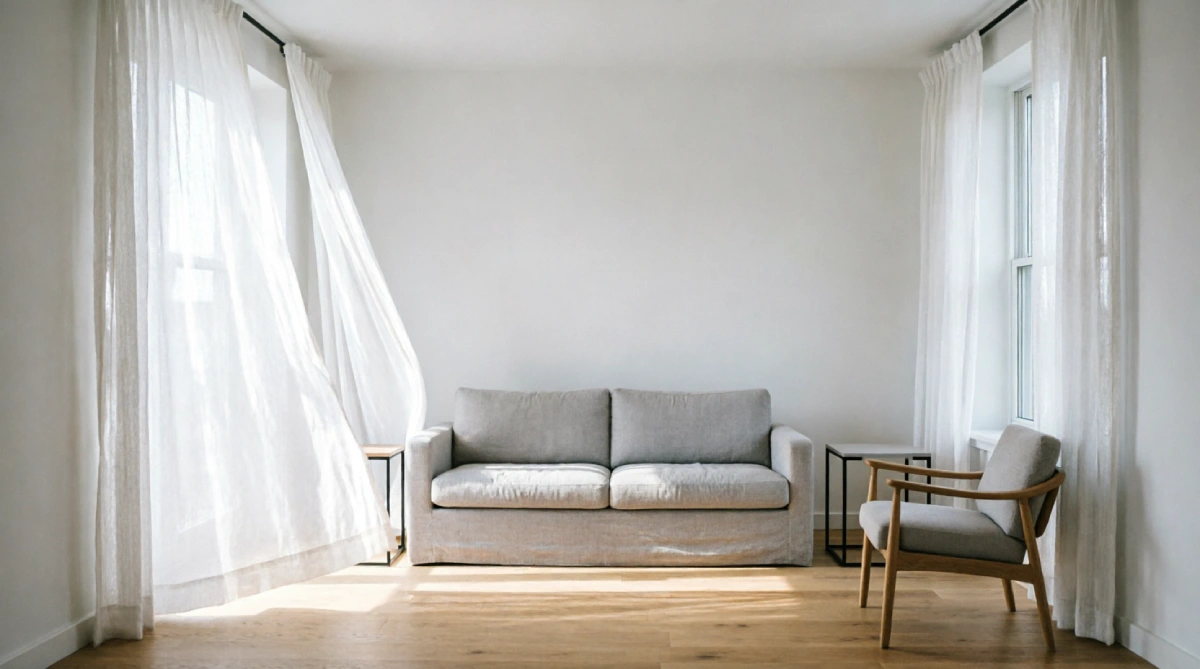
I always start summer by taking down thick, light‑blocking drapes and hanging sheer linen panels instead. Heavy curtains trap heat near windows and make a room feel closed in. I use airy, light‑colored linen or cotton voile because they filter harsh midday sun without turning the room into a dark cave. The fabric breathes, letting gentle airflow through while cutting glare and solar heat gain.
I once had a west‑facing living room that became unbearable by 3 p.m. After switching to cream sheers, the afternoon sun turned soft, and the entire room felt instantly lighter — I stopped dreading that golden hour.
I suggest choosing open‑weave sheers in white, ivory, or pale gray and hanging them on simple bamboo rods. Let them skim the floor; the extra length adds to the breezy, uncluttered feel.
2. Switch to Light, Breathable Slipcovers
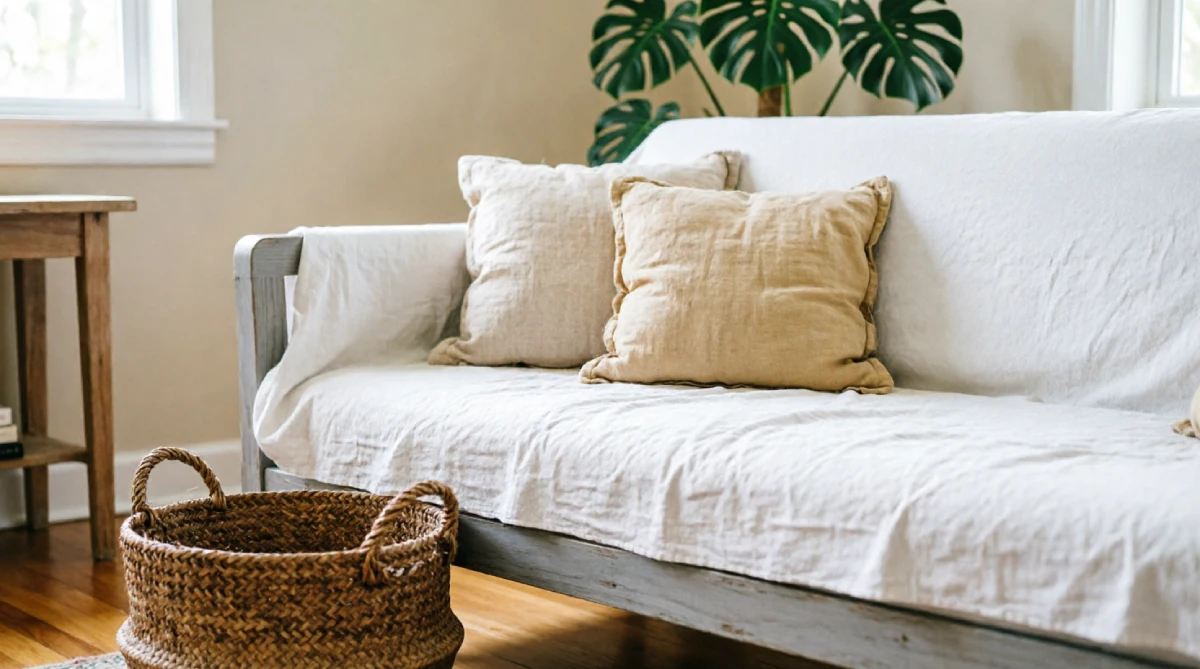
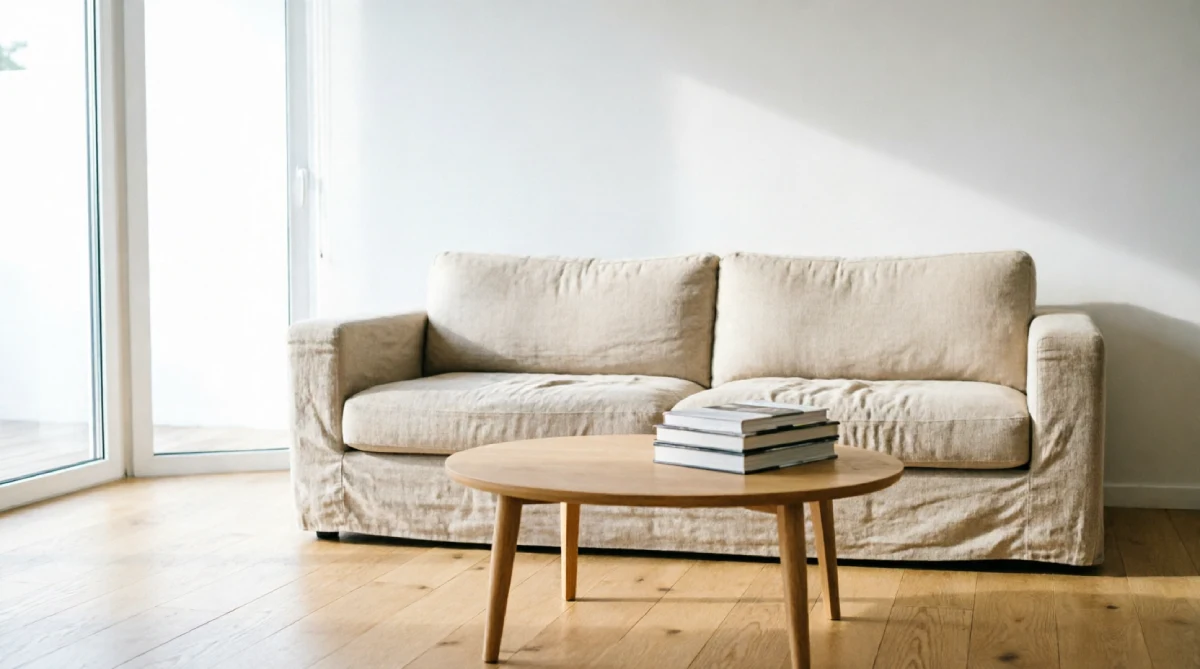
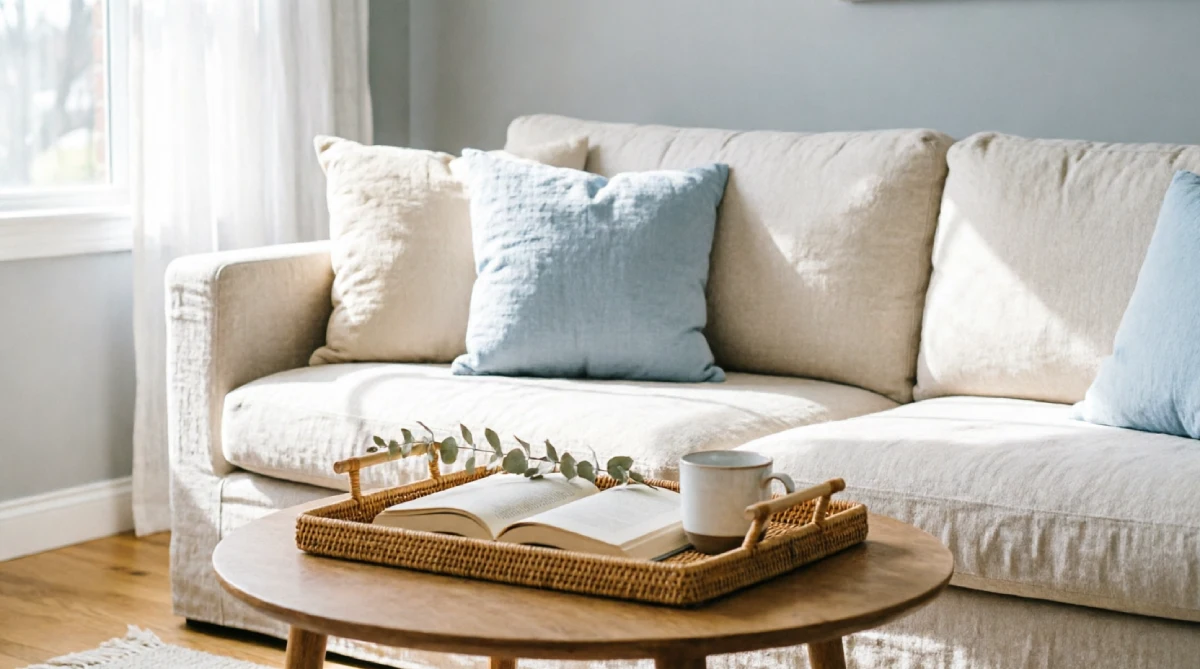
I always slip breathable cotton or linen covers over my sofa and armchairs when temperatures rise. Dark, textured upholstery soaks up heat and feels sticky against the skin. I use machine‑washable slipcovers in cream, dusty blue, or sand because they instantly transform the room’s thermal feel. Natural fibers don’t trap body heat the way synthetic weaves do.
I once noticed that my chocolate‑brown sofa radiated warmth long after the sun went down. A simple white cotton slipcover made sitting there feel actually refreshing, not like a chore.
I suggest investing in well‑fitted but relaxed‑looking slipcovers. Skip tailored, tight fits that look stiff; a slightly rumpled linen look adds to the casual, open summer feel.
3. Use Reflective and Natural Material Accents
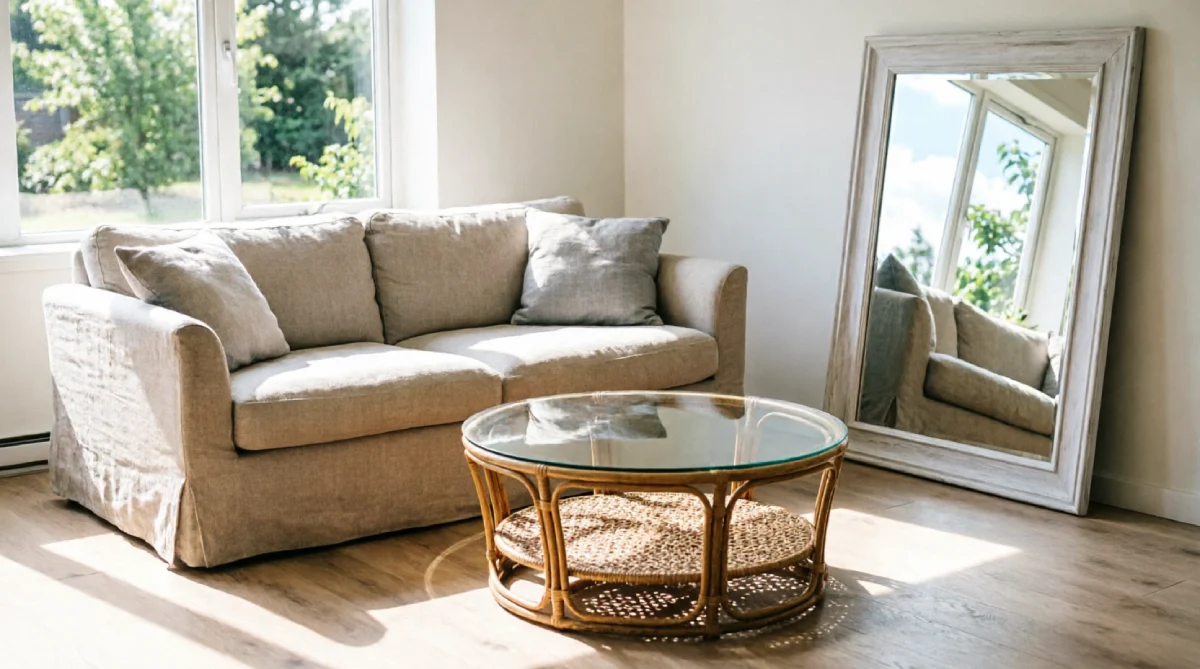
I always swap out dark, heat‑absorbing decor for accessories with reflective surfaces or natural, lightweight materials. Think glass, rattan, bamboo, and mirrors. I use a large leaning mirror opposite a window because it bounces daylight deeper into the room and visually doubles the space. Glass lamp bases and rattan trays feel cool to the touch and stop visual heaviness from building up.
I once replaced a chunky wooden coffee table with a glass‑top rattan piece in a sluggish summer room. The whole seating area immediately felt more breathable — almost like the room took a deep breath.
I suggest adding at least one large mirror and a few smaller reflective or woven pieces. They catch light and create a mental impression of coolness that really works.
4. Minimize Electronic Heat Sources
I always unplug or relocate electronics that silently pump out heat. Game consoles, cable boxes, and even lamp bulbs can raise a small living room’s temperature more than you’d think. I use only essential devices and switch to LED bulbs, which run far cooler than incandescent ones. I also replaced a hot‑running floor lamp with a low‑wattage task light that adds ambiance without adding degrees.
I once noticed my router and streaming box were warm to the touch all day. Moving them to a ventilated cabinet and unplugging rarely‑used chargers made the corner of the room feel noticeably fresher by evening.
I suggest doing a quick “heat audit.” Touch your electronics after they’ve been on for a while. Anything warm gets relocated or turned off when not needed. Even small heat sources compound in a closed space.
5. Introduce Cooling Indoor Plants
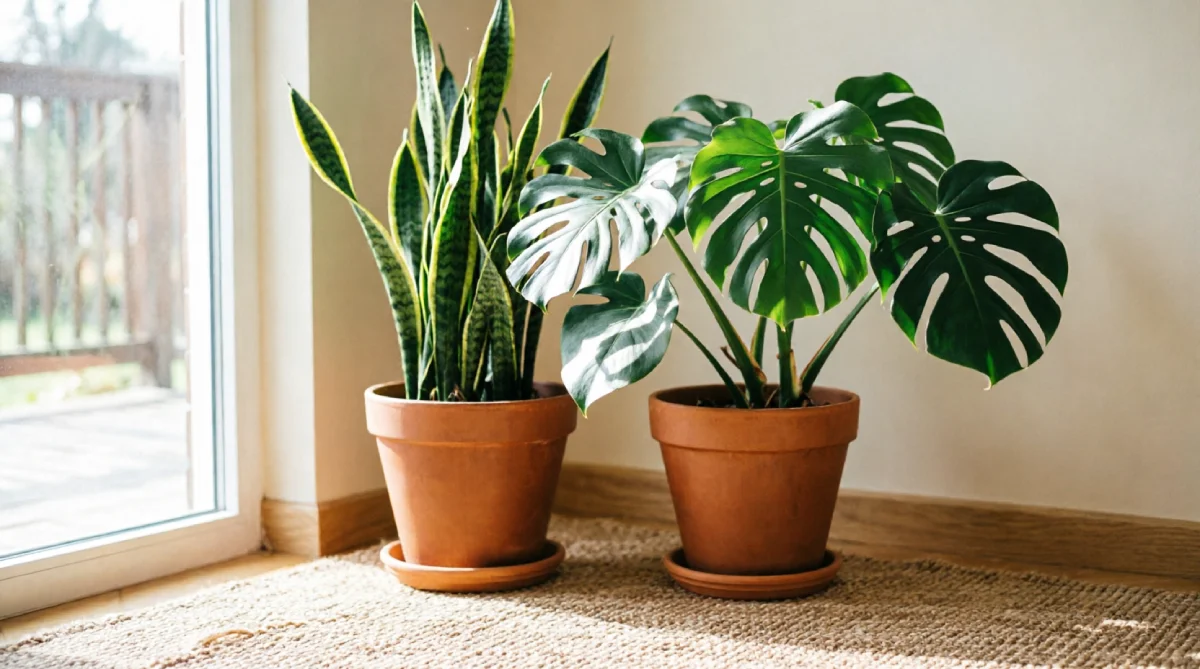
I always bring in a few large‑leafed indoor plants during the summer. Their natural transpiration adds a tiny but real cooling effect to the immediate air, and their green presence shifts the mood toward outdoorsy freshness. I use snake plants, peace lilies, and monstera because they thrive in indirect light and release moisture. Grouped near a window, they create a mini buffer against dry heat.
I once lined a sunny sill with three peace lilies and noticed the air around that seating nook felt less stale by late afternoon. Even the psychological boost of seeing lush greenery made the room feel less oppressive.
I suggest not overcrowding. Select two or three statement plants in light ceramic or terracotta pots. Keep them hydrated but not soggy; moist soil also contributes to evaporative cooling.
6. Rethink Rug Texture
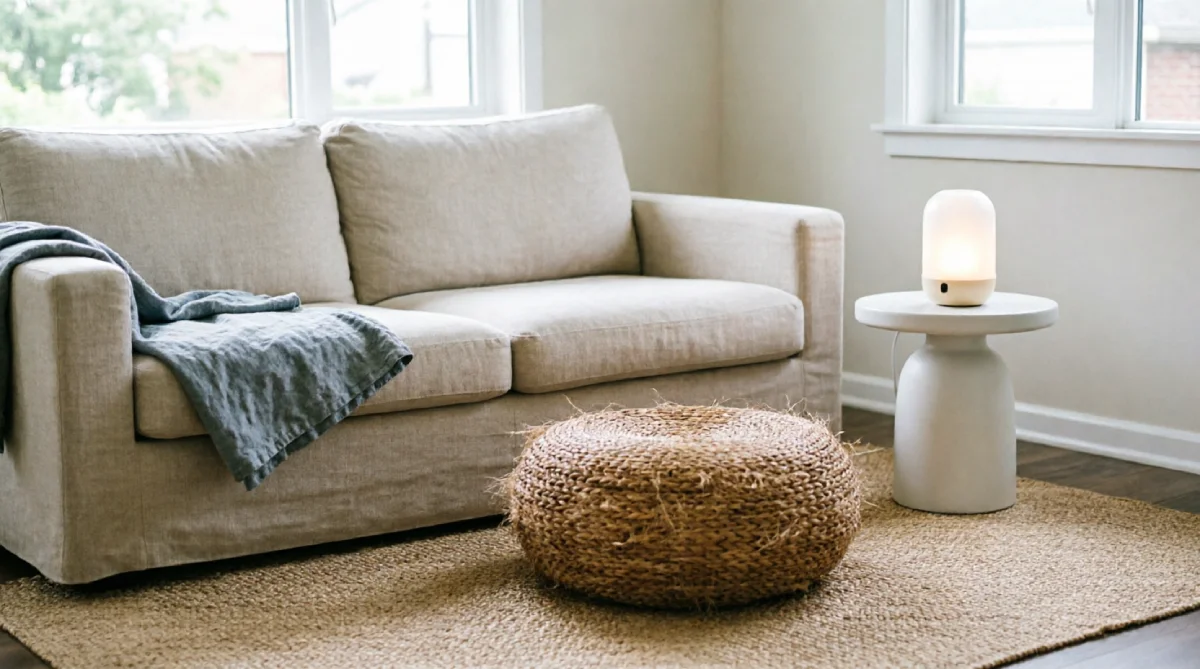
I always roll up my wool and shag rugs once the warm weather settles in. Thick, fuzzy floor coverings trap heat and feel suffocating underfoot. I use flatweave cotton, jute, or sisal rugs because they feel cool and barely hold warmth. They also shake out easily and keep the room looking grounded without visual weight.
I once swapped a deep‑pile wool rug for a simple woven cotton dhurrie in a small apartment living room. The entire space seemed to gain square footage overnight, and walking barefoot felt crisp rather than clammy.
I suggest choosing a light neutral or faded pattern. Keep it low‑maintenance — a rug you can beat outside or wipe down quickly helps maintain that fresh summer ease.
7. Opt for a Light Wall Color or Cool-Toned Paint
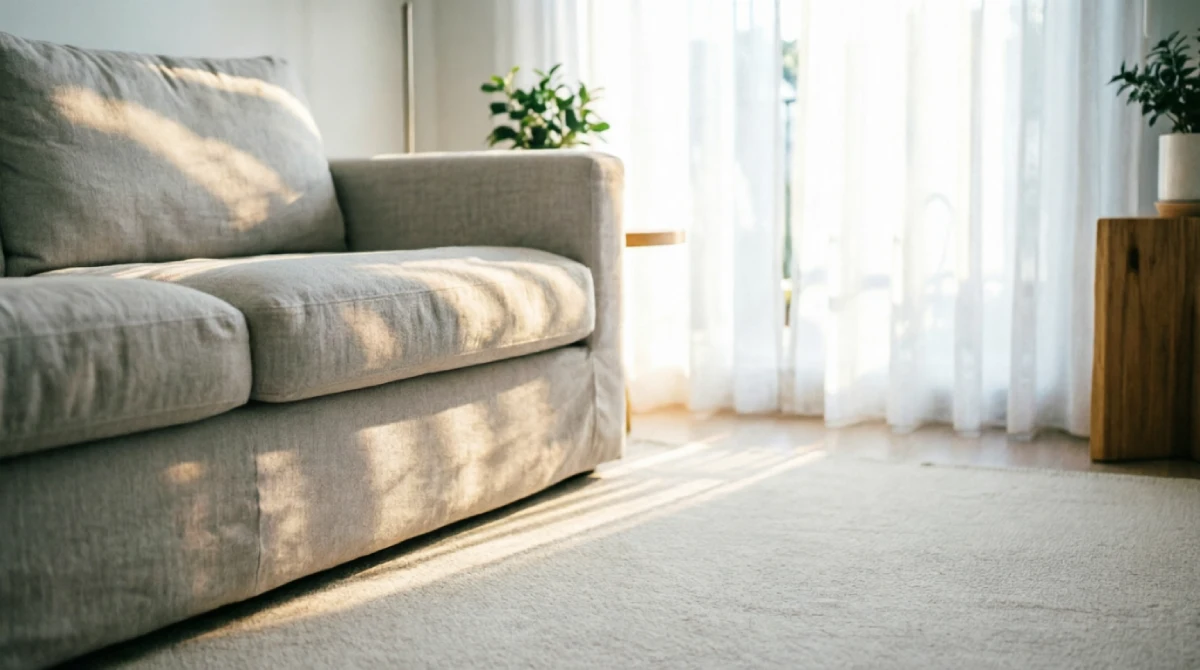
I always lean into light, cool‑toned walls to make a living room feel more open and temperature‑neutral. Dark colors absorb light and can make a space radiate warmth visually and physically. I use soft whites, very pale blues, or barely‑there greige with cool undertones. These shades reflect more light, making the room feel sun‑washed without actually being hotter.
I once repainted a south‑facing living room from a warm terracotta to a cool‑white with a hint of blue. The same afternoon, the sun no longer felt like a heat lamp; the room stayed perceptibly airier and calmer.
I suggest testing paint swatches at different times of day. You don’t need stark hospital white — a gentle cool tone tricks the eye and genuinely helps the space feel degrees lighter.
8. Create Cross-Ventilation Zones
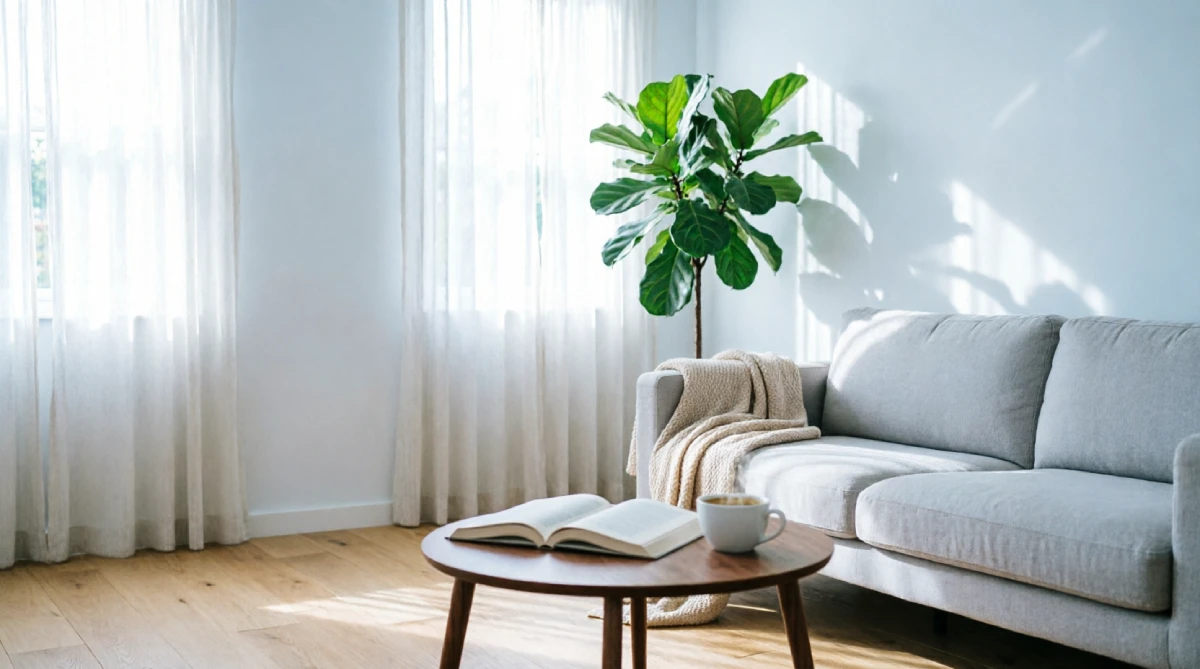
I always rearrange furniture in the summer to clear the path between windows. A sofa shoved against a window frame blocks natural airflow and makes even a breezy day feel useless. I use a layout that keeps at least two opposite windows or doors unobstructed. Even a narrow opening lets a cross‑breeze sweep through, pushing stale, hot air out.
I once simply moved a high‑backed armchair away from a side window and cracked open the kitchen door beyond it. The airflow improved so much that I could turn off the fan for hours.
I suggest walking through your room and tracing the line from window to window. Move anything that interrupts that line, even by a few inches. Air needs a runway, not hurdles.
9. Add a Tabletop or Floor Water Feature
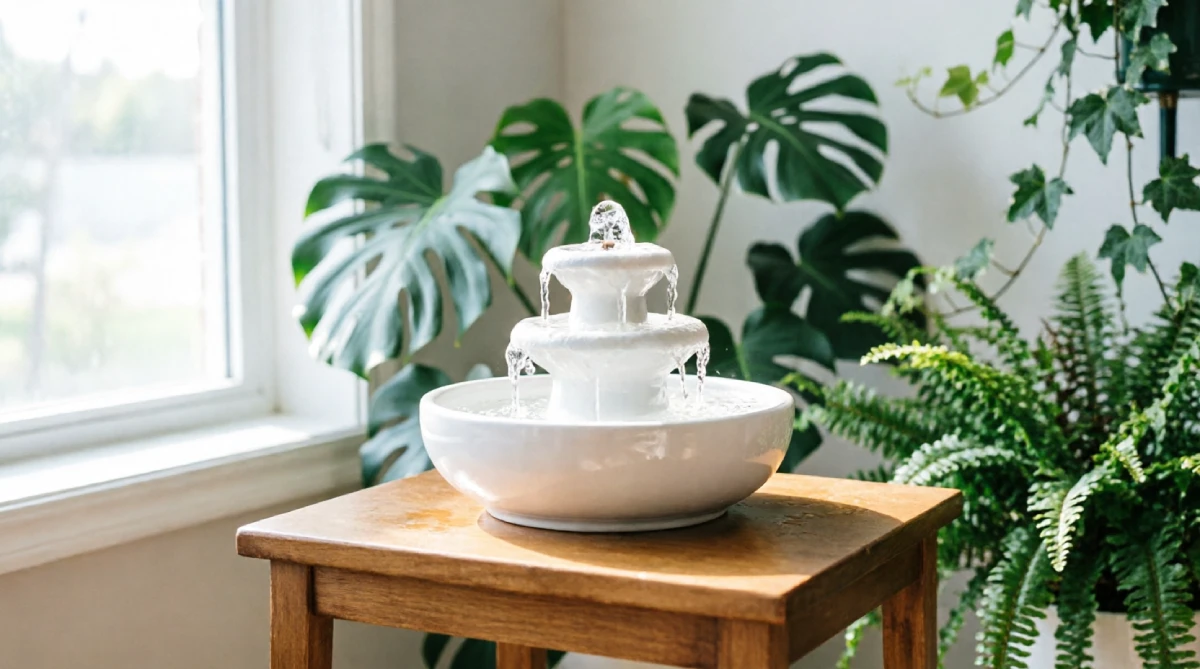
I always set up a small indoor water fountain when summer humidity drops too low or the air feels lifeless. The gentle sound of moving water creates a psychological coolness, and micro‑evaporation can slightly lower the surrounding temperature. I use a compact ceramic or river‑stone tabletop fountain that runs nearly silently except for a soft trickle. It adds humidity in a controlled way without making the room feel damp.
I once placed a small fountain on a side table near my reading chair, and even though the thermometer barely changed, my comfort level shifted completely. The room felt like a shaded courtyard.
I suggest choosing one with an auto‑shutoff and easy‑clean pump. Place it on a waterproof tray and enjoy the sensory break — it’s a cooling trick that works on perception and reality.
10. Use Summer-Scented Natural Elements
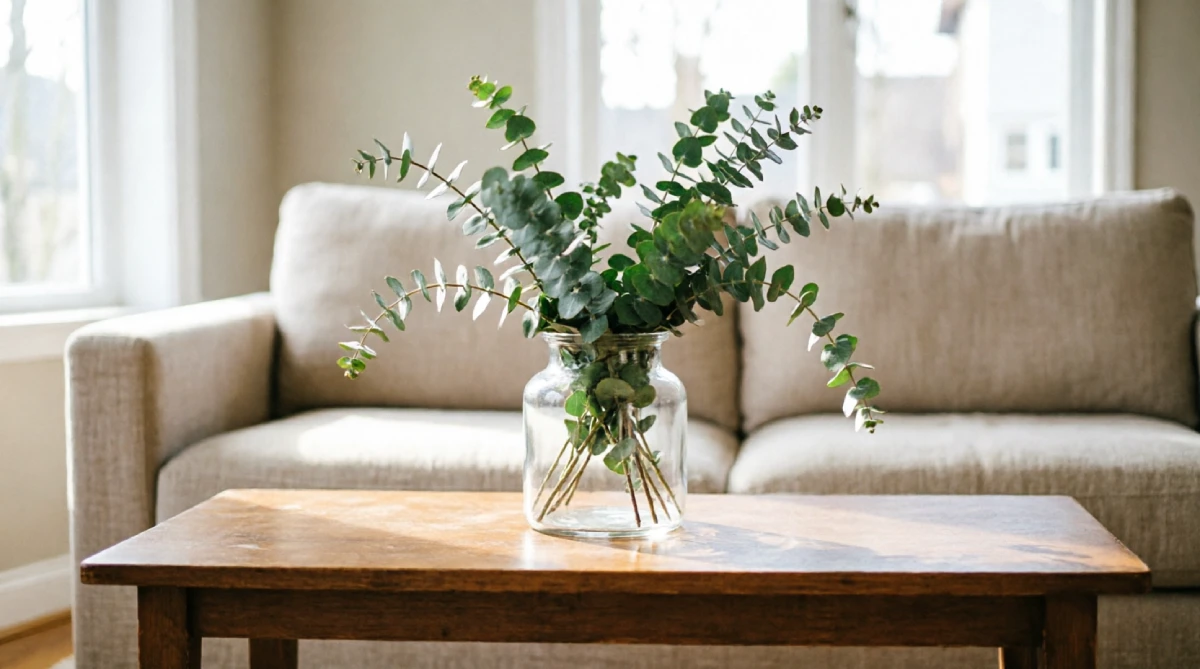
I always bring in natural elements with fresh, cooling scents — eucalyptus bundles, dried lavender sachets, or a bowl of citrus and mint. While scent alone doesn’t lower the temperature, it powerfully shifts how the room feels. I use a simple glass vase of fresh eucalyptus on the coffee table. The crisp, camphor‑like smell wakes up the senses and makes the air feel cleaner and lighter.
I once tucked small linen pouches filled with dried lavender and chamomile into sofa cushions. The faint herbal aroma gave the seating area a calm, spa‑like coolness that guests often commented on.
I suggest using natural scents over synthetic candles or plugins, which can feel heavy in summer. Swap them weekly to keep the scent alive and the room mood smooth and breezy.
11. Declutter Surfaces and Open Up Flow
I always treat decluttering as a seasonal cooling step. Piles of books, stacked remotes, and overloaded shelves make a room feel visually heavy and psychologically warmer. I use a “clear surfaces” rule for summer. Space on console tables and open floor zones lets air and light travel freely, and the mind registers the room as cooler and calmer.
I once removed just a third of my usual decorative objects from a crowded living room, and the transformation was immediate. The same temperature felt more breathable because there was less visual static.
I suggest boxing up small decor for the season. Leave out only what you really use and love. Negative space is a design tool, especially when your goal is an open, cool atmosphere.
12. Choose Linen or Cotton Throw Pillows over Velvet
I always swap out plush, heat‑holding pillows for breathable linen or cotton versions. Velvet and fake fur cushions may look nice, but they trap warmth against your skin and make lounging sweaty. I use pillows with feather‑and‑down inserts wrapped in rumpled linen covers. They feel cool to the touch and add that unfussy, coastal‑summer texture that keeps a room from feeling stuffy.
I once left velvet pillows on the sofa into June, and even with air conditioning running, the seating area felt muggy. Switching to cotton‑covered pillows was like peeling off a heavy layer.
I suggest keeping just two or three pillows in summer, all in breathable covers. Pale striped linen or soft chambray gives a breezy, lightweight look that invites you to sink in without overheating.
13. Install Solar-Reflective Window Film or White Exterior Shades
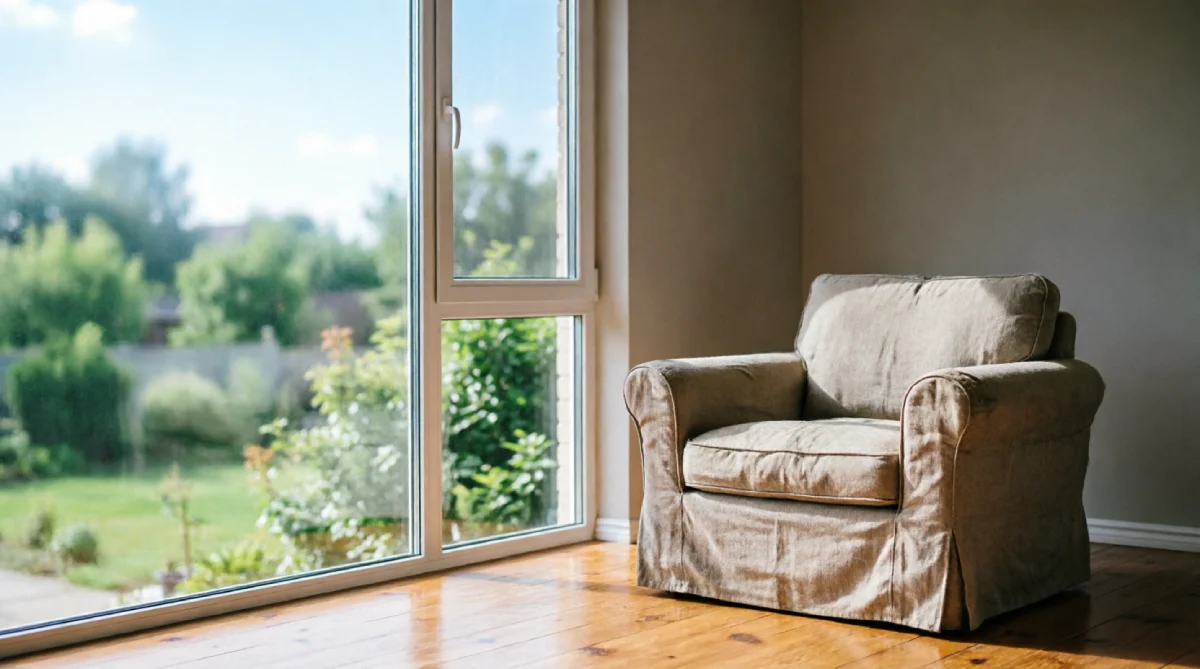
I always look at what I can stop before heat even enters the glass. Solar‑reflective window film and external shading are two of the most effective, low‑effort cooling moves I’ve used. I use a nearly clear solar film on east‑ and west‑facing windows. It blocks a significant chunk of infrared heat without darkening the room, so you keep the view and lose the sauna effect.
I once applied a static‑cling reflective film to a sliding glass door that turned a corner of the living room into a hotbox by noon. The next day, that spot stayed comfortably warm instead of blistering.
I suggest pairing exterior white roller blinds or even a simple bamboo shade on the outside of the window with the film. Attack the heat before it comes inside, and the rest of your cooling efforts work twice as well.
Practical Tips for an Effortlessly Cool Summer Living Room
- Run ceiling fans counterclockwise — this pushes air straight down and creates a wind‑chill effect that makes you feel up to 4°C cooler without changing the thermostat.
- Place a bowl of ice in front of a fan — a low‑tech trick that boosts evaporative cooling for a quick relief burst during still, hot hours.
- Damp‑mop hard floors with cool water — as the water evaporates, it pulls heat from the surface, leaving the room feeling fresher underfoot.
- Switch to light, raw‑wood or glass tables — they don’t hold and radiate heat the way dark, solid wood or metal furniture does.
- Keep interior doors slightly open — this allows air to circulate through the whole home instead of getting trapped in one hot zone.
- Use a dehumidifier on muggy days — reducing moisture makes the air feel lighter and helps your body’s natural cooling (sweat evaporation) work better.
Common Mistakes to Avoid
- Blocking windows with tall furniture — even a few inches of obstruction kills cross‑ventilation and makes the room feel closed in.
- Using dark, heavy throws “just in case” — they absorb heat and send a subtle “bundle up” signal that fights the cool look you want.
- Neglecting dusty ceiling fan blades — thick dust reduces airflow and can circulate stale, warm air instead of a clean breeze.
- Leaving electronics on standby all day — multiple devices generate steady, low heat that quietly builds up by afternoon.
- Relying only on one cooling tactic — combining soft furnishings, airflow, and smart window treatments multiplies the open, cool effect far more than any single trick alone.
Comparison Table:
| Feature | Best Option | Why It Works |
|---|---|---|
| Curtains | Sheer linen or cotton voile | Filters light, lets air move, eliminates the heat‑trap effect of heavy drapes |
| Rug | Flatweave cotton or jute | Cool to touch, low pile, feels fresh under bare feet; easy to keep clean |
| Wall color | Soft white or icy pale blue | Reflects light, reduces visual heat absorption, and keeps the room bright |
| Cushion fabric | Linen or washed cotton | Breathes well, no heat retention, adds relaxed summer texture |
| Window heat block | Solar‑reflective film | Stops infrared heat before it enters, preserves view and natural light |
| Furniture surfaces | Glass, rattan, light raw wood | Doesn’t store radiant heat, feels cool and airy visually and physically |
FAQ
Q. What is the best way to cool a living room without air conditioning?
Focus on cross‑ventilation, solar window film, and breathable textiles. Clear furniture away from windows, add a dehumidifier, and use natural‑fiber slipcovers. Together, these reduce radiant and perceived heat so you often don’t miss the AC.
Q. Can I make my living room feel cooler just by changing colors and fabrics?
Yes. Light, cool‑toned walls and cotton‑ or linen‑covered furniture send a strong visual and tactile signal of freshness. The room will feel less stifling even if the thermometer hasn’t moved, because your senses register less warmth.
Q. Is it expensive to switch to summer‑friendly decor?
Not necessarily. Slipcovers, a few flatweave rugs, and a roll of solar film are budget‑friendly. Many of the most effective moves — decluttering, rearranging for airflow, unplugging electronics — cost nothing at all.
Q. Do indoor plants actually lower room temperature?
They help very locally. Through transpiration, plants release moisture that can slightly cool the air immediately surrounding them. The psychological effect is often larger: seeing lush greenery tricks the brain into thinking the space is fresher.
Q. How do I keep my living room cool at night in summer?
Open windows on opposite sides once the outdoor temperature drops, use light cotton bedding and pillow covers on the sofa, and turn off all unnecessary lights and electronics. A small fan near an open window pulls cooler evening air inside quickly.
Conclusion
A cool, open living room isn’t about buying more things — it’s about letting the right fibrous, reflective, and air‑friendly pieces do the work. Light linen curtains, breathable slipcovers, clutter‑free surfaces, and strategic airflow changes can shift how your whole home feels from sticky to serene. I’ve seen these simple swaps turn the heaviest summer room into a place you actually want to linger in. Start with the window that gets the harshest sun, then layer in one idea at a time. You’ll feel the difference in your skin, and your living room will breathe again.
