

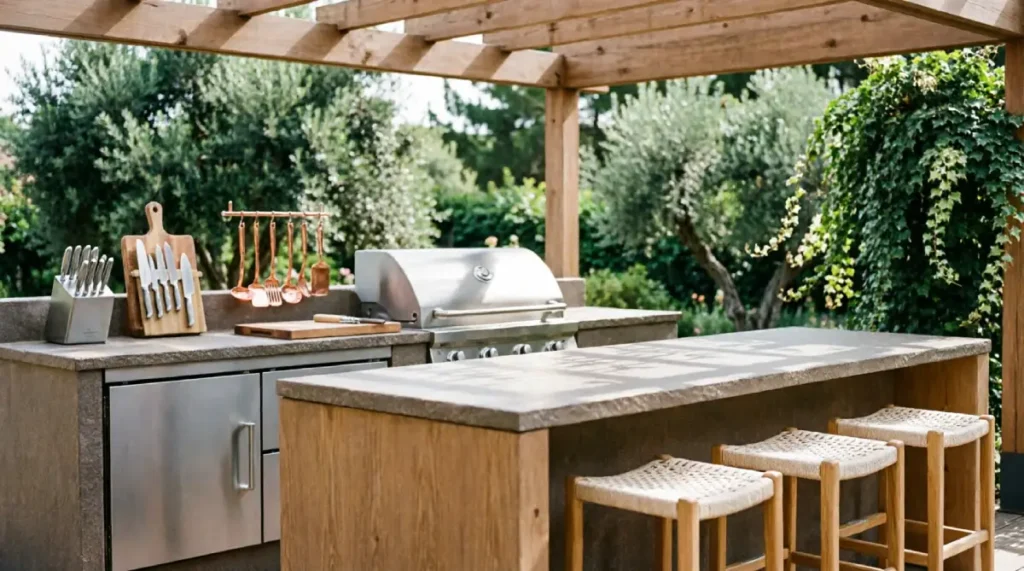
Summer gatherings often fall flat when the kitchen setup can’t keep up with the crowd. Shuffling between indoor and outdoor spaces kills the vibe, and inadequate prep areas leave you scrambling. I’ve seen too many backyard parties suffer from poor outdoor kitchen planning.
That’s why I’m sharing 13 summer outdoor kitchen ideas for better cooking that actually work in real life. These practical solutions focus on smart layouts, durable materials, and efficient workflows. Whether you’re working with a spacious patio or a compact deck, you’ll find actionable ideas to create an outdoor cooking space that makes summer entertaining effortless and enjoyable.
1. Built-In Grill Station with Counter Space
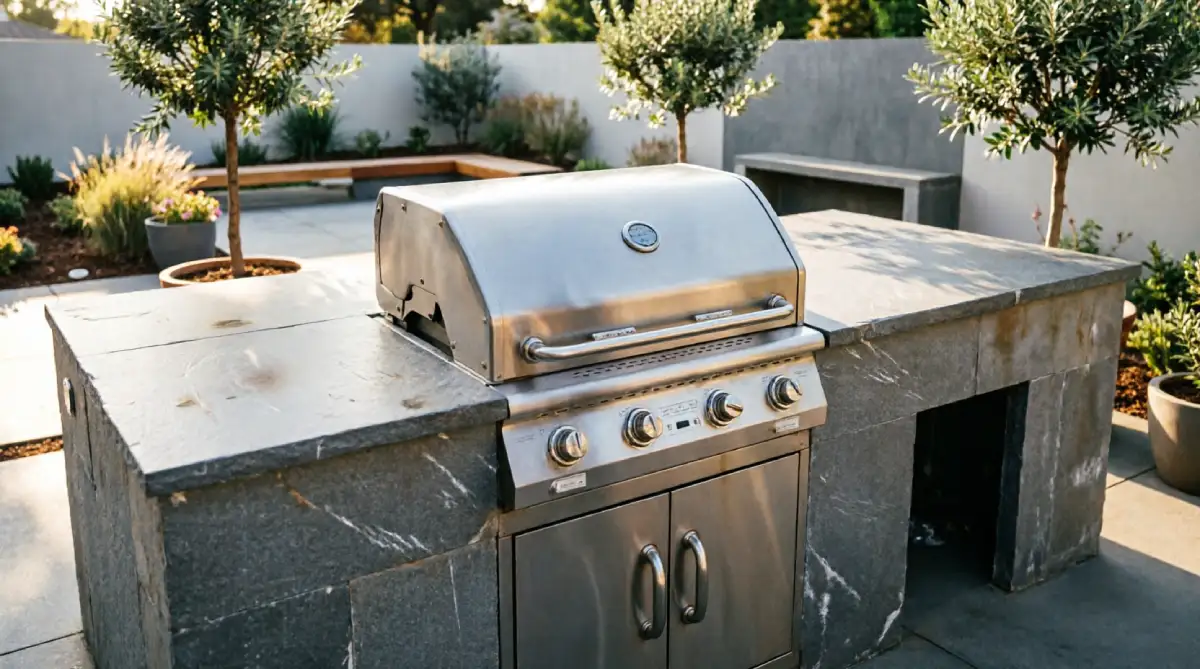
A built-in grill station forms the backbone of any functional outdoor kitchen. Rather than relying on a portable unit, integrating your grill into a permanent structure creates a cohesive cooking environment. I recommend choosing stainless steel or weather-resistant materials that can handle the elements year-round.
This setup works because it provides dedicated prep space on both sides of the grill. You’re not balancing plates on unstable surfaces or walking back and forth to the indoor kitchen. Having everything within arm’s reach makes the cooking process smoother and safer, especially when you’re managing multiple dishes.
In many homes, I’ve noticed that homeowners underestimate how much counter space they actually need. A common issue is building a beautiful grill station but leaving only inches of workspace on either side. This creates bottlenecks during peak cooking times.
When planning your built-in station, aim for at least 12-18 inches of counter space on one side and 24-36 inches on the other. This gives you a landing zone for hot items and adequate prep area. Consider adding a small cutting board insert directly into the counter for maximum convenience.
2. Pizza Oven Integration
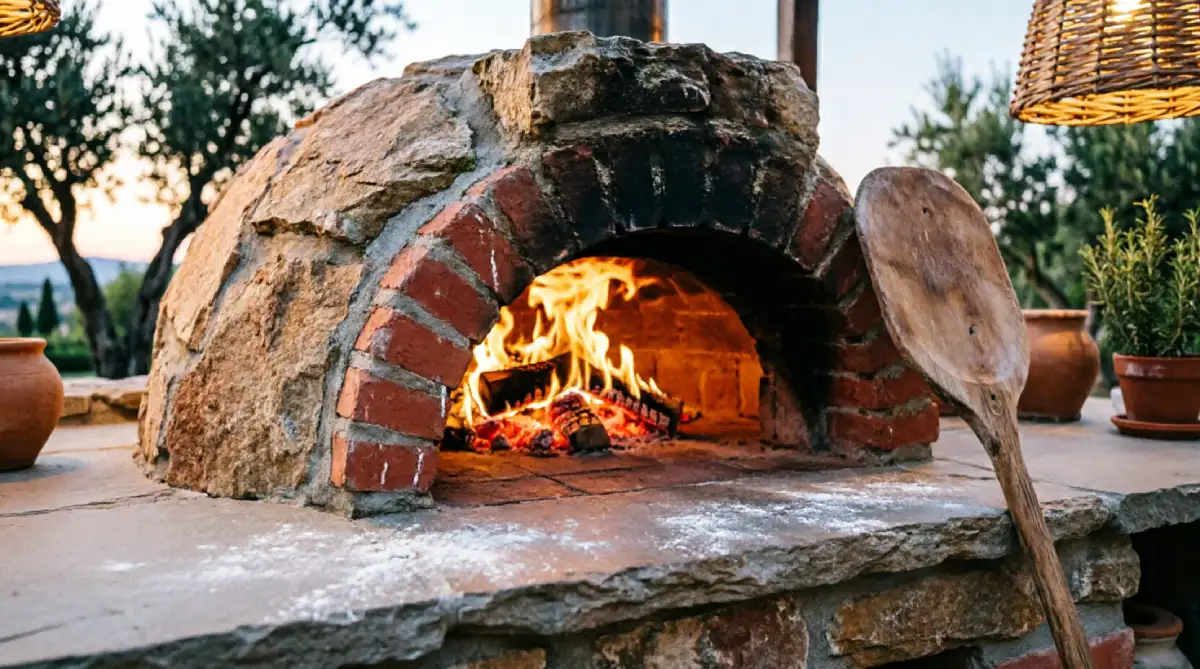
Adding a pizza oven to your outdoor kitchen opens up entirely new cooking possibilities beyond standard grilling. These specialized ovens reach temperatures that indoor ovens simply can’t match, creating authentic crispy crusts in just minutes. I prefer wood-fired models for the flavor they impart, though gas options offer more convenience.
This works well because pizza ovens become natural gathering points. While the oven heats up and pizzas cook, guests naturally congregate around the cooking action. It transforms meal preparation into entertainment, keeping everyone engaged rather than isolated in separate spaces.
I’ve seen outdoor kitchens where the pizza oven feels like an afterthought, crammed into a corner with no proper workflow. A common improvement is positioning the oven near your main prep area with dedicated storage for pizza peels, wood, and ingredients nearby.
Install your pizza oven at a comfortable working height—usually 36-42 inches from the ground. Ensure you have heat-resistant surfaces around it and at least 3 feet of clearance from combustible materials. Add a small prep counter specifically for assembling pizzas before they go into the oven.
3. Outdoor Refrigeration and Cold Storage
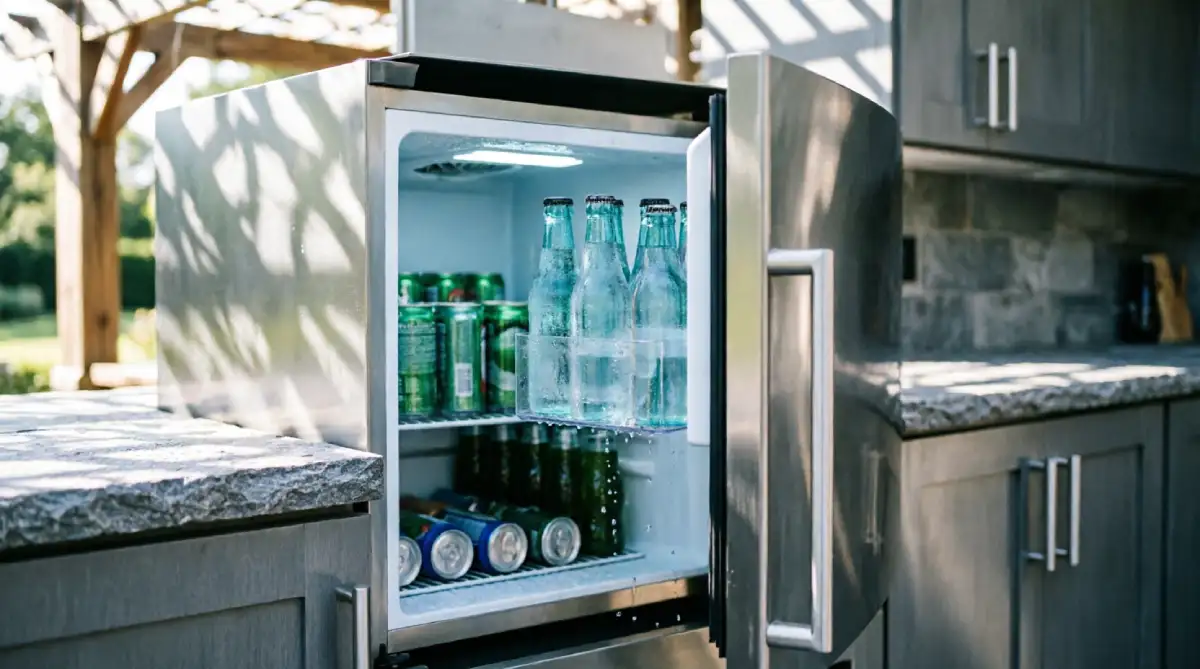
Keeping ingredients and beverages cold outdoors eliminates constant trips inside. An outdoor-rated refrigerator or under-counter cooler keeps everything you need within reach. I usually recommend at least one dedicated beverage cooler plus a small fridge for perishables and condiments.
This setup maintains your cooking flow and keeps guests self-sufficient. When drinks and ingredients are readily available, you stay focused on cooking rather than playing bartender or running indoors repeatedly. It’s particularly valuable during hot summer days when you want to minimize indoor-outdoor traffic.
In many homes, I’ve noticed people install indoor refrigerators outdoors, which quickly fail in weather exposure. A common issue is inadequate ventilation around outdoor fridges, causing them to work harder and consume more energy.
Choose refrigeration units specifically rated for outdoor use with proper insulation and weatherproofing. Position them in a shaded area of your kitchen, away from direct heat sources like grills. Consider a drawer-style refrigerator for easier access and better organization of frequently used items.
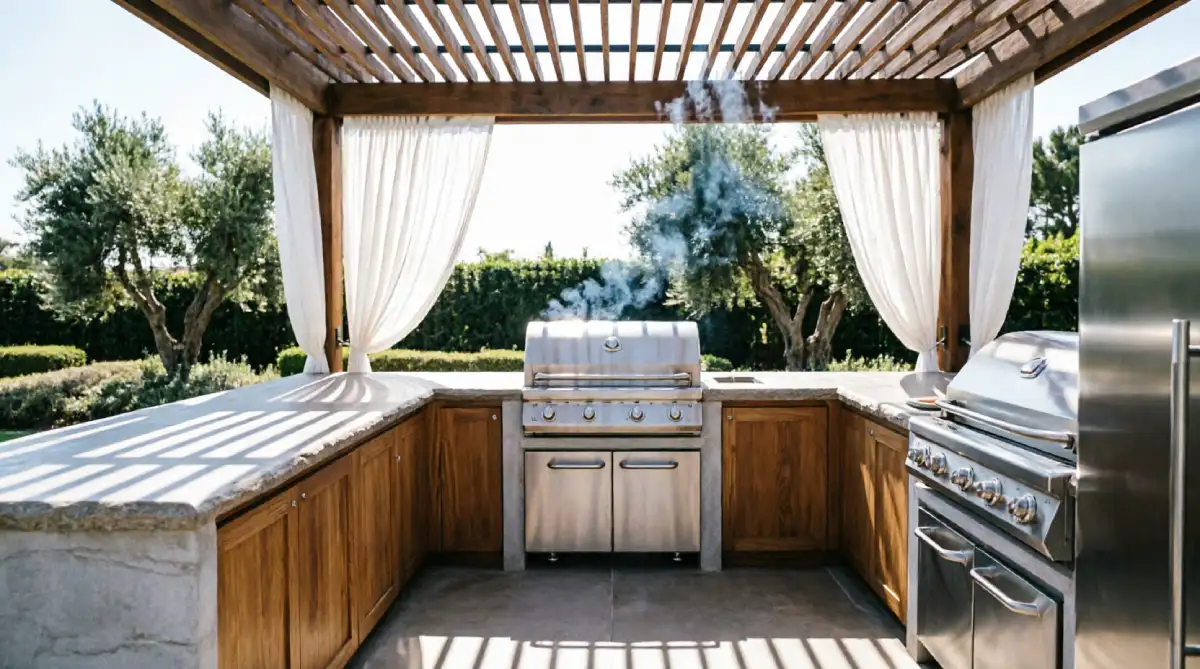
4. Weather-Protected Cooking Zone
Creating a covered cooking area extends your outdoor kitchen’s usability across seasons and weather conditions. Whether it’s a pergola, gazebo, or permanent roof structure, overhead protection keeps rain and harsh sun at bay. I prefer structures with retractable options for flexibility.
This works because it protects both you and your equipment. Grills and appliances last longer when shielded from constant sun exposure and rain. You’re also more likely to use your outdoor kitchen consistently when you’re not cooking in direct sunlight or getting soaked.
I’ve seen many outdoor kitchens fail because they’re completely exposed to the elements. A common improvement is adding at least partial coverage with proper ventilation to prevent smoke buildup. Many homeowners don’t realize that enclosed spaces need adequate airflow.
Install a pergola with adjustable louvers or a solid roof with open sides for optimal air circulation. Ensure at least 7-8 feet of clearance above cooking surfaces. Consider adding outdoor-rated ceiling fans to improve air movement and keep the area comfortable during hot summer cooking sessions.
5. Sink and Prep Station Setup
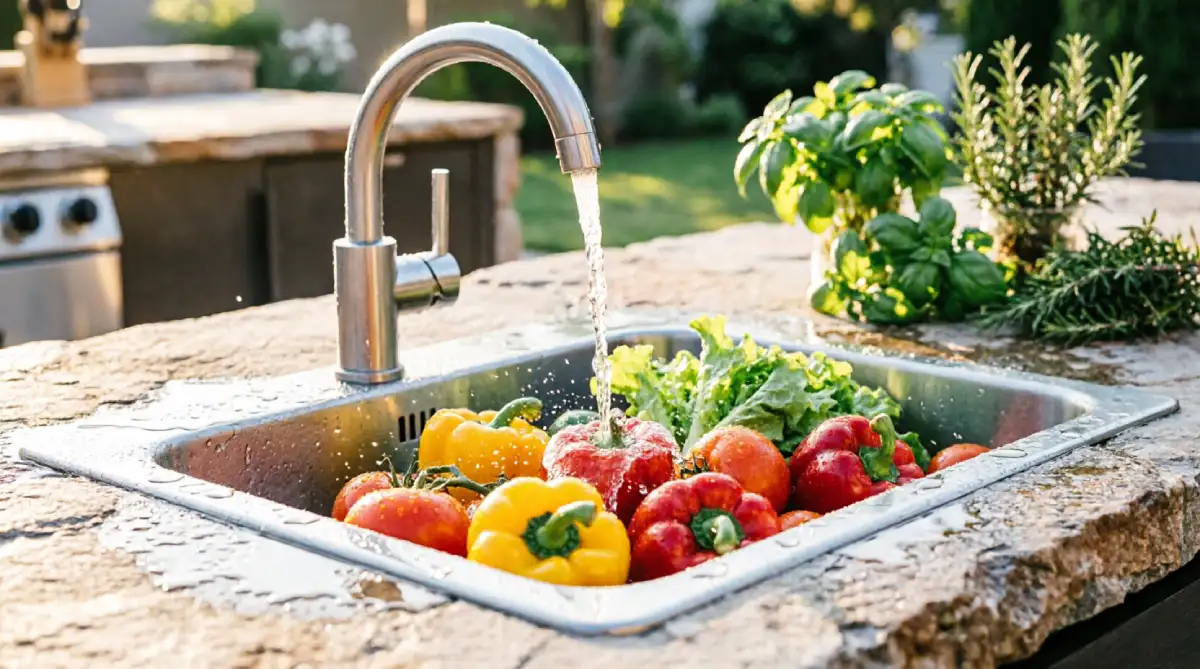
An outdoor sink transforms your cooking efficiency by keeping cleanup and prep outside. Having running water nearby means you can wash produce, rinse hands, and clean utensils without interrupting your cooking flow. I recommend a deep single-basin sink with a high-arc faucet.
This setup works because it creates a complete outdoor workflow. You’re not tracking dirt indoors or juggling dirty dishes while trying to cook. A dedicated prep station with sink access allows you to handle everything from vegetable washing to sauce preparation in one location.
In many homes, I’ve seen outdoor sinks installed without proper drainage or insulation, leading to freezing issues in cooler weather. A common issue is choosing sinks that are too shallow, causing water to splash everywhere during food prep.
Install a stainless steel sink with proper insulation and frost-proof plumbing if you’re in a climate with freezing temperatures. Position it between your grill and prep counter for optimal workflow. Add a pull-down sprayer faucet for easier cleaning, and consider a cutting board that fits over half the sink for extra prep space.
6. Vertical Storage and Shelving Solutions
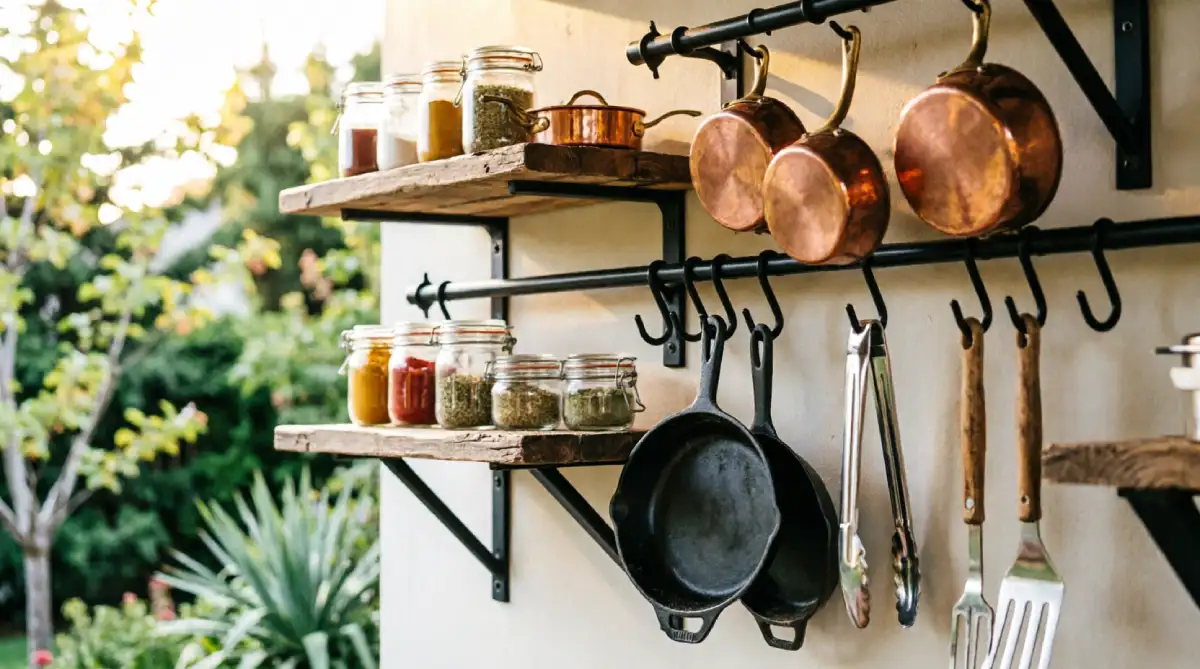
Maximizing vertical space keeps your outdoor kitchen organized without consuming valuable counter real estate. Wall-mounted shelves, hanging racks, and cabinet systems store cookware, spices, and tools within easy reach. I prefer open shelving for frequently used items and closed cabinets for weather protection.
This works because it creates an efficient, clutter-free cooking environment. When everything has a designated spot, you spend less time searching and more time cooking. Vertical storage also draws the eye upward, making smaller outdoor kitchens feel more spacious and intentional.
I’ve noticed that many outdoor kitchens lack adequate storage planning, leaving tools exposed to weather or scattered across limited counter space. A common improvement is combining open and closed storage—open shelves for decorative items and daily-use tools, closed cabinets for electronics and weather-sensitive items.
Install weather-resistant shelving using stainless steel, teak, or powder-coated metal. Position shelves at varying heights based on frequency of use—everyday items at waist level, occasional items higher up. Add a hanging pot rack above your cooking zone for easy access to frequently used pans and utensils.
7. Outdoor Lighting for Evening Cooking
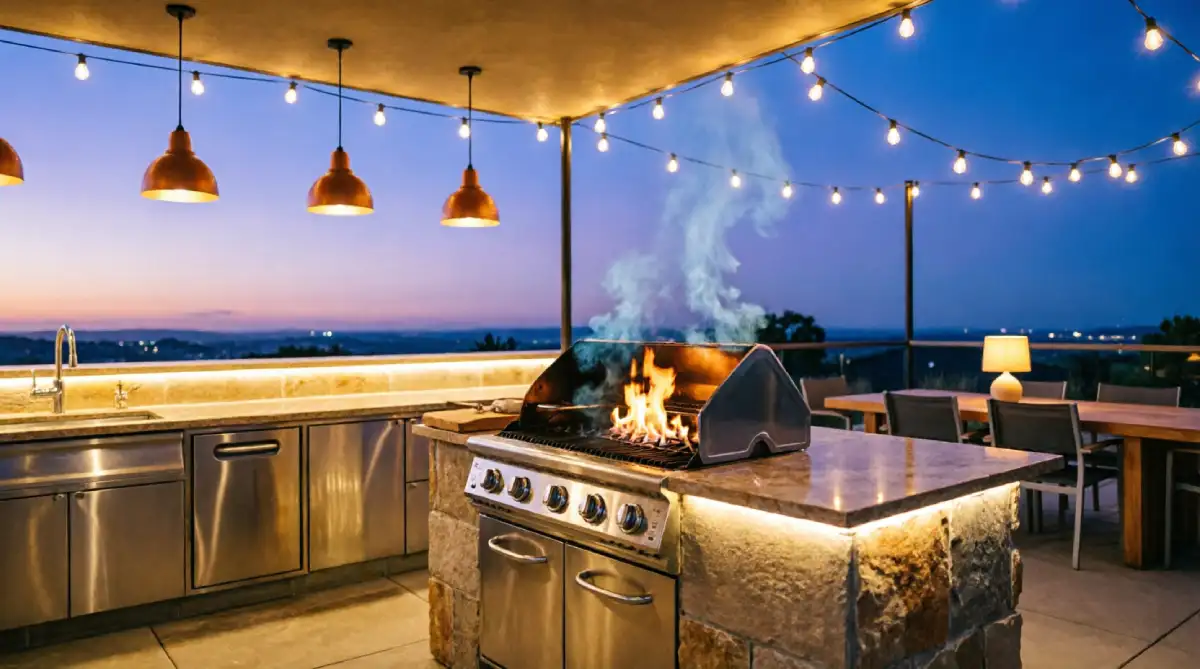
Proper lighting extends your outdoor kitchen’s usability well into the evening hours. Task lighting over cooking areas, ambient lighting for dining zones, and accent lighting for aesthetics create a functional and inviting space. I recommend LED fixtures for energy efficiency and longevity.
This works because it ensures safety and functionality after sunset. You can’t properly monitor food on the grill or prep ingredients safely in poor lighting. Well-planned lighting also sets the mood for evening gatherings, transforming your cooking space into an entertainment hub.
In many homes, I’ve seen outdoor kitchens with a single overhead light that creates harsh shadows and glare. A common issue is relying solely on string lights, which provide ambiance but insufficient task lighting for actual cooking.
Layer your lighting with under-cabinet LED strips for counter tasks, pendant lights over cooking zones, and dimmable ambient fixtures for dining areas. Use warm white bulbs (2700-3000K) for a welcoming atmosphere. Install separate switches or smart controls for different lighting zones to adjust based on your needs.
8. Bar Seating and Social Layout
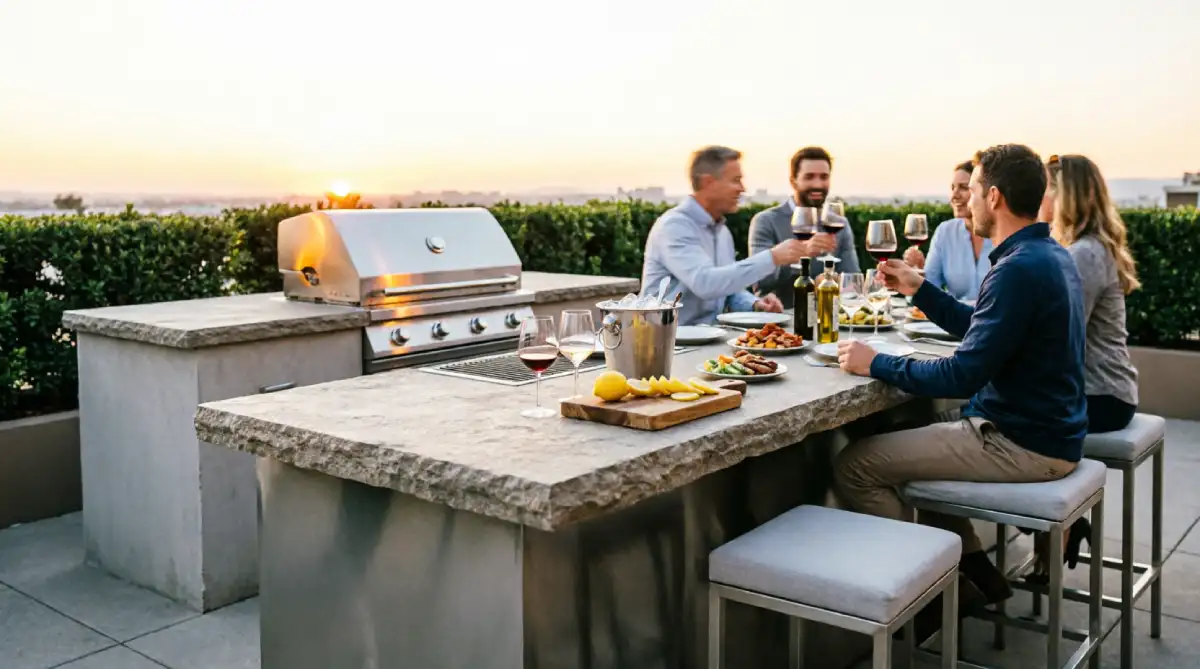
Integrating bar seating into your outdoor kitchen design encourages interaction between cooks and guests. A counter overhang or dedicated bar area creates a natural gathering spot where people can chat while you prepare meals. I prefer seating that allows 24-30 inches of width per person for comfort.
This works because it eliminates the isolation that often comes with outdoor cooking. Instead of turning your back to guests, you can engage in conversation while grilling. It transforms cooking from a solitary chore into a social experience that keeps everyone included.
I’ve seen outdoor kitchens where the layout forces the cook to face away from the party, creating an awkward separation. A common improvement is designing an L-shaped or U-shaped layout with bar seating on the open side, allowing the cook to face guests while working.
Install counter-height seating (42 inches) with sturdy, weather-resistant barstools. Ensure at least 15 inches of knee clearance under the counter overhang. Position seating away from direct heat and smoke, and consider adding footrests for extended comfort during long dinner parties.
9. Side Burner and Multi-Cooking Options
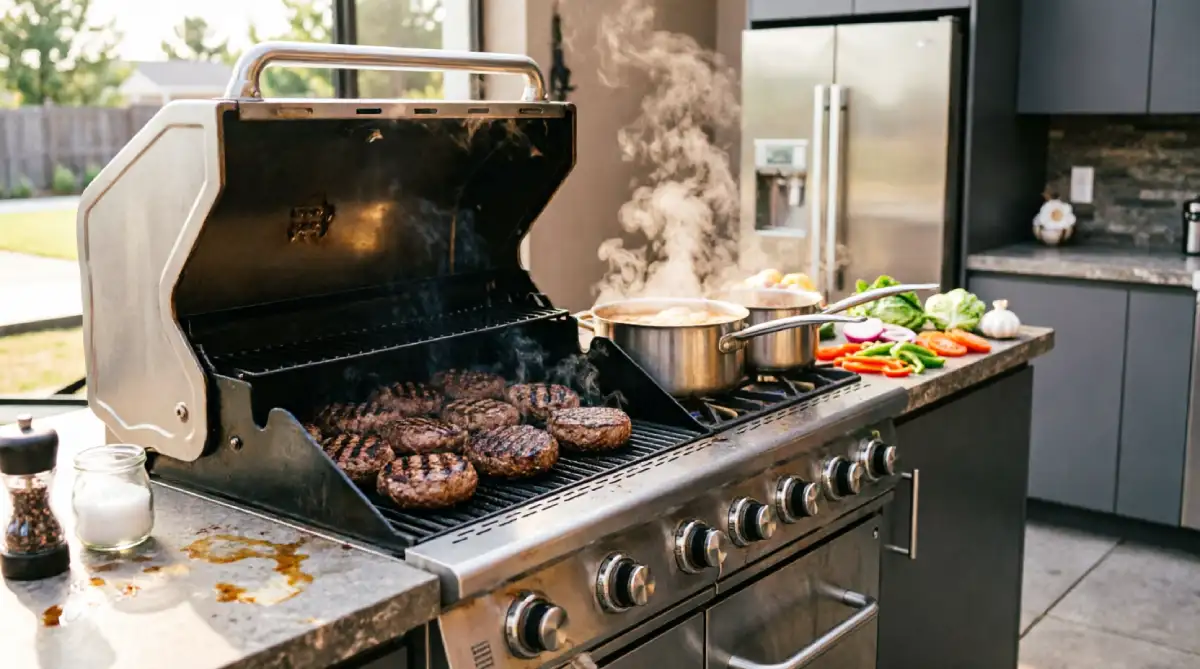
Adding side burners or additional cooking surfaces expands your menu possibilities beyond grilling alone. Whether it’s a gas burner for sautéing, a griddle for breakfast foods, or a wok station for stir-fries, multiple cooking zones increase versatility. I usually recommend at least one side burner for sauce preparation.
This works because it allows you to prepare complete meals outdoors without juggling indoor and outdoor cooking. You can simmer sauces, sauté vegetables, or keep side dishes warm while the main protein cooks on the grill. It creates a truly self-sufficient outdoor cooking environment.
In many homes, I’ve noticed outdoor kitchens limited to just a grill, forcing cooks to run inside for basic tasks. A common issue is installing side burners without adequate counter space nearby for pots and ingredients, creating an inefficient workflow.
Choose burners that match your primary fuel source for simplicity, or add a separate fuel line for flexibility. Position side burners with at least 6-12 inches of counter space on either side for hot pots and prep. Consider a griddle insert for breakfast cooking or a wok burner for high-heat Asian cuisine.
10. Durable Weather-Resistant Materials
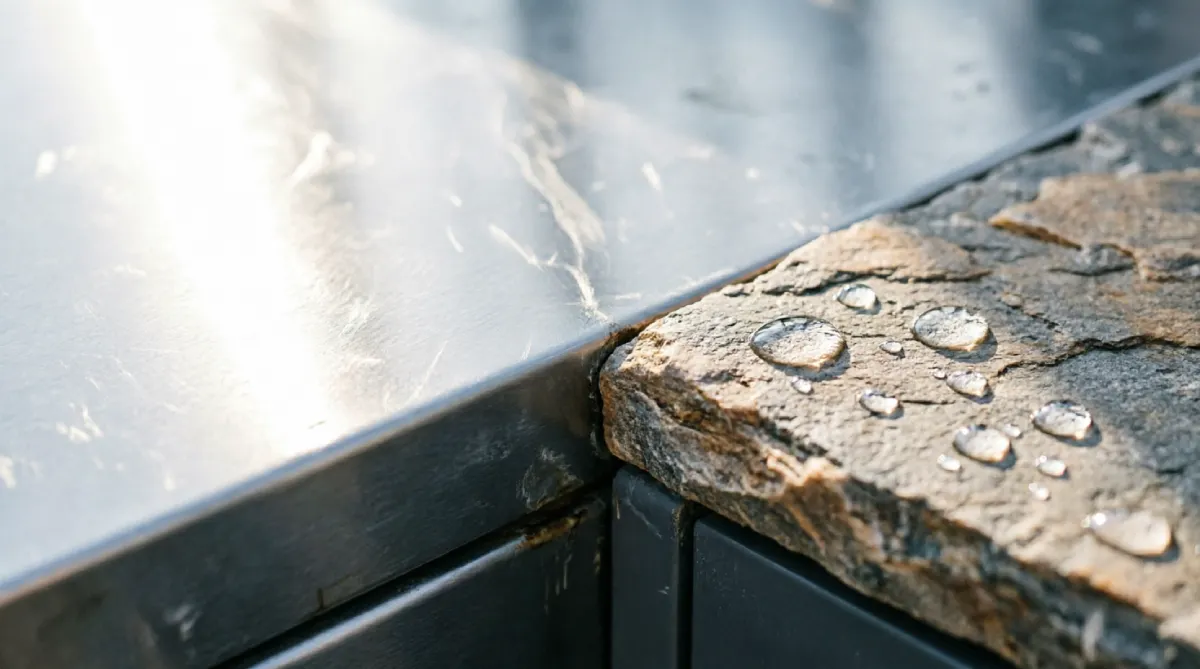
Selecting the right materials ensures your outdoor kitchen withstands sun, rain, and temperature fluctuations for years. Stainless steel appliances, stone or concrete countertops, and marine-grade cabinetry resist weather damage better than indoor-rated materials. I prefer materials that age gracefully and require minimal maintenance.
This works because it protects your investment and reduces long-term replacement costs. Outdoor-rated materials won’t warp, rust, or fade quickly, maintaining both function and appearance. You’ll spend less time on repairs and more time enjoying your cooking space.
I’ve seen outdoor kitchens built with indoor materials that deteriorated within a single season. A common issue is using wood cabinetry without proper sealing or choosing countertop materials that crack in freeze-thaw cycles. Many homeowners don’t realize that indoor and outdoor materials have vastly different durability requirements.
Choose 304-grade stainless steel for appliances and hardware, natural stone or poured concrete for countertops, and powder-coated aluminum or teak for cabinetry. Avoid materials that absorb water or degrade in UV exposure. Ensure all fasteners and hardware are corrosion-resistant for coastal or high-humidity areas.
11. Smart Storage for Grilling Tools
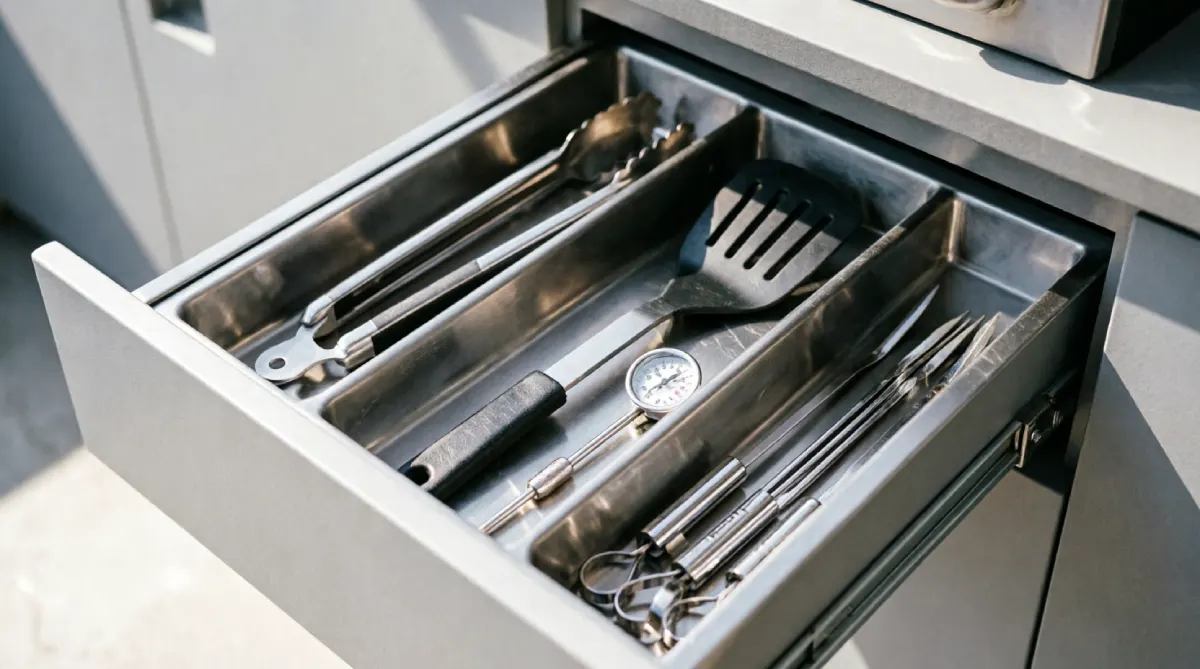
Dedicated storage for grilling tools keeps essentials organized and protected from the weather. Drawer systems, tool racks, and specialized cabinets designed for outdoor use prevent rust and damage while keeping spatulas, tongs, and thermometers readily accessible. I recommend drawer dividers to separate different tool types.
This works because it extends the life of your tools and streamlines your cooking process. When you know exactly where everything is, you’re not fumbling through cluttered drawers mid-cook. Protected storage also prevents weather damage that leads to frequent tool replacement.
In many homes, I’ve seen grilling tools left exposed or stored in standard indoor drawers that trap moisture. A common improvement is installing stainless steel or weatherproof drawers with proper drainage and ventilation. Many people overlook the need for dedicated tool storage until rust becomes a problem.
Install deep drawers with stainless steel liners or powder-coated finishes. Add custom dividers or peg systems to organize tools by function. Include a dedicated spot for fuel accessories like lighter fluid, chimney starters, and extra propane tanks. Consider a locking cabinet for valuable items if your kitchen is in an open area.
12. Outdoor Dishwashing and Cleanup Station
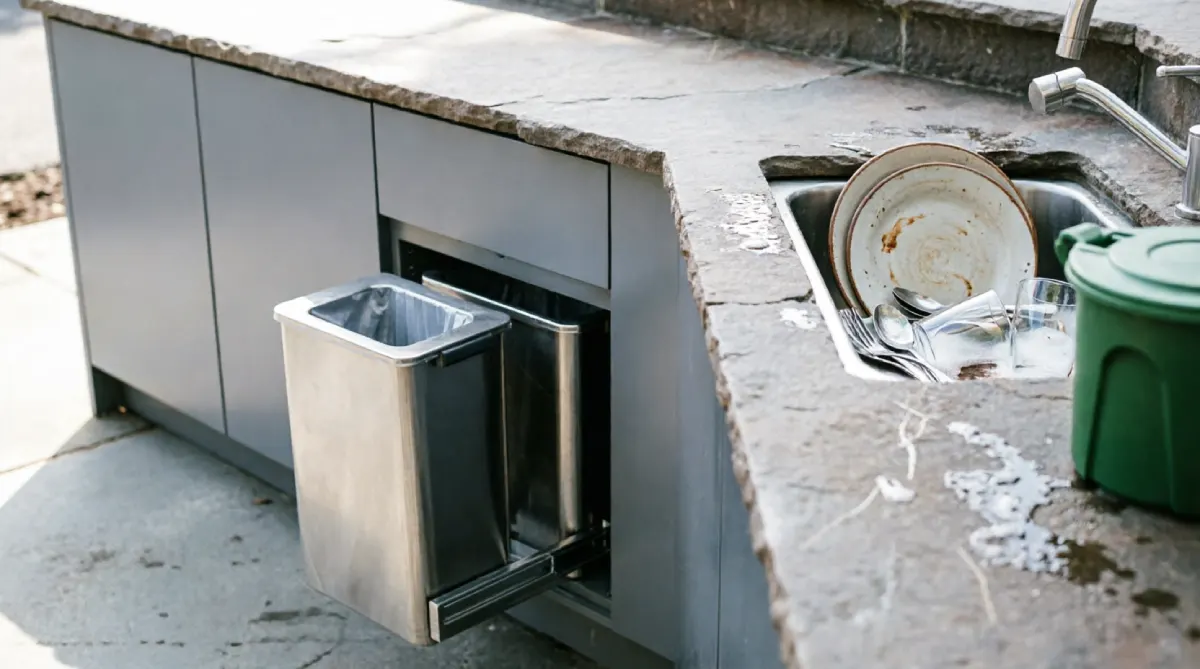
A designated cleanup area with proper drainage keeps your outdoor kitchen functional and hygienic. This goes beyond just a sink—it includes space for sorting dirty dishes, temporary storage before washing, and proper waste disposal. I prefer a two-zone system: one area for prep sink use and another for cleanup.
This works because it prevents the post-meal chaos that often discourages people from using their outdoor kitchens. When you have a clear system for handling dirty dishes, the cleanup process becomes manageable rather than overwhelming. It also keeps food waste and dirty dishes contained outdoors.
I’ve noticed that many outdoor kitchens lack adequate waste management planning. A common issue is having only a small trash bin that overflows during parties, or no composting option for food scraps. Many homeowners don’t consider the full cleanup workflow during the design phase.
Install a large-capacity trash and recycling station with pull-out bins for easy access. Add a separate compost bin for food scraps if local regulations allow. Include a dish drying rack or designated counter space for air-drying items. Consider a small dishwasher rated for outdoor use if your budget allows and you entertain frequently.
13. Portable Cart for Flexible Cooking Space
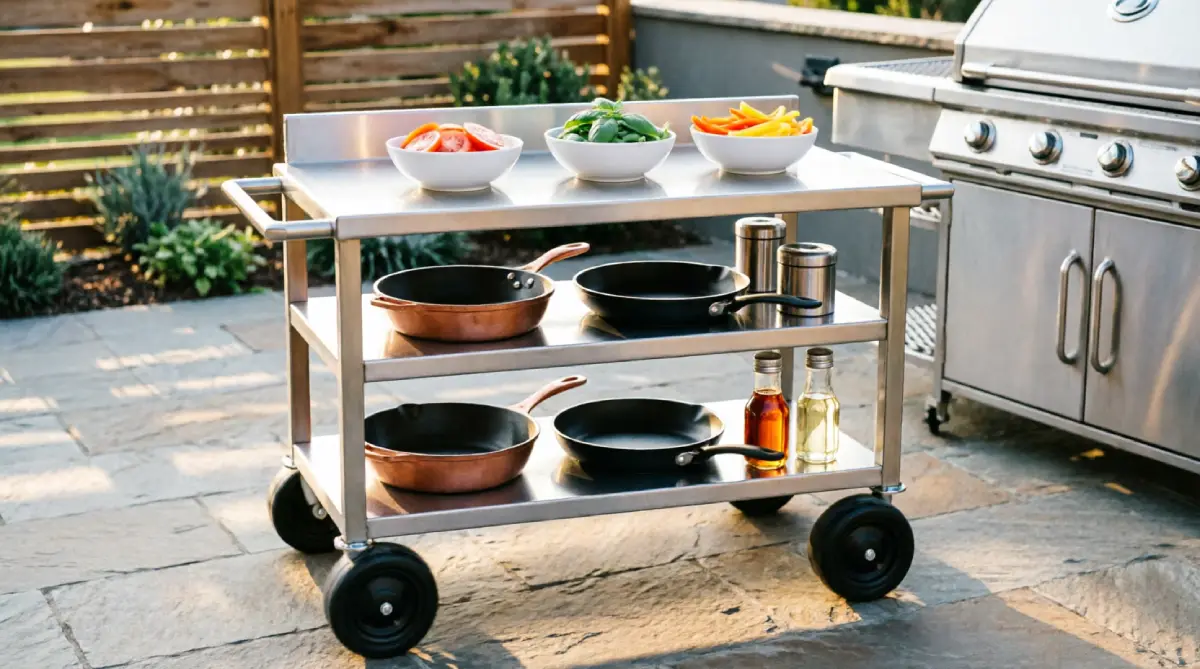
A mobile outdoor kitchen cart provides additional prep space and storage that can be repositioned based on your needs. These versatile units offer extra counter space, shelving, and sometimes even small grills or burners. I recommend carts with locking wheels for stability during use.
This works because it adds flexibility to your outdoor cooking setup without permanent construction. You can move the cart closer to the grill when serving, position it as a buffet station during parties, or tuck it away when you need more floor space. It’s especially valuable for smaller outdoor kitchens.
In many homes, I’ve seen fixed outdoor kitchens that feel cramped during large gatherings. A common improvement is adding a mobile cart that provides overflow prep space and can serve as a beverage station or dessert bar. Many people don’t realize how much flexibility a simple cart can add.
Choose a cart with weather-resistant construction, ample storage shelves, and sturdy locking casters. Look for models with stainless steel tops or teak surfaces that can handle heat and weather. Ensure the cart is large enough to be useful but compact enough to maneuver easily through your space.
Practical Tips
- Plan your workflow first – Map out the cooking triangle between the grill, prep area, and sink before finalizing your layout.
- Invest in quality over quantity – One high-quality outdoor-rated appliance beats three cheap ones that fail after one season.
- Consider your climate – Choose materials and coverage based on your local weather patterns, not just aesthetics.
- Leave room to grow – Design with expansion in mind; you might want to add features later.
- Test before finalizing – Set up a temporary outdoor cooking station to identify workflow issues before permanent construction.
- Budget for utilities – Don’t forget costs for gas lines, electrical work, and plumbing when planning your outdoor kitchen.
Common Mistakes to Avoid
- Underestimating counter space needs – Cramping your cooking area with insufficient prep space creates frustration during actual use.
- Using indoor-rated materials outdoors – Standard cabinets and appliances deteriorate quickly when exposed to weather.
- Poor ventilation planning – Enclosed cooking areas without proper airflow trap smoke and heat, creating uncomfortable conditions.
- Ignoring storage requirements – Failing to plan adequate protected storage leaves tools and supplies vulnerable to weather damage.
- Overlooking lighting needs – Relying only on ambient lighting makes evening cooking unsafe and inefficient.
Comparison Table
| Feature | Best Option | Why It Works |
|---|---|---|
| Countertop Material | Natural stone or concrete | Weather-resistant, durable, handles temperature changes |
| Grill Type | Built-in stainless steel | Permanent, efficient workflow, professional appearance |
| Storage | Combination open/closed | Balances accessibility with weather protection |
| Coverage | Pergola with adjustable louvers | Flexibility for sun/shade, proper ventilation |
| Refrigeration | Outdoor-rated under-counter | Withstands weather, energy-efficient, and convenient access |
| Lighting | Layered LED system | Energy-efficient, task-specific, adjustable ambiance |
FAQs
What is the best way to plan an outdoor kitchen layout?
Start by identifying your primary cooking activities and map a workflow triangle between your grill, prep area, and sink. Position frequently used items within easy reach and ensure at least 36 inches of walkway space for comfortable movement.
Can I install an outdoor kitchen myself?
Simple setups with portable grills and basic counters are DIY-friendly. However, permanent installations requiring gas lines, electrical work, or plumbing should be handled by licensed professionals to ensure safety and code compliance.
Is it expensive to build an outdoor kitchen?
Costs vary widely based on size and features. Basic setups start around $3,000-$5,000, while fully equipped custom kitchens can exceed $20,000. Focus on essential elements first and add features over time as budget allows.
How do I protect my outdoor kitchen in winter?
Use weatherproof covers for grills and appliances, drain and shut off water lines in freezing climates, and store cushions and portable items indoors. Proper covers and maintenance significantly extend equipment lifespan.
What maintenance does an outdoor kitchen require?
Regular cleaning after use, seasonal deep cleaning of appliances, checking for rust or weather damage, and ensuring proper drainage. Stainless steel benefits from occasional polishing, and stone counters may need resealing every 1-2 years.
Conclusion
Creating a functional outdoor kitchen doesn’t require endless space or unlimited budgets—it requires thoughtful planning and the right features for your cooking style. These 13 summer outdoor kitchen ideas for better cooking focus on practical elements that genuinely improve your outdoor cooking experience, from built-in grill stations and weather protection to smart storage and flexible layouts.
The key is starting with your actual cooking needs rather than copying magazine spreads. Prioritize durable materials, efficient workflow, and adequate prep space. Add features like pizza ovens or bar seating based on how you actually entertain, not what looks impressive in photos.
Remember that the best outdoor kitchen is one you’ll use regularly. Start with essentials, leave room for future additions, and choose quality materials that withstand your local climate. With these ideas as your guide, you’re ready to create an outdoor cooking space that makes summer gatherings more enjoyable and meal preparation genuinely fun.
