

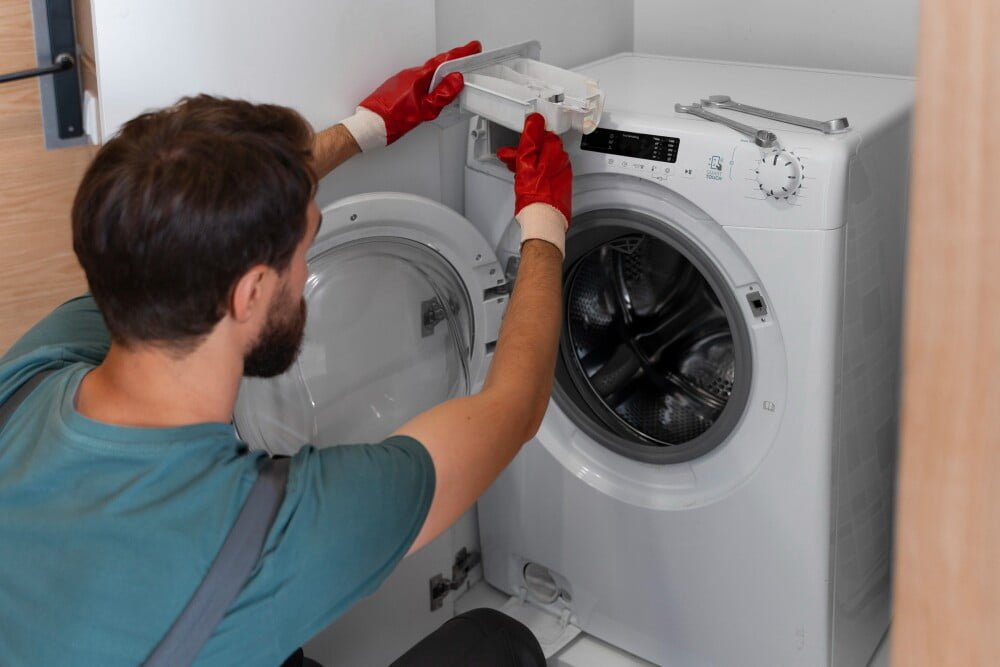
[Washing machine overflowing? A single overflow can cause $2,000+ in water damage. This step-by-step guide helps you troubleshoot drain blockages, faulty inlet valves, and pressure switch failures—fast.
Why Is My Washing Machine Overflowing?
There’s nothing worse than opening the laundry room to find ankle-deep water—especially after you just wanted to wash a load of towels. Before you touch anything: unplug the washer or flip the circuit breaker. Water + electricity = no second chances. Then, it’s detective time – inspect the washing machine around the back and see if there’s an issue with how your machine is connected to the water source. Sometimes, a clogged washer drain or a kink in the hose can cause the washer to overflow.
If your laundry room floor looks like a shallow pool, the drain cycle is likely overwhelmed—either from a blockage or a component failing mid-cycle. Check behind your washing machine for any blockage that might be messing with the plumbing lines and causing the overflow and flooding. If water from the washing machine is still making a break for it after you’ve done all this, it might be time to call in a pro to fix your washing machine.
Remember, overloading your washing machine with laundry can also cause an overflow. The water level is reached, and more water is required to soak your mountain of clothes, which can cause overflow. And if you’ve got a front-loading machine, be mindful of detergent – using too much detergent—especially non-HE (High-Efficiency) detergent in high-efficiency front-loaders—creates excess suds that trap water, trigger sensor errors, and cause overflow. Always use HE-labeled detergent and follow the manufacturer’s dosage chart. Catch overflow signs early—like slow draining or unusual noises—and you’ll avoid the real headache: black mold growing behind your washer.
Understanding the Common Causes of Washing Machine Overflow
Whether you own a front-load or top-load washing machine, overflow causes differ slightly, but various factors like clogged drain pipes, faulty water inlet valves, or a malfunctioning water level pressure switch can trigger overflows. Overflowing washing machines can lead to water damage, mold growth, and costly repairs if not addressed promptly.
How a Faulty Water Inlet Valve Can Cause Overflow
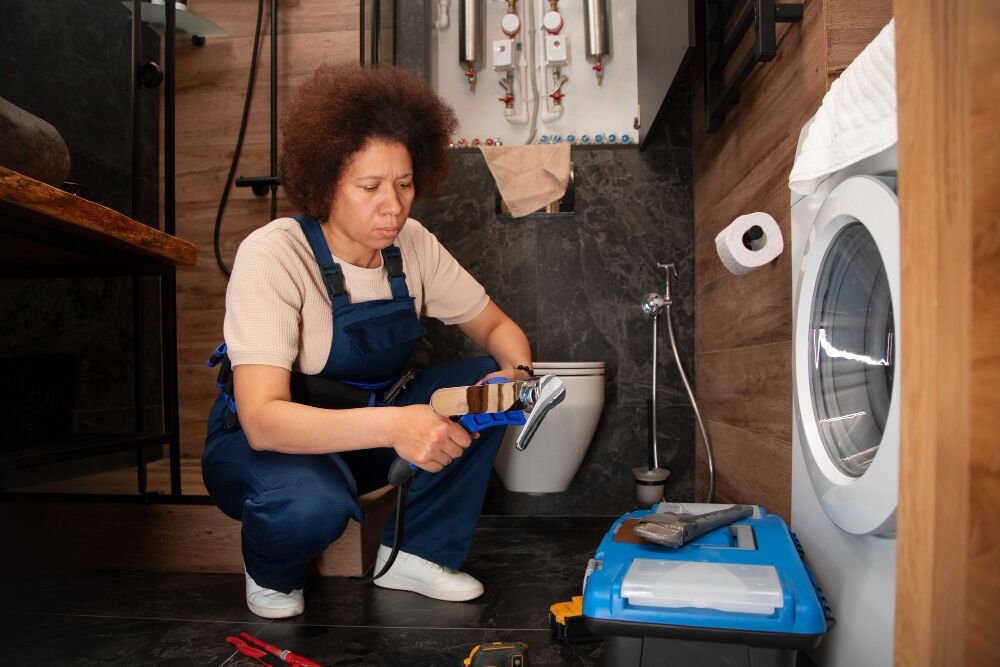
The water inlet valve controls the flow of water into the washing machine. If this valve fails, it can cause an excessive amount of water to enter the machine, leading to the washing machine overflowing. Replacing the water inlet valve may be necessary to fix the problem.
Inspecting the Water Level Pressure Switch for Defects
The water level pressure switch monitors the water level in the washing machine and signals when the desired level is reached. A defective pressure switch can cause the washer to overfill, resulting in the washing machine overflowing. Use a multimeter set to continuity mode to test the pressure switch terminals—if no beep registers when blowing into the hose tube, the switch likely needs replacement. Inspect and replace the switch if necessary.
How to Prevent a Washing Machine from Overflowing
Quick Overflow Triage: If water is rising fast, (1) unplug the washer, (2) shut off both hot/cold supply valves, (3) pull the drain hose from the standpipe to relieve pressure. Then proceed to the diagnostics below. Let’s be real: a flooded laundry room isn’t just messy—it’s a race against time to protect your floors, walls, and peace of mind.
Regular Maintenance Tips for Your Washing Machine
Preventive maintenance is key to avoiding washing machine overflow problems. Clean the lint trap regularly, inspect hose connections for leaks, and replace worn-out hoses to prevent water damage. Stainless steel braided hoses are recommended for their durability.
Proper Detergent Use and Preventing Suds Overflow
Using too much detergent can cause excessive suds and bubbles, leading to an overflowing washing machine. Look for the HE certification logo on detergent packaging; non-HE formulas create excess suds that overwhelm the drain system in high-efficiency washing machines. Always follow the manufacturer’s recommendations for detergent amounts based on your laundry load size. Avoid using liquid fabric softeners, as they can contribute to suds buildup.
Adjusting Water Level Settings to Match Laundry Load
Overstuffing the washing machine or using too much water for a small load can lead to the washing machine overflowing. Check your washer’s water level settings and adjust them based on the size of your laundry load. This simple step can prevent water spills and overflows.
Diagnosing Washing Machine Drain and Water Flow Issues
Okay, so you’ve hit a snag because your washing machine is overflowing? That’s a messy situation! Follow this diagnostic flow: 1. Power off + shut water supply. 2. Inspect drain hose for kinks (min. 30° bend radius). 3. Test standpipe height (18–42 inches per UPC). 4. Run a drain-only cycle to isolate pump vs. blockage. 5. Check pressure switch hose for cracks/leaks. A little detective work could save you a big headache.
Checking the Drain Hose for Clogs or Improper Installation
A clogged or kinked drain hose can prevent proper water drainage, causing the washing machine to overflow. Inspect the drain hose for clogs, blockages, or improper installation, and clear or reposition it as needed. Ensure the hose is not kinked or bent, allowing for smooth water flow.
Ensuring Proper Water Flow and Pressure to Your Washer

Inadequate water pressure or a restricted water supply can hinder the washing machine’s ability to fill and drain correctly. Check your home’s water pressure (ideally 20 psi or higher) and ensure the hot and cold water supply hoses are not kinked or obstructed.
Assessing Standpipe and Drainage System to Prevent Backflow
If the washing machine drain hose is connected to a standpipe or drainage system, ensure it is installed correctly to prevent water backflow. Ensure your standpipe includes a properly vented P-trap; a missing or dry P-trap can cause airlock issues that slow drainage. Per UPC plumbing code guidelines, standpipes should be 18–42 inches tall with a 1½-inch minimum diameter. Improper installation can cause water to back up into the washer, leading to overflow problems.
How to Fix a Washing Machine That Won’t Drain Properly
Clearing Clogs from the Washer’s Drain System
Clogs in the washing machine’s drain pump, drain hose, or drain line can prevent proper water drainage. After disconnecting power, access the drain pump filter and manually rotate the drain pump impeller—if it feels gritty or stuck, debris like coins or lint is likely obstructing water flow. Disconnect the drain hose and use a plumber’s snake or compressed air to clear any blockages. Removing lint, debris, or foreign objects from the drain system can often fix the problem.
Replacing or Repairing Faulty Washer Components
If clearing clogs doesn’t resolve the issue, you may need to replace faulty components like the drain pump, water inlet valve, or pressure switch. Refer to your washer’s manual or consult a professional for guidance on repairing or replacing these parts.
Troubleshooting the Control Panel and Power Supply
In some cases, a malfunctioning control panel or power supply issue can prevent the washing machine from properly draining. Before inspecting control panels: (1) unplug the washer or switch off the circuit breaker, (2) use a multimeter to test for residual voltage, (3) reference your model’s error code chart (e.g., Whirlpool F5E1 = drain timeout). Inspect the control panel for error codes or signs of failure, and check the power supply connections. Resetting or replacing these components may be required.
Professional Intervention vs. DIY: When to Call a Technician
Identifying Problems That Require Professional Expertise
While some overflow and drain issues can be resolved with DIY fixes, others may require the expertise of a professional appliance repair technician. If you’re unsure about the root cause or feel uncomfortable performing repairs, it’s best to seek professional assistance.
DIY Fixes for Simple Overflow and Drain Issues
For minor clogs, hose kinks, or detergent buildup, DIY solutions may be sufficient. Follow the manufacturer’s troubleshooting guide and take safety precautions, such as cutting power to the washer and turning off the water supply.
Safety Considerations When Repairing Washing Machine Problems
Always prioritize safety when attempting washing machine repairs. Disconnect power, turn off the water supply, and use caution when handling electrical components or working with water. Wear protective gear if necessary, and don’t hesitate to call a professional if the repair seems beyond your skill level.
Preventing Future Washing Machine Overflows and Drain Problems
Implementing Routine Maintenance Schedules for Your Washing Machine
Regular maintenance is crucial to prevent washing machine overflow and drain issues. Establish a routine schedule for cleaning the lint trap, inspecting hoses, and checking for leaks or clogs. Addressing minor issues promptly can prevent major problems down the line.
Upgrading Old Hoses and Components to Avoid Future Leaks
If your washing machine is older, consider replacing worn-out hoses and components with newer, more durable alternatives. Investing in high-quality, stainless steel braided hoses and updated parts can help prevent future leaks and overflows.
Educating Household Members on Proper Washing Machine Use
Improper use, such as overstuffing the washing machine or using excessive detergent, can contribute to overflow issues. Educate all household members on the correct way to operate the washing machine, including load sizes and detergent amounts. This simple step can go a long way in preventing future problems.
People Also Ask
What would cause a washing machine drain to overflow?
Common causes of washing machine drain overflows include clogged or kinked drain hoses, faulty drain pumps, improper standpipe installation, and restricted water flow or pressure.
How do you fix a washing machine that overflows?
To fix an overflowing washing machine, start by turning off the water supply and power. Then, check for clogs in the drain hose and pump, inspect the water inlet valve and pressure switch, and adjust the water level settings. If the issue persists, you may need to replace faulty components or seek professional repair services.
What to do if your washing machine floods?
If your washing machine floods, immediately turn off the water supply and power to prevent further water damage. Mop up any standing water, use fans and a dehumidifier to dry the area, and inspect for mold or mildew growth. Depending on the extent of the damage, you may need to hire a water damage restoration company.
Why is too much water coming out of my washing machine?
Too much water coming out of a washing machine can be caused by a faulty water inlet valve, a malfunctioning water level pressure switch, or a blocked drain hose or pump. It can also occur if the washing machine is overstuffed or the water level settings are incorrect ]
