

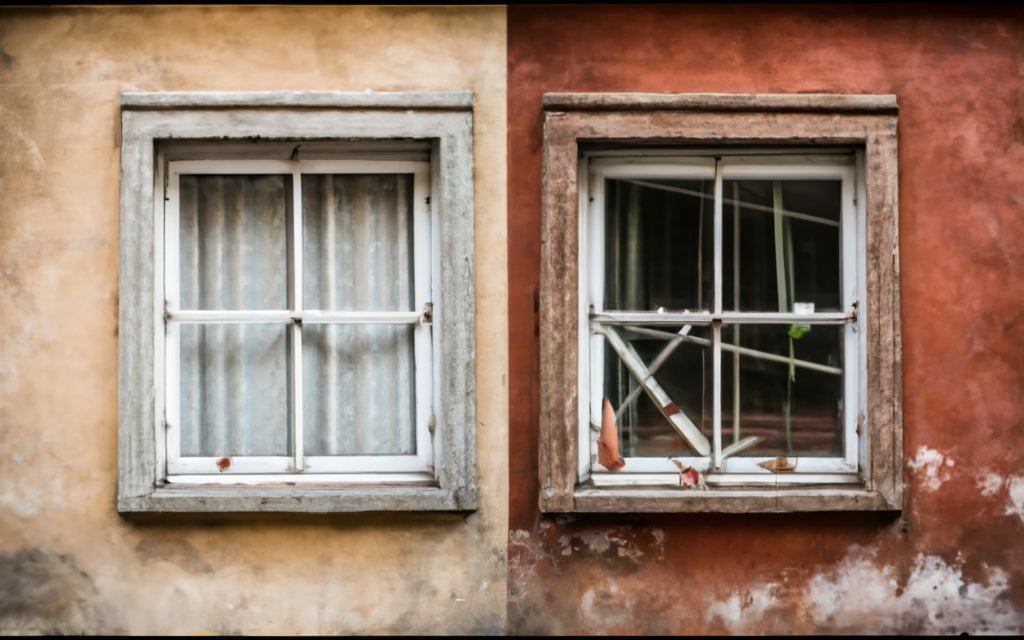
Looking out through a clean, modern window can make all the difference in how you experience your home. Most people don’t give much thought to their windows until problems arise – drafts, leaks, fogging, stuck sashes. But window replacement doesn’t need to be a reaction to issues. Upgrading your windows can enhance comfort, efficiency, curb appeal, and resale value.
The key is selecting replacement windows tailored to your climate, home style, and priorities. With the right guidance, you can determine what window types work best where in your spaces. This article will illuminate all the factors around window replacements so you can make informed decisions. We’ll compare different window replacement types, materials, features, and more, so you can frame your rooms with the perfect views.
Why Consider Replacing Windows?
Many homeowners opt to replace windows due to age and wear. Windows have moving parts and seals that deteriorate over time. Or the panes can become so outdated or inefficient compared to modern technology.
Window replacement can solve a multitude of issues:
- Draftiness – Gaps and leaks let in cold air.
- Noise – Older windows offer little sound dampening. Modern laminated glass with interlayer coatings can significantly reduce exterior noise – a worthwhile upgrade if you live near busy roads or airports.
- Limited functionality – Stuck sashes, failed lifts, detached screens.
- Energy inefficiency – Most windows have a lifespan of 20-30 years. Newer windows provide better insulation.
- Condensation buildup – Fogging between panes often signals a failed seal, letting moisture in and reducing the insulating gas fill.
- Appearance – Fogging, peeling paint, or exterior damage can be an eyesore.
Upgrading your windows can also enhance living spaces. New windows attract buyers, as replacement is something home seekers expect.
The Window Replacement Process
Window replacement projects start with an assessment of your existing windows. This includes:
- Testing functionality of sashes, locks, lifts, and screens
- Checking for rot, cracks, leaks, and air infiltration
- Verifying measurements
Professional installers will examine interior and exterior conditions to determine whether insert or full-frame replacement is recommended.
Insert vs Full Frame Replacement
There are two main window replacement approaches:
- Insert – The window sash and frame components are removed and replaced while retaining the existing frame. This is less invasive and more affordable.
- Full frame – The entire window unit is removed and replaced with a new construction-style window. This provides a custom fit but requires more extensive work, including removal of interior trim and sometimes exterior siding.
Factors That Impact Window Replacement Cost
Several elements contribute to the overall project cost:
- Window types – Picture windows, double hung, casements, awnings, sliders, etc. Simpler fixed or single-hung windows tend to cost less, while bay, bow, and specialty shape windows command higher prices due to their complexity.
- Materials – Wood, vinyl, fiberglass, aluminum, composite
- Energy efficiency features – Low-E coatings, gas fills, triple glazing
- Size and number of windows
- Accessibility of windows – Height, removal of trim or siding
- Installation method – Insert or full-frame replacement
- Contractor’s labor rate
Be sure to get quotes from 2-3 reputable contractors. Expect to invest $400-$800 per window for professional installation. Specialty shapes, bay configurations, and impact-rated windows will sit at the higher end of that range.
Choosing the Optimal Window Replacement Types
One of the biggest decisions is selecting window styles tailored to the room function and home architecture.
Common Window Replacement Types
There are over a dozen window configurations to consider. Some basics:
- Double Hung – Two sashes slide vertically past each other, useful for ventilation. Available in different glazing configurations. Most common replacement window. Many modern double-hung models feature tilt-in sashes, which allow you to swing both the upper and lower sash inward for easy cleaning from inside your home — a practical feature that nearly all quality brands now include. If you plan to use a window air conditioning unit, double-hung windows are one of the few styles that can accommodate one, though some replacement models with higher sill trim may require shimming to stabilize the unit.
- Single Hung – One fixed top pane, one operable bottom sash. Traditional look, generally less expensive than double-hung counterparts. The sealed top sash can offer slightly better resistance to air infiltration.
- Casement – Side-hinged sash that cranks open outward. Provides full ventilation and an airtight seal when closed, since the sash presses tightly against the frame. Popular replacement option. One thing to note: window air conditioners cannot be installed in casement windows, so consider this if you rely on a unit for cooling.
- Awning – Top-hinged sash that swings outward. Similar to a casement in its tight seal and crank operation. Ideal above doors, countertops, or in areas where you want to let air in, even during light rain.
- Slider – Horizontal-gliding sashes. Easy to open where vertical clearance is limited, such as behind a kitchen sink or over a washer/dryer. Wider sliders can frame generous outdoor views.
- Picture – Fixed non-operable glass. Excellent light transmission and airtight by nature. Common above sinks or in high or recessed areas where ventilation isn’t needed. Available with decorative glass accents and textures, or in unusual geometric shapes to add character.
- Garden – A projecting window with shelving space and operable side panels. Often installed in kitchens and laundry rooms, garden windows create a small display area for plants, herbs, or décor. Some homeowners customize the seat board with quartz or granite and add hard-wired LED lighting for an indoor growing space that works year-round.
- Hopper – Hinged at the bottom and opening inward from the top. Hoppers are the standard choice for basements, garages, and attics — any room with limited wall space that still needs light and airflow. Their inward-opening design works particularly well in underground basement walls where only a few feet of exterior clearance exists.
- Specialty Shapes – Custom configurations including arched tops, transoms, sidelights, circles, and other geometric forms. These are ordered to fit unique openings and are commonly paired with entryways, gable ends, or as accent windows above standard units.
Bedroom Window Replacement Types
Bedrooms have different needs than common living areas. Key factors for bedroom window replacements:
- Light & Views – Large windows draw in natural light and scenery. Consider picture or double-hung configurations.
- Ventilation – Opening windows facilitates air circulation. Casements and double hungs allow fresh air intake. A double-hung with an operable top sash is especially useful in bedrooms — you can open the upper portion to let warm air escape while keeping the lower sash secured, which is a meaningful safety consideration if you have small children.
- Privacy – Strategically placed windows prevent sightlines from neighboring homes.
- Emergency exit access – Bedrooms should have at least one window meeting emergency egress codes. Verify that your replacement window meets the minimum opening size required by local building codes.
- Noise reduction – If your bedroom faces a busy street, consider windows with laminated glass. The interlayer between panes dampens sound transmission noticeably compared to standard double-pane glass.
- Energy efficiency – Bedrooms see a lot of idle time. Invest in low-E coatings and quality weatherstripping to prevent heat loss during long overnight hours.
Well-placed windows can really make a bedroom feel tranquil and welcoming.
Kitchen Window Replacement Types
Kitchen windows see heavy activity and require durable materials. Key considerations:
- Daylighting – Abundant natural light makes kitchen tasks easier and safer. Maximize window size and height.
- Ventilation – Steam, grease, and food odors necessitate good airflow. Casements and awnings crank open fully for ventilation and seal tightly when closed.
- View access – People congregate in kitchens. A picture window over the sink provides outdoor views and a sense of connection. If you’d also like a display area for plants or herbs, a garden window projects outward to create shelf space right above the countertop — a natural fit for this room.
- Easy cleaning – Grease splatter and cooking mess demand accessible washing. Casement, double-hung (with tilt-in sashes), and awning styles all allow interior cleaning without going outside.
- Durability – Withstand bangs from pots and errant kitchen tools. Seek impact-resistant glass if your kitchen sees heavy use.
The kitchen is often called the heart of the home. Well-designed windows keep it bright, breezy, and connected to outdoor beauty.
Bathroom Window Replacement Types
Bathrooms present unique challenges — constant humidity, the need for ventilation, and a requirement for privacy. The right window addresses all three.
- Humidity resistance – Bathrooms generate moisture daily. Materials like vinyl and fiberglass handle humid environments well without warping or requiring frequent refinishing. Wood frames in bathrooms need careful sealing and adequate overhangs to prevent moisture damage.
- Ventilation – Proper airflow prevents mold and mildew. Awning and casement windows crank open to expel humid air efficiently. Sliding windows also work well in bathrooms, offering horizontal ventilation without requiring the clearance that a swinging sash needs.
- Privacy – Bathroom windows must balance light with discretion. Obscured, frosted, or textured glass lets natural light in while blurring visibility from outside. Acrylic block windows are another strong option — made from resin injected into molds, they diffuse light beautifully while providing complete privacy. Acrylic blocks are lightweight and available in operable configurations (single-hung, casement, awning, hopper, and slider), so you don’t have to sacrifice ventilation for privacy.
- Window placement – Higher-mounted windows preserve wall space for fixtures while still admitting light. Awning and hopper styles placed above eye level are common in bathrooms for this reason.
A well-chosen bathroom window keeps the space bright, private, and free of excess moisture.
Living Room Window Replacement Types
Windows anchor living rooms by bringing in scenic views and abundant natural light. Some factors to consider:
- View framing – Picture windows beautifully frame exterior vistas of gardens, landscapes, or cityscapes. For a more dramatic effect, consider a bay or bow window configuration. Bay windows feature a central picture panel flanked by two narrower side windows (often casements or double-hungs), creating a boxy projection. Bow windows use three or more equal-width panels arranged in a gentle curve. Both add depth, light, and a natural display area for plants, photos, or seasonal décor — and they create a striking focal point from the exterior.
- Daylighting – Large vertical windows allow sunlight to fill the interior space.
- Style matching – Select window types and trim that match the home’s architecture. If your home has traditional styling, wood or wood-clad windows with custom grid patterns can reinforce that character. Modern homes often suit the clean lines of aluminum-clad or fiberglass frames.
- Insulation – Living rooms need excellent insulation to prevent heat loss, given their large window-to-wall ratios. Prioritize energy efficiency with low-E glass, quality spacers, and proper weatherstripping.
- Furniture planning – Ensure windows and furnishings have sensible adjacencies so seating can capitalize on views and daylight. Bay and bow projections, for example, create a natural nook for a reading bench or window seat.
Thoughtful living room window planning captures beautiful outdoor light and scenery.
Entryway Window Replacement Types
Entryways greet residents and guests, setting first impressions. Tailor entry windows based on:
- Visibility – Small picture windows next to doors enable residents to identify visitors before opening.
- Natural light – Sidelights and transom windows over entry doors brightly illuminate mudrooms and foyers.
- Curb appeal – Specialty windows and glass designs make distinctive statements and enhance aesthetics. Decorative glass options — including beveled, leaded, or textured patterns — add character without compromising function.
- Energy efficiency – Seal off vestibules from living spaces with well-insulated glass to prevent heat loss.
- Safety – Laminated glass sidelights and transoms resist breakage and tampering.
Attractive, secure entryway windows improve first impressions and safety.
Basement Window Replacement Types
Basements are often overlooked during window planning, yet the right windows transform a dark, stuffy space into a usable part of the home.
- Hopper windows are the standard choice for basements. Because they hinge at the bottom and open inward from the top, they fit comfortably within the short wall height typical of underground spaces. When open, they draw in fresh air; when closed, they seal tightly.
- Light and egress – Building codes in many areas require at least one egress-capable window in a finished basement bedroom. Verify that your replacement window meets the minimum opening dimensions for the emergency exit.
- Material selection – Basement environments tend to be damp. Vinyl and fiberglass frames resist moisture-related deterioration better than unfinished wood. Ensure proper exterior drainage and flashing around basement window openings to prevent water infiltration.
Even in spaces where ventilation isn’t a priority, a well-placed fixed or hopper window brings in daylight that makes the basement feel like a genuine extension of your living area.
Comparing Window Materials: Pros and Cons
In addition to style, window frame materials impact longevity, insulation, appearance, and pricing. Let’s examine key materials vying for your window replacement project.
Vinyl:
The most popular replacement window frame option. Vinyl is affordable, low-maintenance, and offers good insulation. Suits most architectural styles. Premium vinyl frames use multi-chambered construction, where the interior of the frame is divided into separate air pockets that resist heat transfer and reduce condensation. Vinyl comes in a range of exterior and interior colors, including laminate finishes that replicate the look of natural wood grain. However, most vinyl frames cannot be painted or stained after installation — so if coordinating with your home’s exterior color scheme is important, verify the available color options before purchasing. Vinyl frames also tend to offer fewer hardware style choices compared to all-wood frames. More prone to expansion and contraction than wood or fiberglass, which can be a consideration in climates with extreme temperature swings.
Wood:
Classic appeal of traditional homes. Wood is highly customizable — it can be stained, painted, or finished in virtually any color and paired with a wide range of hardware styles from period-appropriate to contemporary. The exterior of most wood windows is clad with aluminum or vinyl, which shields the wood from rain, sun, and insects while reducing maintenance. Cladding also comes in a variety of factory-applied exterior colors, eliminating the need for periodic repainting on the outside. Unclad wood exteriors, when used, require regular painting or sealing to prevent rotting and insect damage. Wood frames offer unparalleled aesthetic warmth but sit at the higher end of the price spectrum.
Aluminum:
Sleek modern look and narrow frame profiles that maximize glass area. Cost-effective and very durable. However, aluminum conducts cold and heat readily — a significant drawback in climates with temperature extremes. Thermally broken aluminum frames include an insulating barrier between the interior and exterior sections of the frame, which mitigates this issue. Aluminum-clad wood windows offer another approach: a wood interior for warmth and an aluminum exterior for weather resistance.
Fiberglass:
Increasingly common composites made of glass fibers bound by resin. Fiberglass provides structural strength, minimal expansion and contraction across temperature swings, and excellent insulation. It is among the most durable frame materials available and handles extreme climates — from severe cold to high heat and humidity — with less movement than vinyl or wood. Fiberglass frames can be painted and typically accept a range of interior wood-laminate options for a natural look. More expensive than vinyl but very long-lasting.
There are also many hybrid window replacement types combining materials for optimal performance:
- Vinyl-clad wood windows – Wood interior for warmth and stainability, protective vinyl exterior for low maintenance
- Aluminum-clad wood – Wood interior with a durable, color-finished aluminum exterior
- Fiberglass-clad wood – Interior wood with a resilient fiberglass covering that expands and contracts very little
- Fibrex® composite – A blend of reclaimed wood fiber and thermoplastic polymer that combines the insulating character of wood with the low-maintenance durability of vinyl
Composite and hybrid options balance beauty, weather-resistance and durability — particularly valuable in regions with challenging climates.
Energy Efficient Window Upgrades
Energy loss through windows accounts for up to 25% of residential heating and cooling costs.
Window replacement provides an opportunity to capitalize on major efficiency innovations:
- Glazing – Multiple panes of glass with gas fills and low-emissivity coatings significantly reduce heat transfer. Double-pane is standard; look for triple glazing if you live in a region with harsh winters or intense summer heat.
- Gas Fills – Inserting argon or krypton gas between window panes insulates better than air alone. Krypton performs at a higher level but costs more; argon offers the best balance of performance and value for most homeowners.
- Low-Emissivity Coatings – Microscopically thin metallic layers block UV rays and reflect infrared heat. In warmer climates, prioritize low-E on south- and west-facing windows to reduce cooling loads. In colder climates, low-E coatings help retain interior warmth.
- Spacers – The bar that separates glass panes matters more than most people realize. Non-conductive foam or stainless steel “warm edge” spacers prevent heat transfer and condensation at window edges — a common weak point in older or budget windows.
- Weatherstripping – Seal out drafts with flexible or rigid seals between sashes and frames. Seek triple weatherstripping for the tightest seal, particularly on operable window types like double-hung and sliders, where air infiltration is more likely.
- Condensation resistance – Rated on a scale (typically 0-100, higher is better), condensation resistance indicates how well a window resists forming moisture on its interior surface. This matters in humid climates and during cold-weather months when indoor humidity meets cold glass.
- U-factor and SHGC ratings – Use these standardized window efficiency metrics to compare products. Lower U-factors indicate better insulation; lower SHGCs (Solar Heat Gain Coefficient) mean less solar heat passes through. Your ideal ratings depend on your climate zone.
Choosing ENERGY STAR-certified windows ensures that stringent efficiency standards are met for your region.
Storm and Impact Windows
If you live in a coastal region or an area prone to hurricanes, severe wind, or flying debris, storm-rated and impact-rated windows deserve serious consideration.
- Impact windows are engineered and tested to maintain a home’s structural integrity during extreme weather events. They look and function like standard windows but use laminated or reinforced glass designed to resist penetration from windborne debris. Unlike older storm windows — which were primarily intended to improve cold-weather energy efficiency — modern impact-rated products are tested to specific pressure and missile-impact standards.
- Building codes – Many coastal municipalities now require impact-rated windows in new construction and major renovation projects. Check your local requirements before selecting standard windows for a home in a wind-borne debris zone.
- Cost and value – Impact-rated windows typically cost 20-40% more than standard replacement windows. However, they can increase resale value in hurricane-prone markets. Many insurance companies offer premium discounts for homes with impact-rated windows, and some may require them as a condition of coverage.
- Everyday benefits – Beyond storm protection, laminated impact glass also dampens outside noise and blocks UV rays more effectively than standard glass — practical advantages you benefit from year-round.
Professional Installation Guidance
Proper window replacement installation ensures weather-tight, secure, and properly functioning windows.
Here are the best practices:
- Flashing – Install flexible, waterproof membranes around the perimeter to direct water away from openings.
- Sealing – Caulk and foam perimeter gaps so water and air cannot infiltrate.
- Securing – Use long screws to firmly anchor frames to surrounding walls without distortion.
- Leveling and plumbing – Verify windows sit perfectly level and plumb for proper operation.
- Insulating – Inject low-expansion foam into gaps for increased stability and insulation.
- Adjusting and testing – Confirm easy operation and realign sashes/tracks as needed.
- Interior trim – Seal gaps with caulk and reinstall trim for a seamless aesthetic finish.
Reputable contractors will handle the entire installation process, including permitting and debris removal. Confirm that your installer provides a separate installation warranty covering workmanship — typically ranging from one to five years. This is distinct from the manufacturer’s product warranty.
Understanding Window Warranties
Before purchasing, review the warranty terms carefully. Window warranties typically cover two areas separately:
- Product warranty – Issued by the manufacturer, this covers defects in the frame, glass, hardware and seals. A standard product warranty lasts around 10 years, though many brands offer 20-year terms or limited lifetime coverage. Read the exclusions closely: some warranties cover the frame for 20 years but only cover glass seal failure for 10 years, or exclude hardware mechanisms after a shorter period.
- Installation warranty – Offered by the contractor, this covers problems that arise from the installation itself — poor sealing, improper leveling, water infiltration due to workmanship errors. These are usually shorter, from one to five years.
- Transferability – If you plan to sell your home within the warranty period, check whether the warranty transfers to the new owner. A transferable warranty adds tangible resale value.
Keep all warranty documentation, proof of purchase, and installation records organized. Some manufacturers require professional installation as a condition of the warranty — another reason to verify terms before committing.
Ongoing Window Maintenance
Regular maintenance preserves the appearance and performance of new windows.
- Glass – Clean glass several times per year using soft cloths, squeegees, and mild detergent. Avoid abrasive pads that can scratch coatings.
- Frames – Wipe vinyl, wood, and fiberglass with mild cleaner and rinse. Touch up paint on wood frames as needed to maintain the protective finish.
- Weatherstripping – Replace cracked or flattened seals to maintain the air seal. A deteriorated weatherstrip is one of the most common causes of drafts in otherwise sound windows.
- Mechanical parts – Lubricate sash tracks, hinges, and crank mechanisms if any sticking occurs. Tilt-in sash hardware should move freely — if resistance develops, a light silicone lubricant usually resolves it.
- Screens – Remove and clean window screens annually. Inspect for tears and frame damage.
- Drainage holes – Clear weep holes and exterior drainage channels of any debris clogging water flow. Blocked weep holes are a frequent cause of water pooling in window tracks.
- Professional inspection – Have windows examined by a reputable contractor every 3-5 years to check for seal failure, frame damage, or hardware issues. Address any problems promptly — small seal failures left unattended lead to gas fill loss and reduced efficiency.
With periodic cleaning and repairs, quality new windows will serve you well for decades.
Comparing Window Brands
With so many window manufacturers vying for your business, it helps to compare brands. Let’s look at a few top options across common materials.
Vinyl Window Brands
- Pella – Offering exceptional quality and customization, including interior wood laminates and a broad range of hardware finishes. Impressive warranty and wide product selection. Higher end of pricing for vinyl.
- Jeld-Wen – Reliable vinyl windows covering a range of efficiencies and styles. More budget-friendly than Pella but still has good performance.
- Milgard – Focusing on vinyl and fiberglass composites. Known for durability and energy efficiency. Good warranty, sleek hardware. Mostly servicing western states.
- Simonton – Mid-range vinyl windows are notable for sound-dampening features. Lots of specialty shapes and reliable hardware options.
- Alside – Custom-manufactured vinyl windows including double-hung, casement, bay, and garden configurations. Primarily available through independent home centers in the eastern and midwestern United States.
Wood Window Brands
- Marvin – Premier wood windows and doors featuring stunning aesthetics. Made from sustainably sourced lumber. Custom craftsmanship with high-grade hardware and extensive grid and stain options. Luxury level quality and pricing.
- Pella – Impressive wood window selection from affordable pine up to premium mahogany. Wide range of custom grid, stain, and hardware choices.
- Jeld-Wen – Attractive wood windows at accessible price points. Known for dependable hardware and weather-tight construction.
- Andersen – Popular high-end wood window brand. Elegant styles, excellent warranties, and energy-efficient offerings. Services a wide geographic footprint through authorized installers and home center partnerships.
Fiberglass Window Brands
- Marvin – Among the earliest manufacturers of fiberglass windows. Highly energy efficient, strong, and durable with minimal expansion and contraction. Custom styles available with real wood interior options. Premium quality with luxury pricing.
- Pella – Elegant fiberglass windows with high transparency. Offers natural wood interiors and robust hardware. Good warranties with a wide style selection.
- Milgard – Industry leader noted for durable and energy-efficient fiberglass frames. Large operating units and positive action locking hardware.
- Jeld-Wen – Attractive, affordable fiberglass windows in many styles. Known for quality components and reliable protection from elements.
Many of these brands are available through major home improvement retailers like Lowe’s and Home Depot, as well as through authorized independent dealers. Some product lines are exclusive to professional installers and not sold directly to consumers — another factor worth exploring when comparing options.
There are also notable brands specializing in aluminum-clad wood and other composite windows, which balance aesthetic appeal with ruggedness and weather-resistance. Evaluate options to find your perfect match!
Final Recommendations
Replacing worn or inefficient windows is one of the highest-value home improvements. New windows reduce energy costs while elevating aesthetics and comfort.
As you approach window replacement projects:
Do
- Compare styles and materials to determine optimal types for each room — consider the specific needs of kitchens, bathrooms, bedrooms, living areas, and basements
- Invest in ENERGY STAR models tailored to your climate zone
- Verify warranty terms for both the product and the installation before signing a contract
- If you live in a coastal or storm-prone area, evaluate impact-rated options seriously
- Hire reputable contractors to handle professional installation
- Maintain new windows properly to extend their lifespan
Don’t
- Neglect regular cleaning, lubrication, and inspections
- Skimp on quality to save money — better windows pay for themselves over time through energy savings and durability
- Attempt complex full-frame replacements without proper expertise
- Overlook rooms like bathrooms and basements — every window in your home contributes to comfort and efficiency
Beautiful, efficient new windows help make your house feel like home for many years to come. Frame your spaces with windows sized and styled just right, and enjoy the perfect views!
