

The average American household spends over $2,000 a year on heating and cooling — that’s nearly half of total home energy costs. The good news? There are many practical ways to lower those bills without sacrificing comfort. This guide covers proven tips and long-term strategies for cutting your heating and cooling expenses while also reducing your environmental impact. Even small changes, when combined, can make a noticeable difference in what you pay each month.
Why It’s Important to Reduce Heating and Cooling Costs
There are two key reasons why homeowners should make an effort to manage their energy use:
1. Save money. Heating and cooling costs account for nearly half of a typical household’s energy expenditures. By decreasing your home’s energy consumption, you can realize significant savings on your annual bills.
2. Help the planet. Heating and cooling homes generate a tremendous amount of greenhouse gas emissions linked to climate change. Implementing energy efficiency measures at home is one of the most impactful ways to reduce your carbon footprint.
How Heating and Cooling Systems Work
To understand where potential savings exist, it helps to first understand what makes heating and AC systems tick.
Heating Systems
There are several types of heating systems used to heat your home, with furnaces and heat pumps being the most common.
- Furnaces burn fuel like natural gas, propane, or heating oil to produce hot air that’s blown through ductwork to warm your rooms.
- Heat pumps move heat between indoor and outdoor air to provide both heating and cooling.
Factors like an old unit’s age and inefficient design can make your heating system work harder than necessary, driving up costs. Insufficient insulation and air leaks also lead to heat loss that must constantly be replaced by your heating system.
Cooling Systems
Air conditioners and heat pumps comprise most home cooling systems. Air conditioners use refrigerant to remove heat from indoor air and release it outdoors. Heat pumps can reverse their heating operation to provide cooling in the summer months.
Inefficient operation, low refrigerant, dirty filters, leaky ducts, and poor insulation cause AC systems to work harder to maintain comfort. Solar heat gain through windows and other openings also adds to the cooling load.
Tips for Reducing Heating Costs
When winter’s frigid temps have you turning up the thermostat, employ these practical tips to keep your heating bills in check:
1. Maintain Your Heating System
Just as routine oil changes boost your car’s performance, regular maintenance keeps your heating system running efficiently. The inspection frequency depends on your system type — oil furnaces should be serviced once per year, while gas furnaces need a professional check at least every two years. If you have a hot water or steam heater, ask your technician how to check water levels and add water when needed. This not only improves efficiency but also prevents costly surprise repairs.
For wood- and pellet-burning appliances, regularly clean the flue vent and use a wire brush to clean the inside of the unit periodically. Built-up residue restricts airflow and forces the system to burn more fuel to produce the same amount of heat.
During a maintenance visit, a technician will inspect components like blower motors, burners, and heat exchangers to ensure they’re operating properly. They can also check refrigerant levels and ductwork for leaks.
2. Install a Programmable or Smart Thermostat
These thermostats allow you to customize temperatures for certain times of day. Program them to automatically lower the temperature to around 60°F while you’re asleep or away at work to save up to 10% on your annual heating bills. Smart thermostats go a step further — they learn your schedule and make their own adjustments without you lifting a finger.
If you have a heat pump, avoid drastic temperature swings, which force the system into less efficient backup heating mode. Instead, maintain a moderate setting or use a programmable thermostat specifically designed for heat pump systems. These specialized models account for how heat pumps operate differently from traditional furnaces.
3. Seal Air Leaks
Cracks and gaps let heated indoor air escape while allowing cold outside air to infiltrate your home. Over time, this forces your system to work much harder than it should. Start with the obvious spots — caulk and weatherstrip windows and doors. Then look deeper:
- Plumbing penetrations — gaps where pipes pass through exterior walls or floors
- Utility cut-throughs — openings for electrical wiring, cable lines, or gas pipes
- Recessed lights in insulated ceilings, which can allow air to pass directly into the attic
- Gaps around chimneys where they meet the ceiling or wall
- Unfinished spaces behind kitchen cupboards, closets, and bathroom vanities that connect to exterior walls
If you’re unsure where your home is losing air, a blower door test performed during a professional energy audit can pinpoint exactly where leaks exist.
4. Let the Sun Shine In
On sunny winter days, open blinds or curtains on south-facing windows to allow solar heat to warm your rooms for free. Close them at night to create an insulating barrier against cold glass. For windows that feel particularly drafty even after weatherizing, consider upgrading to heavy, tight-fitting insulating drapes or thermal curtains — they create a noticeably better barrier than standard window coverings.
If you have hard flooring like tile, hardwood, or laminate, laying down area rugs during the winter months adds an extra layer of insulation between your feet and the cold floor below. It’s a small change that makes rooms feel warmer without touching the thermostat.
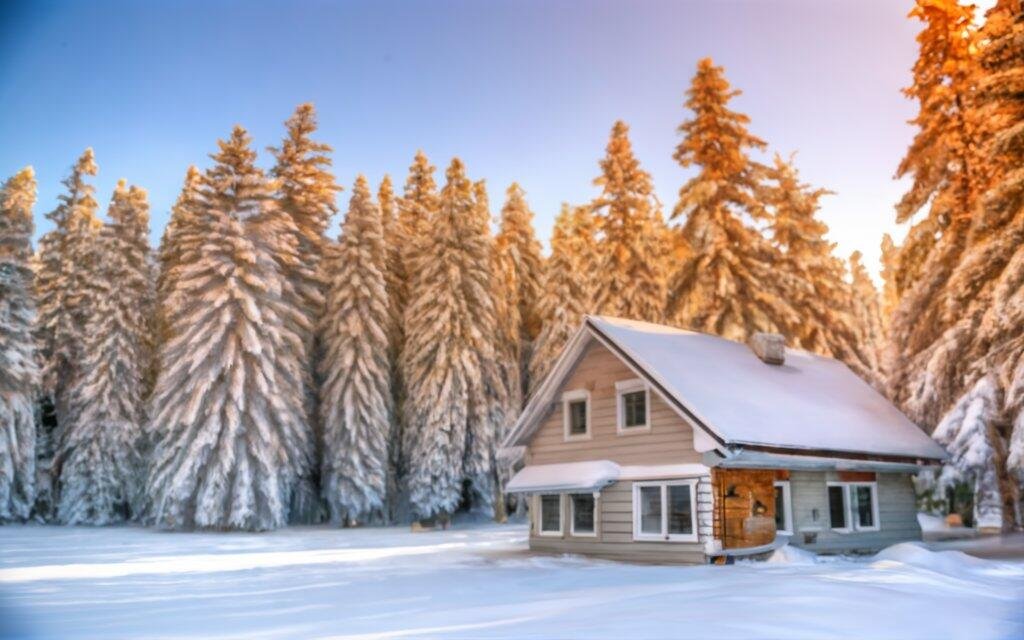
Strategically placed trees, shrubs, and buildings can also block cold winter winds from reaching your home.
Strategies to Lower Cooling Costs
Use these tips when summer’s sweltering temperatures have you cranking the AC:
1. Adjust the Thermostat
Set your programmable thermostat to 78°F when you’re home and warmer when you’re away. Each degree higher saves up to 3–5% on cooling costs. Avoid drastic temperature swings, which make the system work harder to catch up.
2. Run Ceiling Fans
Ceiling fans don’t lower the temperature — but they make rooms feel about 4°F cooler through the wind chill effect, which lets you raise the thermostat without losing comfort. Run them counterclockwise on low in summer to push air downward, creating that cooling breeze. In winter, switch them to clockwise on low to gently pull cool air up and push the warm air that’s risen to the ceiling back down along the walls into the living space.
3. Upgrade Windows
Installing energy-efficient windows blocks solar heat gain, keeps cool air inside, and allows less heat transmission through glass. Optimal window frames are vinyl, fiberglass, or wood versus metal. Double-paned glass with a low-E coating provides the best thermal barrier.
4. Service Your AC System
Just like your heating system, annual tune-ups improve cooling efficiency by ensuring refrigerant levels, ductwork, filters, and parts like condenser coils are operating properly. Fixing refrigerant leaks and cleaning coils allows proper airflow and prevents the system from running longer than necessary.
Energy Efficiency Investments
While the previous tips save money immediately, these home upgrades require more upfront investment but deliver long-term savings through greater efficiency:
1. Increase Insulation
Heat flows easily through insufficient insulation. Adding insulation reduces conductive heat flow into your home during summer and prevents heat loss in winter. Target areas like attics, exterior walls, basements, and crawl spaces — these are typically the biggest sources of energy loss.
2. Seal Ductwork
Leaky ducts force heating and cooling systems to work harder to compensate for conditioned air escaping through cracks and disconnected joints. In typical homes, duct losses can account for 20–30% of the air moving through the system. Seal ducts with mastic paste and ensure connections are properly attached.
3. Replace Old Appliances
While upfront costs are higher, replacing worn-out refrigerators, washers, dryers, and water heaters with ENERGY STAR models saves substantially on utility costs over their lifetime. The savings compound year after year, often paying for the upgrade within a few years.
4. Schedule an Energy Audit
An energy auditor conducts blower door tests to identify leaks, inspects insulation, HVAC systems, appliances, lighting, windows, and more. An audit helps prioritize the most impactful upgrades based on your specific home — so you invest where the savings are greatest rather than guessing.
Additional Ways to Save
Alongside efficiency improvements, the following tips help lower your utility costs:
1. Enroll in Budget Billing
Utilities average your costs over the year, so monthly payments remain consistent versus seasonal spikes. This allows you to build credit during lower-use months that gets applied towards higher-use periods — no more shocking winter bills.
2. Use Timers and Smart Plugs
Plugging devices like fans, lights, and electronics into smart plugs or timers allows you to cut phantom loads — the energy devices draw even when they’re turned off. Turn off unused devices completely instead of leaving them in standby mode.
3. Change Filters Monthly
Dirty filters make HVAC systems work harder to keep you comfortable. Check your furnace and AC filter each month and replace it every 1–3 months, depending on usage, pets, and air quality. A clean filter improves airflow, reduces strain on the system, and keeps your indoor air healthier.
4. Keep Vents and Registers Clear
It sounds simple, but blocked airflow wastes a surprising amount of energy. Make sure all radiators, heat registers, and return vents are completely unobstructed by furniture, rugs, or curtains. When warm air can’t circulate freely, the system runs longer to reach the temperature you’ve set. If you have radiators mounted on exterior walls, placing a heat reflector panel behind them directs warmth back into the room instead of letting it escape through the wall.
5. Use a Humidifier
Dry winter air doesn’t just affect your skin — it also makes your home feel cooler than it actually is. Running a humidifier adds moisture to the air, which helps it retain warmth and makes the space feel more comfortable at lower thermostat settings. Many homeowners find they can turn the thermostat down 1–2°F without noticing a difference when humidity levels are properly maintained.
6. Manage Fireplace Efficiency
A fireplace can be a cozy feature, but it’s also one of the biggest sources of heat loss if not managed properly. Keep the damper closed whenever a fire isn’t burning — an open damper is essentially an open window letting warm air escape straight up the chimney.
When you do use the fireplace, open the dampers in the bottom of the firebox if your unit has them, or crack open a nearby window about an inch to create proper airflow. Lower the thermostat in that room to between 50°F and 55°F so the fireplace doesn’t have to compete with your central heating.
If your fireplace is rarely or never used, consider plugging and sealing the chimney flue entirely. Adding tempered glass doors helps too — they provide a visual barrier while still letting you enjoy the ambiance, and they prevent warm room air from being pulled up the chimney when no fire is burning. For actively used fireplaces, C-shaped metal tube grates draw cool room air from the floor into the fireplace, where it gets heated and circulated back into the room. Adding caulking around the fireplace hearth seals another common source of drafts.
7. Lower Water Heating Costs
Water heating is the second-largest energy expense in most homes, accounting for about 18% of utility bills. One of the easiest wins: set your water heater to the warm setting of 120°F. This temperature is hot enough for comfortable showers and washing dishes but low enough to save energy and prevent accidental scalding. If your water heater is more than 10 years old, upgrading to a newer, more efficient model can cut water heating costs significantly.
8. Close Fireplace Dampers
See the fireplace section above for the full breakdown — this single habit alone can prevent a substantial amount of heated or cooled air from escaping up the chimney.
9. Take Advantage of Rebates
Check with utilities and state/local governments for rebates on adding insulation, buying ENERGY STAR appliances, replacing heating and cooling equipment, and making other energy-saving upgrades. Federal tax credits may also apply — especially for high-efficiency HVAC systems, heat pumps, and insulation improvements. These incentives can offset a significant portion of the upfront cost.
10. Holiday and Seasonal Lighting
Decorative lighting during the holidays adds up quickly on your electric bill. Switching to LED holiday light strings reduces energy consumption by up to 80% compared to traditional incandescent bulbs. They also last significantly longer, so you’re replacing them far less often. Look for ENERGY STAR-certified decorative light strings for verified efficiency.
Plan for Next Winter Now
As this winter winds down, make a list of efficiency upgrades to tackle over the spring and summer months when heating and cooling needs are reduced. This prevents waiting until next fall and winter when heating usage ramps up again, and contractors are busiest.
DIY Projects
- Caulk and weatherstrip windows and doors
- Seal ductwork with mastic paste
- Insulate the attic access door
- Add plastic film insulation kits to drafty windows
- Install a programmable thermostat
- Lay area rugs over hard flooring for extra insulation
- Place heat reflectors behind radiators on exterior walls
Professional Services
- Energy audit with blower door testing
- HVAC maintenance (furnace and AC tune-ups)
- Ductwork inspection and repairs
- Insulation installation in attics, walls, and crawl spaces
- Professional air sealing
- Window and door replacements
- Fireplace inspection and flue sealing
Planning leaves you ready to stay warm and comfortable next winter while keeping costs under control.
Explore Renewable Energy Options
Installing renewable energy systems like solar panels or geothermal heat pumps allows you to generate some or even all of your own electricity or heating and cooling. While upfront investments are higher, renewable systems deliver dramatic lifetime savings through very low operational costs after installation.
1. Solar Panels
Rooftop solar photovoltaic (PV) systems convert sunlight into electricity that directly powers your home. Excess electricity gets fed back into the grid for credit on your bill. Depending on your location and system size, solar panels can offset 30–100% of your home’s electricity needs.
2. Geothermal Heat Pumps
Geothermal systems use underground pipes to transfer heat between the earth and your home. Because underground temperatures remain relatively stable year-round, a geothermal heat pump provides both heating and air conditioning at remarkable efficiencies — often 300–500% more efficient than conventional systems.
Research Available Incentives
With heating and cooling equipment accounting for a substantial portion of home energy use, there are often attractive rebates, tax credits, and incentives available from utilities, manufacturers, and local, state, and federal governments to upgrade to high-efficiency systems. Programs change frequently, so check what’s currently available in your area before making major purchases.
Enroll in Green Power Programs
Many electric utilities now offer voluntary green power programs that allow you to pay a small premium on your electric bill to get some or all of your power from renewable energy sources like wind and solar farms. This directly supports bringing additional clean energy generation online — and in some areas, the premium has become small enough that it’s nearly cost-neutral for households.
Adjust Landscaping for Energy Savings
Strategically placed landscaping around your home can make a meaningful difference in both heating and cooling costs. Planting deciduous trees along southern exposures provides cooling shade from the summer sun while allowing winter sunlight to warm your home after the leaves drop. Evergreens and dense shrubs positioned to block prevailing winter winds create a natural windbreak that reduces the cold air pressing against your walls and windows.
Conclusion
Heating and cooling will likely always be the largest chunk of your home energy budget — but that also means it’s where the biggest savings opportunities live.
Start with the quick wins: lower your thermostat a few degrees, seal the obvious air leaks, change your filters, and use your curtains strategically. Then layer in the bigger investments — better insulation, duct sealing, an energy audit, and eventually high-efficiency equipment or renewable energy — as your budget allows.
Every step you take to improve your home’s efficiency cuts both your monthly bills and your carbon footprint. That’s a rare situation where doing the right thing for the environment also puts money back in your pocket. Start with one change this week, and build from there.
