

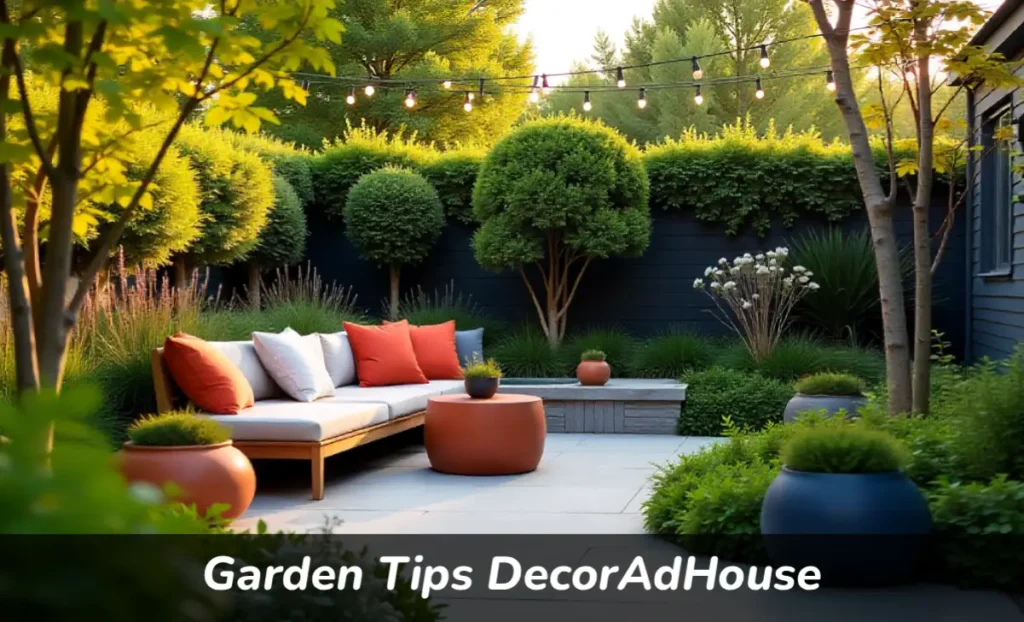
Want a garden that feels like a true extension of your home? DecorAdHouse blends smart, budget-friendly decorating strategies with 2026’s most practical design trends—so your outdoor space works harder, looks better, and actually gets used. Key elements include multifunctional furniture, native plants adapted to your USDA Plant Hardiness Zone, bold color accents, and weatherproof materials rated for UV and moisture exposure that work year-round for any budget or space size. Using the DecorAdHouse outdoor living design framework, you’ll prioritize function-first choices that still deliver visual impact.
Does your garden feel more like a forgotten corner than a relaxing retreat? You’re not alone. Homeowners are investing more than ever in outdoor living—with industry reports estimating the U.S. landscaping market at nearly $190 billion. Per NALP industry analysis, outdoor living investments continue rising year over year. That growing investment means your garden upgrades can boost both enjoyment and property value.
This guide will show you exactly how to transform your garden into a space you’ll actually want to spend time in.
You’ll discover practical decorating strategies, budget-friendly solutions, and the latest 2026 design trends that work for any outdoor space.
Garden Tips DecorAdHouse Design Principles
The DecorAdHouse approach focuses on creating outdoor spaces that feel like natural extensions of your home. As landscape designers following Royal Horticultural Society principles note: “A furnished garden should feel lived-in, not staged. Blend hardscaping, layered plants, and purposeful furniture to define zones that flow naturally.”
Start with these core principles:
Your garden should reflect your personality while serving multiple functions. Choose pieces that work together rather than random decorative items scattered around your space.
Create distinct zones for different activities. Use pathways to connect areas and tall plants or screens to provide natural separation between spaces.
Mix textures and materials thoughtfully. Combine stone, wood, metal, and fabric elements that complement rather than compete with each other.
Create Functional Outdoor Rooms
In 2026, multifunctional outdoor spaces continue to be designed as adaptable extensions of the home — blending zones for dining, wellness, work, and entertainment — with a growing focus on intimate garden nooks and personal retreat spaces. This means your garden can do more than just look pretty.
Plan your space around how you actually live. Map your garden’s sun exposure first: track sunlight patterns for 3 days to place shade-loving plants and seating in the right zones—no guesswork required. If you work from home, include a quiet corner with weather-resistant furniture for outdoor office time. Love entertaining? Design a central dining area with easy access to your kitchen.
Use modular furniture that adapts to different needs. Ottoman storage pieces double as seating and hiding spots for garden tools. Folding tables expand for parties and shrink for everyday use.
Add weatherproofing features that make your space usable year-round. Pergolas with retractable covers, outdoor heaters, and waterproof cushions keep you comfortable in various weather conditions. For cushions that resist fading and mildew, choose solution-dyed acrylic fabrics—they lock color into the fiber, lasting 3x longer than standard outdoor textiles in sun and rain.
Budget-Friendly Garden Decoration Ideas
You don’t need to spend thousands to create a stunning garden. Smart shopping and DIY projects can transform your space without breaking the bank.
Start with these low-cost, high-impact changes:
• Paint existing pots in bold, coordinating colors • Create vertical gardens using repurposed wooden pallets • String solar fairy lights for evening ambiance • Use large rocks or stones to create natural borders • Plant herbs in containers for beauty and function
Add colorful garden statues, outdoor furniture, or unique pots. You could also hang fairy lights or use wind chimes to create a calming atmosphere.
Shop end-of-season sales for major pieces like furniture and planters. Many garden centers offer significant discounts in late fall and early spring.
Focus spending on items you’ll use most. A comfortable seating area gets more value than expensive decorative pieces you’ll rarely notice.
2026 Garden Color and Style Trends
2026’s dominant garden palette embraces warm softness with depth: muted rose, earthy terracotta, and smoky blue-greens that hold intensity in sunlight. Pair these with natural textures—weathered wood, unlacquered brass, or tumbled stone—to create spaces that feel curated, not catalog-perfect. Align with Pantone’s 2026 exterior palette guidance by layering earth-toned textiles against natural material backdrops.
This year’s trends embrace both comfort and personality.
Curved and organic forms continue in 2026, but the direction has shifted toward warm minimalism — soft, rounded silhouettes in furniture and planters with natural material finishes that feel relaxed and grounded rather than decoratively styled.
Natural textures are replacing overly polished looks. Weathered wood, natural stone, and unfinished metals create more authentic, lived-in feelings.
Curves replace straight lines in furniture and garden bed shapes. Rounded planters, curved seating arrangements, and flowing pathways feel more organic and relaxing.
Plant Selection for Year-Round Interest
Homeowners are rethinking traditional lawns and transforming often overlooked spaces—such as parking strips, rooftops, and unused driveways—into areas filled with native plants, pollinator gardens.
Before choosing native plants, check your USDA Plant Hardiness Zone—this free map ensures you select species that thrive in your climate without extra water or protection.
Pick plants that keep your garden looking intentional all year—think evergreens for winter structure, spring bulbs for pops of color, and late-blooming perennials for fall interest. This creates a garden that looks intentional year-round rather than spectacular for just a few months.
Layer plants by height and bloom time. Start with evergreen shrubs as your foundation, add seasonal flowering plants in the middle layer, and finish with ground covers or trailing plants.
Native plants require less water and maintenance while supporting local wildlife. Research what grows naturally in your area and build your plant palette around these species.
Include plants that engage multiple senses. Fragrant herbs, plants with interesting textures, and varieties that attract birds or butterflies make your space more engaging.
Lighting Solutions for Garden Ambiance
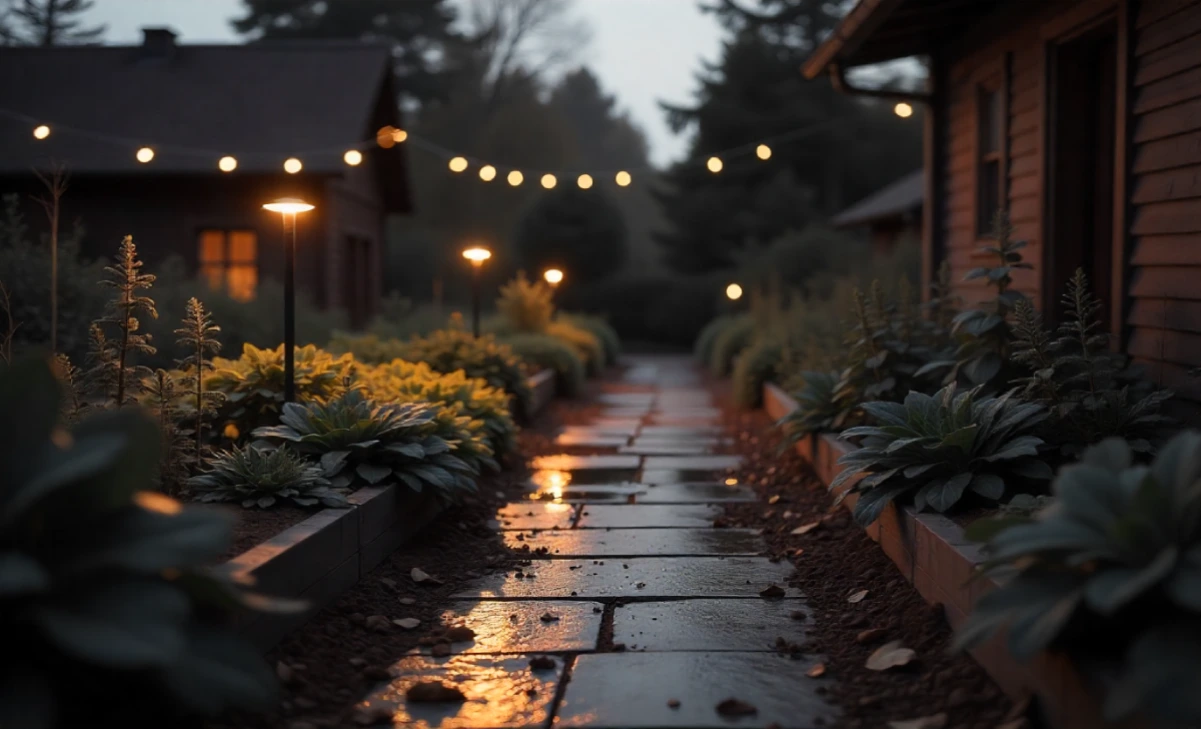
Proper lighting extends your garden’s usable hours and creates magical evening atmospheres. Layer different types of lighting for the most flexibility.
Path lighting ensures safety while adding subtle beauty. Solar options eliminate wiring needs and operating costs. Place lights every 6-8 feet along walkways.
Accent lighting highlights special plants or architectural features. LED spotlights use minimal energy while providing focused illumination on focal points.
Ambient lighting creates the overall mood. String lights, lanterns, and candles provide soft, welcoming glows perfect for relaxing or entertaining.
Consider smart lighting systems that adjust automatically. Timers and motion sensors provide convenience while saving energy. Smart garden technology has also become mainstream beyond lighting — AI-driven apps now help gardeners identify plants, plan layouts, and diagnose problems before they worsen, while soil moisture sensors paired with smart irrigation controllers that sync with local weather data reduce water waste and keep plants healthier year-round.
Water Features and Wildlife Elements
Garden decor that doubles as habitat for beneficial insects and other wildlife includes bird baths, but bees and other pollinator friends need water too.
Water features don’t have to be expensive or complicated. A simple bird bath or shallow dish provides wildlife benefits while adding visual interest. Follow Pollinator Partnership habitat guidelines when adding water features: include shallow, pebble-lined edges so bees and butterflies can drink safely without drowning.
Small fountains create soothing sounds that mask neighborhood noise. Battery-powered options work anywhere without electrical installation requirements.
Rain chains replace downspouts with decorative water management. They guide water beautifully while serving a practical function.
Pollinator-friendly features support beneficial insects. Shallow water sources, native flowering plants, and chemical-free maintenance practices create welcoming habitats.
Storage Solutions That Double as Decor
Tired of tripping over garden tools? Smart storage hides the clutter while adding style—like a cedar bench that seats guests AND stows cushions. Choose storage pieces rated for UV and moisture exposure that contribute to your overall design scheme.
Bench storage provides seating plus hiding spots for cushions, tools, and toys. Cedar options resist weather naturally while adding warm wood tones.
Decorative baskets and bins corral smaller items while adding texture. Weather-resistant materials like resin wicker or galvanized metal work well outdoors.
Vertical storage maximizes small spaces. Wall-mounted tool organizers, hanging planters with storage pockets, and tiered plant stands serve multiple functions.
Built-in storage integrates seamlessly with hardscaping. Custom bench seating with lift-up tops or planter boxes with hidden compartments provides maximum functionality.
Seasonal Maintenance and Updates
Garden Media Group’s 2026 Garden Trends Report frames this year’s spirit as turning challenges into opportunities for deeper connection with outdoor spaces. Resilience and creativity both play a role, but the emphasis is on personal meaning, sustainability, and spaces that support wellbeing.
Make seasonal swaps effortless: choose neutral bases (like stone paths or evergreen shrubs), then refresh with swap-out items like cushion covers or annual flowers. Choose decorative elements that work across seasons and add seasonal touches through easily changeable items like cushions and planters.
Create a maintenance schedule that prevents overwhelming spring cleanup. Monthly tasks spread throughout the year keep your space manageable.
Store seasonal items properly to extend their lifespan. Clean and cover outdoor furniture, drain water features, and protect delicate plants before extreme weather.
Use seasonal updates to refresh your space without a major renovation. Swap pillow covers, change annual flowers, and adjust lighting for different seasons.
Small Space Garden Solutions
Limited square footage doesn’t limit your decorating options. Vertical growing, multi-functional pieces, and smart plant choices maximize small outdoor areas.
Think upward when ground space is limited. Trellises, wall planters, and hanging baskets add greenery without taking up floor space.
Choose compact varieties of favorite plants. Dwarf fruit trees, bush vegetables, and miniature perennials provide full-size beauty in smaller packages.
Use mirrors to create an illusion of space. Weather-resistant garden mirrors reflect light and plants to make small areas feel larger.
Create levels with raised planters and tiered displays. Different heights add visual interest and create more growing space in compact areas.
Expert Tips for Long-Term Success
Professional garden designers share these strategies for creating spaces that improve over time rather than requiring constant renovation.
Start with quality basics and add decorative elements gradually. A well-planned foundation of paths, seating, and key plants provides the structure for future additions.
Choose materials that age beautifully. Natural stone, quality wood, and classic metal finishes develop attractive patina over time instead of just wearing out.
Plan for plant growth when spacing elements. Research mature sizes and growth rates to avoid overcrowding issues later.
Document what works and what doesn’t. Photos throughout seasons help you remember successful combinations and identify areas needing attention.
Final Thoughts
Creating a beautiful garden using DecorAdHouse principles combines practical function with personal style. Focus on making your outdoor space work for your lifestyle while incorporating design elements that bring you joy. Using the DecorAdHouse 3-Pillar Framework ensures every addition serves purpose, beauty, and eco-responsibility.
Remember that great gardens develop over time. Start with the basics and add special touches as you discover what works best for your space and needs.
Here’s what actually works: pick pieces that pull double duty, feel like *you*, and thrive in your local weather—no guesswork required. Start small: pick one DecorAdHouse principle—like zoning for function or layering textures—and apply it this weekend. Download our free 2026 Garden Planner to map your first upgrade, then build from there. Your ideal outdoor space isn’t a someday project—it’s a series of smart, simple steps.
FAQs
What’s the most important element when starting garden decoration?
Start with functional basics like comfortable seating and proper lighting. These foundation elements get the most use and provide the framework for adding decorative touches later.
How much should I budget for garden decorating?
You can create meaningful improvements with $700–1,500 for small spaces and $2,000–4,000 for medium gardens, though costs vary by region and continue to rise alongside material and labor prices. Focus spending on pieces you’ll use most and shop end-of-season sales for major items.
Which plants work best for low-maintenance decorating?
Native plants adapted to your climate require less water and care. Evergreen shrubs provide year-round structure, while perennial flowers return each season without replanting.
How do I make my small garden look larger?
Use vertical space with trellises and hanging planters. Choose light colors that reflect more light, and create sight lines that draw the eye through the space rather than stopping at boundaries.
What’s the biggest mistake people make in garden decorating?
Choosing decorative items that don’t serve any function or don’t work with existing elements. Every piece should either be useful or contribute to a cohesive design scheme.
