

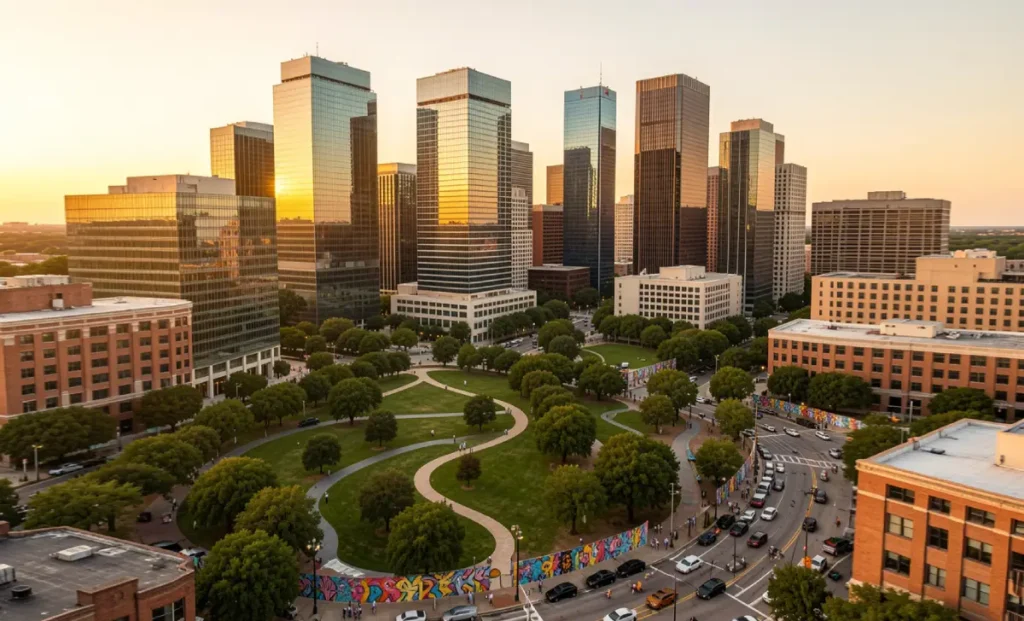
Neatlanta is a term used to describe Atlanta’s shift toward a cleaner, more polished urban image while holding onto its cultural roots. It captures the city’s growth in tech, film, food, and design over the past decade. If you want to understand how Atlanta changed from a sprawling Southern city into a modern cultural hub, Neatlanta is where that story starts.
Atlanta used to get dismissed as traffic, sprawl, and strip malls. That perception has changed fast. Over the past ten years, the city has built a new identity, one that locals now call Neatlanta.
The term is not official. You will not find it in a tourism brochure. But it captures something real: a city that cleaned up, built up, and started showing up on global cultural maps. This article explains what Neatlanta means, where it came from, and why it matters to anyone living in or visiting Atlanta today.
What Neatlanta Actually Means
Neatlanta is a portmanteau of “neat” and “Atlanta.” It reflects the visible shift in how the city presents itself, from neglected neighborhoods to renovated districts, from regional city to national cultural force.
The term carries two layers. On the surface, it describes Atlanta’s cleaner, more designed streetscapes, new transit investments, and revitalized commercial areas. At a deeper level, it points to a cultural confidence the city did not always project. Atlanta stopped apologizing for what it lacked and started leading with what it built.
It is not without tension. Some residents see Atlanta as a positive sign of progress. Others connect it directly to displacement and the loss of working-class communities. Both responses are honest.
How Atlanta’s Urban Shift Took Shape
Atlanta’s transformation did not happen overnight. It accelerated through a combination of investment, migration, and creative output.
The BeltLine project, a 22-mile loop of trails, parks, and transit corridors built around former railway corridors, became a physical spine for the city’s reinvention. Since its first trial section opened in 2012, it has attracted billions in private development along its route. According to the Atlanta BeltLine, Inc., the project has generated over $10 billion in economic development as of 2024.
New residents followed. Atlanta’s population grew by roughly 20 percent between 2010 and 2020, driven in part by younger professionals relocating from more expensive coastal cities. They brought spending power, but also demand for the walkable, experience-driven neighborhoods that define Neatlanta’s aesthetic.
Several forces pushed this change forward at once:
- The expansion of Hartsfield-Jackson as a global transit hub, making Atlanta more accessible to international travelers and businesses
- Georgia’s film tax incentive, which turned the metro area into one of the busiest film production centers in the world
- A tech sector that grew steadily, with companies like Mailchimp, NCR, and Cardlytics headquartered in the city
- A food scene that gained national recognition, with Atlanta chefs earning James Beard nominations and the city’s restaurant count growing year over year
Neatlanta’s Cultural Identity in Practice
Culture is where Neatlanta becomes most visible. Atlanta has always had a strong creative tradition, built on hip-hop, gospel, and community art. What changed is how that culture connects to the city’s physical spaces.
Neighborhoods like Ponce City Market, Krog Street Market, and West Midtown became gathering points where local food, design, and music intersect. These areas draw visitors, but they also serve daily community life. That dual function is part of what makes the Neatlanta concept stick.
Atlanta’s music output continued to shape global trends. Artists from the city, including those connected to the trap and hip-hop scenes that originated here, brought Atlanta-specific sounds to international audiences. The city now hosts major festivals and has developed its own distinct venue culture.
Street art and public murals spread across Old Fourth Ward, Little Five Points, and parts of the Westside. The work is not decorative filler. Much of it reflects the community’s history, politics, and voice. That kind of art signals a city taking its own story seriously.
The Gentrification Question in Neatlanta
You cannot talk about Neatlanta without addressing displacement. That is the honest version of this story.
As investment followed the BeltLine and new development spread, property values rose sharply in historically Black neighborhoods. Areas like Vine City, Mechanicsville, and parts of South Atlanta saw long-term residents priced out. The National Community Reinvestment Coalition identified Atlanta as one of the top cities in the U.S. for gentrification intensity between 2000 and 2020.
This is the sharpest critique of the Neatlanta narrative. If the “neat” version of Atlanta only serves newer, wealthier residents, it misrepresents who built the city’s culture in the first place.
Community organizations, city council members, and local advocates have pushed back with affordable housing requirements, anti-displacement funds, and community land trusts. Progress has been uneven. The debate over who Neatlanta is actually for remains active and unresolved.
What Visitors and New Residents Notice First
If you arrive in Atlanta today without a prior frame of reference, the city reads differently than it did a decade ago.
The airport is one of the busiest in the world, and the connections into the city have improved. The Beltline trails are populated year-round. The food options range from James Beard-recognized fine dining to some of the best West African and Caribbean restaurants in the Southeast.
People moving here for work tend to land in Midtown, Inman Park, East Atlanta, or one of the northern suburbs. Each area has a distinct personality, but all of them show the cleaner, more intentional design sensibility that Neatlanta describes.
What surprises many newcomers is the green space. Piedmont Park, the BeltLine trails, and dozens of neighborhood parks give the city a more livable feel than its reputation suggests. That gap between expectation and reality is part of why the Neatlanta term gained traction.
Atlanta’s Position Among U.S. Cities in 2026
Atlanta now ranks consistently among the top ten cities in the U.S. for corporate headquarters, film production, and startup activity. A 2023 report from the Metro Atlanta Chamber identified the region as home to over 15 Fortune 500 companies.
The city also ranks high in population growth projections. The Atlanta Regional Commission estimated in 2023 that the metro area could add 2.9 million residents by 2050. That growth pressure will test whether Neatlanta remains a concept connected to community or becomes shorthand for a city that left its original residents behind.
The honest answer is that Atlanta is still figuring this out. The city has made real gains in livability, cultural output, and economic reach. It has also produced real harm through displacement and uneven investment. Neatlanta captures the first part of that story. The full picture is more complex.
FAQs
What does Neatlanta mean?
Neatlanta is an informal term that describes Atlanta’s transformation into a more polished, culturally active city. It reflects improvements in urban design, food, arts, and infrastructure over the past decade.
Is Neatlanta a positive term?
It depends on perspective. Many residents use it positively to describe growth and cultural confidence. Critics connect it to gentrification and the displacement of long-term, lower-income communities.
What neighborhoods represent Neatlanta?
Areas like Ponce City Market, Inman Park, West Midtown, and the BeltLine corridor are most closely associated with the Neatlanta identity. These neighborhoods combine food, art, design, and public space in visible ways.
How has Atlanta changed in the last ten years?
Atlanta has seen significant growth in its film industry, tech sector, food scene, and transit infrastructure. The BeltLine project became a central feature of the city’s urban shift. Population growth brought new investment alongside rising housing costs.
Is Atlanta still affordable compared to other major U.S. cities?
Atlanta remains more affordable than cities like New York, San Francisco, and Los Angeles, though that gap has narrowed. Rising rents and home prices in core neighborhoods have made affordability a growing concern, particularly for longtime residents.
