

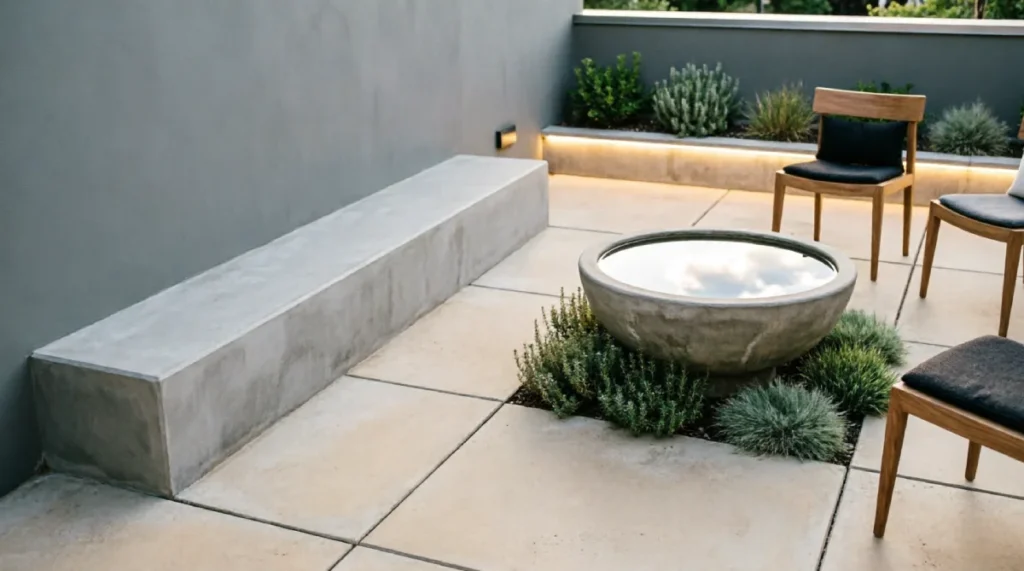
I know how quickly an outdoor area can start to feel chaotic. Planters multiply, furniture gets bulky, and suddenly the space looks messier than restful. I focus on stripping things back. Minimal doesn’t mean empty; it means every piece has a reason to be there.
This guide shares my go-to methods for a truly clean outdoor space. I’ll walk you through ten simple ideas, from colour choices to hidden storage, so your yard or balcony always feels open, fresh, and effortlessly put together.
1. Stick to a Neutral Foundation
I always start with a base of soft greys, warm beige, or off-white. Keeping hard surfaces muted gives the eye a place to rest and makes the whole space feel larger. I use limestone pavers or a washed concrete slab. They reflect light without creating harsh glare, and they weather naturally rather than looking dirty too fast. I once painted my fence a punchy terracotta, and the garden instantly felt smaller and busier. Painting it back to a quiet sage grey completely changed the calm level.
I suggest choosing one light, earthy tone for all large surfaces. Let plants bring the colour and texture instead. The background should work quietly, not demand attention.
2. Choose One Focal Point
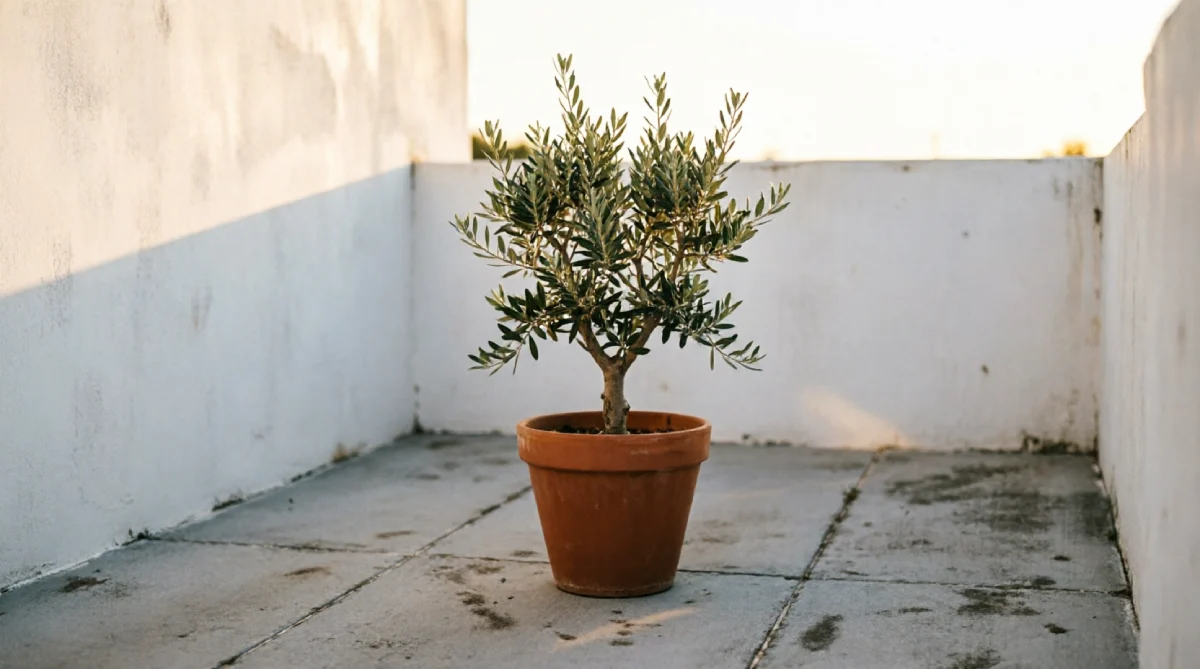
I always pick a single element to lead the eye — a textured wall, a simple water bowl, or one striking plant. A lone main feature stops the space from feeling like a collection of random bits. I use a large, plain concrete fire pit or a single sculptural planter. It grounds the seating area without visual competition. I noticed a client’s courtyard felt twice as serene once we removed six small decorative items and left just a low bronze water dish in the centre. The difference was immediate.
I suggest stepping back and asking: what do I actually look at first? Keep that, and remove everything else that demands the same visual weight.
3. Use Built-In Seating
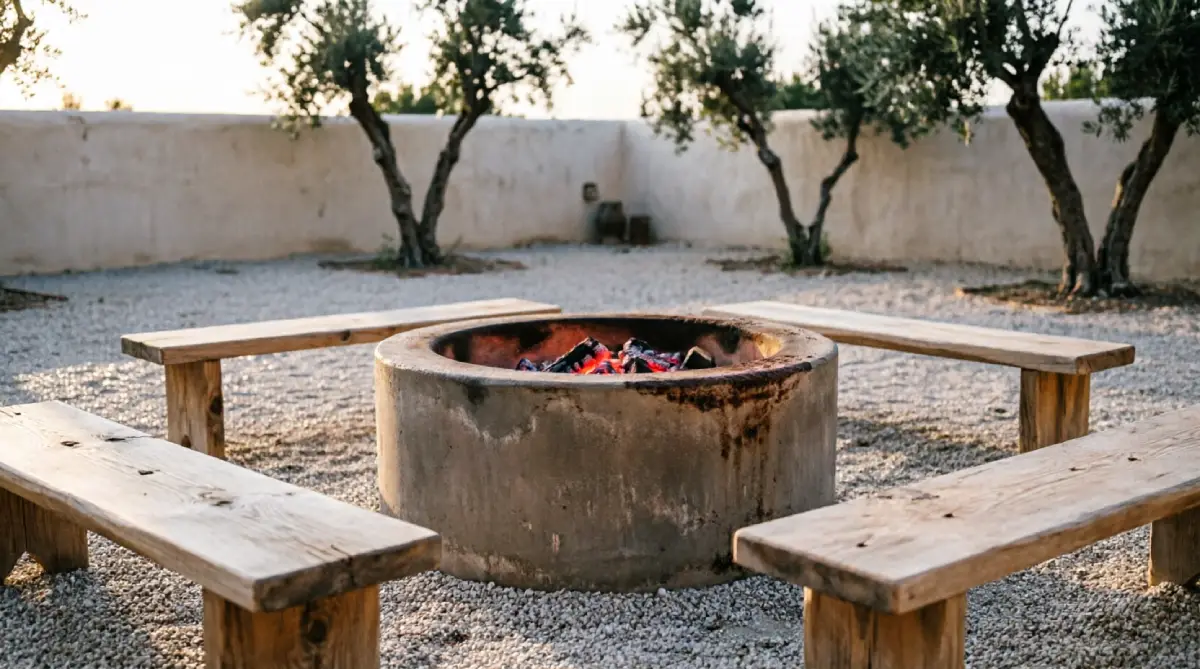
I always recommend built-in benches along a wall or planter edge rather than many separate chairs. A continuous line floats above the ground, mentally and physically declutters the floor. I use rendered blockwork or stained timber slats for simple seating that blends into the architecture. It disappears into the background when not in use. I once swapped out four individual chairs for a low, built-in L-shaped bench with hidden cushion storage. The terrace immediately felt wider and more usable daily.
I suggest extending a planter edge to double as seating. It saves floor space and eliminates the need for extra furniture that requires constant tidying.
4. Conceal Functional Items
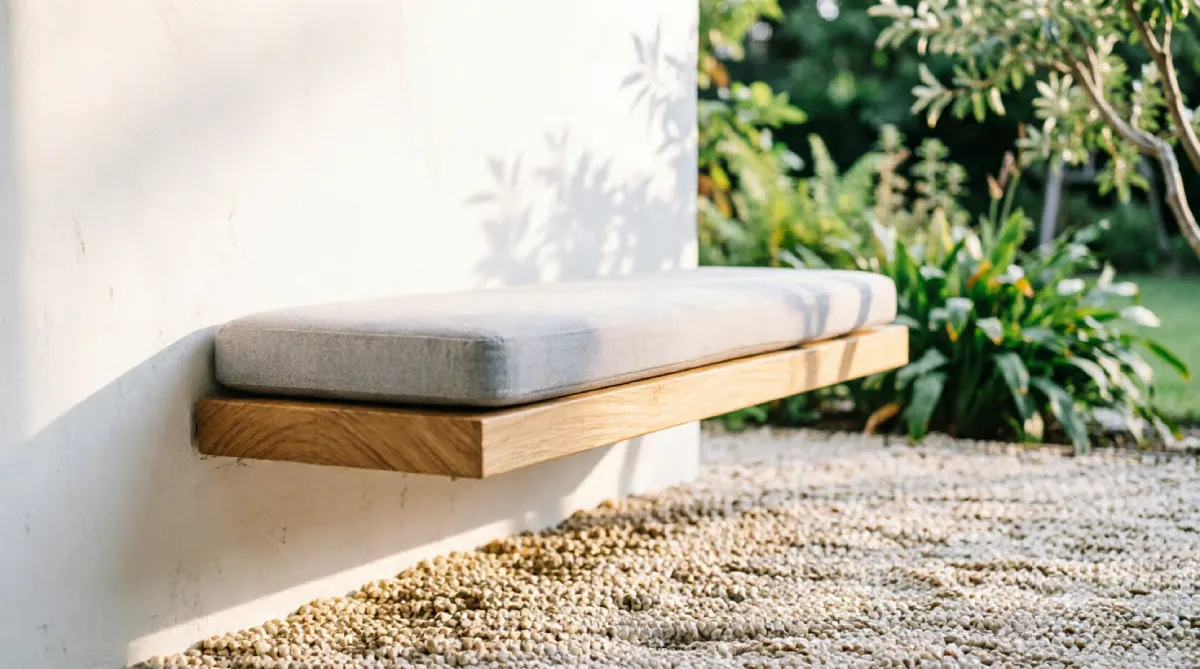
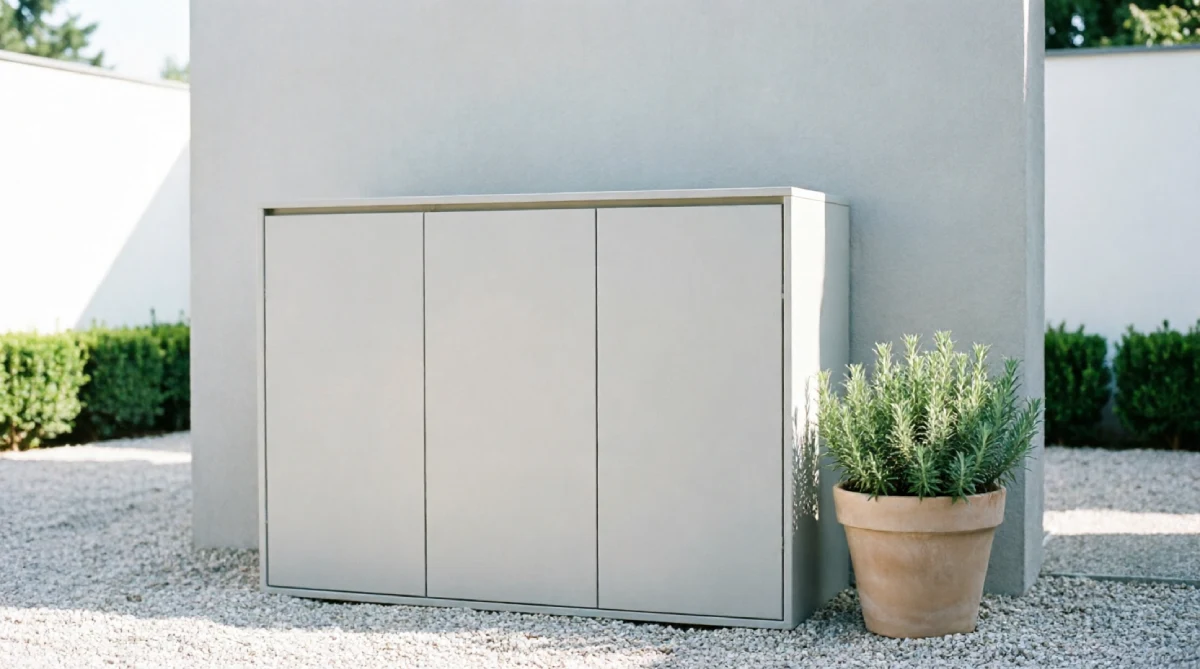
I always hide things like hoses, tools, and utility boxes inside a dedicated, clean-lined cabinet or behind a simple slatted screen. Visible clutter breaks the minimal spell instantly. I use a slim storage bench or a vertical cupboard finished in the same colour as the wall. It blends in completely. I once ran a full garden hose reel behind a narrow cedar slatted panel. No one knew it was there, and the terrace stayed uncluttered even after watering.
I suggest identifying the three ugliest functional items in your outdoor area and hiding them first. Small effort, massive visual payoff.
5. Go for Ground-Level Greenery
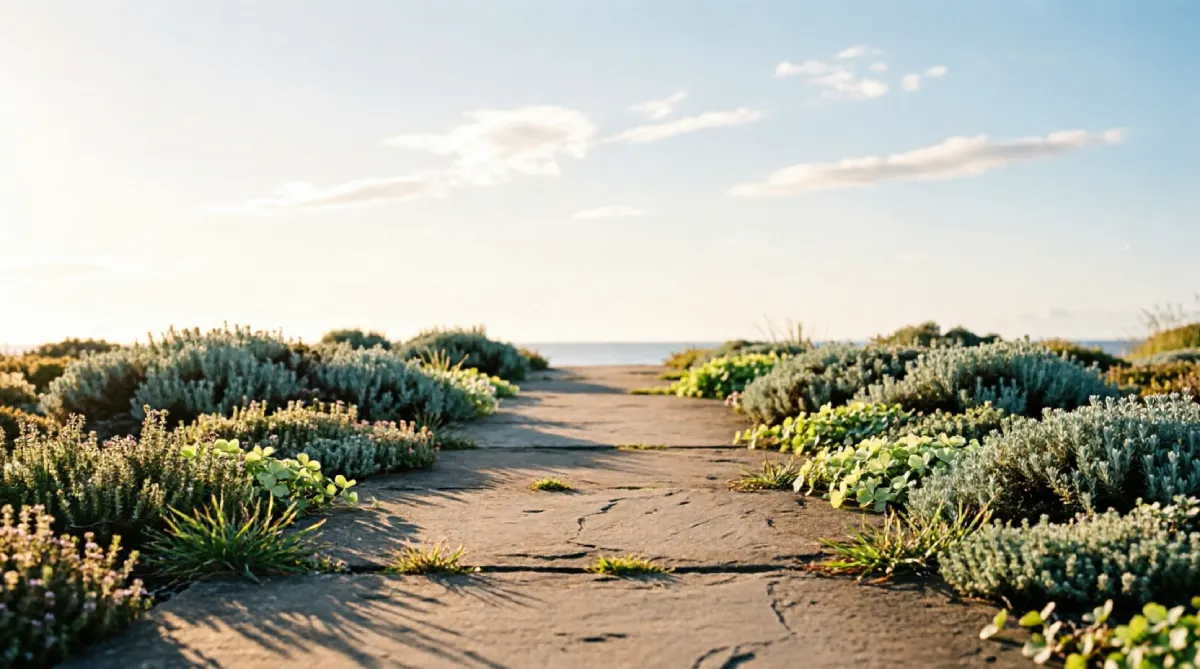
I always plant low, ground-hugging greenery instead of tall, bushy shrubs. This opens up sightlines and makes a compact area feel expansive and airy. I use a mix of creeping thyme, dwarf mondo grass, or hardy groundcovers between steppers. They create softness without visual weight. I once replaced a row of knee-high hedges with a flat carpet of silver ponyfoot, and the whole garden instantly felt lighter, brighter, and easier to maintain.
I suggest keeping taller plants only for a boundary screen or the focal point, and letting everything else stay at ankle height. The clean look comes from open horizontal space.
6. Limit the Colour Palette
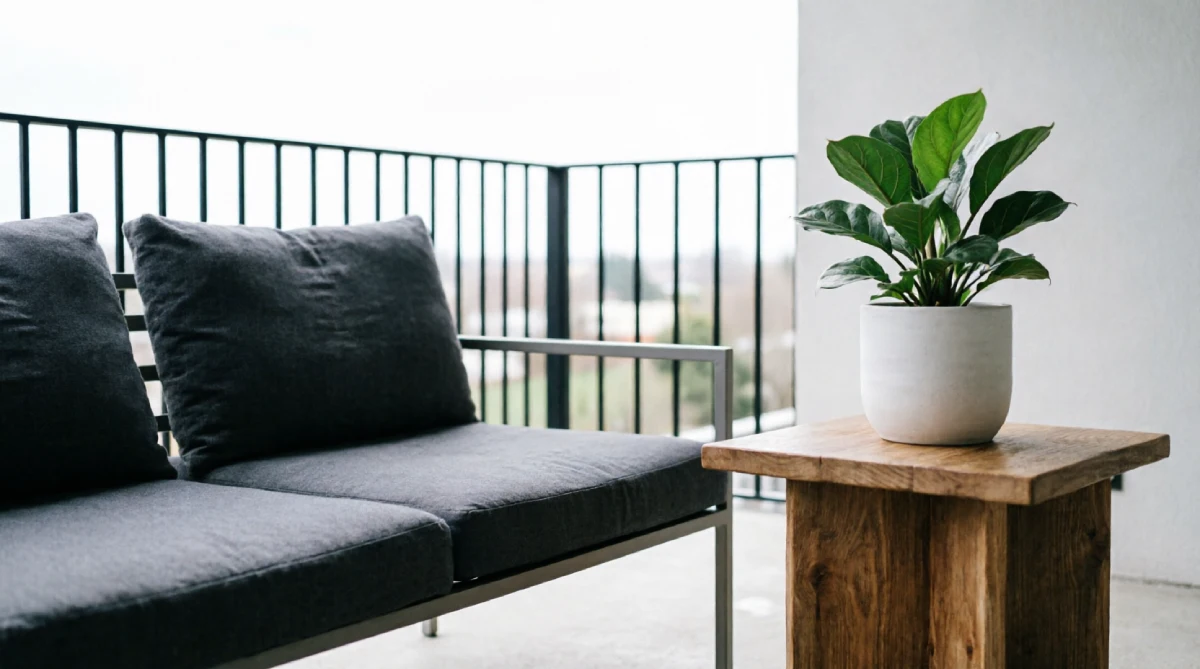
I always limit outdoor accents to two colours, plus green. Too many cushion tones, pot shades, and decor hues fragment the calm. I use charcoal and natural linen, or warm white and raw wood. This controlled scheme lets materials rather than colours do the talking. I noticed a balcony that felt jarring became peaceful overnight simply by replacing multicoloured pots and cushions with all-charcoal accessories. The green looked greener, and the space felt cohesive.
I suggest picking one neutral and one subdued accent tone, then sticking to them for every textile, pot, and accessory. Repetition creates order.
7. Install Seamless Lighting
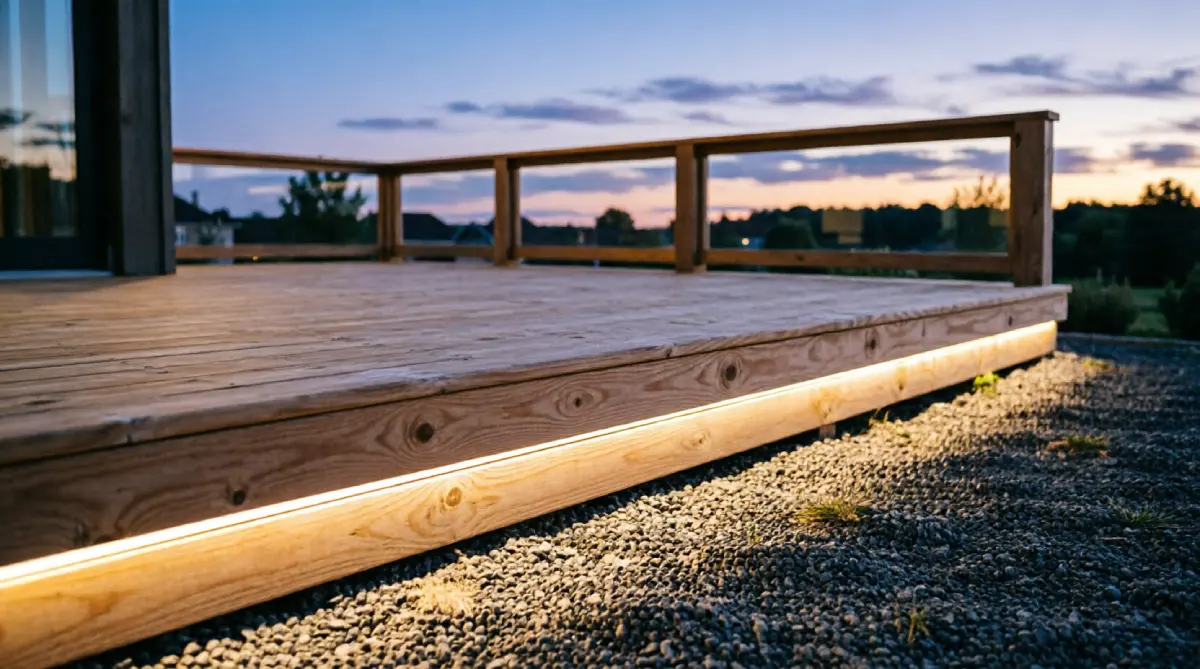
I always choose integrated strip lights under benches or tucked into planter edges instead of visible pendants or stakes. Light should wash surfaces, not hang as objects. I use warm-dimmable LED strips in discreet aluminium channels. They provide a soft glow and practically disappear during the day. I once swapped string bulbs for hidden step lights along a deck. The night atmosphere became more intimate, and the daytime view was completely hardware-free.
I suggest focusing on lighting the floor and low walls, not hanging things overhead. The result is serene and sophisticated without visual clutter.
8. Use Large-Format Pavers
I always opt for the biggest paving slabs practical for the space. Fewer joint lines mean a quieter, less busy surface that tricks the eye into seeing more floor area. I use 600 x 900 mm concrete slabs or large-format travertine. They look substantial and modern with minimal visual clutter. I once redid a small courtyard with tiny mosaic squares and regretted it immediately — the space felt fidgety. Switching to large pale slabs made it feel double the size.
I suggest measuring and choosing the largest size your layout can handle without excessive cutting. Fewer lines, cleaner surface.
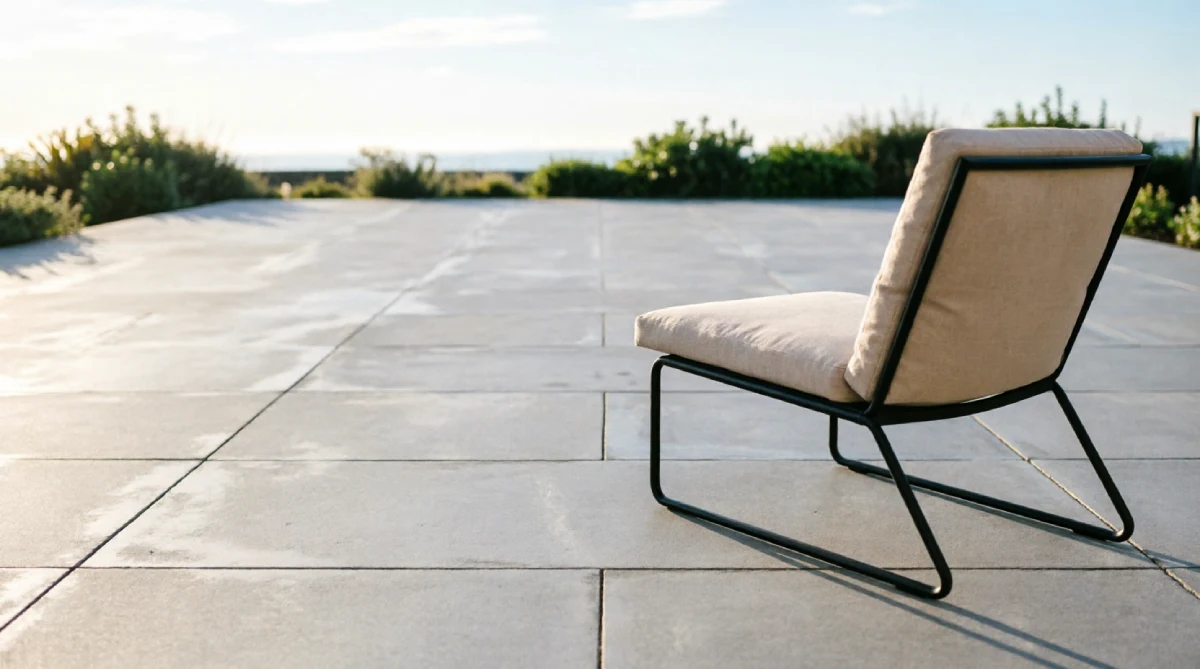
9. Float Furniture Off the Ground
I always choose pieces with legs that lift them clearly off the surface rather than bulky boxes that sit heavily. The light and air passing underneath make the terrace breathe. I use slim powder-coated metal frames or timber chairs with an open base. They cast delicate shadows instead of creating a solid block. I once swapped a chunky wicker sofa for a simple slatted teak bench on slim legs. The same footprint suddenly felt transparent and less dominating.
I suggest checking that at least 15 cm of clear air sits under your main seating. It’s a small detail that noticeably reduces visual mass.
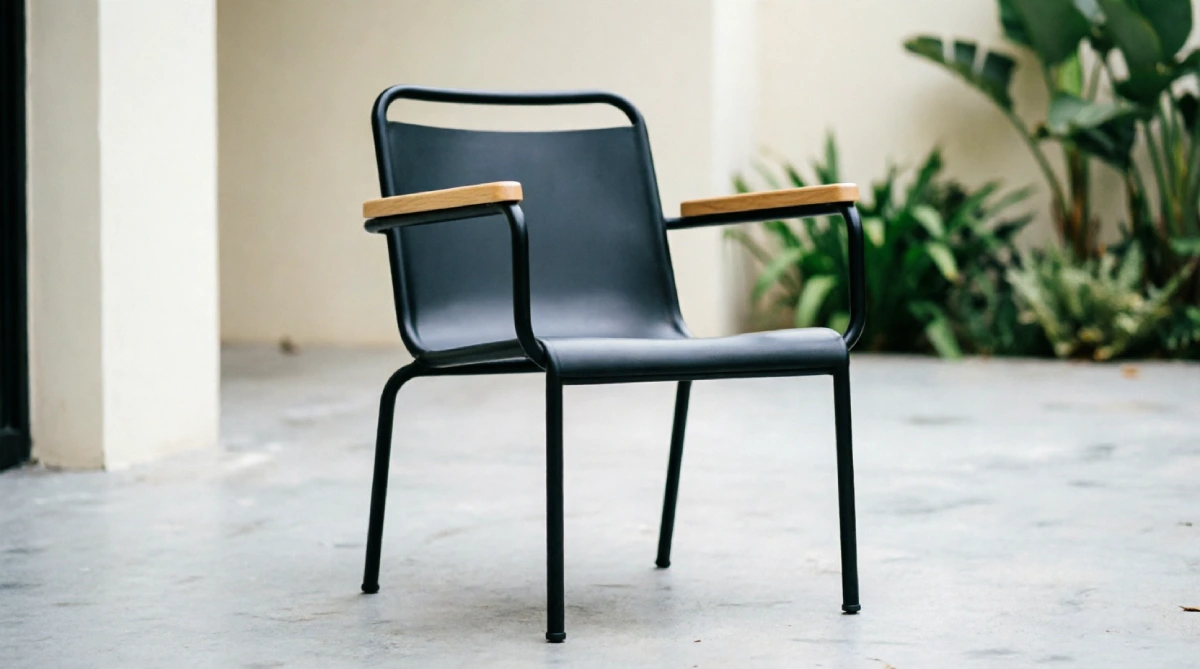
10. Leave Breathing Room Around Plants
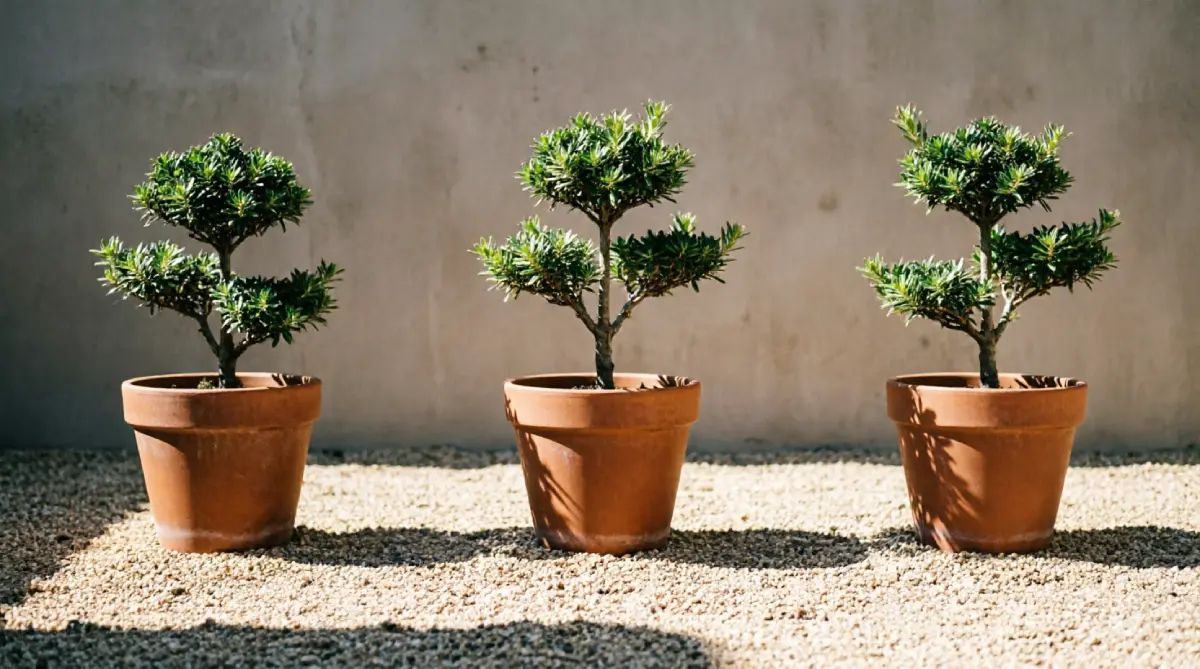
I always give each pot or planting bed a buffer of bare gravel or clean paving around it. Packing pots tightly together creates a cluttered nursery feel. I use a simple mulch or gravel margin between groups. It defines each plant as an individual element worth noticing. I once removed half my pots and spaced the remaining three generously apart. The patio instantly looked curated, not crammed.
I suggest the gap between pots should be at least equal to the width of the largest pot. It sounds bold, but that breathing room is what makes outdoor minimalism actually work.
Practical Tips
- Before adding anything new, remove three items from your outdoor area. I always do a quick “three-out” sweep first.
- Stick to one material for all planters — terracotta, concrete, or fibreglass — to keep the look consistent.
- Clean the floor first. A simple pressure wash can make a space feel redesigned.
- Use outdoor rugs sparingly; one plain, low-profile mat can define a zone without overwhelming visual space.
- Maintain a storage spot for cushions and throws. I keep mine in a bench so they never become outdoor litter.
- When in doubt, choose matte over shiny finishes. Gloss reflects highlights that read as visual noise in a minimal setting.
Common Mistakes to Avoid
- Over-accessorising with small lanterns, ornaments, or cushions that accumulate dirt and visual weight.
- Matching furniture sets. Groups that look too matchy lack the relaxed feel of a collected, minimal space.
- Using dark-coloured paving in a small area, which absorbs light and makes the space feel narrower.
- Over-planting. A “more is more” approach to greenery always creates a sense of untidiness in a minimal design.
- Ignoring vertical surfaces. Leaving a blank fence unpainted or raw can feel unfinished rather than minimal. A single clean finish does the job.
Comparison Table
| Feature | Best Option | Why It Works |
|---|---|---|
| Flooring | Large-format pale concrete | Fewer joint lines, light reflection, easy to clean |
| Seating | Built-in bench with storage | Frees floor space, reduces furniture clutter |
| Planting | Low ground cover + spaced feature pots | Open sightlines, intentional look |
| Lighting | Hidden LED strip under edges | Invisible by day, soft ambient glow at night |
| Colour scheme | 1 neutral + 1 accent + green | Creates visual calm without monotony |
FAQs
What is the best way to start minimising an outdoor space?
Start by clearing everything portable off the surfaces and floor. Clean the area, then bring back only the essential pieces that serve a function. I find that editing out first is more effective than buying storage solutions upfront.
Can I still have colour in a minimal outdoor design?
Yes, but I use colour sparingly — a single accent tone on cushions or one glazed pot. The key is repetition of that colour in two or three spots so it feels deliberate, not accidental.
Is it expensive to achieve this look?
Not at all. Often, minimal spaces cost less because you buy fewer, better-chosen items. I’ve achieved a calm outdoor area with simple concrete slabs, a couple of pots, and built-in seating using basic materials.
How do I maintain a clean, minimal look over time?
I do a quick five-minute evening reset: store cushions, sweep the floor, hide tools. It’s the daily habit that prevents slow clutter creep from undoing your setup.
Will a minimal space look cold or uninviting?
Only if you overdo grey or avoid texture. I always add warmth through natural wood, a soft throw, and varied foliage greens. The combination of textures keeps it welcoming.
Conclusion
A clean, minimal outdoor space isn’t about having nothing — it’s about giving everything you keep room to be seen and appreciated. From neutral foundations to hidden storage and considered spacing, these ideas help reduce visual noise and make daily use feel effortless. I’ve applied these exact steps to compact balconies and sprawling back gardens, and the calm that follows is immediate.
Start small: pick one idea, remove what fights for attention, and notice how the whole area shifts. When less does more, you’ll wonder why you didn’t pare back sooner.
