

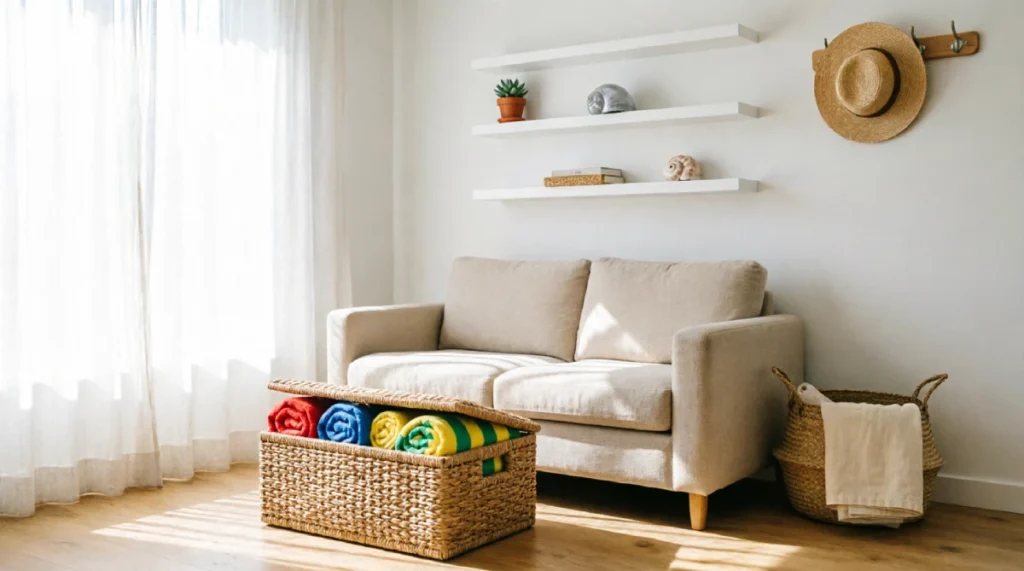
Summer invites a lighter, breezier way of living, yet our living rooms often end up buried under beach towels, kids’ toys, and everyday clutter. The season’s rhythm—more time outdoors, spontaneous guests, relaxed routines—demands storage that works harder without weighing the room down. I’ve learned that the right mix of hidden compartments, vertical solutions, and seasonal swaps makes all the difference.
In this article, I’ll walk you through 12 straightforward summer living room storage ideas that reduce visual chaos and help the room breathe. No major renovations required, just small, smart shifts that stick.
1. Use Woven Baskets for Lightweight Throws
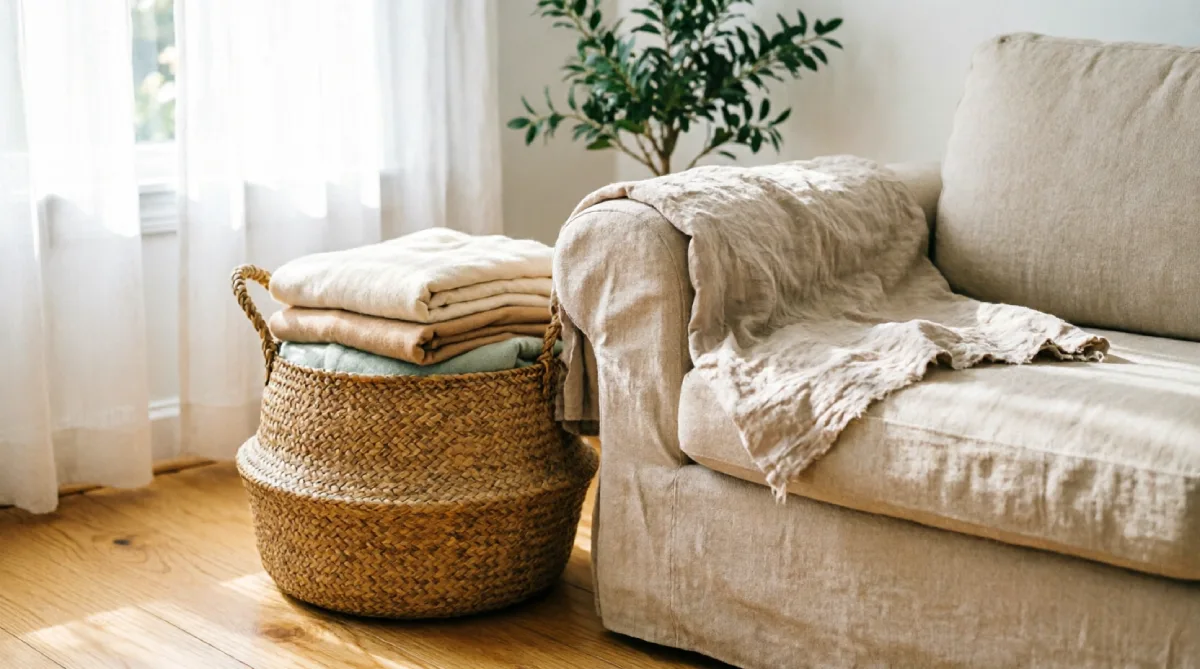
A generous woven basket beside the sofa holds summer-weight throws within reach without turning them into floor droppings. The open weave introduces natural texture that feels seasonally appropriate. In many homes, throws draped over chair backs quickly create a messy, heavy look.
I recommend a light-toned basket with sturdy handles so you can carry it to the patio when evening cool arrives. Keep only a couple of cotton or linen throws inside—overfilling kills the airy effect.
2. Add a Storage Ottoman for Beach Gear
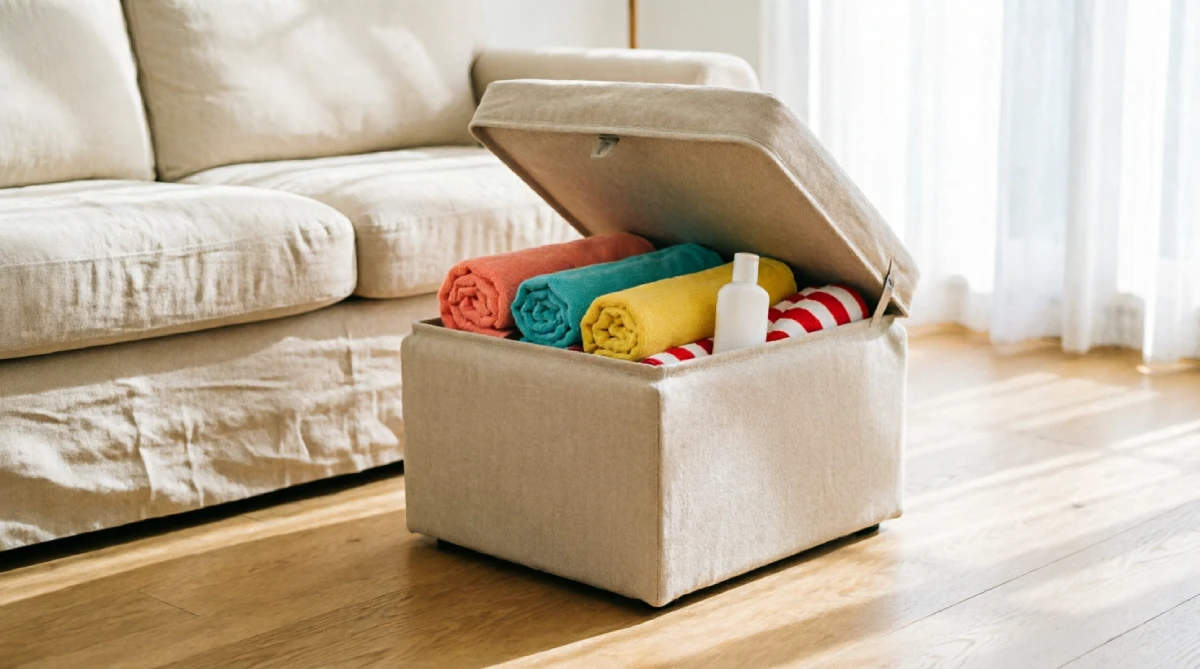
A storage ottoman pulls double duty as a footrest and a hidden vault for beach towels, sunscreen, and pool passes. I prefer one with a removable lid and a washable liner—sand and lotion spills wipe clean in seconds. A common sight after a beach day is a mountain of sandy gear dumped by the sofa.
This piece intercepts the chaos instantly. Choose an ottoman in a light fabric or rattan to match the season, and designate one side for daily grab-and-go items.
3. Install Floating Shelves for Seasonal Decor
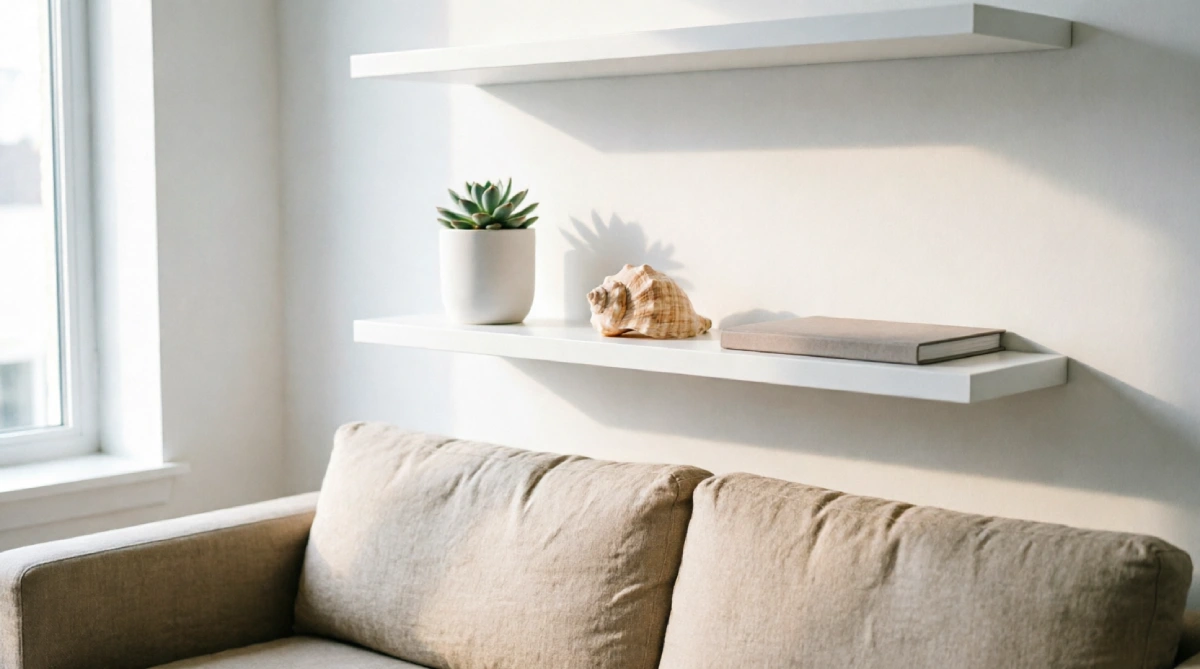
Floating shelves above the sofa liberate surfaces and let you display a few summer accents—shells, small plants, a couple of paperbacks. They draw the eye upward, making the room feel taller and less cluttered. In many homes, coffee tables become resting spots for everything from sunglasses to half-dead flowers.
A sleek white shelf holds exactly three curated pieces, forcing restraint. I suggest choosing narrow depth so they don’t crowd the seating area, and using concealed brackets for a clean line.
4. Place a Slim Console Table Behind the Sofa
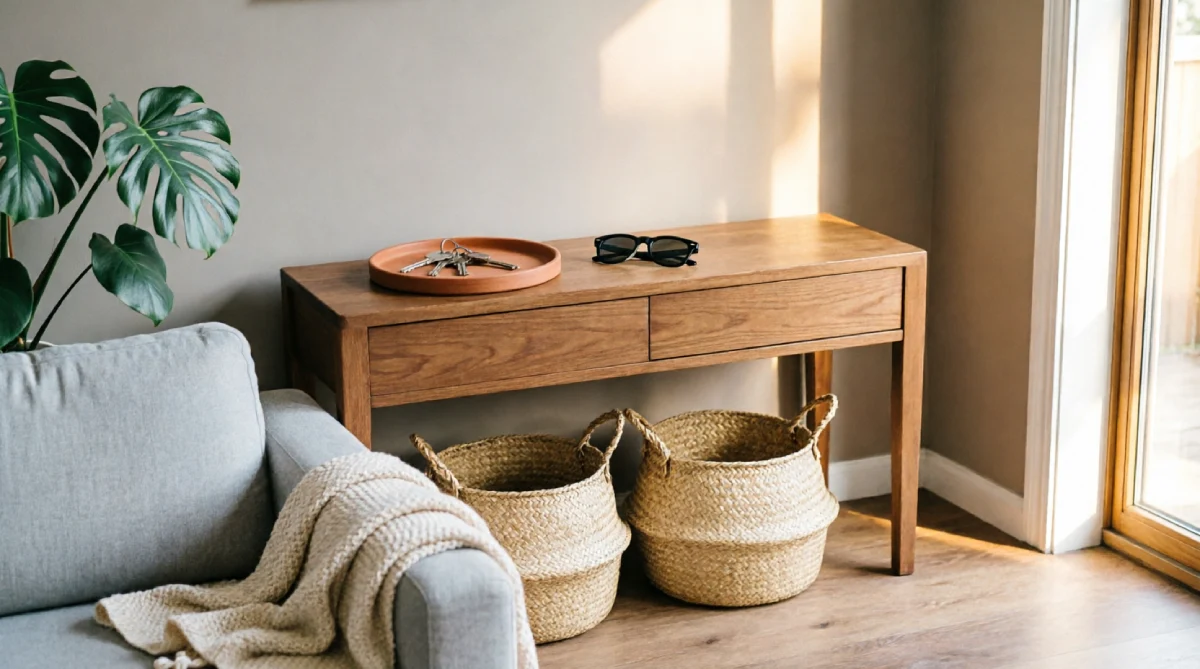
When a sofa floats in the room, the space behind it is valuable real estate. A narrow console table creates a landing strip for keys, sunglasses, and sunblock right where you need them. A common issue is entryway chaos drifting into the living area; this setup catches it.
Look for a table with a lower shelf for two small baskets, one holds rolled magazines, the other a few light throws. I recommend painting the table the same color as the wall, so it visually recedes.
5. Corral Remotes and Small Items in Decorative Lidded Boxes
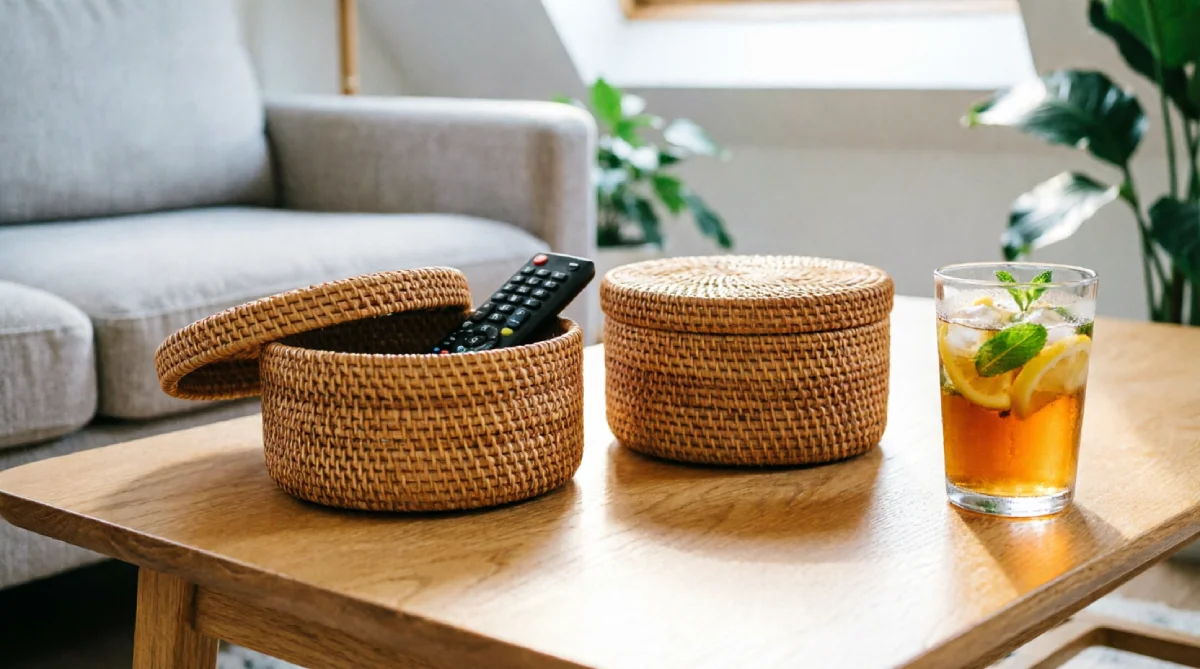
Remotes, chargers, and summer earbud cases multiply fast. A set of lidded boxes on the coffee table hides the jumble while contributing to the decor. I’ve noticed that open trays simply invite more clutter; a lid forces a quick tidy-up habit. Choose boxes in natural materials like bamboo or light-weave water hyacinth.
I keep one for TV-related gadgets and one for reading glasses and coasters. Stack them slightly offset for a relaxed, beach-house look that keeps the room looking intentional.
6. Rotate Textiles Seasonally
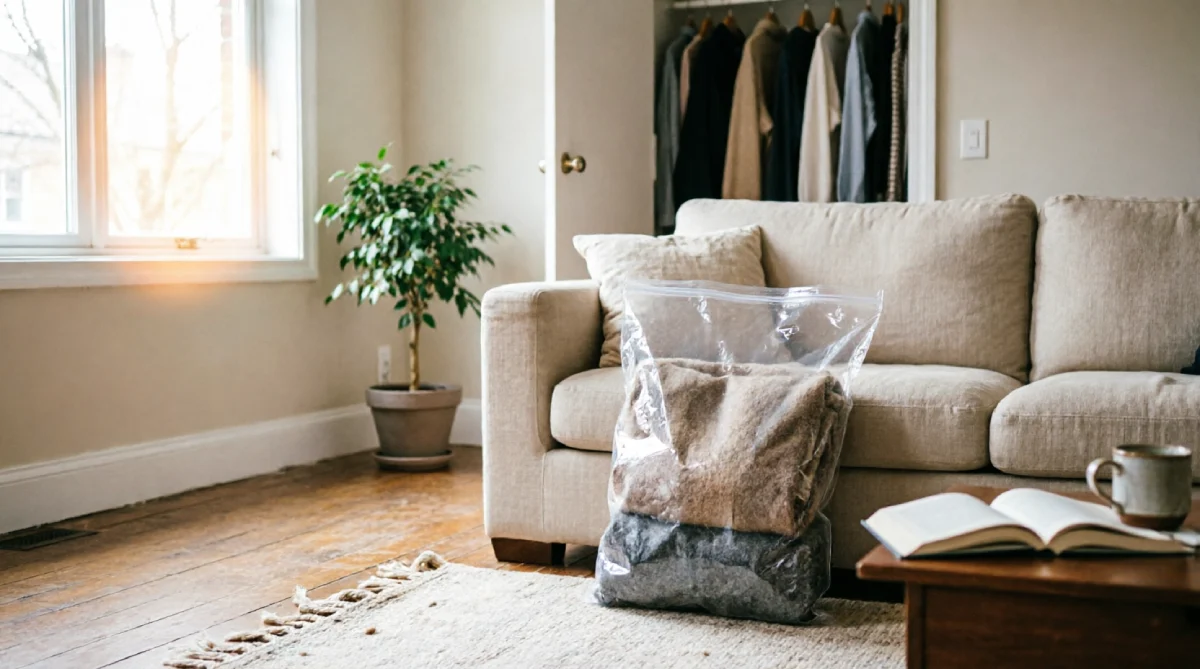
Winter throws and velvet cushions bulk up the room visually. I pack heavy textiles into vacuum bags and swap in light linen and cotton covers. A common mistake is keeping all-season fabrics out year-round, which eats up storage and makes the space feel heavy.
I label bags clearly and stash them under the bed or in a closet shelf. What’s left is an edited, breathable selection that needs far fewer baskets. Rotating textiles twice a year is a small ritual that keeps the room in tune with the weather.
7. Introduce a Rolling Cart for Kids’ Summer Activities
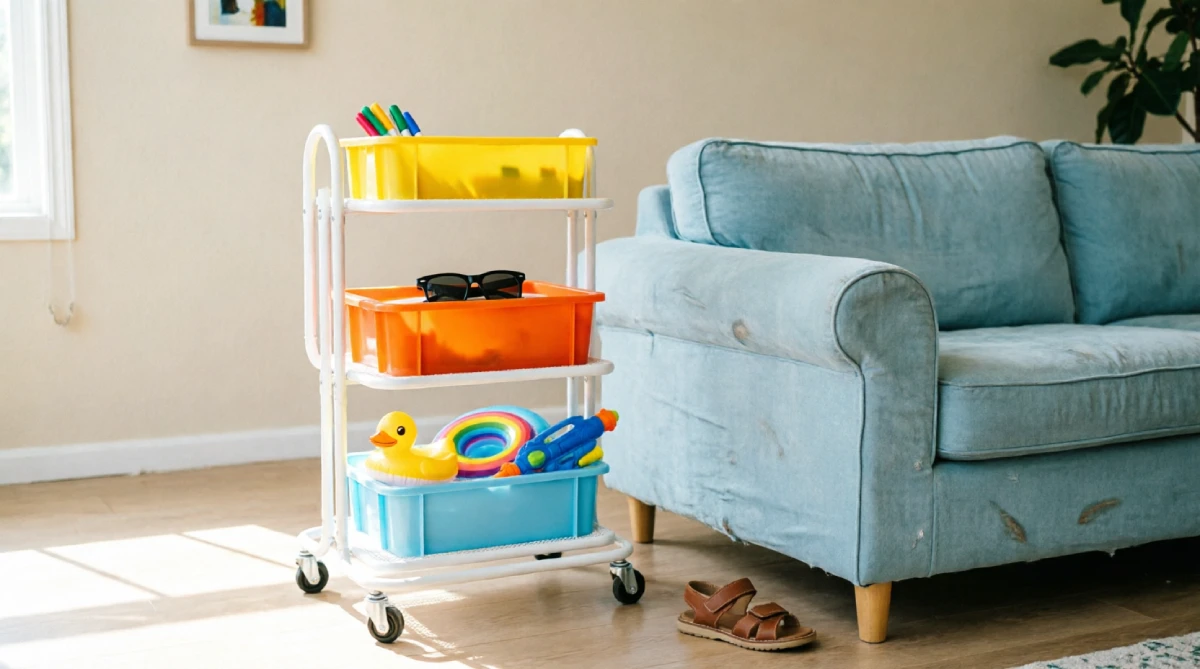
A slim rolling cart with a few tiers captures the influx of art supplies, sidewalk chalk, and pool goggles that otherwise colonize the floor. It’s mobile, so a child can pull it to the play corner and push it back to a closet or behind a door.
In many families, the living room morphs into a toy zone by July. A cart establishes a clear, reachable home. I suggest using small labeled bins on each shelf and picking a cart with locking wheels so it stays put when needed.
8. Lean a Ladder Shelf Against the Wall
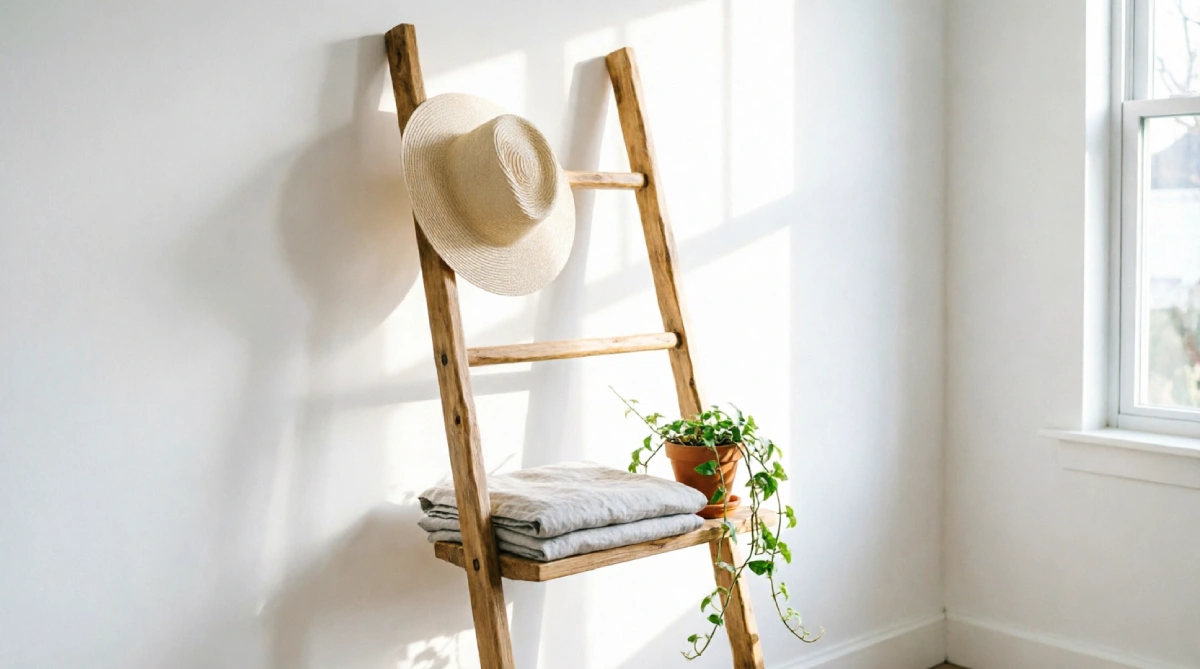
A wooden ladder shelf adds casual, vertical storage that suits summer’s laid-back mood. It holds wide-brimmed hats, a pair of sunglasses, and a small potted fern without eating floor space. I’ve seen these leaners in coastal homes, but they work anywhere to stop accessories from piling up on chairs.
I recommend securing the top to the wall for safety and draping a light cotton throw over one rung. Keep the arrangement sparse—three or four items per shelf so the look stays airy.
9. Use Closed Media Storage to Hide Electronics
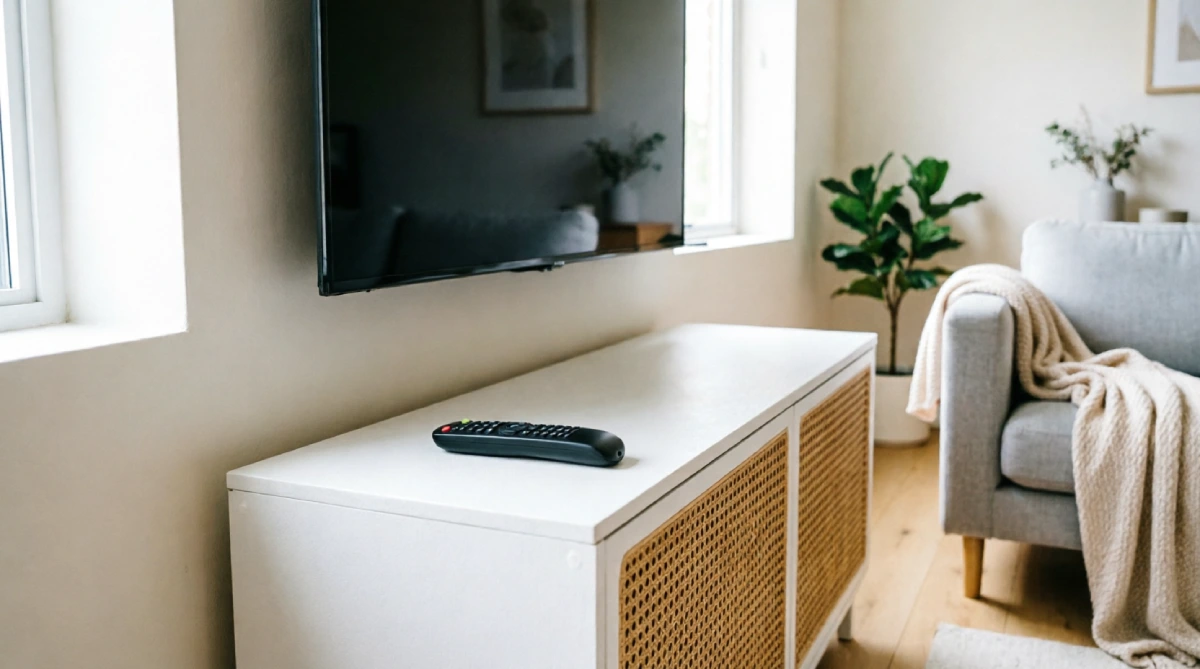
Gaming consoles, streaming boxes, and a tangle of cables amp up visual noise just when we crave a calm space. A media cabinet with doors encloses everything, instantly cooling the room’s feel. A common frustration is the dust-catching nest of wires behind an open TV stand.
Choose a unit with ventilation cutouts and adjustable shelves. I keep a small basket inside for spare batteries and earbuds. By closing the doors after a movie night, you mentally switch the space back to relaxation mode.
10. Utilize Under-Sofa Space with Low Bins
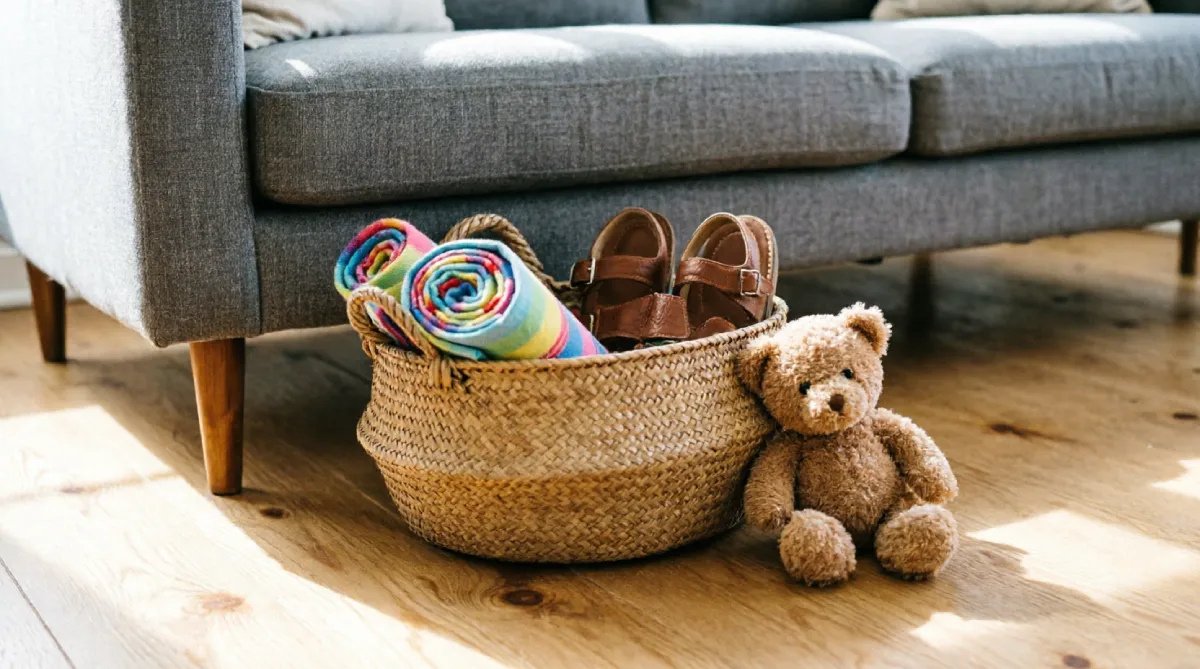
The clearance under many sofas is a perfect slot for flat, lidded bins that can hold flip-flops, picnic blankets, or rolled beach mats. This space often goes unused while floors gather stray items. Slim containers with wheels slide out effortlessly.
I measure the gap carefully and pick bins at least an inch shorter to avoid scraping. In small living rooms, this trick reclaims square footage without making the room feel stuffed. Label the front so everyone knows where the sandals live.
11. Mount Wall Hooks for Summer Accessories
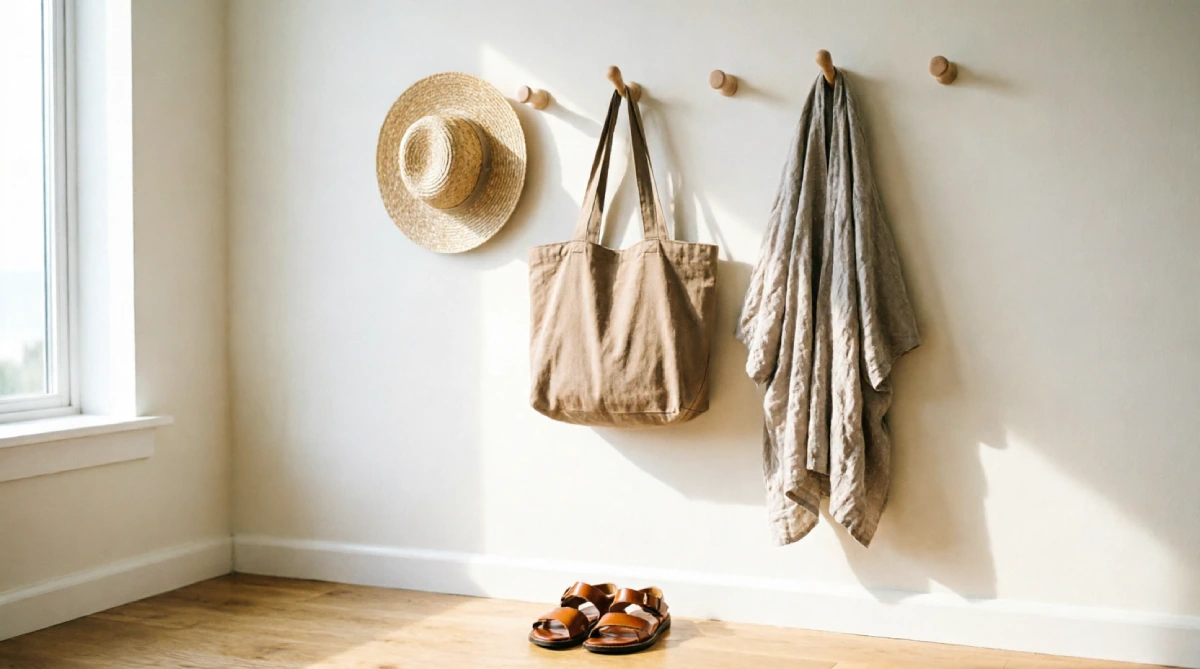
A row of hooks on an empty wall or near the entrance catches sun hats, lightweight totes, and beach cover-ups before they land on furniture. A common issue in entryless homes is the “dumping chair” piled with bags. Hooks solve that with no floor footprint.
I prefer spaced-out double hooks in a natural wood or muted metal finish so wide-brimmed hats hang without crushing. Install them at a height kids can reach, and suddenly the daily unpacking becomes a breeze.
12. Use Nesting Tables for Flexible Surface and Storage
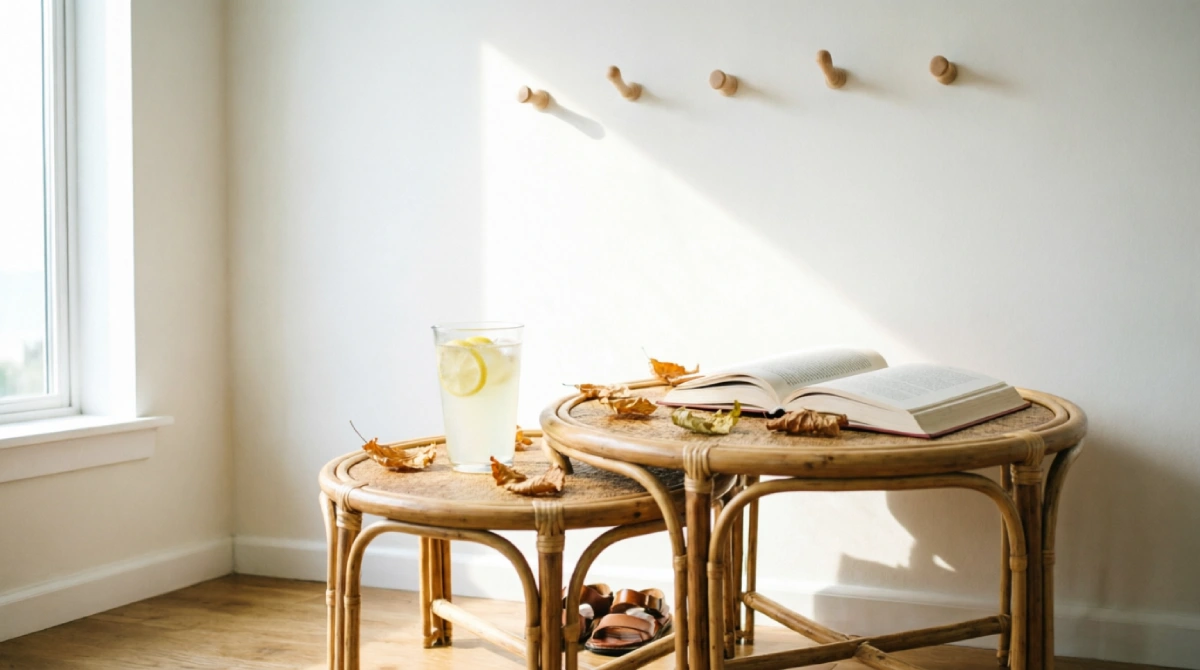
A set of nesting tables expands for drinks and snacks when friends drop by, then slides back together to reclaim floor space. A common culprit of permanent clutter is bulky side tables that sit unused half the time. Nesting versions provide exactly the surface you need, when you need it.
I look for light metal or rattan sets where the smaller table can double as a low pedestal for a basket of summer reads. This flexibility makes the living room feel larger and more intentional daily.
Practical Tips
- Use drawer dividers inside console drawers to separate sunscreen, bug spray, and sunglasses.
- Roll beach towels instead of folding them to fit more in ottomans and bins.
- Add a small hanging shoe organizer on the back of a door to store flip-flops and water shoes without taking up floor space.
- Rotate decorative objects on shelves with the seasons—store off-season pieces in a lidded box in the media cabinet.
- Before buying new storage, shop your home: a pretty basket from the bedroom or a spare bin from the garage often works perfectly.
Common Mistakes to Avoid
- Overstuffing open baskets until they look messy, which defeats the purpose.
- Choosing dark, heavy bins that absorb light and make the room feel hotter.
- Forgetting to measure under-sofa clearance—bins that don’t fit just create another clutter spot.
- Using hooks but overcrowding them; two items per hook keep it functional and tidy.
- Keeping winter throws out “just in case,” which steals precious storage capacity.
FAQs
What’s the best way to store beach towels in the living room without them looking messy?
Roll them tightly and store in a lidded storage ottoman or under-sofa bins. That keeps them hidden but ready to grab.
Can I use these storage ideas in a small living room?
Absolutely. Wall hooks, floating shelves, under-sofa bins, and nesting tables are especially great for tight spaces because they use vertical and hidden areas.
How do I keep my living room clutter-free with kids during summer break?
A dedicated rolling cart or a low basket that kids can access themselves helps. Label bins with pictures so even young children can participate in cleanup.
Are decorative lidded boxes really effective, or do they just become another junk drawer?
They work if you commit to using them for specific categories only. Limit each box to one type of item, like remotes and chargers, and do a quick weekly reset.
Is it expensive to implement these summer storage ideas?
Not necessarily. Many solutions rely on affordable basics—bins, baskets, hooks, and rearranging what you already own. A few intentional purchases can make a noticeable difference without a big budget.
Conclusion
Summer living room clutter often comes down to a few simple trouble spots: seasonal gear, extra textiles, and the daily flotsam of a more relaxed schedule. These twelve storage ideas meet each challenge with practical, breathable solutions that don’t require a complete redesign. By weaving in natural baskets, closed cabinets, vertical shelving, and smart seasonal swaps, you give the room a lighter, calmer presence. Start with just one change—maybe a slim console table or a set of lidded boxes—and notice how quickly the space starts to breathe. A clutter-free living room isn’t about perfection; it’s about creating an easy, welcoming backdrop for everything summer brings.
