

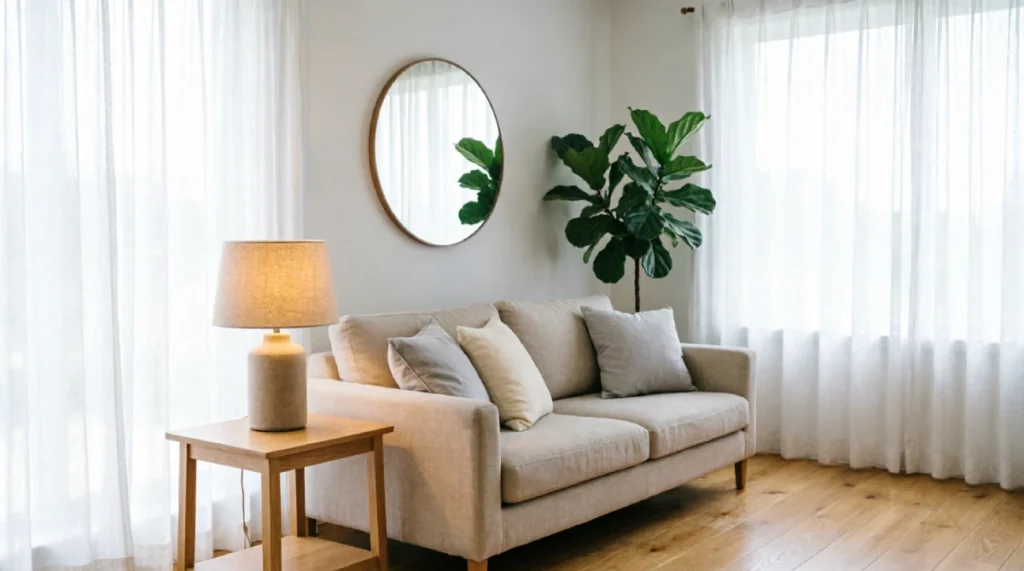
When the sun is high and days stretch long, a living room can still feel dark and uninviting if the lighting isn’t right. Heavy drapes, warm-toned bulbs, and outdated fixtures often work against the airy feel we crave. I’ve found that a few thoughtful changes—like switching to cooler light temperatures or rearranging lamps—can open up the room instantly.
In this article, I’ll walk you through 13 summer living room lighting ideas that are practical, budget-friendly, and easy to try. You’ll learn how to maximize natural light, choose the best fixtures, and create layers that keep the space bright all day and cozy at night.
1. Swap Heavy Curtains for Sheer Layers
Heavy drapes block precious daylight and make a room feel smaller. Switching to sheer curtains instantly lets sunlight flood in. Sheer fabrics diffuse light softly, reducing harsh glare while keeping the space bright and airy.
In many homes, I’ve seen thick blackout curtains left closed during summer, which creates a cave-like feeling even at noon. A common issue is forgetting that fabric weight affects overall brightness.
I recommend choosing lightweight cotton or linen sheers in white or pale neutral tones. Hang them high and wide to maximize the window opening.

2. Place Mirrors to Bounce Natural Light Around
A strategically placed mirror can double the daylight reaching dark corners without any electrical work.
Mirrors reflect and spread sunlight, acting like an extra window. This simple trick can make the entire room feel larger and more luminous.
I’ve often noticed that rooms with a large mirror opposite a window stay noticeably brighter, especially in the afternoon. A common improvement is using a round or arched mirror to soften the reflection.
Position a sizable mirror on a wall directly across from a window, or lean a tall floor mirror near a light source. Even a cluster of smaller mirrors helps.

3. Switch to Cool White Light Bulbs
The color temperature of your bulbs dramatically shifts how a room feels during summer. Warmer tones can make the space feel heavy. Cool white light (3500K–4000K) mimics natural daylight, keeping the room crisp and alert without looking sterile.
In many homes, I’ve seen 2700K bulbs used year-round, which can feel oppressively golden when it’s already warm outside. A common issue is sticking with bulbs that clash with incoming sunlight. I prefer using LED bulbs around 4000K for general living room fixtures in summer. Dimmable options let you soften the light in the evening.

4. Use Linen or Cotton Lampshades for a Soft Glow
Dark or glossy lampshades can absorb light and add visual weight. A natural fabric shade instantly changes the mood. Linen and cotton gently diffuse bulb light into a soft, wide glow that feels effortless and airy, perfect for summer evenings.
I’ve seen many living rooms where a heavy drum shade on a side table stifles the light output and makes the corner feel darker. A common switch is moving to an unbleached linen shade. Replace existing shades with light-colored linen or cotton ones. The texture adds warmth without dimming the bulb, and the airy look pairs well with bright decor.

5. Add a Tall, Slim Floor Lamp in a Dark Corner
Every living room has that one shadowy corner that never seems to catch light. A slender floor lamp can fix that without crowding the floor. A tall, minimal-profile lamp draws the eye upward and pushes light into the ceiling and walls, making the corner feel bigger.
A common issue I’ve observed is people placing a bulky floor lamp that blocks the walkway or competes with furniture visually. Slim designs solve this. Choose a lamp with a thin metal pole and a shallow shade, or an arc lamp that reaches over a sofa. Aim the light toward a white wall for a soft bounce.

6. Install Wall Sconces to Save Floor Space
When floor space is limited, wall-mounted lighting keeps surfaces clear and adds a layered look.
Sconces wash light across walls without creating tripping hazards, and they work beautifully flanking a sofa or art piece.
In many homes, I’ve noticed that relying on table lamps alone can make a small living room feel cluttered. A common upgrade is adding a pair of plug-in sconces that don’t require hardwiring.
Mount adjustable arm sconces at eye level near seating. Choose styles with white or frosted glass to maintain the bright, open summer feel.

7. Layer Lighting with Dimmers for Day-to-Night Flexibility
Summer days transition into long, warm evenings. Fixed light levels can’t keep up with that changing mood.
Dimmers let you set a bright, energetic scene during daylight and gradually lower the light as the sun sets, avoiding a harsh, single-intensity glare.
I’ve often seen living rooms where the only option is full brightness after dark, which feels jarring when you want to unwind. A common improvement is retrofitting existing switches with dimmer modules.
Install dimmer switches on your main ceiling or floor lamp circuits. Pair them with dimmable LED bulbs so you can fine-tune the atmosphere from early afternoon to late night.

8. Bring in String Lights for a Whimsical Summer Vibe
A touch of playfulness can make the living room feel like a fresh retreat. String lights are an easy, non-permanent addition. Tiny bulbs draped along a curtain rod or shelf create a soft, scattered glow that mimics twilight skies. They add charm without overpowering the main light scheme.
In many homes, I’ve seen string lights used only on patios, but bringing them indoors adds an instant summery lift. A common trick is using warm white LED strings on a timer. Drape them along the top of a window frame or across a blank wall using removable hooks. Keep the bulbs small and the wire hidden for a clean look.

9. Highlight Indoor Plants with Small Spotlights
Greenery thrives in summer, and the right lighting makes plants a focal point while adding depth.
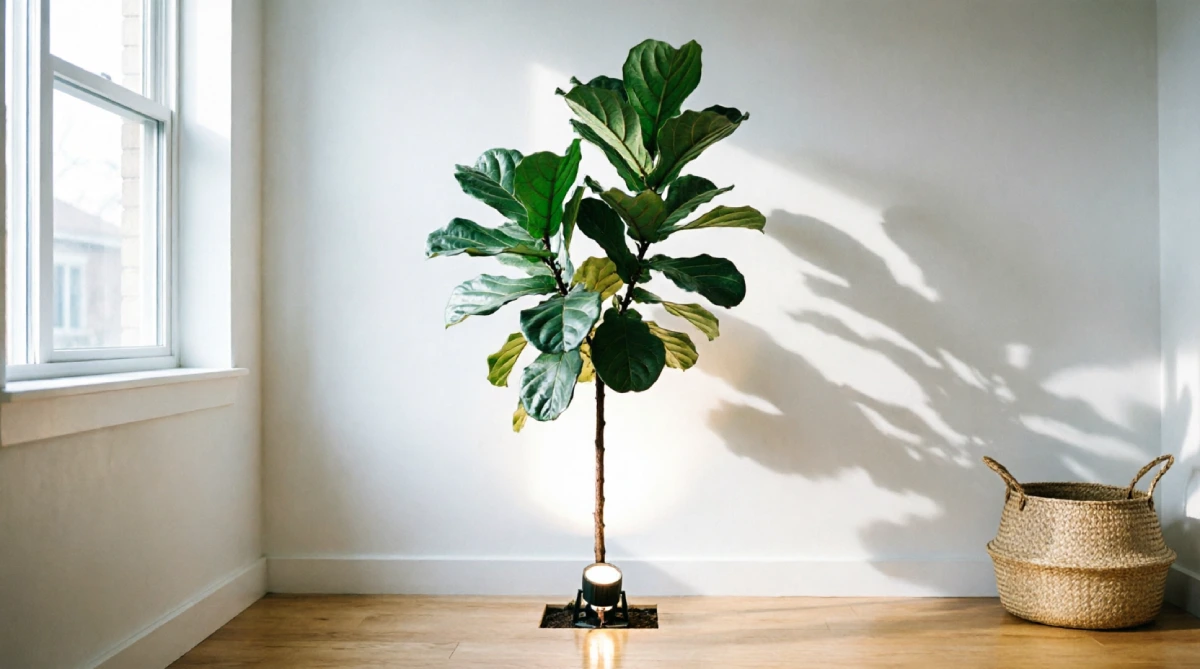
A small directional spotlight uplighting a large leaf or palm creates beautiful shadow play on walls and makes the room feel more alive.
I’ve noticed that placing a simple plug-in spotlight at the base of a fiddle leaf fig transforms a plain corner into a styled vignette. A common mistake is overlighting; one focused beam is often enough.
Use a low-voltage LED plant spotlight with an adjustable head. Position it to cast upward through the foliage, and place it on a timer so it turns on in the evening.
10. Choose Open, Airy Pendant Lights
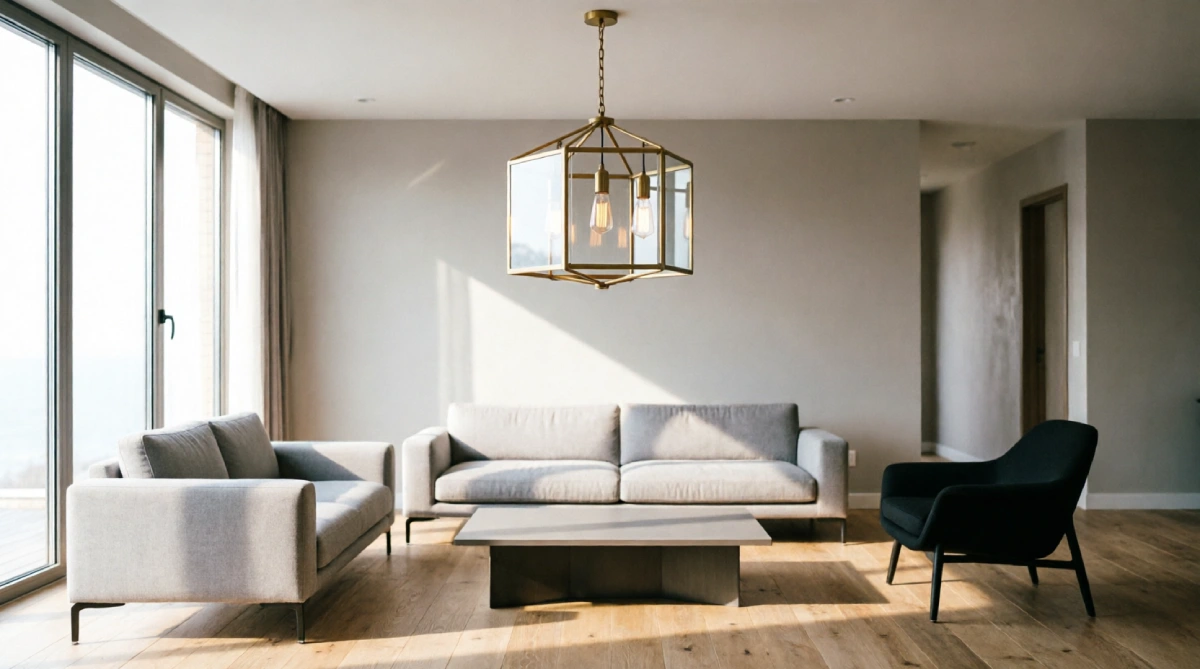
A heavy, enclosed pendant can visually weigh down the center of a room. Opt for an open design that lets light travel freely. Cage, glass globe, or geometric frame pendants allow the bulb to shine unobstructed, keeping sightlines clear and the ceiling feeling higher.
In many homes, I’ve seen a single bulky drum shade pendant make a small living room feel tighter. Swapping it for an airy metal frame pendant noticeably opens the space.
Install a pendant with an open structure and a cool white bulb. Position it above the coffee table or seating area, and hang it high enough to avoid blocking views.
11. Use Reflective and Metallic Accents on Fixtures
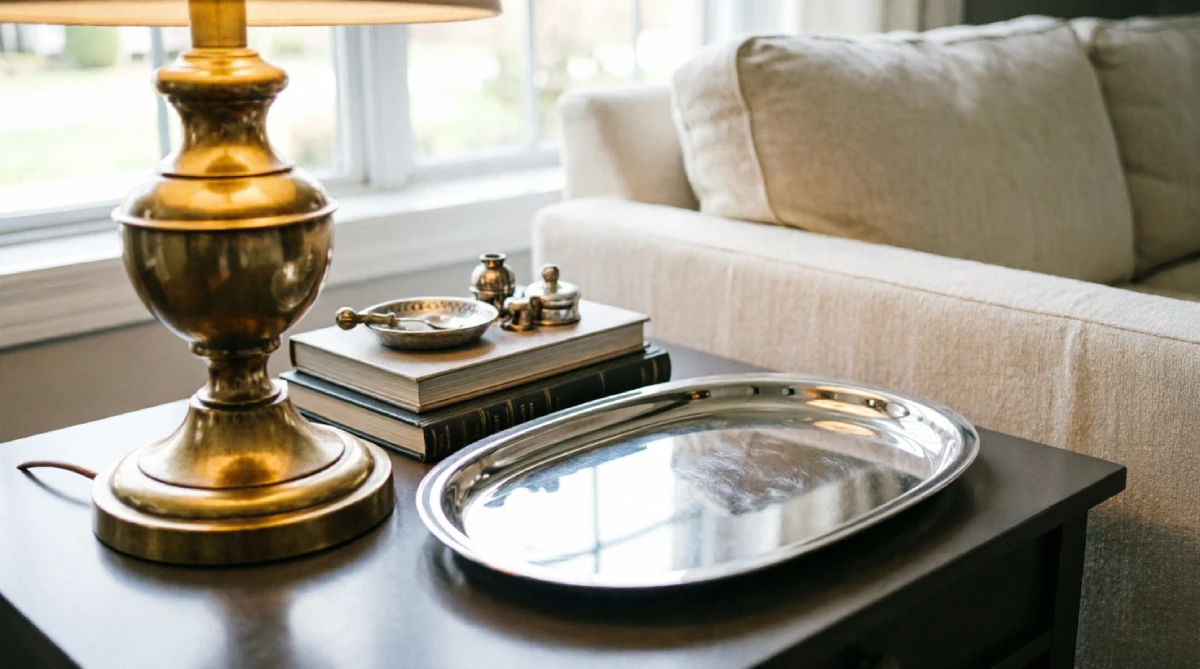
Your light fixtures themselves can act as light amplifiers if they have polished or shiny surfaces.
Metallic finishes like brushed nickel, polished chrome, or light brass catch and scatter both natural and artificial light, adding subtle sparkle.
I’ve often seen that swapping a matte black table lamp base for a polished nickel one lifts the entire corner, especially when sunlight hits it. A common trick is mixing metallic touches across several accessories.
Choose lamps or pendant rods with a reflective finish, and pair them with a glass or mirror-top side table. Even small metallic picture frames near a light source help.
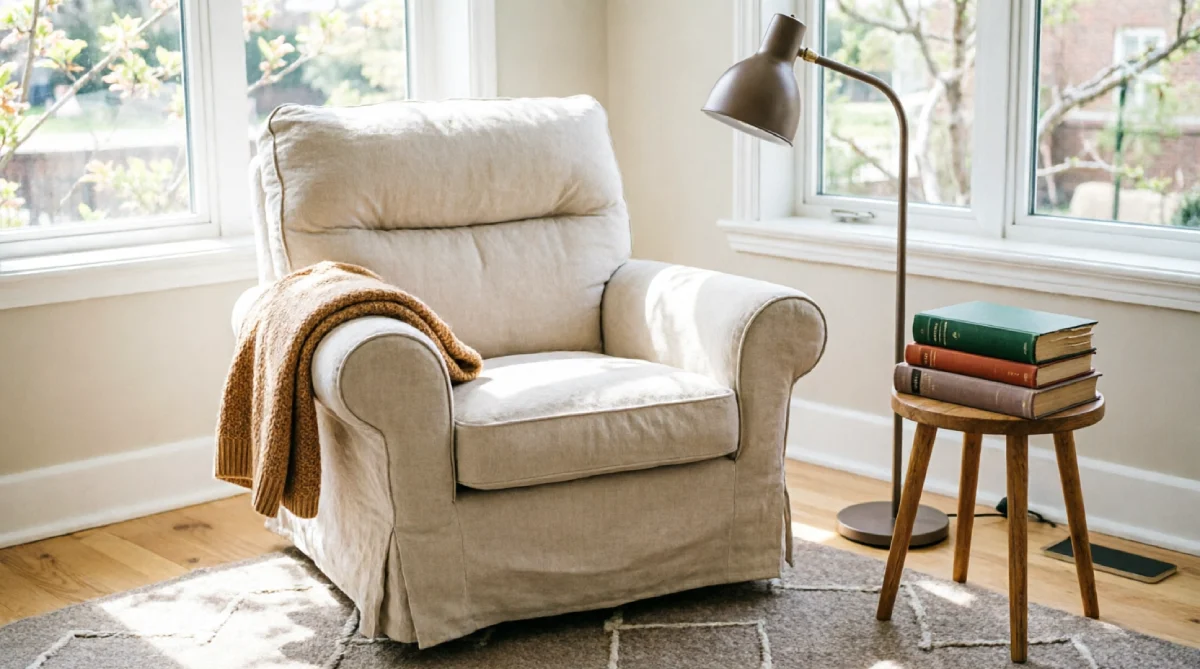
12. Create a Reading Nook with a Focused Task Light
A dedicated bright spot for reading means you don’t have to flood the whole room with light during quiet moments. A compact task lamp delivers concentrated illumination exactly where you need it, reducing eye strain and keeping the rest of the space calm.
In many homes, I’ve noticed a comfortable chair by a window is underused because there’s no proper light for a book. Adding an adjustable arm floor lamp transforms that spot into a daily retreat.
Position a sleek reading lamp with a flexible neck next to your favorite chair. Choose a model with a cool white bulb and a slim profile to maintain the open summer feel.
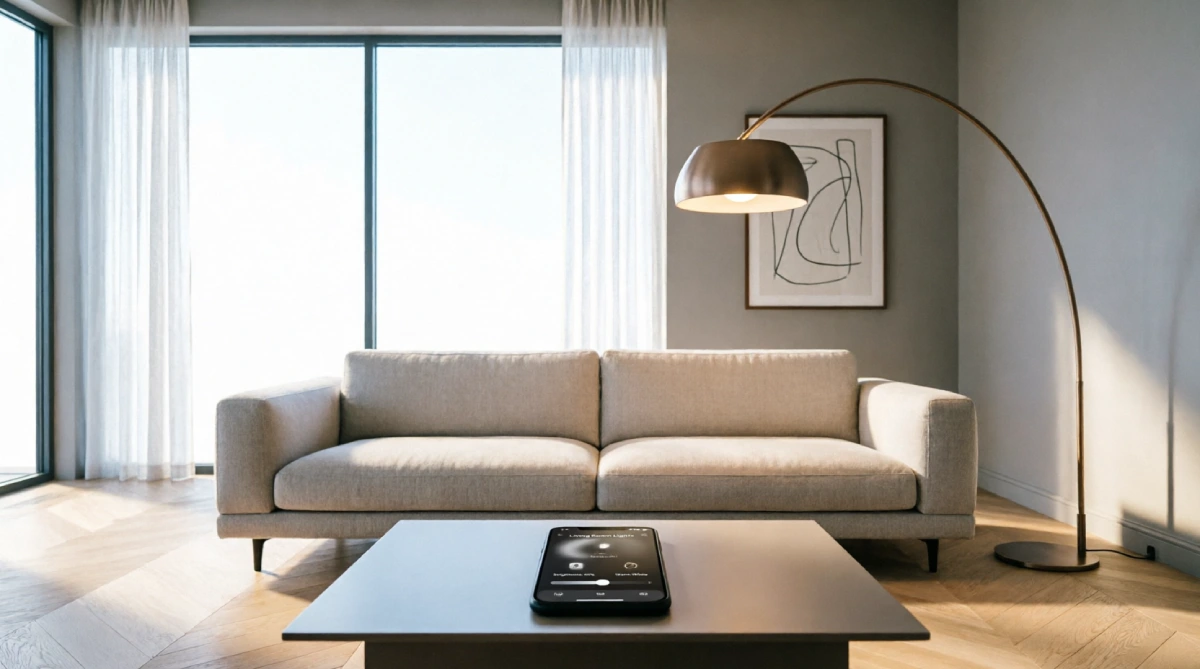
13. Go Smart with Adjustable Color Temperature Bulbs
Having one bulb that changes from crisp daylight to warm ambient light suits summer’s shifting schedule perfectly. Smart bulbs let you schedule and tune the color temperature, so you can start the morning with an energizing cool white and wind down with a softer tone after sunset.
I’ve seen this make a real difference in living rooms that serve multiple purposes—work, relaxation, socializing—throughout the day. A common hesitation is setup, but most now work easily with voice assistants or apps.
Start with one smart bulb in a key floor lamp. Experiment with daylight scenes around 4000K during midday and switch to 2700K in the evening, all from your phone.
Practical Tips
- Clean windows inside and out—built-up dust and grime can block significant sunlight.
- Use light-colored rugs and upholstery to reflect light upward rather than absorbing it.
- Position lamps opposite windows to catch incoming rays and bounce them deeper into the room.
- Swap dark lampshades for white or cream versions for an instant brightness boost.
- Keep bulbs and shades dust-free; dirty surfaces can reduce light output by up to 30%.
- Choose furniture with legs to allow light to travel underneath, making the floor feel airier.
Common Mistakes to Avoid
- Relying only on a single overhead fixture creates harsh shadows and leaves corners dim.
- Using warm yellow bulbs below 3000K in summer makes the room feel heavy and visually stuffy.
- Hanging curtains too low or inside the window frame cuts off valuable natural light.
- Overcrowding with too many dark-colored lamps clutters the room and absorbs light.
- Placing mirrors where they can’t catch direct or bounced sunlight wastes their reflective potential.
Comparison Table
| Lighting Goal | Best Option | Why It Works | Approximate Cost |
|---|---|---|---|
| Boost ambient brightness | Tall floor lamp with linen drum shade | Diffuses soft, wide light without glare | $50–$150 |
| Save floor space | Plug-in wall sconce | Frees up surfaces, mounts at seated height | $30–$100 per sconce |
| Adjustable tone and dimming | Smart LED bulb | Tunable color temperature and brightness from the phone | $10–$30 per bulb |
| Create visual lightness | Open-cage or glass pendant | Doesn’t block sightlines, lets light pass freely | $60–$200 |
| Focused task lighting | Slim adjustable floor lamp | Directs the beam exactly where needed, keeping the rest calm | $40–$120 |
FAQs
How can I make a north-facing living room feel brighter in summer?
Maximize every bit of daylight with mirrors opposite windows, cool white bulbs, and light-reflecting wall colors. Sheer curtains help diffuse available light without blocking it.
Can I keep dark furniture and still brighten the space?
Yes. Add light throws, metallic accents, and place lamps with pale shades nearby to bounce light off the walls and the ceiling. It prevents heavy furniture from absorbing all the light.
What is the ideal color temperature for a summer living room?
I recommend bulbs between 3500K and 4000K. They provide a clean, daylight-like quality that keeps the room feeling crisp and alert without feeling cold.
Are smart bulbs worth it for seasonal lighting changes?
Absolutely. You can shift from energizing cool white during summer days to warm, relaxing tones in the evening, all without swapping bulbs, which adds flexibility.
How do I layer lights without making the room look cluttered?
Mix wall-mounted sconces, one slim floor lamp, and a small table lamp. Keep designs simple and shades light in color, maintaining an airy look with clear surfaces.
Conclusion
Brightening your summer living room doesn’t demand a full renovation. Simple swaps—sheer curtains, cooler bulbs, a well-placed mirror, or an airy pendant—can instantly lift the whole space. Layering light and using adjustable controls lets the room shift gracefully from sunny afternoons to warm evenings.
I hope these 13 summer living room lighting ideas give you practical, easy starting points. Try just two or three changes and notice how much fresher your home feels. Enjoy a lighter, brighter summer right where you are.
