

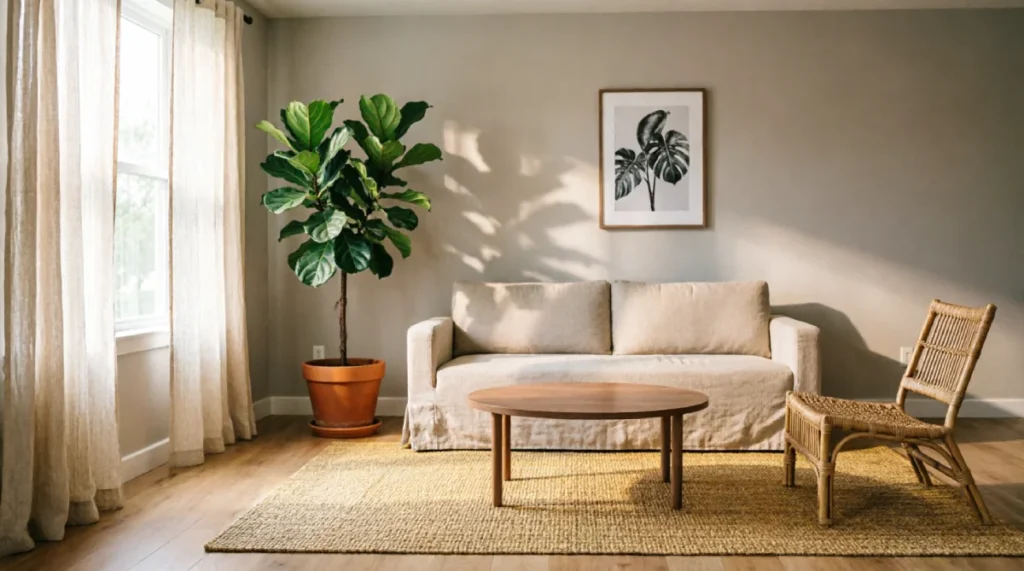
There’s a common struggle when summer arrives: the living room suddenly feels stark and uninviting. All the heavy throws and warm layers get packed away, but what’s left often feels bare, not breezy. The goal isn’t to strip the room down to nothing—it’s to find that sweet spot where the space feels open and cool but still wrapped in a sense of comfort.
I’ve found that cozy doesn’t have to mean heavy. With the right mix of lightweight textures, natural materials, and gentle lighting shifts, a summer living room can feel just as welcoming as it does in fall. Here are 14 ways to get that balance right.
1. Switch to Lightweight Linen Throws
Keeping a throw nearby is a deeply rooted comfort habit, even in warm weather. The solution is fabric choice. A heavyweight knit needs to go into storage, but a washed linen throw offers that same sense of having something to pull over your legs during a late-night movie without causing overheating. Linen breathes naturally and has a relaxed, slightly crumpled texture that looks better with use.
The reason this works so well is psychological as much as physical. Having a layer available signals comfort, even if it barely gets used. In many homes, I’ve noticed that simply having a light throw draped over a corner chair makes the entire room feel more settled and intentional.
A practical approach is to choose undyed or stonewashed linen in neutral shades like flax, oatmeal, or faded slate. These colors reflect the summer light beautifully and hide everyday creases. Drape it casually rather than folding it perfectly—the undone look fits the season.

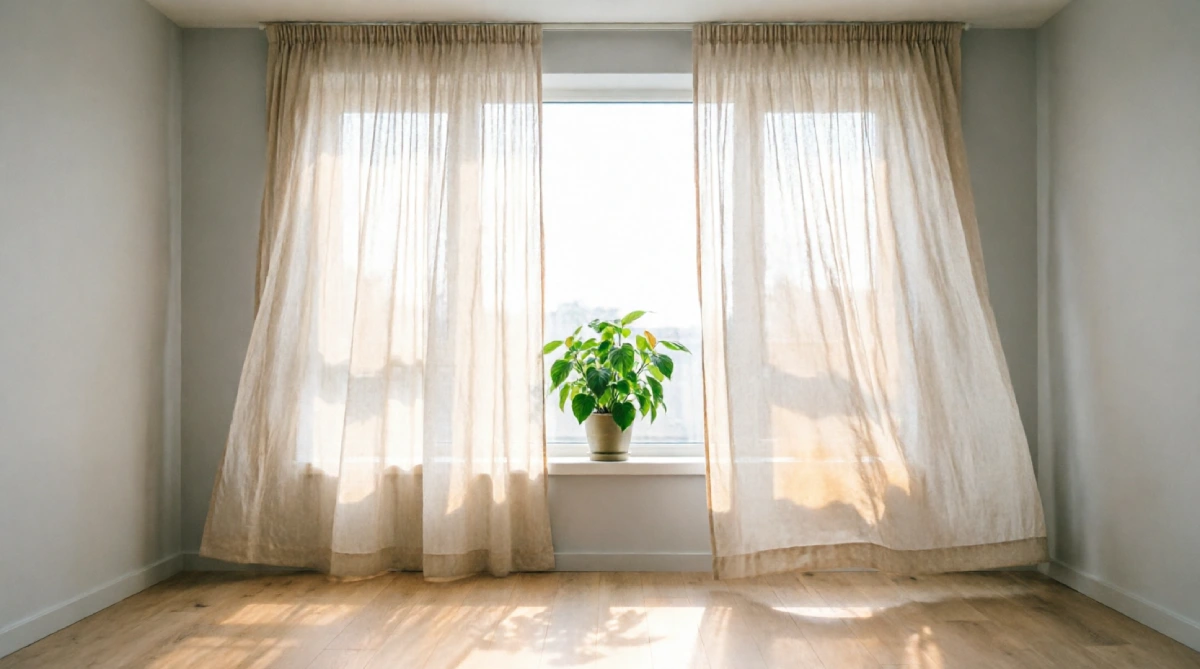
2. Swap Heavy Curtains for Sheer Cotton Panels
Window treatments change a room’s entire atmosphere. Heavy velvet or blackout curtains that feel perfect in winter can trap heat and block the long daylight hours that make summer rooms feel alive. Replacing them with sheer cotton or cotton-blend panels transforms the quality of light in the space immediately.
Sheers diffuse harsh midday sun into a soft glow, which makes the room feel gentle and calm rather than glaring. I prefer unlined, slightly textured cotton voile because it moves with the breeze when windows are open, adding a subtle sense of airflow you can actually see. In many homes, this simple switch makes the room feel cooler by several degrees, both visually and physically.
Choose panels that puddle slightly at the floor for a relaxed look, and go for off-white or warm cream rather than stark white, which can feel too clinical in bright light. Wash them once before hanging to get that soft, lived-in drape from day one.
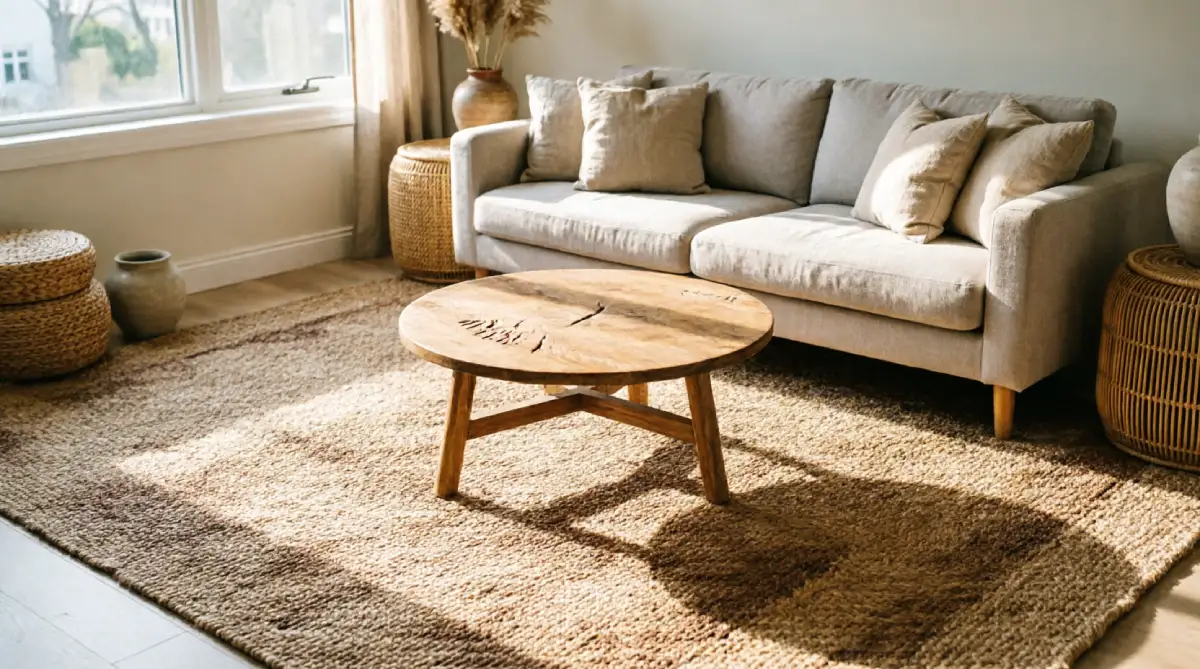
3. Introduce Natural Fiber Rugs
Floors have a bigger impact on seasonal comfort than most people realize. A thick wool rug can feel suffocating underfoot in July, but bare floors can feel echoey and cold. The middle ground is a natural fiber rug—jute, sisal, or seagrass—which adds texture and grounding without trapping heat.
These rugs bring an organic, earthy quality that anchors a summer room. The neutral tones work with virtually any color palette, and the coarse texture feels pleasantly cool under bare feet. A common issue with bare floors in summer is that the room loses its sense of zone and coziness; a natural fiber rug defines the seating area while keeping things breathable.
Layer a smaller flat-weave cotton rug on top if you want a bit more softness in a specific spot. Jute sheds slightly, so a rug pad underneath helps and extends its life. Vacuum gently to keep the weave clean without pulling fibers loose.
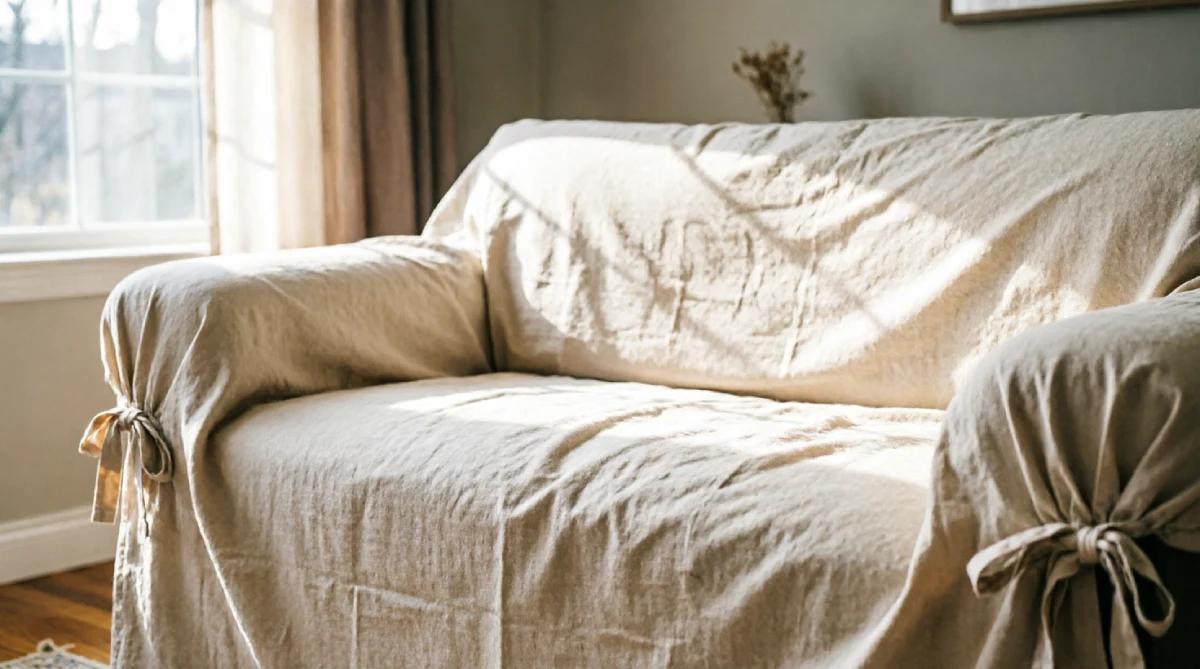
4. Use Slipcovers in Washable Fabrics
Dark upholstery can absorb light and feel heavy during the summer months. If replacing furniture isn’t practical, well-fitted slipcovers in light, washable fabrics like cotton duck or linen-cotton blends are a practical alternative. They change the color temperature of the room instantly and can be removed for washing—something that matters a lot when windows stay open, and dust and pollen find their way in.
Lighter slipcovers reflect light rather than absorbing it, which helps the room feel fresh and open. I recommend choosing relaxed-fit styles with ties rather than tight, tailored covers; the slightly casual fit reads as summery and forgiving. In many homes, I’ve seen this single change make a dark, winter-heavy room feel like a completely different space.
Stick to cream, pale sand, or soft gray to maximize the lightening effect. Keep the original upholstery underneath for the cooler months when you want that coziness back.
5. Embrace Potted Indoor Plants Strategically
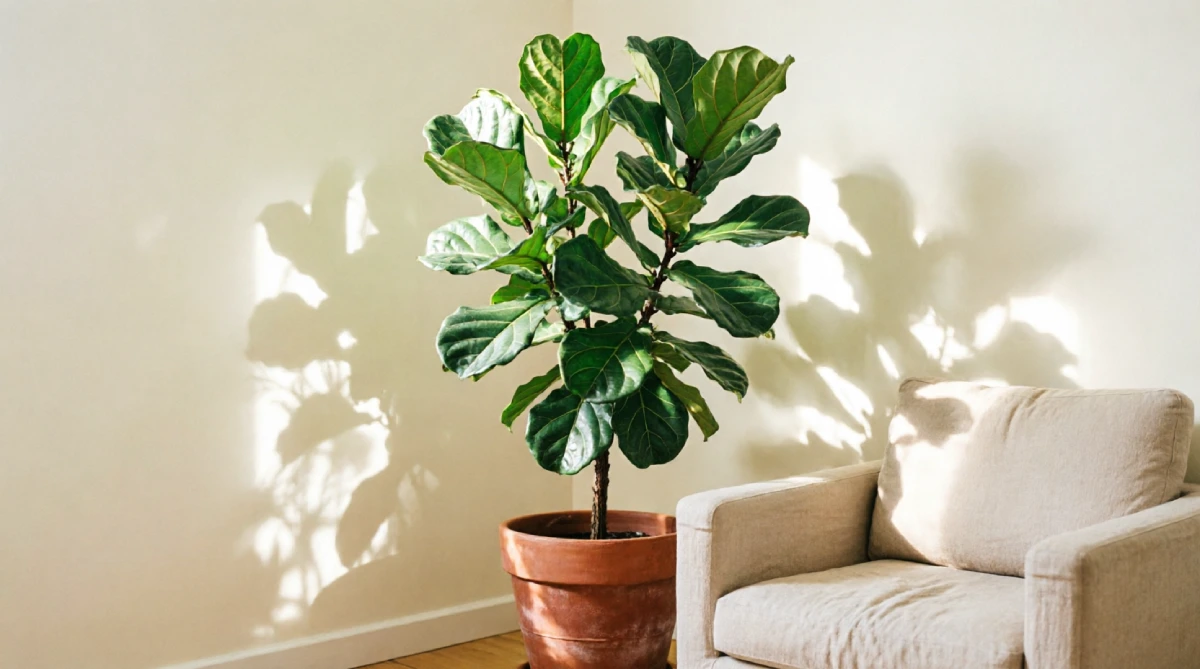
Plants bring life into a room, and during summer, that connection to the outdoors feels especially right. But the key is strategic placement, not turning the living room into a greenhouse. Two or three well-placed larger plants—like a fiddle leaf fig, a monstera, or a tall snake plant—create a sense of lushness without clutter.
The deep greens contrast beautifully against light summer textiles and neutral walls, adding depth that keeps the room from feeling washed out. Plants also improve the feeling of air quality, even if the measurable effect in a large room is modest. In many homes, a bare corner that feels awkward suddenly makes sense once a tall plant fills it.
Choose pots in natural materials like terracotta, seagrass baskets, or unglazed ceramic to keep the look grounded. Grouping two or three smaller plants at different heights on a side table also works well for smaller spaces.
6. Rearrange Furniture Away From the Perimeter
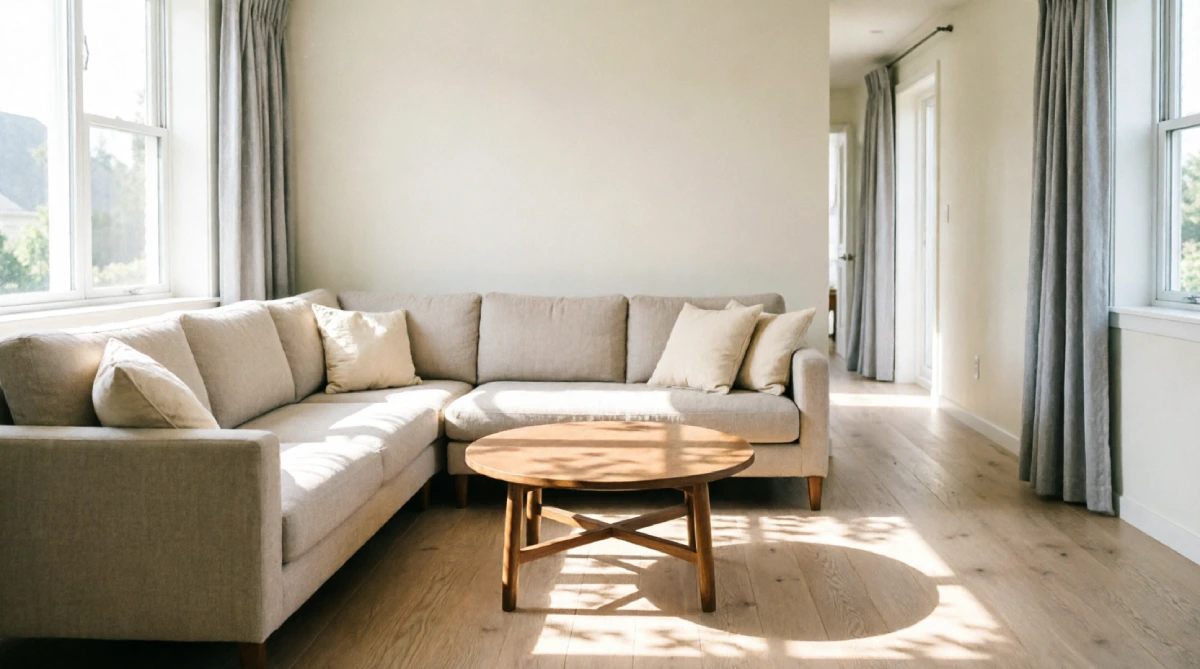
A common winter layout pushes all furniture against the walls, creating a cocooning effect. For summer, pulling seating even a foot or two away from the walls can make a noticeable difference. This creates airflow pathways and makes the room feel more open and breathable. A floating furniture arrangement also encourages conversation, which suits the more social nature of summer.
The practical reasoning is simple: air circulates better when it’s not blocked by a sofa pushed tight against baseboards. Visually, the space between furniture and walls adds a sense of depth. I’ve seen this single layout change make compact living rooms feel significantly larger without any renovation.
Float the main seating pieces around a central coffee table or ottoman. Even angling one armchair slightly can break up the boxy feel of a room. This works especially well in rooms with windows on multiple walls.
7. Layer Subtle Summer Scents
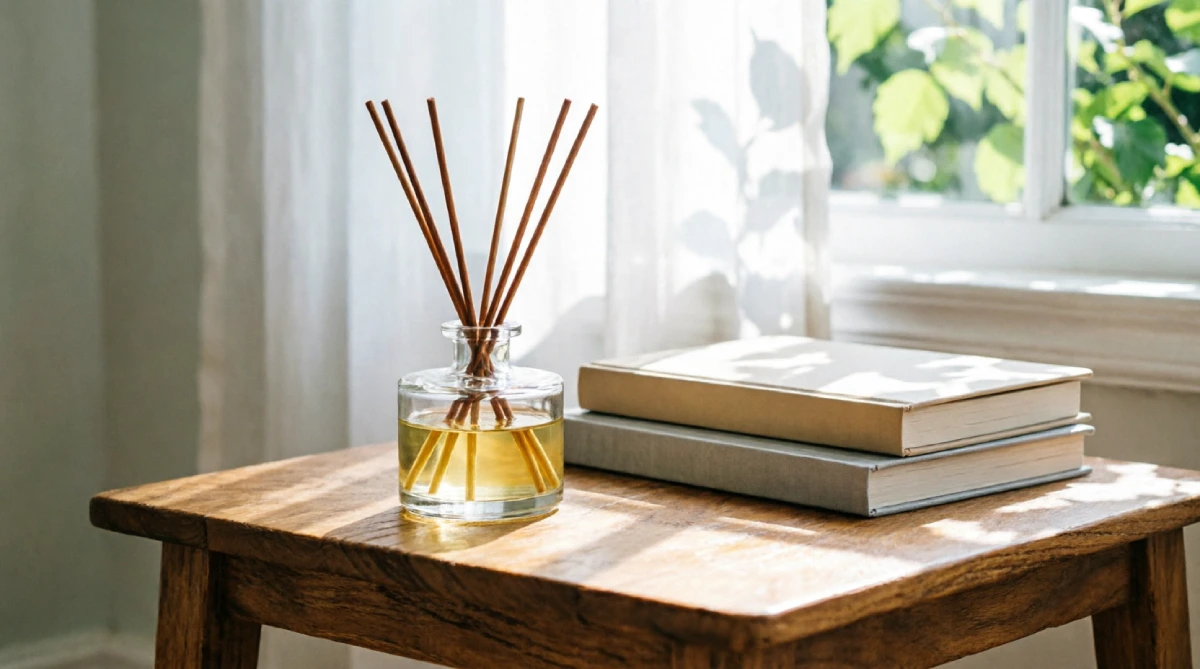
Scent has a strong effect on how a room feels. The heavy candles and diffusers used in winter—cedar, clove, vanilla—can feel cloying in warm weather. Switching to lighter, fresher scents changes the room’s atmosphere without changing a single physical object. Citrus, fresh herb, sea salt, or light floral notes read as clean and airy.
The reason this matters is that our sense of smell is closely tied to temperature perception. A crisp, green scent makes a room feel cooler and fresher, while heavy amber or spice can make it feel warmer. I usually recommend a simple reed diffuser or a single natural candle rather than multiple competing sources.
Look for scents with bergamot, grapefruit, basil, or ocean air notes. Keep the intensity subtle—summer calls for a hint of scent, not a strong presence. Place the diffuser near an entryway or window where air movement carries it naturally.
8. Incorporate Woven and Rattan Accents
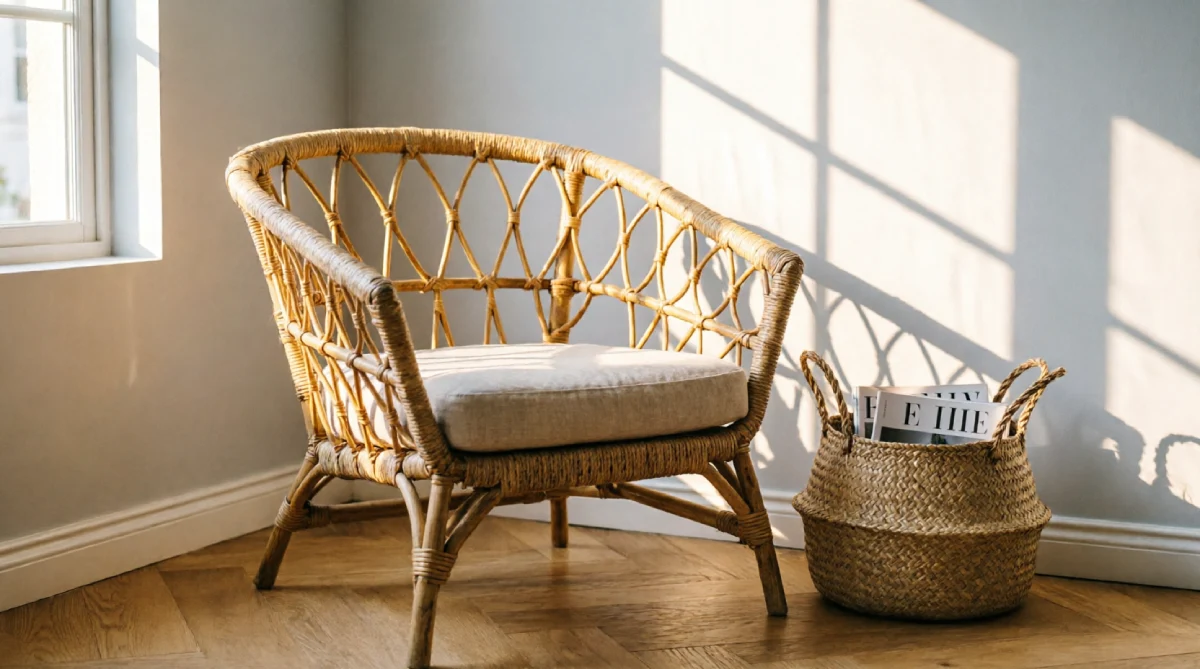
Texture keeps a light-colored summer room from falling flat. Woven materials like rattan, cane, wicker, and bamboo add visual warmth and organic pattern without the weight of dark wood or metal. A rattan armchair, a cane-front console, or even woven baskets for storage all introduce a craft-based texture that feels inherently summery.
These materials have a long history in warm-climate design for practical reasons—they’re lightweight, breathable, and age beautifully. In many homes, mixing just two or three woven pieces into an otherwise neutral room creates a layered, collected-over-time feel. I’ve noticed that rattan also photographs beautifully in natural light, adding shadow patterns that change through the day.
Start with a single statement piece like a peacock chair or a woven pendant light, then add smaller accents like a rattan tray on the ottoman. Avoid going overboard; the goal is texture, not a theme.
9. Keep Lighting Low and Warm in the Evening
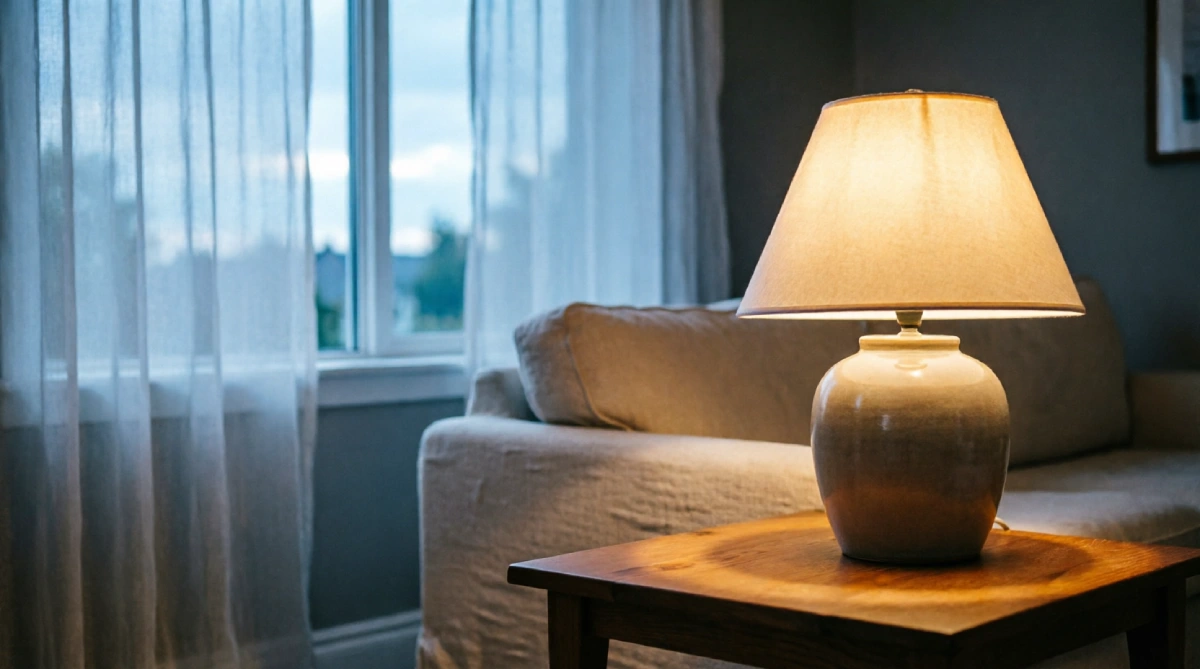
Summer days stretch long, but evenings still call for cozy lighting. The mistake many people make is leaving harsh overhead lights on well past sunset, which kills any sense of intimacy. Lower, warmer lighting at table height creates a relaxed evening atmosphere that still feels appropriate for warm weather.
The practical reason this works is about eye level. Light sources placed low—side table lamps, floor lamps with shades that direct light downward, even simple candlelight—create pools of warmth without flooding the room. I prefer using bulbs in the 2700K range, even in summer; cool white bulbs feel sterile regardless of the season.
Rearrange lamps so seating areas have dedicated light sources at arm height. A small table lamp on a side table next to the sofa does more for evening coziness than any ceiling fixture. Dimmer switches make adjusting the mood effortless.
10. Display Fresh or Dried Botanicals Simply
Fresh flowers are an obvious summer addition, but they don’t need to be elaborate arrangements. Simple, single-variety stems in a plain glass or ceramic vessel often feel more natural and aligned with the season than formal bouquets. Wildflowers, eucalyptus branches, or even foraged greenery from the yard keep the connection to the outdoors present inside.
Dried botanicals like pampas grass, bunny tails, or preserved lavender work well too and last the entire season. They add that organic, slightly undone texture that reads as cozy without being precious. In many homes, a simple branch in a tall vase on the floor creates more impact than a fussy centerpiece.
Change the water regularly if using fresh stems—nothing ruins a summer room faster than a stale, murky vase. Place arrangements where they catch natural light during the day; backlit leaves and petals add an extra layer of beauty.

11. Edit and Rotate Decorative Objects
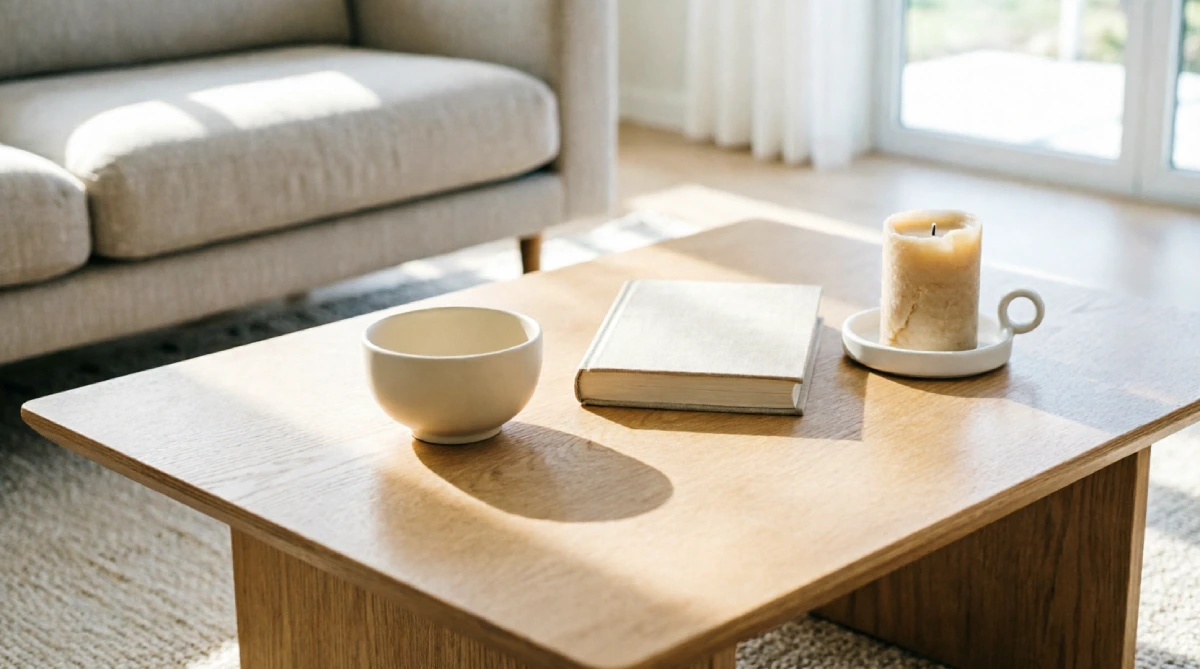
Summer naturally lends itself to a slightly more edited look. This doesn’t mean minimalism—it means being intentional about what stays out. Rotating decorative objects seasonally keeps a room feeling current. Heavy ceramics, dark-colored art books, and crowded shelves can be pared back, leaving more breathing room around the pieces that remain.
The benefit is visual calm. When the eye has fewer objects to land on, the room feels more serene and spacious. I usually box up about a third of the smaller decorative items and rotate them back in during the fall. This also makes cleaning easier, which matters when windows are open, and dust accumulates faster.
Keep surfaces like coffee tables and consoles to two or three items each. A stack of two light-covered books, a small ceramic bowl, and a candle is plenty. Let the summer light do some of the decorative work by not filling every surface.
12. Add a Ceiling or Portable Fan That Looks Intentional
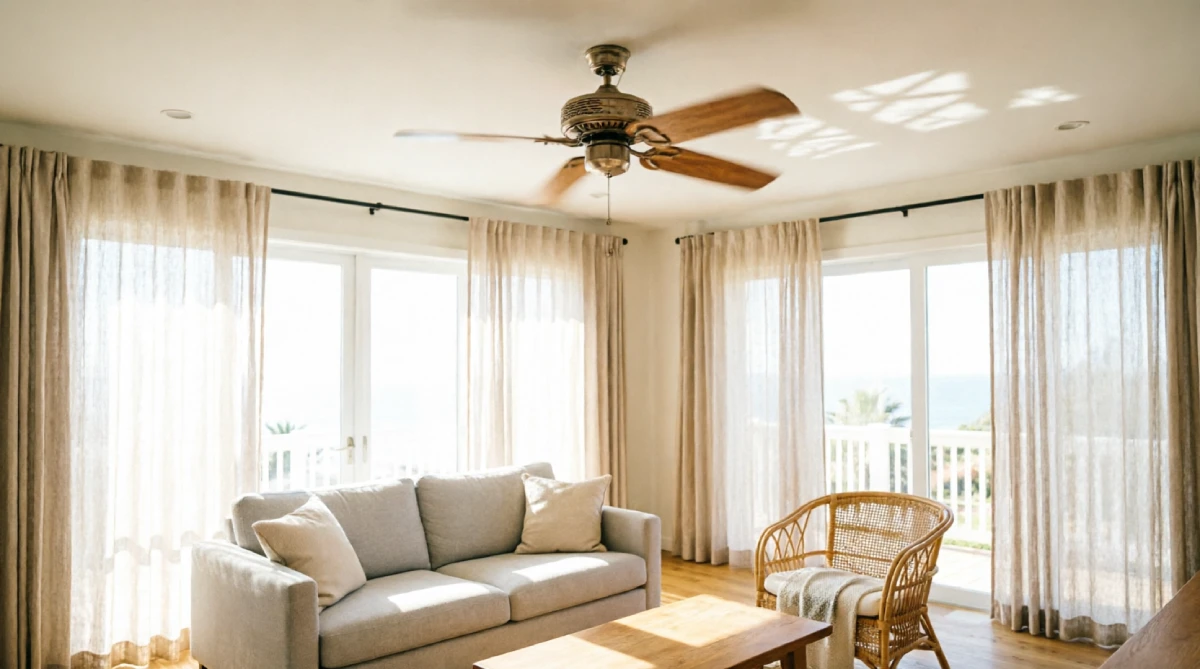
Air movement is essential for real summer comfort, but a clunky plastic fan can ruin the look of a carefully styled room. Choosing a ceiling fan with wooden blades or a vintage-style portable fan makes the functional object part of the design. It’s one of those practical upgrades that serves daily comfort while contributing to the room’s character.
Moving air makes a space feel several degrees cooler, reducing the reliance on air conditioning and allowing windows to stay open longer. A ceiling fan also helps distribute cooler evening air pulled in from outside. In many older homes without central air, this is the single most effective comfort upgrade.
For portable fans, metal-blade pedestal or tabletop models in matte black, brass, or retro pastels look intentional rather than temporary. For ceiling fans, natural wood blades with a quiet DC motor are worth the investment.
13. Use Light Cotton or Linen Cushion Covers
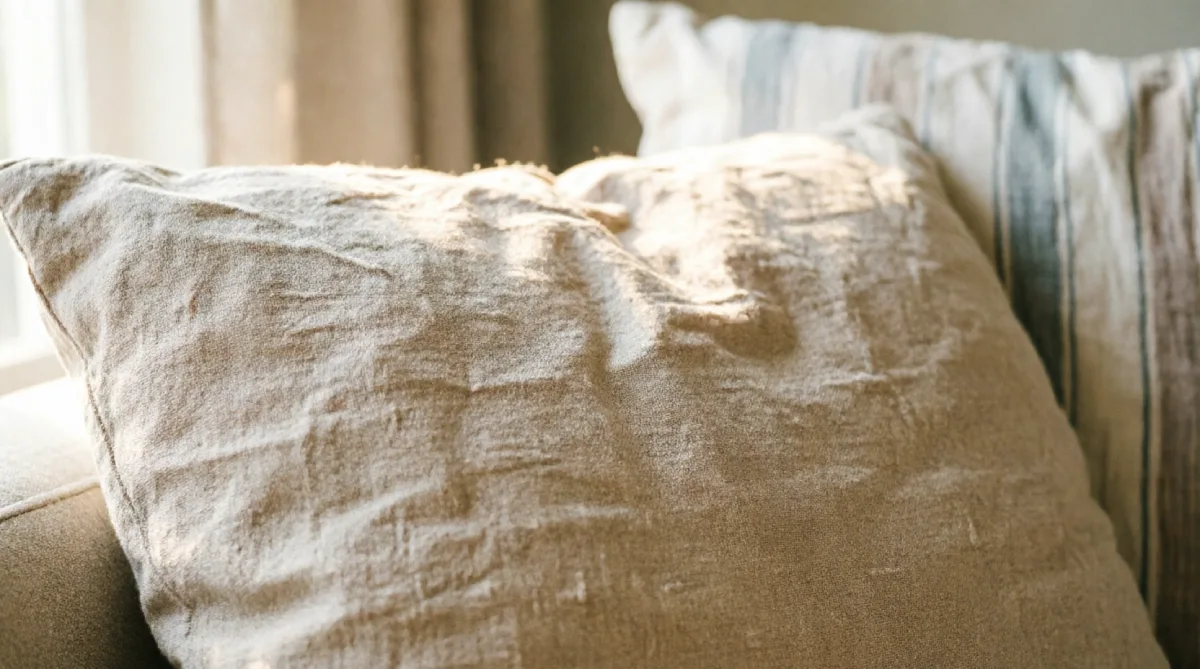
Throw cushions are where textile weight matters most. A velvet or heavy wool cushion feels unpleasant against the skin in hot weather. Swapping covers to light cotton, linen, or even a cotton-linen blend makes the same cushions feel seasonally appropriate. It’s a small change with a big sensory impact.
Lightweight cushion covers feel cool to the touch and look more relaxed. They also wash and dry quickly, which is practical for summer when sweat, sunscreen, and outdoor dust find their way onto fabrics. I recommend keeping a set of summer covers stored with the warm-weather linens and swapping them in around late spring.
Stick to natural tones or muted stripes and subtle botanical patterns. Avoid anything too dark or overly saturated, which can absorb light and feel visually heavy against light summer upholstery.
14. Create a Barefoot-Friendly Floor Experience
Summer living naturally involves more barefoot time. Making the floor feel good underfoot—clean, smooth, and not too cold or too scratchy—adds a layer of physical comfort that defines how the room actually feels to inhabit. This goes beyond just having a rug; it’s about the transition between surfaces.
Wood or laminate flooring with a light coat of natural oil or matte finish feels warm and smooth without being slippery. If you have tile, a few strategically placed cotton flat-weave runners or dhurries prevent that cold shock. In many homes, the area where the sofa meets the floor is where feet naturally rest; adding a small, soft rug just there makes a noticeable difference.
A quick sweep or vacuum every couple of days keeps barefoot surfaces pleasant. In homes with pets, a cordless stick vacuum stored nearby makes this habit much easier to maintain.

Practical Tips
- Rotate textiles seasonally: Keep a designated bin for summer cushion covers and throws so the swap is quick when warm weather arrives. Having everything clean and ready removes the friction from seasonal changes.
- Clean windows inside and out: The quality of summer light is your best decor asset. Dirty glass dulls it. Clean windows maximize the bright, airy feel you are trying to create.
- Use natural materials wherever possible: Cotton, linen, jute, rattan, terracotta, and light wood all breathe and age well. Synthetic materials can trap heat and often look less appealing in bright natural light.
- Create a dedicated drink spot: A small tray on a side table with a water carafe and glasses encourages hydration and feels like a quiet luxury. It’s a small detail that makes summer lounging more pleasant.
- Add a summer reading basket: A low woven basket near the sofa with a few current books and magazines makes the space feel lived-in and inviting without creating clutter.
- Adjust your fan direction seasonally: Ceiling fans should spin counterclockwise in summer to push air straight down and create a cooling breeze. Most fans have a small switch on the motor housing.
Common Mistakes to Avoid
- Removing all softness: The instinct to strip the room bare for summer can backfire. A room with no textiles at all feels stark, not cozy. Keep the soft layers but switch to lightweight versions.
- Ignoring evening temperature drops: Summer nights can be cool, especially near the coast or in certain climates. Having a light throw within reach prevents the need to close windows and turn off the breeze.
- Using cool-white LED bulbs: Bulbs in the 4000K–5000K range make any room feel like a garage or hospital. Stick to 2700K–3000K for living spaces, even in summer, to maintain warmth after sunset.
- Overfilling the room with plants: A few well-placed plants add life; too many make a room feel humid and cluttered. Edit greenery just as you would any other decorative object.
- Forgetting about insect control: Open windows invite bugs. Well-fitted screens and a subtle, non-toxic repellent near entry points keep the room comfortable without chemical smells overwhelming the space.
Comparison Table
| Rug Material | Best For | Why It Works | Approximate Cost |
|---|---|---|---|
| Jute | High-traffic seating areas | Durable, breathable, neutral tones anchor light decor | $100–$400 for 8×10 |
| Cotton flat-weave | Layering or barefoot zones | Soft, washable, comes in endless patterns | $80–$300 for 8×10 |
| Sisal | Entryways or defined zones | Very tough, textured feel, stays cool | $150–$500 for 8×10 |
| Seagrass | Humid climates | Naturally moisture-resistant, smooth underfoot | $120–$400 for 8×10 |
| Wool (low pile) | Cooler evening areas | Soft but still breathable in low pile, insulates mildly | $300–$800+ for 8×10 |
FAQs
What is the best way to make a dark living room feel like summer?
Focus on lighting and textiles first. Add sheer curtains to maximize available light, use light-colored slipcovers or throws on dark furniture, and place mirrors opposite windows to bounce daylight deeper into the room. Even painting one accent wall a lighter shade can help.
Can I keep my dark leather sofa in a summer living room?
Yes. Dark leather can work in summer when balanced with light linen cushions, a pale throw draped across the back, and a light-colored rug underneath. The contrast can actually look intentional and grounded rather than heavy.
Is it expensive to create a summer living room look?
It doesn’t have to be. The most impactful changes—rearranging furniture, editing surfaces, switching cushion covers, and cleaning windows—cost nothing. A few new textiles like a linen throw or cotton rug can be found at reasonable prices from home goods retailers.
How do I make my living room cozy for summer evenings without closing the windows?
Layer low, warm lighting with table lamps or floor lamps, keep a light throw within reach, and use subtle evening scents. The goal is creating pools of warmth around seating areas while the room itself stays open and airy.
Do I really need to change my rug for summer?
Not necessarily. If your current rug is a heavy wool or shag, consider rolling it up and either going without or layering a lighter flat-weave rug on top. If it’s already a low-pile natural fiber, it likely works year-round.
Conclusion
A cozy summer living room isn’t about buying all new things or following a rigid set of rules. It comes down to paying attention to weight—lighter fabrics, brighter light, more breathing room around furniture and objects—while keeping the softness that makes a living room feel like a place to relax. The best summer rooms I’ve seen feel effortless because the changes are simple and sensory: how the floor feels underfoot, how the light moves through the curtains, how the evening lamp makes a corner glow. Start with one or two of these ideas that feel most natural for your space. The rest tends to follow.
