

My neighbor in Woodside, Queens, bought a 900-square-foot row house three years ago. She had $4,000 left after closing — not the renovation budget she’d hoped for. But after six months of strategic, low-budget updates, her home looked nothing like its former dated self. No gut renovation. No contractor overruns. Just smart decisions made room by room.
That’s the reality for a lot of small home owners across New York’s outer boroughs and upstate communities — you’re working with tight square footage, older bones, and a renovation budget that has to stretch further than it should. The good news is that interior design ideas for small homes on a low budget don’t require you to compromise on how your space looks or functions. They just require you to prioritize differently.
This guide covers practical, cost-conscious design strategies specifically for New York small homes — from pre-war bungalows in Staten Island to compact capes in Nassau County. Every idea here is grounded in what actually works at sub-$5,000 total budgets.
Understanding Interior Design for Small Homes in New York
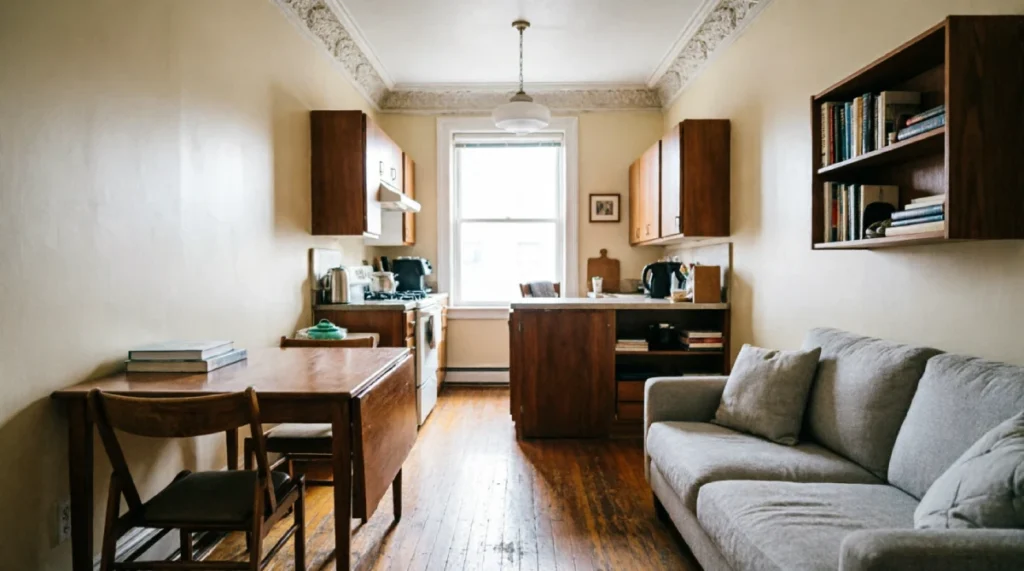
Small homes in New York come with a specific set of challenges that you won’t find discussed in national design magazines. First, the square footage is compressed by necessity — most small homes in the metro area run between 700 and 1,200 square feet. Second, the architectural features are often fixed: low ceilings in older ranch-style homes, narrow hallways in pre-war builds, and galley kitchens that weren’t designed for modern appliances.
Unlike apartments in Manhattan, where renters can come and go, small homeowners here tend to stay put. That means every design decision has to work long-term, not just look good in photos. And unlike larger suburban homes in Westchester or New Jersey, you can’t just add a room — every square foot is spoken for.
The other New York-specific factor is labor cost. If you’re calling a designer or contractor into a home in Brooklyn or Long Island City, expect to pay a premium. NYC-area interior designers typically charge $100–$200 per hour for consultation, compared to the national average of $50–$150. That makes the DIY case even stronger for low-budget small home design — not just for savings, but for control.
What works in a small New York home isn’t about making the space look bigger through illusions. It’s about making it function better and feel intentional. That distinction matters when you’re spending limited dollars.
Best Approaches for Interior Design Ideas for Small Homes in Low Budget
1. Use a Cohesive, Light-Reflective Color Palette
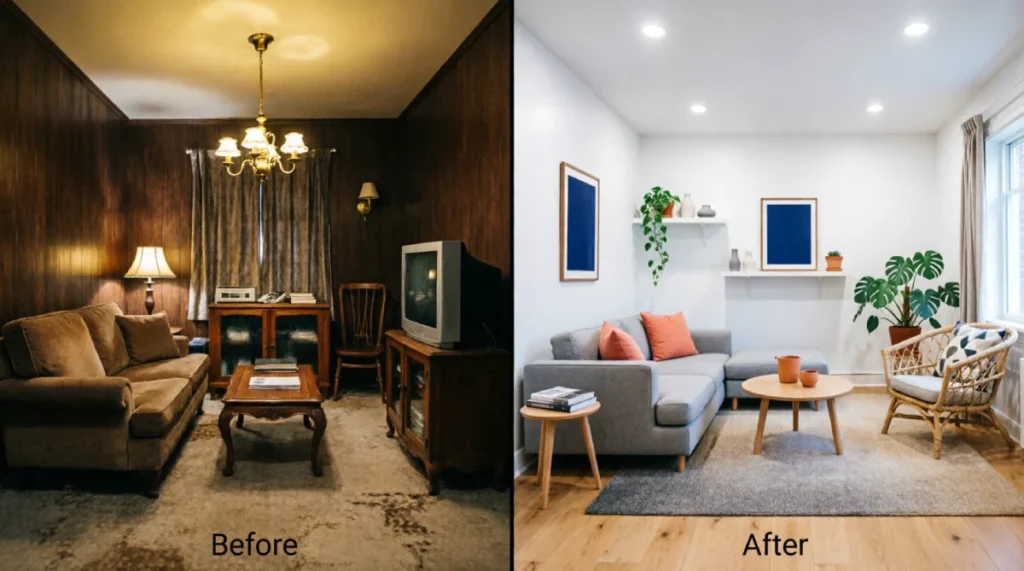
Paint is the single highest-return investment in any low-budget design project. In a small New York home, a consistent, light palette across the main living areas makes rooms read as connected and larger without adding a single square foot.
Stick with off-whites, warm creams, or light greiges across the living room, hallway, and kitchen. Avoid going bright white in older homes — the imperfections in plaster walls will show. Benjamin Moore’s “White Dove” (OC-17) or Sherwin-Williams’ “Accessible Beige” (SW 7036) are two widely used choices in New York homes because they work with both warm and cool natural light.
A single gallon of quality interior paint runs $40–$65 at Home Depot or Lowe’s in the New York metro area. Most small rooms need one to two gallons. For a full home repaint, budget $150–$250 in materials if you’re DIYing.
2. Replace or Paint Cabinet Hardware and Light Fixtures
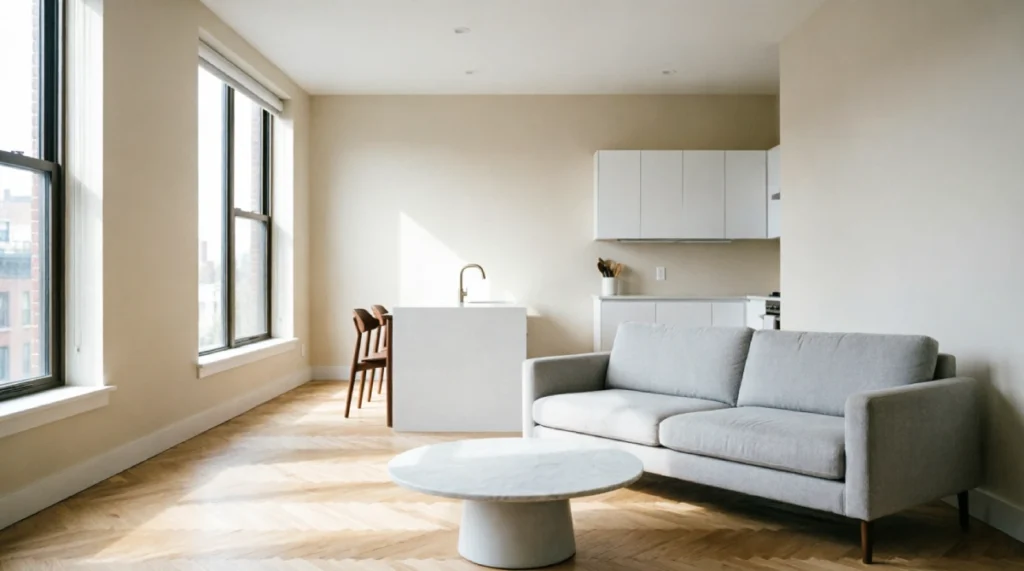
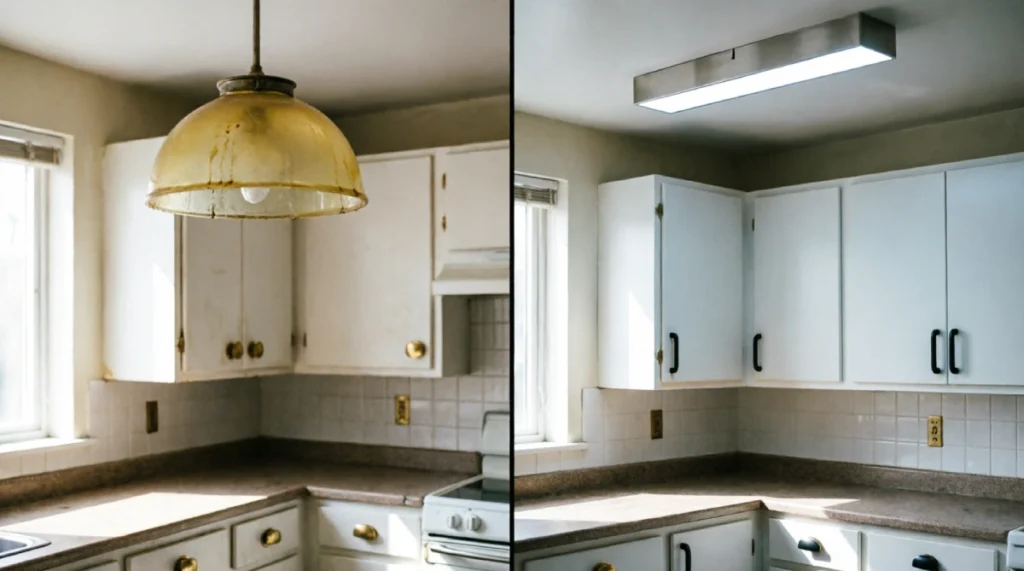
In small homes, hardware and fixtures are visible from multiple angles. Outdated brass knobs and dated ceiling fans pull the whole space down. Replacing them is cheap, fast, and creates immediate visual impact.
Cabinet pulls at Home Depot range from $2–$8 each for brushed nickel or matte black finishes. Replacing a full kitchen’s hardware typically costs $30–$80 in materials. If cabinet boxes are solid but doors are dated, repainting them with a foam roller and bonding primer costs $50–$100 and completely changes the kitchen’s character.
For light fixtures, flush-mount LED replacements in brushed nickel run $25–$60 at Lowe’s and can replace old yellowed globes in under 30 minutes with a screwdriver. No electrician needed for direct replacements.
3. Maximize Vertical Storage
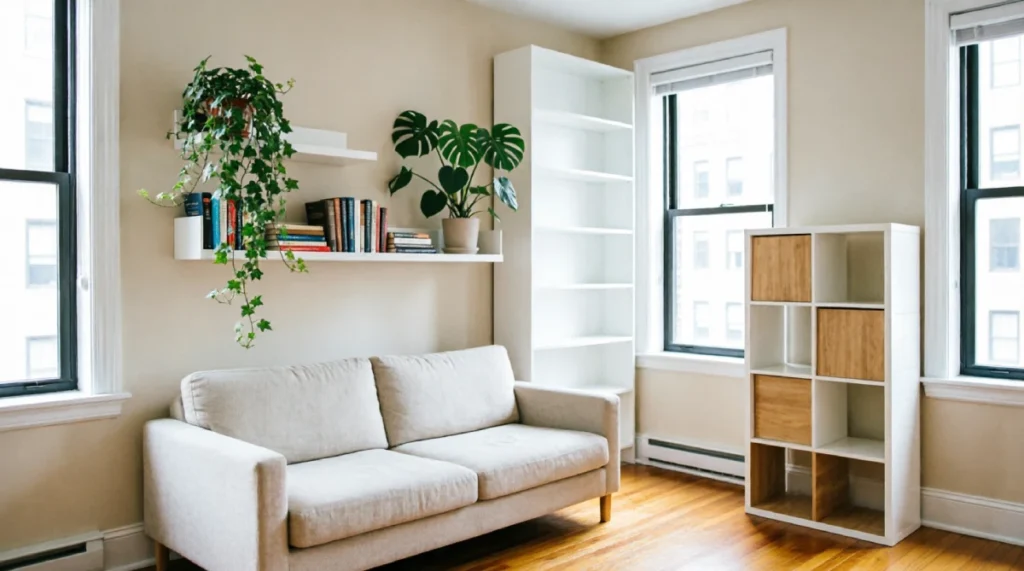
Floor space is premium in a small New York home. The walls above eye level are almost always underutilized. Open shelving on the upper half of walls in living rooms and kitchens, floating wall-mounted bookshelves, and tall (floor-to-ceiling) bookcases all move storage upward and free the floor.
IKEA’s KALLAX shelving units, available in the Covina, NY store and online with delivery, start at around $70 for a 4-unit configuration. Wall-mounted floating shelves from Amazon or Home Depot run $15–$35 per shelf. For a weekend project, installing three to four shelves in a living room can add meaningful storage for under $100.
4. Swap Out Window Treatments
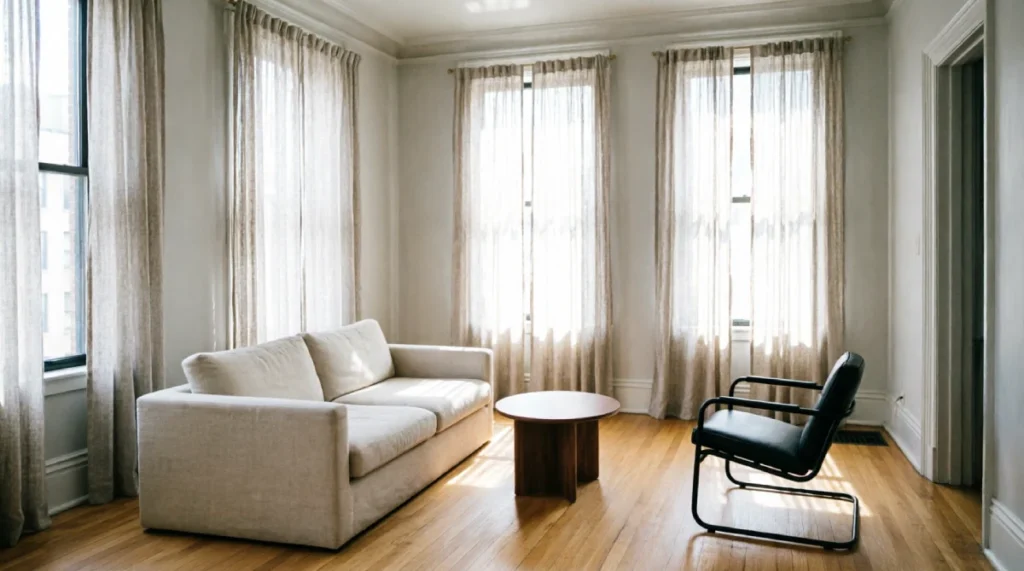
Heavy drapes in small rooms feel suffocating and block light. Replacing them with linen-look sheer panels or simple roller shades opens the space immediately. In older New York homes with single-pane windows, layering a blackout roller shade behind a sheer curtain also helps with drafts in winter — a practical bonus.
Budget curtain panels from IKEA’s LILL or RITVA lines run $8–$20 per panel. A full set of window treatments for a small home can be done for under $150.
5. Define Zones Without Walls
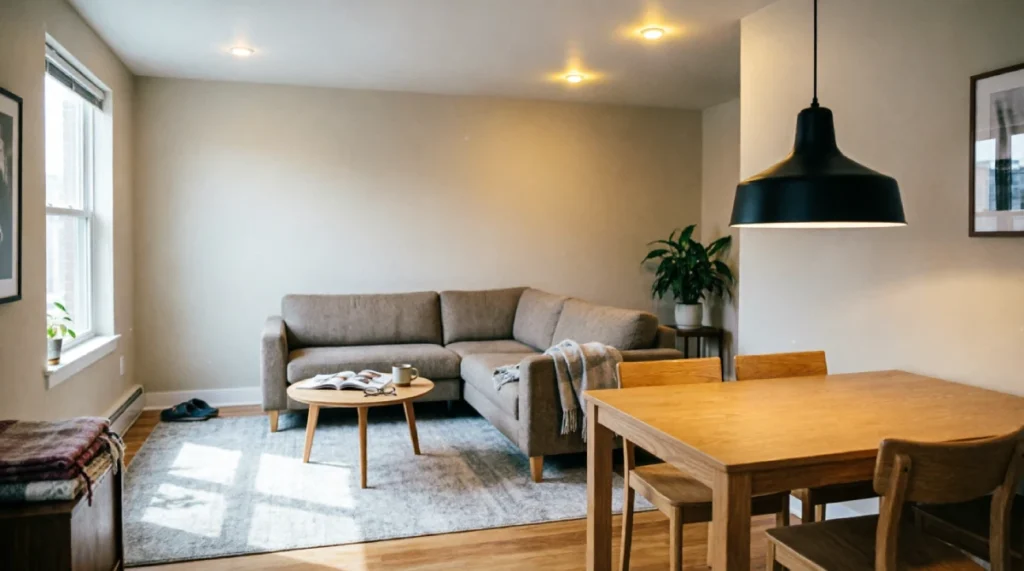
In small open-plan homes, the lack of definition between living, dining, and kitchen creates visual clutter even when the room is tidy. Use rugs, lighting, and furniture arrangement to define each zone clearly.
An 8×10 area rug anchors a living room seating area and signals where that zone ends. Rugs from Wayfair or HomeGoods in that size range from $80–$200 for solid or subtle patterns. This single change is often what makes a small home feel designed versus just furnished.
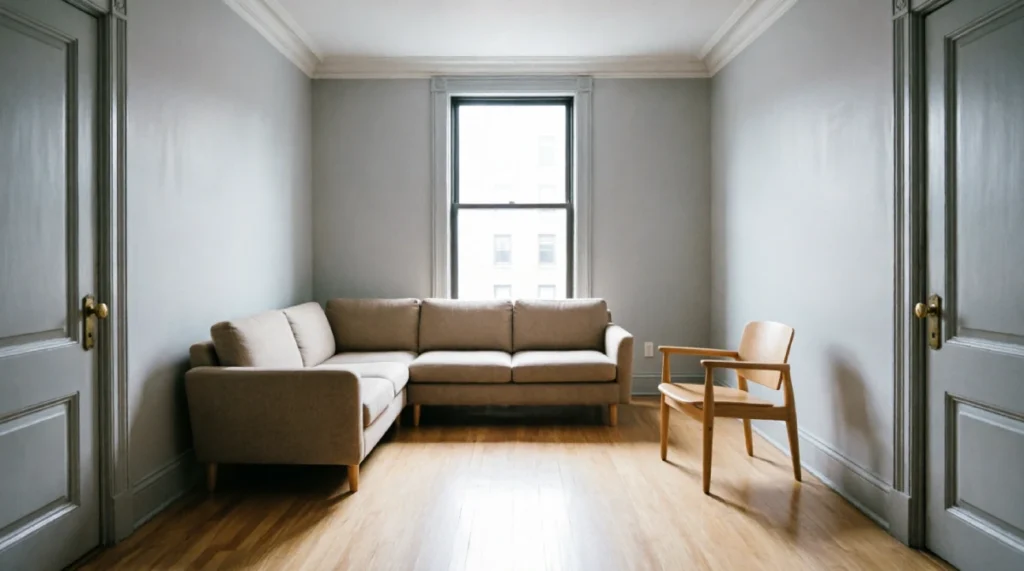
6. Remove Unnecessary Furniture
This is the most underrated design move in small homes: subtraction. Most small New York homes have too much furniture, not too little. An oversized sectional in a 12×14 living room kills the space. A loveseat and a single armchair, properly spaced, feel like a design decision.
Decluttering and furniture editing cost nothing. Local Facebook Marketplace or Craigslist New York allows you to sell what you remove and put that toward new pieces.
7. Add Mirrors Strategically
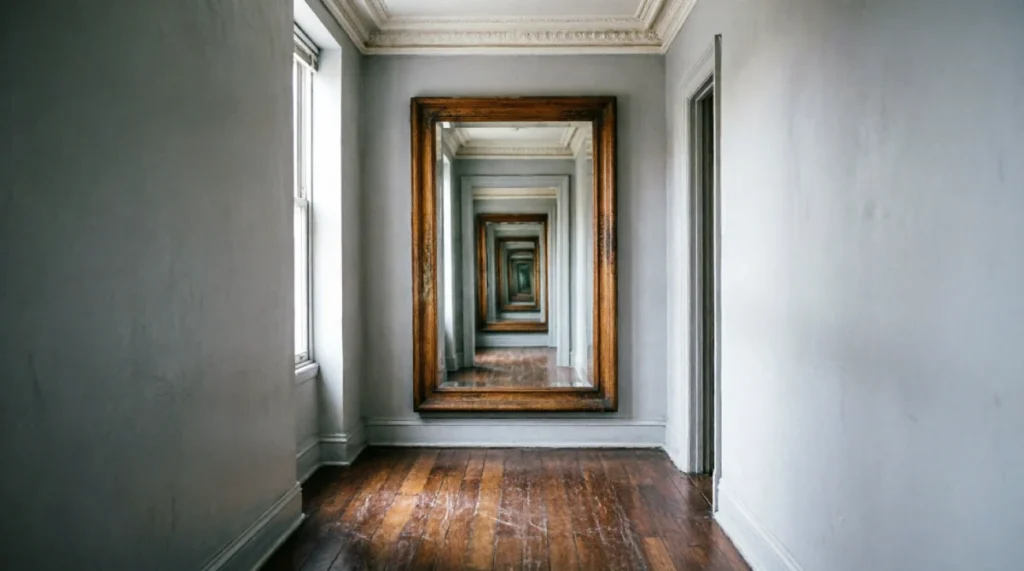
A well-placed large mirror reflects light and extends the perceived depth of a room. In narrow hallways — common in older New York homes built in the 1940s and 1950s — a full-length mirror or a large framed mirror at the end of the hall doubles the visual depth instantly.
Large mirrors from TJ Maxx, HomeGoods, or Walmart in the New York area run $30–$90. Avoid cheap frameless mirrors; the frame matters for the finished look.
Cost Breakdown: Interior Design for Small Homes in New York
| Project | Low Budget | Mid Budget | High Budget |
|---|---|---|---|
| Full home repaint (DIY) | $150–$250 | $400–$600 (partial pro) | $1,200–$2,000 (full pro) |
| Cabinet hardware replacement | $30–$80 | $100–$200 | $250–$400 |
| Light fixture replacements (3–4 fixtures) | $75–$150 | $200–$400 | $500–$900 |
| Window treatments (whole home) | $100–$200 | $300–$600 | $800–$1,500 |
| Vertical shelving/storage | $70–$150 | $200–$400 | $600–$1,200 |
| Area rugs (2–3 rooms) | $150–$300 | $400–$700 | $900–$1,800 |
| Mirrors (2–3 pieces) | $60–$150 | $200–$400 | $500–$1,000 |
| Total Estimate | $635–$1,280 | $1,800–$3,300 | $4,755–$8,800 |
New York Cost Note: Labor in the NYC metro area — including Nassau, Suffolk, and Westchester Counties — runs 30–50% above national averages. If you hire any professional help for painting or installation, add that premium to the mid and high budget tiers. DIY labor at the low end is the most reliable way to keep total costs under $1,500.
Common Mistakes Small Home Owners Make in New York
- Buying furniture before measuring. This is the number one error I see in small New York homes. A sectional that works in a Long Island furniture showroom won’t fit through a standard pre-war doorway or turn the corner into a narrow living room. Always measure doorways, staircases, and the room itself before purchasing any large piece.
- Painting everything dark to feel “cozy.” Dark feature walls work in large rooms with abundant light. In a 10×12 bedroom with one north-facing window, a dark wall makes the space feel like a closet. Light and mid-toned colors are almost always the better call in small New York homes.
- Over-accessorizing. Open shelving filled with too many small objects creates visual noise. In a small home, each surface counts more. Five well-chosen objects on a shelf read cleaner than 20 random ones.
- Ignoring the entryway. In small homes, the entry sets the entire first impression. A cluttered, underdesigned entryway — common in homes where the front door opens directly into the living area — undermines everything else. A small bench, hooks, and a mirror cost under $100 at IKEA and make a significant difference.
- Chasing trends instead of function. Shiplap, gallery walls, and open shelving in kitchens look great on Instagram. But in a small New York home where cooking grease and humidity are real factors, open kitchen shelves collect grime fast. Function has to lead design decisions at this scale.
- Skipping lighting upgrades. Many small New York homes still run on original overhead incandescent setups from decades past. Replacing those with warm LED fixtures (2700K–3000K color temperature) is cheap and completely changes how every room feels after dark.
- When to DIY vs. Hire a Contractor in New York
For most of the updates in this guide, a motivated homeowner with a weekend and basic tools can handle the work. But there are clear lines worth respecting.
DIY confidently:
- Painting walls and trim
- Replacing cabinet hardware
- Installing floating shelves (with proper stud-finding)
- Swapping out light fixtures (direct replacements only)
- Hanging mirrors and art
- Rearranging furniture and editing décor
Hire a pro for:
- Any electrical work beyond direct fixture swaps — New York State requires licensed electricians for new circuits or panel work
- Wall removal or structural changes — NYC DOB and most Long Island municipalities require permits and inspections
- Plumbing modifications — licensed plumber required statewide
- HVAC changes or ductwork
The practical middle ground: hire a handyperson (not a licensed contractor) for small jobs like installing multiple shelving systems, patching plaster, or rehanging doors. Handyperson rates in the New York area run $60–$100 per hour, which is significantly less than licensed contractor rates of $90–$150 per hour. For a half-day project, that’s a meaningful savings.
A quick note on permits: if you’re doing cosmetic work — paint, flooring, fixtures, furniture — no permits are needed anywhere in New York. Permits kick in for structural, electrical, plumbing, and HVAC work. When in doubt, call your local building department; Nassau County, Suffolk County, and NYC’s DOB all have public-facing permit inquiry lines.
Practical Tips for Small Home Interior Design on a Low Budget
- Shop HomeGoods and TJ Maxx first. Their New York-area locations turn over inventory constantly. You can find $200+ mirrors for $40, quality throw pillows for $8, and ceramic vases for $12. Go on weekday mornings for the best selection.
- Buy paint samples before committing. A $5 sample pot from Benjamin Moore or Sherwin-Williams saves you from a costly repaint. Apply a 12-inch square patch and observe it in morning, afternoon, and evening light before buying full gallons.
- Use peel-and-stick backsplash tile in kitchens and bathrooms. They’re renter-grade in apartments, but in a home you own, they’re a legitimate low-commitment upgrade. A 10-square-foot kit costs $25–$50 and installs in under an hour.
- Refinish, don’t replace hardwood floors. If your small New York home has original hardwood under carpeting — common in homes built before 1970 — a professional sand-and-refinish costs $3–$6 per square foot. That’s often cheaper than installing new flooring and produces a better result.
- Use consistent flooring throughout. Switching floor materials between rooms makes a small home feel chopped up. Carrying one consistent material through the main living areas (even with area rugs on top) creates visual continuity.
- Add plants for almost nothing. A few pothos or snake plants from a local nursery or Home Depot cost $8–$15 each and add life and texture to any room. They require minimal care and work in low-light New York homes with limited south-facing windows.
- Declutter before you design. No design strategy works well around clutter. Get a PODS storage unit or rent a storage unit in your area for one month while you work through the space. Many New York homeowners find they don’t need half the furniture they were keeping once they can see the room clearly.
FAQs
How much does low-budget interior design for a small home cost in New York?
For cosmetic updates only — paint, hardware, lighting, window treatments, rugs, and mirrors — most small New York homeowners can complete a meaningful refresh for $800–$1,500 if they do the work themselves. Hiring help for specific tasks like painting can add $500–$1,200, depending on square footage and room count. NYC metro labor premiums mean the same project that costs $900 in upstate New York might run $1,200–$1,400 in Queens or Brooklyn.
Can I DIY interior design updates in my small New York home?
Yes, for the majority of cosmetic updates. Painting, installing shelving, swapping hardware, replacing light fixtures (direct swap only), and rearranging furniture are all DIY-appropriate even for beginners. The learning curve is low, and YouTube has solid tutorials for every task listed here. Where you need licensed help is electrical work beyond basic fixture swaps, plumbing, and anything structural — New York State is strict on unlicensed trade work.
Do I need a permit for interior design changes in New York?
No permits are required for cosmetic interior work in New York — that includes painting, flooring, shelving, fixtures (direct replacements), and furniture. Permits are required for structural changes, new electrical circuits, plumbing modifications, and HVAC work. If you’re unsure whether your project triggers a permit, contact your local building department: NYC DOB (nyc.gov/buildings), Nassau County Department of Buildings, or your town or village building department if you’re in Suffolk County or Westchester.
Is low-budget interior design worth it for small homeowners in New York?
Absolutely. Even a $1,000–$1,500 investment in targeted cosmetic updates has a measurable effect on how a small home feels to live in daily — and often improves resale appeal. In New York’s competitive real estate market, a well-presented small home shows meaningfully better than a neglected one. Real estate agents consistently note that updated fixtures, fresh paint, and clean design lines make small homes feel larger in listing photos and showings.
What’s the single best first investment for a small New York home on a tight budget?
Paint. A fresh coat of light, cohesive paint throughout the main living areas — using proper prep, quality primer on older walls, and a high-quality roller — does more for a small home than almost any other single investment. For $150–$250 in materials and a weekend of labor, it’s the highest-return project available at any budget level.
How do I make a small New York home feel less cramped without moving walls?
Focus on three things: reduce the number of furniture pieces, increase vertical storage so floor space opens up, and keep the color palette consistent and light. In my experience with older New York homes, the cramped feeling almost always comes from furniture that’s too large for the room, too many pieces in one space, and surfaces that disrupt the room’s visual flow. Editing is usually more effective than adding.
Conclusion
Small homes in New York don’t need big budgets to look and function well. The ideas in this guide — a cohesive paint palette, strategic lighting upgrades, vertical storage, decluttered furniture, and thoughtful accessories — are all achievable for under $1,500 in materials if you’re willing to put in a weekend of work.
The decisions that matter most are the ones you make first: What can I remove to create breathing room? What color will work with my natural light? Where am I storing things I could be displaying? Start there, work room by room, and spend on items that earn their place visually and functionally.
Small home design on a low budget isn’t about settling. It’s about being deliberate — which, in the end, produces better results than spending more money without a plan.
