Home Energy Efficiency Solutions to Cut Costs and Boost Comfort
Explore home energy efficiency solutions, from solar and battery storage to HVAC, roofing, and electrical upgrades, to cut costs and improve comfort.
Rising utility bills and unpredictable weather have pushed many property owners to rethink how their buildings use energy. Companies like Baker Home Energy show how a connected approach works, offering solar panel and battery installation, HVAC systems, roofing, water filtration, and electrical services that help homeowners and businesses improve energy efficiency, comfort, and long-term savings.
For example, upgrading to a modern system through a trusted provider of san diego heating and cooling services can noticeably reduce energy waste while keeping indoor spaces comfortable all year. In this guide, we break down the most effective home energy efficiency solutions and how they work together.
Why Home Energy Efficiency Matters
Energy efficiency is about getting the same comfort and performance while using less power. For most households, that translates directly into lower monthly bills. But the benefits go further than the budget.
Lower bills are the most obvious benefit, since efficient systems waste less energy to deliver the same comfort. Comfort improves too, with steadier temperatures, fewer drafts, and cleaner indoor air.
There is an environmental upside as well, because using less energy, or generating your own, reduces reliance on fossil-fuel power. Efficient homes are also more appealing to buyers and tenants, which can support property value.
Businesses benefit in the same way. Offices, shops, and small commercial buildings can cut operating costs and create more comfortable spaces for staff and customers.
Key Home Energy and Efficiency Solutions
No single upgrade solves everything. The best results usually come from combining several improvements that support each other. Here are the main areas to consider.
Solar Panels and Battery Storage
Solar panels turn sunlight into electricity you can use right at home. By producing part of your own power, you depend less on the grid and become less exposed to rising utility rates.
Adding a battery makes solar even more useful. Panels often produce the most energy during the day, while many households use more in the evening. A battery stores the extra energy so you can use it later, and it can also provide backup power during outages.
When planning a solar and battery system, keep these points in mind:
When planning a system, look at your roof’s age, condition, orientation, and shade, along with your household’s daily and seasonal energy use. These details decide the right system size and battery capacity, and they are worth reviewing alongside local utility rules and available incentives.
Professional installation matters here. A well-designed system is sized to your needs, connected safely, and set up to perform reliably for years.
Energy-Efficient HVAC Systems
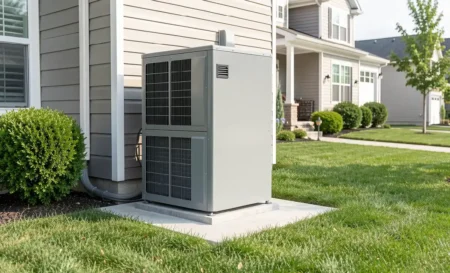
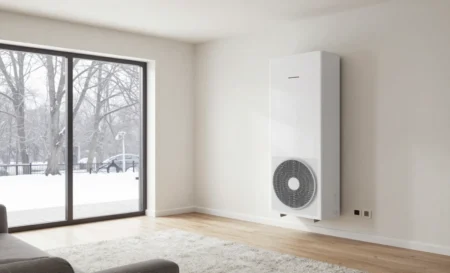
Heating and cooling are typically among the biggest energy users in a building, which makes your HVAC system one of the best places to look for savings. An older, poorly maintained unit has to work harder to deliver the same comfort, and that shows up on your bill.
There are three practical ways to improve HVAC efficiency:
- Upgrade aging equipment. Modern systems are designed to use less energy and deliver more consistent comfort.
- Maintain what you have. Regular tune-ups, clean filters, and clear airflow help systems run as intended and can extend their lifespan.
- Use smart controls. Programmable and smart thermostats let you match heating and cooling to your daily schedule instead of conditioning a space.
Duct condition matters too. Leaky or poorly insulated ducts can let conditioned air escape before it reaches the rooms that need it. A thorough inspection can reveal problems that are easy to miss.
If you live in or near the area, working with a local specialist in San Diego heating and cooling can help you choose equipment suited to the local climate and your building’s size and layout.
Roofing and Insulation
Your roof is the first line of defense against sun, wind, and rain, and it plays a larger role in energy use than many people realize. Heat enters and escapes through the roof and attic, so its condition directly affects how hard your HVAC system has to work.
A sound roof with proper insulation and ventilation can help:
A sound roof with proper insulation and ventilation reduces heat gain in summer and heat loss in winter. It also prevents moisture problems and leaks that damage insulation, and it provides a solid, long-lasting base for solar panels.
This last point is important. If your roof is near the end of its life, it often makes sense to repair or replace it before installing solar. Doing roofing and solar work in the right order can save you from removing and reinstalling panels later.
Water Filtration Systems
Water filtration is not the first thing people think of when they hear “energy efficiency,” but it plays a supporting role. Hard water and sediment can build up in pipes, water heaters, and appliances over time. This buildup can reduce performance and shorten equipment life.
A quality filtration or treatment system can offer several benefits:
A quality filtration or treatment system gives you better-tasting, cleaner water for drinking and cooking. It can also reduce scale buildup in fixtures and appliances, supporting the long-term performance of water-using equipment.
For homeowners who want a healthier, more comfortable home, water filtration is a worthwhile addition to an overall upgrade plan.
Electrical Services and Upgrades
Electrical systems are the backbone of every other upgrade. Solar panels, batteries, modern HVAC equipment, and electric vehicle chargers all place new demands on your home’s wiring and panel.
Common electrical upgrades include:
Common upgrades include panel upgrades to handle higher loads safely, updated wiring to replace outdated components, dedicated circuits for major appliances and EV chargers, and safety inspections to catch hazards early.
Electrical work should always be done by licensed professionals. It protects your home, your family, and the investment you make in your other energy upgrades.
The Benefit of an Integrated Approach
Many homeowners hire a separate contractor for each project: one for the roof, another for HVAC, another for electrical, and so on. This can work, but it often creates gaps. Each contractor focuses on a single piece, and no one looks at how everything fits together.
An integrated approach changes that. When one company handles multiple services, the upgrades are planned as a system. The roof is ready for solar, the electrical panel can support the battery, and the HVAC system is sized for the building’s real needs.
Baker Home Energy is a good example of this model, bringing solar and battery installation, HVAC, roofing, water filtration, and electrical services under one roof. For homeowners and businesses, this can mean simpler planning, clearer communication, and a more reliable result from start to finish.
How to Get Started
Improving your home’s energy performance does not have to happen all at once. A step-by-step plan keeps costs manageable and results clear.
1. Start with an energy assessment
A professional evaluation shows where your building loses energy and which upgrades matter most.
2. Set your priorities
Decide whether your main goal is lower bills, better comfort, backup power, or all three.
3. Compare quotes
Ask for detailed proposals and make sure you understand what is included, the equipment used, and the warranty terms.
4. Check incentives
Federal, state, and utility programs may offer rebates or tax benefits for certain upgrades. The U.S. Department of Energy’s website is a good place to start your research.
5. Plan the sequence
Handle roofing and electrical needs before solar and battery installation to avoid rework.
Conclusion
Home energy efficiency solutions work best when they are planned together. Solar and battery storage, efficient HVAC, a healthy roof, clean water, and safe electrical systems each contribute to lower bills, better comfort, and long-term savings. Start with an assessment, set clear goals, and work with trusted local professionals who can guide the whole process. A smarter, more efficient home is a practical investment that pays off for years to come.