

Introduction
My neighbor in a North Austin apartment complex spent three months complaining about her 620-square-foot unit. Too cramped. No storage. Nowhere to put anything. Then she spent one weekend and about $180 at Home Depot — and her place looked completely different.
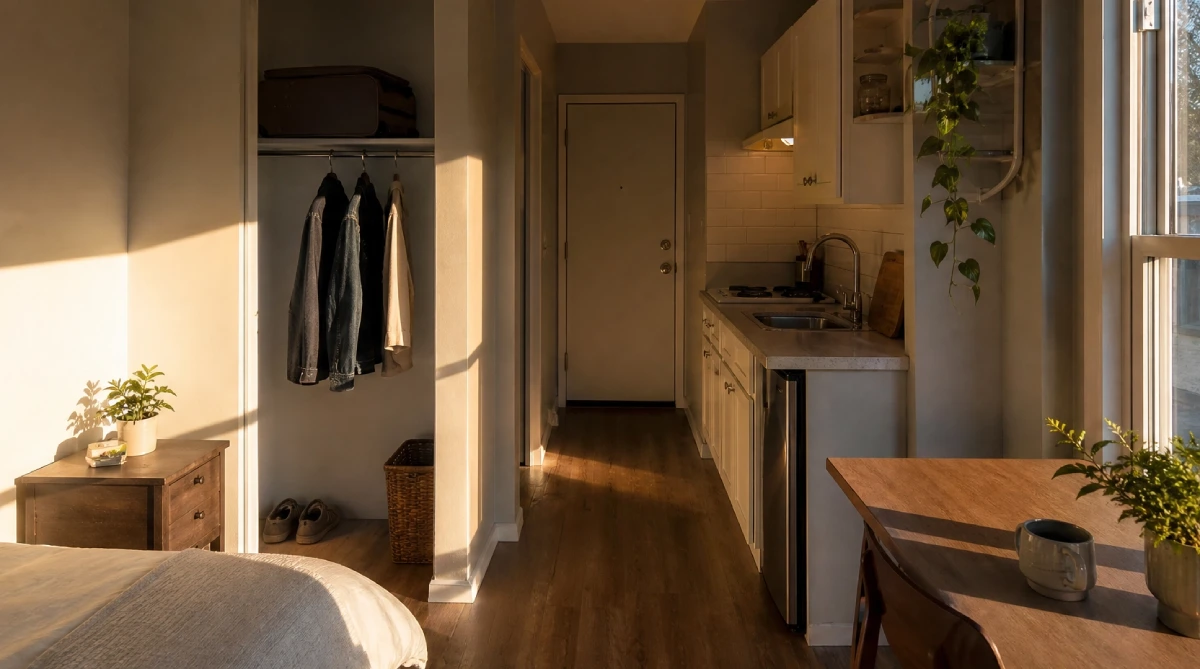
That’s the thing about small apartments in Texas: the square footage isn’t going to change, but how you use it absolutely can. Whether you’re renting in a high-rise in Midtown Houston, a garden-style complex in Dallas, or a converted older building in San Antonio, space is always the problem. Buying furniture retail doesn’t help — most of it is sized for houses, not 700-square-foot units.
DIY furniture built specifically for your space changes that equation. You control the dimensions, the finish, and the cost. Most of the projects here run between $30 and $200 in materials. None of them requires advanced skills. And almost all of them solve the specific problems Texas apartment renters deal with — limited storage, brutal summer heat keeping you indoors more, and landlords who won’t let you make structural changes.
Here’s what actually works.
Why Texas Apartments Have Unique Furniture Challenges
Texas apartments aren’t all the same, but they share a few consistent problems that generic furniture advice doesn’t address.
- Space vs. cost tension is real. The Texas rental market — especially Austin, Dallas, and Houston — has stayed expensive even as the post-2021 surge cooled slightly. Many renters are paying $1,400–$2,000/month for under 800 square feet. Spending $600 on a sectional sofa that dominates the room is a bad trade.
- Heat changes how you live. From May through September, most Texas apartment residents spend the majority of their time indoors. That means your apartment needs to function as a workspace, living room, dining room, and storage unit simultaneously — often for two people sharing a one-bedroom.
- Renter restrictions limit permanent solutions. Most Texas apartment leases prohibit wall anchoring beyond basic picture hooks, which rules out floating shelves without proper anchors, built-ins, and most permanent storage solutions. DIY furniture that stands freestanding solves this.
- Older Texas apartment stock has odd dimensions. Many complexes built in the 1980s and 1990s have irregular closets, low ceilings, or layouts that don’t fit standard furniture sizes. Building custom pieces for your exact dimensions is often the only real solution.
The 25 DIY Furniture Ideas (Organized by Function)
Storage & Organization (Ideas 1–7)
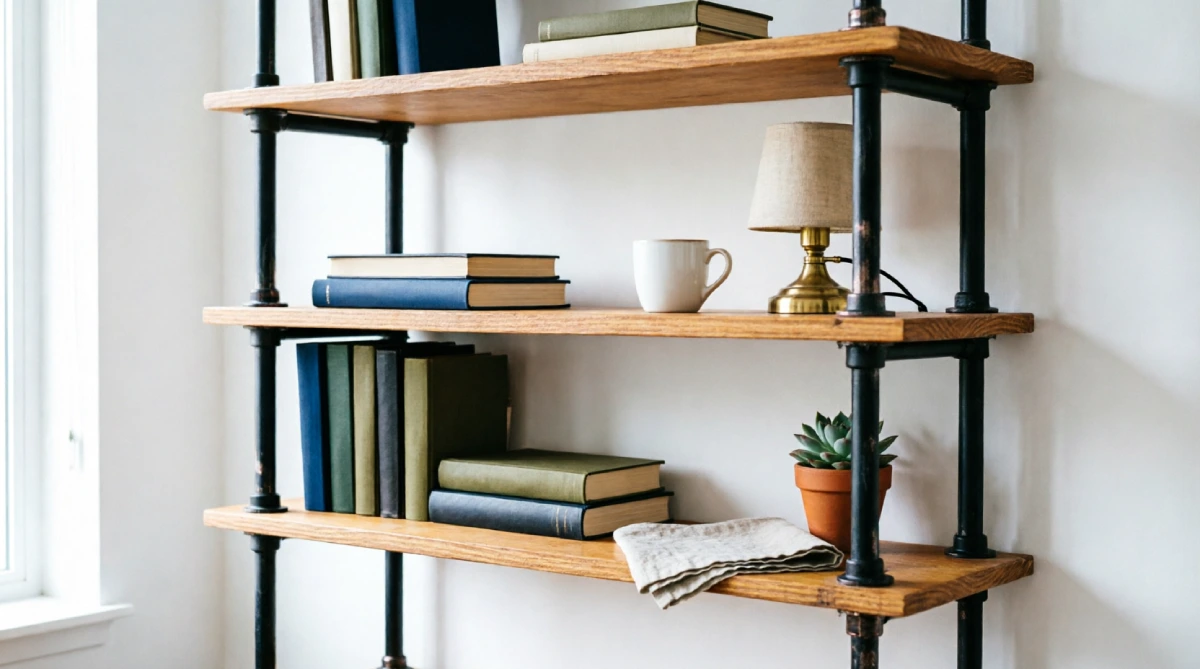
1. Plywood Floating Bookcase with Pipe Legs Build a low bookcase from a single sheet of ¾-inch plywood, cut into three shelves, and support it on ½-inch black iron pipe legs from Home Depot’s plumbing section. Total cost: $55–$75. This sits at about 14 inches tall and slides under windows without blocking light — critical in apartments where windows are your only natural light source.
2. Pegboard Kitchen Organizer A 2×4-foot pegboard panel mounted on a 1×2 frame (so it stands ½ inch off the wall, allowing hook clearance) turns dead kitchen wall space into full vertical storage. Cost: $25–$40. Hooks cost about $8 for a pack of 25. This works especially well in Texas apartments where kitchen cabinets are often minimal.
3. Under-Bed Rolling Storage Platform Cut a sheet of ¾-inch plywood to match your bed frame’s footprint, add four locking casters ($12 at Lowe’s), and you have a rolling storage platform that slides under the bed. Add low-profile bins on top. Total build cost: $35–$50. Better than bed risers because the platform keeps everything organized.
4. Entry Bench with Hidden Storage Two IKEA Kallax cubes (or a DIY equivalent built from 1×12 pine boards) arranged side by side, topped with a plywood lid and thin foam cushion wrapped in outdoor fabric. The cubes hold shoes, bags, or bins. Total DIY cost from scratch: $80–$110. Serves as a seat, a landing zone, and storage simultaneously — solves the classic Texas apartment problem of no mudroom or entryway.
5. PVC Pipe Closet Organizer Using ¾-inch PVC pipe and fittings, build a freestanding closet organizer that doubles your hanging rod space. The structure stands on its own without wall anchoring. Cost: $40–$60. Particularly useful in Texas apartments where “walk-in closet” often means a 4-foot-wide alcove with a single rod.
6. Milk Crate Modular Shelving Stack and zip-tie heavy-duty plastic milk crates (available at restaurant supply stores or online for $8–$12 each) in configurations that fit your wall space. They hold books, kitchen items, folded clothes, or media equipment. A 9-crate configuration in a 3×3 grid costs about $90 total and holds more than most budget bookcases.
7. Command Strip Magnetic Knife Strip + Spice Shelf Mount a wooden dowel with strong magnetic strips along a kitchen wall and add a small 1×4 pine shelf below it for spice jars. Total cost: under $30. Clears your entire counter in a Texas galley kitchen that typically has about 18 inches of usable prep space.
Seating & Multi-Use Furniture (Ideas 8–14)
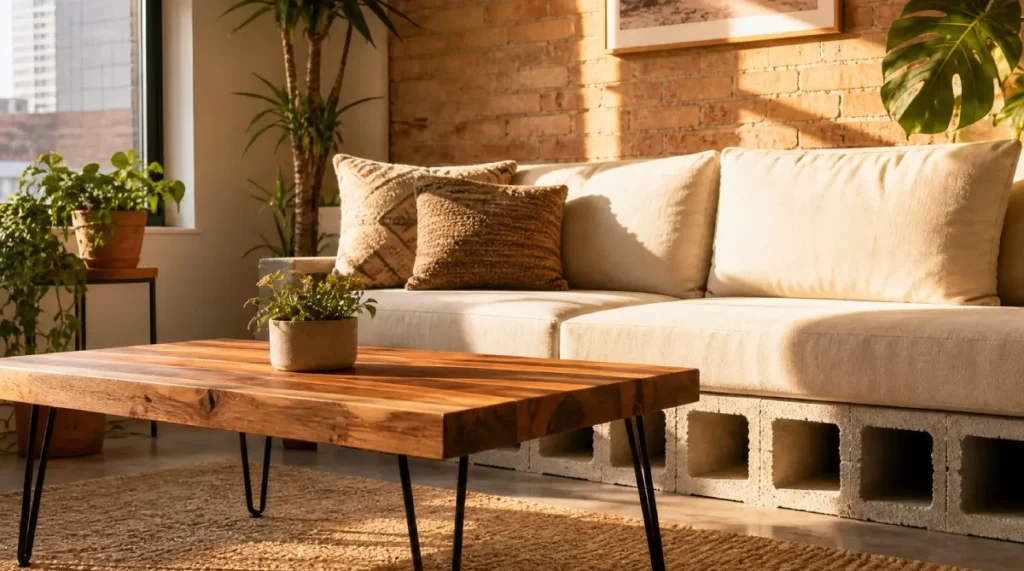
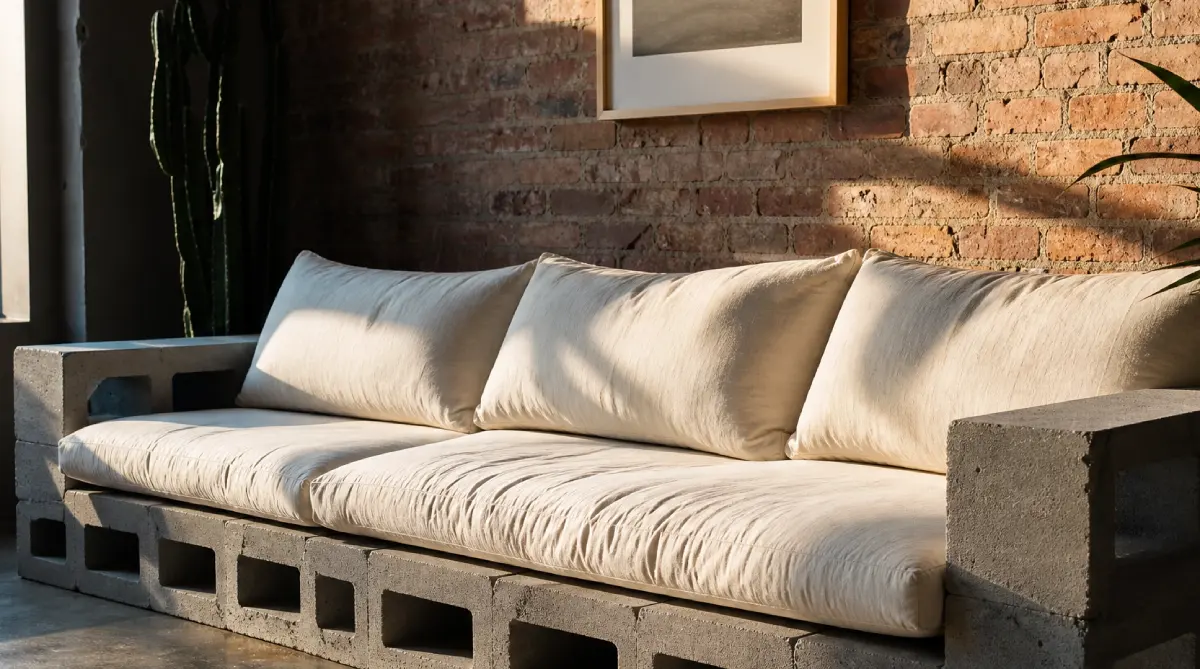
8. Cinder Block + Plywood Sofa Frame. Stack two rows of standard cinder blocks ($1.50–$2 each at Home Depot) into an L-shape, lay a plywood sheet on top, add 4-inch foam ($25/yard at fabric stores), and cover with canvas or outdoor fabric. Total cost for a two-seat version: $60–$90. This looks intentional, not makeshift, and doubles as storage inside the block cavities.
9. Floor Seating Cushion Frame Cut 2×4 pine into a shallow rectangular box, add a 3-inch foam top, and cover it. Place two or three of these on a low rug and skip the couch entirely. Works well in studio apartments where a couch dominates too much floor space. Cost per cushion: $25–$35.
10. Ottoman Storage Cube Build a simple 18×18-inch box from ½-inch plywood, add a hinged lid, fill the interior edges with foam strips, and cover the entire thing in fabric. Cost: $35–$55. Stores blankets, remotes, chargers, and extra items. Works as a coffee table, extra seat, or footrest.
11. Murphy Bed Desk Combo This is the most involved project on the list and requires a Murphy bed hardware kit ($150–$250 from Rockler or similar). The bed folds up, and a desk folds down from the same panel. Real material cost, including lumber: $350–$500. This is the highest cost here, but it converts a one-bedroom Texas apartment into a functional home office without sacrificing sleeping space.
12. Pallet Daybed Frame Two standard wood pallets (free from local businesses, nurseries, or Craigslist) laid flat and stacked one high, topped with a twin mattress or futon pad. Sand thoroughly and apply polyurethane. Total cost: $15–$40 (just finish materials if pallets are free). Works as a couch by day, spare bed by night.
13. Rope Hammock Chair Buy a premade rope hammock chair kit ($20–$35 online) and install a ceiling hook — in Texas apartments, you can typically anchor into a ceiling joist with permission or use a free-standing hammock chair stand ($45–$65). Takes up about 3 square feet of floor space when in use. Better than adding another chair.
14. Fold-Down Wall Desk Mount a 1×10 pine board to the wall using a piano hinge and two folding shelf brackets. When folded down, it’s a 10-inch-deep desk surface. When folded up, it’s a thin shelf. Materials: $35–$55. This requires one wall anchor, which most Texas landlords allow for functional furniture rather than decoration.
Tables & Surfaces (Ideas 15–19)
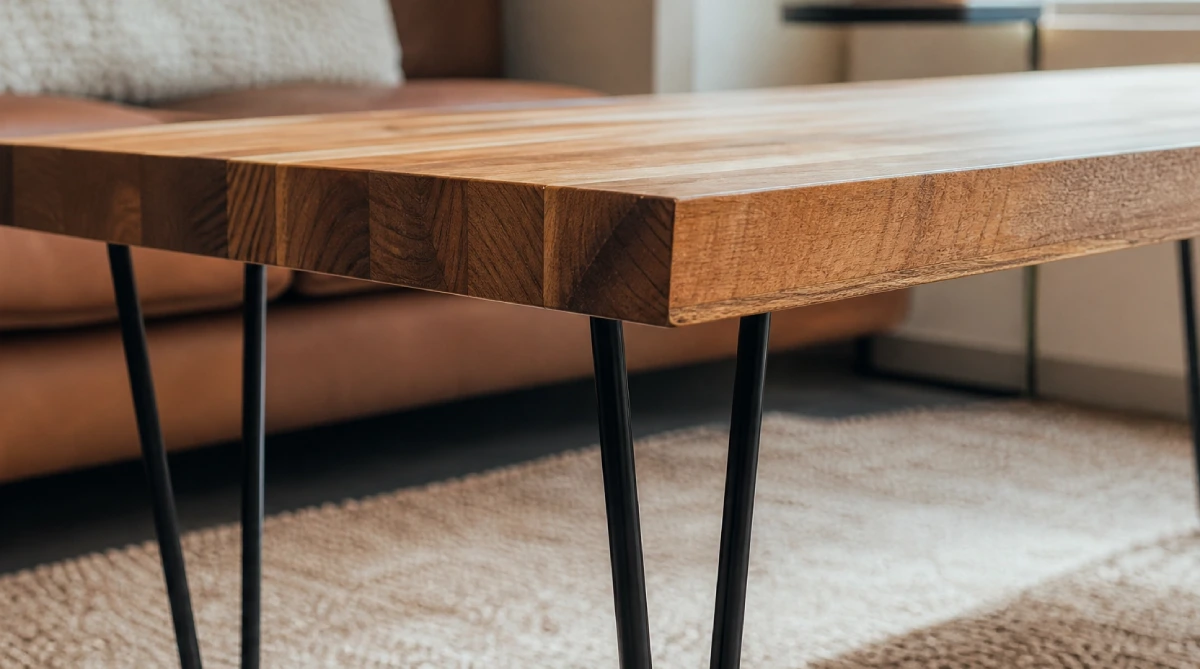
15. Hairpin Leg Coffee Table Buy a hairpin leg set ($25–$40 for four legs on Amazon or at Home Depot), attach them to a piece of live-edge wood, a butcher block remnant, or a solid core door blank. The door blank option gives you a very large, very flat coffee table surface for $60–$80 total. Sizes to your exact room.
16. Nesting Side Tables from Tree Stumps. If you have access to a tree service or a wood supplier, rounds cut from tree trunks (8–14 inches in diameter), sanded and finished with polyurethane, make stable side tables. Cost: $5–$20 per piece if bought, often free if you know someone. Adds warmth to an apartment that typically has a lot of beige.
17. Pipe and Reclaimed Wood Dining Table Use two pairs of black iron pipe flanges and pipe sections as table legs, screwed into a plywood or reclaimed wood top. A 48×30-inch table runs about $80–$130 in materials. This seats four in a small Texas apartment dining area without overwhelming the space the way most retail dining tables do.
18. Floating Wall-Mounted Nightstands Cut two pieces of ¾-inch plywood to 12×16 inches, round the front corners with a jigsaw, sand, finish, and mount with heavy-duty floating shelf brackets. Total cost for both: $30–$45. Eliminates two pieces of floor-standing furniture and makes the bedroom feel significantly larger.
19. Bar Cart from a Metal Rolling Shelf Buy a metal wire rolling shelf unit ($35–$55 at Costco or restaurant supply stores), add a plywood top shelf for a finished look, and use it as a bar cart, coffee station, or kitchen island in studio apartments. Rolls out of the way when not needed.
Room Dividers & Space Shapers (Ideas 20–22)
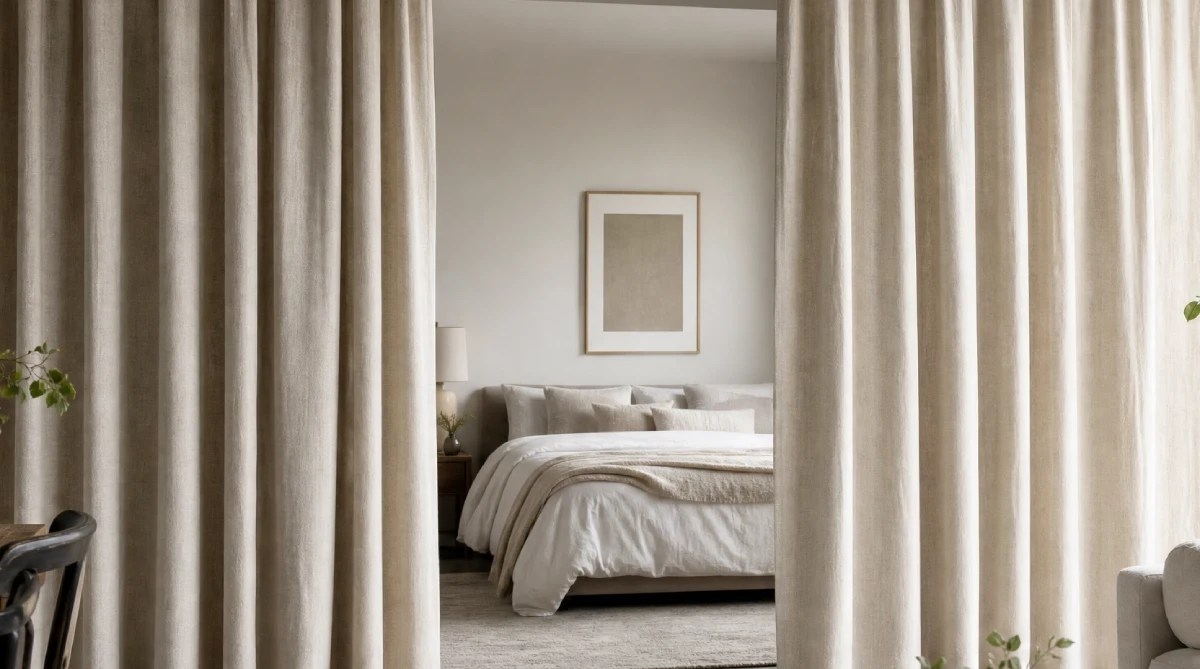
20. Curtain Room Divider on Tension Rod A floor-to-ceiling tension rod ($15–$25) plus two panels of blackout curtain fabric ($20–$40) creates a visual room divider that sections a studio into sleeping and living areas without any wall damage. This matters in Texas studio apartments, where separating the sleeping area from the work/living area directly affects sleep quality.
21. Bookshelf Room Divider Build or buy a double-sided open bookcase (no backing on either side) in a height that stops 12–18 inches from the ceiling, giving an open feel while still dividing space visually. DIY build cost from 1×10 pine: $80–$130, depending on size.
22. Hanging Rope Plant Shelf Two wooden dowels suspended horizontally by rope from ceiling hooks, spaced 12 inches apart vertically, create a tiered plant display that divides space, adds life, and costs about $25–$40 total. Works in south-facing Texas apartments with strong year-round light.
Outdoor & Balcony Furniture (Ideas 23–25)
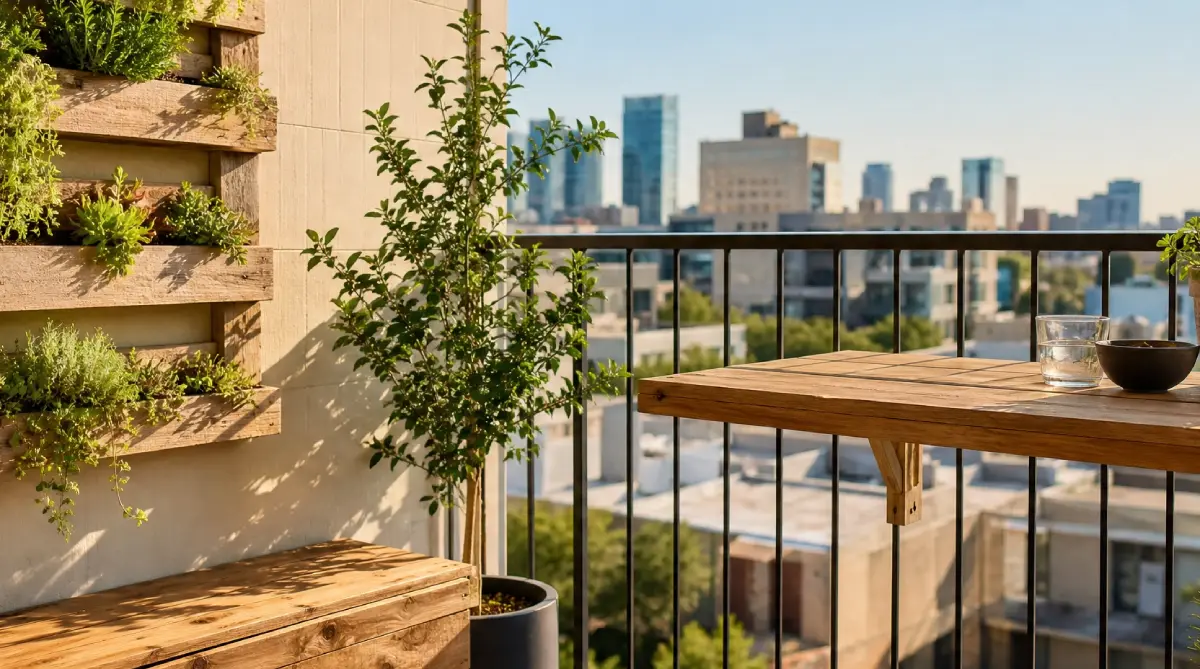
Texas apartments often include small balconies — usually 40–80 square feet — that most renters underuse because outdoor furniture is expensive and bulky.
23. Cinder Block Outdoor Bench Stack cinder blocks two high in an L-shape on the balcony, add a cedar plank top ($20–$30), and use outdoor cushions. The whole bench costs $35–$60 and handles Texas heat and rain without deteriorating. Cedar is the right choice here — it handles humidity and temperature swings without warping the way pine does.
24. Fold-Flat Balcony Table Build a fold-flat table from two pieces of ¾-inch exterior-grade plywood connected by a piano hinge. When open, it’s a 24×36-inch table. When folded, it leans flat against the wall. Total cost: $30–$45. Stores in almost no space when not in use.
25. Pallet Vertical Garden Wall Stand a pallet vertically, staple landscape fabric inside each slat opening, fill with soil, and plant herbs or small flowering plants. Mount it against the balcony wall. Cost: free pallet + $20–$35 in supplies. Particularly effective in Texas, where growing seasons run almost year-round, and fresh herbs in a kitchen apartment setting save real money on groceries.
Cost Breakdown: What to Budget
| Budget Level | What It Gets You | Estimated Total |
|---|---|---|
| Low ($50–$150) | 3–5 small projects (shelves, organizers, cushions) | Mostly plywood, pine, and basic hardware |
| Medium ($150–$350) | 6–10 projects, including seating and tables | Mix of materials, some specialty hardware |
| High ($350–$600) | Full apartment refresh, including Murphy bed or major pieces | Murphy kit + lumber + finishing materials |
Most Texas apartment renters doing 4–6 of these projects will land in the $180–$280 range total if they’re buying materials new. Check Facebook Marketplace and Craigslist in your area first — plywood, lumber, and pipe fittings show up frequently as project leftovers.
Common Mistakes Texas Apartment DIYers Make
- Skipping sanding and finishing. Raw wood in Texas humidity absorbs moisture and warps within months, especially near bathrooms or kitchens. Always seal with polyurethane, chalk paint, or, at a minimum, a water-based primer.
- Buying furniture-grade lumber when construction lumber works fine. At Home Depot, a 1×10×8 common board runs about $12–$16. The same board in “select” grade runs $20–$28. For painted projects, the common board with proper sanding is identical after finishing.
- Not accounting for apartment lease rules. Before drilling anything beyond picture hooks, read your lease. Most Texas apartment leases specify what anchor types are allowed and what patch-and-paint standards apply when you leave. Some explicitly allow wall anchors for functional furniture. Know your document.
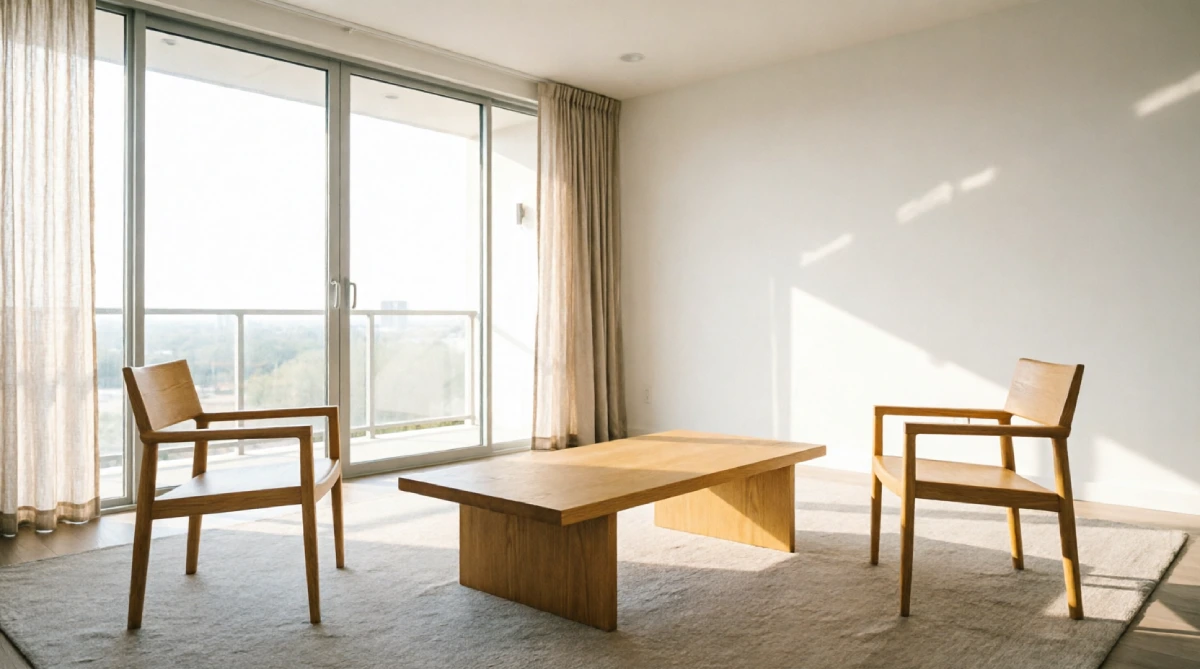
- Oversizing. The single most common mistake is building a coffee table to house dimensions in an apartment. Measure your actual space, then build 10–15% smaller than you think you need. Apartments need visual breathing room more than surface area.
- Ignoring weight limits for upper-floor apartments. If you’re on a second floor or above, be aware that poured-concrete floors handle weight very differently than wood-frame floors. Most Texas apartment buildings built after 2000 use wood-frame construction. Extremely heavy builds (like full cinder block walls or very large plywood structures) can stress floor joists over time.
What US Homeowners and Renters Actually Run Into
Beyond the specific Texas context, there are broader patterns worth understanding before you start any of these projects.
- Contractor costs are high and rising. Basic carpentry work in Texas runs $75–$150/hour in Austin and Houston. A simple built-in shelving job that takes a carpenter half a day costs $300–$600 in labor alone. Most of these projects require 2–6 hours of your own time and cost a fraction of that.
- Material prices are still elevated from the 2021–2022 lumber spikes, though they’ve stabilized. Budget about 20% more than pre-2021 estimates you might find in older DIY articles.
- Texas doesn’t have the permit requirements around furniture that some states have. You’re not typically required to pull a permit for freestanding furniture builds, even substantial ones. This is different from California or New York, where some interior work triggers permit requirements.
- Energy efficiency matters. Blackout curtains used as room dividers (Idea #20) also block heat from west-facing windows, which in Texas can meaningfully reduce summer AC load. Combining function and energy management is a real win in a 110°F August.
Practical Tips Before You Start
- Buy a circular saw or ask a friend. Home Depot and Lowe’s both offer free or low-cost lumber cutting at the store. For plywood, especially, have them cut your sheets before you load the car. Plywood is extremely difficult to cut accurately at home without a table saw.
- Pocket hole joinery (Kreg Jig) is the fastest way to build furniture-quality wood joints without advanced skills. A basic Kreg Jig runs $25–$35 and changes the quality of everything you build.
- Buy wood screws by the box, not the blister pack. A box of 100 #8 1-5/8″ screws costs about $8. The blister pack of 20 costs $5. You’ll use them constantly.
- Water-based polyurethane dries faster and smells less than oil-based in small apartment spaces. In a Texas apartment with limited ventilation and no garage to work in, this matters.
- When to hire out: Anything involving your apartment’s electrical panel, HVAC connections, or plumbing requires a licensed contractor in Texas. Don’t touch these regardless of what YouTube says. The liability if something goes wrong — fire, water damage, lease termination — isn’t worth it.
FAQs
How much does DIY furniture typically cost for a small Texas apartment?
Most single projects run $30–$150 in materials. A full apartment refresh doing 6–8 projects typically lands between $250–$450 total, compared to $1,500–$3,000 buying equivalent retail furniture.
Can I do these projects if I rent and can’t make permanent changes?
Most of these projects are freestanding and require no wall modifications. The fold-down desk (Idea #14) and floating nightstands (Idea #18) require minimal wall anchors — check your lease first, and patch holes with spackle when you leave.
Do I need any special tools?
A circular saw, drill/driver, and measuring tape handle 90% of these projects. A Kreg pocket hole jig ($25–$35) adds a lot of quality. Lowe’s and Home Depot rent tools if you don’t want to buy.
What’s the best first project for a beginner?
The Ottoman storage cube (Idea #10) or the hairpin leg coffee table (Idea #15) — both are low-risk, require minimal tools, and produce immediately useful furniture in one weekend.
Are permits required for DIY furniture in Texas apartments?
No. Freestanding furniture builds don’t require permits in Texas. If you’re ever doing work that touches walls structurally, plumbing, or electrical, that’s a different matter — but furniture itself doesn’t trigger permit requirements.
Where’s the best place to buy materials in Texas?
Home Depot and Lowe’s are the standard for lumber and hardware. For foam and fabric, local fabric stores beat big-box pricing significantly. For free materials (pallets, lumber scraps, hardware leftovers), Facebook Marketplace in any major Texas city has a consistent supply.
Conclusion
Small apartments in Texas aren’t going to get bigger anytime soon, and the rental market isn’t getting cheaper. What you can control is how well your space actually functions for the way you live.
Most of the furniture problems in small apartments are solvable with a weekend, basic tools, and $50–$150 in materials per project. The projects above are ordered by function — start with the storage solutions that clear your current clutter, then move to seating and surfaces that fit your actual room dimensions rather than a generic showroom floor.
Pick one project this weekend. Start there. The skills build fast, the results are immediate, and the difference between a cramped apartment and a space that genuinely works is usually two or three well-built pieces that fit the room correctly.
