

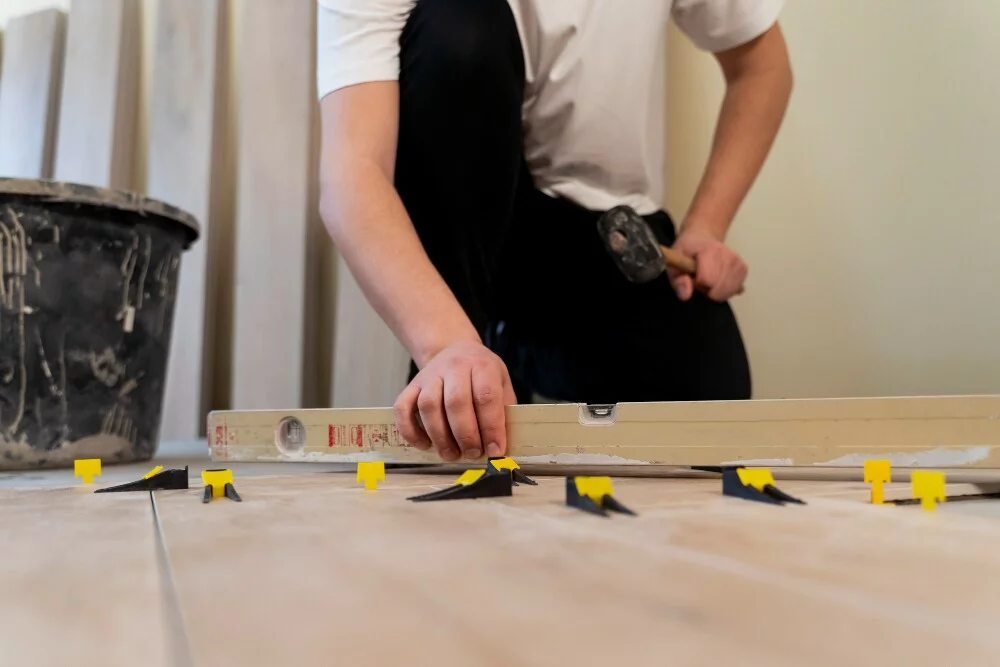
Refinishing hardwood floors can breathe new life into your home while adding value and charm.
Why Refinish Your Hardwood Floors?
Thinking about refinishing hardwood floors? It’s a great DIY project! First things first, you gotta start sanding that entire floor. Use 40-grit aluminum oxide sandpaper to sand the floor, following the direction of the grain, then progress to 60-grit for smoothing and 80-100 grit for a stain-ready surface. This is crucial in getting rid of old floor finish and prepping for the new wood finish. Remember, we’re doing 20 square feet sections at a time to keep it manageable.
Once you’ve got your floor sanded, it’s time to buff the floor and then sweep up any dust from the floor with a tack cloth to remove it all. Now, mask up with a NIOSH-approved P100 respirator, safety goggles, and hearing protection—safety first—and start applying the stain. Use an applicator pad to spread it evenly across the floor, ensuring the floor is covered. If stain pools in any area, immediately wipe away the excess with a clean lint-free cloth—working in 3×3 foot sections prevents this common issue.
After letting the stain sit for hours to dry, you’re almost at the finish line. Spray a nice, even layer of finish using an applicator to ensure a smooth, durable coat. DIY wood floor refinishing requires proper curing—allow each coat of polyurethane to cure fully, typically 24 hours between coats and 72 hours before moving furniture back, to ensure a durable, scratch-resistant finish. Working in a well-ventilated area keeps the fumes at bay and your brain happy.
Benefits of refinishing over replacing
Refinishing is a cost-effective way to restore the beauty of your existing hardwood floors. It’s more affordable than replacing them entirely and maintains the character of your home.
Signs your floor needs refinishing
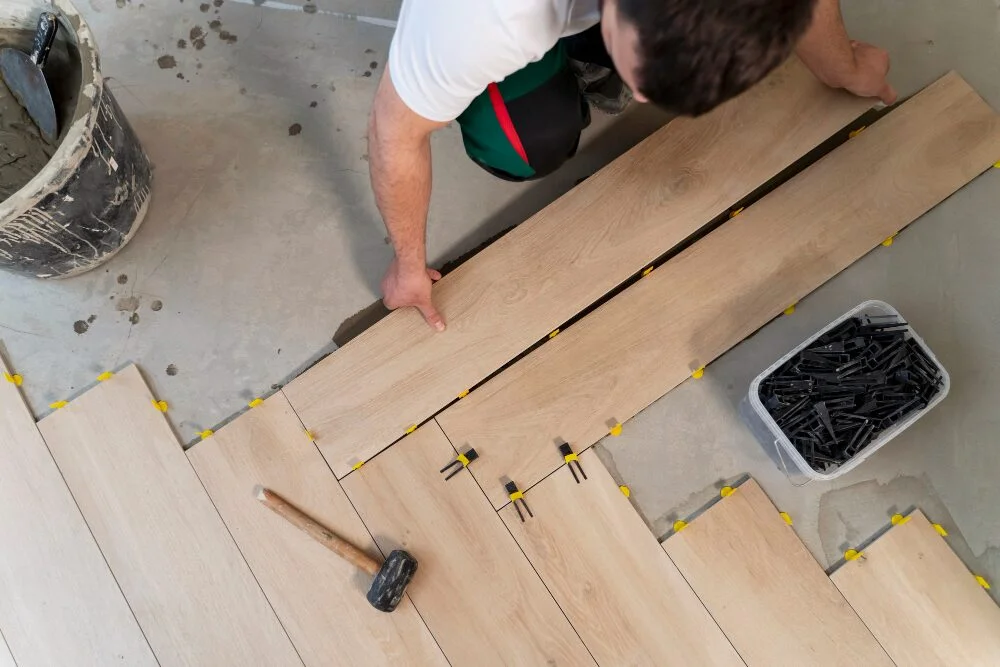
Refinish when: (1) Scratches penetrate the finish layer (not just surface scuffs), (2) Water droplets soak in immediately instead of beading—perform the water bead test: if water absorbs within 10 seconds, your finish is compromised, (3) Discoloration appears in high-traffic zones, (4) Finish feels rough or sticky to the touch. If the floors are beyond a simple cleaning, refinishing may be the solution.
How hardwood floors add value to your home
Hardwood floors are a sought-after feature that can increase your home’s resale value. Refinishing them is an investment that pays off when it comes time to sell.
How Much Does It Cost to Refinish Hardwood Floors?
If your homeowner floors look worn but you’re hesitant to tackle diy refinishing hardwood floors, you’re not alone—most homeowners can complete this project with the right preparation and tools. DIY refinishing costs $1.50-$4 per square foot for materials (sandpaper, stain, polyurethane). For a 300 sq ft room, budget $450-$1,200 total. Professional services range $3-$8 per sq ft, including labor, saving 50-70% by DIYing. Use Home Depot’s free floor calculator to estimate exactly how much stain and polyurethane to buy for your project.
Assessing the cost per square foot
The average cost to refinish hardwood floors ranges from $3 to $5 per square foot. This can vary depending on factors like the condition of the floors and the size of the area.
Factors affecting the overall refinishing cost
Labor costs, the need for repairs, the type of finish, and the cost of materials all impact the final price. Larger or more damaged floors will generally cost more to refinish.
Is it cheaper to refinish or replace hardwood floors?
In most cases, refinishing is the more cost-effective option compared to a full replacement. However, if the floors are severely damaged, replacement may be necessary.
Determining the Right Time to Refinish Your Hardwood Floors
If your floor shows visible wear, refinishing hardwood floors can transform your space with professional-grade results. But when’s the right moment to dive in? Simple: when scratches penetrate the finish, water no longer beads on the surface, or high-traffic zones show discoloration. Use a pin-type moisture meter to verify your subfloor reads below 12% moisture before refinishing—excess moisture can cause new polyurethane to bubble or cure unevenly.
Wear and tear: Knowing when it’s time to refinish
Before starting, document your floor’s condition with photos and note high-traffic areas that may need extra attention. This helps you track progress and ensures you don’t miss spots during sanding and staining.
Prepping for the refinishing process
Clear the room of all furniture and remove any baseboards or trim that may be in the way. Use plastic sheeting to seal doors and prevent dust from spreading to other areas of your home. Connect your sander to a HEPA-filter shop vacuum to capture 99.97% of fine particles, and wear a NIOSH-approved P100 respirator throughout the sanding process.
Assessing your DIY project timeframe and goals
Refinishing hardwood floors is a multi-step process that can take several days to complete. Consider your timeline and whether you’re willing to take on the task yourself or hire a professional.
Step-by-Step DIY Instructions on How to Refinish Hardwood Floors
Choosing the right sanding equipment and sandpaper grit
You’ll need a floor sander, edge sander, and various grits of sandpaper (typically starting with 40-grit and progressing to finer grits). Rent or purchase these tools from a home improvement store.
Staining: Selecting the right wood stain and applying it correctly
Choose a stain color that complements your home’s style and existing woodwork. Apply the stain evenly and repeat the process if desired for a deeper color. Allow the stain to dry completely before proceeding.
Applying the finish: Oil-based vs water-based polyurethane
Oil-based polyurethane provides a rich, amber tone but takes longer to dry and has a stronger odor. Water-based finishes dry faster and have a more natural look. For high-traffic areas like hallways or kitchens, consider Bona Traffic HD—a commercial-grade water-based polyurethane that cures in 3 days and resists scratches better than standard homeowner finishes. If you’re refinishing indoors during colder months or have sensitivity to fumes, choose a low-VOC, water-based finish that meets California’s strict VOC regulations. Follow the manufacturer’s instructions for best results.
Tips and Techniques for a Successful DIY Hardwood Floor Refinishing
How to properly clean the floor before starting and between steps
Thoroughly vacuum and tack cloth the floor to remove dust and debris before sanding or applying finishes. This prevents scratches and ensures a smooth, even finish.
Avoiding common mistakes: Scratches, gouges, and uneven finishes
Work in small sections and take your time to avoid rushing and making mistakes. Use wood filler to fill any gouges or deep scratches before sanding. Apply finishes in even, overlapping strokes for a consistent look.
Utilizing the right tools: Drum sander, edge sander, and floor buffer
A drum sander is essential for larger areas, while an edge sander allows you to reach tight spaces along walls and corners. A floor buffer can help achieve a smooth, even finish after applying polyurethane.
Maintenance After Refinishing: Ensuring Long-Lasting Beauty
Regular care tips to extend the life of your refinished floors
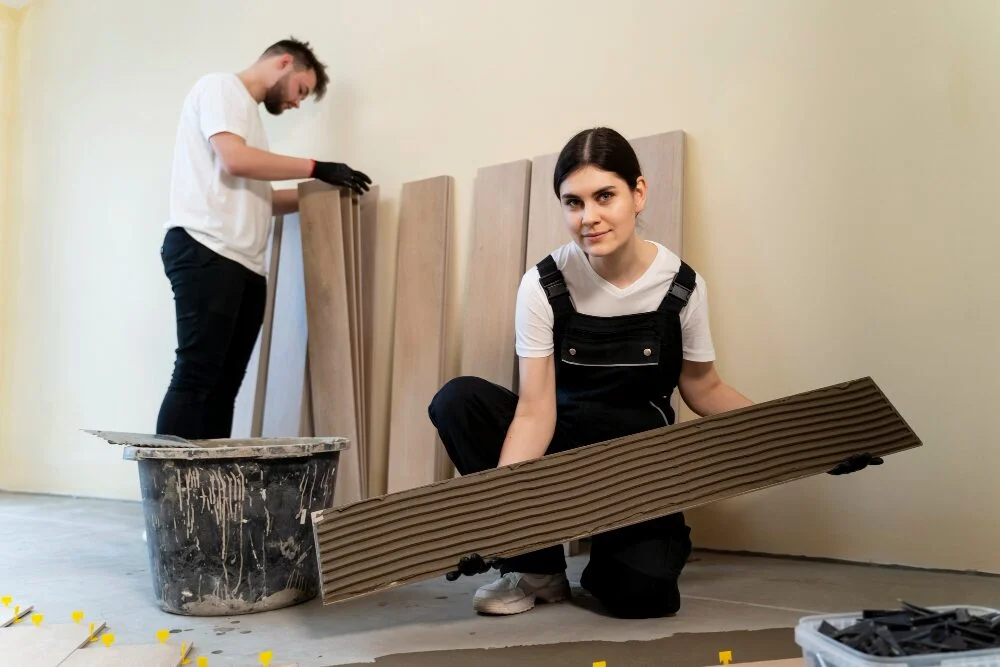
Sweep or vacuum regularly to remove dirt and debris that can scratch the finish. Use felt pads under furniture legs and place rugs in high-traffic areas to protect the floors.
Dealing with scratches and wear after refinishing
Minor scratches can be buffed out with a 120-grit sanding screen or floor buffer. For deeper scratches, apply wood filler, sand, and refinish that section of the floor.
When to apply a new coat of finish for maintenance
Over time, the finish may start to show signs of wear or dullness. Apply a new coat of polyurethane every few years to keep your floors looking their best.
FAQs
Can I refinish a hardwood floor myself?
Yes, refinishing hardwood floors is a DIY-friendly project with the right tools and preparation. However, it requires patience, attention to detail, and physical labor.
Is it worth it to refinish hardwood floors?
Refinishing is often more cost-effective than replacing hardwood floors, and it can breathe new life into your home while increasing its value.
Do you have to sand hardwood floors before refinishing?
Yes, sanding is a crucial step in the hardwood floor refinishing process to remove the old finish and prepare the surface for the new stain and polyurethane.
What is the difference between refinishing and resurfacing wood floors?
Refinishing involves sanding and applying a new stain and finish to the existing wood. Resurfacing is a more intensive process that involves removing the top layer of wood before refinishing.
