

[A well-chosen decking material doesn’t just elevate your backyard’s look—it ensures your outdoor space stays beautiful, safe, and low-maintenance for years. As the foundation of outdoor experiences, the materials used in deck construction significantly influence both aesthetics and longevity. Whether you’re weighing composite decking against pressure-treated lumber, the right choice balances curb appeal with real-world durability. Homeowners seek the perfect balance between visual appeal and durability when selecting materials.
This post delves into the key factors that contribute to a beautiful and enduring deck, illustrating how the right material choices can enhance your outdoor living experience.
Understanding Decking Materials
Picking the right decking material isn’t just about looks—it’s the difference between a deck that wows for years and one that needs constant repairs. Various materials offer distinct advantages and disadvantages. Traditional wood, often the go-to choice, boasts natural beauty and warmth but requires significant maintenance. Pressure-treated lumber is durable and resistant to decay, but may not have the same aesthetic appeal as more premium woods.
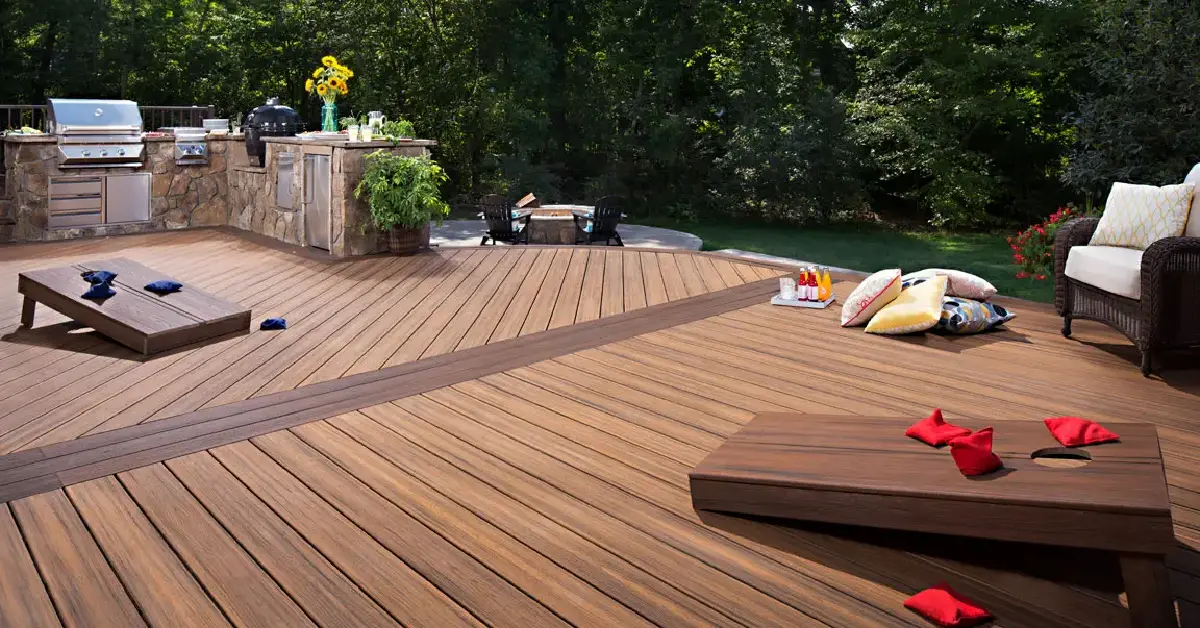
On the other hand, composite materials have gained popularity due to their low maintenance and high resistance to weather conditions. Composite options like Trex mimic wood grain while resisting fading, splintering, and moisture damage—ideal for homeowners prioritizing beauty with minimal upkeep. For eco-conscious projects, bamboo or recycled-composite decking offers renewable or waste-reducing alternatives—while PVC provides durability but requires careful end-of-life consideration. Each material has its unique characteristics, allowing homeowners to tailor their selection to their specific needs and preferences.
Weight and Load-Bearing Capacity
When constructing a deck, considering the weight and load-bearing capacity is important for ensuring its safety and performance. Different materials have varying structural attributes that impact how well a deck can support furniture, foot traffic, and weather elements. Heavy-duty hardwoods provide excellent durability and can withstand considerable weight. Composite materials are engineered to support high loads while remaining lightweight, making them an attractive choice.
Your deck’s framework must actively support your chosen material—using high-quality treated lumber or galvanized steel substructures ensures safety and longevity. By ensuring the right material combination, homeowners can create decks that look great and stand the test of time. It’s advisable to consult experts or structural engineers to determine appropriate materials and designs tailored to specific conditions.
Weather Resistance and Longevity
Weather resistance is a pivotal factor influencing the longevity of a deck. Exposure to elements like sun, rain, and snow can wear down materials quickly. Choosing materials that can resist warping, fading, and rotting is vital for maintaining a deck’s appearance and safety. Many composites are designed specifically for weather resistance, ensuring they remain visually appealing with minimal fading.
Treated woods and specially designed coatings can offer an added layer of protection to natural materials, prolonging their life. Many homeowners underestimate the impact of water and humidity in coastal regions where saltwater and storms are prevalent. Elevating a deck or incorporating drainage solutions can combat these weather-related challenges. By investing in weather-resistant materials and designs, homeowners can ensure their decks maintain beauty and functionality for years to come.
Maintenance and Care Requirements
Know what your deck will ask of you: wood needs regular sealing, while composite mostly just wants a quick rinse to keep its beauty intact. Non-wood materials like composites typically require minimal upkeep, making them appealing for busy homeowners. In contrast, wood decks demand regular maintenance, including sealing, staining, and periodic inspections for signs of wear or damage. Some homeowners enjoy this routine as it allows for customization while maintaining their deck’s aesthetic charm.
Others may prefer the low-maintenance benefit of composite alternatives. Balancing beauty with care requirements is key; a well-maintained wood deck can offer visual appeal, while a low-maintenance composite deck frees up time for enjoying the outdoor space. Working with reputable suppliers—like those specializing in composite or PVC decking—can provide tailored advice on materials that match your lifestyle and maintenance capacity. Choosing the right material means finding a balance between desired aesthetics, available time for upkeep, and long-term durability.
Color and Style Considerations
The color and style of decking materials play a significant role in the design of an outdoor space. Choosing hues and textures that complement existing architecture enhances curb appeal and visual harmony. Rich, warm tones might evoke comfort, while cooler shades can provide a sleek, modern aesthetic.
Naturally, wood offers a wide range of colors through its grain and species, allowing for rich customization through staining or sealing. Meanwhile, composite materials come in various colors, designs, and textures, making it easy to find the perfect match for any home. Pair your chosen material with hidden fastener systems like Camo for a seamless, screw-free surface that elevates both safety and visual appeal. Outdoor design trends influence material choice, sustainability, and unique styles are popular among many homeowners. By taking time to consider the desired aesthetic, one can select decking materials that create a beautiful outdoor ambiance.
Eco-Friendly Decking Options
Given the growing emphasis on sustainability, many homeowners seek eco-friendly decking materials that minimize environmental impact. Recycled composites represent an innovative option, constructed from discarded plastic and wood fibers, drastically reducing waste. Bamboo is another sustainable alternative, as it grows significantly faster than traditional timber, making it a renewable resource.
Leading decking brands now prioritize eco-friendly manufacturing, so you can choose sustainable materials without compromising on quality or style. When choosing hardwoods, verify FSC Certification to ensure your beautiful and durable deck supports responsible forestry practices. Understanding the lifecycle of chosen materials empowers homeowners to make informed, responsible decisions and contribute to environmental conservation.
When you weigh weather resistance, upkeep, and your style preferences, you’ll craft an outdoor oasis that feels uniquely yours and stands up to whatever the sky throws at it, complementing home design perfectly. Ready to compare options? Start with a climate-specific decking guide to finalize your choice. Investing time in thoughtful material selection reaps long-term satisfaction and enjoyment.]
