

A roof’s lifespan typically ranges from 15 to 50 years, depending on the material and the climate it’s exposed to. Asphalt shingles last 15-25 years in moderate climates but wear faster in states with extreme heat, hail, or hurricane winds. Metal, tile, and slate roofs last considerably longer, often 40-70 years, but cost more upfront.
If you own a home in a region with harsh winters, intense heat, or storm activity, your roof’s actual lifespan may fall well short of the manufacturer’s stated range. The sections below break down realistic timelines by material and by region, along with signs of wear, replacement costs, and maintenance steps that genuinely extend a roof’s service life.
Understanding Roof Lifespan for Homes in Different US Climates
Roof lifespan is not a fixed number. It’s a range that shifts based on three factors: the material installed, the quality of the installation, and the climate stress the roof absorbs year after year. A 25-year asphalt shingle roof in a mild Pacific Northwest climate might reach 22-24 years. The same shingle in a Texas home with intense UV exposure and hail storms often needs replacement by year 15-17.
In my experience inspecting homes across different regions, homeowners are usually surprised to learn that the “25-year shingle” label refers to laboratory testing conditions, not their specific climate. Manufacturers test under controlled conditions that rarely match real-world weather cycles, such as freeze-thaw cycles, hail impacts, or sustained humidity.
For single-family homes, the roofing system also includes underlayment, flashing, ventilation, and gutters — all of which affect how long the primary roofing material actually performs before it needs replacement.
How Climate Affects Roofing Material Lifespan
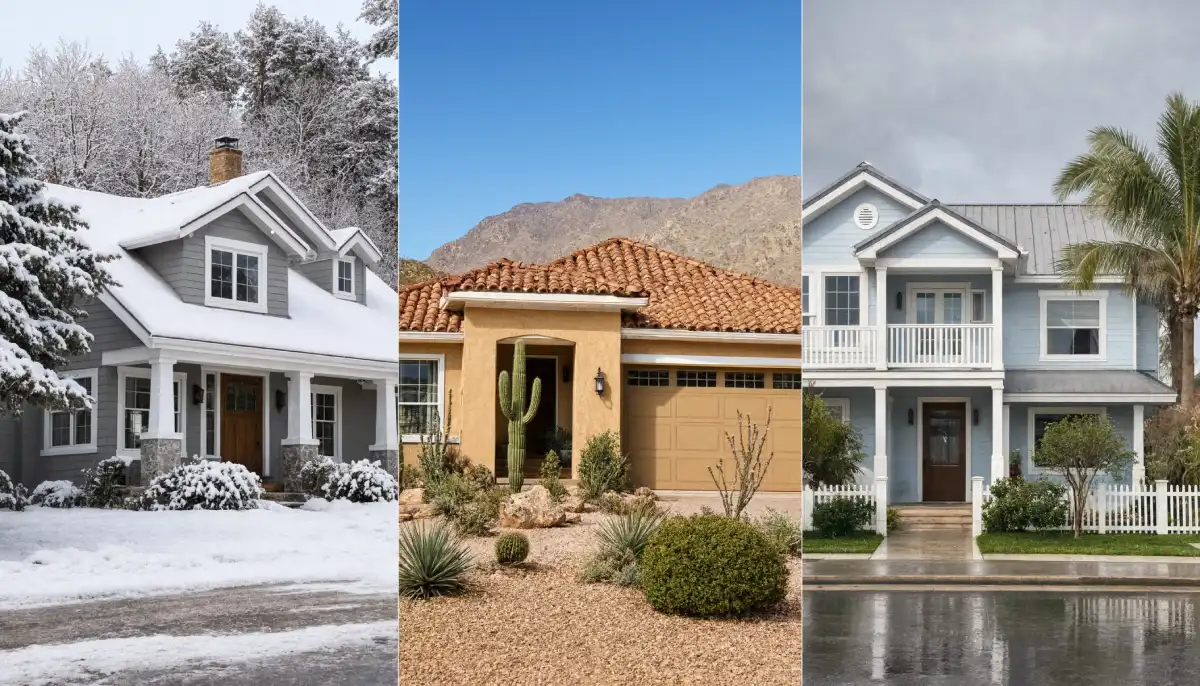
Climate stress accelerates roof aging in specific, predictable ways:
- Freeze-thaw cycles (Midwest, Northeast): Water gets into small cracks, freezes, expands, and widens the damage. This is one of the leading causes of shingle granule loss and ice dam formation.
- UV and heat exposure (Texas, Southwest, Southern California): Constant sun exposure dries out asphalt shingles, making them brittle and prone to cracking years before the warranty period ends.
- Hurricane and high-wind exposure (Florida, Gulf Coast): Wind uplift can loosen shingles or tiles even when the roof is otherwise structurally sound, leading to earlier full replacement.
- Wildfire and dry heat (California, parts of the Southwest): Building codes in wildfire zones now require Class A fire-rated roofing, which changes both material choice and cost.
- Heavy rain and moss growth (Pacific Northwest): Persistent moisture promotes moss and algae growth, which traps water against the roofing surface and shortens material life if not cleaned regularly.
A common mistake I see is homeowners assuming a roof rated for 25 years will hit that mark regardless of location. Climate is often the single biggest variable in how long a roof actually lasts.
Average Roof Lifespan by Material Type
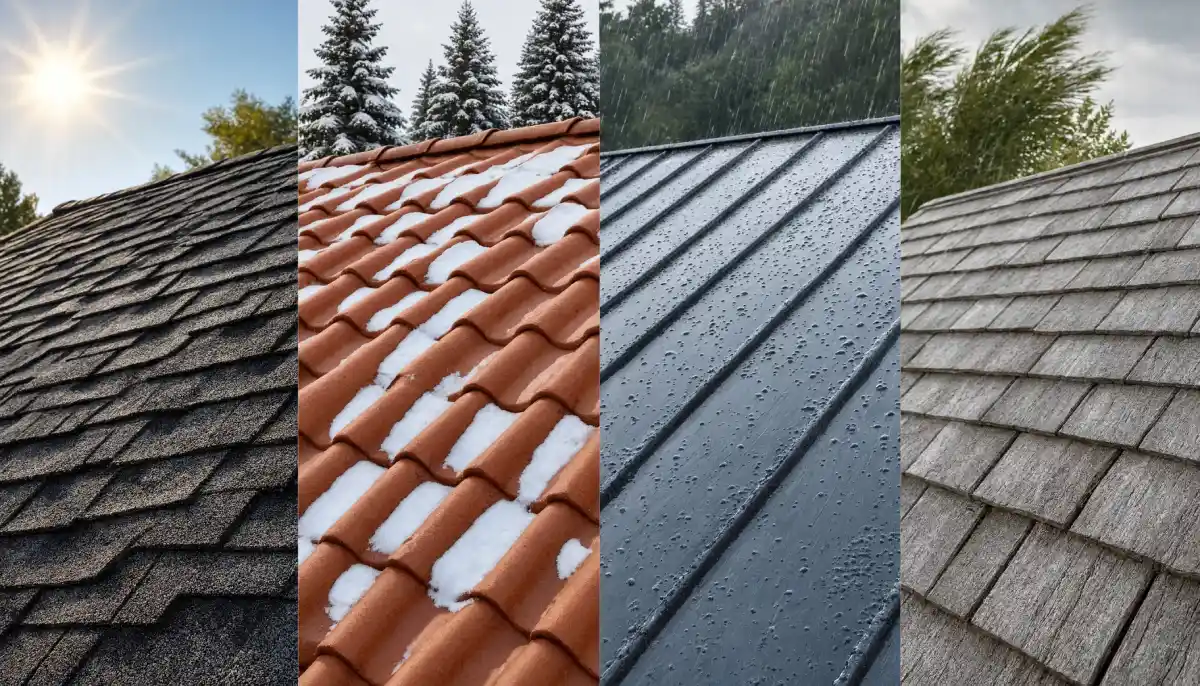
Here is a realistic breakdown of average lifespan by roofing material, based on typical performance across US climates:
| Roofing Material | Average Lifespan | Best Suited Climate |
|---|---|---|
| Asphalt shingles (3-tab) | 15-20 years | Moderate climates, budget projects |
| Architectural (dimensional) shingles | 20-30 years | Most US climates |
| Metal roofing (standing seam) | 40-70 years | Snow, wildfire zones, hurricane areas |
| Clay or concrete tile | 50+ years | Hot, dry climates (Southwest, Florida) |
| Slate | 75-100+ years | Northeast, cold climates |
| Wood shake | 20-30 years | Dry, low-humidity climates only |
| TPO/flat roofing (low-slope homes) | 20-30 years | Any climate, common on additions |
Roof Lifespan Comparison by Material
| Material | Initial Cost | Long-Term Cost | Durability | Maintenance | Installation Difficulty | Best Use Case |
|---|---|---|---|---|---|---|
| Asphalt shingles | Low | Moderate (replace 2-3x per lifetime of home) | Moderate | Low-Moderate | Easy | Budget-conscious homeowners in moderate climates |
| Metal roofing | High | Low (rarely replaced) | High | Low | Moderate-High | Snow load, wildfire, hurricane regions |
| Clay/concrete tile | High | Low | High | Moderate | High | Hot, dry, or coastal climates |
| Slate | Very High | Very Low | Very High | Low | Very High | Historic homes, cold Northeast climates |
| Wood shake | Moderate | High (frequent upkeep) | Low-Moderate | High | Moderate | Dry climates with low fire risk |
Signs Your Roof Is Nearing the End of Its Lifespan
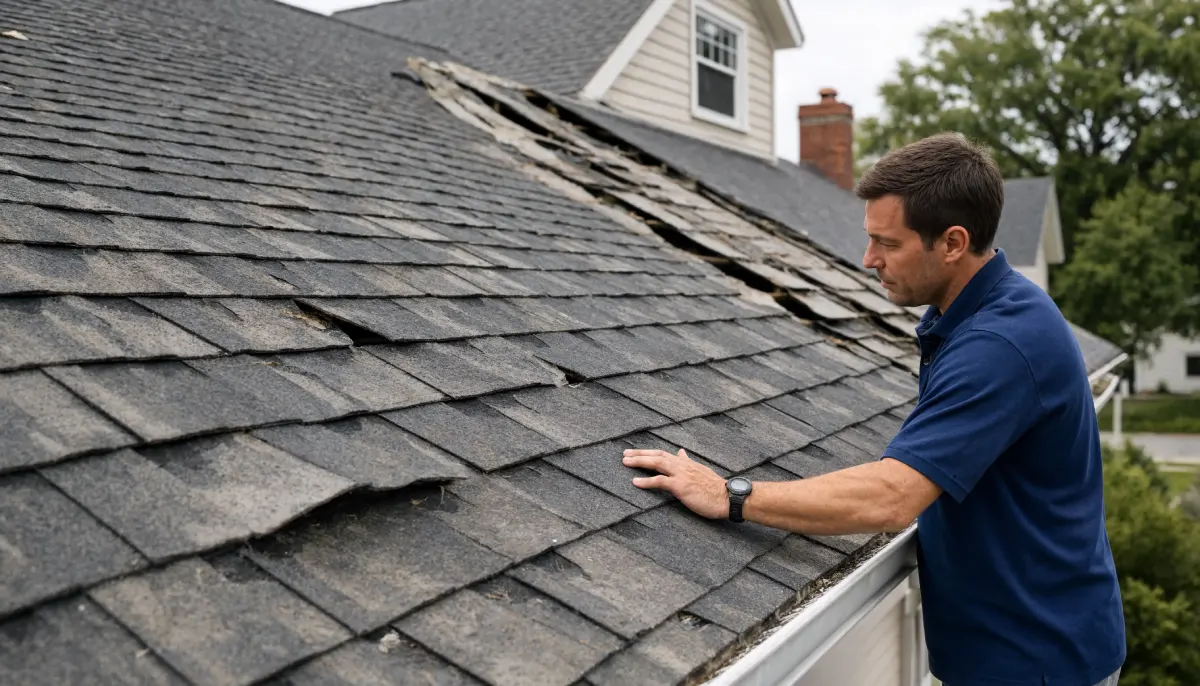
A roof nearing the end of its life typically shows granule loss, curling shingles, visible daylight through the attic, or recurring leaks after storms. These signs mean replacement planning should start, even if the roof hasn’t failed yet.
Watch for:
- Shingles that are cupping, curling, or missing granules
- Dark streaks or moss patches that keep returning after cleaning
- Sagging areas on the roofline, which can indicate structural or decking issues
- Daylight is visible through the attic roof boards
- Rising energy bills, which often point to failing insulation or ventilation tied to the roof condition
- Multiple recent repairs in different areas of the roof
In homes I’ve inspected that were 18-20 years past installation, it’s common to see three or four of these signs simultaneously, which usually means full replacement is more cost-effective than continued patch repairs.
Cost Breakdown: Roof Replacement Timeline and Budget
| Budget Tier | Cost Range (Full Roof, Average US Home) | What’s Included |
|---|---|---|
| Low Budget | $6,000 – $10,000 | Asphalt 3-tab shingles, basic tear-off, standard underlayment |
| Mid Budget | $10,000 – $18,000 | Architectural shingles, upgraded underlayment, improved ventilation |
| High Budget | $18,000 – $40,000+ | Metal, tile, or slate roofing, full structural upgrades where needed |
Cost varies significantly by region. Labor costs in coastal and high-cost-of-living states run higher, and homes in wildfire or hurricane zones may require code-mandated upgrades (fire-rated materials, hurricane strapping) that add to the base price. Always get at least three itemized quotes, since roofing pricing varies more than most other home improvement categories.
DIY vs Professional Help for Roof Maintenance
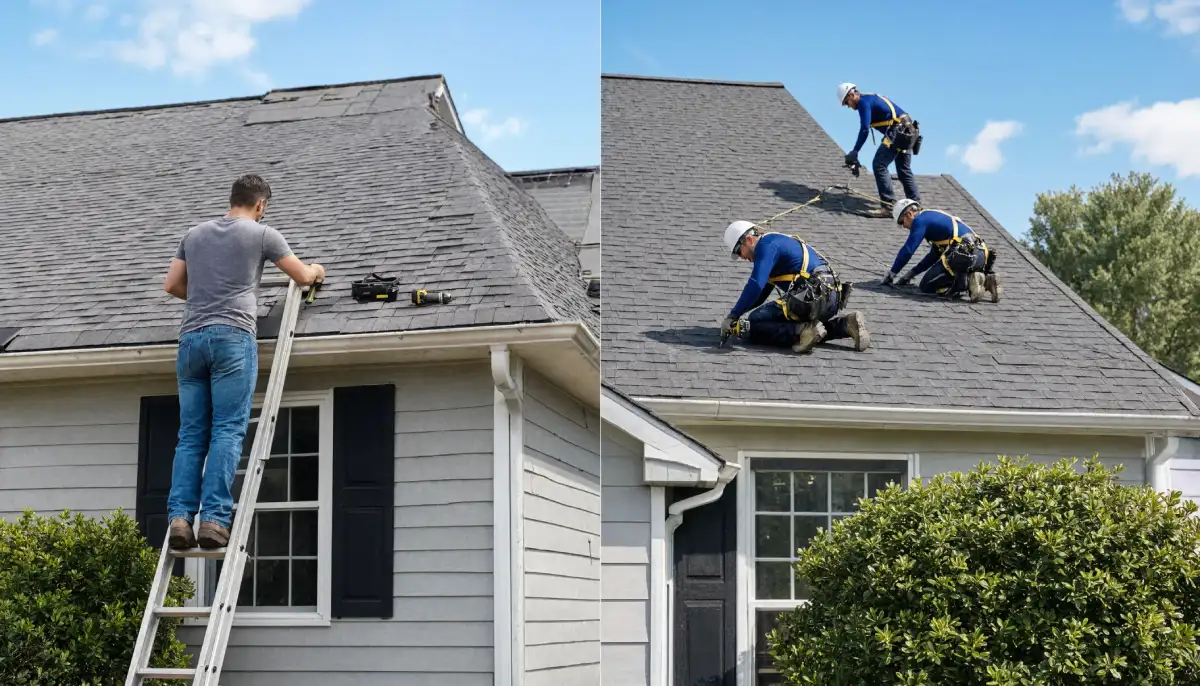
Roof replacement itself is not a realistic DIY project for most homeowners — it involves safety risk, code compliance, and warranty requirements that typically require a licensed roofing contractor. However, homeowners can safely handle several maintenance tasks themselves:
Reasonable DIY tasks:
- Clearing debris and leaves from valleys and gutters
- Visual inspections from the ground with binoculars after storms
- Trimming overhanging branches
- Cleaning moss with appropriate roof-safe treatments (not pressure washing, which can strip granules)
Call a licensed professional for:
- Any roof walking or inspection above a single story
- Leak diagnosis, since the leak source is often far from where the water appears inside
- Full replacement or major repair
- Insurance claim documentation after storm damage
A licensed, insured contractor also protects the homeowner if something goes wrong during the work. Always verify licensing and request proof of insurance before signing a contract.
Common Mistakes Homeowners Make That Shorten Roof Lifespan
- Ignoring minor leaks until they cause decking damage
- Skipping annual inspections, especially after major storms
- Choosing the cheapest contractor bid without checking references or licensing
- Failing to address poor attic ventilation, which traps heat and moisture under the roofing material
- Pressure washing shingles strips protective granules
- Layering new shingles over old ones instead of a full tear-off, which traps heat and shortens the lifespan of both layers
The ventilation mistake is one of the most common issues I come across. Homeowners replace the shingles but never address the underlying attic ventilation problem, so the new roof ages just as fast as the old one did.
Extending Your Roof’s Lifespan: Maintenance Best Practices
- Schedule a professional inspection once a year and after any major storm
- Keep gutters and downspouts clear to prevent water backup under the roofline
- Address small leaks or missing shingles immediately rather than waiting
- Improve attic insulation and ventilation to reduce heat and moisture buildup
- Trim tree branches that overhang the roof to reduce debris and impact damage
- Remove moss and algae growth with roof-safe cleaning products, not high-pressure washing
- Keep records of inspections and repairs, which helps with insurance claims and resale value
- Check flashing around chimneys, vents, and skylights, since these are common leak points
FAQs
How much does a roof replacement cost?
Most homeowners in the US pay between $6,000 and $18,000 for a standard asphalt shingle roof replacement, depending on home size and region. Premium materials like metal, tile, or slate cost significantly more but last several times longer, which can make them more cost-effective over the life of the home.
Can I DIY a roof replacement on my home?
Full roof replacement is not recommended as a DIY project due to fall risk, code requirements, and warranty terms that usually require licensed installation. Homeowners can handle basic maintenance like gutter cleaning and visual inspections, but structural and material work should go to a licensed roofing contractor.
Do I need a permit for a roof replacement?
Most US municipalities require a permit for a full roof replacement, especially when decking or structural work is involved. Permit requirements and costs vary by city and county, so check with the local building department before scheduling work.
Is a roof replacement worth it for homeowners?
Yes, in most cases. A properly installed roof protects the home’s structural integrity, improves energy efficiency, and typically recoups a significant portion of its cost at resale. Deferred roof replacement often leads to more expensive water damage and structural repairs later.
What roofing material lasts the longest?
Slate and metal roofing last the longest, often 50-100 years with proper installation and maintenance, compared to 15-30 years for asphalt shingles. The tradeoff is a significantly higher upfront installation cost.
How do I know if my roof needs full replacement or just repair?
If the damage is isolated to one area and the roof is under 15 years old, repair is often sufficient. Widespread granule loss, multiple leak points, or a roof older than 20 years usually point to full replacement being the more practical option.
Does homeowners’ insurance cover roof replacement?
Insurance typically covers roof damage caused by sudden events like hail, wind, or fallen trees, but not damage from normal wear and aging. Documentation and prompt reporting after a storm significantly improve the chances of a successful claim.
How does roof color affect lifespan in hot climates?
Lighter-colored roofing materials reflect more heat and can reduce attic temperatures in hot climates, which may modestly extend shingle life and reduce cooling costs. This is a secondary factor compared to material quality and ventilation, but it’s worth considering in consistently hot regions.
What’s the difference between architectural and 3-tab shingles?
Architectural shingles are thicker, more wind-resistant, and generally last 5-10 years longer than 3-tab shingles, though they cost more upfront. Most contractors now recommend architectural shingles as the standard mid-tier option.
Related Factors Homeowners Should Consider
- Attic ventilation and insulation: Poor ventilation is one of the most common reasons roofs age faster than expected, regardless of material.
- Local building codes: Wildfire, hurricane, and snow-load codes affect which materials are permitted and can add cost to replacement projects.
- Home resale value: A newer roof is one of the most frequently checked items during home inspections and can affect buyer negotiations.
- Solar panel installation plans: If solar is a future consideration, it’s often more cost-effective to replace the roof first rather than removing and reinstalling panels later.
- Gutter and drainage condition: Roof lifespan is closely tied to how well water is directed away from the roofline and foundation.
Conclusion
Roof lifespan depends on three decisions: the material chosen, the climate the home sits in, and how consistently the roof is maintained. Asphalt shingles remain the most affordable option, but wear faster under intense heat, hail, or freeze-thaw stress. Metal, tile, and slate cost more upfront but often outlast two or three asphalt replacements over the life of a home.
Before deciding, homeowners should get a professional inspection to assess the current roof condition, compare at least three contractor quotes, and factor in local permit and code requirements. Regular maintenance — gutter cleaning, prompt leak repair, and proper ventilation — extends the life of any roofing material regardless of climate. The right choice comes down to balancing upfront budget against long-term cost and how much climate stress the roof will realistically face each year.
