

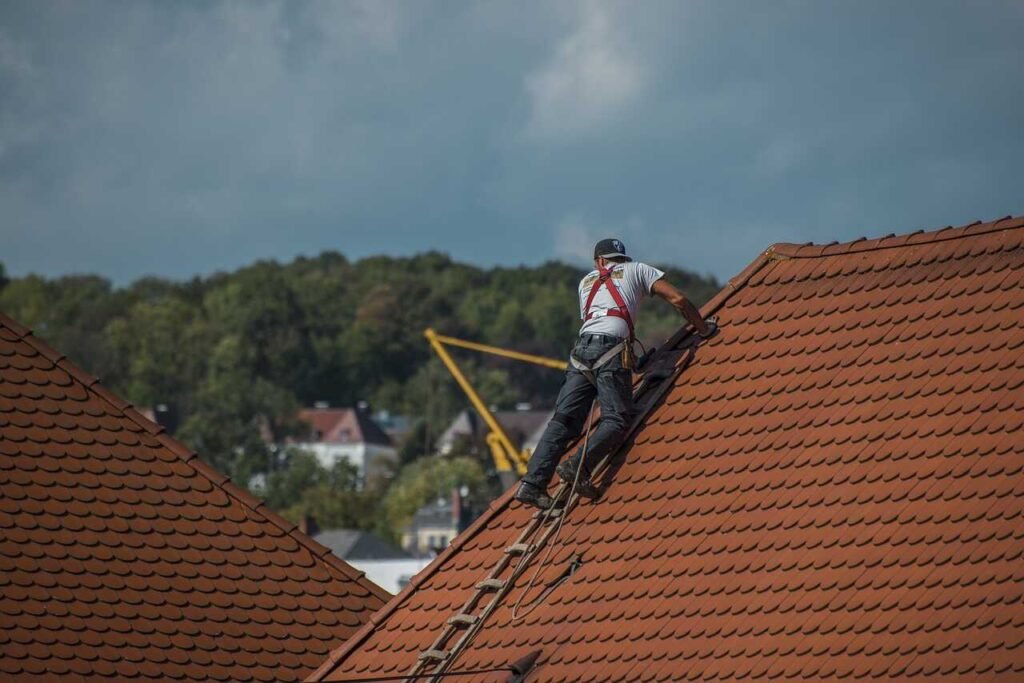
When determining how long your asphalt roof will last, there’s no universal timeline. Asphalt shingle lifespan varies significantly based on installation quality, climate exposure, and maintenance practices. Understanding the roof lifespan helps homeowners plan for timely repairs or replacement.
What Affects the Lifespan of Your Asphalt Shingle Roof?
Most homeowners ask: ‘How long will my asphalt shingle roof actually last?’ While 20 years is the typical baseline for roof shingles, your roof’s lifespan depends on seven specific, controllable factors. The quality of your roof materials plays a huge role—premium laminated shingles with reinforced fiberglass mats typically last 25-30 years. The pitch of your roof, local climate stressors (UV index, freeze-thaw cycles), and proper installation per manufacturer guidelines all impact roof lifespan.
Proper roof ventilation isn’t optional—it’s critical. Inadequate airflow traps heat and moisture, accelerating shingle deterioration and potentially voiding manufacturer warranties. Ensure your system maintains a 1:300 vent-to-attic-floor-area ratio with balanced intake (soffit) and exhaust (ridge) placement. Depending on these factors, that’s how long you can expect your entire roof to hold up before the whole roof will need an overhaul. With proactive maintenance and attention to these factors, your roof can reach its full designed lifespan—but ignoring warning signs may cut that timeline short by 5-10 years.
Impact of Roof Materials on Lifespan
The life expectancy of your asphalt shingles is heavily influenced by the quality of the materials used. Not all asphalt shingles are created equal—premium laminated shingles with reinforced fiberglass mats and ceramic-coated granules typically last 25-30 years, while basic 3-tab shingles average 15-20 years under identical conditions. When comparing shingle options, prioritize products tested to ASTM D3462 standards for wind resistance and granule adhesion—these certifications correlate directly with longer field performance and warranty validity. The type of asphalt shingle you choose can significantly impact its lifespan.
The Role of Climatic Conditions in Roof Durability

The climate in your area plays a huge role in determining the lifespan of an asphalt shingle roof. Harsh weather conditions like extreme heat, cold, or humidity can cause premature aging and deterioration. In hail-prone areas, select shingles with UL 2218 Class 4 impact resistance—this tested rating means the shingle withstands 2-inch steel ball impacts without cracking, directly reducing storm-related replacement risk. Even the direction your roof faces can affect its exposure to the elements and, consequently, its lifespan.
How Regular Maintenance Extends Your Roof’s Life
Regular roof inspections and prompt repairs can add years to your roof’s lifespan. Neglecting maintenance issues like clogged gutters or loose shingles can lead to roof leaks, which don’t last as long as well-maintained roofs. Proper ventilation also plays a role in extending the life of your asphalt shingles.
Comparing Lifespans: Asphalt vs. Other Roof Types
Metal Roof vs. Asphalt Shingle: Which Lasts Longer?
While asphalt roofs won’t typically last for decades, metal roofs are known for their exceptional durability and longevity. A well-installed metal roof can last up to 100 years, significantly outlasting most asphalt shingle roofs. However, metal roofs come with a higher upfront cost, which may not justify the investment for some homeowners.
Tile and Slate Roofs: Are They Worth the Investment?
Tile and slate roofs are among the most durable and long-lasting options, with some roofs made from these materials determining how long they can last. However, they are also the most expensive roofing options, and their weight may require additional structural support. If you’re looking for a roof that can potentially outlast you, tile or slate might be worth considering.
The Average Lifespan of Asphalt Shingle Roofs
While there are many variables that affect how long shingles last, most asphalt shingles last around 15 to 30 years. However, this average roof lifespan can vary significantly based on the factors mentioned earlier. Knowing how long your roof is supposed to last can help you get ready for when it’s time to swap it out.
Signs You Might Need a New Roof Sooner Than Expected
Identifying Critical Roof Damage
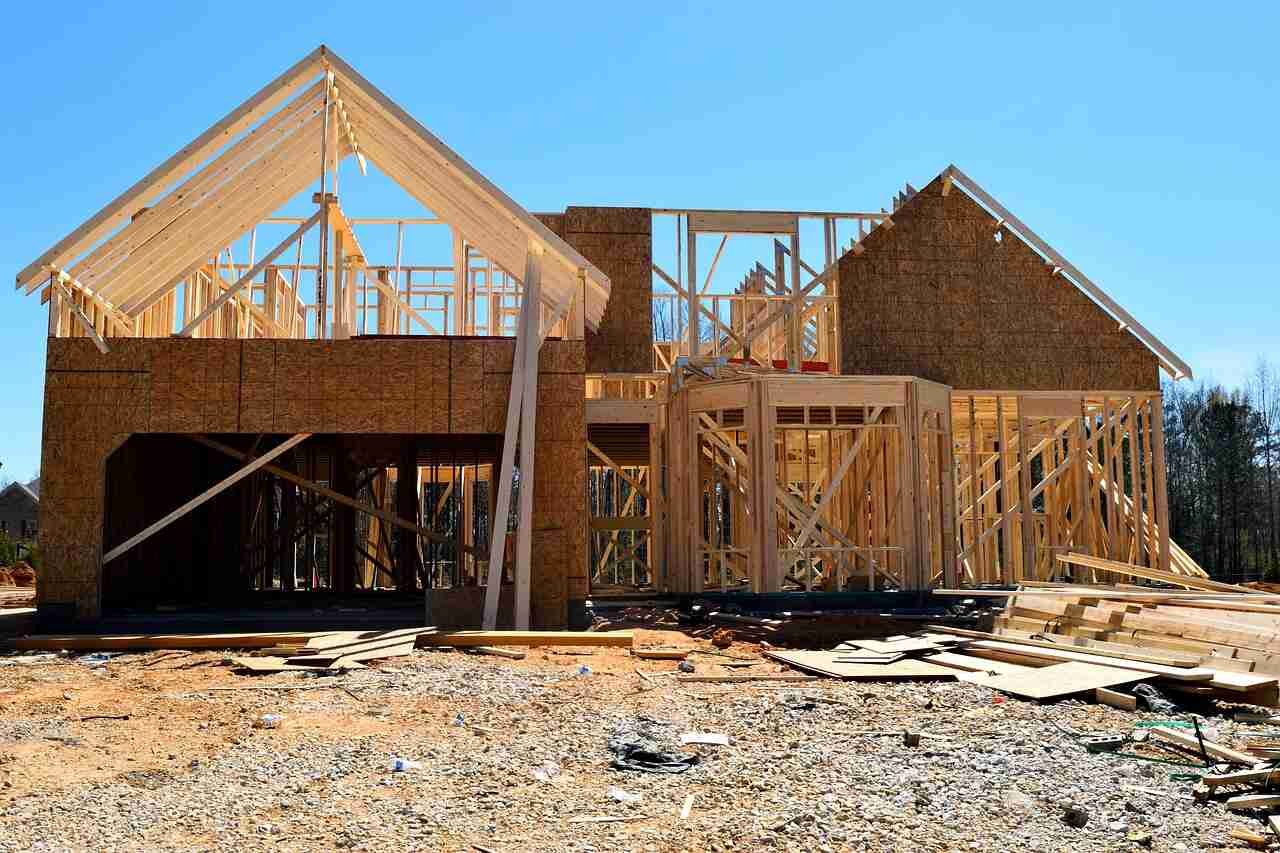
Even a well-maintained roof can suffer from unexpected damage that can shorten its lifespan. Divots in the roof, missing or cracked shingles, and water stains on ceilings are all signs of potential issues. It’s essential to address these problems promptly to prevent further damage and extend your roof’s life.
When Roof Repairs Just Won’t Cut It Anymore
In some cases, the damage to your roof may be too extensive for repairs to be a viable solution. If you find yourself constantly patching up leaks or dealing with recurring issues, it might be time to consider replacing a roof. Ignoring the need for a full roof replacement can lead to more costly problems down the line.
Understanding the Warning Signs of Roof Failure
Some signs of impending roof failure are more subtle, such as poor roof ventilation or inadequate attic airflow. These issues can lead to premature aging and damage, shortening your roof’s life expectancy. Paying attention to these warning signs can help you anticipate when your roof might need replacement.
Extending the Life of Your Roof: Maintenance and Care Tips
Essential Roof Inspection and Care Routine
To get the most out of your asphalt roof and help it last as long as possible, regular inspections and maintenance are key. This includes clearing debris from gutters, checking for loose or damaged shingles, and addressing any potential roof leaks promptly. Establishing an annual roof inspection routine can help catch issues early and prevent more significant problems.
Preventive Measures to Avoid Premature Roof Replacement
In addition to regular maintenance, there are preventive measures you can take to protect your roof and extend its lifespan. These include proper attic insulation, ensuring adequate ventilation, and trimming overhanging trees that could damage your roof. Taking these proactive steps can save you from the hassle and expense of an unexpected roof replacement.
DIY Roof Maintenance vs. Professional Services
While some roof maintenance tasks can be tackled as DIY projects, others may require the expertise of a professional roofer. Replacing the roof or addressing major issues like poor roof ventilation and safety precautions is best left to the professionals. Partner with a GAF Master Elite® contractor to ensure installation follows exact manufacturer specifications—proper nailing patterns and underlayment placement can add 5+ years to your roof’s effective, warranty-covered lifespan. Knowing when to call in the experts can save you time, money, and potential injuries.
When It’s Time for a Roof Replacement: What to Expect
Deciding Between Roof Repair and Replacement
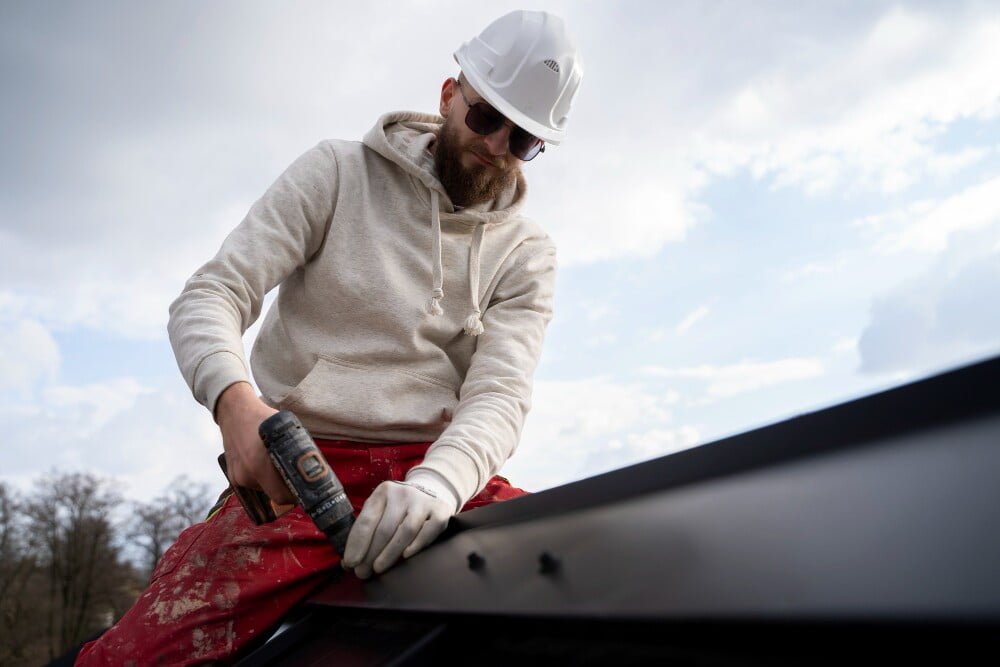
As your roof ages, you may face the decision of whether to repair or replace it. While repairs may seem like a more cost-effective option in the short term, they may not always be the best long-term solution. Evaluating the extent of the damage, the age of your roof, and the potential for future issues can help you make an informed decision.
Cost Considerations for New Roof Installation
Replacing a roof is a significant investment, and the cost can vary widely depending on factors like the size of your home, the type of roofing material, and the complexity of the project. Understanding the cost implications can help you budget accordingly and make an informed decision about the best roofing option for your needs and budget.
Choosing the Right Material for Your New Roof
When it’s time to replace the roof, you’ll have the opportunity to choose a new roofing material that better suits your needs and preferences. Factors to consider include durability, energy efficiency, aesthetic appeal, and long-term costs. Consulting with a reputable roofing contractor can help you weigh the pros and cons of different materials and make an informed choice.
The Future of Roofing: Innovations That Will Make Your Roof Last Longer
Advancements in Asphalt Shingle Technology
While asphalt shingles have been a popular roofing choice for decades, manufacturers are continually working to improve their durability and longevity. New technologies like impact-resistant shingles and reflective coatings can help extend the life of your roof. Staying informed about these advancements can help you make an informed decision when it’s time to replace your roof.
Eco-friendly and Sustainable Roofing Solutions
As environmental concerns continue to rise, there is a growing demand for eco-friendly and sustainable roofing solutions. Options like solar shingles, green roofs, and recycled roofing materials not only offer environmental benefits but can also last up to 30 years or more. Energy Star®-rated reflective shingles can reduce roof surface temperature by up to 50°F, minimizing thermal cycling stress and extending service life in sun-intensive regions like the Southwest. Investing in these innovative solutions can benefit both the planet and the longevity of your roof.
The Impact of Modern Installation Techniques on Roof Lifespan
Advancements in roofing installation techniques can also contribute to a longer roof life expectancy for flat roofs and roofs with complex designs. Proper installation is crucial for ensuring the longevity of any roofing system, and modern techniques like specialized underlayments and improved flashing can help prevent leaks and premature failure. Upgrading to synthetic underlayment with high tear strength provides superior moisture protection during installation delays or sudden storms, reducing the risk of deck rot that can shorten your roof’s functional lifespan by years. Choosing an experienced and reputable roofing contractor who stays up-to-date on the latest installation best practices can be a key factor in maximizing your roof’s lifespan.
FAQs
What’s the average life of a roof?
The average lifespan of a roof can vary widely depending on factors like the roofing material, climate, and maintenance. Asphalt shingle roofs typically last around 15 to 30 years, while more durable options like metal, tile, or slate can last for decades or even over a century with proper care.
What is the life expectancy of a roof covering?
The life expectancy of a roof covering is heavily influenced by factors that determine how long it will last, such as the roofing material, climate conditions, and maintenance routine. High-quality materials installed correctly and maintained regularly can significantly extend the lifespan of your roof.
What roof has the longest lifespan?
Among the various roofing materials, slate and tile roofs are generally considered to have the longest lifespan, lasting up to 100 years or more when properly installed and maintained. Certain metal roofing systems can also last for decades, potentially outliving asphalt shingles by a significant margin.
What roof lasts 50 years?
Several roofing materials can potentially last up to 50 years or more with proper installation and maintenance, including:
- Metal roofing (e.g., standing seam, aluminum, copper)
- Concrete or clay tile roofs
- Slate roofs
- Certain high-end asphalt shingle products (e.g., architectural or dimensional shingles)
The factors that impact how long a roof lasts depend on the specific material, climate conditions, and the care it receives over its lifetime.
In conclusion, while asphalt shingles are a popular and cost-effective roofing choice, their lifespan is relatively shorter compared to other materials. By understanding the factors that influence roof lifespan, investing in quality materials, and maintaining your roof properly, you can ensure your home is well-protected for years to come. Regular inspections, prompt repairs, and addressing issues like clearing the roof and gutters of debris or removing branches left sitting on your roof can significantly extend the life of your asphalt shingle roof. However, if your roof needs repairs that become too frequent or extensive, it may be time to consider a full roof replacement with a more durable type of roof that better suits your needs and budget. Schedule a free roof assessment with a certified inspector to identify ventilation gaps, shingle wear patterns, or flashing vulnerabilities before minor issues become costly replacements. Ultimately, knowing how long your roof is expected to last and taking proactive measures can help you avoid unexpected and costly replacements down the line.
